







centrifugal pump for water supply
When you hear “centrifugal pump for water supply?”, many people imagine just a universal unit that pumps. But in reality, it’s a whole story with pitfalls. How many times have you encountered the fact that a customer takes the first model he comes across, chases the cheapest price, and then suffers from cavitation, engine overload, or the fact that the pump simply does not produce the required pressure. The main myth is that they are all the same. In fact, the choice of a specific type, material of the flow part and even the method of sealing the shaft determines whether the system will work for years or fail after a season.
From the drawing to the pumping station: where the specifics lie
For example, work on a water supply project for a small village. The task is to lift water from the well, pass it through the filter system and ensure stable pressure in the network. It would seem that takemultistage centrifugal pump- and the trick is in the bag. But the depth of the well turned out to be greater than calculated, and even with sand. The single-stage model was immediately dropped - there wasn’t enough pressure. Standard multi-stage vertical - risk of clogging and wear. I remembered the line of submersible well pumps fromZhejiang Yangzijiang Pumping Industry Co.,Ltd. They have a range of models specifically for such conditions - with reinforced impellers that are resistant to abrasive. This is not an advertisement, but by the way - when you see a section with tests on the website https://www.yangtzeriverpump.ru, you understand that the manufacturer at least tests the hydraulics on a stand, and does not just assemble them from purchased parts.
But that's not all. After the well, a booster station was also needed in the building itself. There is already a story with noise and dimensions. Linear centrifugal pumps (in-line) are good for inserting into a straight pipe and are compact. But they are often installed without damping inserts, and the vibration is transmitted to the pipeline - the noise is such that residents complain. I had to additionally order flexible inserts and vibration supports. A trifle, but without it it’s a headache.
And here is an important point that is often silent in catalogs: interchangeability. It seems that the flange is in accordance with GOST - and everything will fit. And then it turns out that the mounting length dimensions of a pump from one manufacturer are 20 mm larger than the old one, and it simply cannot be squeezed into the prepared niche. When choosing, always ask not only for the hydraulic curve, but also for the dimensional and connection drawings. We got burned by this.
Materials: why ?stainless steel? - not a panacea
Another common mistake is blind faith in “stainless steel”. for pumping water. For clean, conditionally, drinking water - yes, an option. But if we are talking about process water, perhaps with a residual chlorine content or low pH, pitting corrosion begins. I saw how, in two years, the corrosion had eaten away. impeller made of grade 304 stainless steel in the water recycling system. The client screamed that he had been deceived.
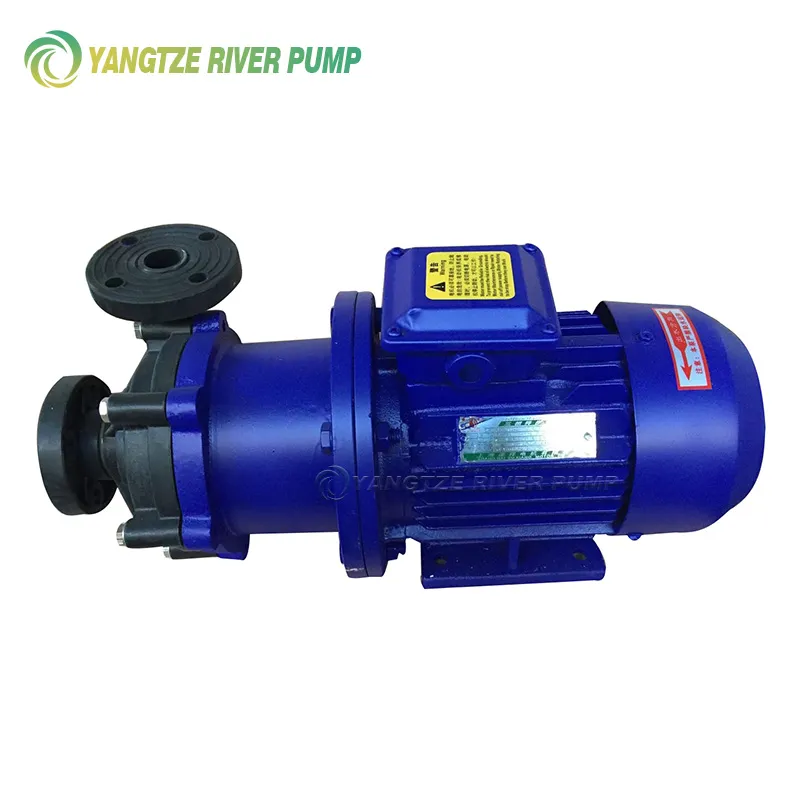
For aggressive environments they often look betterplastic chemical pumpsmade of polypropylene or PVDF. The same Yangtze Jiang has such models in its program. But here there is a nuance - plastic may not be suitable for hot water or highly abrasive environments. You need to look at the temperature and composition of the environment. Once we used a plastic pump to supply water with fine quartz sand (an oversight in the analysis) - the housing and impeller were ground off in a few months. We had to switch to pumps with wear inserts made of special cast iron.
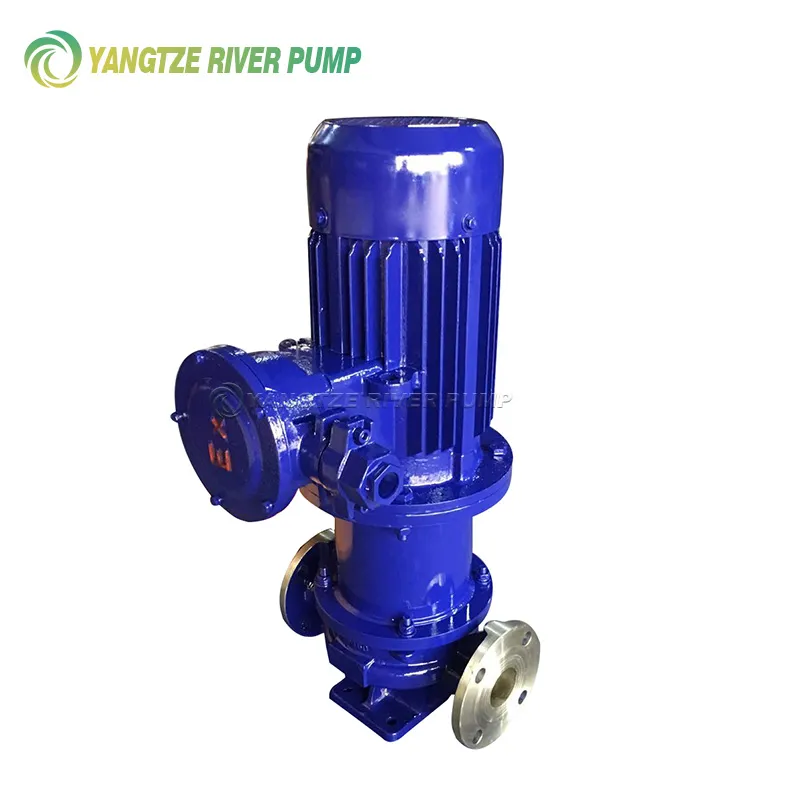
And about the seals. The stuffing box seal is cheaper, but requires maintenance and drips. The mechanical mechanical seal (TMU) is hermetically sealed, but is susceptible to dry running and solid particles. For water with sand, I would recommend a TMU made of silicon carbide versus graphite, for example, or even switch to an option with a magnetic coupling (magnetic pumps), where there is no sealing unit at all. This is more expensive, but for critical areas where leakage is unacceptable, it is ideal. The range of the mentioned manufacturer also includes these, which is convenient - you can choose a solution within one supplier.
Installation and “first start-up”: where problems arise
The most interesting part begins at the site. The pump was delivered and installed. A common mistake installers make is not to adjust the alignment with the electric motor when using a coupling connection. It seems that “this will do.” It won't do. Vibration, bearing overload, failure after a thousand hours. We always require the use of a laser centering machine. This is an axiom.
First launch. Before doing this, be sure to drain the system and check the direction of rotation. How many times have I seen a three-phase motor turned on in reverse?! In this case, the pump can even create a slight pressure, but the efficiency will be close to zero, and it will quickly overheat. Another moment withself-priming pumps. They are often used for pumping from containers or wells. It is important to remember that before the first start-up they need to be filled with the pumped liquid. A dry start is death for most centrifugals. A self-priming model without priming simply will not start working, but the motor will burn.
And about the piping. Before and after the pump, you need shut-off valves, a check valve (so that water does not flow back when stopped), a pressure gauge and a vibration insert. Does it seem like nonsense? But the absence of a check valve on a long vertical pipeline can lead to water hammer the next time it is started - the water, flowing down, accelerates and, at the moment the pump is turned on, encounters an oncoming flow. The result is a bent shaft or a destroyed impeller. Tested by bitter experience.
Case study: when the specification lies
There was a project - an irrigation system for an agricultural enterprise. Pond water with algae and silt. According to the passport they took the standard onecentrifugal pump for water supplywith a large nominal bore. He worked for at most a month. Everything was clogged: both the impeller and the volute. Stopping, disassembling, washing - constant downtime.
We began to look for an alternative. Consideredsingle screw pumps(screw) - they cope well with viscous media and those containing solid inclusions. But for large volumes of water that were needed for irrigation, their productivity and efficiency were insufficient, and the price was higher. As a result, a compromise was found - a centrifugal pump, but of a special design, with increased clearances and a cutting mechanism at the inlet that crushes algae. Manufacturers who are deeply involved in pumping contaminated liquids have such solutions. In the Yangtze Jiang catalog I later saw similar models for wastewater, but then we made do with another option.
Conclusion from this story: passport data is for ideal water. You always need to make allowances for the real environment. And if in doubt, it is better to ask the manufacturer for recommendations or even test a sample on real water. Some responsible suppliers who have their own laboratory and test benches (as, judging by the description, Zhejiang Yangzijiang Pumping Industry Co., Ltd.) go for it. It is more expensive and takes longer, but in the end it saves a lot of money on repairs and replacements.
Instead of a conclusion: thinking out loud about choosing a supplier
So why am I all this? Because the choicecentrifugal pump for water supply- This is not a search for the lowest price on the Internet. This is a technical task, analysis of the environment, understanding of operating modes (continuous/periodic), taking into account possible risks (dry running, water hammer, abrasive).
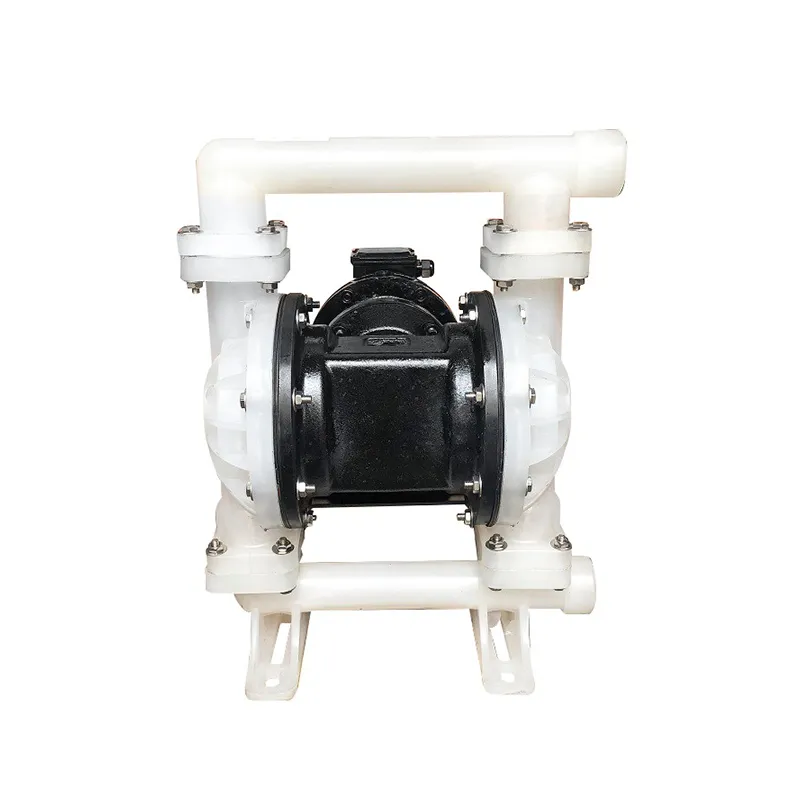
Now there are many players in the market, from handicraft workshops to large full-cycle factories, like the same Chinese company with a Russian representative office - Zhejiang Yangzijiang LLC. Their website yangtzeriverpump.ru shows that they cover almost all basic needs: from single stage andmultistage centrifugal pumpsto specific magnetic and diaphragm ones. It is important when a manufacturer is not fixated on one type, but has a wide range - this means there is an understanding of different areas of application.
But the main criterion for me is not the breadth of the product range, but technical support. Is the supplier willing to provide detailed drawings, curves, and application recommendations? Does it have a customer service and availability of spare parts? Is it possible to get advice from an engineer rather than a sales manager? This determines whether the pump will be just an item in a warehouse or a reliable component in a system that should work for years. Everything else is details, which, however, as we have seen, sometimes decide everything.
Correspondingproducts
Related Products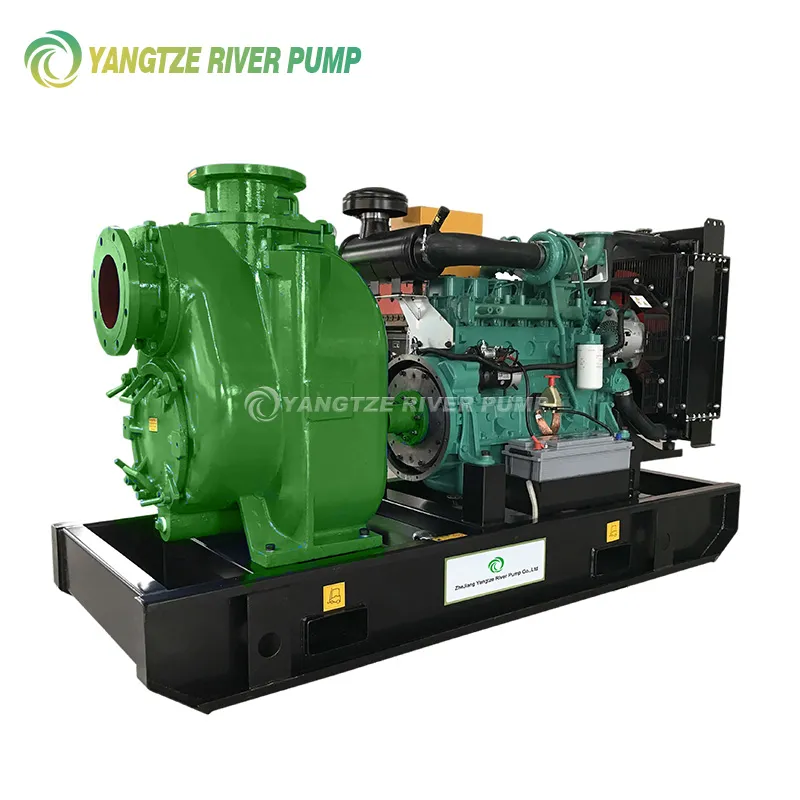


Best Sellingproducts
Best Selling Products-
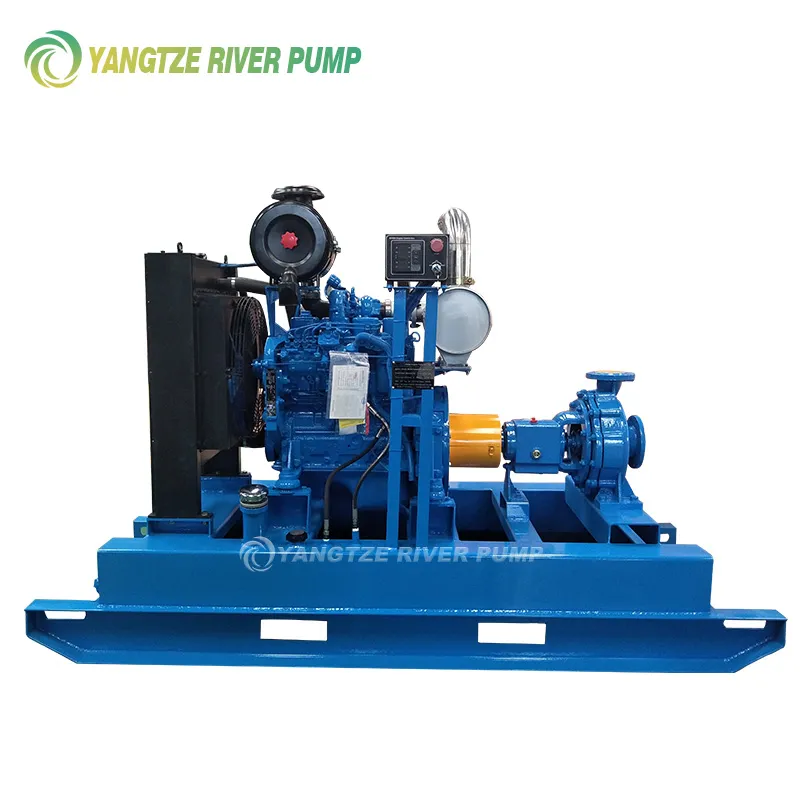 YZIS Diesel Single Stage Centrifugal Pumps
-
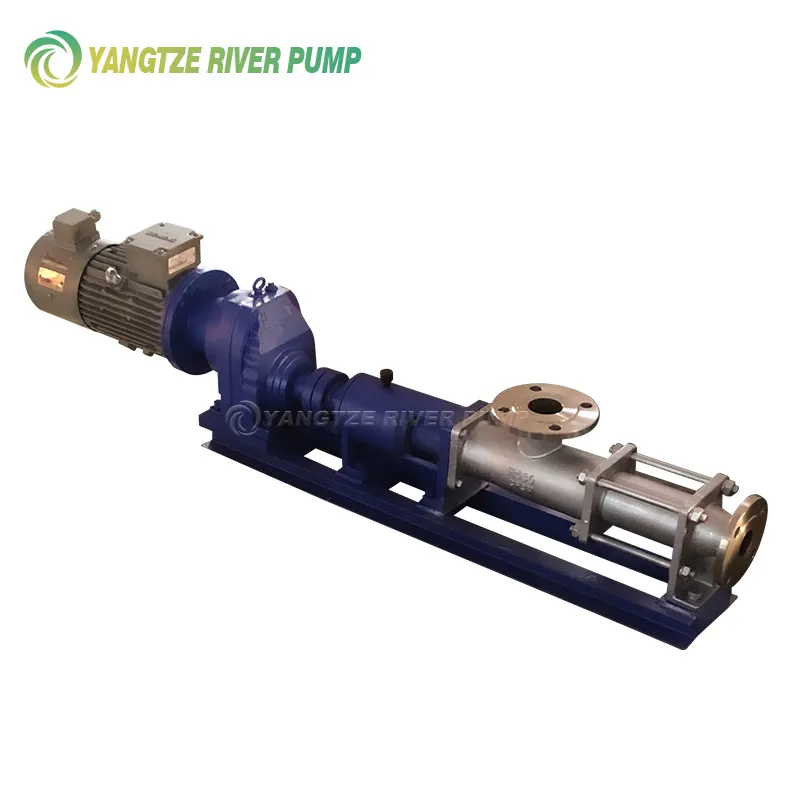 Geared screw pumps type G
-
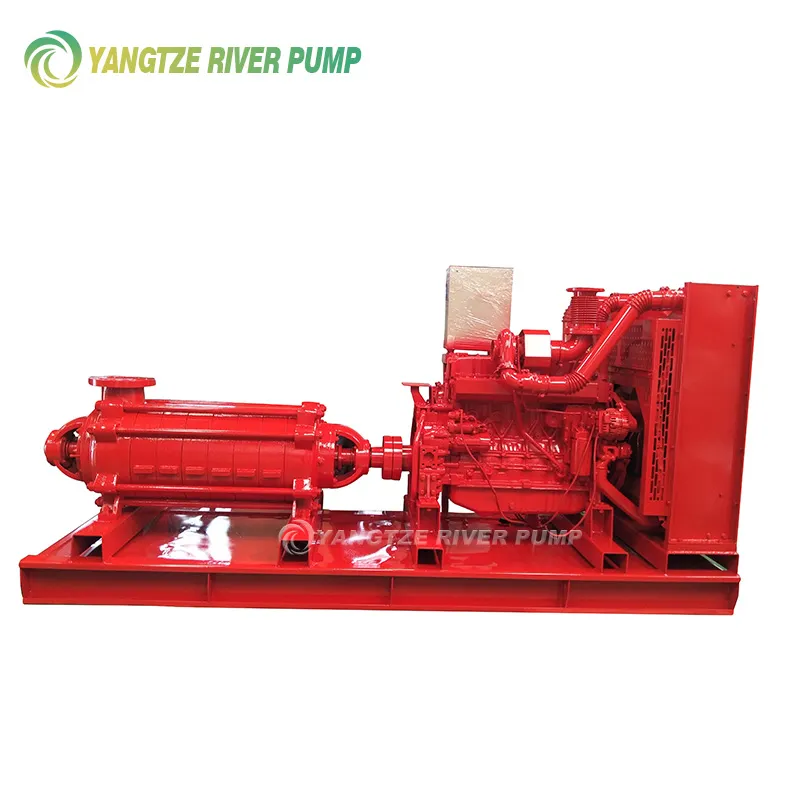 YZD Series Diesel Multistage Centrifugal Pumps
-
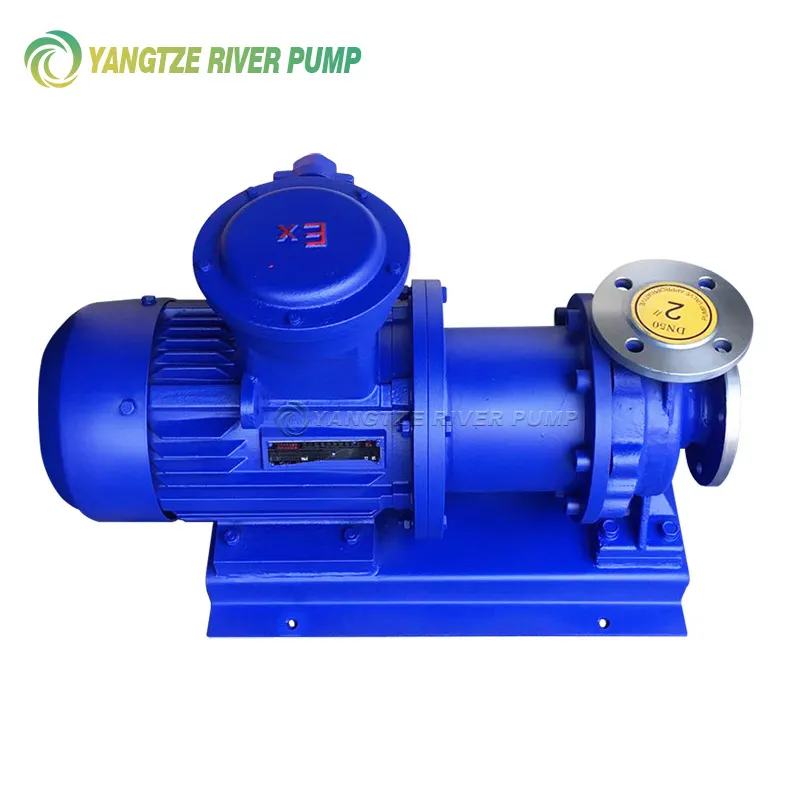 CQB Stainless Steel Magnetic Pumps
-
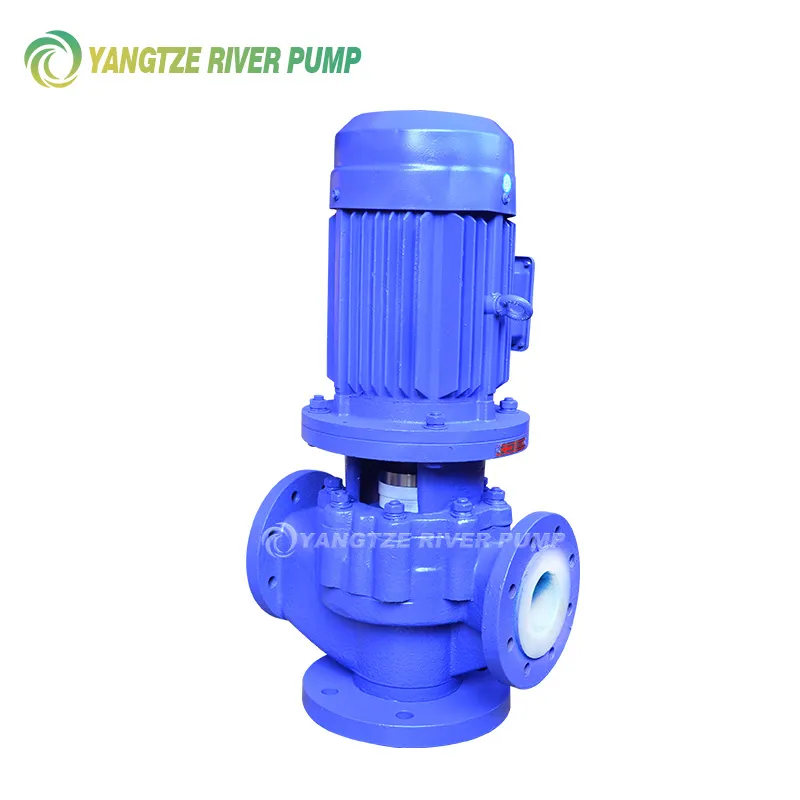 Vertical pumps with PTFE lining YQF
-
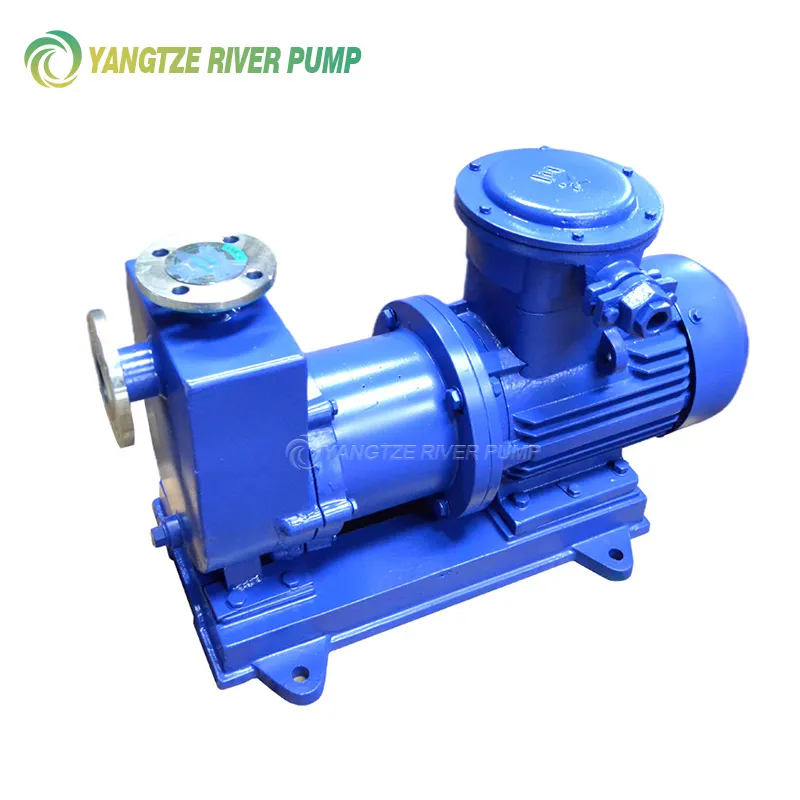 ZCQ Stainless Steel Self-Priming Magnetic Pumps
-
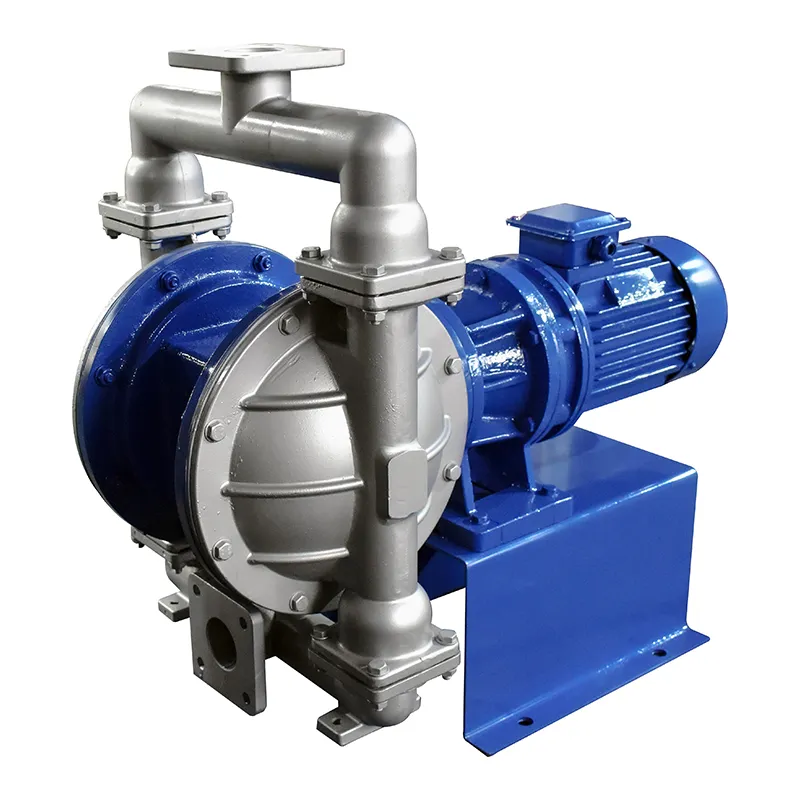 Metal electric diaphragm pumps DBY
-
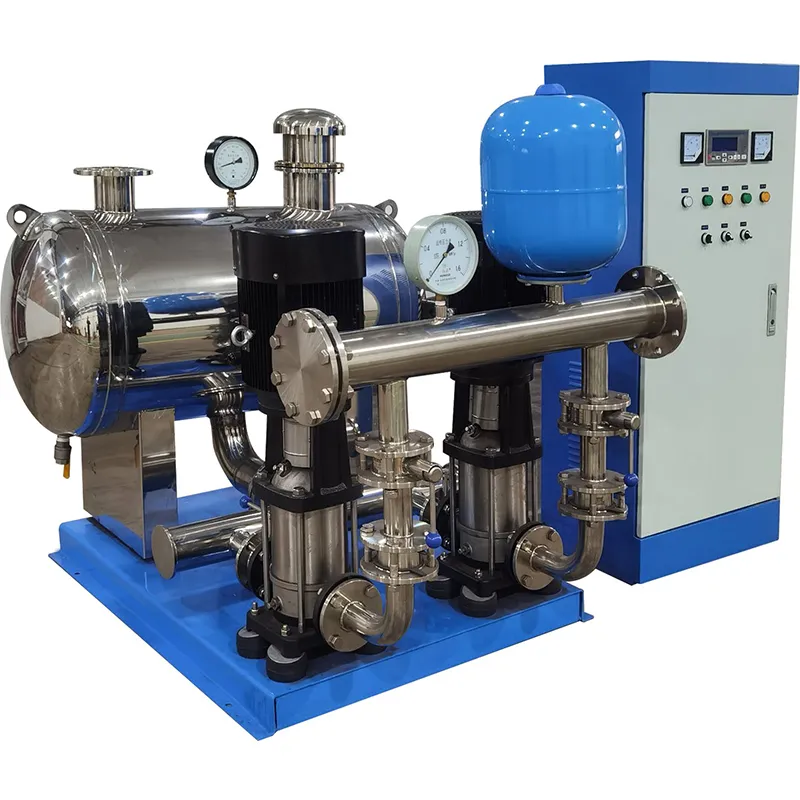 Complete water supply installations with frequency regulation and constant pressure CDLF
-
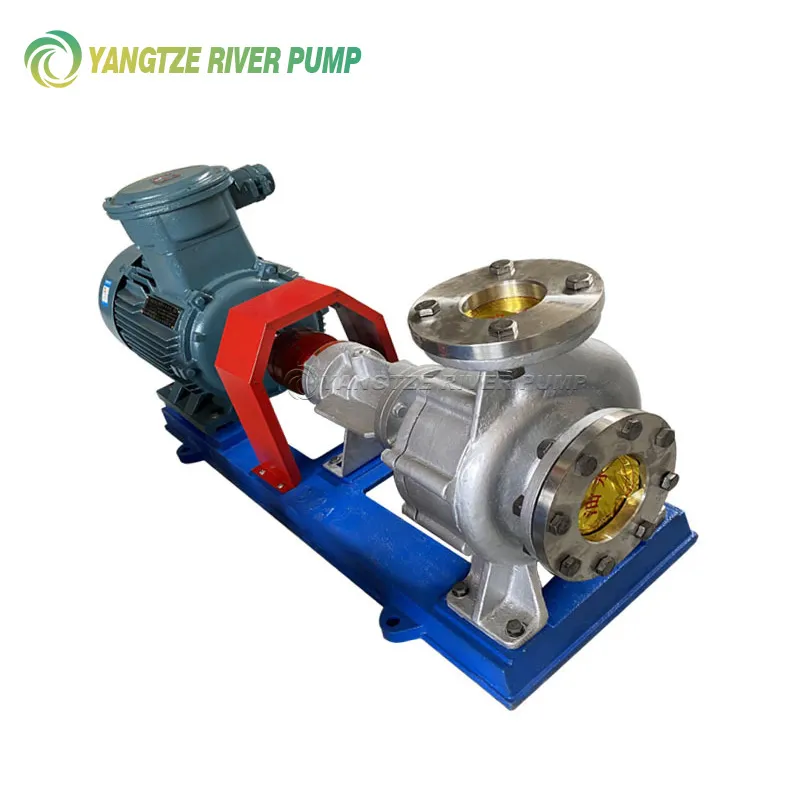 RY thermal oil pumps
-
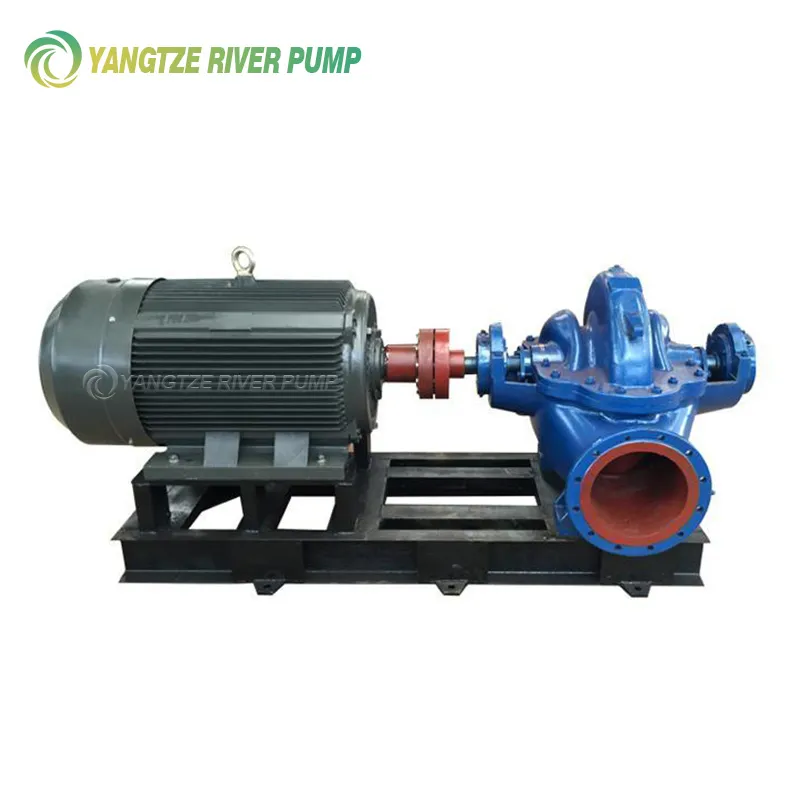 Single Stage Double Entry Centrifugal Pumps Type S
-
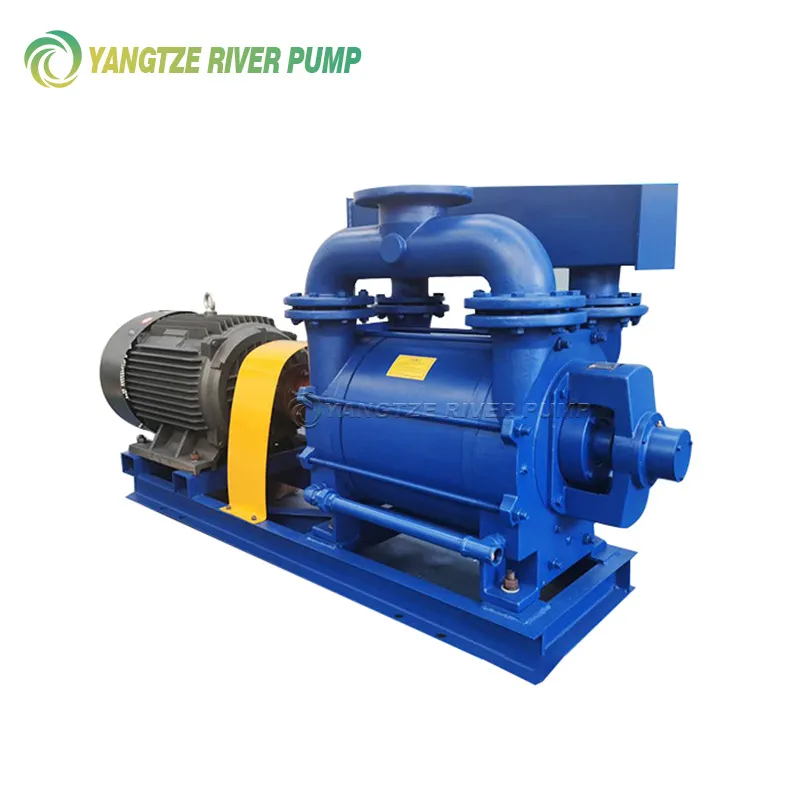 Liquid ring vacuum pumps type 2EB
-
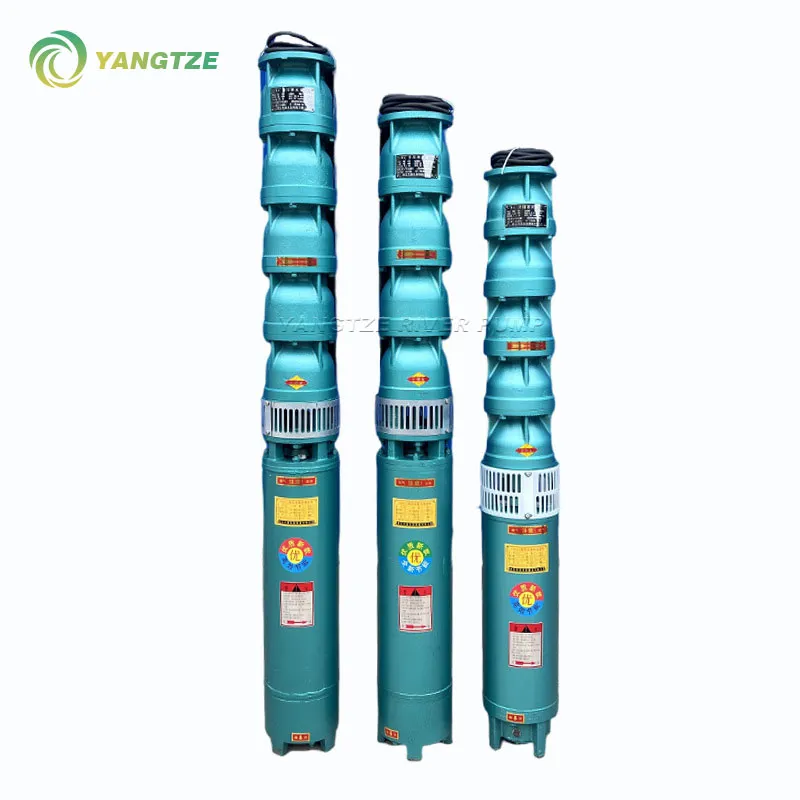 QJ type borehole pumps