







centrifugal pump 60 l min
When you see the request “centrifugal pump 60 l/min?”, the first thought is that a person is looking for specifics on performance. And this is correct, but here lies a frequent mistake: the race for the figure of 60 liters per minute makes many forget that the pump is a system. What kind of pressure? What environment? Temperature? It’s all “yes it will do?”... And then they wonder why the unit doesn’t work or jams after six months. We at Zhejiang Yangzijiang Pump Industry LLC have encountered this more than once when clients sent failed “sixties” for analysis. other brands. Often the problem is not in the pump as such, but in the discrepancy between its operating conditions and the “ideal” ones. parameters from the passport.
What does 60 liters per minute really mean? for centrifugal
Take our ISG series single-stage centrifugal pumps for example. A model that produces the same 60 l/min at a pressure of, say, 20 meters is one story. But if the pressure in the system suddenly jumps or it is necessary to pump not water, but a more viscous liquid, this figure immediately disappears. The performance of a centrifugal pump is not a rigid quantity, it “walks” along the curve depending on the back pressure. I have seen cases where a pump, selected strictly according to the figure of 60 l/min, in a real pipeline with a couple of extra elbows and a valve, gave at most 40. And it’s good if it’s just not enough, otherwise it may go into overload on the engine.
Therefore, in our selection practice on the siteyangtzeriverpump.ruwe always request a complete breakdown: not only the desired flow rate, but also the dynamics of the system. Otherwise, it turns out like with that customer from a chemical laboratory: he wanted to pump solutions at 60 l/min, but did not specify that there were abrasive suspensions there. The conventional centrifugal pump quickly failed, so we had to switch to a plastic chemical pump with a reinforced impeller. The consumption figure is the same, but the design is completely different.
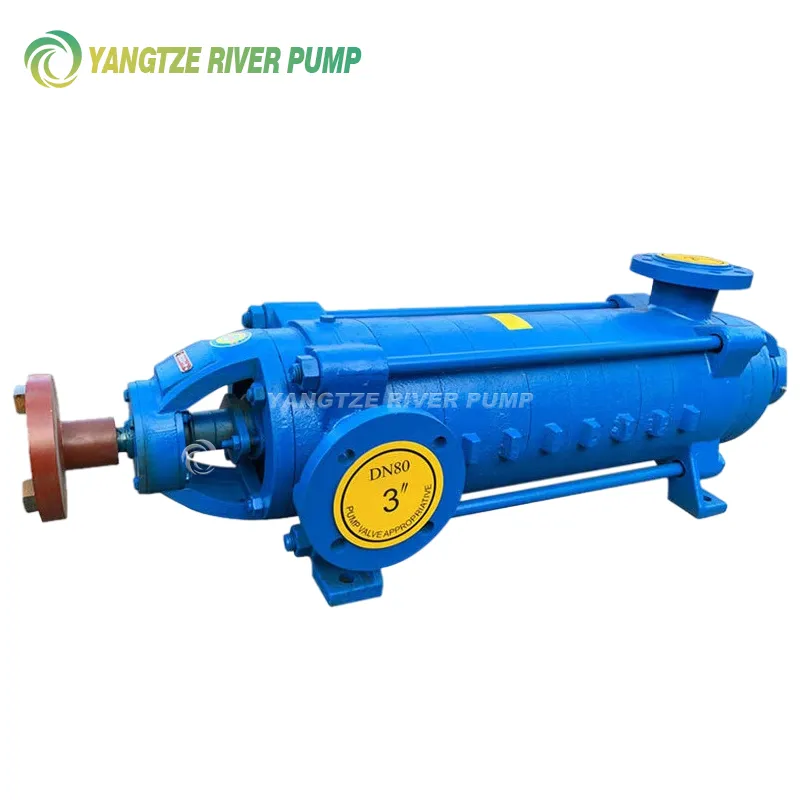
By the way, about the design. For a flow rate of 60 l/min, a single-stage centrifugal pump is often sufficient. This is a reliable, simple and repairable classic. But if you need the same flow rate, but at high pressure, then we are already looking towards multi-stage centrifugal pumps. They are, of course, more complicated and more expensive, but trying to squeeze 80 meters out of a single-stage model for 60 l/min is a sure way to permanent damage to the shaft and bearings. Verified.
Where such parameters and pitfalls are most often in demand
The areas of application for such an expense are both peaceful and quite specific. Often the request comes from small industrial equipment: washing systems, supply of coolant to machines, circulation in small thermal installations. Here, it would seem, everything is simple: clean water, stable pressure. But here’s the caveat: many people forget about cavitation. A pump with a capacity of 60 l/min requires a certain amount of pressure at the inlet. If it is not there, and the liquid enters with suction, cavitation begins - the same destructive process with bubbles and shock loads. In six months, the impeller blades can become like a sieve.
Another common scenario is use as a booster pump in water supply systems. Here the story comes to the fore with force. The client says: “I need to lift 60 liters per minute to the third floor?” We count and select. But if the system already has old pipes with a narrowed diameter, the pump will work not according to its own characteristics, but according to the characteristics of the pipeline. It will try to deliver these 60 l/min, creating excess pressure, and as a result, either the protection will work or it will work on overload. In such cases, we often advise not just buying a pump, but first conducting an audit of the piping.
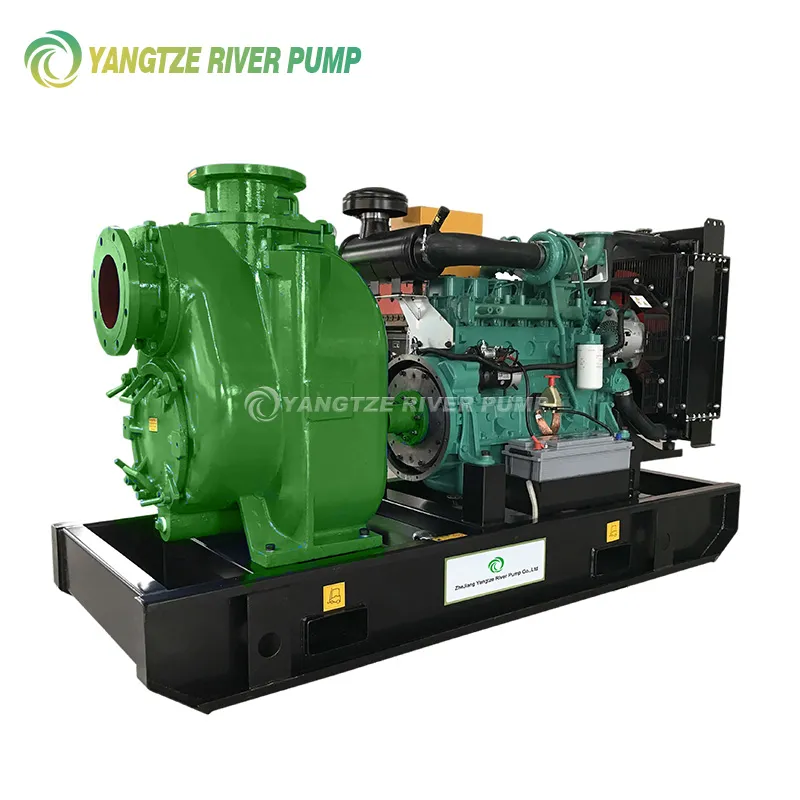
Systems with unstable flow rates stand apart. Let's say a pump pumps from a tank that is replenished periodically. The required flow rate is 60 l/min, but when the tank is empty, the pump may start to run dry. For a centrifugal pump this is death. Therefore, for such tasks, we sometimes suggest looking towards self-priming pumps or be sure to equip a standard centrifugal pump with dry-running sensors and a frequency converter that will smoothly reduce the speed when the level drops.
Manufacturing and assembly experience: why the little things make all the difference
In our eight production lines at Zhejiang Yangzijiang Pumping Industry Co.,Ltd, assembling a 60L/min pump is a process where every operation affects the final resource. You can make the impeller with a slightly larger tolerance - and the efficiency will drop, the pump will heat up in order to deliver the stated 60 liters. You can save on balancing the shaft - vibration will appear, which after a thousand hours of operation will break the seal.
Personally participated in the tests. It happens that we take a characteristic from a new model of a centrifugal pump, and it is clear that the flow-pressure curve is slightly below the calculated one. Not by 10%, but by 3-4. It would seem nonsense. But the engineers are taking it apart and looking for the reason: it turns out that the channel in the body casting is slightly narrower than in the drawing. They redid the mold and the pump reached its specifications. This is the very difference between just a product and a high-quality unit.
As for materials, for chemical media, even with such a seemingly small flow rate as 60 l/min, we immediately look towards plastic chemical pumps or pumps with a magnetic coupling. A conventional mechanical seal in an aggressive environment is guaranteed to leak after a few months. Magnetic pumps, by the way, are an excellent solution for such expenses. The seal is complete, there are no leaks. But they also have their limits - with viscous liquids or at high temperatures, magnets can lose strength.
Typical installation and operation errors that we see
The most common story is incorrect strapping. The pump was installed, and at the suction in front of it there was a straight section of pipe less than 3-5 diameters. This provokes flow turbulence, uneven load on the impeller and, again, cavitation. For a centrifugal pump with a flow rate of 60 l/min and an inlet pipe of, say, 1 inch, you need at least 80-100 mm of straight section before it. Trifle? And after a year of operation, the difference in wear and tear will be obvious.
The second mistake is ignoring the mud filter. Especially if water is pumped from an open source or process water with sediment. A particle of sand even half a millimeter in size, flying at flow speed onto a wheel blade, acts as an abrasive. For protection, we always insist on installing a mesh filter. Yes, it will create a little additional resistance, slightly adjust the flow curve, but it will save the “internals?” pump
And thirdly, this is “working on a closed valve”. It happens that the operator mistakenly closes the outlet valve, but the pump continues to work. The centrifugal pump does not like this. The liquid in the housing begins to heat up intensely, may boil, and deform the seals or the housing itself. Modern models, of course, have protection, but simple versions may not have it. Therefore, in the instructions we always highlight in bold: start-up only with an open discharge line.
Looking to the Future: Where the Small Spending Segment is Heading
Nowadays there are more and more requests for energy efficiency. A pump with a capacity of 60 l/min can operate 24/7, and even a small optimization of efficiency results in significant savings on electricity over the course of a year. Therefore, in the R&D department we are actively testing new blade profiles and materials to reduce hydraulic losses. It is not always possible; sometimes a 2% increase in efficiency results in difficulty in manufacturing and increased cost. We need balance.
Another trend is integration with automation systems. A simple centrifugal pump today is increasingly becoming part of a “smart” pump. systems where the flow rate of 60 l/min is not a constant, but a variable value, regulated by a pressure or flow sensor. This requires us, as a manufacturer, to include a safety margin and compatibility with frequency converters into the design. Our linear centrifugal pumps are, by the way, well suited for such applications due to their compactness and smooth characteristics.
As a result, returning to the original request. ?Centrifugal pump 60 l/min? - this is not a product item in the catalog, but the beginning of a dialogue. Dialogue about conditions, about the system, about long-term reliability. On our websiteyangtzeriverpump.ruyou will find dozens of models that formally fit these numbers - from simple single-stage to special chemical ones. But the right choice is born not from a search by number, but from an understanding of what will happen to the pump after it is started. It is this understanding that we strive to share with every customer, backed by our eight production lines and test benches. Because ultimately, the important thing is not to sell the pump, but to ensure that it serves its life without a hitch.
Correspondingproducts
Related Products

Best Sellingproducts
Best Selling Products-
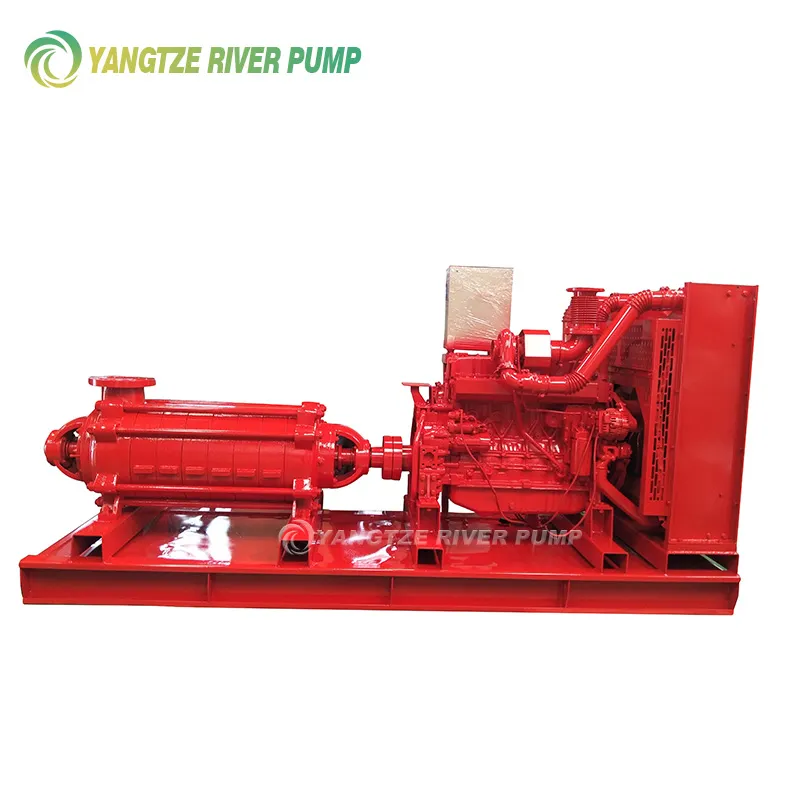 YZD Series Diesel Multistage Centrifugal Pumps
-
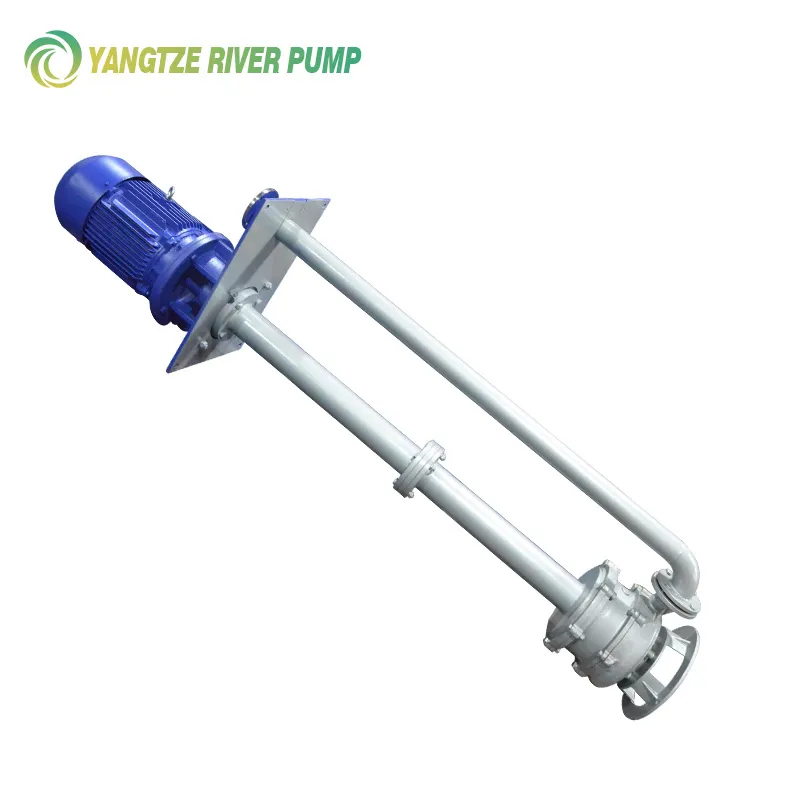 YW Vertical Submersible Sewage Pumps
-
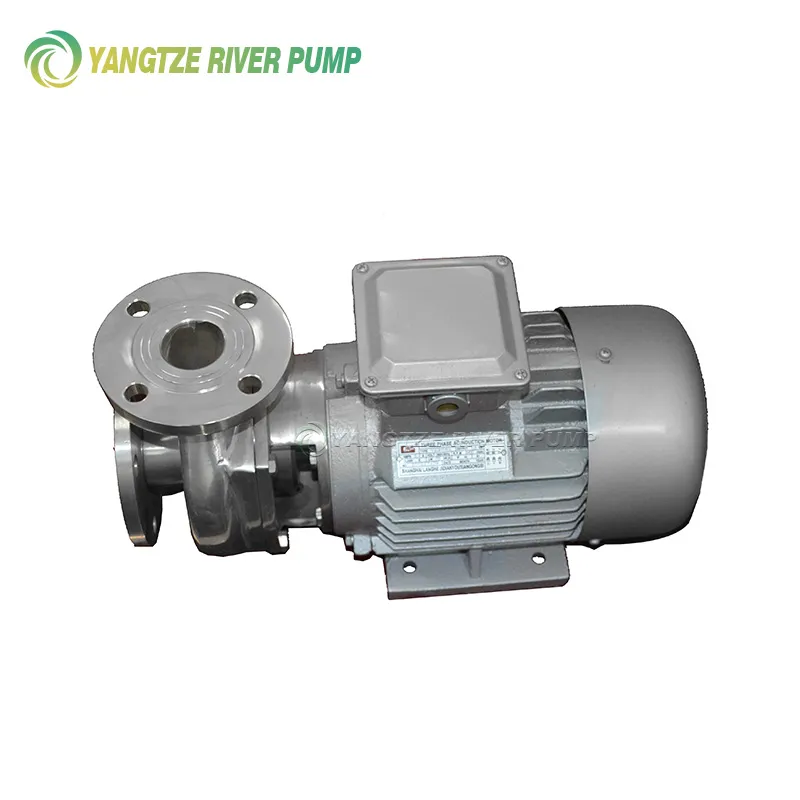 Corrosion-resistant stainless steel centrifugal pumps SFB and SFBX
-
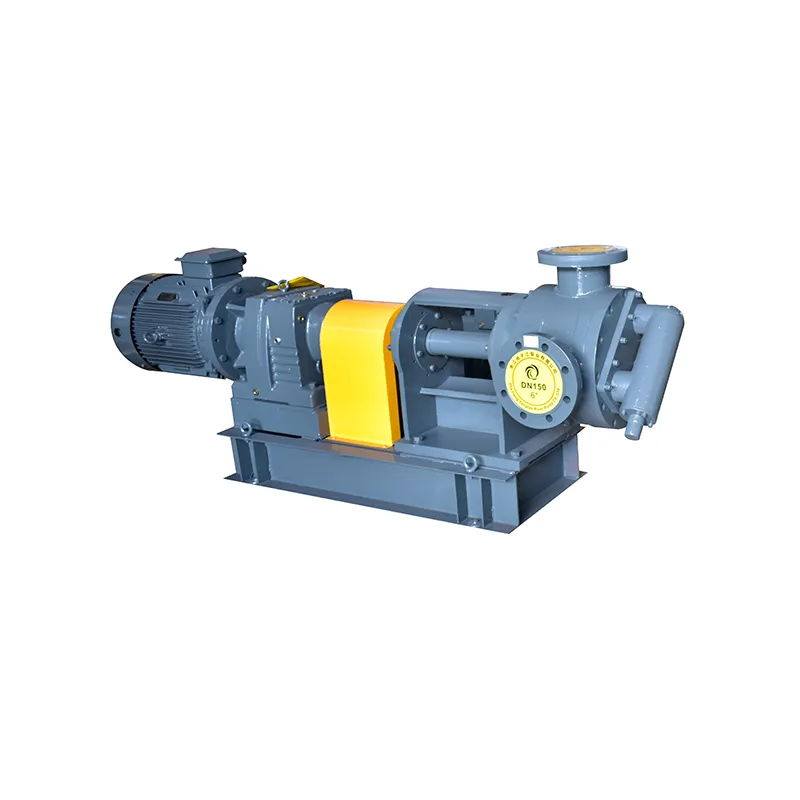 NYP High Viscosity Internal Gear Pumps
-
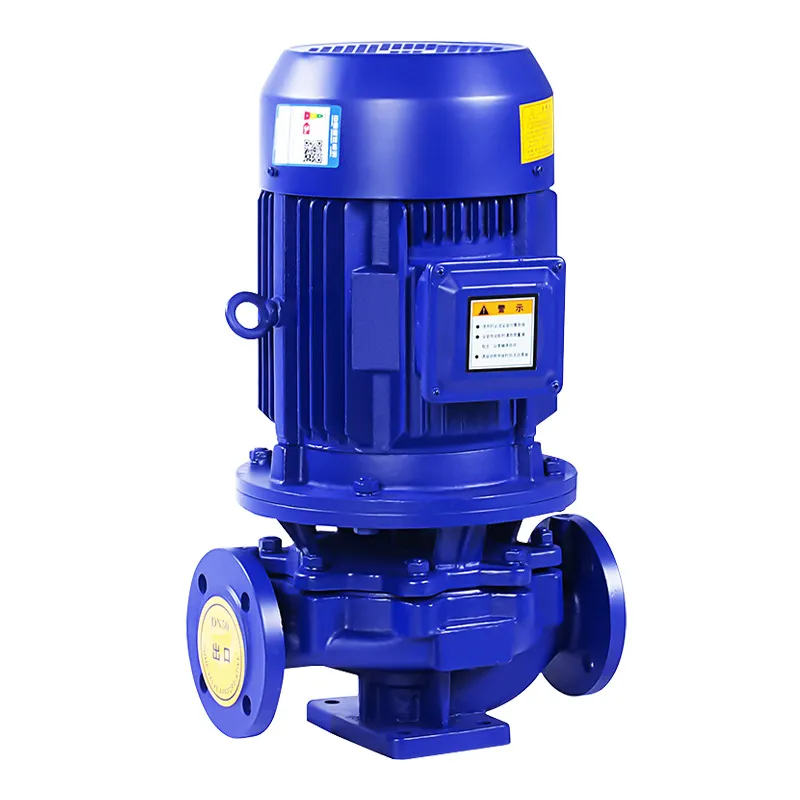 Vertical single-stage pipeline centrifugal pumps ISG and IHG
-
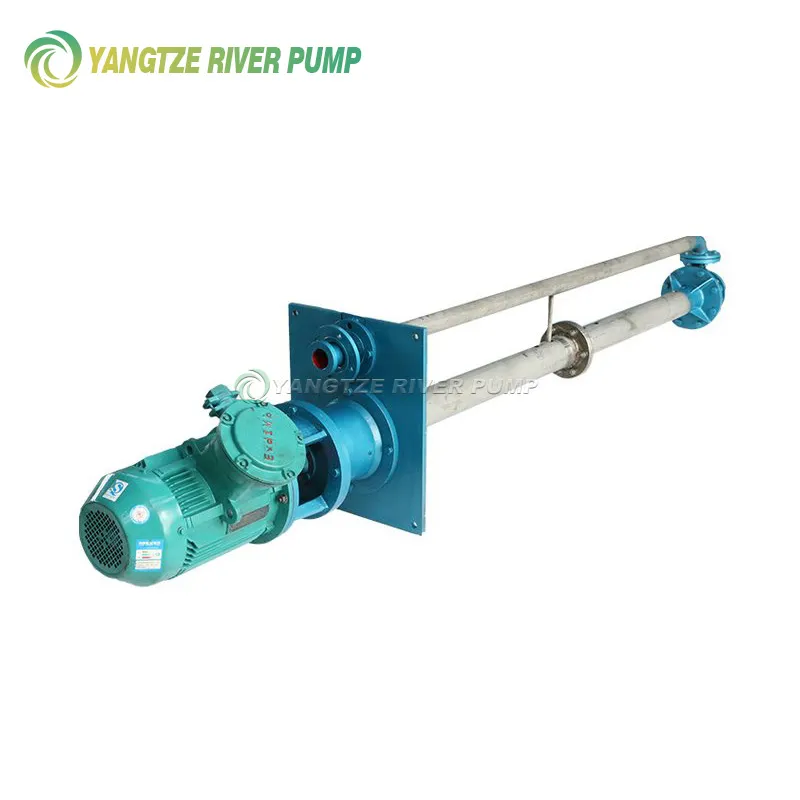 FY Submersible Chemical Pumps
-
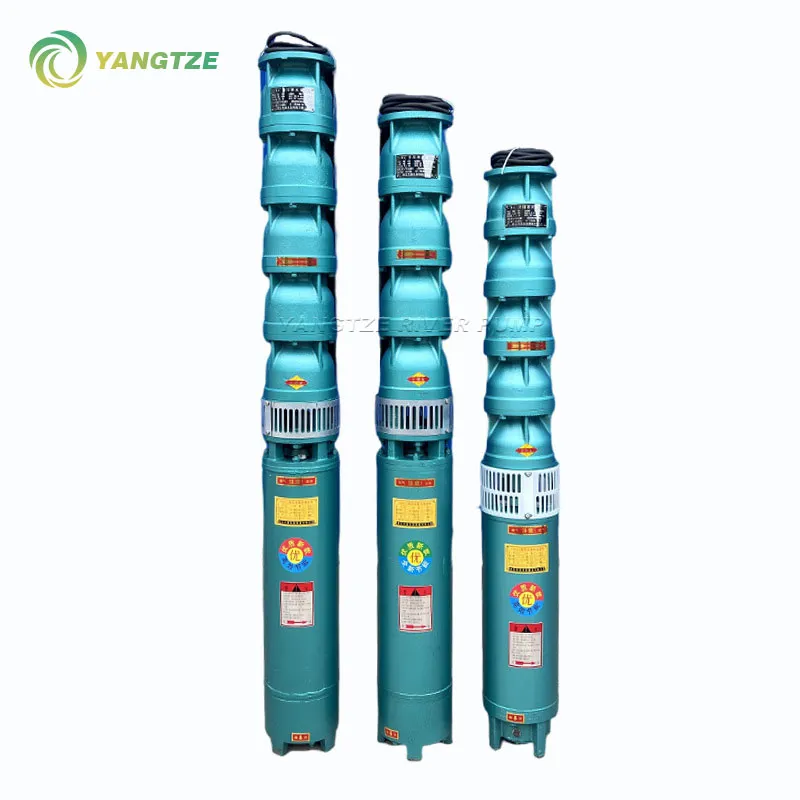 QJ type borehole pumps
-
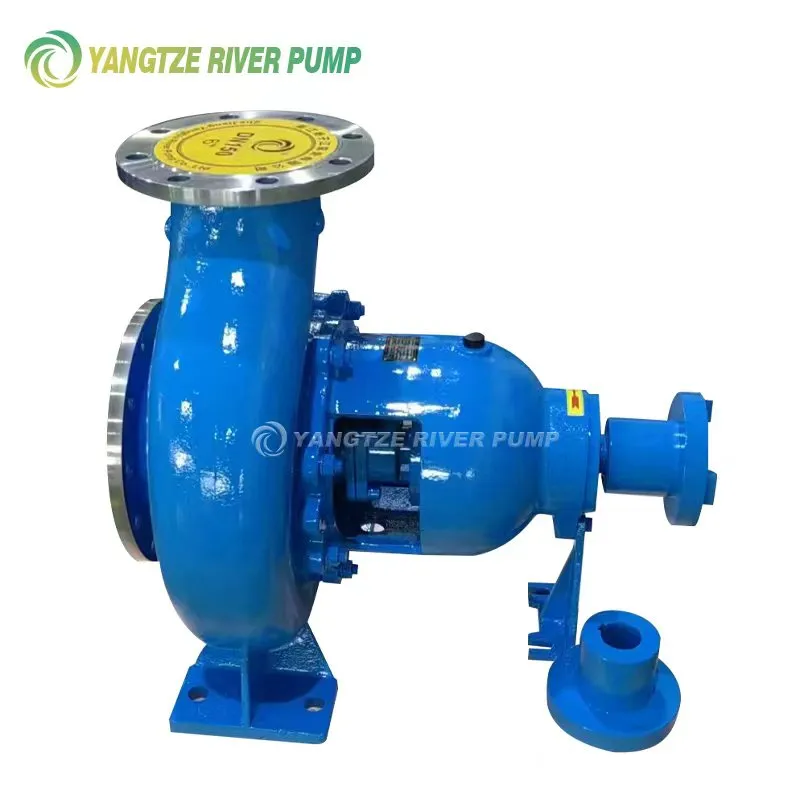 IH Stainless Steel Chemical Centrifugal Pumps
-
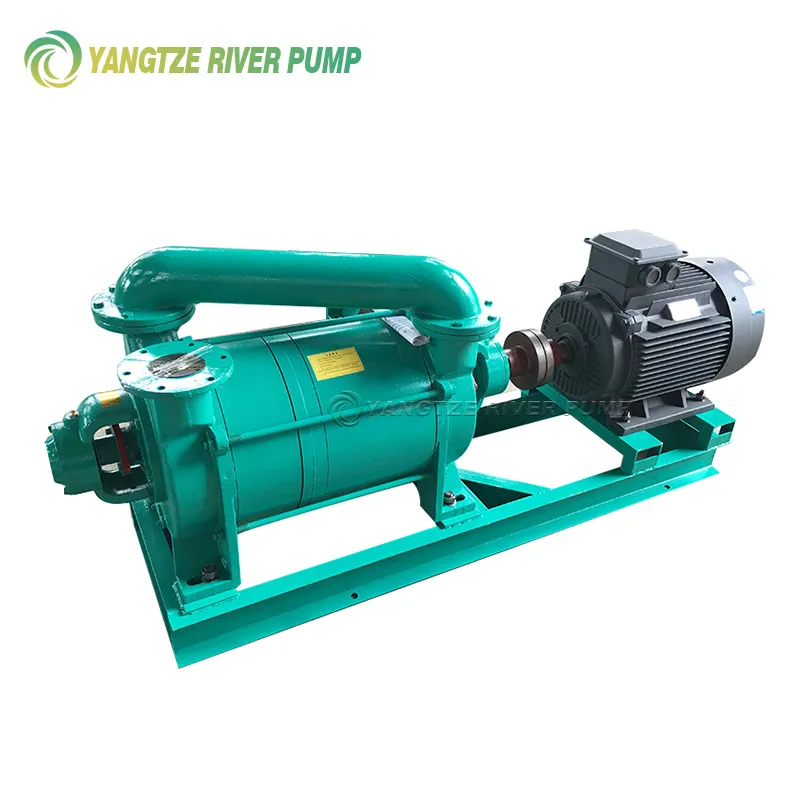 Liquid ring vacuum pumps type 2SK
-
 Infinitely variable screw pumps type G
-
 Pipeline wastewater pumps GW
-
 RY thermal oil pumps