







centrifugal slurry pumps
When you hear “centrifugal slurry pumps,” many immediately imagine just a heavy unit for pumping mud, almost a universal “workhorse.” for any abrasive media. This is where the first, and perhaps the most common, miscalculation lies. Sludge - it comes in different forms. Solid concentration, granulometric composition, particle shape, pH of the medium - all these are not just words from the technical specifications, but factors that, in field conditions, hit the pocket if the pump is selected according to the principle of “more power”. For a long time I believed that the main thing in such a pump is the safety margin of the flow part, thick walls, and wear-resistant alloys. And yes, this is critical, but only part of the equation. No less important is the hydraulic profile, which should minimize turbulence inside, because it is this that accelerates wear, and the seal design, which in conditions of highly abrasive suspension becomes the Achilles heel of many, even expensive, models.
Where the catch lies: non-obvious components and materials
Let's take seals for example. Gland packings on slurry pumps are, in my opinion, a thing of the past for most applications. Constant tightening, leaks, and abrasive getting into the stuffing box is a real headache for the mechanic. Mechanical mechanical seals (MSU) are a logical alternative, but not everything is clear here. The rate for a single MTU with flushing from an external source is the standard. But what if the water source is unreliable or the pressure fluctuates? I have seen cases where the seal “seized” because of this. literally per shift. Therefore, in really difficult conditions, with high-density sludge, it is already worth considering double MTUs with a pressure barrier liquid. Yes, it is more difficult and expensive to maintain, but the mileage between repairs increases significantly.
But based on the materials of the flow part, many customers still have the Stone Age in their heads. ?Give us cast iron, is it heavy and reliable? - heard more than once. For large, rounded pebbles in the water, it may work. But for sand with sharp edges or, worse, slurries with chemical activity, cast iron is “eaten up?” at catastrophic speed. High-chromium white cast iron (Cr27 grade) is a different level of durability. But it is not a panacea for everything. In some high-sulphur tailings projects, we have switched to rubber impeller and casing linings. It wears out, of course, but replacing the lining is often faster and ultimately cheaper than remelting and restoring a metal part. This is to the question that there is no universal solution - each case requires its own calculation and, often, a compromise.
Another subtle point is the design of the impeller itself. Closed? Half open? Open? For sludges with long-fiber inclusions (as in the pulp and paper industry), an open wheel is almost the only option, otherwise it will clog tightly. But its efficiency is lower, and its cavitation characteristics are worse. A semi-open wheel is a good balance for media with moderate solid content and no long fibers. But the clearances between the wheel and the body are critical here. An increase in the gap by just a couple of millimeters due to wear leads to a sharp drop in pressure and an increase in energy consumption. Therefore, at some of our facilities we have introduced regular monitoring of these gaps as part of scheduled maintenance, which made it possible to plan the replacement of parts not after the fact. breakdowns, but based on actual wear and tear, saving both on electricity and downtime.
Experience in implementation and adaptation: from drawing to quarry
In our practice oncentrifugal slurry pumpsalways in high demand in the mining sector. I remember one project at a coal mine - pumping a hydraulic mixture with coal slurry and rock. The customer originally purchased high-power pumps from another supplier, but experienced frequent failures due to large pieces of shale jamming the impeller. When they contacted us at Zhejiang Yangzijiang Pumping Industry LLC, the task was not just to sell the unit, but to solve the problem. Our engineers, having analyzed the composition of the sludge on site, proposed a modification of the standard modelcentrifugal slurry pump— increased diameter of the flow channels in the wheel and reinforced, but at the same time replaceable, protective plates at the inlet. It wasn't a catalog product, it was an adaptation.
On the websiteyangtzeriverpump.ruWe, of course, show our serial lines, including slurry pumps. But the key thing that is not always visible on the page is precisely the possibility of such improvements. Eight complete production lines, from R&D to testing, are not just for show. This means that you can ?play? with the geometry, cast a test sample of a wheel from a different alloy at our own foundry and “run” it. it on a test bench, simulating real conditions. In that case with the coal mine, we did just that: we cast a prototype wheel, tested it on a stand with simulated sludge, made adjustments, and only then launched it into production for the customer. The result is that the pumps completed the planned overhaul period without incident.
This flexibility is often what separates a hardware supplier from a partner. Many major brands only offer “boxed” ones. solutions, and respond to non-standard requests with long lead times and exorbitant prices. Our production, which is also focused on specific tasks, allows us to be more mobile. This is not about doing it “cheaper at any cost,” but about doing it “targeted to the task.” Sometimes the optimal solution is not the most expensive superalloy pump, but a simpler design, but with correctly calculated parameters and a well-thought-out protection system.
The most common mistakes during installation and operation
Even the most well-designed pump can be ruined at the installation stage. The first and simplest thing is the foundation. For a heavy slurry pump, it must be not just massive, but rigidly connected to the base and perfectly leveled. Vibrations from imbalance are the biggest killer of bearings and seals. Often, installers save time by not making a full-fledged frame foundation slab, and simply place the pump on anchor bolts poured into some kind of concrete pad. After a couple of months of work, this is the “foundation” it becomes loose, misalignment with the engine appears, and off we go: vibration, overheating, leaking.
The second common mistake is piping. The supply line should be as short and straight as possible. Any sharp turn or narrowing before suction is a risk of cavitation. And cavitation on a slurry pump is not just noise and a drop in parameters, it is instant local wear of the impeller blades, as if they were being processed with micro-hammers. We always try to insist that the customer provide straight sections in front of the pump with a length of at least 5-7 pipe diameters. And be sure to have an inspection flange for cleaning, because cases where a rag or even a tool is forgotten in a pipeline after repairs are, alas, not uncommon.
And third is the neglect of the protection system. Vibration and temperature sensors on bearing units are not a luxury, but a necessity. Especially for pumps operating in a continuous cycle or in remote, poorly maintained locations. A simple vibration sensor can provide early warning of increasing imbalance due to uneven wheel wear or the beginning of bearing failure. This allows you to schedule a shutdown for maintenance, rather than extinguish the consequences of an emergency shaft break, which, among other things, can lead to catastrophic failure of the entire flow path.
A look at the range and specialization
At Zhejiang Yangzijiang Pumping Industry Co., Ltd., we manufacture a wide range of pumping equipment, andcentrifugal slurry pumps- one of the key areas. But it is important to understand their place in the overall lineup. They are specialists in tough conditions. Next to them in our catalog are, for example, plastic chemical pumps for aggressive liquids or magnetic pumps for tasks where absolute tightness is important. These are different tools for different tasks. It happens that a client asks for a “slurry pump?” for pumping simply very dirty water with fine sand. Sometimes, in this case, a simpler and cheaper linear centrifugal pump with a reinforced design may be suitable. Our task is to figure it out and offer an economically sound option.
The specifics of our production allow us to combine technologies. Let’s say that a standard metal pump is not suitable for pumping sludge with high chemical activity (acidic or alkaline media). But even a purely plastic chemical pump may not withstand abrasive loads. The solution could be a combined design: a stainless steel housing lined with chemically resistant rubber or polyurethane, and an impeller made of a special wear-resistant polymer. We also tested such solutions on a test bench, selecting a “material-medium” pair.
So when I look at our websiteyangtzeriverpump.ru, I see more than just a list of products. I see a set of technologies and competencies that can be assembled in a configuration, like a designer, for a specific customer problem. From single-stage to multi-stage, from metal to plastic. And the centrifugal slurry pump in this series is often the basic, most popular platform, which we adapt as much as possible to the challenges of real production.
Instead of a conclusion: practical advice
To summarize my experience, the main advice for anyone who is faced with the choice or exploitationcentrifugal slurry pumps, is not to be greedy at the data preparation stage. The most accurate sludge analysis you can provide to your supplier will save you huge amounts of money in the future. Not “water with sand”, but exact data: pulp density, particle size (d50 and dmax), Mohs hardness, particle shape (rounded or acute), chemical composition and pH. With this data, a good engineer will be able to calculate the wear rate and suggest the optimal material and design.
And secondly, don’t be afraid of non-standard solutions. Sometimes it seems that it’s easier to buy “like everyone else?” or “like on the neighboring site?”. But the conditions are always different. What works at pumping iron ore concentrate may fail completely at a gold recovery plant due to differences in specific gravity and abrasiveness. A dialogue with a manufacturer who is ready to delve into these details and has the technical capabilities for this, as in our company, is a direct path to reducing the total cost of ownership.
After all, a pump on site is not just a piece of hardware. This is a unit on the uninterrupted operation of which the entire technological cycle often depends. And the approach to it should be appropriate - not as a consumable, but as a key asset that requires meaningful choice and competent maintenance. I’ll probably stop there.
Correspondingproducts
Related Products
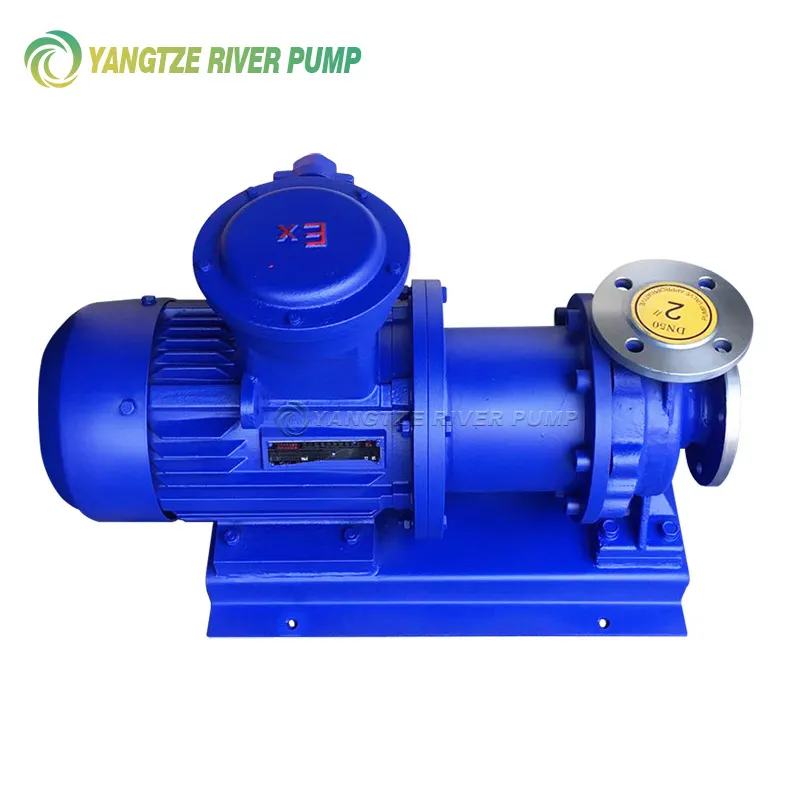

Best Sellingproducts
Best Selling Products-
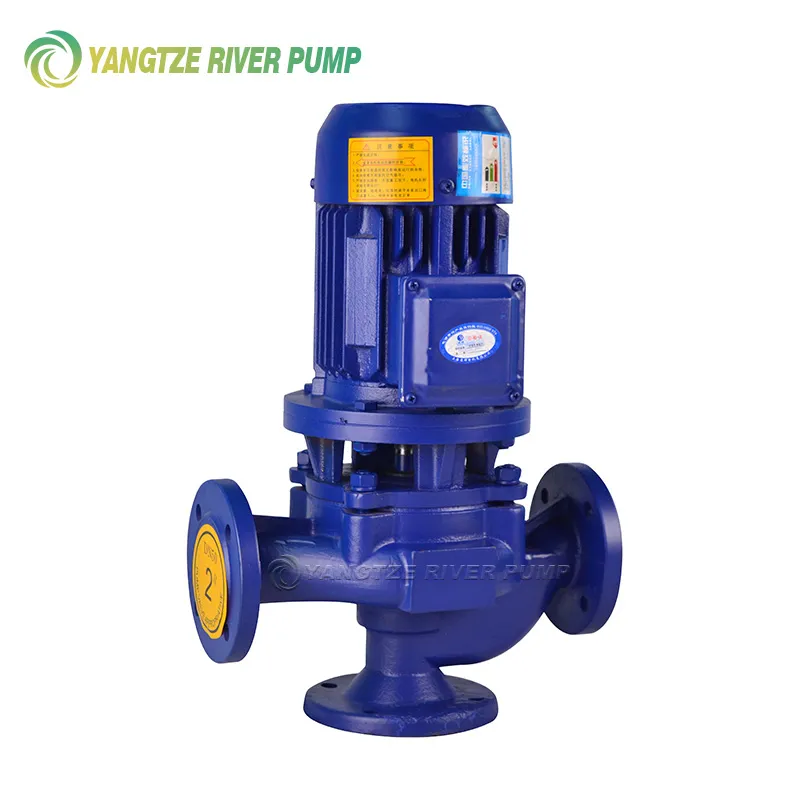 Pipeline wastewater pumps GW
-
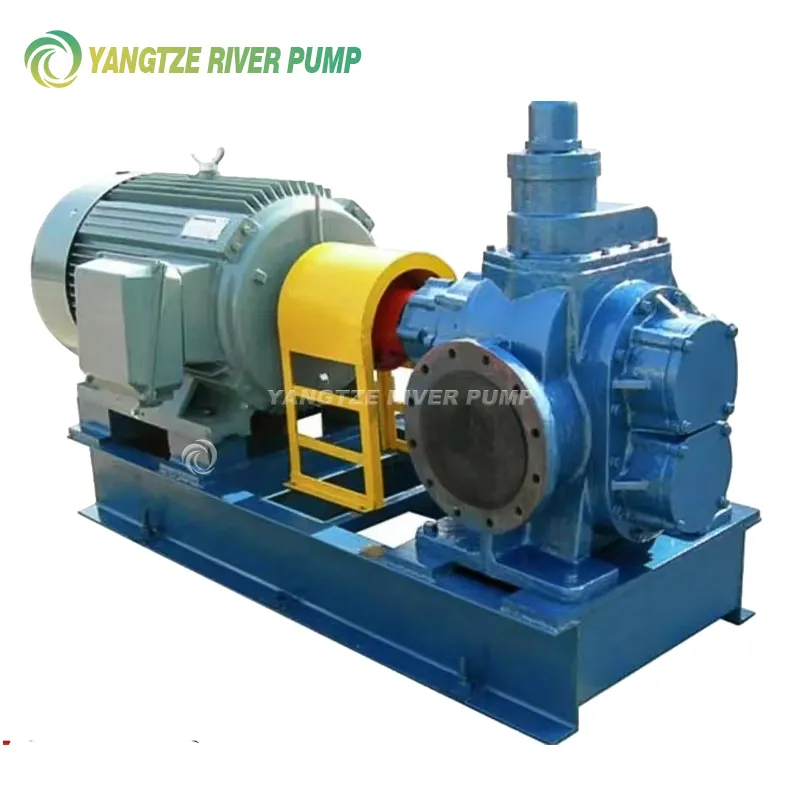 YCB Type Circular Gear Pumps
-
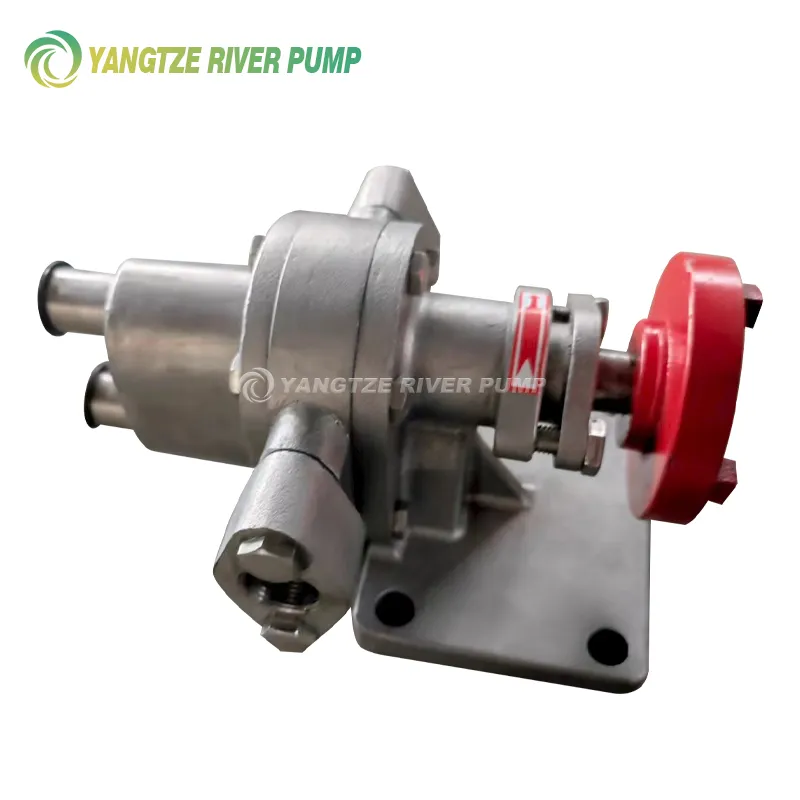 Gear oil pumps type KCB
-
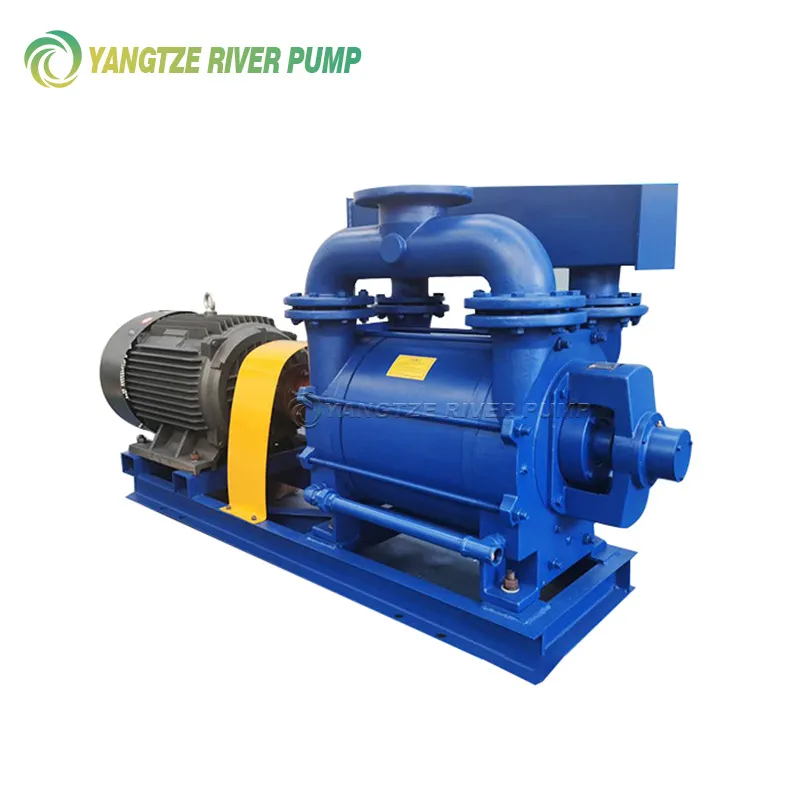 Liquid ring vacuum pumps type 2EB
-
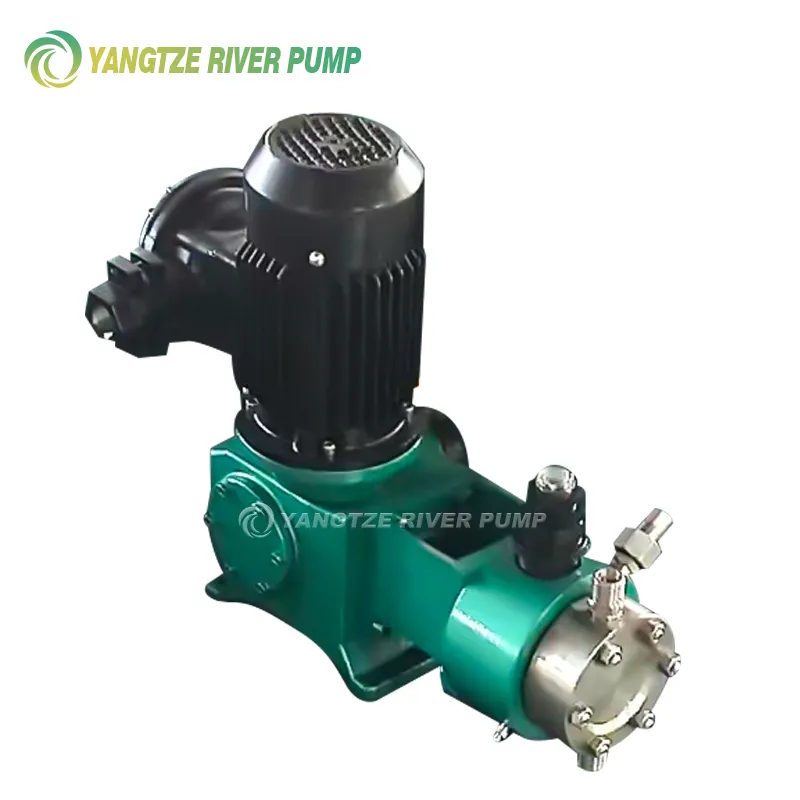 Plunger dosing pumps type DZ-X
-
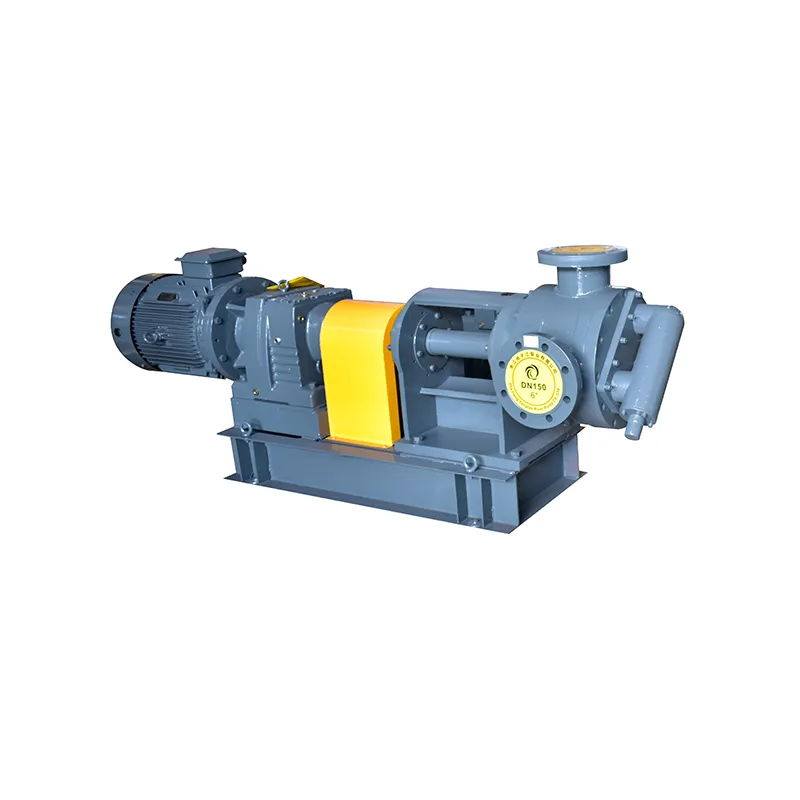 NYP High Viscosity Internal Gear Pumps
-
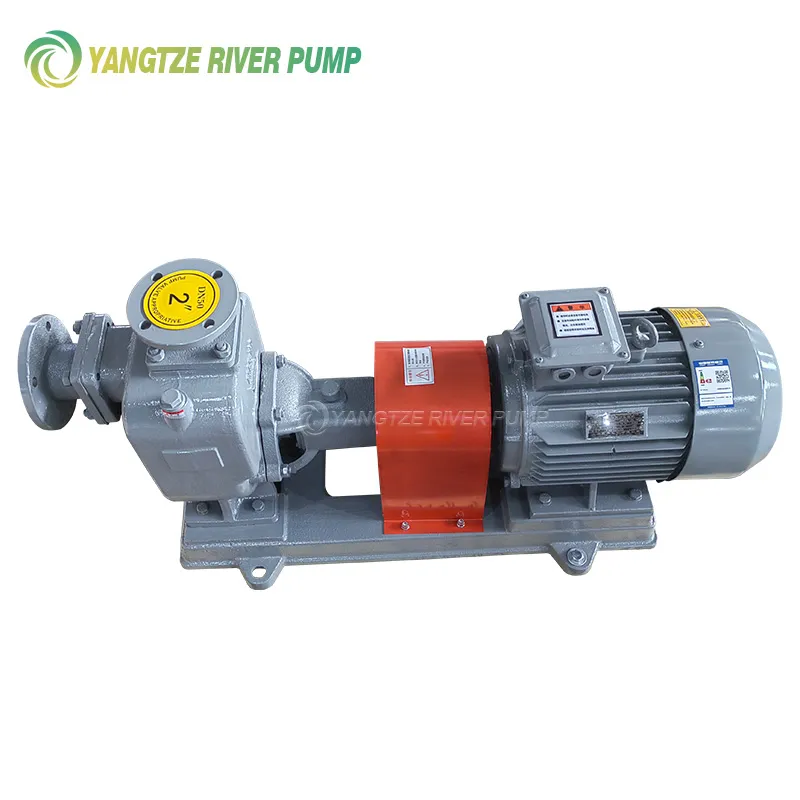 Non-clogging self-priming wastewater pumps ZW
-
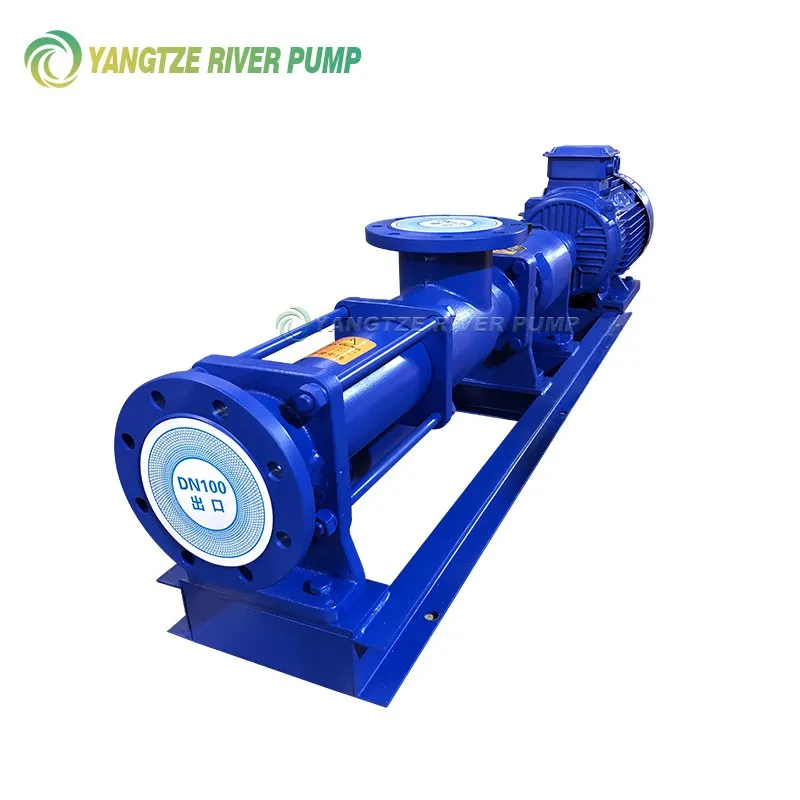 Single screw pumps type G
-
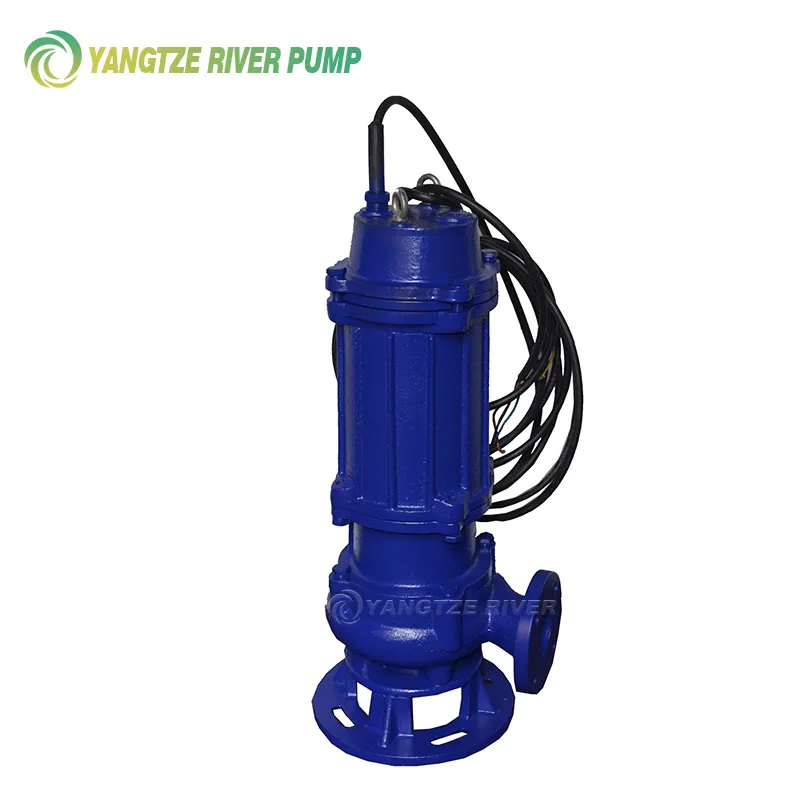 QW Non-clogging Submersible Sewage Pumps
-
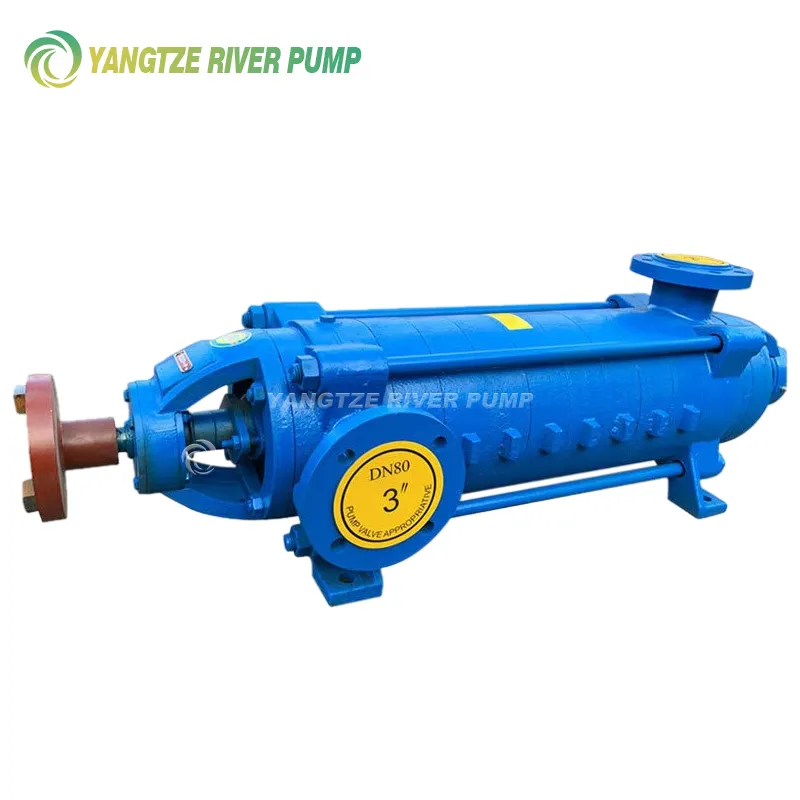 Horizontal multistage pumps for feeding DG boilers
-
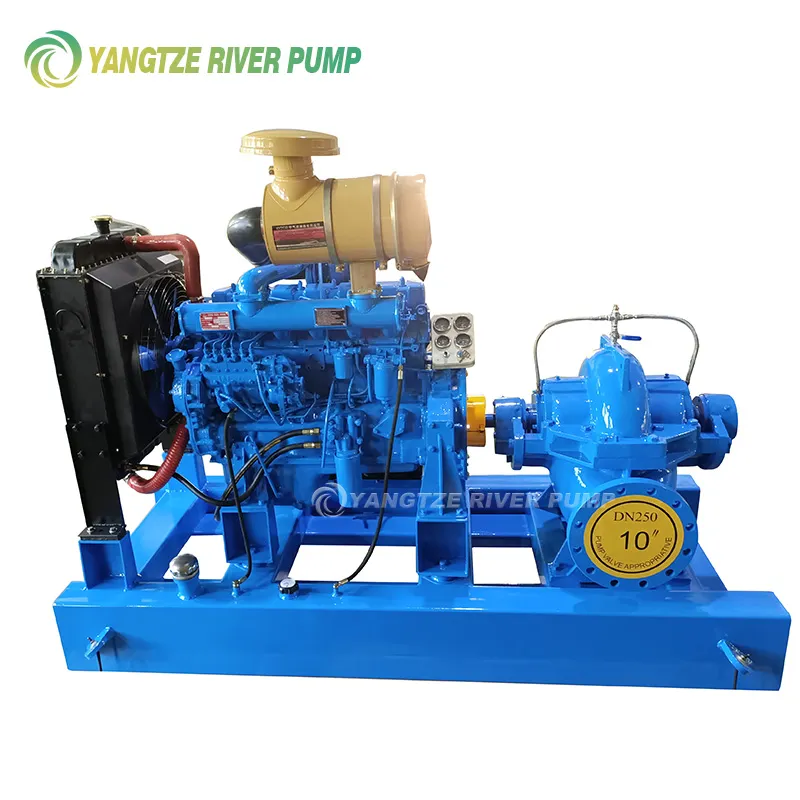 Diesel pumps with horizontal connector YZS and YZSH
-
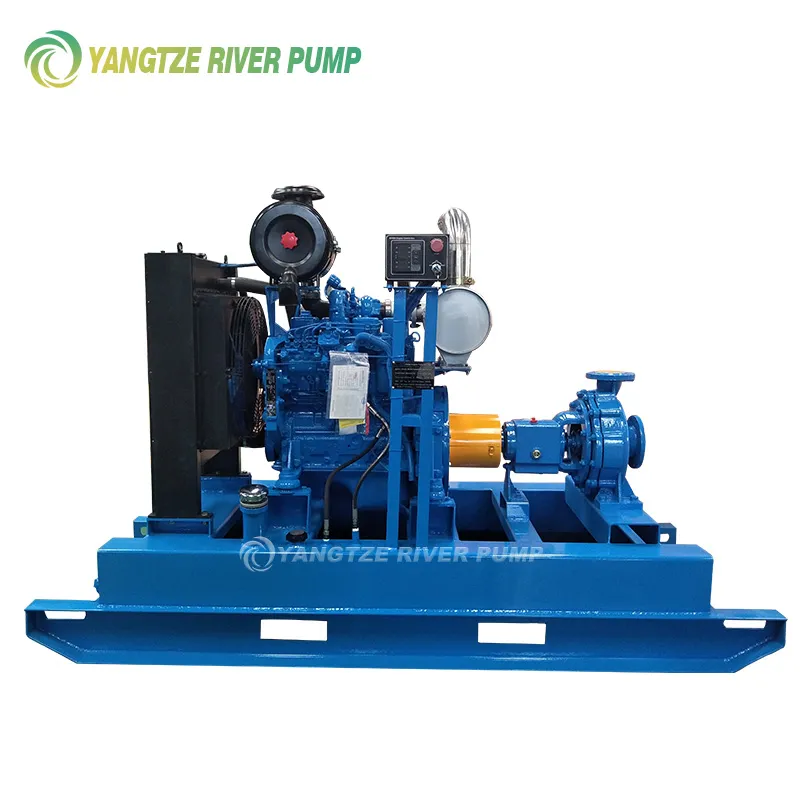 YZIS Diesel Single Stage Centrifugal Pumps