







centrifugal pump 100 m3
When you see the request “centrifugal pump 100 m3?”, the first thing that comes to mind is that a person is looking for a unit with a capacity of a hundred cubic meters per hour. And I immediately want to say: stop. Performance alone is nothing. Without pressure, without suction conditions, without the temperature of the pumped medium and its aggressiveness - it’s just a number. I have seen many situations where a customer, focusing only on this parameter, bought a pump, and then it either did not produce the required pressure or quickly failed due to unsuitable materials. This is especially true for chemical production or water supply systems with a high sand content. So what is ?100 m3? is just an entry point into a long list of questions.
What really stands behind the number 100 m3/h?
Let’s take, for example, a standard task - pumping water from a reservoir into a production line. You need those same 100 cubic meters per hour. It would seem that you open a catalog, find a model with a suitable characteristic on the curve and order it. But experience suggests otherwise. The first question is: what should the outlet pressure be? If the system is branched, with a rise to a height and a bunch of shut-off valves, then a pump with a pressure of 32 meters may not be able to cope, although it seems to be suitable in terms of performance. I had to deal with when an already installed unit at the site was working at the limit, noisily, with engine overload, because the calculations did not take into account losses in a long pipeline. I had to change it to a more powerful model, already with a reserve.
The second point is the type of pump itself. ?Centrifugal? – this is very broad. Single-stage, multi-stage, cantilever, linear? For clean water for irrigation or for pumping suspension? Here in our production, on siteZhejiang Yangzijiang Pumping Industry Co.,Ltd, this nuance is well worked out. The range of centrifugal pumps covers different options. For simple water supply, a single-stage console is often sufficient. But if you need high pressure at a relatively low flow rate, then we are already looking towards multi-stage models. They are, of course, structurally more complex, but they solve the problem effectively.
And the third, often overlooked aspect is the material of the flow part. If not just water is pumped, but, say, sea water, alkali or liquid with abrasive inclusions, then the cast iron body and impeller will not last long. You need stainless steel, and in some cases, special alloys or even plastic. We had orders forplastic chemical pumpsprecisely under such conditions. The client initially wanted to save money and take a regular one, but after consultation he agreed to a polypropylene model. As a result, the equipment has worked for several years without any complaints. So what is ?100 m3? – this is just the tip of the iceberg.
Selection experience: from theory to installation site
I remember one project for water supply to a small village. It was exactly what was requiredcentrifugal pumpwith a capacity of about 100 cubic meters per hour. On paper, everything matched: the source was an artesian well, the water was clean, the pressure required was standard. We selected a model. But when we arrived at the site for installation supervision, a detail became clear: the control circuit included frequent stopping and starting of the pump - based on a pressure signal in the accumulator. And in the model we chose, as it turned out later, the engine was not designed for such intensive operation. Starting currents, heating... A month later a claim was received.
I had to figure it out on the spot. It turned out that it was necessary to either install a frequency converter for a soft start, or initially select a pump with a power reserve and with a motor that allows frequent starts. It was a good lesson. Now, when selecting, we always clarify not only the static parameters, but also the dynamics of the system’s operation: how often will it turn on, will it work on a partially closed valve, is there a risk of operating “in itself?” when the line is blocked.
By the way, about working “inwardly”. This is a separate pain. I saw how, due to an error in the piping or a failure of the automation, the pump worked for several minutes with the outlet valve closed. The pumped liquid inside the housing quickly heated up, cavitation began, then deformation of the seals and, as a result, leakage and failure of the bearings. Therefore, now we always insist on installing at least the simplest minimum flow protection, especially for powerful units. Yes, this increases the cost, but it is several times cheaper than repairs and downtime.
Not only the pump: piping and “little things” that make all the difference
You can supply the most reliable and ideally selectedcentrifugal pump 100 m3, but if you tie it incorrectly, problems cannot be avoided. We are not even talking about pipelines, but about such things as a check valve, vibration inserts, and a suction filter. It would seem elementary. But how many times did we have to redo it! For example, a check valve was installed immediately after the pump, but before the valve. In theory - normal. But during repairs, when the unit needs to be removed, the column of water from the pressure pipeline collapses back. It’s good if it is possible to block the highway further. What if not? You have to pump out water or work in emergency mode.
Or a dirt filter on the suction line. They often save it or install it too small, which quickly becomes clogged. For a pump with a capacity of 100 cubic meters per hour, a clogged filter means an instant depressurization of the suction line and idle operation with the same sad consequences. In our recommendations, based on testing practice on our production lines, we always advise installing a filter with a spare area and with the ability to clean without stopping the entire system, if this is critical.
Another practical point is foundation and leveling. A centrifugal pump, even not the largest one, is a machine with rotating parts. If you place it crookedly, “on a live thread,” the vibration will be increased. Over time, this will lead to wear of the oil seals or mechanical seals, and loosening of the fasteners. During installation, we always use metal pads for precise leveling, rather than wooden wedges, which dry out over time. Trifle? Yes. But it is precisely these little things that make up trouble-free operation for years.
Case study: when a multistage pump saved the day
We had an interesting order for a boiler room. It was necessary to replenish the system, and water was required at a very high pressure - about 10 atmospheres, and the flow rate was in the region of 100 m3/h. A single-stage centrifugal pump is not an option for such parameters. I would have to install several in series or choose a piston unit, but it is noisy and requires more maintenance.
Invited the client to considermultistage centrifugal pump. At first there were doubts: the equipment is more expensive, and, according to the customer, more difficult to repair. But we showed calculations and test data from our stands, where such models consistently produce high pressure with compact sizes. We were convinced that all the stages are assembled in one housing, the alignment of the shafts has already been done at the factory, and with proper operation the overhaul interval is very long.
The pump was installed and started up. It has been working for more than three years. We periodically receive feedback - everything is normal. This case once again confirmed that the choice of pump type is a strategic decision. You can’t just take the first model you come across with the required consumption figure. You need to dive deeply into the working conditions. Sometimes the right solution, although more expensive at the start, saves huge amounts of money over the life cycle of the equipment.
Instead of a conclusion: thinking out loud about reliability and choosing a supplier
Having worked with pumps for so many years, I came to the conclusion that 50 percent of the reliability of a unit is determined by the correct selection and installation, and the remaining 50% is the quality of workmanship. You can calculate everything perfectly, but if the impellers are cast with shells, and the shaft is made of mild steel, then no amount of strapping will save you.
Therefore, now for us, as a manufacturer, control at all stages - from casting and machining to final tests for tightness and performance - is not just words. On our websiteyangtzeriverpump.ruWe write about complete production lines for a reason. This means we can trace and guarantee the quality of every part. Vibration control of the shaft, static balancing of the wheel before assembly, load testing on water - these are mandatory stages for the pump, which will then be sent to the customer.
Returning to ourcentrifugal pump 100 m3. Today it is not just a commodity item. This is a complex engineering product that requires understanding on the part of both the seller and the buyer. The main thing is not to chase a low price at the expense of details and consultation. It is better to spend time clarifying all the parameters and choosing equipment with a safety margin than to spend weeks repairing the consequences of an accident. Tested in practice. Repeatedly.
Correspondingproducts
Related Products

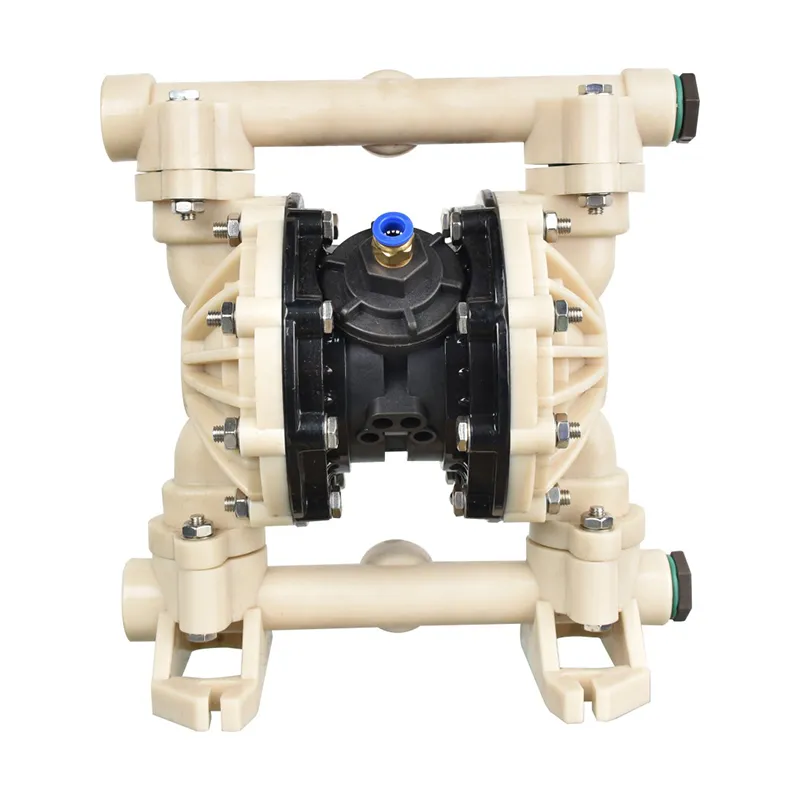


Best Sellingproducts
Best Selling Products-
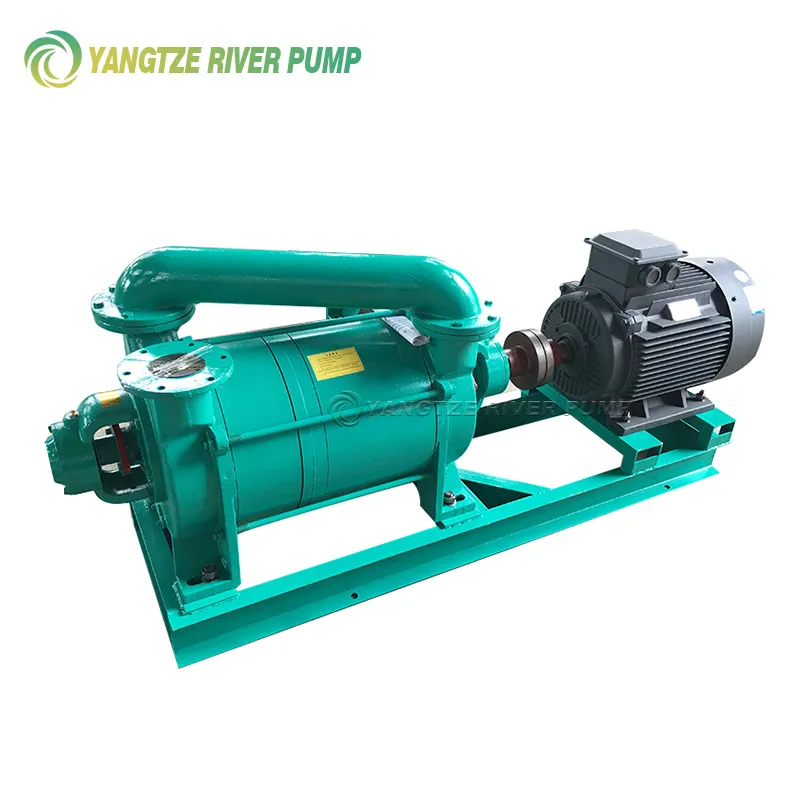 Liquid ring vacuum pumps type 2SK
-
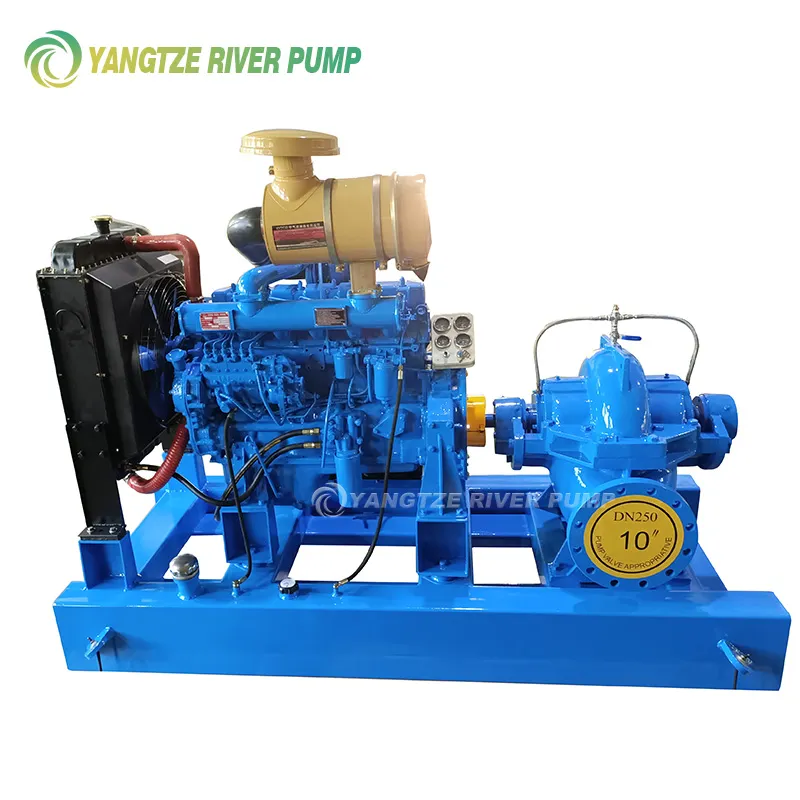 Diesel pumps with horizontal connector YZS and YZSH
-
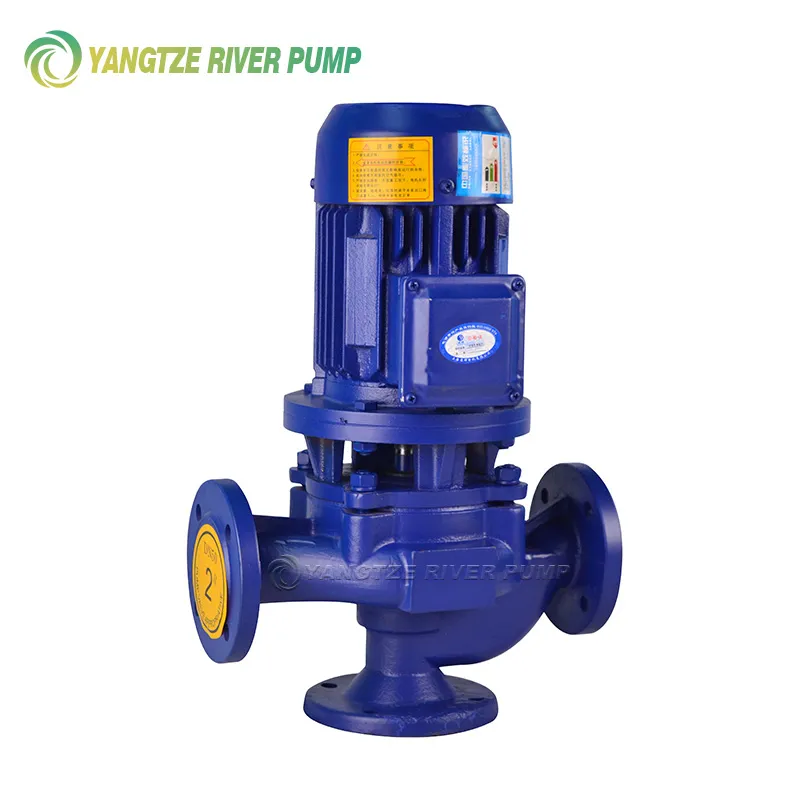 Pipeline wastewater pumps GW
-
 YCB Type Circular Gear Pumps
-
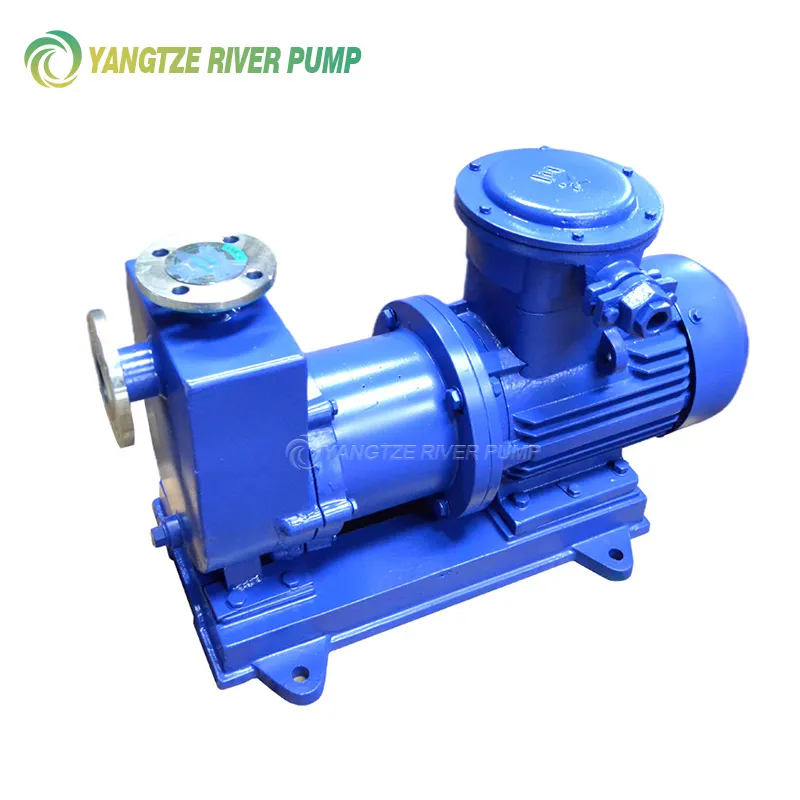 ZCQ Stainless Steel Self-Priming Magnetic Pumps
-
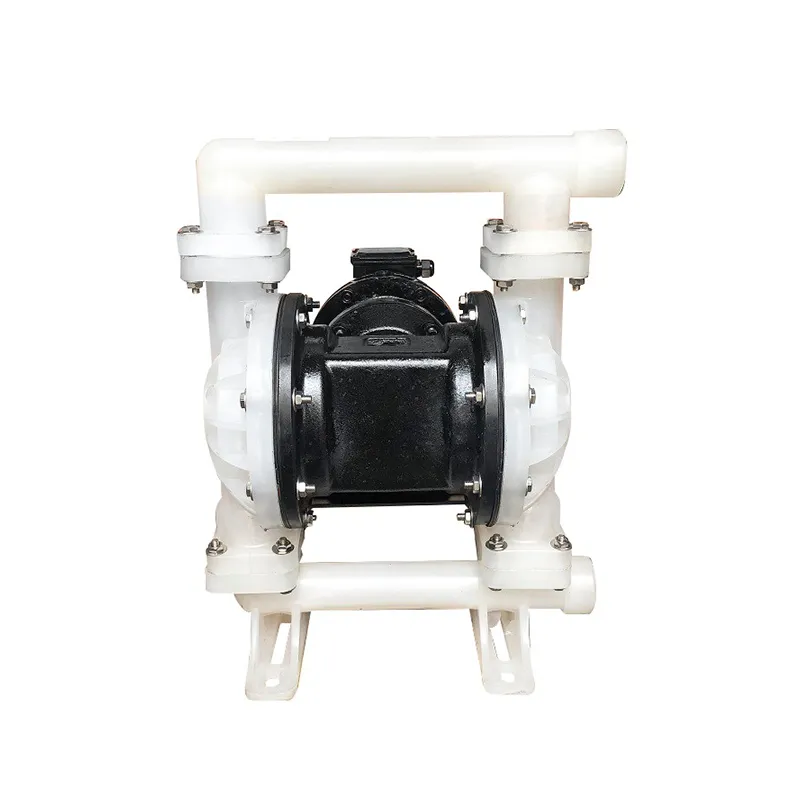 DBY Non-Metallic Electric Diaphragm Pumps
-
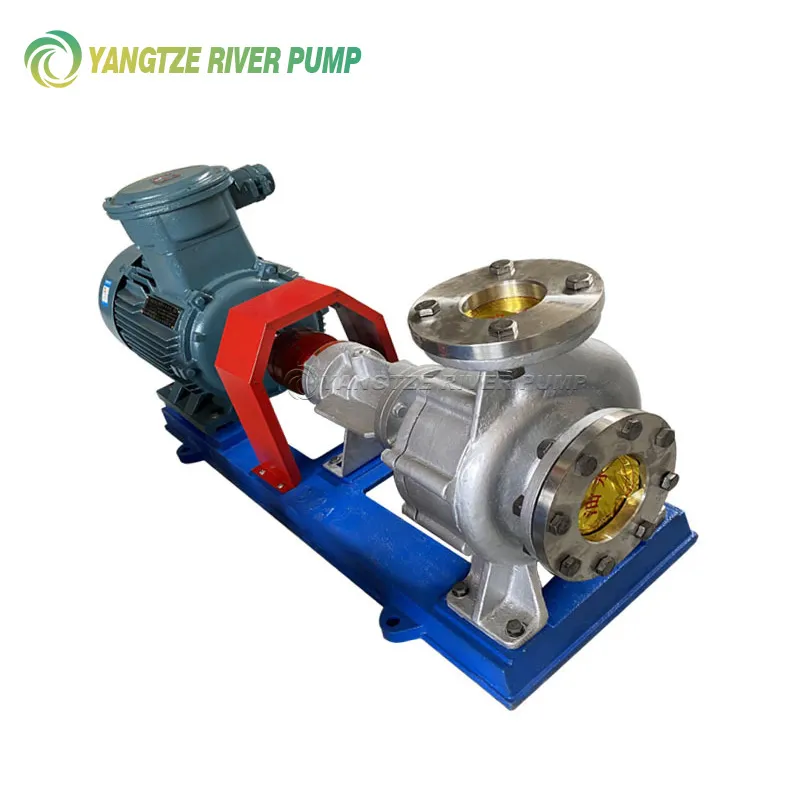 RY thermal oil pumps
-
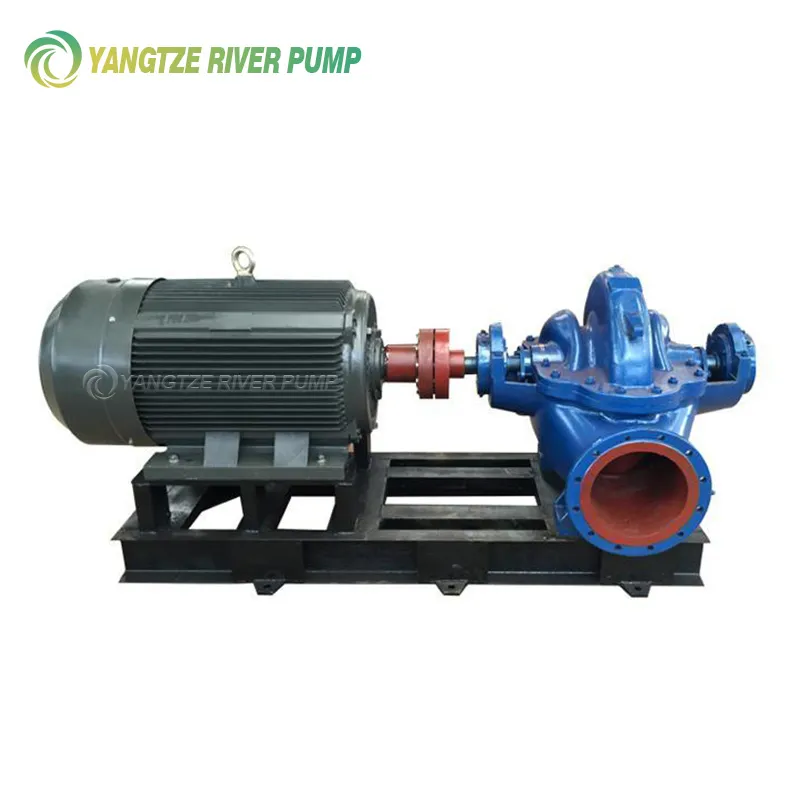 Single Stage Double Entry Centrifugal Pumps Type S
-
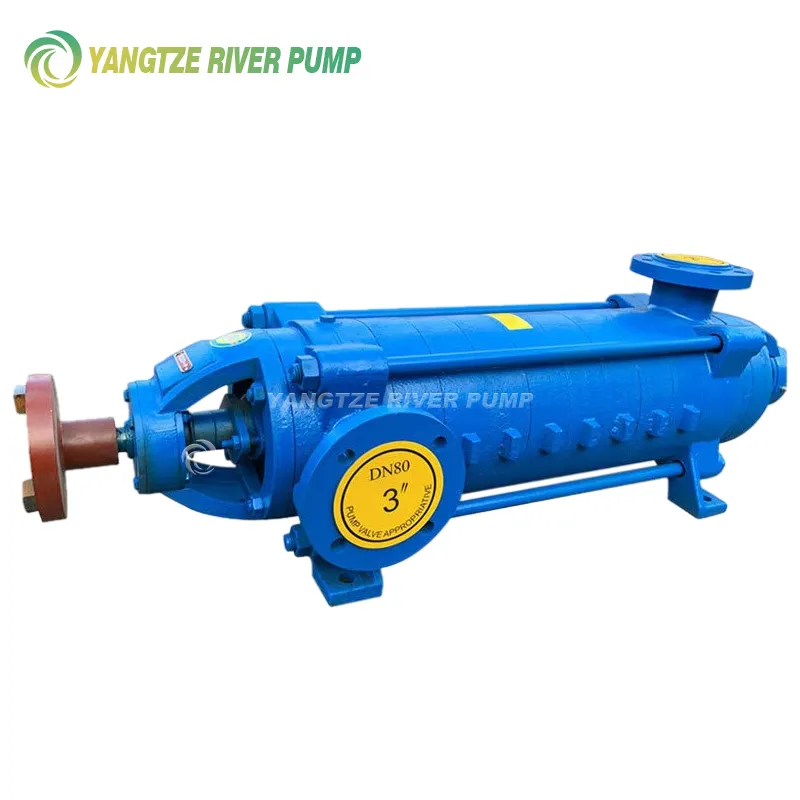 Horizontal multistage pumps for feeding DG boilers
-
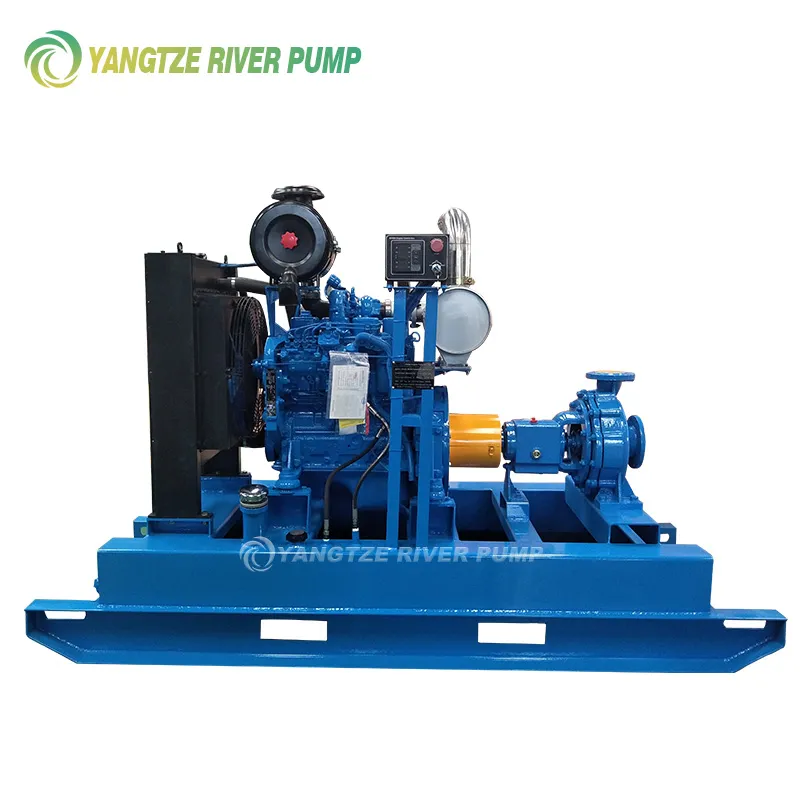 YZIS Diesel Single Stage Centrifugal Pumps
-
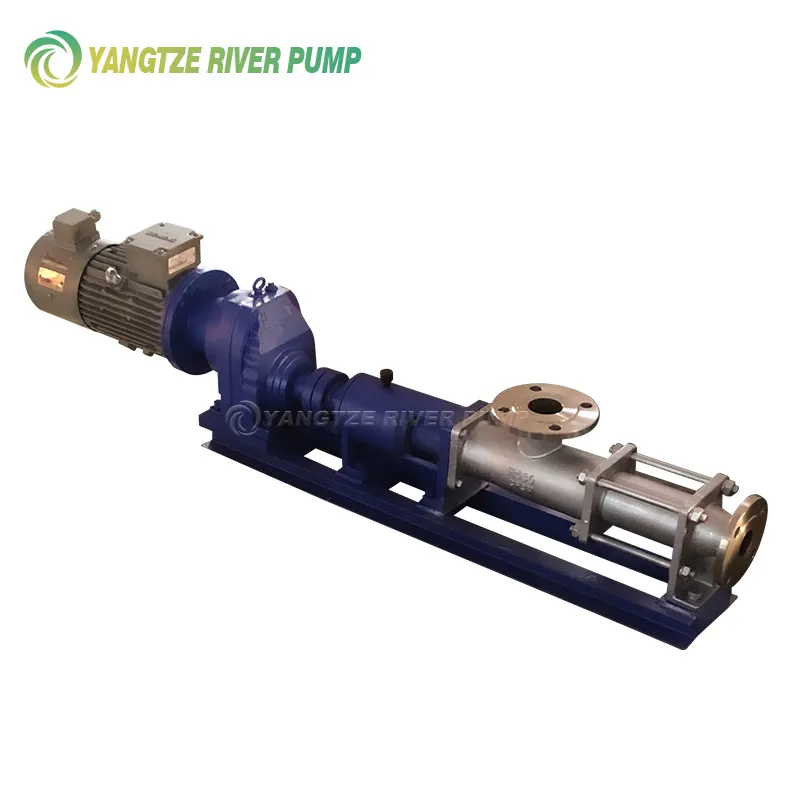 Geared screw pumps type G
-
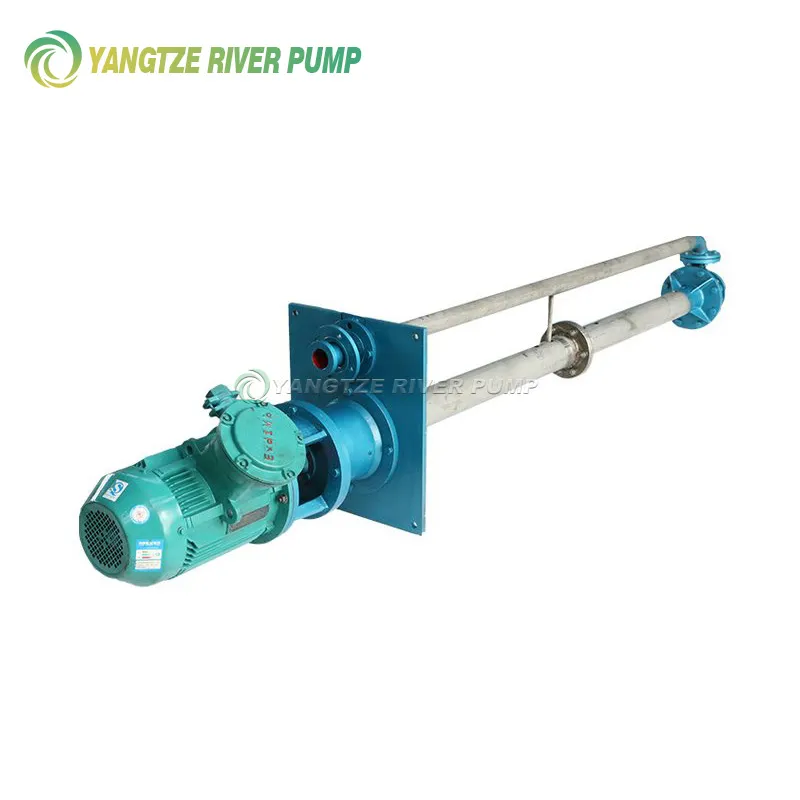 FY Submersible Chemical Pumps