







centrifugal gear pump
When people talk about centrifugal pumps, many people immediately imagine classic cantilever units, but confusion often arises about a centrifugal gear pump. Some even think that this is a hybrid of two operating principles, but in reality everything is different - here we are talking more about the layout and drive. In practice, especially when it comes to pumping viscous media or systems that require pressure stability, this design has its own clear niches. We at Zhejiang Yangzijiang Pumping Industry LLC have encountered such solutions more than once, and not always everything went smoothly - there were also unsuccessful attempts to adapt to specific orders.
Constructive essence and common misconceptions
The main thing that you need to immediately understand is that a centrifugal gear pump is not a pump where the impeller and gear are combined in one working body. Most often this refers to the pump drive. The pump itself remains centrifugal - the impeller creates flow due to centrifugal force. But the transmission of torque from the engine to the pump shaft is carried out through a gear transmission, usually of a gear type. This is a key point that many people miss when looking at the overall layout of the unit.
Why is this necessary? Primarily to regulate speed and increase torque. This is especially true for powerful multi-stage centrifugal pumps, where precise matching of characteristics with the electric motor is required. In our lines, for example, when designing powerful multi-stage systems for water supply, such a drive unit made it possible to use standard motors without resorting to expensive frequency converters at the first stage.
But here lies a common mistake in selection. Customers who see a specification as “gear driven” sometimes expect the pump to be able to handle extremely high pressures, like positive displacement gear pumps. We have to explain that the pressure is still limited by the capabilities of the stages and the strength of the centrifugal part housing. There was a story with an order for a boiler room, where it was precisely this misunderstanding that led to dissatisfaction at the start - the scheme had to be quickly modified, adding an additional stage.
Application practice and bottlenecks
In real operation, such a scheme shows itself well at stationary facilities, where reliability and maintainability are important. A gear reducer, if it is well made and correctly selected for the load, lasts for decades. We have one such unit on our test bench, assembled for demonstration purposes, and it works almost non-stop for years, pumping water. But there is also a downside - noise and heat.
Gear noise is a separate issue. Compared to direct drive or V-belt transmission, the level of vibration and acoustic background is higher. This is critical when installing in residential or administrative buildings. It is necessary to install additional vibration-isolating platforms and sometimes soundproof casings, which increases the cost and complexity of installation. In the shop this is not a problem, but for the pumping station in the hospital we were working on, this moment became decisive, and the gear drive was eventually abandoned in favor of a variable frequency drive with a straight shaft.
Another practical nuance is maintenance. The oil in the gearbox needs to be changed, its cleanliness monitored, and tooth wear monitored. For many operators who are accustomed to “set it and forget it?” for conventional centrifugals, this is an additional headache. We always equip such units with detailed instructions and try to provide training, but at remote sites, as experience with one of the quarries has shown, this does not always work - the gearbox failed due to contaminated oil.
Relationship to other product types and production capabilities
Our enterprise, Zhejiang Yangzijiang Pumping Industry Co., Ltd., with its eight complete lines, from R&D to service, rarely mass-produces such pumps. More often these are piece or small-scale orders that are assembled on the same line as standard ones.centrifugal pumps, but with the connection of the gearbox assembly area. It's flexibility that is valued. For example, the casing and impeller from a linear centrifugal pump can be taken as a basis, and a gear reduction module is connected to it. This allows you to avoid developing everything from scratch.
Interestingly, experience with such combined solutions helps in other segments. The knowledge of calculating shaft loads, obtained during the design of gear drives, was directly useful when modifying our submersible pumps for wells, where reliable torque transmission is also important, but under completely different conditions.
On the website yangtzeriverpump.ru we do not place the centrifugal gear pump in a separate category, since this is often an option or a specialized design. But in the technical section or upon direct request, our engineers are always ready to offer calculations and layout. This is not our main product, but an important part of our expertise, showing that we can solve non-standard problems, and not just churn out standard models.
Case Study: Success and Lessons Learned
One of the most illustrative projects was related to the circulation system of thickened polymer solutions in production. A stable flow with precise pressure maintenance was required, while the media was non-abrasive but viscous. Classiccentrifugal pumpon direct transmission? wasted? rpm as viscosity increases. The gear reducer made it possible to select such a gear ratio so that the engine would operate in optimal mode, and the required parameters would be maintained at the pump outlet.
The installation and start-up went well, but six months later a signal was received about an increase in noise. Upon departure, our service engineer discovered non-critical, but noticeable wear on one of the gears. The reason is microvibrations from the centrifugal pump itself, which were not fully taken into account when calculating the rigidity of the gearbox mounting. This was a valuable lesson: when connecting two units, dynamic loads must be considered as a whole, and not separately for the pump and the drive.
After this incident, the R&D department supplemented the calculation methodology for such combined systems. Now when ordering thiscentrifugal gear pumpWe definitely request more data about the nature of the work and conduct vibration analysis at the stand. This added reliability, although it slightly increased the time it took to prepare a proposal.
A look ahead and a place in the overall assortment
Now, with the development of frequency converters and high-torque direct drives, the purely gear drive for centrifugal pumps is losing ground in new projects. It remains in demand where simplicity, maintainability in the field are important, or where there are budget restrictions on high-tech electronics. He also lives in the modernization of old pumping stations, where they change the pump, but leave the old engine with non-standard speeds.
For our company, this direction is rather an indicator of the depth of competencies. We can do it, and do it well, if the client’s task requires it. But we do not promote it as the main thing, understanding its niche nature. The main forces, of course, are invested in the development of serialcentrifugal pumps, magnetic, submersible - those products that flow and cover most of the market needs.
As a result, a centrifugal gear pump is not an archaism, but a specific tool in the engineer’s arsenal. Its application requires a clear understanding of the physics of the process both in the pump part and in the mechanics of the gearbox. Errors in selection or calculations are costly here. But when everything comes together, the result is an extremely durable and predictable unit, capable of pumping its environment for many years without whims. And our experience, including negative ones, only confirms this rule.
Correspondingproducts
Related Products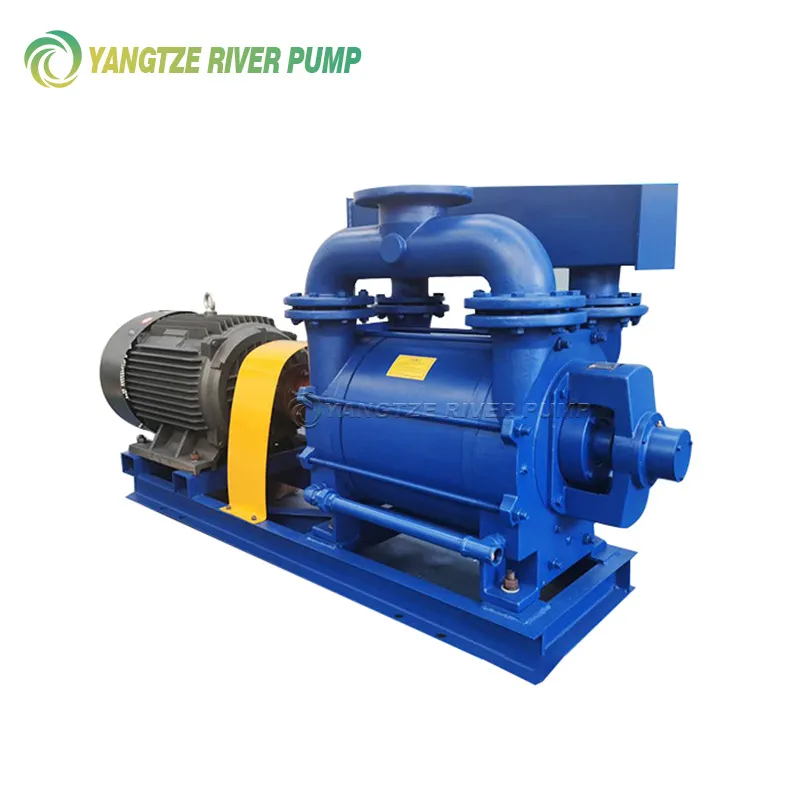


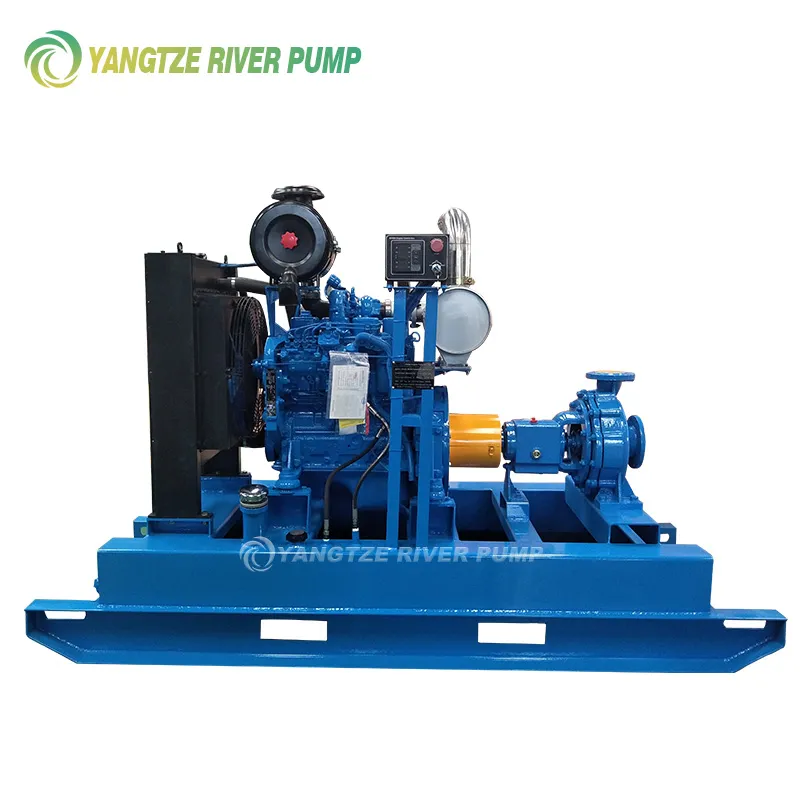
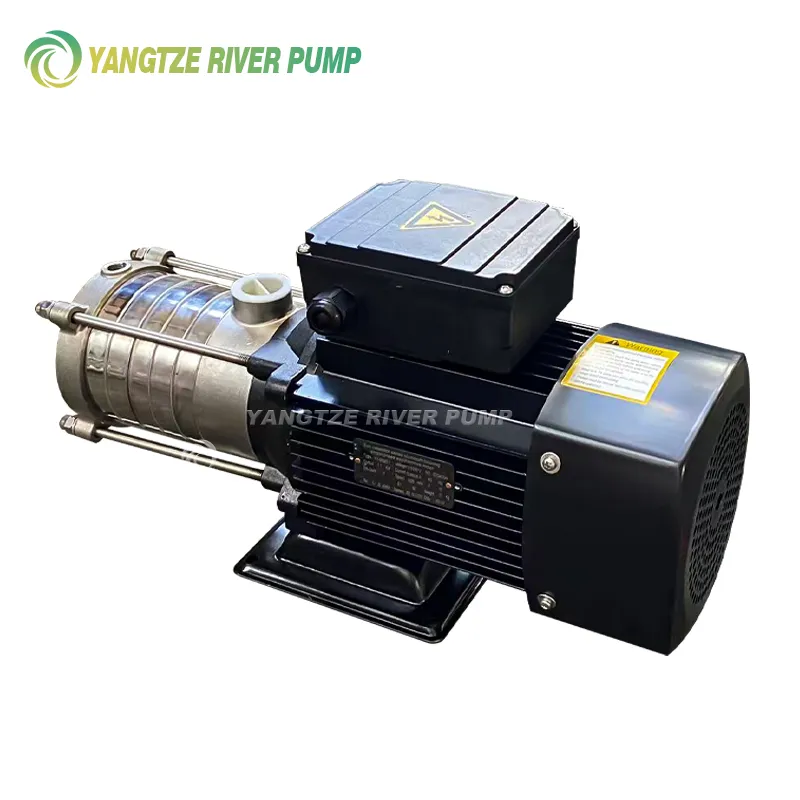

Best Sellingproducts
Best Selling Products-
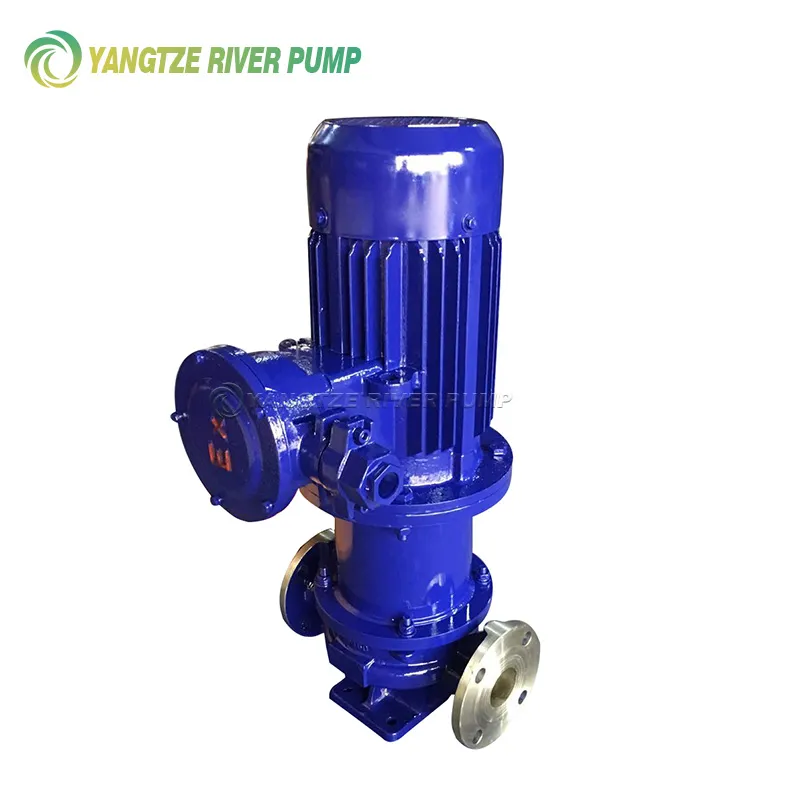 Vertical magnetic pumps CQB-L
-
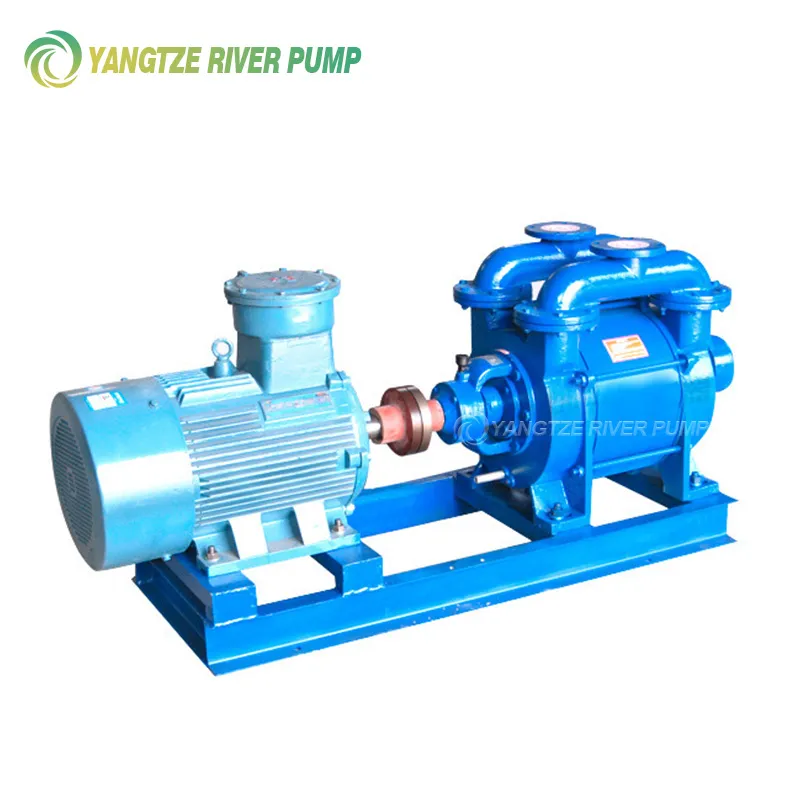 Liquid ring vacuum pumps type SK
-
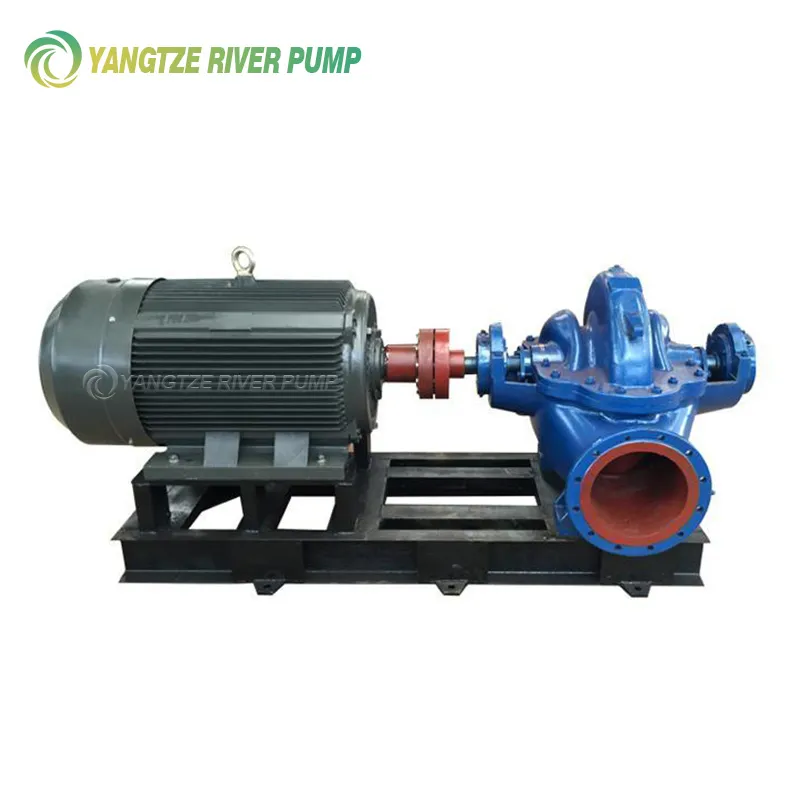 Single Stage Double Entry Centrifugal Pumps Type S
-
 Plastic self-priming centrifugal pumps FP and FS
-
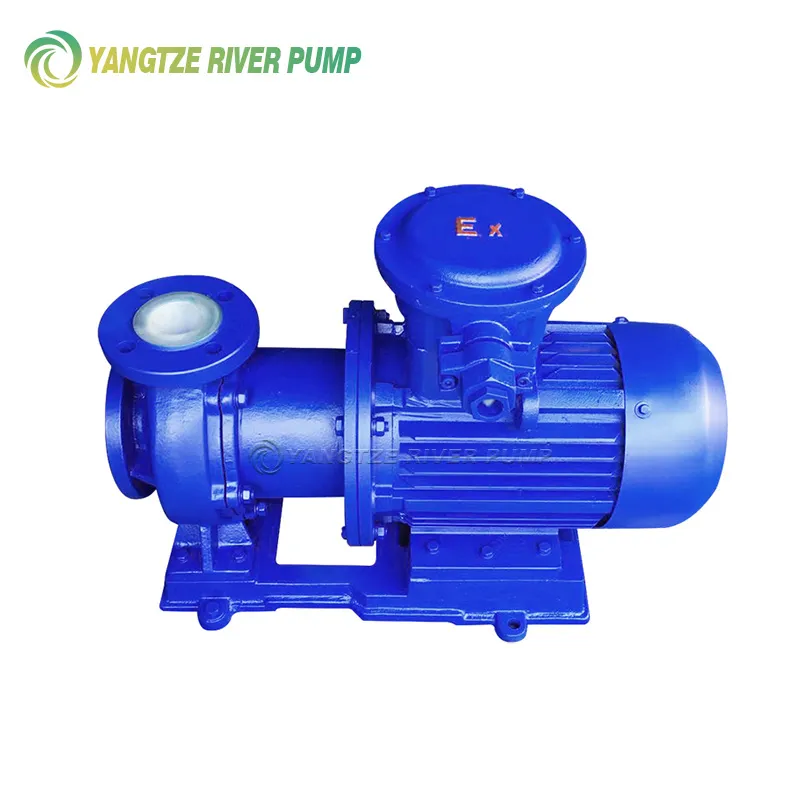 Magnetic pumps with fluoroplastic lining CQB-F
-
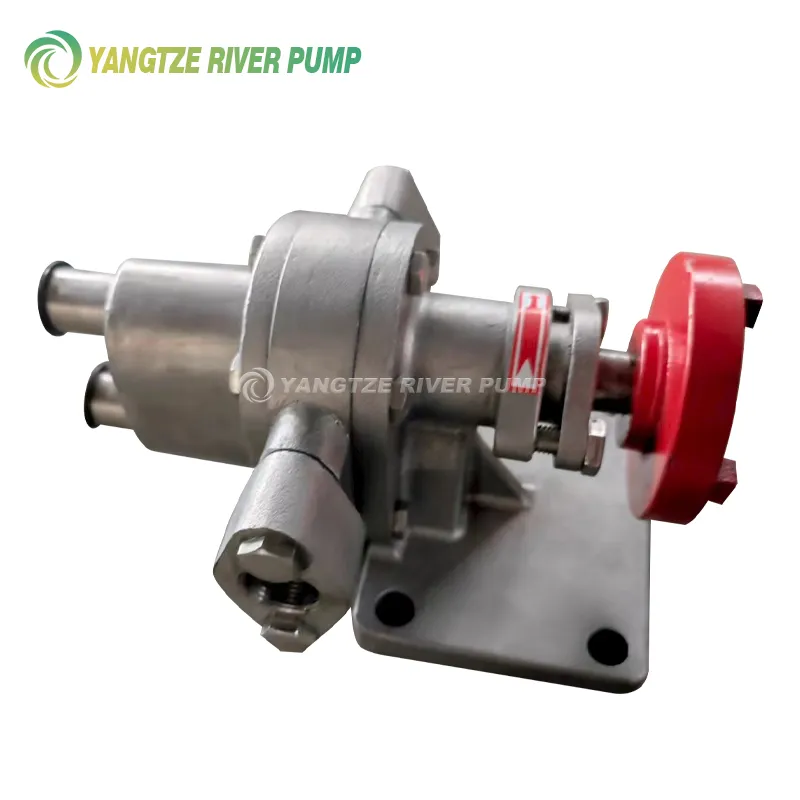 Gear oil pumps type KCB
-
 Sanitary screw pumps type GF
-
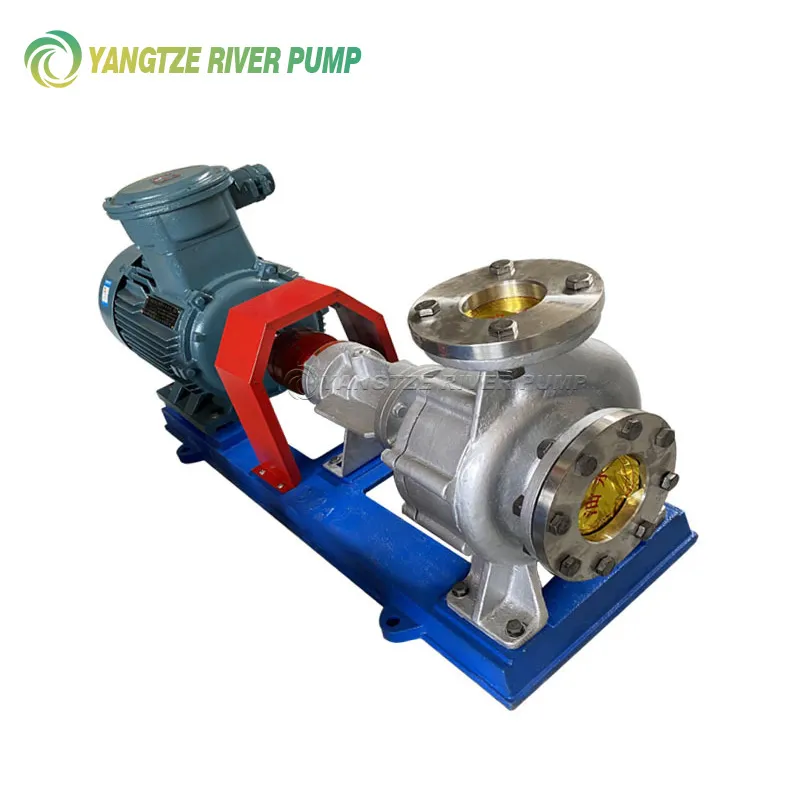 RY thermal oil pumps
-
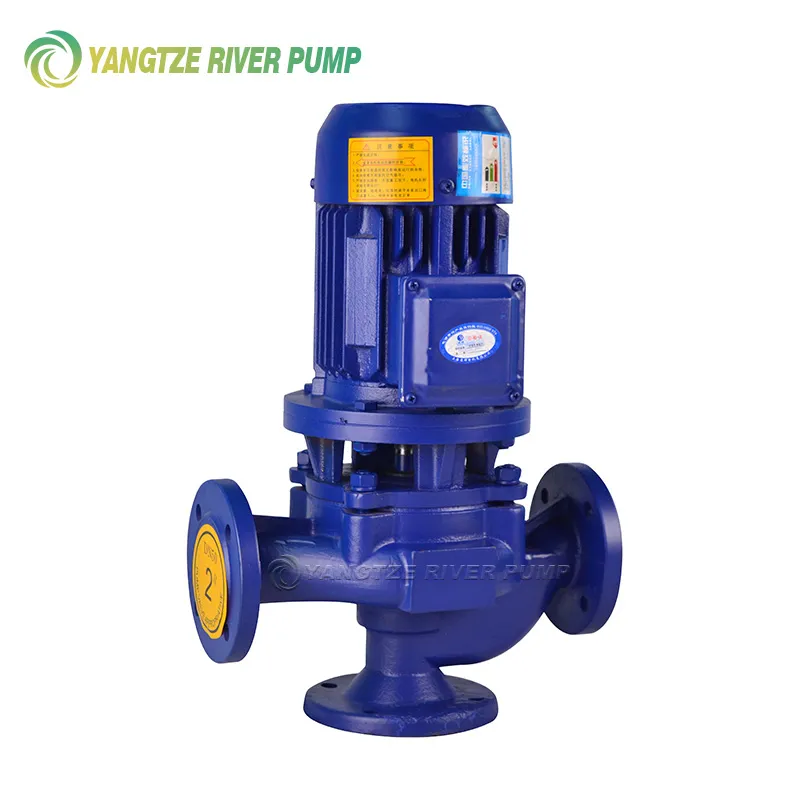 Pipeline wastewater pumps GW
-
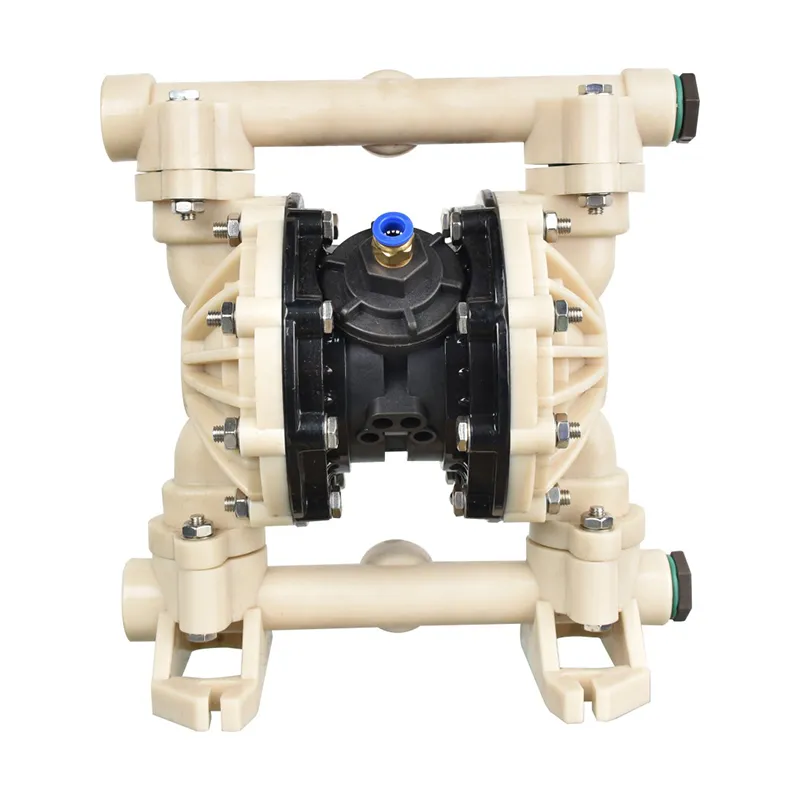 QBK Non-Metallic Air Operated Diaphragm Pumps
-
 Vertical multistage centrifugal pumps made of stainless steel (light series) CDL and CDLF
-
 Infinitely variable screw pumps type G