







centrifugal pump 5.5
When you see the request “centrifugal pump 5.5”, the first thing that comes to mind is that a person is looking for a 5.5 kW unit. But here's the rub: this number, in my experience, is often misleading. Everyone immediately thinks about the engine power, but in reality the key thing is what pressure and flow are behind this 5.5 kW. I have seen many cases where they bought a pump, looking only at kilowatts, and then it either under-pumped or ran idle, overloading the network. This is not just an engine, it is a component in the system, and its selection is a whole story.
Power 5.5 kW: what is hidden behind it in practice
Take for example a typical 5.5 kW single stage centrifugal pump. In ideal catalogs they write: flow up to 100 m3/h, pressure up to 50 meters. But in life these numbers rarely coincide. I myself encountered when such a unit was taken to supply water to a village, the calculation was based on the passport, but in reality there were power surges in the network. The motor seems to be 5.5 kW, but at reduced voltage the real power dropped, the pump did not reach its nominal parameters. I had to install a stabilizer - a small thing, but without experience you can’t take it into account.
Or another moment -centrifugal pumprated 5.5 kW for chemical environments. The material of the flow part is already important here. I have seen models where, due to an aggressive liquid, an impeller made of ordinary steel lost its shape within six months, and the pump, despite the stated 5.5 kW, sharply reduced productivity. Therefore, now I always look at the design: for chemistry - with a coating or made of special alloys, otherwise these kilowatts will simply be wasted.
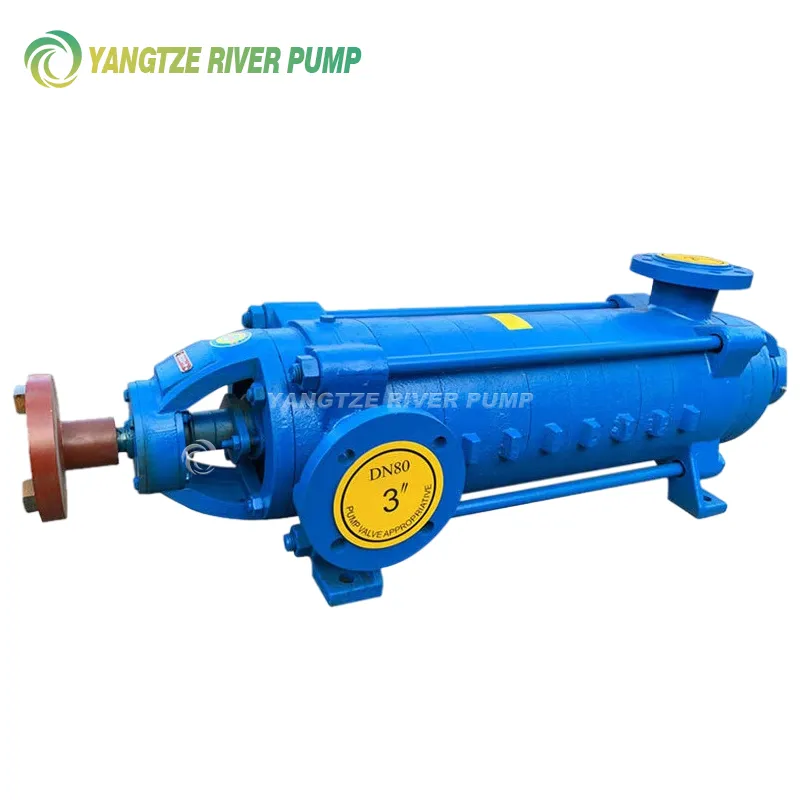
By the way, about multi-stage versions.Centrifugal pump 5.5kW in a multi-stage design means completely different pressures. I remember a project with water lifting from a deep well: a single-stage 5.5 kW one couldn’t handle it, but a multi-stage one with the same power managed because the pressure came from several stages. But there is also a nuance here - cavitation. If the suction is miscalculated, even a multistage pump will quickly fail. From practice: it is better to take a reserve in suction height, especially if the water contains impurities.
Errors during installation and operation: personal experience of failures
I'll tell you about an incident that I remember. They putcentrifugal pump5.5 kW for watering fields. The engine is of high quality, the parameters were selected, but installed without taking vibration into account. A month later there were leaks along the shaft. It turned out that the pipeline was rigidly fixed, vibration from operation was transmitted to the housing, and the seal was worn out. I had to redo it with flexible inserts. The conclusion is simple: the power of 5.5 kW is not only the pump itself, but also the piping. If installers skimp on little things, problems are guaranteed.
Another common mistake is working “dry”. There was an incident with a 5.5 kW self-priming pump. It was used for pumping from a tank, and sometimes they forgot to check the level. The dry-running protection did not always work, resulting in overheating and repairs. Now I always insist on additional level sensors, especially if the staff is inexperienced. For 5.5 kW pumps this is critical, because engine repairs can cost half the cost of a new unit.
And about the launches. A 5.5 kW motor produces a large starting current when started directly. In one of the workshops they installed such a pump without a soft start, and when turned on, the machines were knocked out. We decided to use a frequency converter - and the currents were reduced, and it became possible to adjust the parameters. But this is also not without pitfalls: if the frequency converter is cheap, it can introduce interference into the network. I had to select filters. Little things, but they are the ones that determine whether it will workcentrifugal pump 5.5kW its years without problems.
Comparison of pump types: where 5.5 kW really makes sense
In our company,Zhejiang Yangzijiang Pumping Industry Co.,Ltd, we produce different types of pumps, and for each 5.5 kW power has its own context. Let's take linear centrifugal pumps - they are compact, often for hot water supply or heating. Here 5.5 kW is usually the limit; the unit turns out to be productive, but it is important to monitor the ambient temperature. I saw how, when pumping superheated water without proper cooling, a 5.5 kW engine overheated, although the pump was designed for pressure. Therefore, in technical documentation we always focus on temperature limits.
A completely different story - 5.5 kW submersible pumps. Here they are often used for deep wells. The advantage is that the engine is cooled by the medium, but there is a risk when sanding. There was a case in agriculture: the well gradually silted up, the pump began to work with overload, and the 5.5 kW motor burned out. Now we recommend regular diagnostics, especially if the water contains mechanical impurities. By the way, on our websiteyangtzeriverpump.ruThere is a section with recommendations for use - we often add such practical notes there.
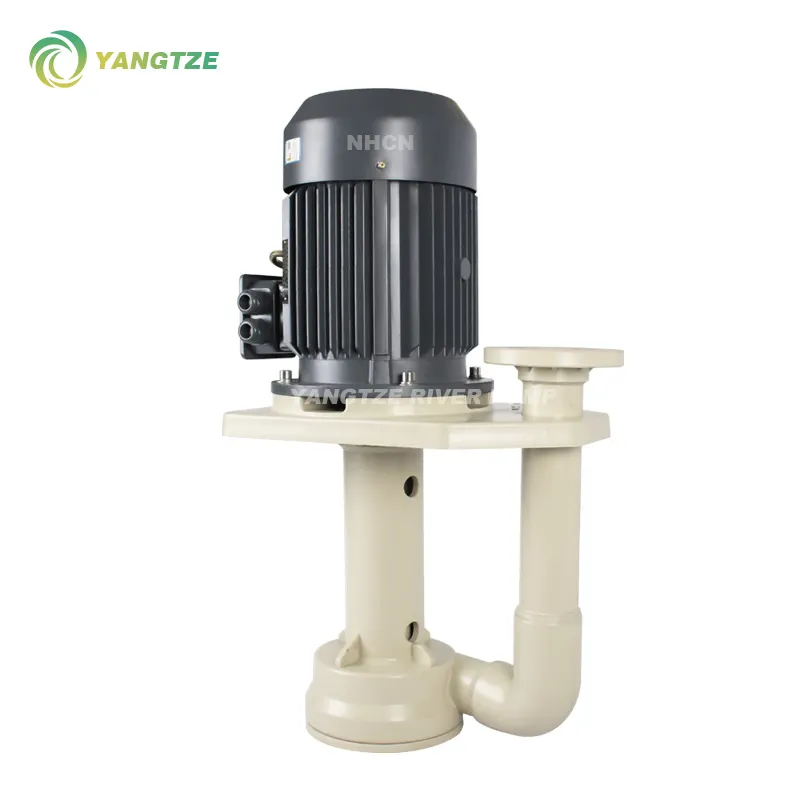
For chemical pumping we have 5.5 kW plastic chemical pumps. Here power is often related to the viscosity of the medium. One client complained about low flow - it turned out that he was pumping a suspension that was thicker than calculated. I had to change to a model with a larger power reserve. Conclusion: for chemistry, 5.5 kW is not a standard, but a starting point; an analysis of the environment is always needed. In our production, we take this into account, offering options for materials for the flow part, which is reflected in the description of the lines on the website.
The role of testing and service: why this is not just a formality
We have eight complete lines in our facility, including testing. For 5.5 kW pumps this is not easy to “drive and forget”. We test each unit on a bench under load, simulating real conditions. I remember how, when testing onecentrifugal pump 5.5kW detected vibration above normal - it turned out to be an imbalance of the impeller. Fixed before shipment. Without such a test, the client would have received a problem device, but otherwise downtime would have been avoided. This is the very practice that distinguishes mere assembly from quality production.
After-sales service is also key. For example, 5.5 kW magnetic pumps often require installation consultations, because there are no seals, but it is important to set the gaps correctly. There was an incident when a client installed a pump himself, and due to misalignment, the bearing assembly quickly failed. Now our specialists are always ready to travel or at least provide online instruction. This is not advertising, but a necessity, especially for complex applications.
And about spare parts. For 5.5 kW multistage centrifugal pumps, stage wear is a matter of time. We try to keep the main components in stock so that repairs do not take longer. Once, due to a delay in the delivery of an imported bearing, the client was idle for two weeks - since then the logistics have been reviewed. Such details are important when it comes to continuous processes, and our company,Zhejiang Yangzijiang Pumping Industry Co.,Ltd, focuses on this so that clients do not waste time.
Final thoughts: 5.5kW as part of the system
As a result,centrifugal pump 5.5kW is not an isolated device, but an element of a system. Its choice depends on hundreds of factors: from environmental parameters to personnel qualifications. I always advise looking not only at the price tag, but also at the opportunity to get support, like we have atyangtzeriverpump.ru, where all product information - from single-stage to chemical pumps - is supported by a technical base.
To summarize: a power of 5.5 kW is a good working option for many tasks, but it is only sufficient with proper selection and operation. The mistakes I described are proof of this. It is better to spend time on calculations and consultations than to deal with the consequences later. And yes, even in the era of digitalization, live experience and testing, as in our production, remain indispensable - without them, these 5.5 kW are just numbers on paper.
Correspondingproducts
Related Products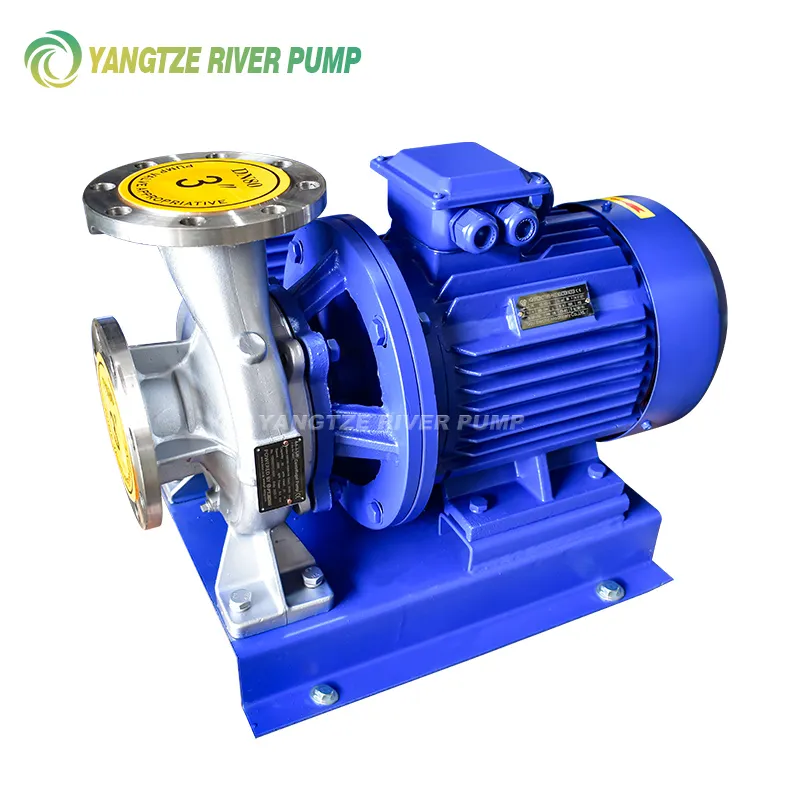


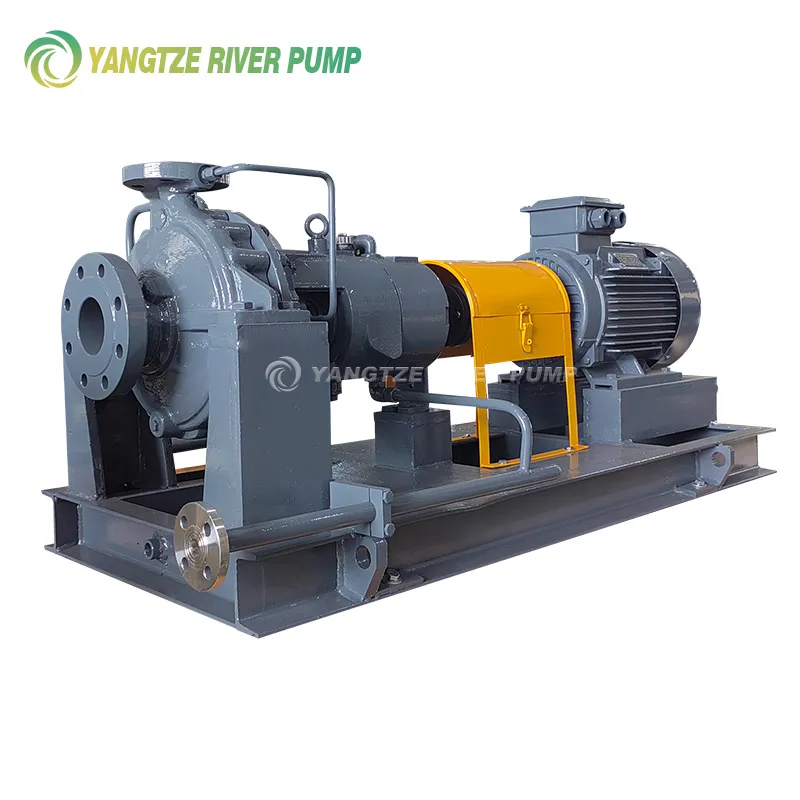

Best Sellingproducts
Best Selling Products-
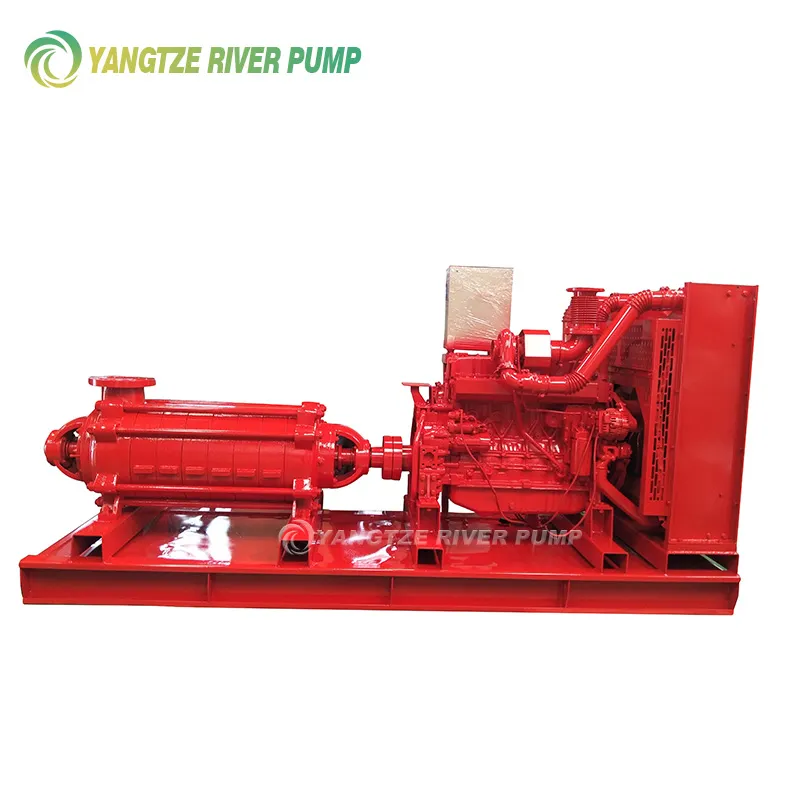 YZD Series Diesel Multistage Centrifugal Pumps
-
 Complete water supply installations with frequency regulation and constant pressure CDLF
-
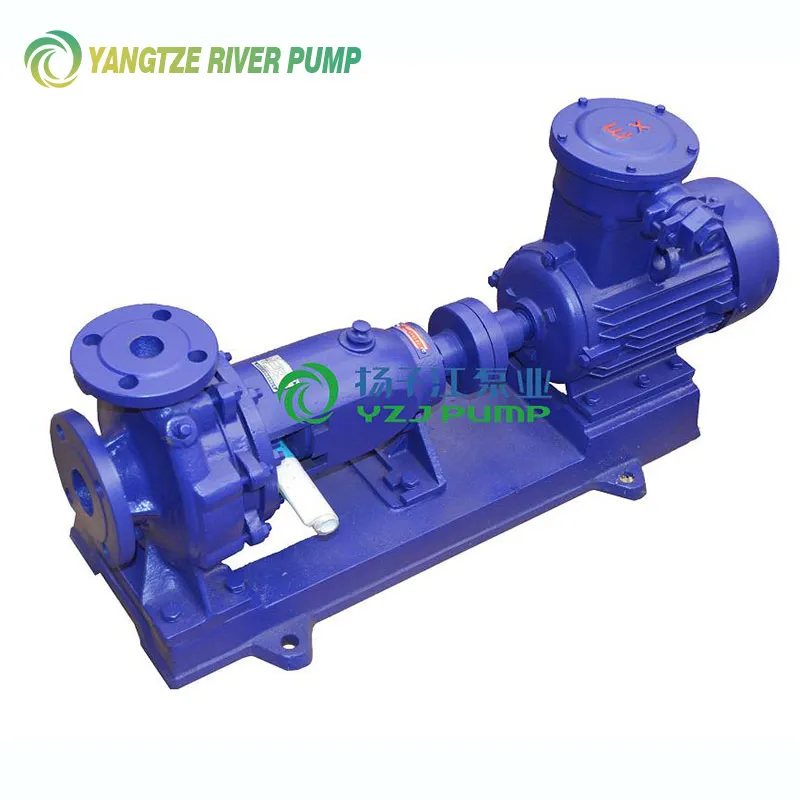 Horizontal chemical centrifugal pumps types IS and IR
-
 Infinitely variable screw pumps type G
-
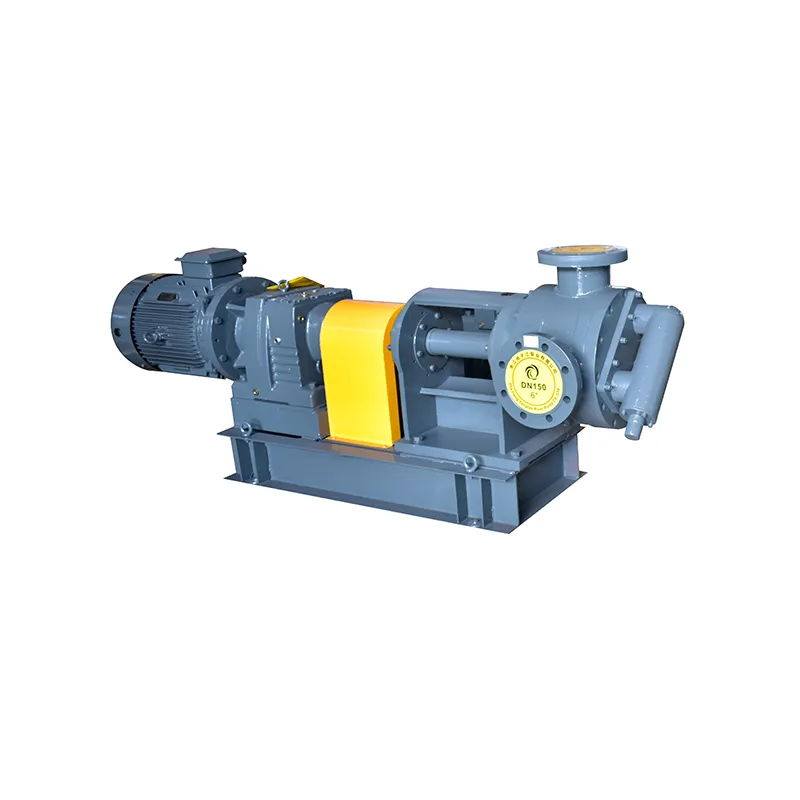 NYP High Viscosity Internal Gear Pumps
-
 Non-clogging self-priming wastewater pumps ZW
-
 QJ type borehole pumps
-
 YZSP Diesel Self-Priming Pumps
-
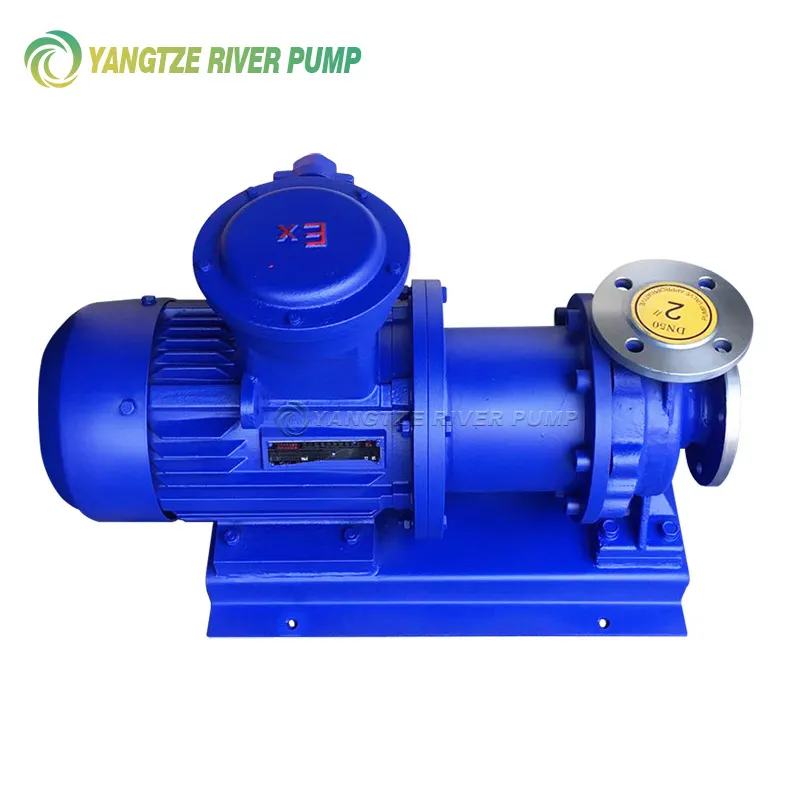 CQB Stainless Steel Magnetic Pumps
-
 IHF PTFE Chemical Centrifugal Pumps
-
 Sanitary screw pumps type GF
-
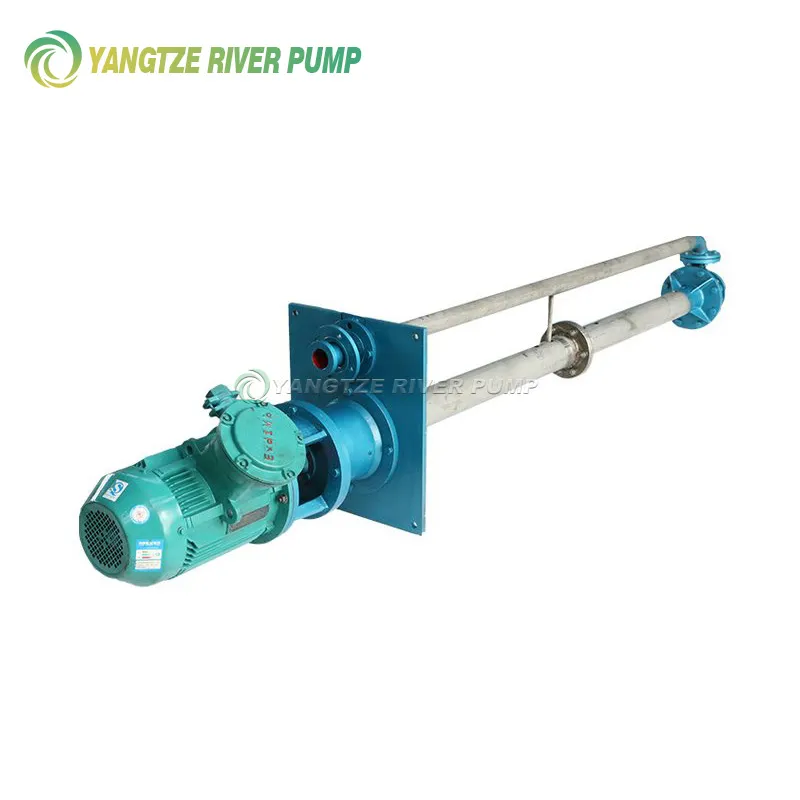 FY Submersible Chemical Pumps