







Downhole submersible pumps
When they talk aboutborehole submersible pumps, many people imagine just a long cylinder that is lowered into water - and it works. This is perhaps the most common and dangerous simplistic view. In fact, the selection and operation of such a pump is always a compromise between the flow rate of the well, its diameter, the depth of the dynamic level, the required pressure and, critically, the composition of the water. An error in any of these parameters leads to either chronic underfilling or dry running and rapid failure. I have seen more than once how people, having skimped on a consultation with a hydrogeologist or trying to fit a 4-inch pump into a 110th pipe, then spent months dealing with the consequences.
Design: What's inside matters
If we take the classicmultistage centrifugal pumpsfor deep wells - and this is exactly our main profile in production - then the whole point is in the steps. Each stage is a pair of “wheel-diffuser”. The more there are, the higher the pressure with the same diameter. But here lies the trap: for wells with a high content of sand or small abrasive particles, a multi-stage design can become a “mill” that quickly wears out. In such cases, it is sometimes wiser to look atsingle screw pumps- they have a completely different principle, they tolerate a polluted environment better, but their efficiency and maximum pressure are often lower.
The material of the flow part is a different story. AISI 304 stainless steel is a standard that suits many for relatively clean water. But in our practice, especially for industrial facilities or in regions with aggressive water, we are increasingly using AISI 316 or even composite materials in plastic chemical pumps. Yes, for clean drinking water this may be excessive, but when it comes, for example, to low water levels at a construction site with an unknown composition of groundwater, reinsurance with the material saves you from sudden corrosion and work stoppage.
Another nuance that is often overlooked when choosingborehole submersible pump- This is the cooling system. The engine is cooled by the flow of rising water. If the pump is selected "butt-to-tail" in terms of productivity to the well's flow rate, or if there are bottlenecks in the system, then the flow rate past the engine drops and it overheats. There was a story at one of the sites where the customer installed the pump himself, without checking the actual flow rate after downtime. The pump worked on the edge, the engine got hot, and after three months there was an interturn short circuit. I had to lift it, change it, and incur double expenses.
Selection: tables are good, but experience is better
All manufacturers, including our Zhejiang Yangzijiang Pumping Industry Co., Ltd., provide detailed catalogs and performance curves (pressure and flow characteristics). But following them blindly is a recipe for error. These graphs are plotted for pure water at 20°C. In reality, the temperature of the water in the well can be 8-10°C, which already changes the density and viscosity. And if there is suspension in the water, the curve “sags”.
Therefore, our technical support department always asks a lot of clarifying questions before recommending a specific model from the linesubmersible pumps. Not only “the depth of the well is 50 meters,” but “the dynamic level when pumping out 3 cubic meters per hour was established at 28 meters, the static level - 15, the casing pipe 125 mm?”. This is fundamental. Because the pump must be installed below the dynamic level, but with a margin to the bottom so as not to suck in sludge. And its diameter should allow free installation in the casing to ensure that same cooling.
People often ask about pressure reserves. The general rule is to add 10-15% to the calculated head (depth + horizontal section taking into account losses + required free head at the point of analysis). But I would say that the margin should be not so much in the pressure, but in the correctness of the model. It is better to take a pump whose operating point (the intersection of its curve and the system characteristics) is in the middle of its effective zone, and not on the right edge of the graph, where efficiency is already falling.
Installation and “little things” that make all the difference
It would seem that it was complicated: I lowered the pump on a cable, connected the cable and pressure pipe. But no. The cable should be made of stainless steel, not galvanized, which will rot in a couple of years. The cable must be submersible, waterproofed, and its connection to the pump is a critical unit. From our own experience, debugging production lines, we came to the conclusion that we use heat-shrinkable sleeves with sealant, and not just electrical tape. Trifle? Namely, it is because of it that most electrical failures occur.
The piping at the top is a check valve, a pressure gauge, a valve. A non-return valve is required, otherwise, with each shutdown, the water will flow back, the pump will start in high load mode, and there will be water hammer in the system. They place it directly at the pump outlet, and sometimes additionally in the caisson. By the way, about the caisson: its correct installation and insulation is the key to uninterrupted operation in winter. How many times have I seen how the pump pumps properly, but water does not flow into the house because there is an ice plug in the pipeline at the outlet of the caisson.
Start-up protection is a separate topic. A frequency converter (FC) is an excellent thing for smooth starting and maintaining constant pressure, especially in systems with several points of analysis. But it is also the most complex part of the system. In simple country systems, they often make do with a pressure switch and a hydraulic accumulator. The main thing here is to correctly set the switch-off and switch-on thresholds so that the pump does not operate in the “jog” mode. - turned on for a minute, turned off, 30 seconds later turned on again. This is the most difficult regime for him.
Brands, production and what is hidden behind the name
There are many names on the market. Some are chasing cheap prices, others are betting on the premium segment. Our position as a manufacturer that combines the full cycle from R&D to service is reasonable sufficiency. You can’t make something that’s very cheap and yet very reliable.borehole submersible pump. Physics and the cost of materials will not allow it. But it is possible, knowing the typical operating conditions in different regions, to optimize the design for most tasks.
On our websiteyangtzeriverpump.ruyou can see that the assortment includeslinear centrifugal pumps, andself-priming, and special chemicals. This is not just for show. This is a consequence of working with different requests. For example, the samediaphragm pump- a completely different area, but the principle is the same: understanding the environment and the task is primary. For wells, our main pride is precisely multi-stage vertical models. We test them most rigorously on our own test benches, simulating long-term operation with variable pressure and checking protection against dry running.
What would I advise when choosing? Do not look only at the price and maximum numbers in the passport. Ask what the impeller and diffusers are made of, what insulation class the motor has, and whether there is built-in overheating protection. Ask not “how much does it pump?”, but “what pressure curve does it produce at 2, 3, 4 cubic meters per hour?”. And, of course, look for the availability of clear technical support and warranty. Because even the best pump, if selected incorrectly, will become a source of problems.
Summary: Thought at the end of the workday
In general,borehole submersible pump- this is not just a product from a catalogue. This is an engineering product that becomes part of a complex system - your water supply. His choice is not a matter of minutes. This includes analysis, questions, and sometimes even test pumping to clarify the parameters of the well.
We at Zhejiang Yangzijiang Pumping Industry Co., Ltd., through our eight production lines and development department, are constantly faced with new cases that force us to make adjustments to designs, change seal materials, or refine protection algorithms. This is a normal process. There is no ideal pump for all situations. There is a properly selected one.
Therefore, the final advice that I always give is: collect as much data as possible about your well and the tasks of the system. And then look not just for a seller, but for a technical consultant who can translate this data into a specific model. This will often save both money and stress in the long run. There should be water simply - open the tap, and there it is. And behind this simplicity lies a properly selected and installed pump.
Correspondingproducts
Related Products


Best Sellingproducts
Best Selling Products-
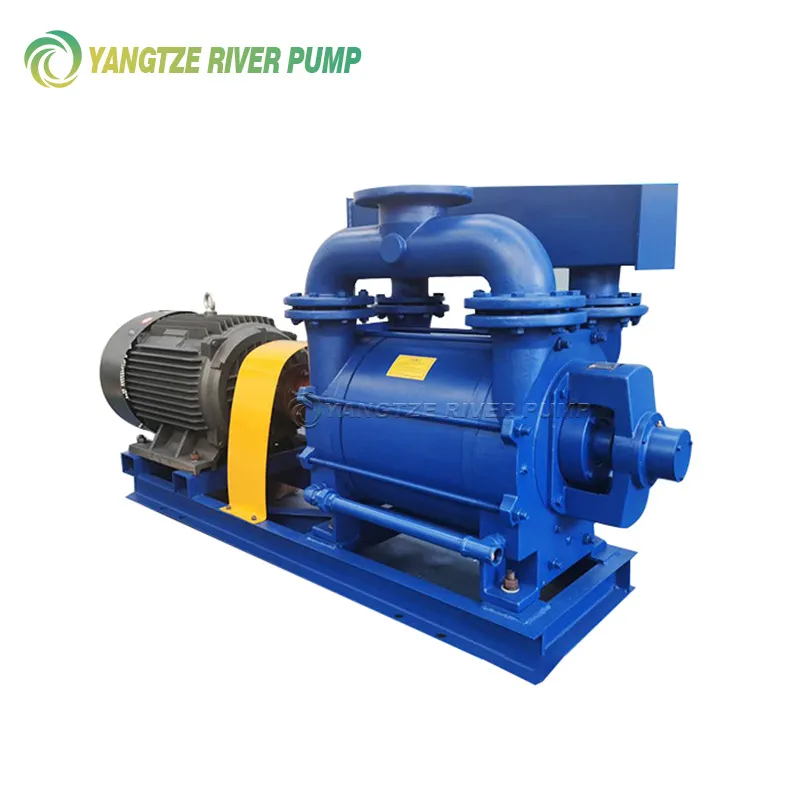 Liquid ring vacuum pumps type 2EB
-
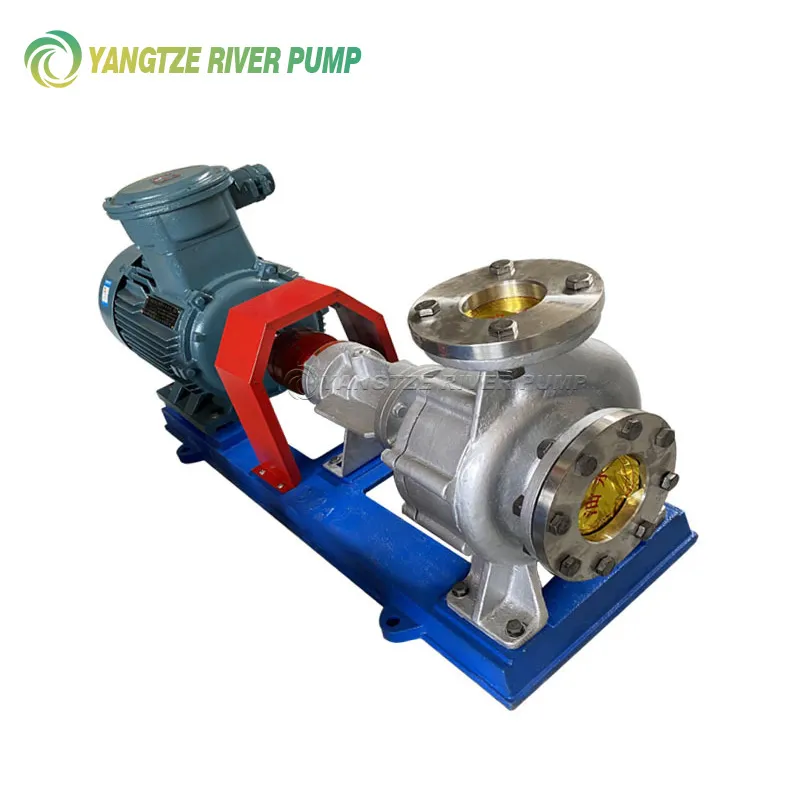 RY thermal oil pumps
-
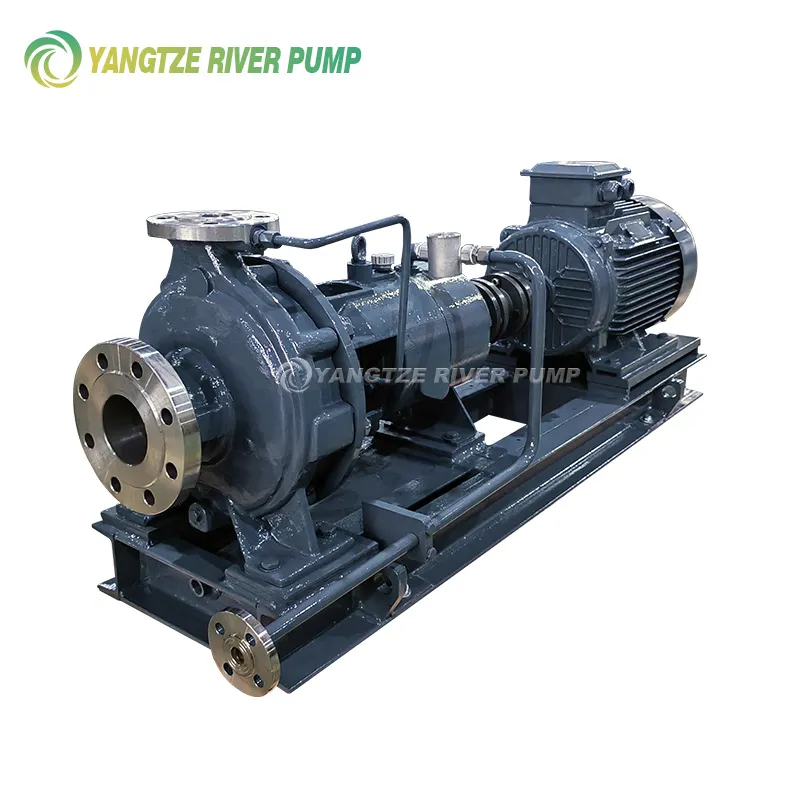 Petrochemical Process Pumps API 610 YZA
-
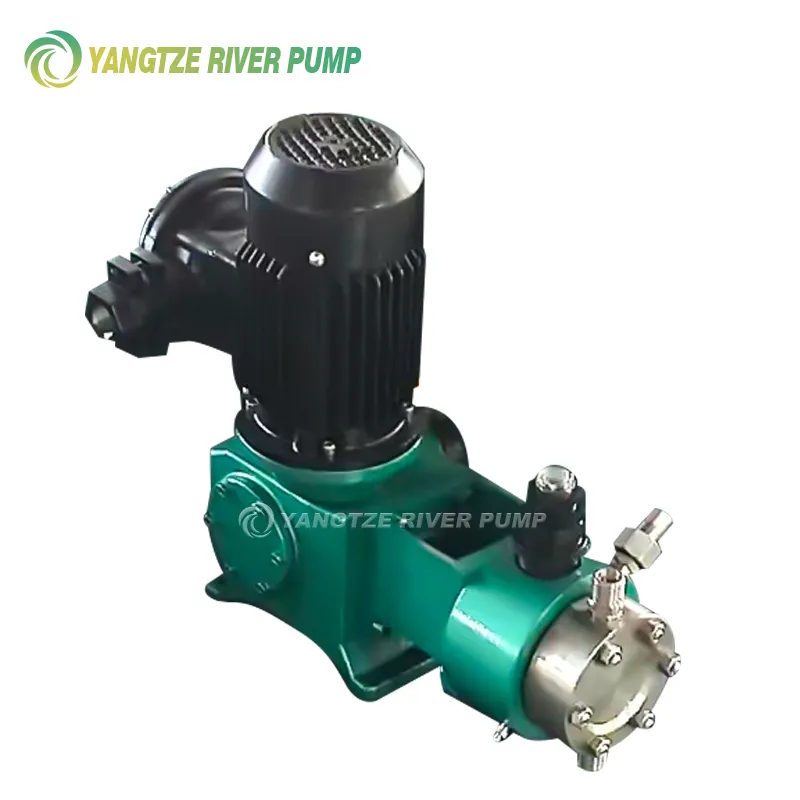 Plunger dosing pumps type DZ-X
-
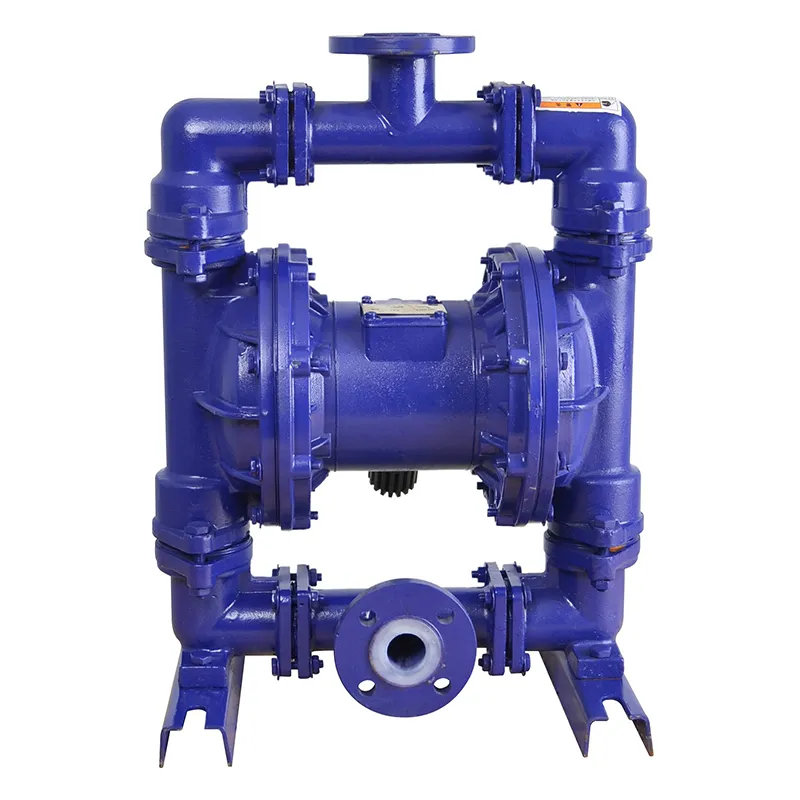 Metal pneumatic diaphragm pumps QBK
-
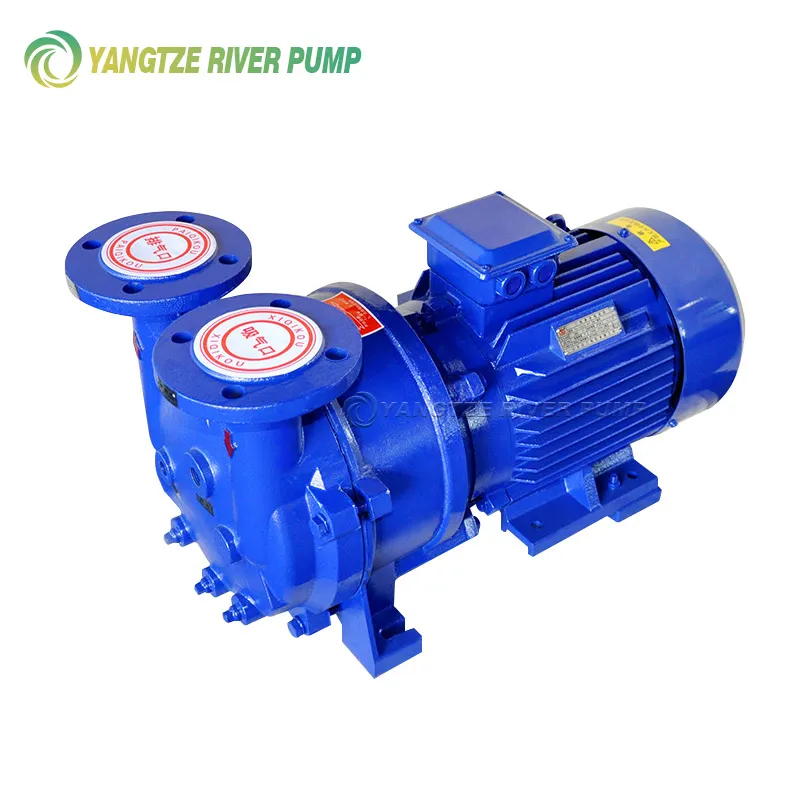 Liquid ring vacuum pumps type SKA and 2BV
-
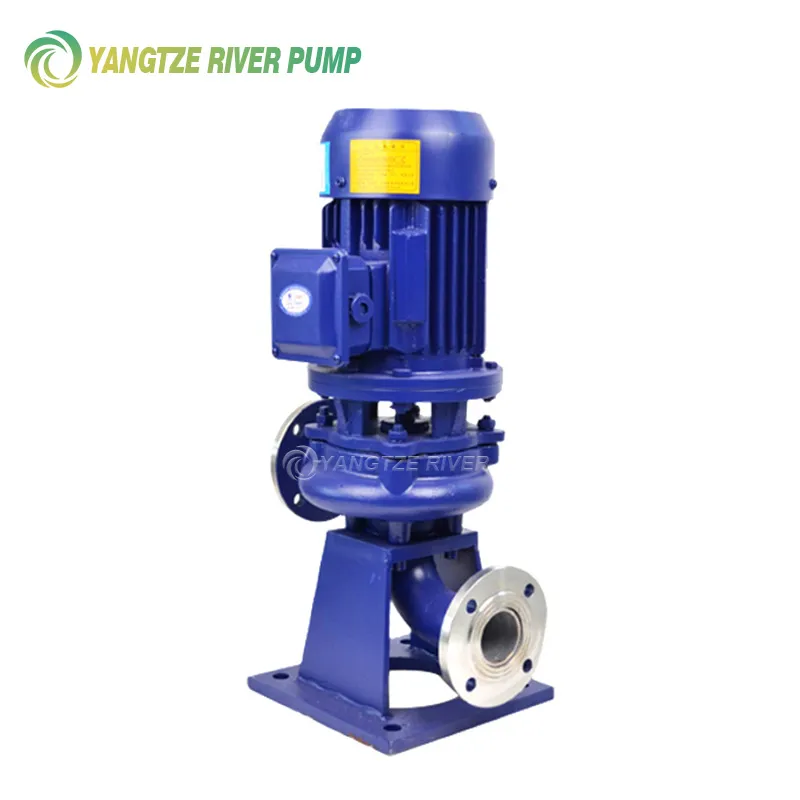 Non-clogging vertical wastewater pumps LW
-
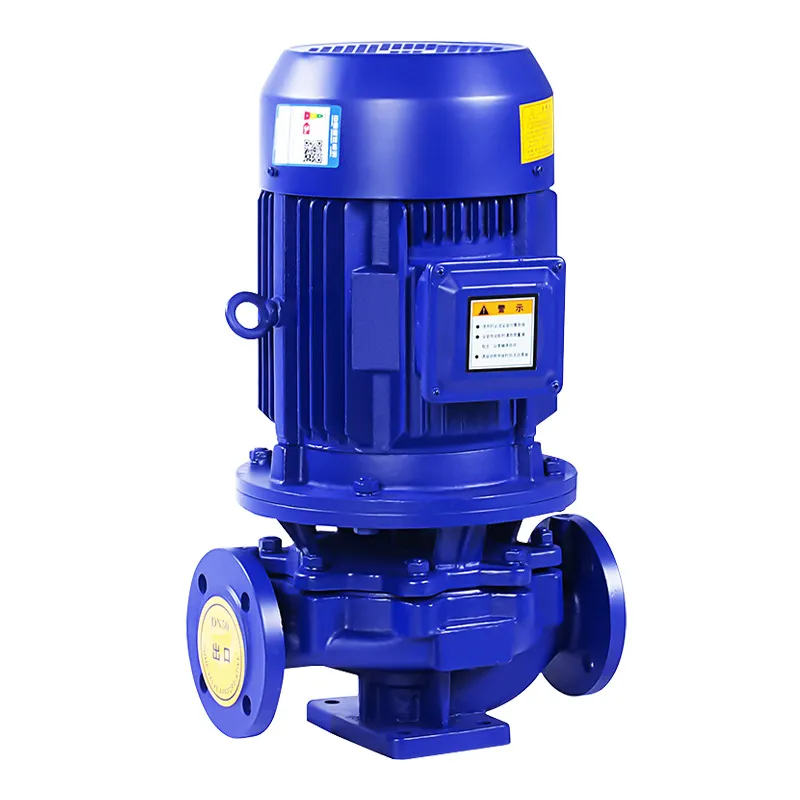 Vertical single-stage pipeline centrifugal pumps ISG and IHG
-
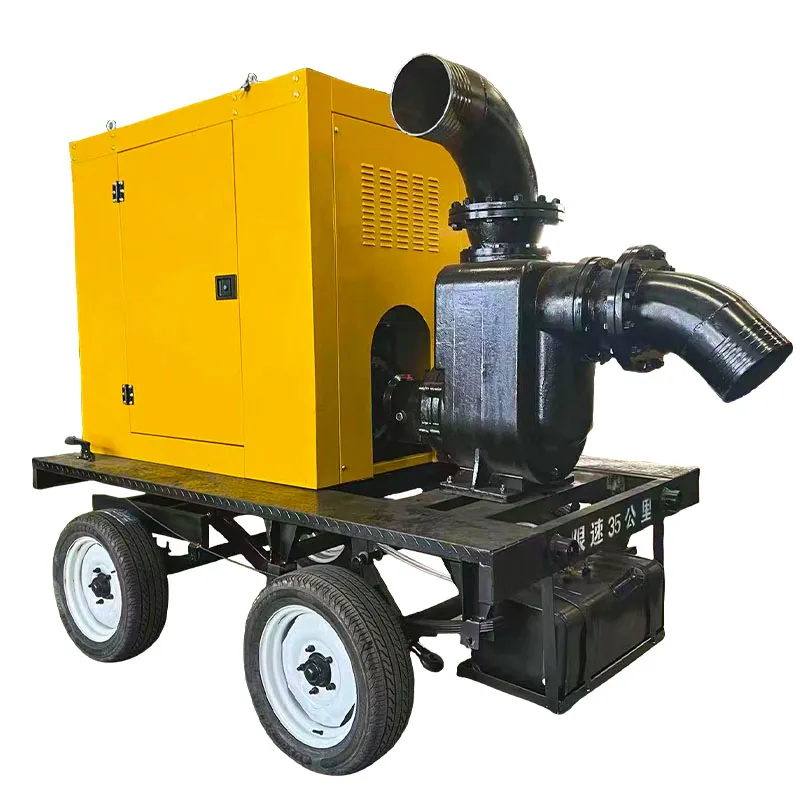 YZZW Diesel self-priming pumps
-
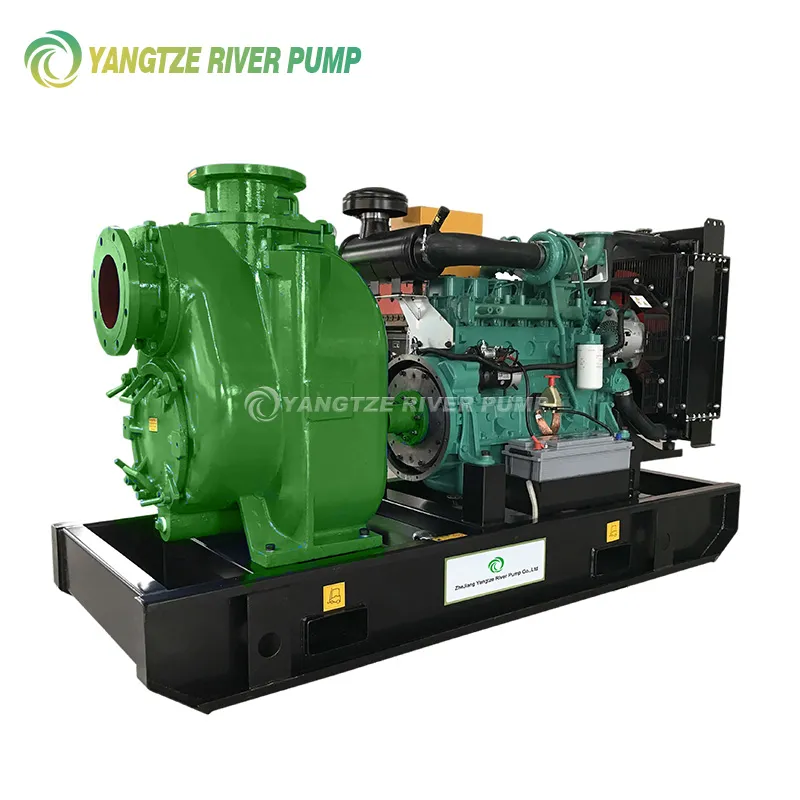 YZSP Diesel Self-Priming Pumps
-
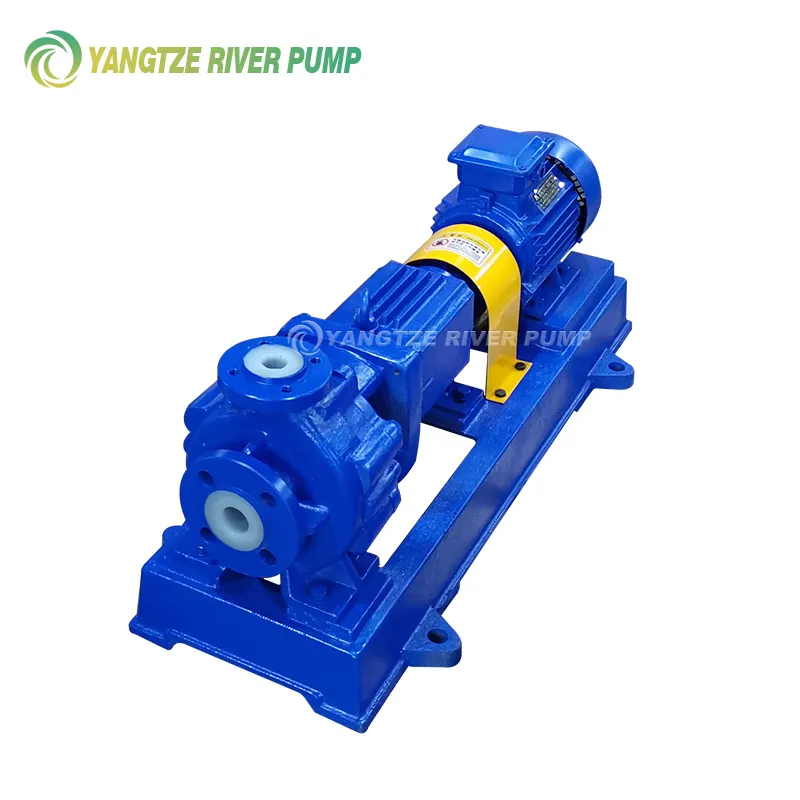 IHF PTFE Chemical Centrifugal Pumps
-
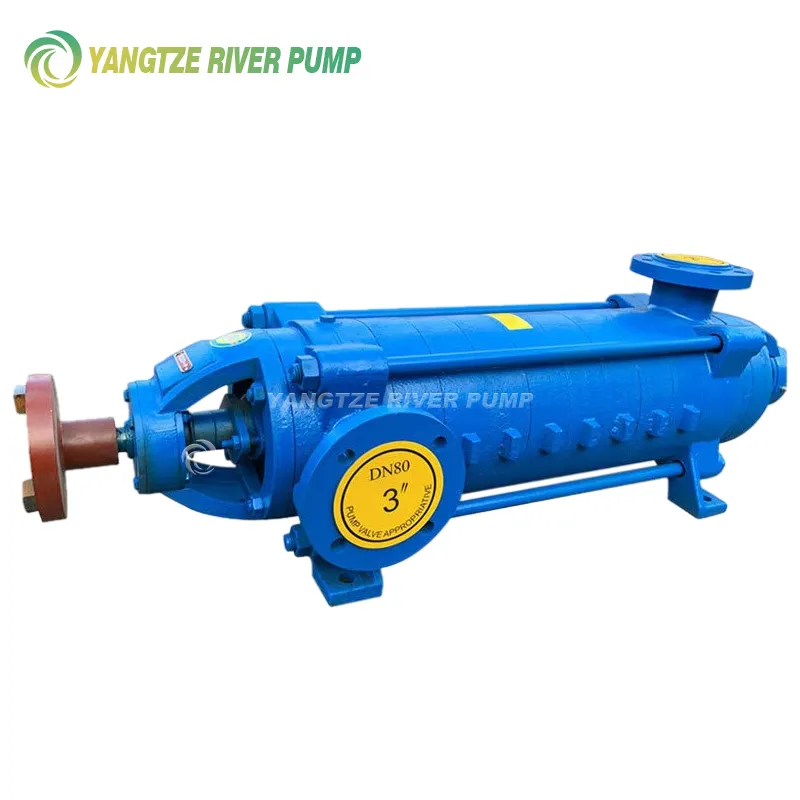 Horizontal multistage pumps for feeding DG boilers