







Deep well pumps
When they talk aboutdeep well pumps, many people imagine just a long cylinder that you lower into a well and pump water. In fact, this is a whole engineering system where there are no small details. An error in selecting even one parameter, such as casing diameter or sand content, can turn expensive equipment into a pile of metal within a season. I often come across the fact that clients focus only on pressure and performance, completely forgetting about abrasive resistance or the correct motor cooling scheme. And then they wonder why the pump failed without working out even half of its declared service life.
From drawing to slaughter: what really matters
Take, for example, the selection of material for the flow part. For clean artesian water, stainless steel will do. But here, in most regions, water is often an aggressive cocktail with dissolved salts and suspended matter. Here we already need special alloys or, as Zhejiang Yangzijiang Pump Industry LLC does, coatings based on high-strength polymers. On their website yangtzeriverpump.ru it is clear that they understand this - the line also includes chemically resistant plastic models. This is not marketing, but a necessity. I myself saw how ordinary stainless steel in a well with a high content of chlorides became unusable in a couple of years, while a pump with a reinforced corrosion coating worked flawlessly.
The second key point is cooling.Deep well pumpwith a wet rotor, in fact, it is cooled by the pumped medium. If the well flow rate is small and the pump is selected for maximum performance, the motor will simply overheat. There was a story at one of the water supply facilities, where according to the design there was a pump with a power reserve. As a result, he pumped out the well faster than it filled, the dry-running protection was triggered, and during the “start-stop” cycles? the unit wore out more than during normal operation. We had to revise the model to a less productive one, but with better efficiency at the operating point.
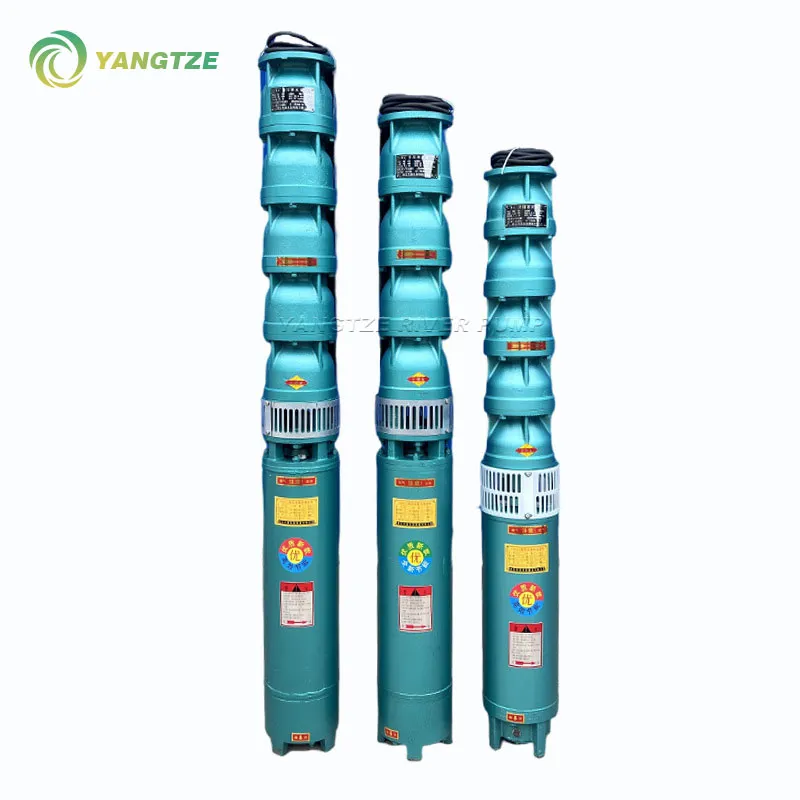
And third is protection from sand. Even if during drilling they said that the aquifer is clean, sand may still appear over time. The tiny abrasive particles act like sandpaper on the impellers and seals. Therefore, now, when ordering, I always check the possibility of installing additional sand filters or order models that were initially designed to work with mildly abrasive media. The same Yangtzejiang has an assortmentsubmersible pumpswith reinforced ceramic mechanical seals - the solution for just such difficult conditions.
Not only water: where else are deep solutions in demand?
Although the main area is, of course, water intake,deep well pumpsare used much more widely. For example, in the oil and gas sector for pumping formation water or in the chemical industry for pumping reagents from tanks. Here the requirements for case material and safety are off the charts. Explosion-proof versions, Hastelloy-type alloys, or complete chemical inertness, which is provided by Teflon or PVDF, are needed. Our production, with its eight complete lines from R&D to service, allows us to make such individual, but critically important orders. Not extras, but individual engineering for the task.
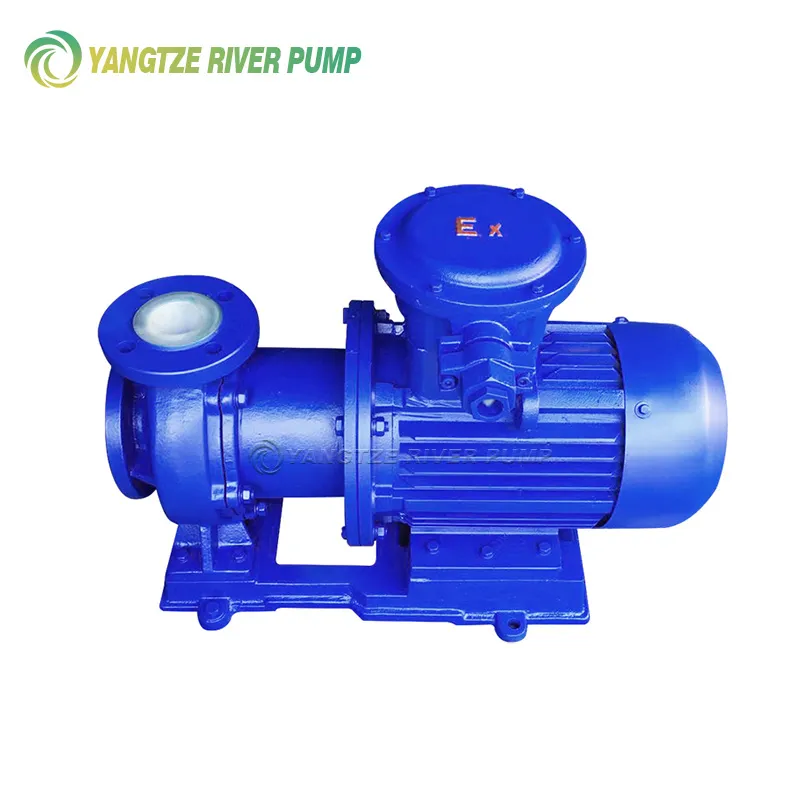
One of the memorable cases was the selection of a pump for pumping a concentrated alkali solution from an underground storage facility. Temperature under 90°C, aggressive environment. Standard solutions were not suitable. As a result, after testing on the bench, we decided on a model with a special polymer flow path and a magnetic coupling (sealless design) to completely eliminate leaks. This was not just a catalog product, but a version modified to suit the customer’s parameters. Such tasks are the best test for a manufacturer’s flexibility and competence.
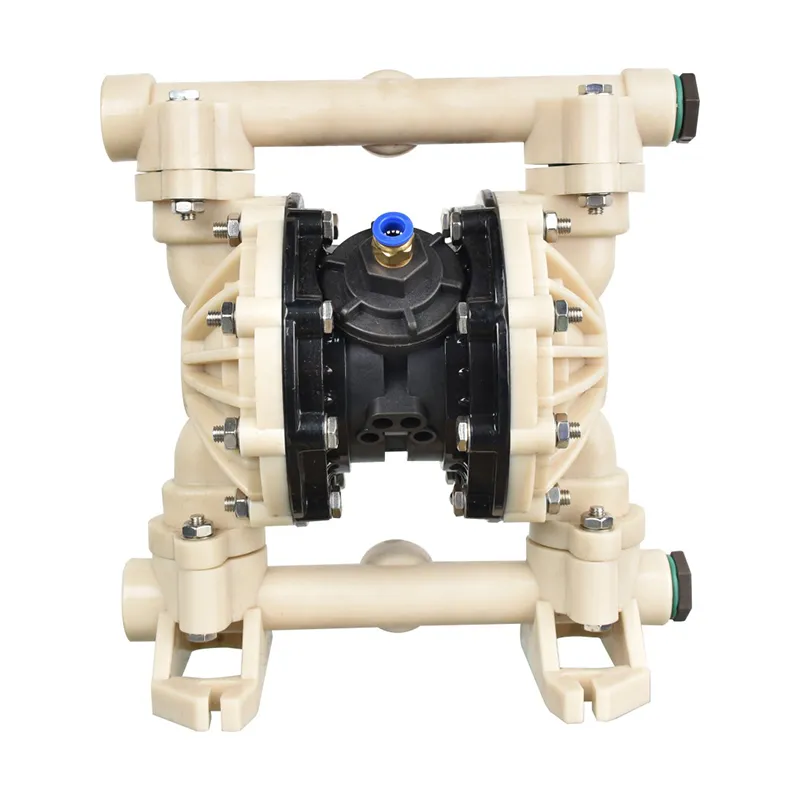
Another direction is drainage and drainage. Here, it would seem, something simpler could be done. But if we are talking about mine drainage or draining a construction pit at great depths, where the water can contain anything from silt to stones, you need a particularly durable apparatus. Often usedsubmersible pumpsscrew type (single screw), which are less sensitive to solid inclusions. It is important that a manufacturer, like our company, has different technologies in its portfolio: centrifugal for clean water, auger for dirty water, diaphragm for viscous media. Then you can offer a truly optimal option, rather than squeezing the client’s task into the only available model.
Installation and operation: margin for errors
The best pump can be ruined by improper installation. A typical mistake is insufficient depth. The pump should be located below the dynamic water level, with a margin, especially during the dry season. And it cannot be placed directly at the bottom of the well - the minimum distance from the bottom is usually 2-3 meters, so as not to capture sediment. Another point is the fastening of the cable and cable. The cable must be secured to the pressure pipe with a certain pitch, without tension, with special clamps, and not with electrical tape. Otherwise, it may tear or fray when descending/ascending.
Operation is a different matter. Many people believe that since the pump is submersible and works automatically, it can be “forgotten”? for years. This is wrong. At least once a season, you need to lift it and do a visual inspection: there are no traces of cavitation (metal erosion), wear of the impellers, or cable integrity. Simple prevention significantly extends the life of the equipment. We have just such reminders on our website yangtzeriverpump.ru in the service section, but, alas, they are rarely read until a breakdown occurs.
Another headache is electronics and automation. Level float switches can “stick”, frequency converters that save energy can fail due to power surges in the network. Therefore, for critical objects I always advise installing a backup control system or, at a minimum, a voltage stabilizer. Yes, this increases the initial investment, but it saves you from multimillion-dollar losses when the water supply process or production line is stopped.
Trends and future: where the industry is heading
Now the trend is towards “smart” systems. We are not just talking about automation, but about pumps with built-in sensors for vibration, winding temperature, and pressure. They can transmit real-time data about their condition and predict the need for maintenance. For industrial enterprises, where stopping the pumping station means downtime for the entire workshop, this is invaluable. I think this will become the standard for the premium segment in the coming years.
The second area is energy efficiency. New models of electric motors with class IE4 and higher, optimized hydraulics to reduce hydraulic losses. This is especially important for multi-stagedeep well pumpswho work around the clock. Savings of 5-7% on electricity per year pays for the difference in price with a simpler model. Our design office is constantly working on this, testing new shapes of blades and channels on test benches.
And, of course, materials. The search for more wear-resistant, yet inexpensive composites and alloys continues. The ideal material is light, not afraid of corrosion and abrasive, and so that its production does not break the budget. There is no such universal solution yet, so we have to find a balance and offer several options to the client, depending on his priorities: durability or initial cost.
Instead of a conclusion: a personal view from the workshop
Working withdeep-well pumpsover the years, I came to a simple conclusion: there is no such thing as “just a pump”. It is always a compromise between performance, environment, budget and operating conditions. The greatest value of a manufacturer is not in selling the most expensive model from the catalog, but in understanding the customer’s problem and offering a technically and economically sound solution. Sometimes it will be standardsubmersible pump, sometimes - custom development.
Our advantage, as Zhejiang Yangzijiang Pumping Industry LLC, is in the full cycle: from our own hydraulic testing at stands to installation supervision and service support. This allows you to see the full picture, rather than just shipping equipment from the warehouse. See where and why it breaks, and constantly make improvements to the design. Therefore, when a client asks: “Will your pump definitely pull my well?”, I can answer not with a quote from the passport, but give an example with similar conditions, where we have already worked for several years. This is the very practice that is worth a lot.
In general, depth is not only meters to the water. This is also a depth of understanding of technology. Without the second, the first parameter loses all meaning.
Correspondingproducts
Related Products


Best Sellingproducts
Best Selling Products-
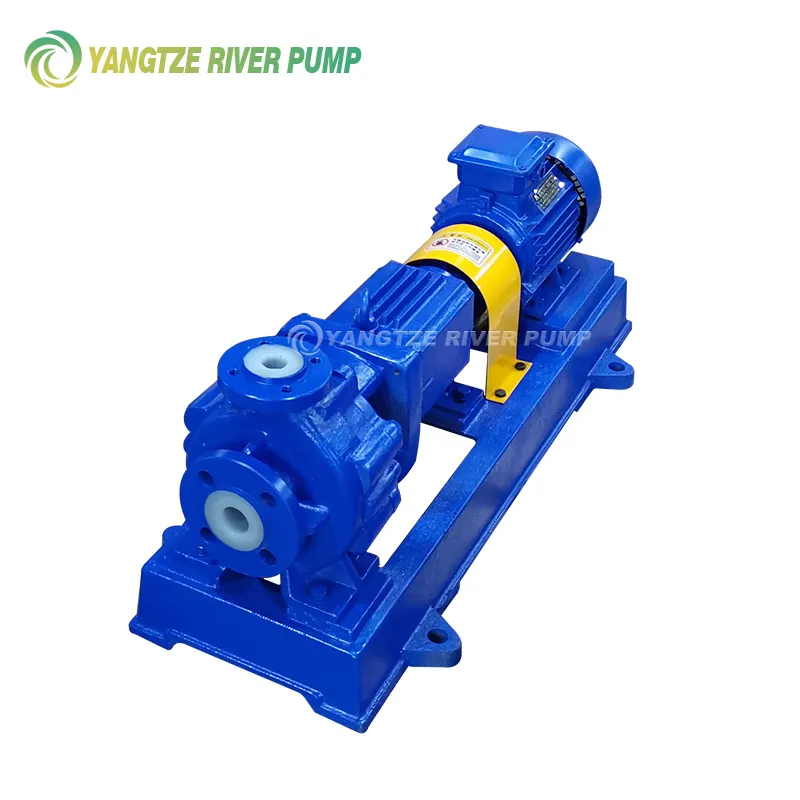 IHF PTFE Chemical Centrifugal Pumps
-
 Liquid ring vacuum pumps type 2EB
-
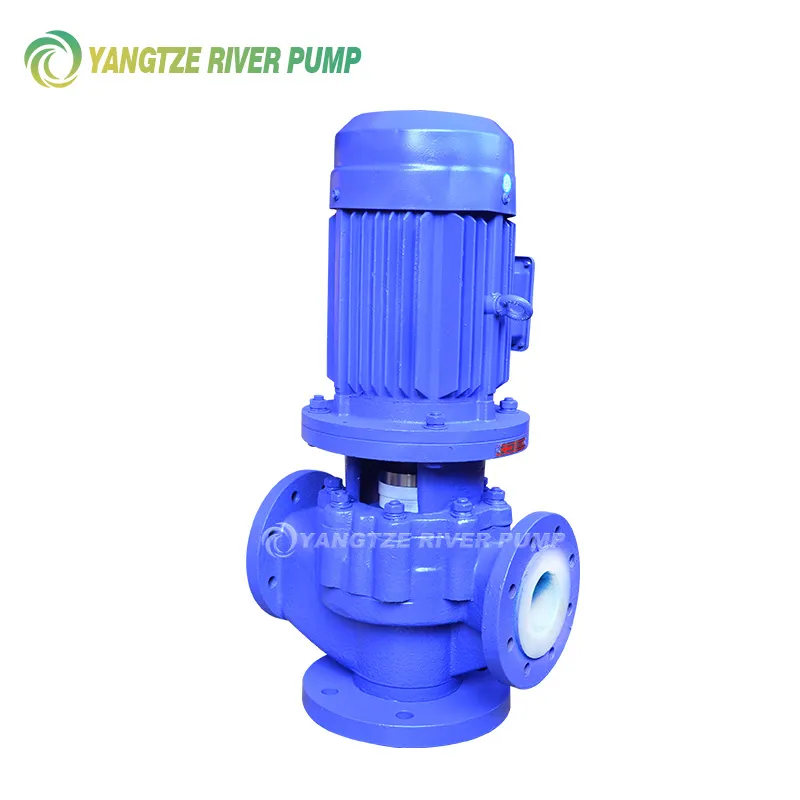 Vertical pumps with PTFE lining YQF
-
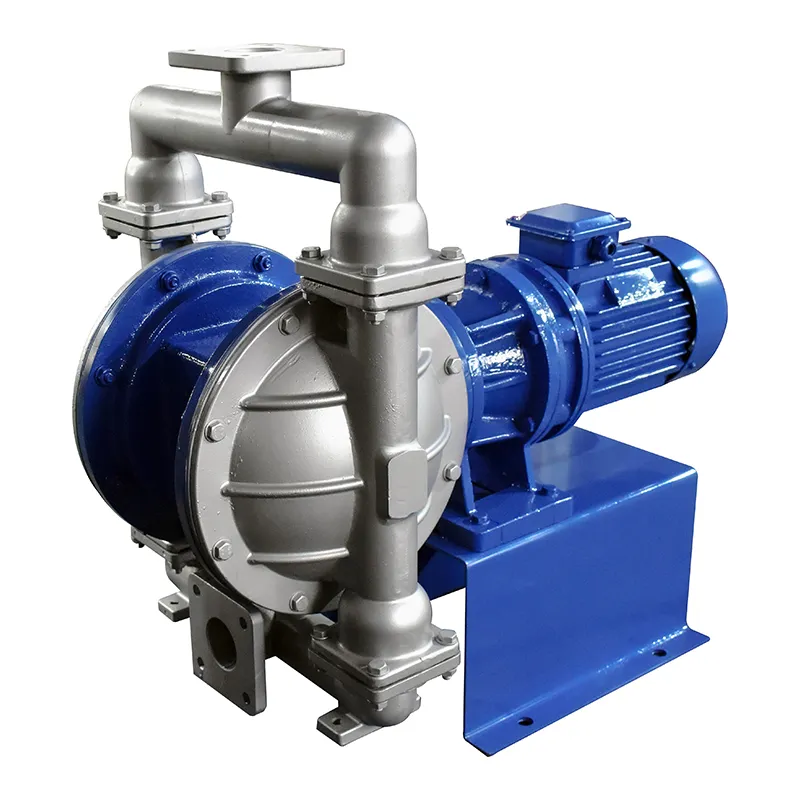 Metal electric diaphragm pumps DBY
-
 Mechanical diaphragm dosing pumps DJ-D
-
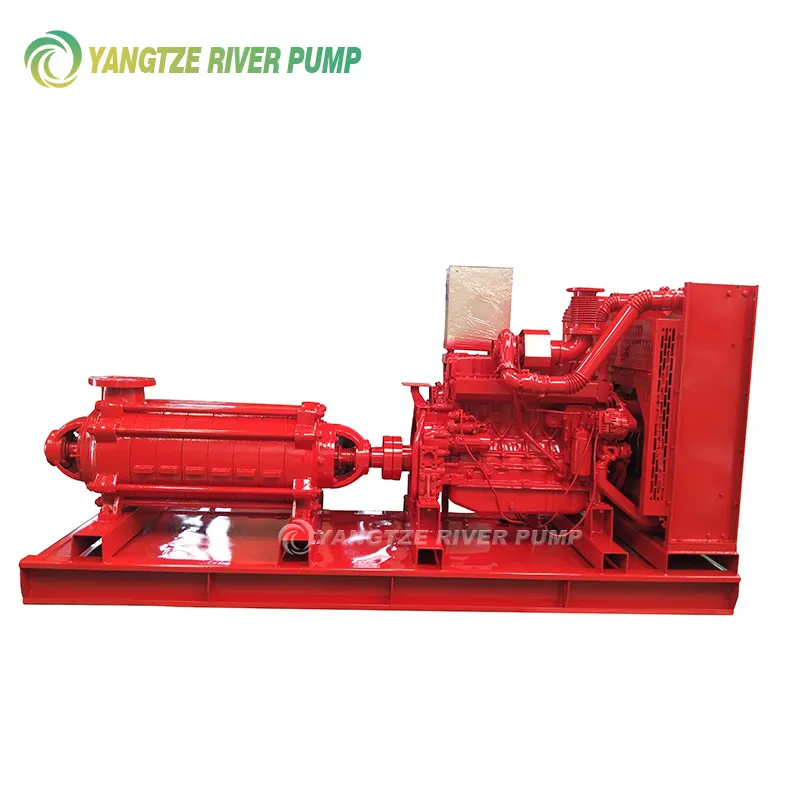 XBC Diesel Intelligent Fire Pumps
-
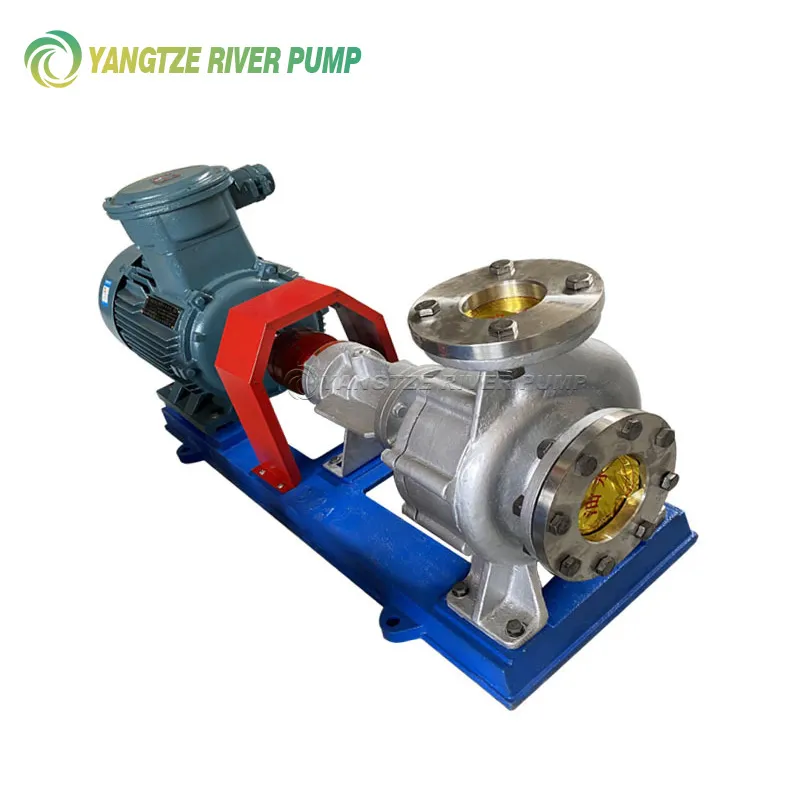 RY thermal oil pumps
-
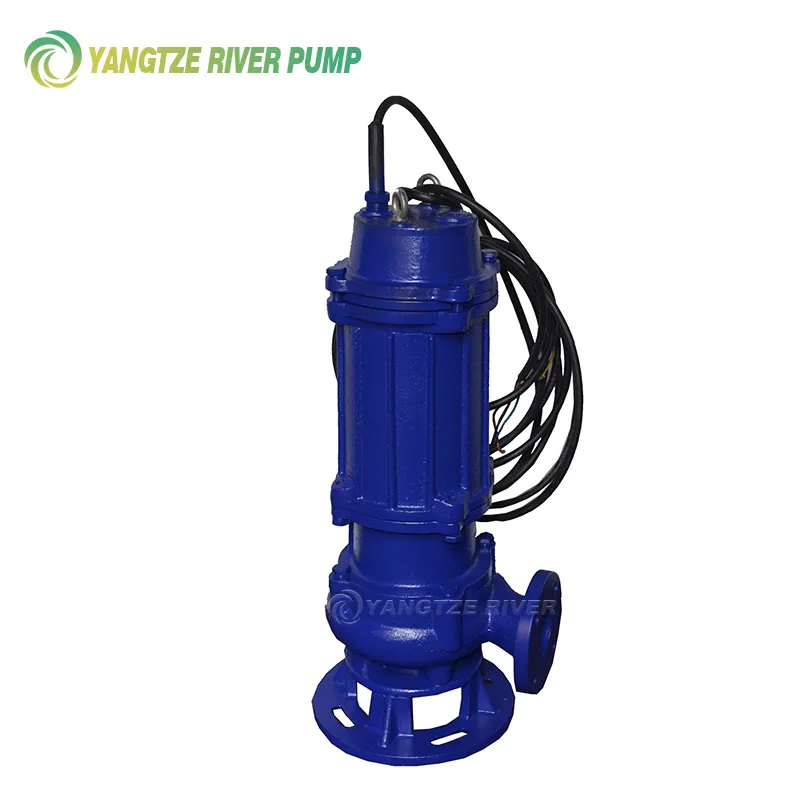 QW Non-clogging Submersible Sewage Pumps
-
 Metal pneumatic diaphragm pumps QBK
-
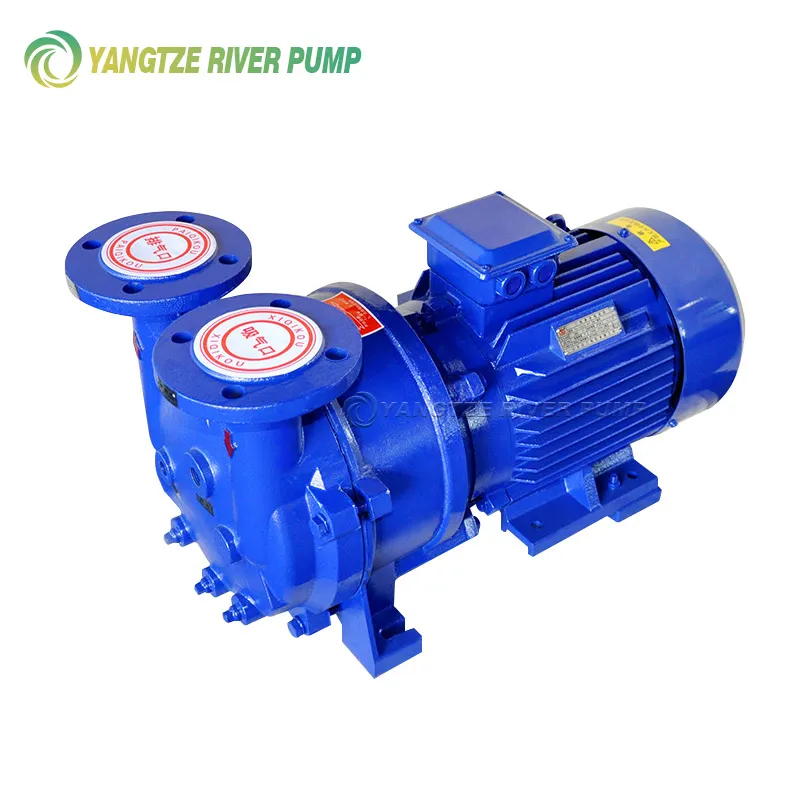 Liquid ring vacuum pumps type SKA and 2BV
-
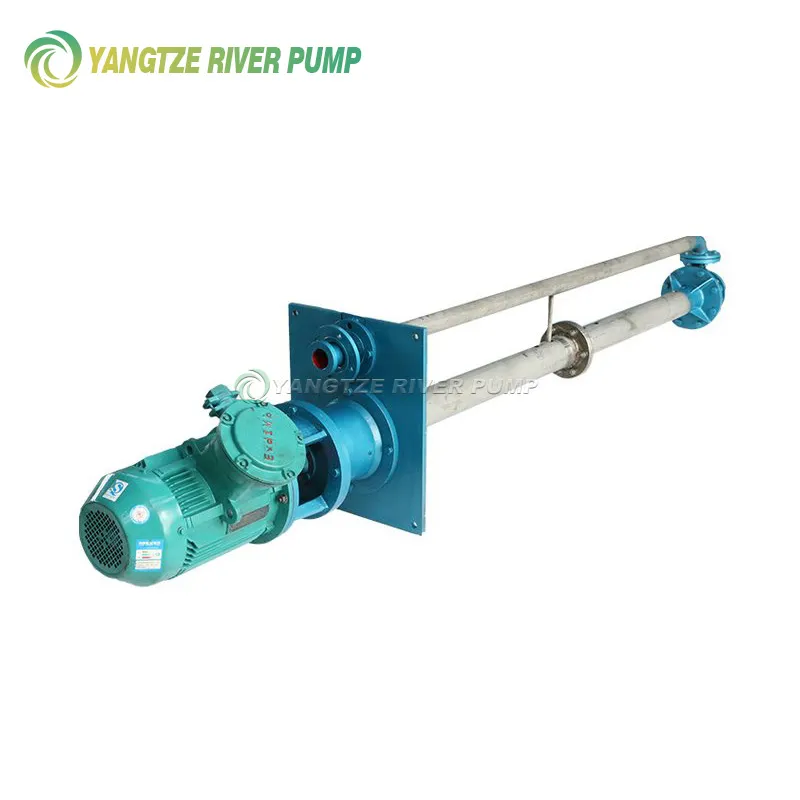 FY Submersible Chemical Pumps
-
 Sanitary screw pumps type GF