







deep well pump 5
When you hear “deep pump 5”, the first thing that comes to mind is probably the model or standard size. But in reality, in practice, this “five” can mean a bunch of things: the fifth standard size in the line, and a nominal diameter, and even just a marketing move by some suppliers to unite units for wells of 50-80 meters under one number. I often come across the fact that people are looking for “pump 5”, thinking that it is some kind of universal thing. And then it turns out that they need a completely different device - either for a sand well, or with a different pressure. This is where I’ll probably start.
What's behind the number? Personal experience and disappointments
I remember about seven years ago we purchased a batch of so-called “deep pumps 5?” from one supplier. The specification was beautiful: “for wells up to 80 meters, stainless steel, capacity up to 5 cubic meters?”. At the site - a private house with a deep but fairly clean artesian well - everything worked as it should, it worked for three years without any complaints. But at another site, where the well was smaller, but with fine sand, the same pump began to act up after six months: the sand ate the impellers, although the passport indicated the “permissible content of solid particles up to 100 g/m3”. It turns out that general labeling is only half the battle. More important are the specific conditions: sand grain size, flow rate stability, even the chemical composition of water, which can be aggressive for stainless steel.
Since then, I have always looked not at a beautiful name or serial number in a series, but at the design. For example, atdeep well pumpwhat matters is how many stages there are in a multi-stage section and how they are balanced. This same “five” sometimes this just means five impellers on a shaft, but this is not an axiom. It happens that in one model range there are “five” - this is a pump with a pressure of about 50 meters, and in the other - all 80. The confusion is complete.
That's why when we're inZhejiang Yangzijiang Pumping Industry Co.,Ltdbegan to structure their lines and decided to move away from such conventions. On the websiteyangtzeriverpump.ruIn the submersible pumps section, we try to indicate not abstract numbers, but key parameters: maximum immersion depth, pressure, performance and, critically, the material of the flow part. Because for chemically active media you no longer just needdeep well pumpmade of stainless steel, and perhaps an option with a plastic case or a special coating - we also have these in stock, by the way.
Design nuances that make all the difference
Marketing aside, the main thing for a professional isdeep well pump 5(relatively speaking) - this is its “filling”. A multistage design is essentially several centrifugal pumps mounted on one shaft. Each stage increases the pressure. And here lies the main stumbling block: vibration and balancing. Cheap models often suffer from the fact that the shaft is not rigid enough or the impellers have play. During prolonged operation, especially at extreme depths, this leads to accelerated wear of the bearings and, in the worst case, jamming.
In our production we pay special attention to this. All shafts undergo dynamic balancing, and sections are assembled in finishing areas. This is not for show: an imbalance of even a few grams at high speeds (and most submersible electric motors operate at 2900 rpm) can destroy the seats in a couple of months. We checked it at the stands - the difference in resource between balanced and “how did it happen?” the unit can reach 40-50%.
Another point is the cooling system.Deep well pumpcooled by the pumped water, which flows around the motor housing. If the pump is selected incorrectly and operates in a low-performance zone, the water flow is weak and the motor overheats. I've seen cases where ?universal? a pump designed for 3-5 m3/h was installed on a well with a flow rate of 1.5 m3/h. It seems to be pumping, but after a season the engine burned out. Therefore, now I always advise clients to look not only at the maximum, but also at the minimum permissible operating parameters specified in the real technical data sheet, and not in the advertising leaflet.
Selection practice: from theory to “field”
Perfect selectiondeep well pumpis always a compromise between the desired pressure/productivity and the real capabilities of the well. I myself often participate in consultations for water supply projects. A request comes in: “We need a pump for a 70-meter well, a house on three floors, a point of analysis - bathrooms, kitchen, watering?”. Previously, they simply took a diagram of the pressure-flow characteristics and found a model whose curve intersects the desired point (say, 70 m of head at 2 m3/h).
But life makes adjustments. Once they installed a pump that perfectly matched the specifications. And a month later I got a call: my blood pressure was going up. We arrived and took measurements - it turned out that the dynamic level in the well during long-term water withdrawal dropped more than the customer expected based on the old passport. The pump began to "pick up" air, peddling. I had to change to a model with lower performance, but with a smoother characteristic. Now I always insist on control flow rate measurements if the well is more than three to five years old. A passport is a useful document, but geology has a life of its own.
In this regard, our company,Zhejiang Yangzijiang Pumping Industry Co.,Ltd, tries to provide not just equipment, but solutions. On the sameyangtzeriverpump.ruThere is not only a catalog, but also quite detailed technical notes on selection, which we write based on such field cases. And in the production line, where there are single-stage and multi-stage centrifugal and magnetic pumps, for deep well options we include a certain headroom in each model. It’s better to “under-pressure” a little. performance control valve, than the pump will work at the limit, on the verge of failure of the characteristics.
Materials and environment: why stainless steel is not a panacea
It is generally accepted that the best for a welldeep well pump- this must be made of stainless steel AISI 304 or 316. In most cases for fresh water this is true. But we had experience of supplying to regions with high mineralization of water, where chlorides corroded welds on 304 steel bodies in two to three years. I had to switch to 316L with a lower carbon content and added molybdenum. And for some industrial facilities where there are traces of acids or alkalis in the water, we offer options with a flow part made of engineering plastics - the same plastic chemical pumps that we also have in production.
This is about the question of what “five”? - she is different. The same hydraulic unit can be equipped with different electric motors and enclosed in a housing made of different materials. And this will be technically a different product, although in everyday life it can be called the same “deep pump 5”. At our plant we try to disclose this information as much as possible. When we assemble a unit to order, in the passport we indicate not only the steel grade, but also the specific alloy, and even the manufacturer of the electric motor (often this is a collaboration - our hydraulics, the engine from a trusted partner). Transparency is the key to ensuring that the pump will last its life without surprises.
Speaking of surprises. One common problem that is not directly related to materials is cable. Cheap pumps are often equipped with a cable with insufficient cross-section or insulation that is not resistant to hydrostatic pressure. At a depth of 50 meters, the water pressure is significant. I saw how the insulation on a cheap cable was flattened, which ultimately led to a short circuit. Now we always pay attention to this when accepting components and we ourselves use a cable with reinforced, thick-walled insulation, specially designed for submersible equipment. Trifle? May be. But it is precisely these little things that distinguish a reliable unit from a problematic one.
Instead of a conclusion: thoughts along the way
So, going back to the original query “deep pump 5?”. If you, as a professional or even a home owner, hear this phrase, don’t dwell on it. Ask: ?Five? by what parameter? Depth? Pressure? Casing diameter? What kind of impellers does it have and what are they made of? What is his recommended spending range? Is there built-in protection against dry running? and overheating?
Our industry, like many others, is full of conventions. The engineer's task is to reveal these conventions. BZhejiang Yangzijiang Pumping Industry Co.,Ltdwe went through this, having eight complete lines from R&D to service. We produce a lot of things: from centrifugal to diaphragm pumps. And for each type we know these pitfalls. Therefore, when it comes to deep-well pumps, I would like to convey one simple idea: there is no universal “number”. There is a device that is well-chosen for a specific task and will last a long time. And the number in the name is just a convenient shortcut for the catalogue. Look not for the label, but for the essence. That, in fact, is all I wanted to say about this.
Correspondingproducts
Related Products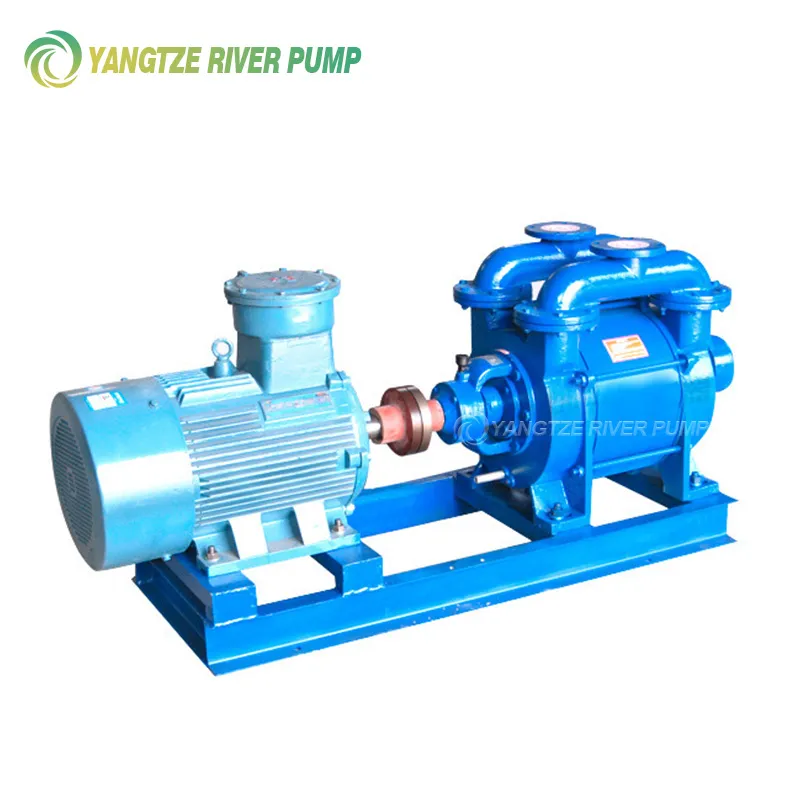





Best Sellingproducts
Best Selling Products-
 IH Stainless Steel Chemical Centrifugal Pumps
-
 YW Vertical Submersible Sewage Pumps
-
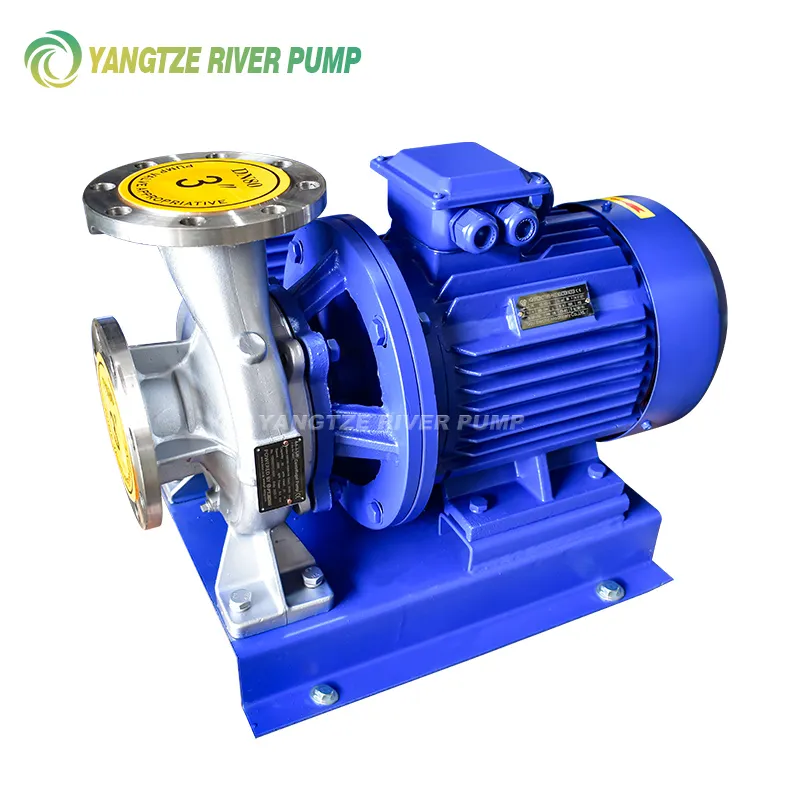 ISW and ISWH Single Stage Horizontal Pipeline Centrifugal Pumps
-
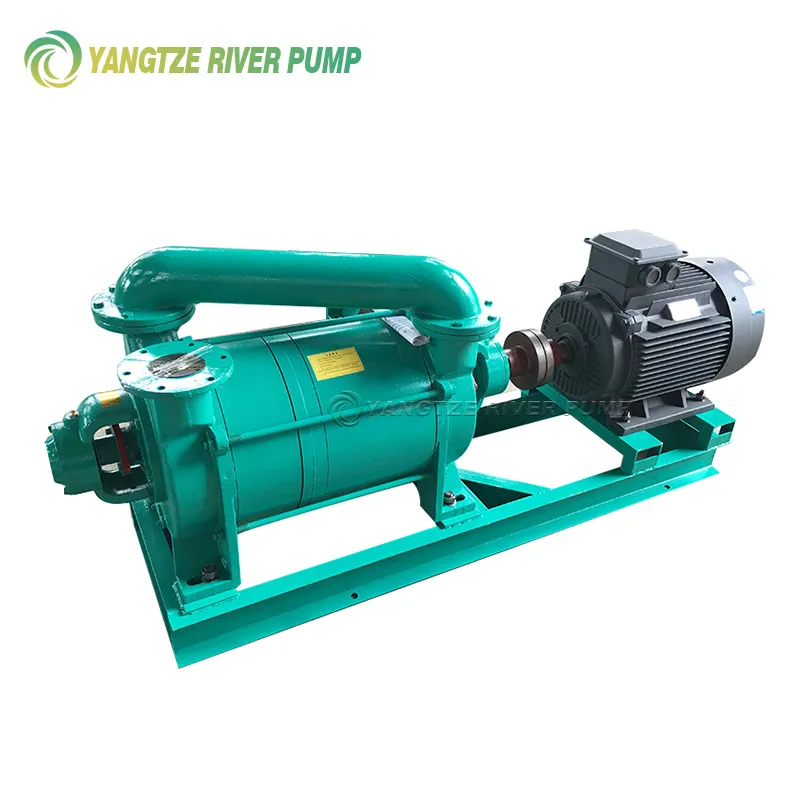 Liquid ring vacuum pumps type 2SK
-
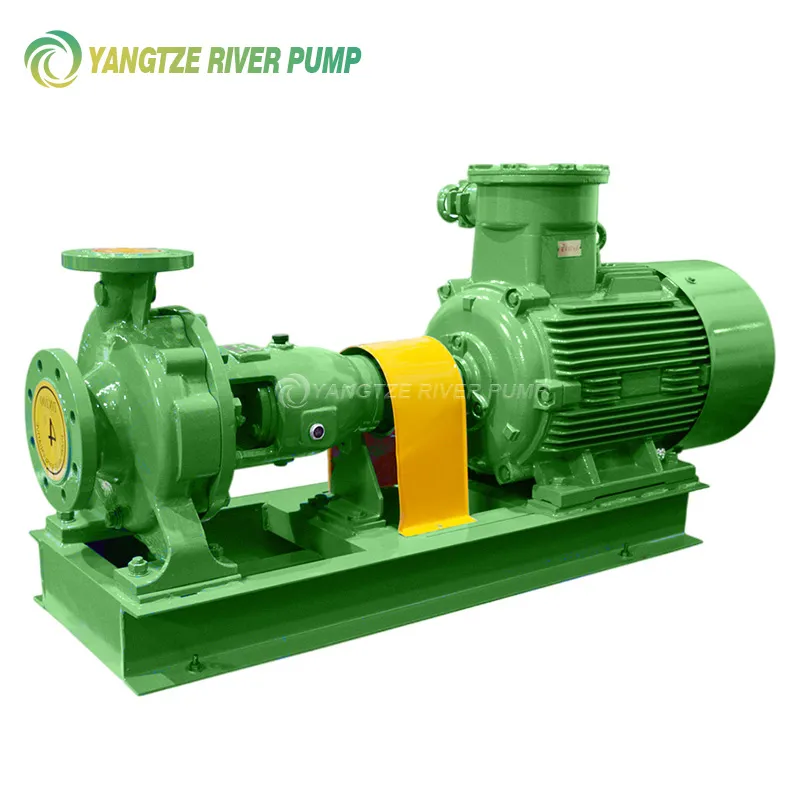 YCZ Chemical Process Pumps
-
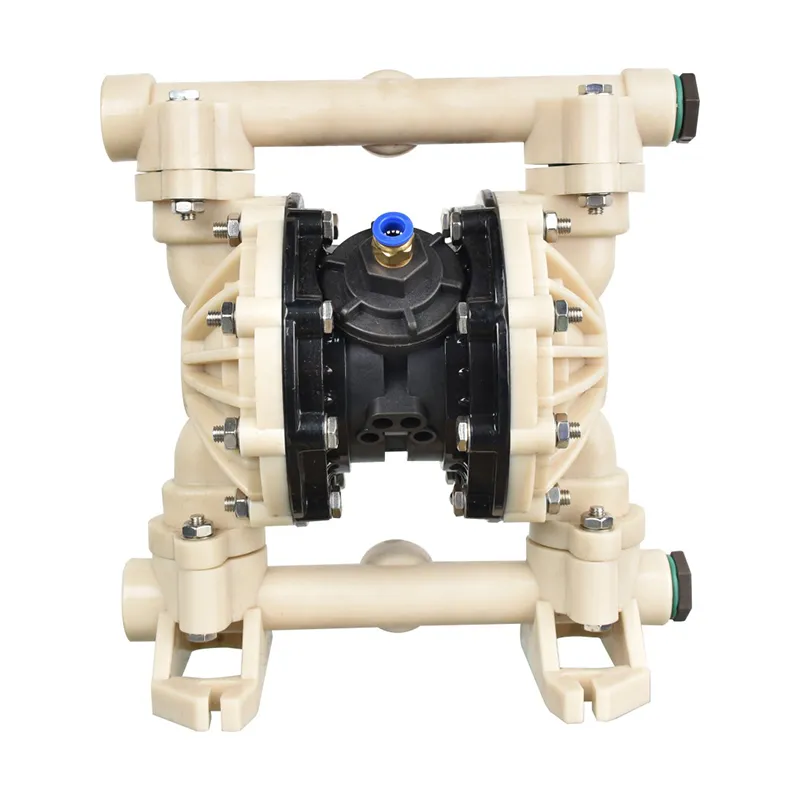
 Metal pneumatic diaphragm pumps QBK
-
 Horizontal multistage centrifugal pumps (light series) CHL and CHLF
-
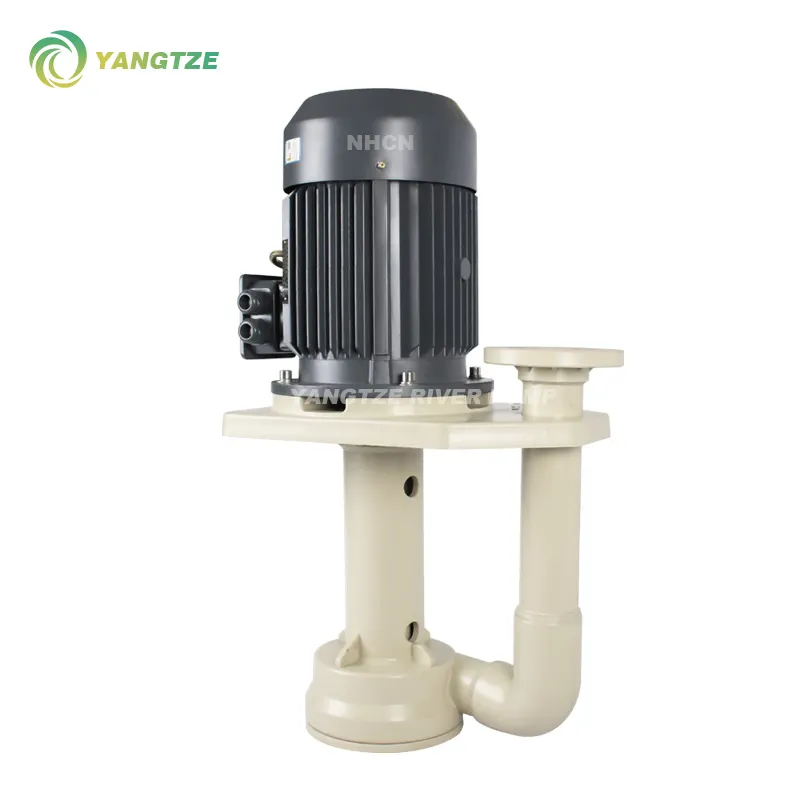 Vertical pumps for installation inside/outside tanks YZCN and YZCW
-
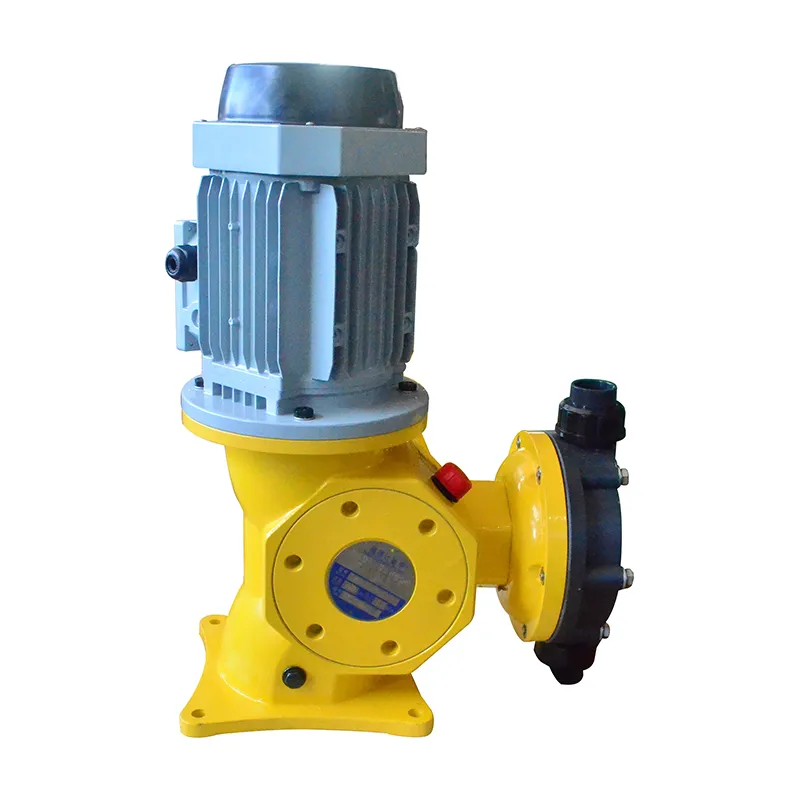 Mechanical diaphragm dosing pumps DJ-Z
-
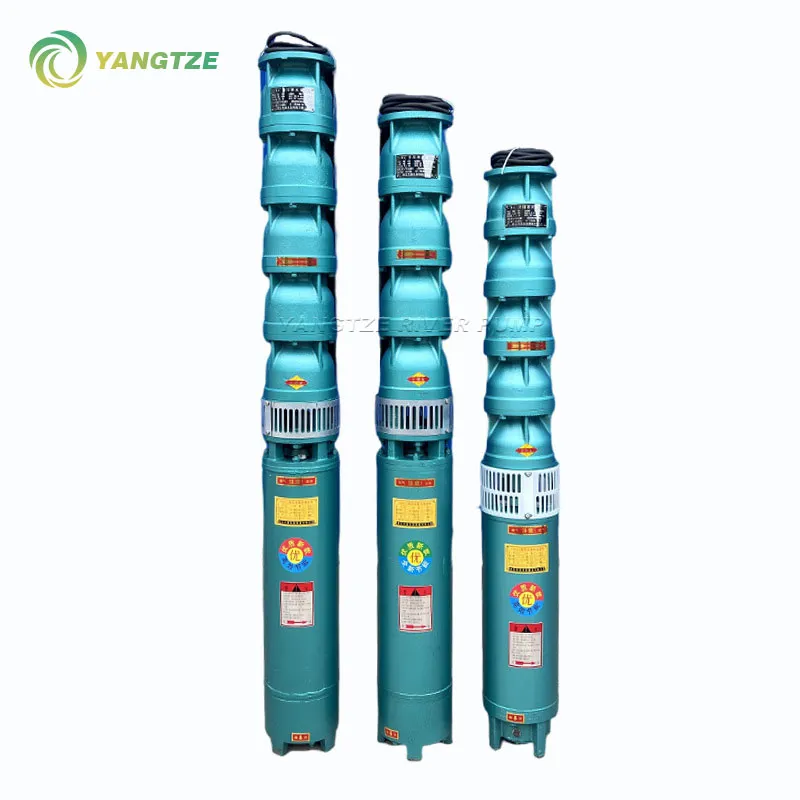 QJ type borehole pumps
-
 YCB Type Circular Gear Pumps
-
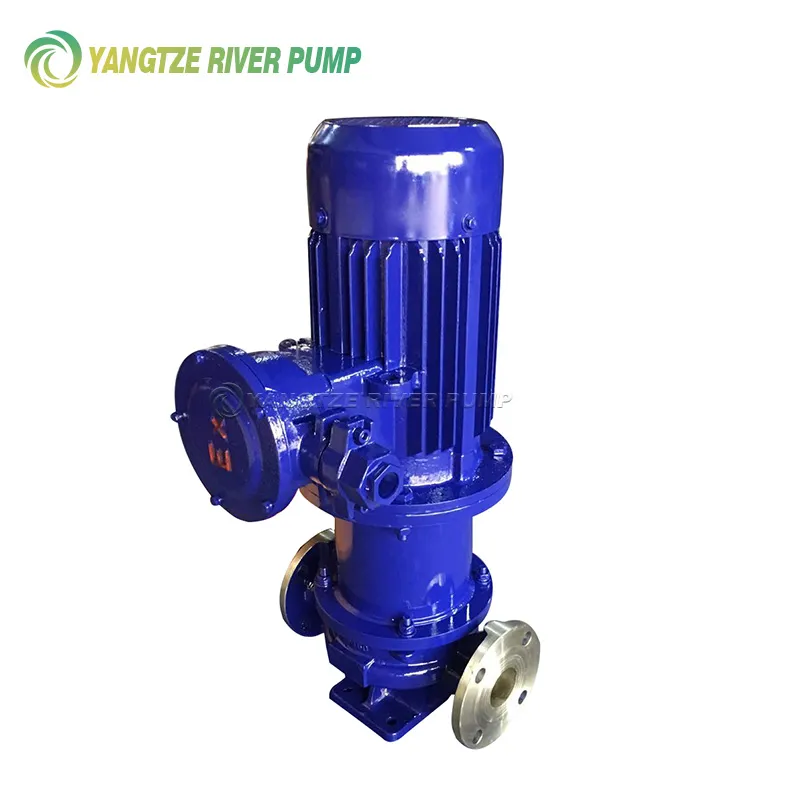 Vertical magnetic pumps CQB-L
Relatedsearch
Related Search- centrifugal pump 220
- semi-submersible pump for petroleum products
- semi-submersible multistage pump
- submersible pump for sewage pumping station
- deep well pump 10
- Horizontal centrifugal pumps
- Semi-submersible sewage pump
- Type S Single stage double entry centrifugal pumps
- centrifugal pump 20 30
- Diesel pumps with horizontal connector