







Multistage centrifugal pumps for boiler feed
When they talk aboutmultistage centrifugal pumps for boiler feed, they often immediately think about high blood pressure and that’s it. But in practice, especially in circuits with recirculation or when operating at variable loads, the key is not simply to “give a bar,” but to ensure stability of parameters with minimal sensitivity to cavitation. Many designers still install pumps with excess head reserves, “just in case,” and then face energy waste and regulation problems at the site. I've seen this more than once.
Design: where are the nuances that are not written in catalogs?
Take, for example, the classic horizontal sectional design. In theory, everything has been worked out. But here’s the point: how is axial force unloading implemented? If this is hydraulic unloading with a thrust disc, then what is the real durability of the friction pair with possible frequent starts or operation at an off-design point? At Zhejiang Yangtzejiang Pumping Industry LLC, we specially simulated such modes during testing at the stand. We found that for boiler systems where pressure surges in the supply line are possible, it is not just the presence of an unloader that is critical, but its dynamic response. Sometimes it turned out to be simpler and more reliable to use pumps with a double-entry impeller in the first stages, although this complicates the assembly.
The material of the flow part is a different story. For feed water that has undergone deaeration, carbon steel would seem to be suitable. But if there are areas in the system where a short-term drop in temperature or incomplete deaeration is possible, pitting corrosion begins, especially in areas of increased turbulence - on the guide vanes. We switched to using alloy steels (for example, 20X13) for rotors and guide vanes in pumps designed specifically forboiler supply, even if the customer initially requested a cheaper option. This is insurance against future problems.
And also in terms of design - the issue of balancing. A multistage pump is a long shaft with several wheels. Balancing the assembly is mandatory. But in practice, vibration often occurs not due to imbalance, but due to hydrodynamic forces when operating at partial loads. Therefore, our tests include not only operation at nominal, but also a run over the entire operating range of flow rates with vibration acceleration measurements. Often the optimal point in terms of vibration is not the nominal value, but the zone 80-90% of it. Operators need to know this.
Selection and approval of characteristics: dialogue with the customer, and not just shipment according to technical specifications
Typical situation: a technical specification arrives with the parameters ?Q=50 m3/h, H=500 m?. That's all. What is the operating pressure in the boiler? What is the temperature of the feed water entering the pump? Is there a buffer capacity? What type of regulation - throttling valve, frequency drive, bypass? The final choice depends on all this.
There was a case: a customer required a pump for a high-pressure boiler. According to the passport, everything matched. But upon detailed discussion, it turned out that the circuit provides for the recirculation of hot water (about 150°C) directly to the pump suction to maintain the temperature. And in our original proposal, the shaft seals were rated at 105°C. We had to quickly recalculate and propose an option with a forced cooling system for the stuffing box or a transition to mechanical seals with high heat resistance. If not for this dialogue, there would have been warranty problems at the launch.
Therefore on the siteZhejiang Yangzijiang Pumping Industry Co.,LtdWe don't just post catalogs. Technical specialists are always ready to request a questionnaire with a dozen additional questions about operating conditions. This is not bureaucracy, but an attempt to avoid mistakes. Often it is from such questions that the understanding is born that the client does not just needmultistage centrifugal pump, and the pump unit is assembled with a recirculation system, control devices and a control cabinet, which we can supply as a single set.
Installation and first launches: what is often missed
The most common installation mistake is misalignment with the electric motor. Yes, everyone knows this, but people are always in a hurry at the sites. For long multistage pumps, even a small angular misalignment of 0.05 mm on the coupling flange leads to increased vibration and seal wear after 3-4 months of operation, and not immediately. Therefore, we always insist on the presence of our installation supervisor or at least on providing a photo/video report on the alignment using the indicator.
Suction piping. It should be short and straight, with no elbows near the pump flange. But in cramped boiler rooms this is not always possible. Then you need to install an elliptical pipe or a straight insert with a length of at least 5 diameters in front of the pump. I once saw how, due to two closely spaced suction outlets, uneven loading of the first stage of the wheel arose, which led to premature cavitation erosion. I had to redo the harness.
Dry start. It would seem absurd. But when the system is first filled, sometimes air pockets remain. If the pump is started, it will run without water for several seconds. For multi-stage pumps with small clearances, this can be fatal - scuffing in the sealing rings of the stages is guaranteed. Therefore, the first start-up algorithm must include mandatory bleeding of the system to remove air, up to slightly opening the vents on the pump body.
Operation and typical malfunctions: a view from the service
Drop in pressure while maintaining flow. The first thing to check is wheel wear. But often the reason is different: clogging of the suction filter (if there is one) or, what is more insidious, the deposition of salts in the channels of the guide vanes, especially if the quality of the feed water has deteriorated. This leads to an increase in hydraulic resistance inside the pump. Diagnostics is simple: measure the pressure at the outlet of each stage (if there are fittings). A drop in pressure at a particular stage will indicate a problem there.
Increased axial clearance. Over time, the thrust bearings or hydraulic foot wear out. A sign is increased noise and vibration, as well as an increase in motor current. In our pumps that we produceZhejiang Yangzijiang Pumping Industry Co.,Ltd, control points are provided for measuring the axial displacement of the shaft without disassembling the unit. We recommend recording these measurements during routine inspections to track trends.
Leaks from the mechanical seal. In addition to natural wear and tear, distortions due to thermal deformation of the pipeline or the entry of solid particles into the sealing area are often to blame. An important point: when replacing a seal, you need to check the runout of the shaft at its installation location. If the shaft has even a slight deflection or runout, the new seal will fail very quickly.
Technology development and what we are trying to implement
Nowadays there is a lot of talk about “smart” people. pumps with sensors. For boiler feed pumps, this, in my opinion, is not marketing, but a necessity. The introduction of online vibration and bearing temperature sensors allows you to move from scheduled preventive maintenance to repair based on actual condition. In our production, we have begun to offer the optional installation of such monitoring systems. This is especially true for critical boiler houses, where downtime is critical.
Another direction is optimizing efficiency at partial loads. Frequency drive is already standard. But you can go further: some manufacturers are experimenting with variable guide vane geometry or even replacing impellers on stages for different modes. While this is expensive and difficult for serial products, it can be justified for large projects with a wide range of loads. We are studying this issue and making calculations.
And of course, materials. Coating the flow part with wear-resistant compounds, for example, using HVOF spraying methods. This increases the service life when working with water containing abrasive inclusions (for example, in case of problems with water treatment). We test such coatings on test benches and compare them with traditional materials. So far, the results are encouraging for specific, challenging conditions.
Instead of a conclusion: just thoughts out loud
Working withmultistage centrifugal pumps for feeding boilersis always a balance between theory and practice. Catalog data provides a starting point, but real life makes adjustments. The main thing is not to be afraid to go into detail with the customer, carefully document working conditions at real sites and use this knowledge to improve future projects. This is exactly how we try to work, producing and supplying equipment. These are not just pumps, they are elements of a complex energy system, and a lot depends on their reliability. And reliability is born from attention to little things, which often become the cause of big problems.
Correspondingproducts
Related Products



Best Sellingproducts
Best Selling Products-
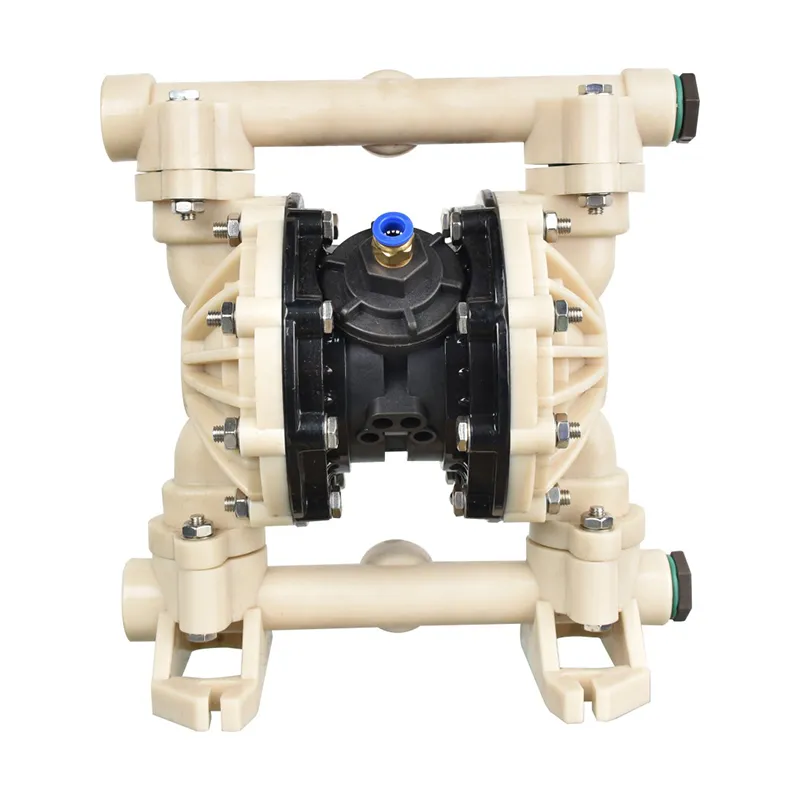
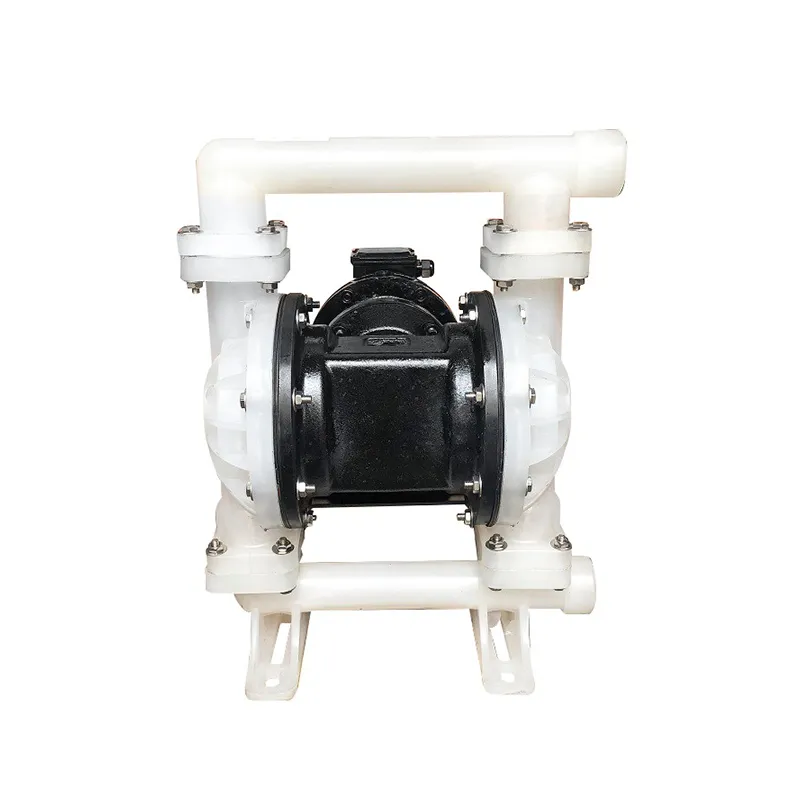 DBY Non-Metallic Electric Diaphragm Pumps
-
 CQF Plastic Magnetic Pumps
-
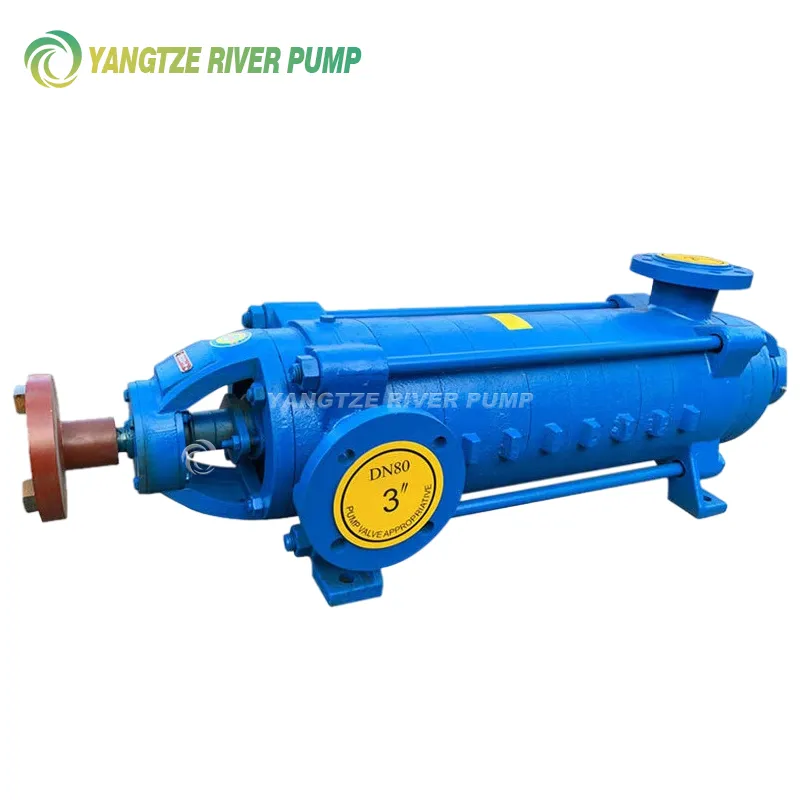 Horizontal multistage pumps for feeding DC boilers
-
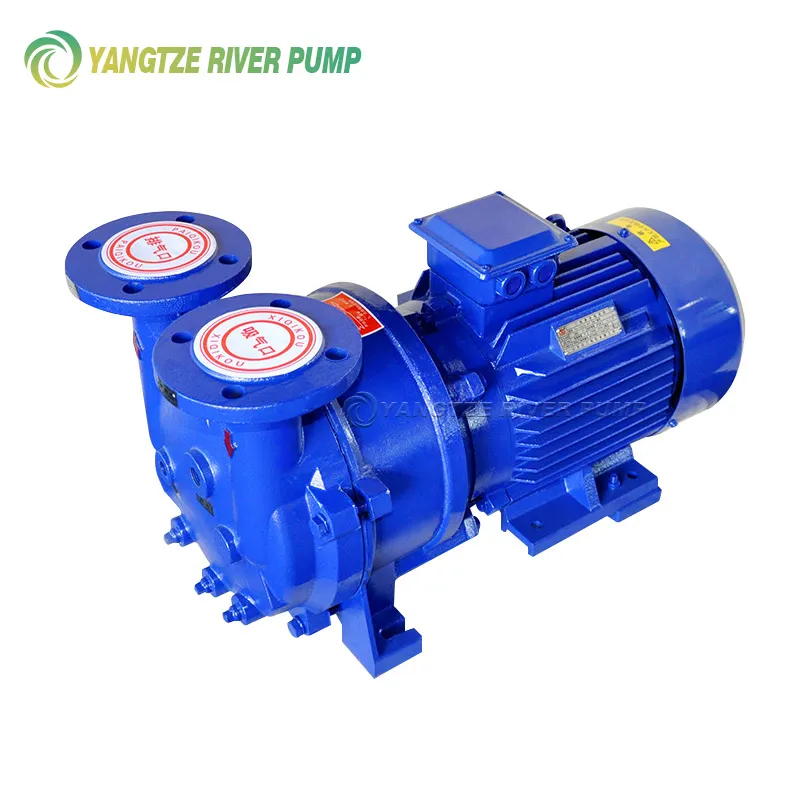
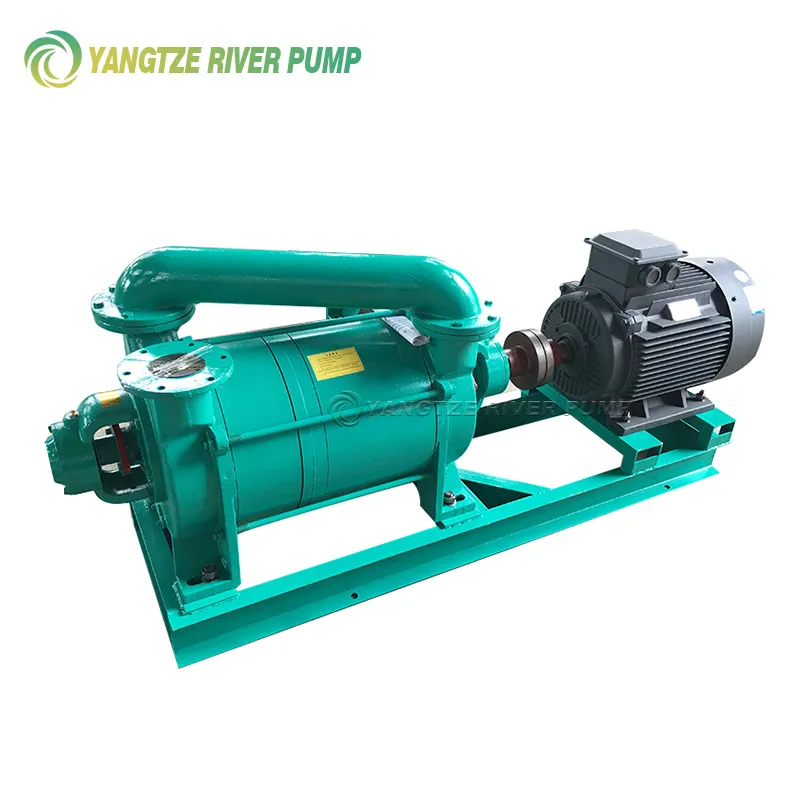 Liquid ring vacuum pumps type 2SK
-
 Vertical multistage centrifugal pumps made of stainless steel (light series) CDL and CDLF
-
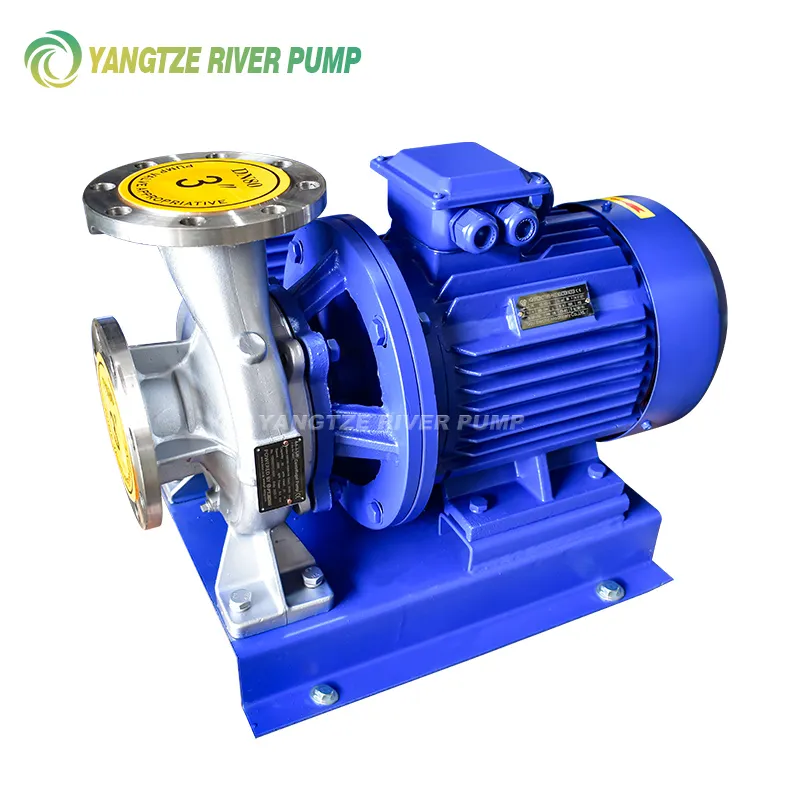 ISW and ISWH Single Stage Horizontal Pipeline Centrifugal Pumps
-
 YCB Type Circular Gear Pumps
-
 YCZ Chemical Process Pumps
-
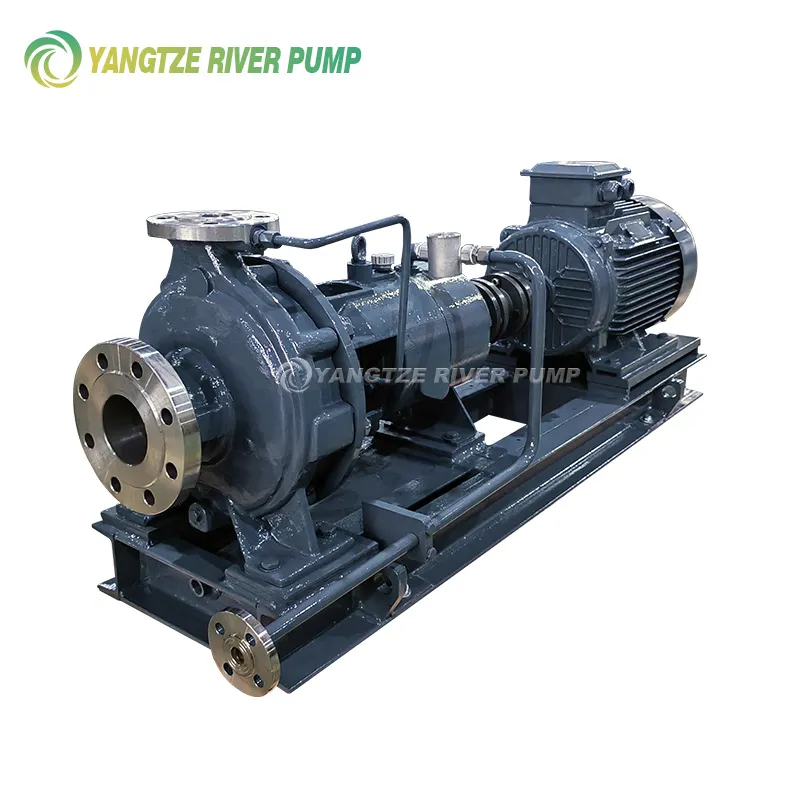 Petrochemical Process Pumps API 610 YZA
-
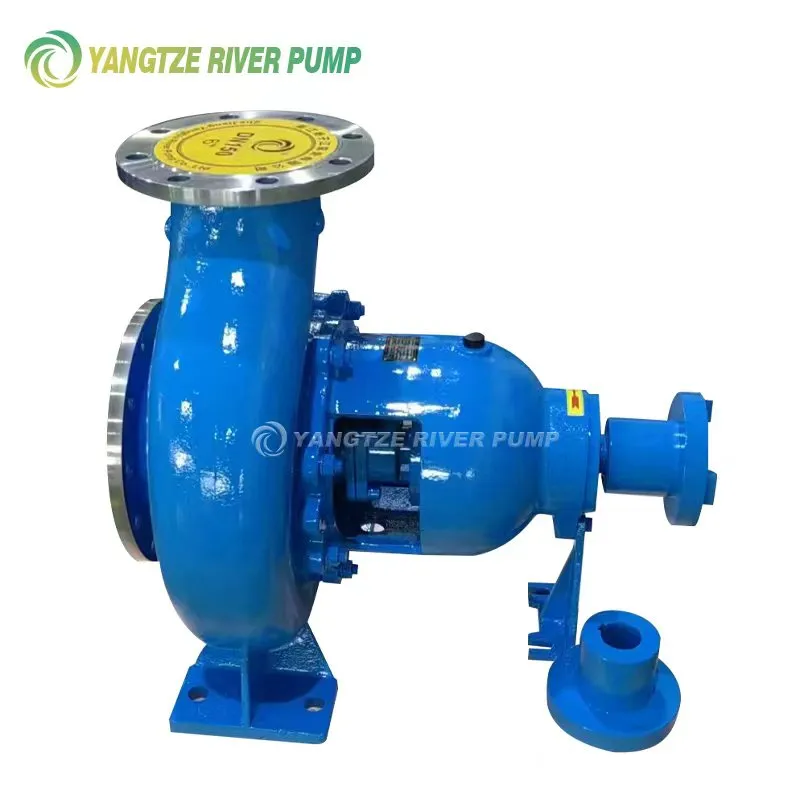 IH Stainless Steel Chemical Centrifugal Pumps
-
 QJ type borehole pumps
-
 Mechanical diaphragm dosing pumps DJ-D