







double sided centrifugal pump
If we talk aboutdouble sided centrifugal pump, many immediately imagine just two impellers mounted symmetrically on the shaft. This is, of course, the basis, but that is not the point. The main thing is balance. And not just the mechanical one that everyone thinks about. We are talking about balancing loads on bearings, compensating for axial force, which in theory sounds ideal, but in practice... in practice it often comes down to the quality of assembly and the accuracy of fitting of parts. I have seen many cases when a pump, in the passport of which this name is emblazoned, began to “dance” on the stand. already at medium speed. Cause? Yes, it is often banal - the real elasticity of the shaft or thermal expansion when working in hot media is not taken into account. So it turns out that the advantage in the form of reduced axial load is offset by vibration, which eats up both the resource and efficiency.
From drawing to metal: where the idea gets lost
The design has been known for a long time: two identical wheels are located “back to back?” or symmetrically relative to the center of the body. The axial forces generated by each wheel should theoretically cancel each other out. This allows the use of simpler (and cheaper) thrust bearings or even radial bearings with a larger margin. Sounds like a panacea for high-pressure units. But when you start assembling such a car, you realize that perfect symmetry is almost a utopia. Micro-irregularities in casting wheels, differences in masses even after static balancing separately, fit tolerances - all this adds up to the final imbalance of the already assembled rotor.
At our production site inZhejiang Yangzijiang Pumping Industry Co.,LtdWe encountered this when developing a line of pumps for boiler rooms. The customer needed a reliable unit for network water that would work for a long time and without intervention. We did it according to the classical scheme, balanced the rotor assembly on rigid supports - everything was within normal limits. But during tests with a real coolant temperature of under 110°C, an increasing hum appeared. Opened it up - signs of wear on one of the o-rings are greater than on the other. It turned out that when heated, the body did not deform quite evenly, which is why the alignment was disrupted, and the ideal balance was achieved only “when cold.” It was necessary to revise the design of the body, adding stiffeners in specific places, and tighten the procedure for thermal stabilization of castings before machining. This was not a defect, but a technological nuance that would have gone unnoticed in a single-stage pump.
Hence my belief: successdouble sided centrifugal pump70% is determined not by design calculations, but by the technological culture at the plant. You can copy a drawing, but without understanding how metal behaves on specific machines and under what load, you will end up with a noisy and short-lived machine. This is especially true for pumps for chemical media, where vibration is accompanied by a requirement for material resistance. By the way, this experience later came in handy when developing plastic chemical pumps - where the issues of rigidity and thermal expansion are even more acute.
Scope of application: where is it really indispensable?
Often they try to use it wherever there is high pressure, motivating this by unloading the bearings. But this is not always economically justified. Its domain is, first of all, installations where resource and reliability are critical, and the cost of downtime is high. For example, feed pumps for power units, some stages in oil refining where hot fuel oil or similar viscous media are pumped. There, the axial forces are enormous, and using a single-stage pump with a massive thrust bearing would be a less reliable solution.
But for ordinary water supply systems or circulation in clean water, I often recommend multi-stage vertical pumps. They are more compact, and they cope with axial load due to their design.Double sided impelleradds complexity to maintenance. To get to one seal, you often have to disassemble the entire pump. In our practice, there was a case at a pulp and paper mill: the pump was running on liquor, the seal began to leak. The dual-wheel design required complete removal of the rotor in a dirty workshop, which took two shifts. If it were a cantilever pump, replacing the seal would take a couple of hours. Therefore, now, when we come toZhejiang Yangzijiang Pumping Industry Co.,LtdWhen a request comes for a pump for an abrasive or quickly polluting medium, we first discuss the service conditions in detail before proposing such a scheme.
Another subtle point is efficiency. In theory, due to symmetry and reduced friction losses in bearings, it should be slightly higher. But in reality this is difficult to achieve. The hydraulic lines to the two suction points must be absolutely identical. The slightest distortion, a burr in the flange or a different length of the supply pipeline - and the flows will be uneven, one wheel will begin to work with a slight overload, which will eat up all the theoretical advantages. Therefore, on our test benches we make sure to measure the parameters for each suction pipe separately, even if they are structurally the same.
Relationship with other types: not an island in the line
While developing and producing a wide range, from the same linear centrifugal or multistage pumps, we do not considerdouble sided centrifugal pumpas something separate. On the contrary, many technological solutions flow from one type to another. For example, developments in balancing a complex rotor directly helped us improve the vibration characteristics of long shafts in submersible pumps. And we use our experience in selecting sealing materials for chemical plastic pumps when completing double-sided pumps for aggressive media.
Our production logistics, those same eight full lines, allow us to do this efficiently. The assembly area for critical rotors is common to several types of products. This means that a specialist who assembles a shaft with double-sided wheels can assemble a rotor for a magnetic pump on his next shift. This maintains skill and attention to detail. It is impossible to allow such specific products as oursdouble sided centrifugal pump, was going ?on stream? once every six months. Constant practice is the key to quality.
Sometimes customers ask: “Why not make a double-sided multistage pump?”. The question is logical, but in reality this would give rise to a monster of incredible complexity in assembly and maintenance. A multistage pump already solves the problem of high pressure by connecting stages in series, relieving each wheel. Adding a symmetrical circuit to this is redundant. It's like using a race car to drive to the store. The problem is being solved, but not rationally.
Installation and operation errors that kill the pump
The most common problem our service engineers encounter is incorrect piping. Since the pump has two suction pipes, installers sometimes, for simplicity, connect only one and plug the second. Or they connect both, but from different pipelines with different pressures. The result is predictable: catastrophic unloading of the rotor, vibration, rapid failure of the mechanical seal and bearings. Everything in the instructions is written in large font, but is rarely read. Now we began to mark the flanges themselves with the marking “BOTH MUST BE CONNECTED?”.
The second problem is starting with a closed valve. This is harmful for any centrifugal pump, but fatal for a double-ended pump. Without medium flow, there is no uniform unloading pressure on the wheels from the suction side; the shaft experiences enormous variable loads. I saw a casing torn along the weld seam after three such “dry” starts, although the pump was designed for pressures many times higher. Now we always offer flow sensors and start blocking without a minimum flow as standard equipment for critical facilities.
And third, ignoring vibration control. Such a pump can work ?normally? in terms of pressure and flow, but at the same time have increased vibration, which will kill the bearing units in six months. We recommend installing simple vibration sensors at the installation stage. This is not our sales for the sake of sales, but a real need. Data from such systems at one of the petrochemical plants allowed us to timely diagnose the onset of cavitation in one of the ducts due to a clogged coarse filter and prevent a serious accident.
Looking to the future: evolution, not revolution
Is it waiting?double sided centrifugal pumpsome kind of revolution? Hardly. The principle is too fundamental. Evolution follows the path of materials and precision. Using CFD modeling to optimize the shape of the flow path of each wheel, taking into account mutual influence. The introduction of rotors assembled with precision additive technology for particularly difficult cases, which allows the creation of internal cooling or balancing channels that are not possible with casting. And, of course, new sealing and coating materials.
For us inZhejiang Yangzijiang Pumping Industry Co.,Ltdthis means constantly upgrading the testing equipment. It is not enough to simply test the pump on water. We are developing a testing area for viscous liquids and at different temperature conditions, so that data from full-scale tests gets back to the designers. Link to our sitehttps://www.yangtzeriverpump.ru- this is not just a business card. There, among other things, real performance curves taken under such conditions are laid out, and not ideal cataloged graphs. This is our position: transparency in how technology behaves in reality, and not in a vacuum.
The summary of my experience is simple.Double sided centrifugal pumpis a precision tool for specific tasks. He is neither better nor worse than other types, he is different. His choice must be conscious, taking into account the entire chain: from the ability to provide high-quality installation and piping to the availability of qualified service. And if these conditions are met, it will serve its life perfectly, confirming the correctness of the classic, time-tested engineering idea.
Correspondingproducts
Related Products

Best Sellingproducts
Best Selling Products-
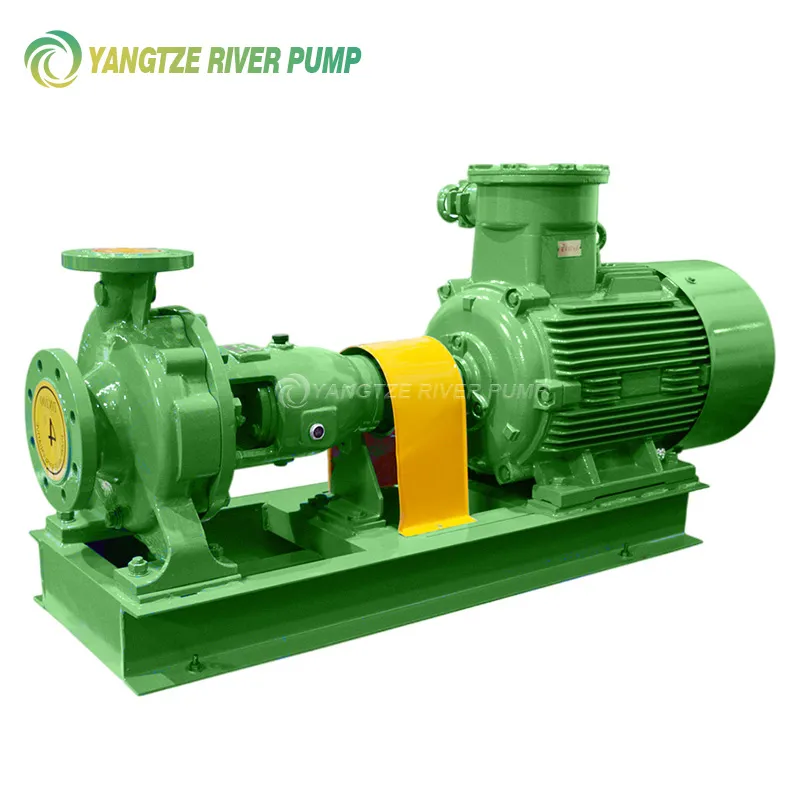 YCZ Chemical Process Pumps
-
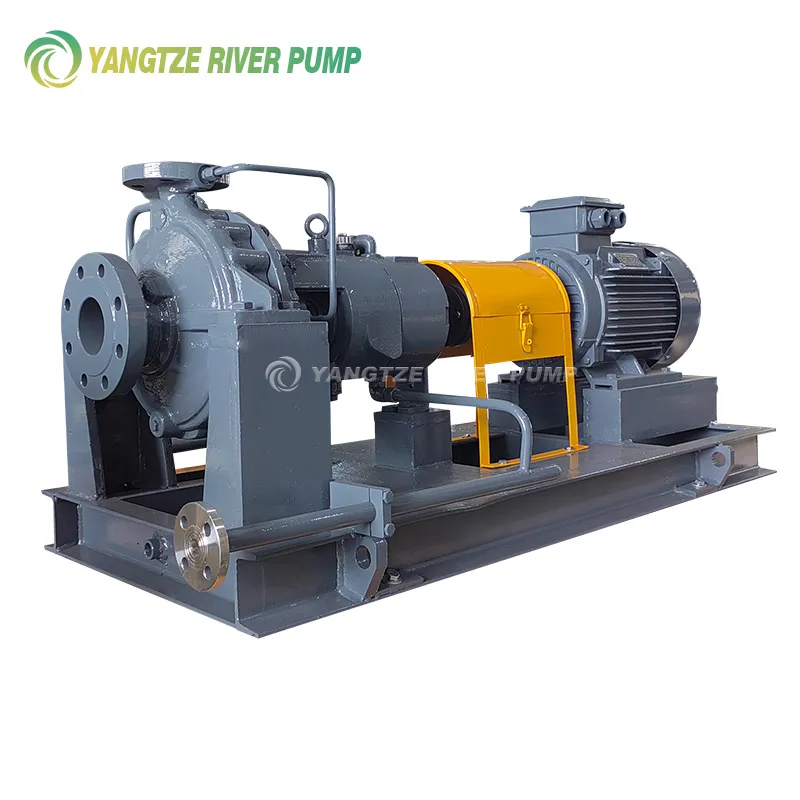 Petrochemical Process Pumps API 610 YZE
-
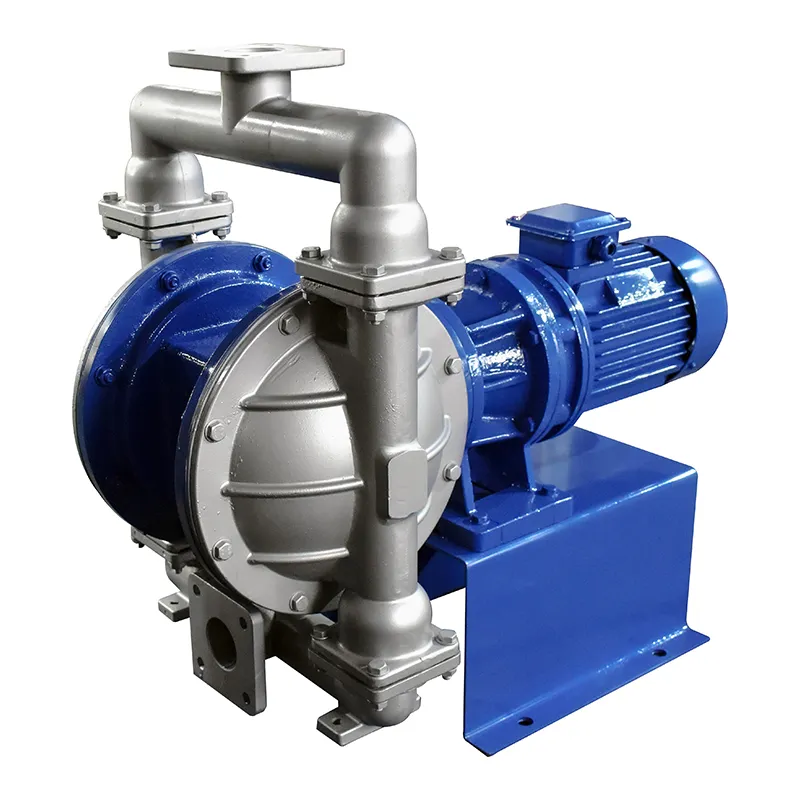 Metal electric diaphragm pumps DBY
-
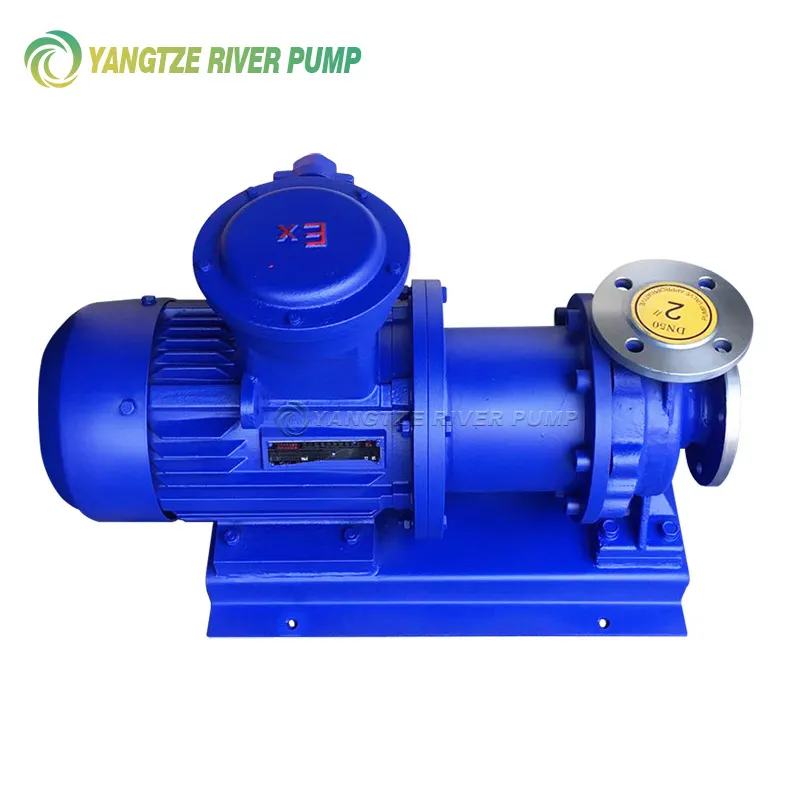 CQB Stainless Steel Magnetic Pumps
-
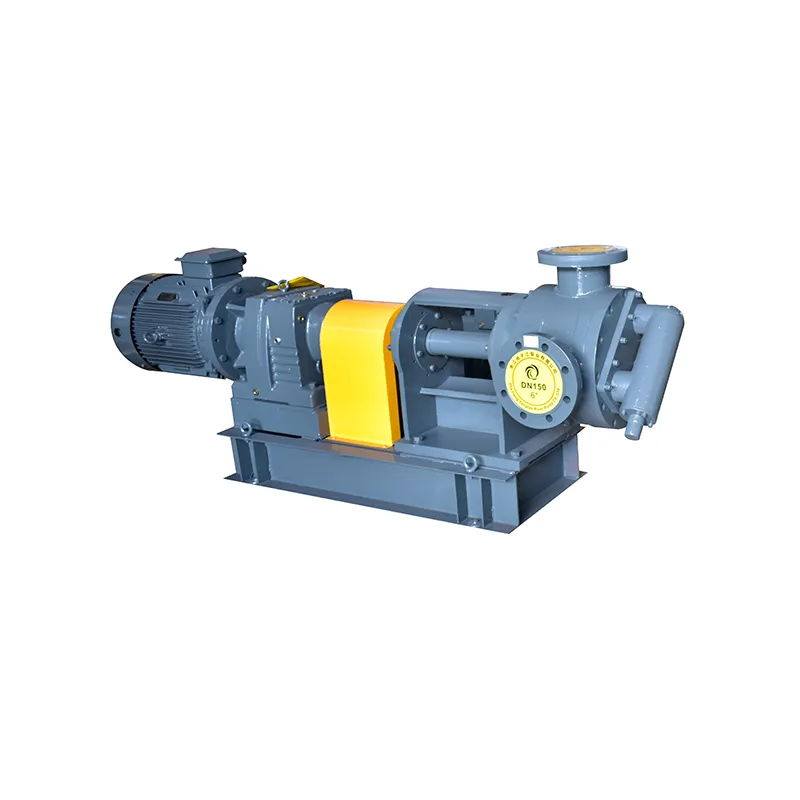 NYP High Viscosity Internal Gear Pumps
-
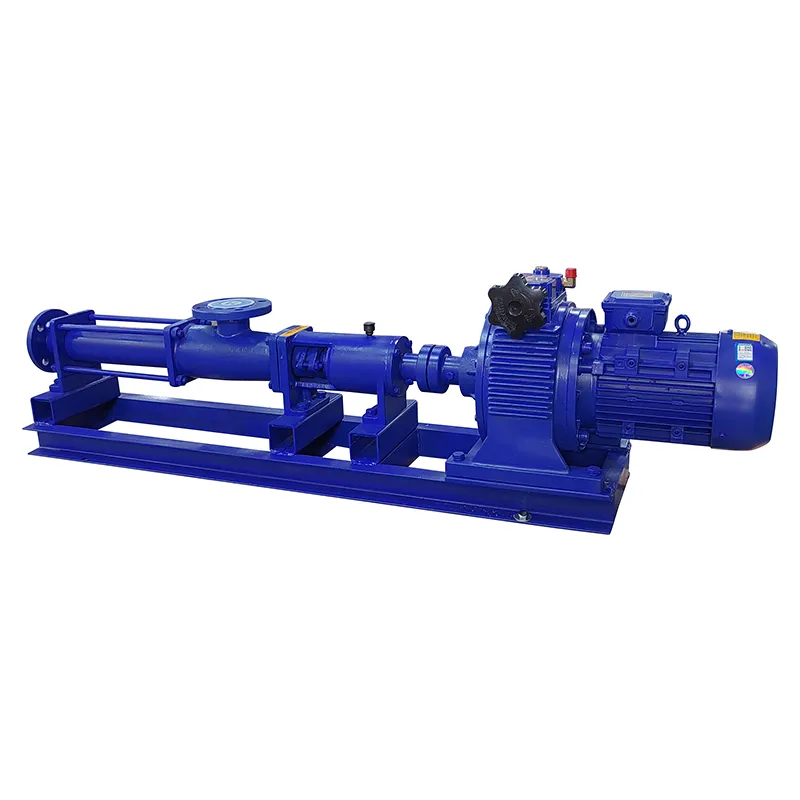 Infinitely variable screw pumps type G
-
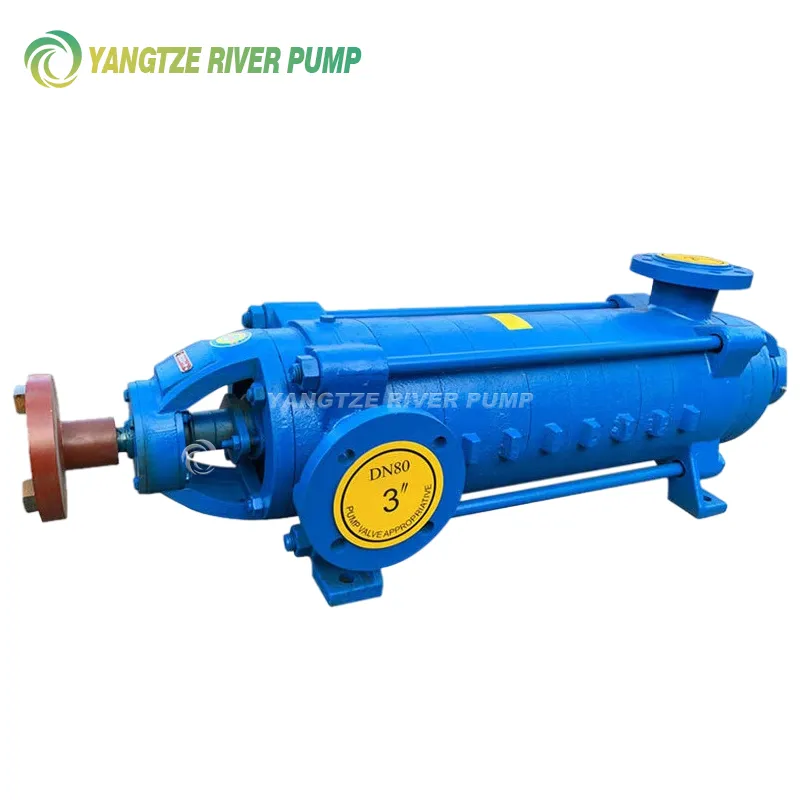 Horizontal multistage centrifugal pumps type D
-
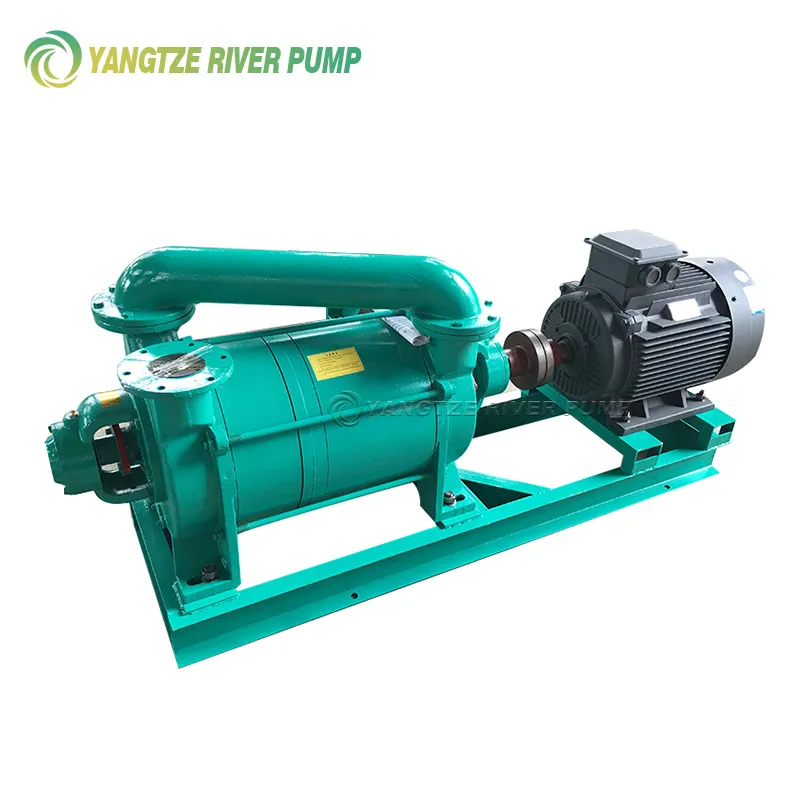 Liquid ring vacuum pumps type 2SK
-
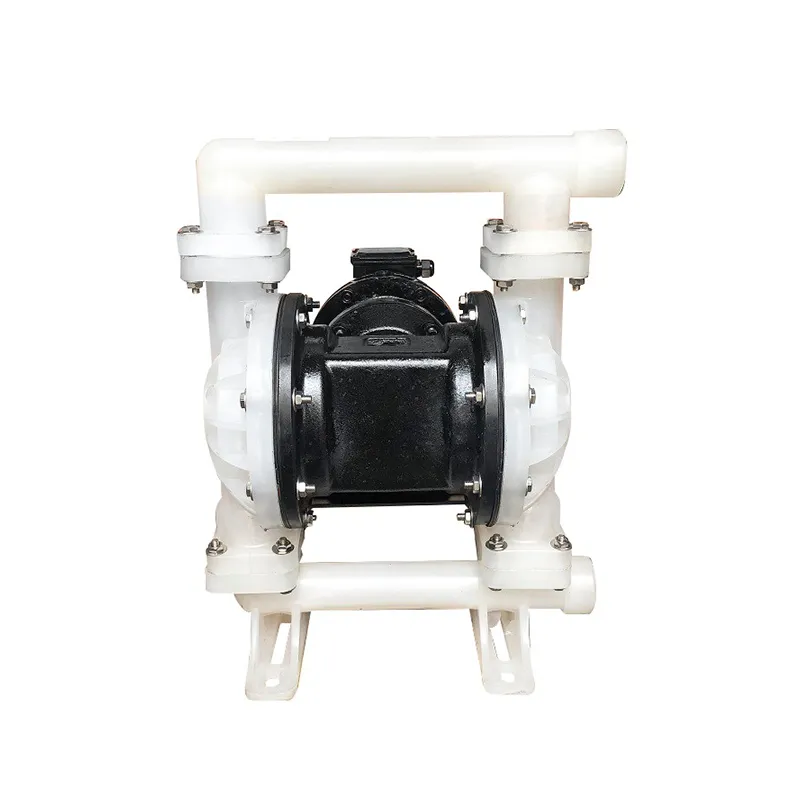 DBY Non-Metallic Electric Diaphragm Pumps
-
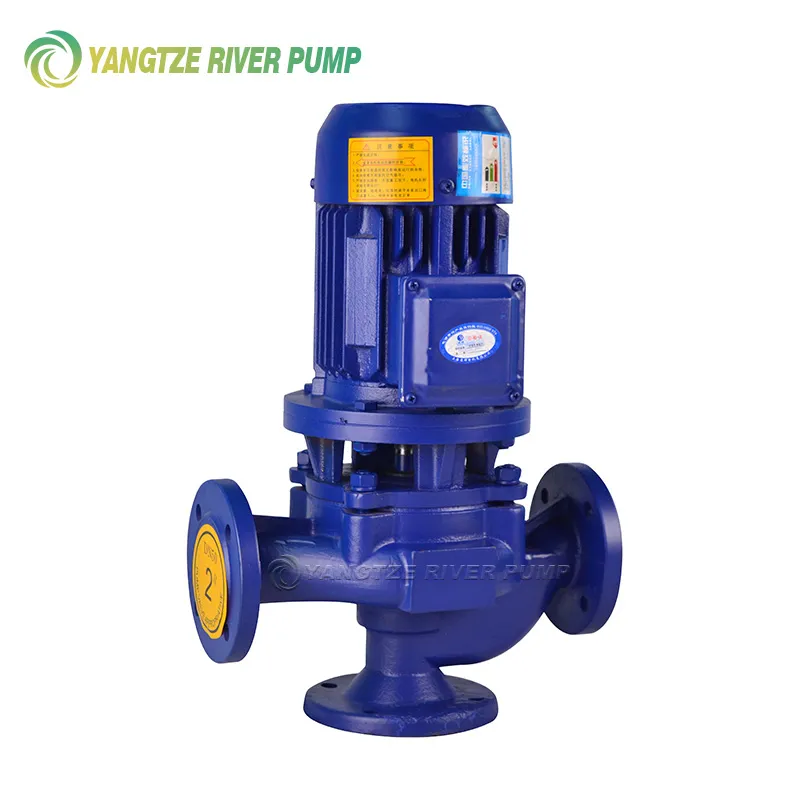 Pipeline wastewater pumps GW
-
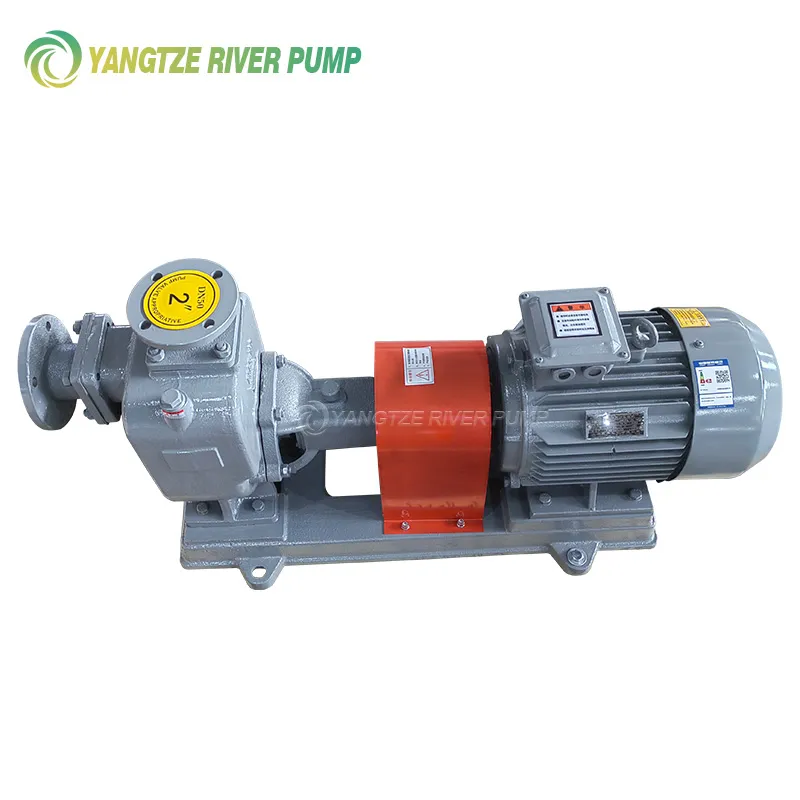 Non-clogging self-priming wastewater pumps ZW
-
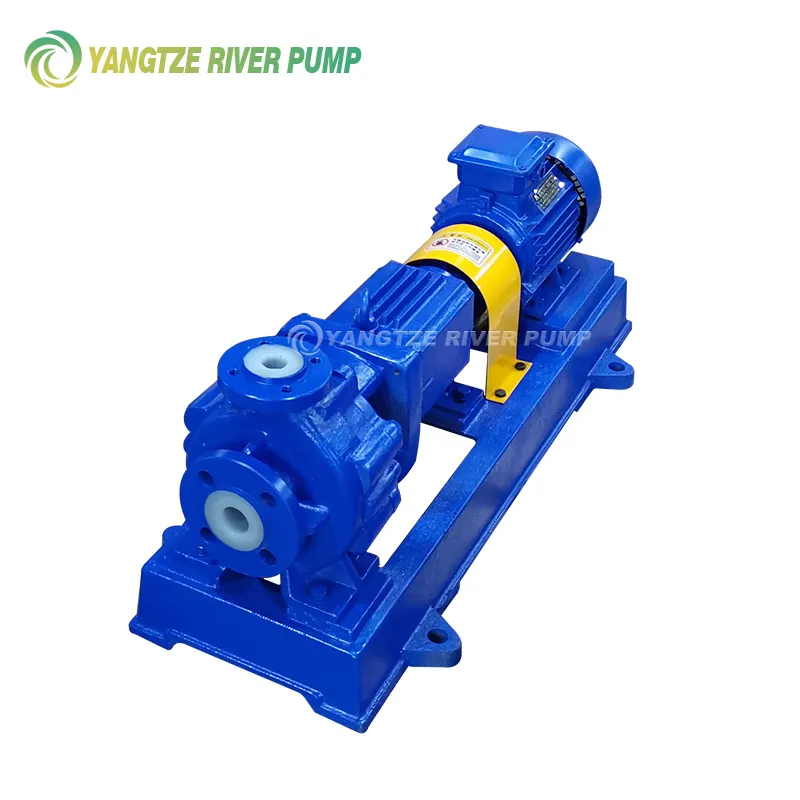 IHF PTFE Chemical Centrifugal Pumps