







centrifugal pump 4 40
When you see “centrifugal pump 4 40” in a request, the first thing that comes to mind is most likely a single-stage console pump type K, with a flow of 40 m3/h. But here's the catch: the number ?4? often misleading. Many people immediately think about a pressure of 40 meters, but this is not always the case. In the old marking, yes, 4 is the speed factor multiplied by 10, and 40 is the feed. But now there are so many variations, so many manufacturers who use this marking very freely. We went through this at our production facility at Zhejiang Yangzijiang Pumping Industry LLC - the client asks for a “pump 4 40”, but in fact he needs a completely different pressure characteristic for his specific pipeline. You have to delve deeply every time.
What's really behind the numbers?
Take, for example, our standard single-stage centrifugal pump, which falls into this category. The main area is water, light solutions, without abrasive. But if we take it historically, then the standard size designated 4 40 was a pump with an outlet diameter of 100 mm and an impeller of about 200 mm. However, modern modifications, especially when it comes to the material of the flow part - cast iron, stainless steel, plastic - may have differences in the Q-H curve. And this is where the fun begins.
I remember a case when an irrigation system required just such a unit. The customer insisted on marking 4 40, referring to the old project. We began the selection and found out that with the required supply of 40 cubic meters, the actual pressure according to the network characteristics was not 40, but about 32 meters. If we had installed a classic “forty”, the engine would have been overloaded and would have been constantly switched off by thermal protection. I had to convince, show graphs, select an analogue with a machined impeller. This is a typical situation when blindly following the numbers from the name leads to ineffective operation or breakdown.
Therefore on our websiteyangtzeriverpump.ruIn product descriptions, we always focus on complete technical data, and not just on the symbol. Because our experience of assembly and testing on eight full lines says: the key is the operating point on the characteristic, and not the beautiful number in the passport.
Practical nuances and pitfalls
When working with such pumps, you constantly come across little things that are not always obvious in theory. For example, vibration. It would seem that the unit is small, the impeller is balanced. But if the installation is carried out without a rigid foundation frame, if the suction pipeline has a sharp bend right in front of the pump, cavitation appears, and with it vibration. And the reason is not always thecentrifugal pump. Incorrect strapping is often to blame.
Another point is compaction. For water, a gland packing is often sufficient. But if, say, warm water or liquid with small particles is pumped, the seal wears out quickly and begins to leak. For such cases, we always offer an option with a mechanical seal, although this is more expensive. But clients sometimes save money, and then call with complaints six months later. We have to explain that the initial savings backfired. We have both options in our range, so it is important to get the right advice from the very beginning.
And of course, start. The simplestcentrifugal pump 4 40must be filled before starting. How many times have I seen it being turned on “dry”?! This characteristic hum is heard, the engine is heating up. The resource immediately drops. It seems like a truism, but in practice it’s quite common. Therefore, in the instructions we highlight this in bold, and service engineers always focus on this during installation.
Comparison with other types: when 4 40 is not the best choice
Sometimes a request for ?pump 4 40? comes by inertia, but in fact the problem is solved by another apparatus. Let's say you need to pump a liquid with fibers or high viscosity. Classiccentrifugal pumphere it will clog or lose pressure catastrophically. A single screw pump from our line is much better suited. Or if we are talking about volatile liquids, where complete tightness is important, then magnetic or plastic chemical pumps come into play.
There was a project at a small chemical production plant. Initially, a standard 4 40 pump was requested for pumping an alkaline solution. After studying the environment, temperature and safety requirements, we proposed a polypropylene plastic chemical pump. Yes, its performance according to the passport was slightly lower, but it was completely corrosion resistant and there was no risk of metal ions leaking into the product. The client agreed, and the equipment has been working for several years without any complaints.
This relates to the fact that our production is not focused on one type. Yes we do greatcentrifugal pumps, including multi-stage for high pressures, and linear for compact installation. But we always look at the problem comprehensively. Sometimes the correct answer is not “4 40 pump”, but a completely different design. And that's okay.
The importance of testing and control
Everything we produce under the Zhejiang Yangzijiang Pumping Industry LLC brand is tested at our own test benches. This is not for show. For the samecentrifugal pump 4 40We take full characteristics: flow, pressure, power consumption, efficiency at different points. It happens that the curve on the prototype “floats” a little. relative to the calculated one. Then we make adjustments to the injection molds or wheel processing.
Once, when testing a production batch, a small but stable increase in vibration was noticed at a certain rotation speed. We took it apart and it turned out that there was a slight deviation in the casting of the body, creating an imbalance in the flow at the inlet. The problem was found at the casting supplier. If it weren’t for our testing lines, this defect would have reached the customer, and the pump would have worked noisier and less.
Therefore, referring to our websiteyangtzeriverpump.ru, I can always be sure that behind the numbers 4 40 there is a unit that has actually been tested on a stand, and not just assembled from components. This is fundamental.
Instead of a conclusion: thinking out loud
So, going back to the query ?centrifugal pump 4 40?... This is not a code for automatic selection. It's more of a starting point for conversation. For questions: “What are we downloading?” What's the temperature? What is the length of the pipes? Is there a filter on the suction? Without this dialogue, any delivery is a lottery.
Our enterprise, with its full cycle from R&D to service, is built on precisely this dialogue. You can, of course, just sell a standard pump from a warehouse. But it is much more correct to spend time, figure it out and offer something that will work for a long time and without problems. Even if in the end it will not be a classic “magpie”, but a modification of it or a different type of pump altogether. The main thing is to solve the client’s problem, and not close the line in the price list.
That's what these numbers are really supposed to be about - 4 40. About attention to detail. And it seems that is exactly what we are doing here.
Correspondingproducts
Related Products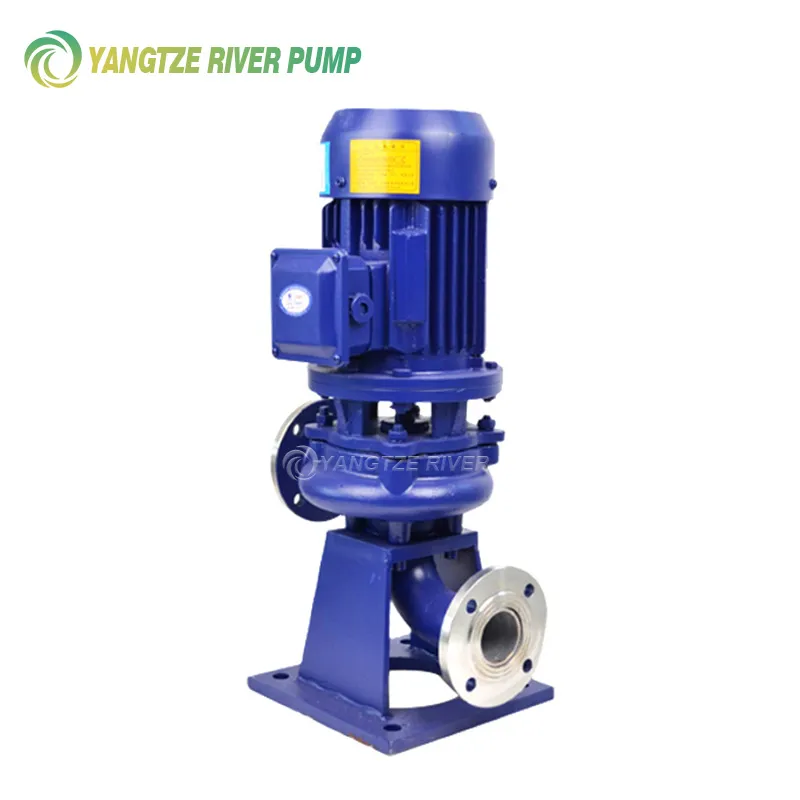
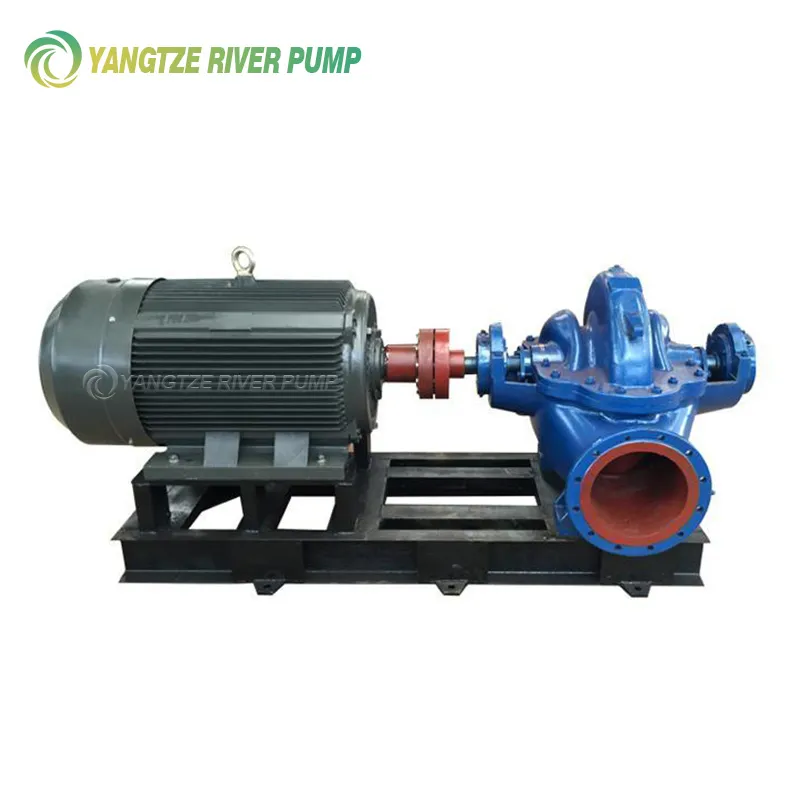
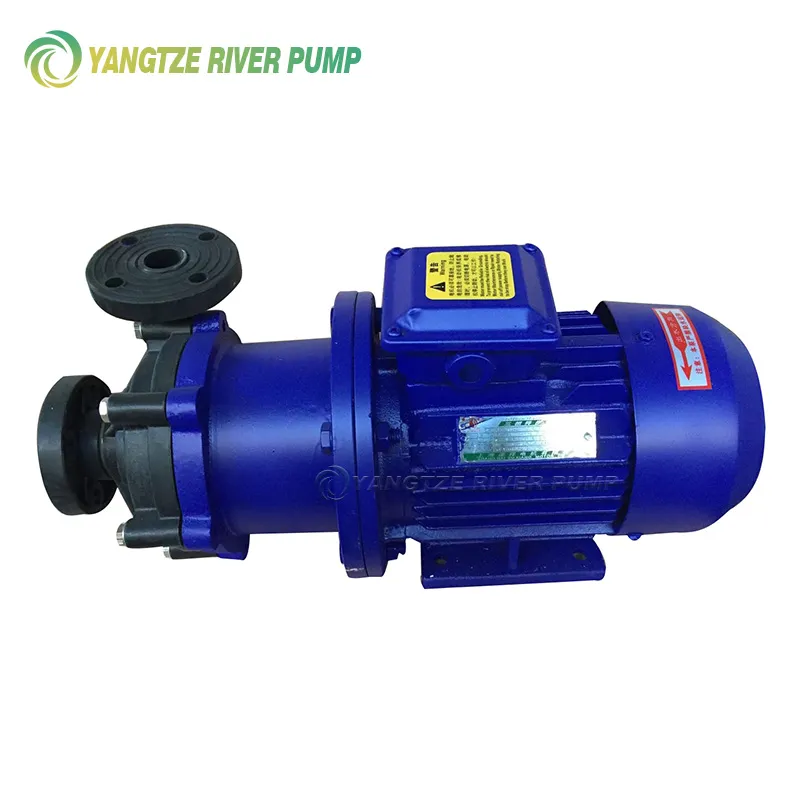
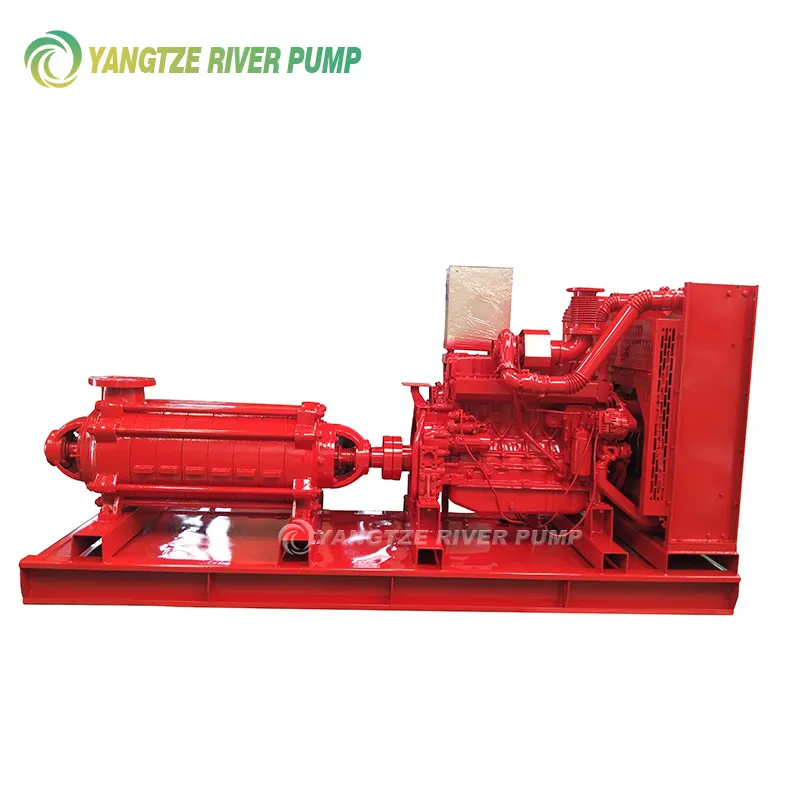
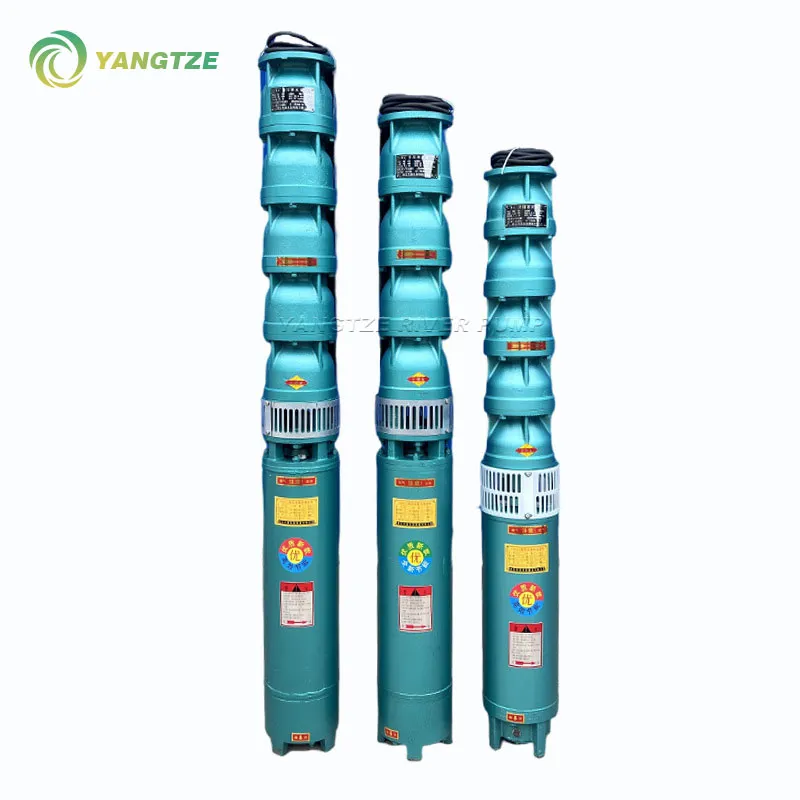

Best Sellingproducts
Best Selling Products-
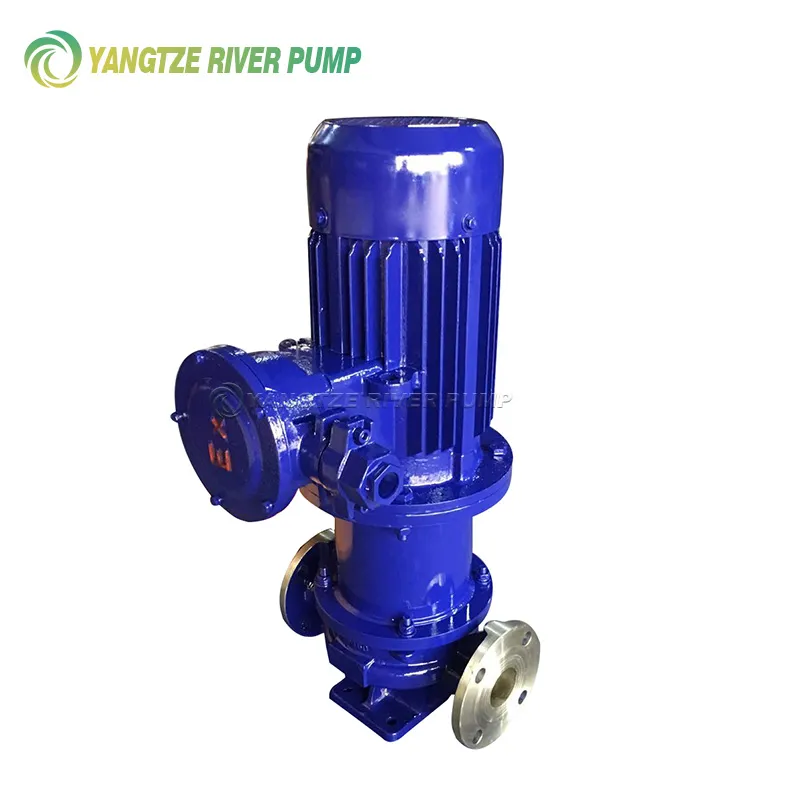 Vertical magnetic pumps CQB-L
-
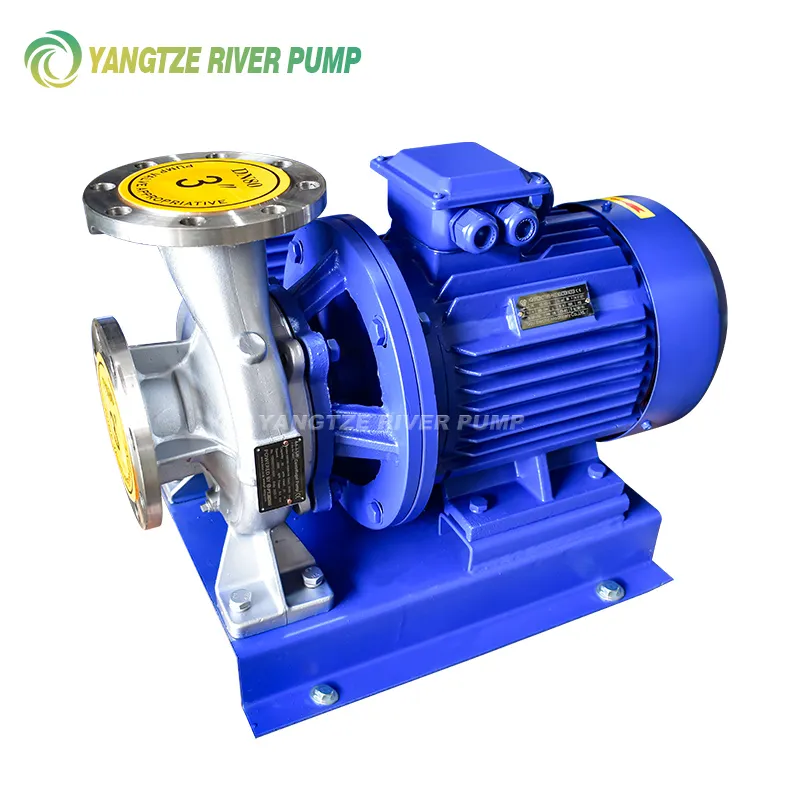 ISW and ISWH Single Stage Horizontal Pipeline Centrifugal Pumps
-
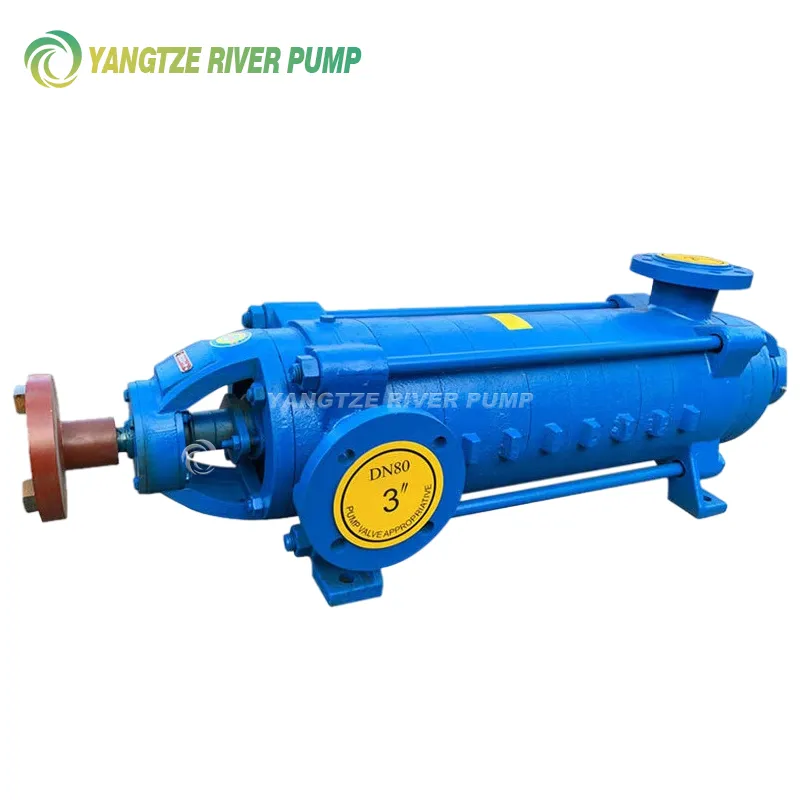 Horizontal multistage centrifugal pumps type D
-
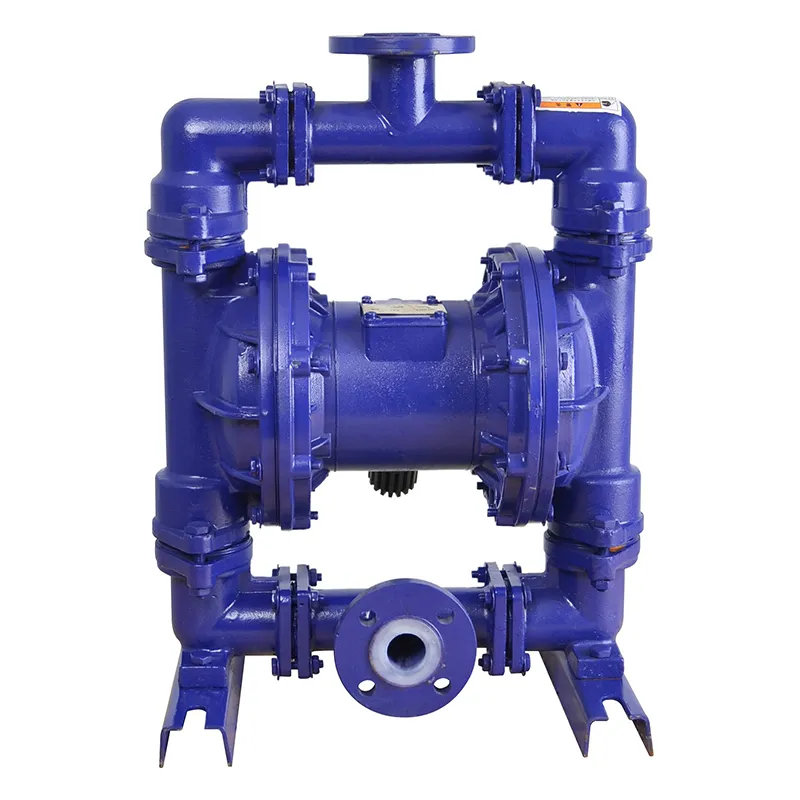 Metal pneumatic diaphragm pumps QBK
-
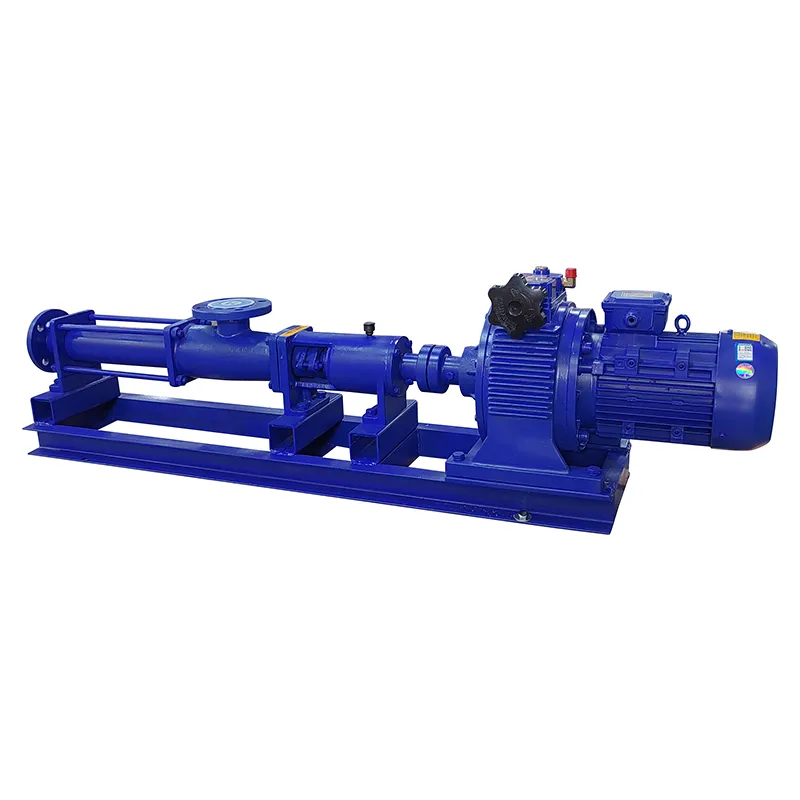 Infinitely variable screw pumps type G
-
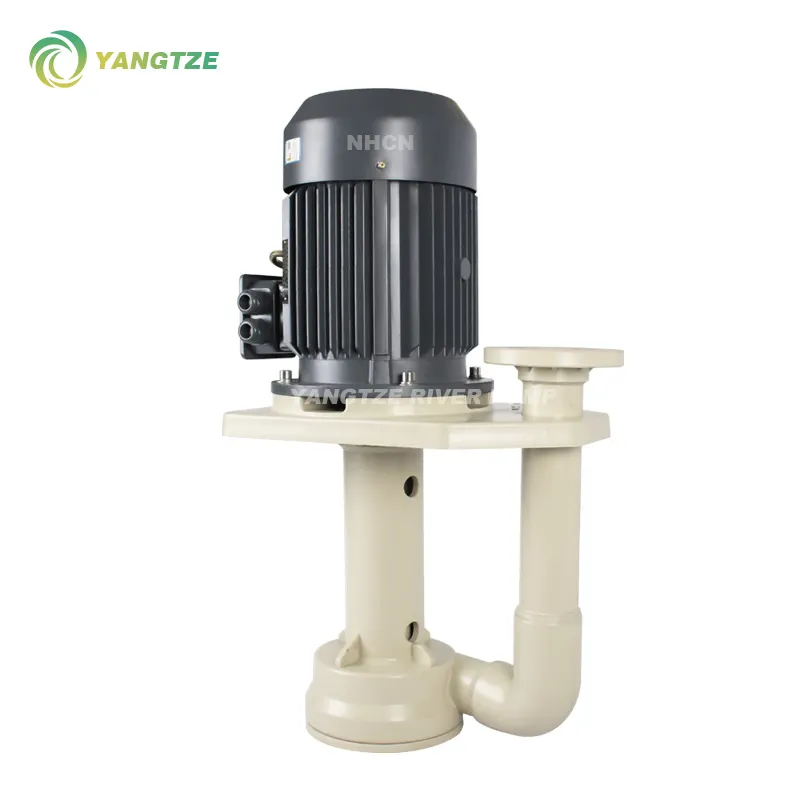 Vertical pumps for installation inside/outside tanks YZCN and YZCW
-
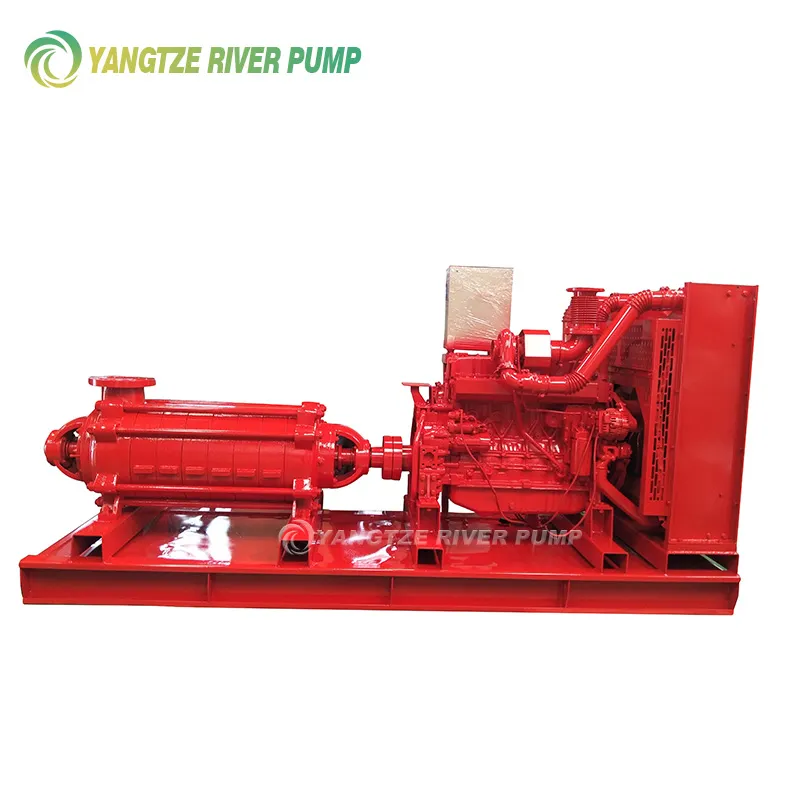 YZD Series Diesel Multistage Centrifugal Pumps
-
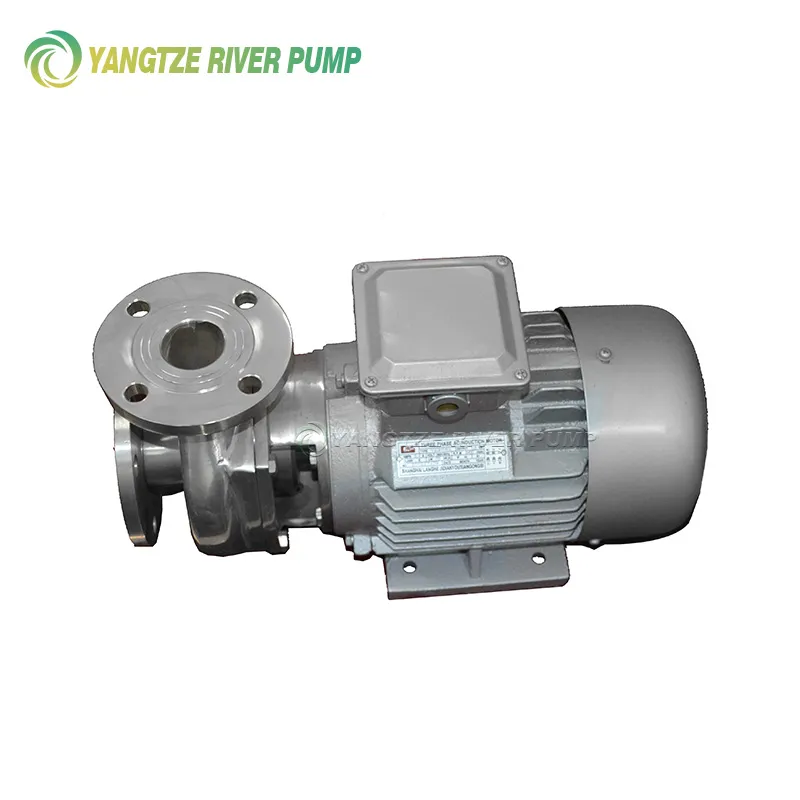 Corrosion-resistant stainless steel centrifugal pumps SFB and SFBX
-
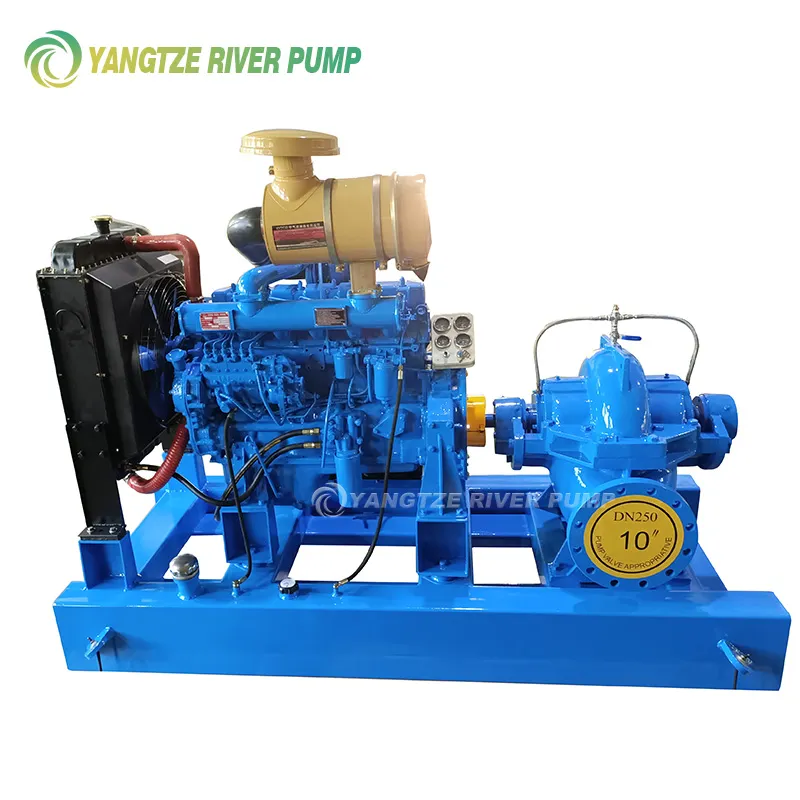 Diesel pumps with horizontal connector YZS and YZSH
-
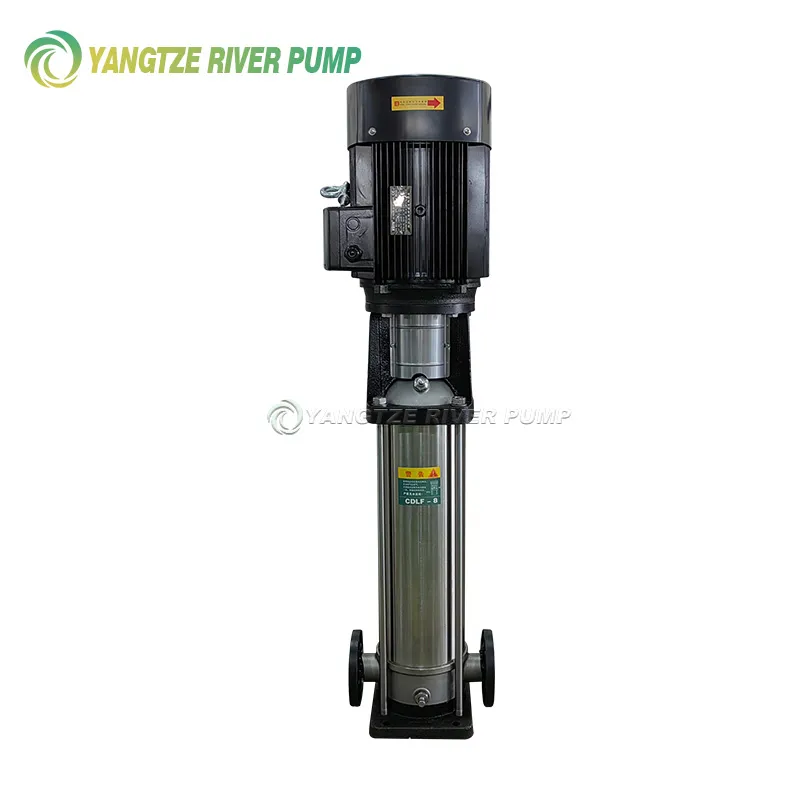 Vertical multistage centrifugal pumps made of stainless steel (light series) CDL and CDLF
-
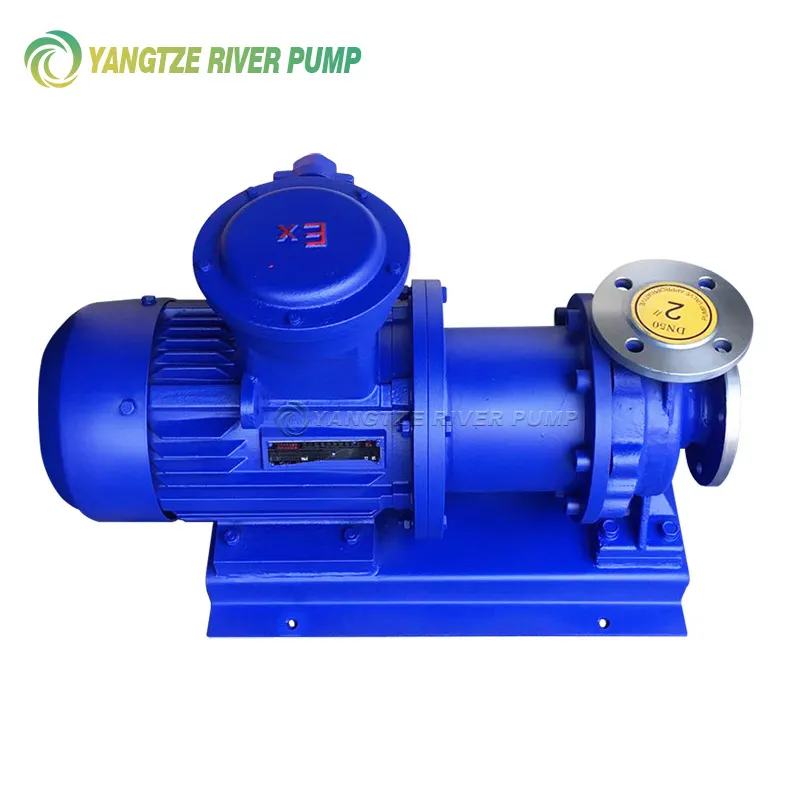 CQB Stainless Steel Magnetic Pumps
-
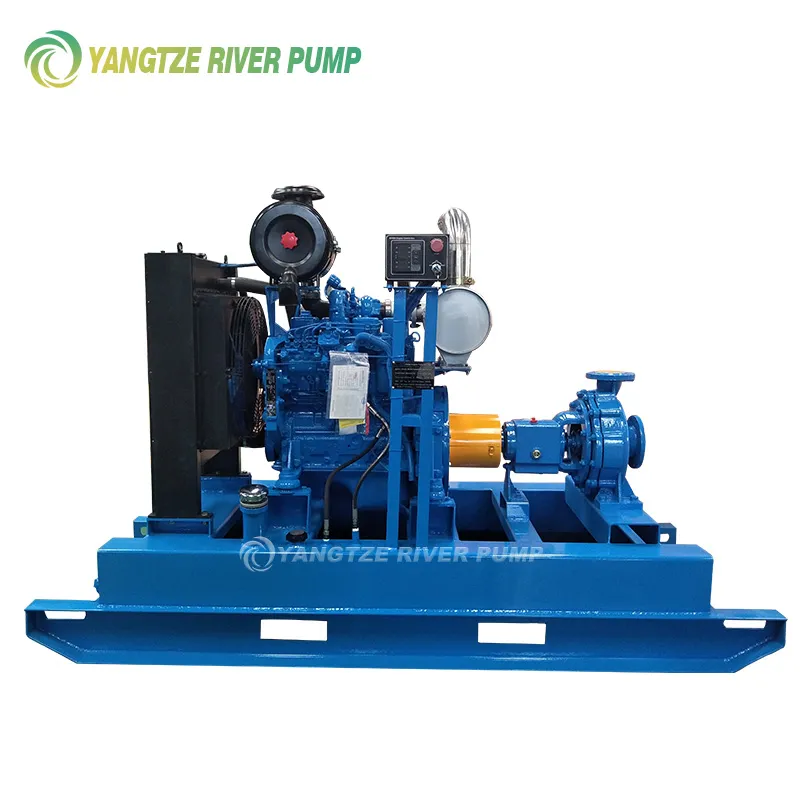 YZIS Diesel Single Stage Centrifugal Pumps
Relatedsearch
Related Search- Horizontal Stainless Steel Multistage Centrifugal Pumps
- vacuum pump 42 l min
- vertical centrifugal pump 2 2 kW
- best deep water pumps
- horizontal deep well pump
- Vertical single stage centrifugal pumps
- small centrifugal pump
- centrifugal pump 60 m3 h
- Pneumatic double diaphragm pumps
- horizontal centrifugal multistage pumps