







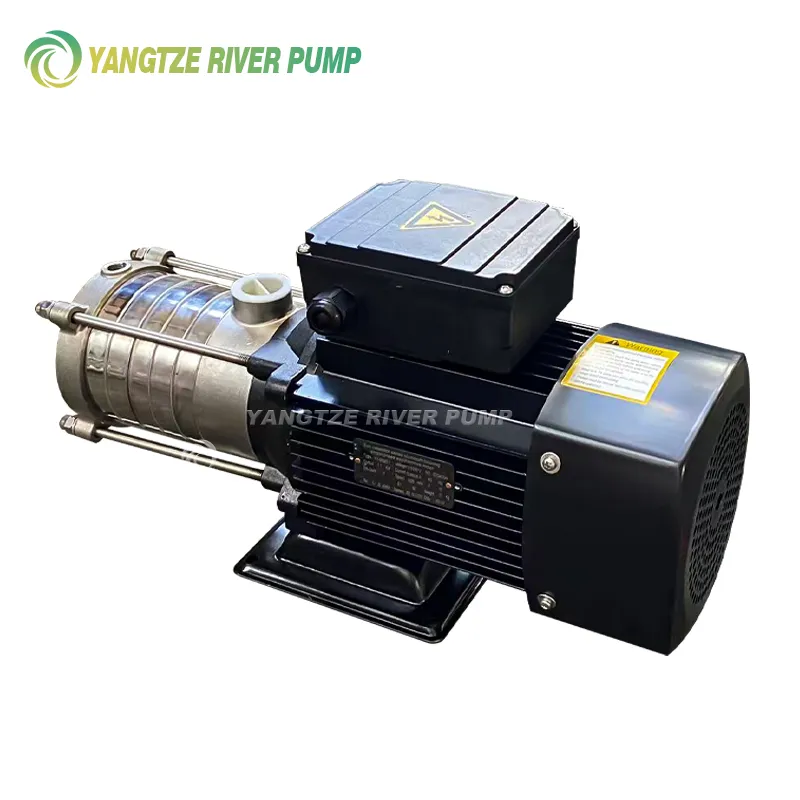
horizontal centrifugal multistage pumps
When they talk abouthorizontal centrifugal multistage pumps, many people immediately think about high blood pressure and that’s it. But in practice, if you dig, it all comes down to balance - the balance between the pressure, reliability of the rotor group and how this design behaves in a real system, and not on a bench. A common mistake is to think that the more steps, the better. Sometimes an extra pair of stages gives a slight increase in pressure, but at the same time sharply reduces the resource due to the complexity of assembly and the increased risk of axial loads. In ourZhejiang Yangzijiang Pumping Industry Co.,LtdWe have encountered this more than once, especially when clients sent technical specifications with exaggerated requirements “just in case?”.
Design: where the main trade-offs lie
If we take the classic scheme with successive impellers on a common shaft, then the key point is the unloading of the axial force. Unloading discs, hydraulic heels - in theory, everything has been worked out. But in reality, when the operating mode changes, say, when the valve is partially opened on pressure, the balancing can “float away”. The vibration does not appear immediately, but after hundreds of hours. During testing, we specifically run pumps in transient modes to catch this moment. Sometimes it is not the standard bearing assembly that helps, but its modification with reinforced fastening.
Another nuance is the material of the body and guide vanes. Cast iron is conventionally suitable for water, but if there is even a small percentage of abrasive in the water or a temperature below 90°C, erosion begins. Especially in the last stages, where the flow rate is maximum. You switch to stainless steel and the price immediately increases. Therefore inour companyWe often follow the path of combined solutions: the first steps are made of wear-resistant cast iron, the last ones are made of stainless steel. This is not according to the textbook, but it is economically and resource-wise.
Assembly is a different story. Precision fitting of spacer bushings between the wheels, control of the alignment of each stage... It happened that a pump came with a complaint about noise. We take it apart - and there one of the bushings is slightly deformed, apparently from thermal expansion during the first start-up. Now, when assembling on our lines, we provide a larger thermal gap for certain environments. It's a small thing, but it has an impact.
Application and typical installation errors
The main niche of these pumps is water supply, pressure increase in high-rise buildings, flushing systems, boiler rooms. But, for example, for an irrigation system with periodic on/off, I would think ten times. Frequent starts under load for multi-stage horizontal pumps is not the best scenario. Impact loads on mechanical seals and bearings. It is better to install a frequency converter for a smooth start, but customers often save on this and then wonder why the oil seal leaks after six months.
Installation on a common frame with an electric motor seems simple. But if the foundation is not rigid or the inlet and outlet pipelines have a rigid suspension without expansion joints, the pump operates as part of the structure, taking on all the stress. Vibration is transmitted to the rotor. We had a case at the site: the pump pumped perfectly, but after 3 months the shaft cracked exactly where the first impeller fit. The reason is an incorrectly mounted suction pipe, which created a bending moment.
Therefore in the documentationhorizontal centrifugal multistage pumpsWe now write in a separate bold font about the need for independent support for pipes and mandatory alignment after tightening all flanges. Not all installers read this, unfortunately.
Testing and control: what a standard test will not show
On our test bench, each unit is tested for pressure and flow. But the standard test is running in clean water at rated speed. But in life it happens differently. Therefore, for critical orders we do additional tests. For example, we run the pump for an hour at the minimum permissible suction pressure and see if there is cavitation in the first stages. Or we check the heating of the bearing units after two hours of operation at maximum pressure.
Particular attention is paid to mechanical seals. We install different types: single and double with flushing. For aggressive environments, sometimes it is not the most expensive seal model that is more effective, but the one that better removes heat from the friction pair. This understanding came after several unsuccessful deliveries for pumping hot solutions. Now we haveZhejiang Yangzijiang Pumping Industry Co.,Ltdthere is its own database of empirical data on combinations of “medium - seal material - operating mode?”.
Quality control on all eight production lines - from case casting to final assembly - is not a protocol, but a necessity. I once caught an imbalance at the rotor balancing stage that was on the verge of tolerance. I decided to rebalance. Colleagues said: “And so it will pass?” If it didn’t pass, it would make itself felt at high speeds. Remade.
Comparison with other types and when to choose them
People often ask: whathorizontal centrifugal multistage pumpsbetter, say, submersible multi-stage ones or the same console single-stage ones? It all comes down to the task. For a well - only submersible. For pumping large volumes with low pressure, a single-stage horizontal one will be simpler and cheaper. But when you need to get a consistently high pressure from a limited source (a tank, a pipeline with low pressure) in an extensive network - here they are unrivaled.
We have both in our assortment. But for fire extinguishing or water treatment systems at industrial enterprises, most often there is a request for horizontal multi-stage ones. They are easier to maintain, there is no need to remove them from the well, all components are visible. Yes, they take up more space, but for a permanent installation in the computer room this is not critical.
There was an interesting project for a small thermal power plant: a pump was needed to replenish network water. High pressure, temperature up to 110°C. We also considered piston options. But we settled on our horizontal multistage pump with 304 stainless steel body and rotor and special seals. The key argument was precisely the smoothness of the feed (no pulsations) and the ability to fit into the existing circuit without complex foundations. It has been operating for three years now, and according to reviews there are no complaints.
Prospects and where development is heading
The trend now is towards intellectualization. Not just a pump, but a pumping unit with vibration and temperature sensors, with the possibility of integration into the overall facility management system. Forhorizontal centrifugal multistage pumpsthis is especially true since their failure often leads to the shutdown of a critical process. In our new models, we include seats for vibration sensors and thermocouples in bearing units. This is not a tribute to fashion, but practice: it is easier to prevent a breakdown by obtaining data on the growth of vibration than to repair it after the rotor is destroyed.
Another direction is efficiency optimization. Not global, but pointwise. We change the geometry of the guide vane blades at the exit of the last stage to reduce losses due to deceleration. Or we select a more effective mechanical treatment of the surfaces of the impellers to reduce hydraulic resistance. An increase of 1-2% at each stage in total gives noticeable energy savings over the service life.
In the end, back to the beginning.Horizontal Centrifugal Multistage Pump— it’s not just a “high-pressure pump?”. This is a complex, balanced system where every detail, from the bushing material to the installation method, affects the final resource. And the main task of a manufacturer such asour company, - not just sell a product from a catalog, but help select and sometimes modify the design for real, not paper, working conditions. Because ultimately, the pump must pump. For a long time and without problems. Everything else is details.
Correspondingproducts
Related Products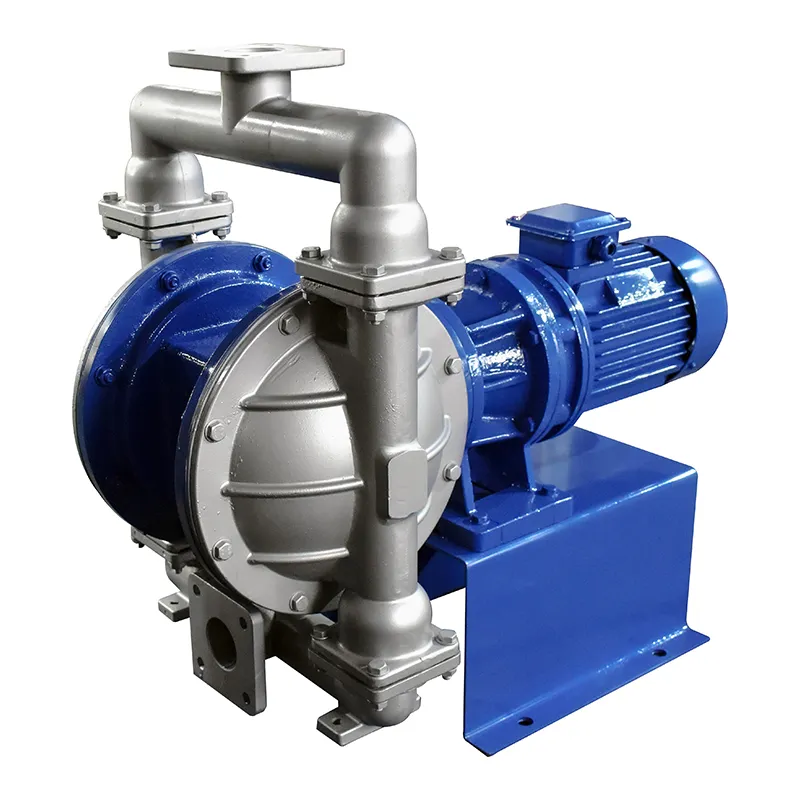
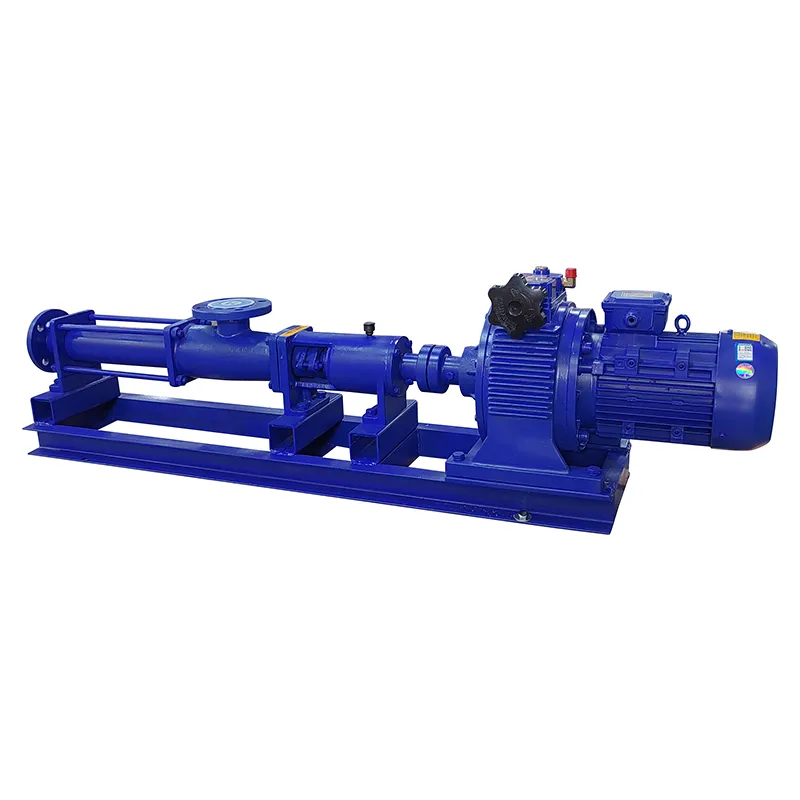
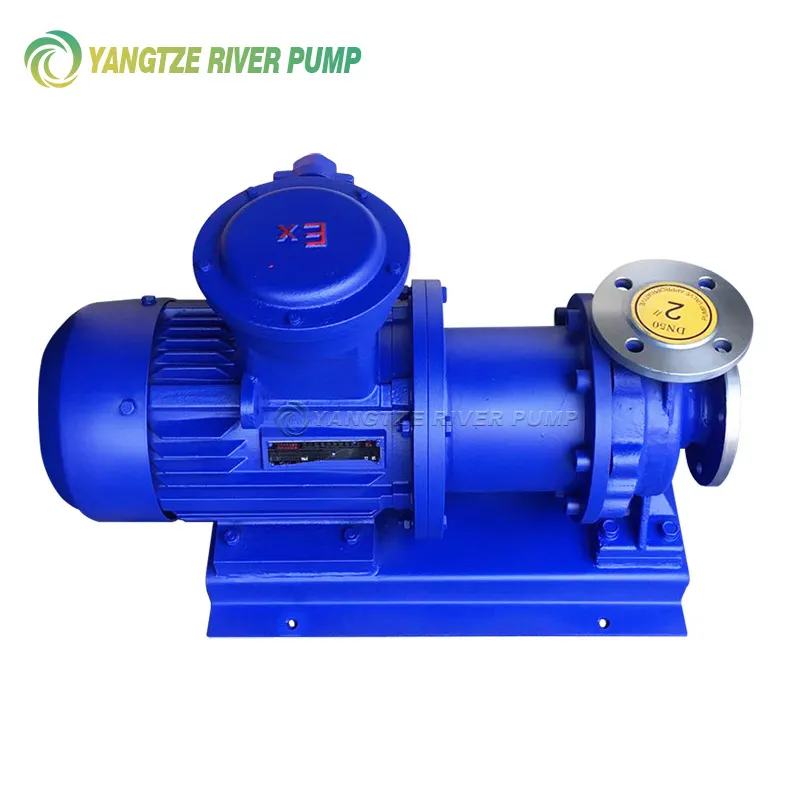
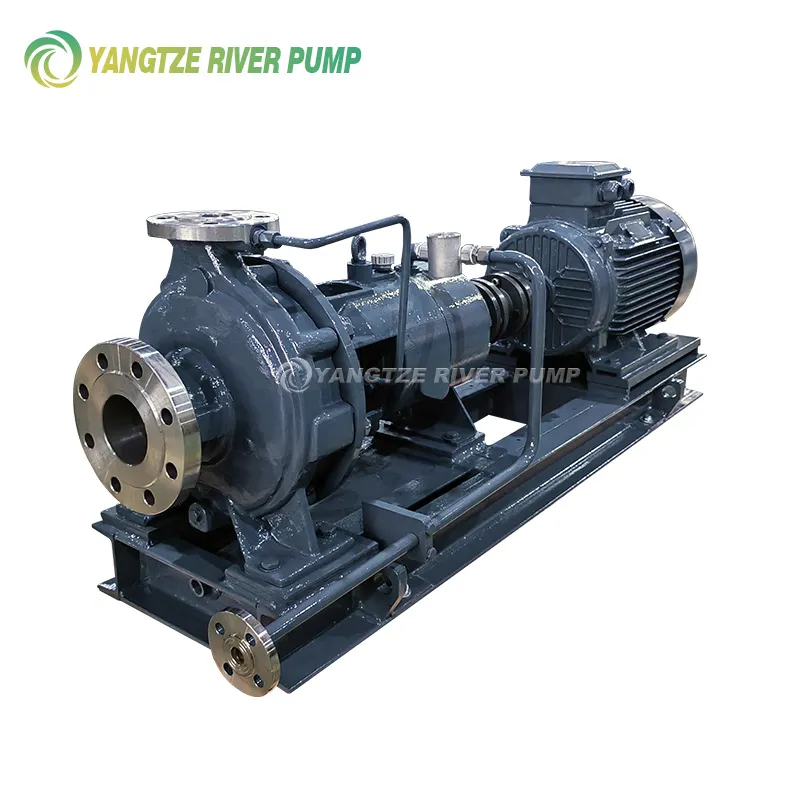

Best Sellingproducts
Best Selling Products-
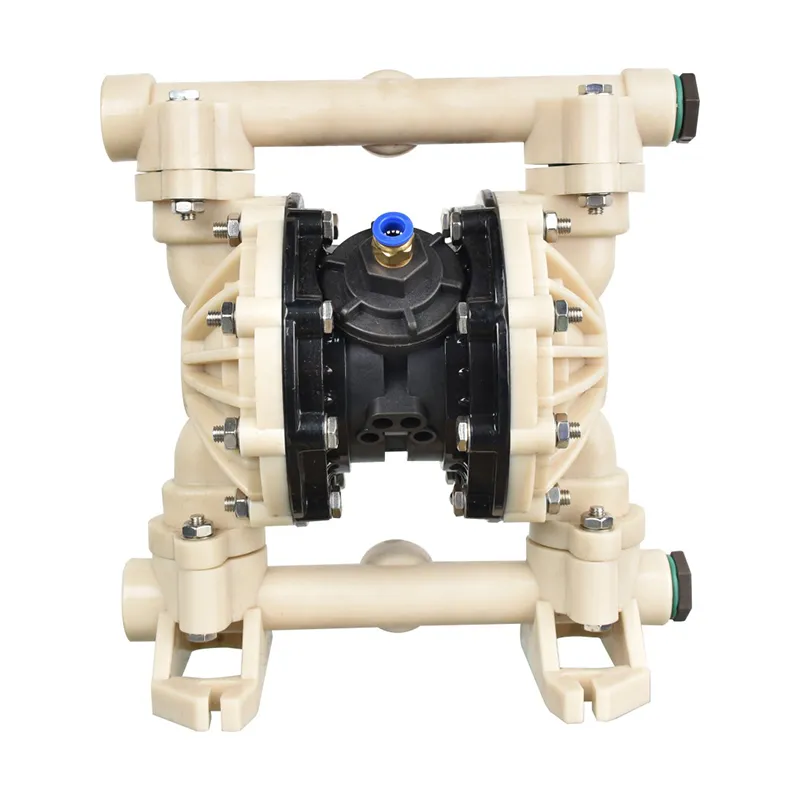 QBK Non-Metallic Air Operated Diaphragm Pumps
-
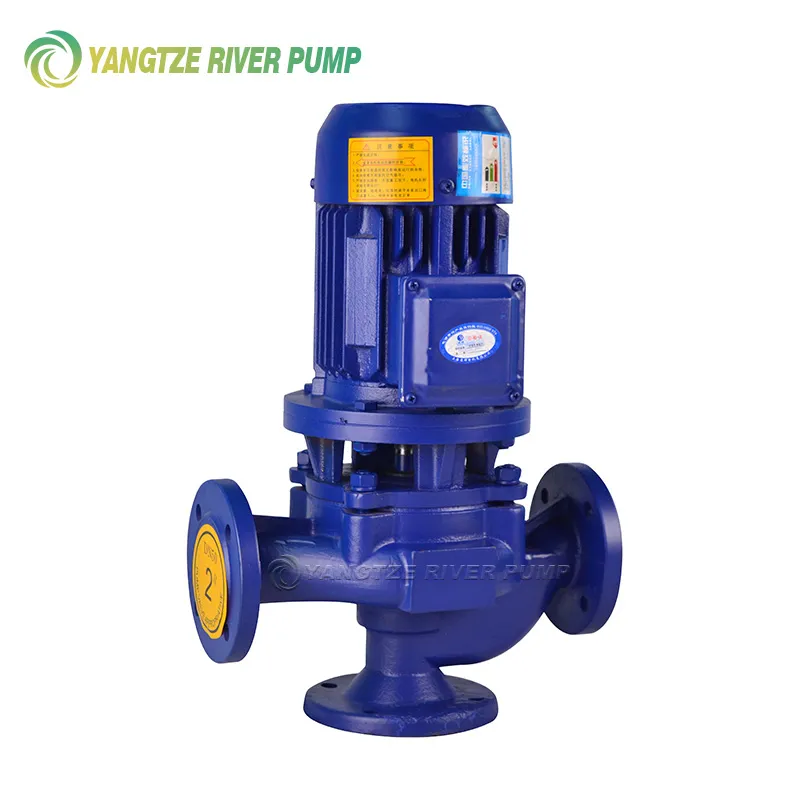 Pipeline wastewater pumps GW
-
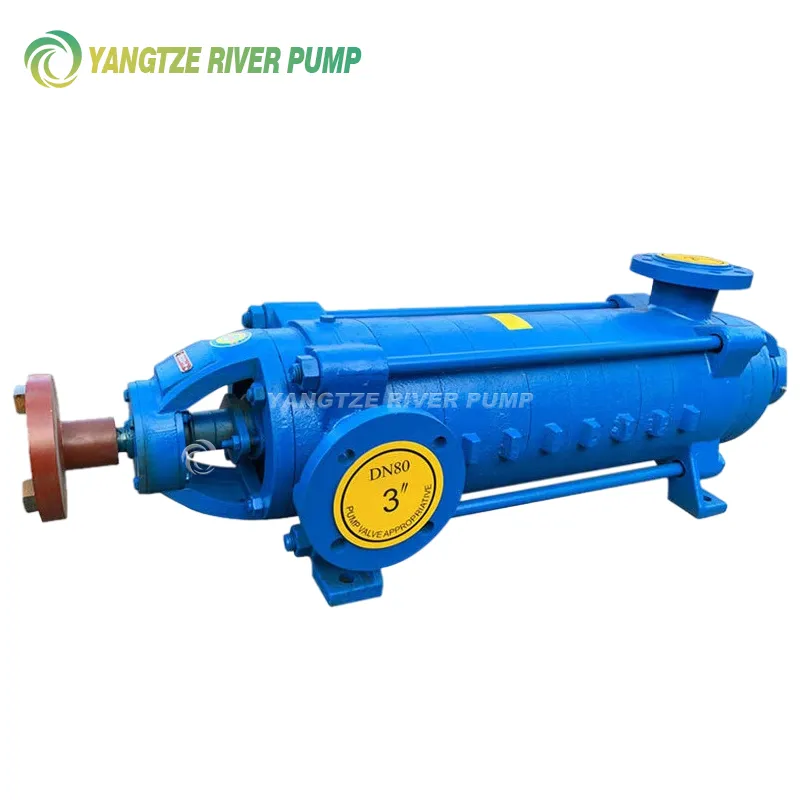 Horizontal multistage centrifugal pumps type D
-
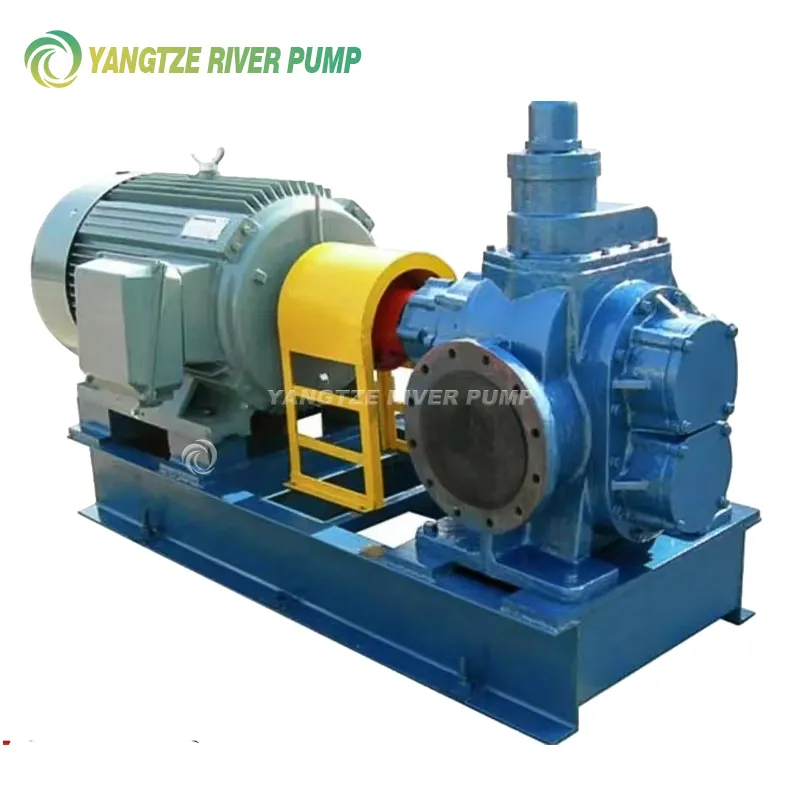 YCB Type Circular Gear Pumps
-
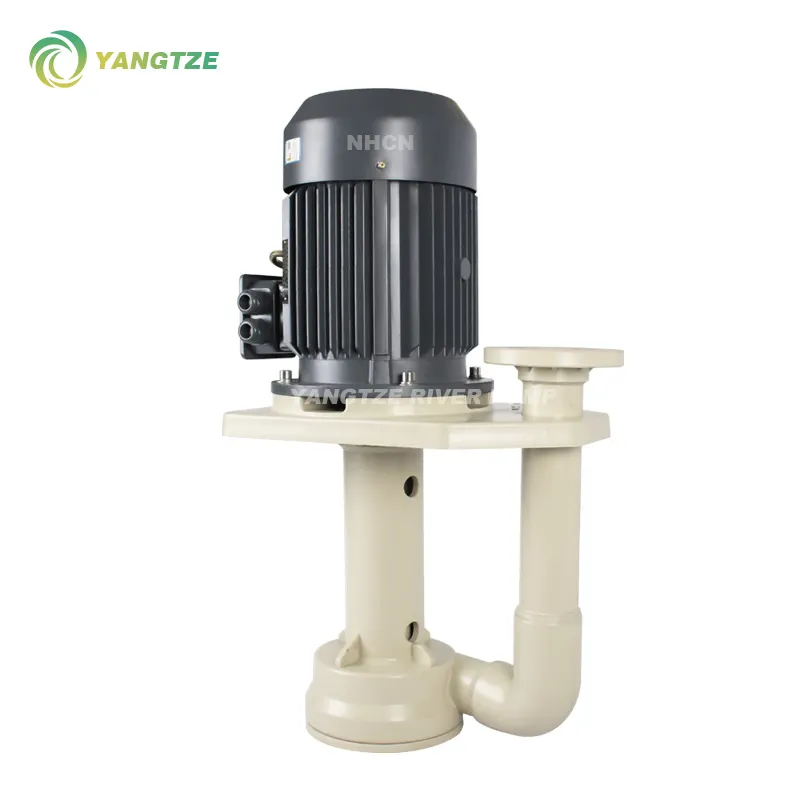 Vertical pumps for installation inside/outside tanks YZCN and YZCW
-
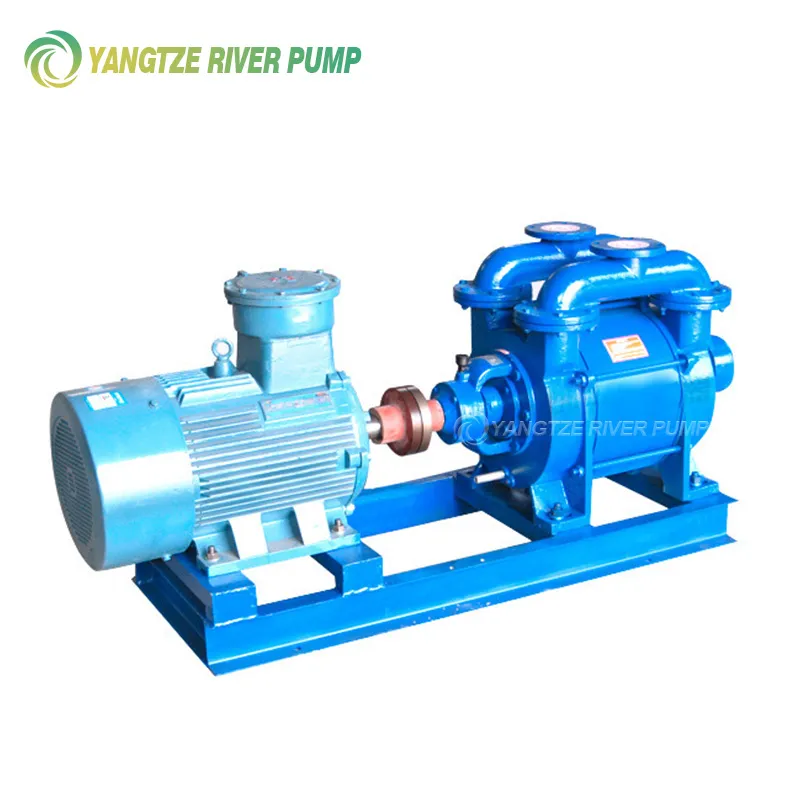 Liquid ring vacuum pumps type SK
-
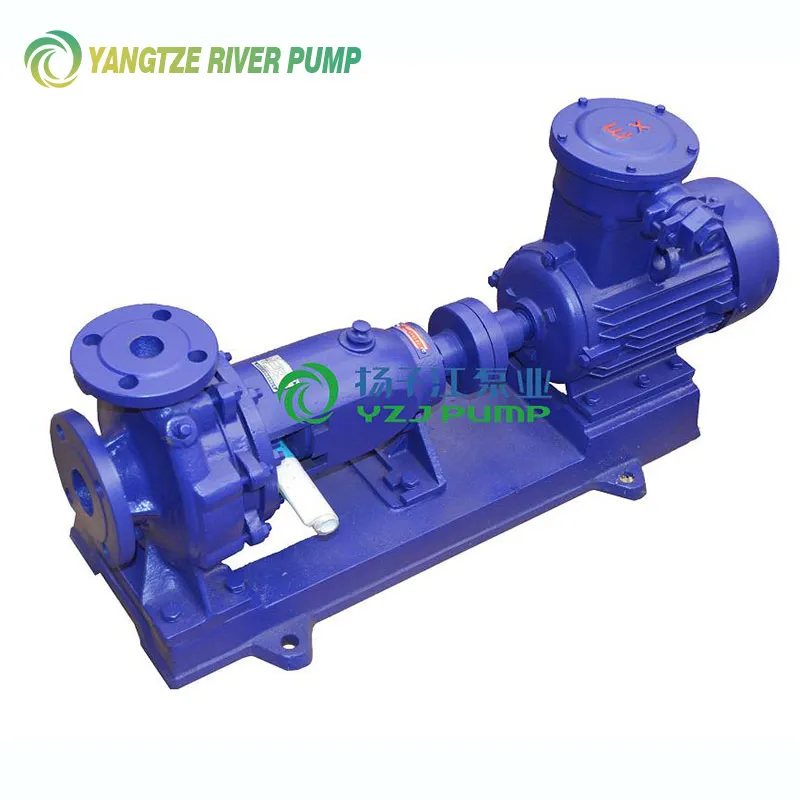 Horizontal chemical centrifugal pumps types IS and IR
-
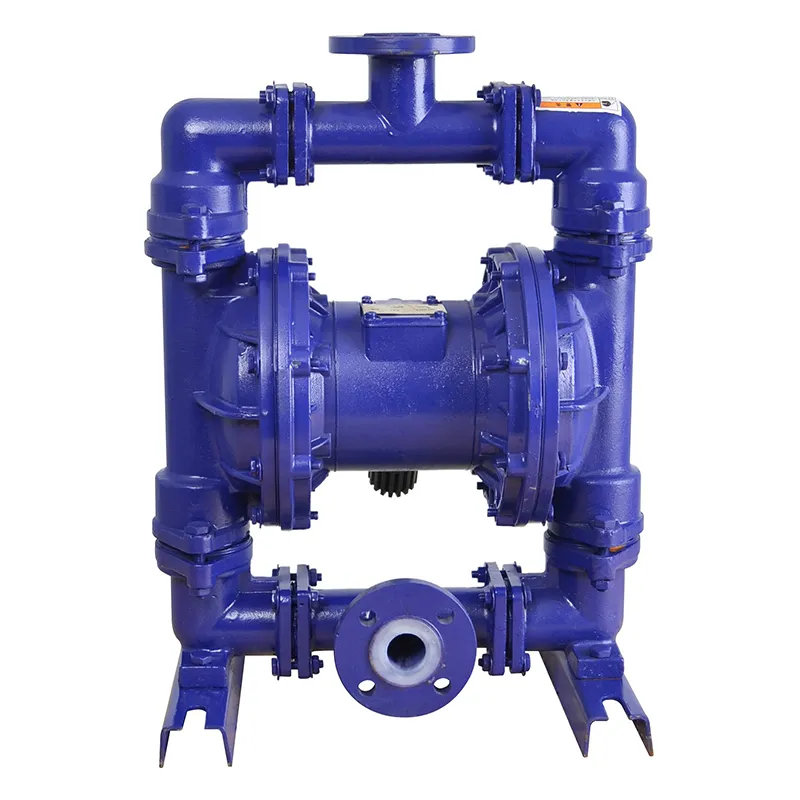 Metal pneumatic diaphragm pumps QBK
-
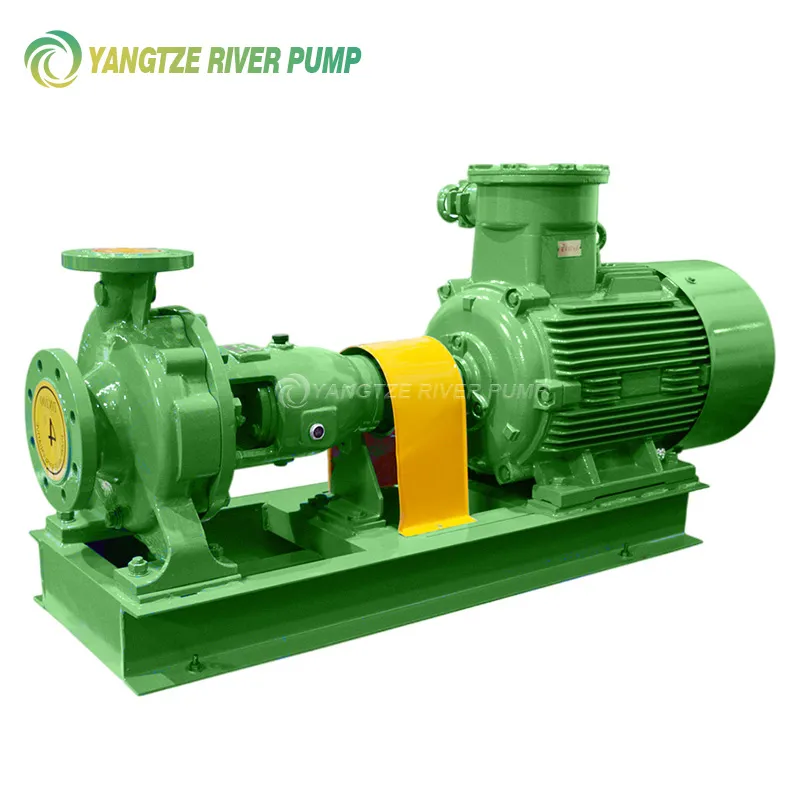 YCZ Chemical Process Pumps
-
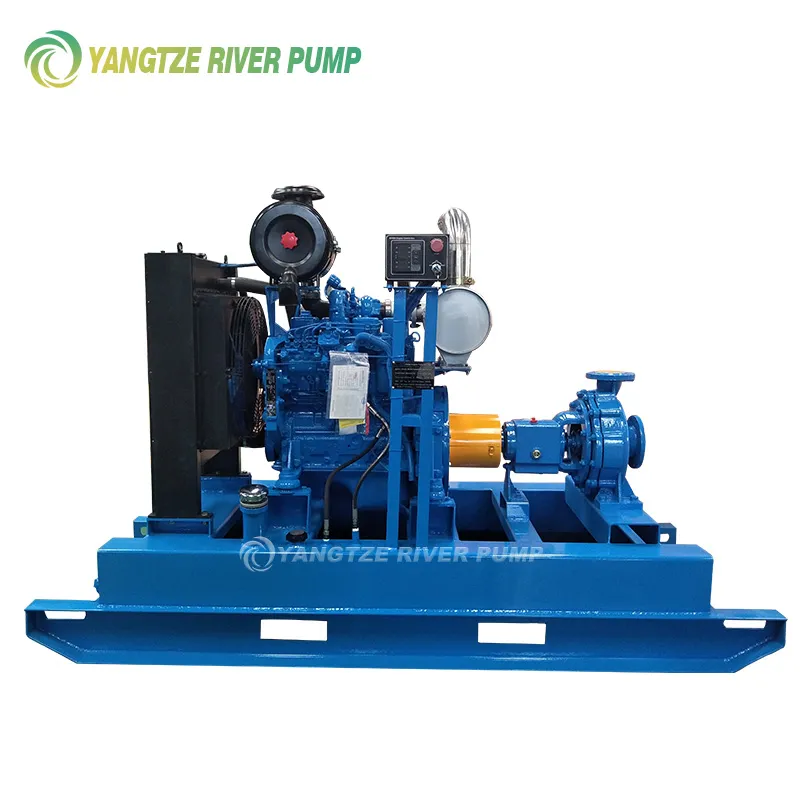 YZIS Diesel Single Stage Centrifugal Pumps
-
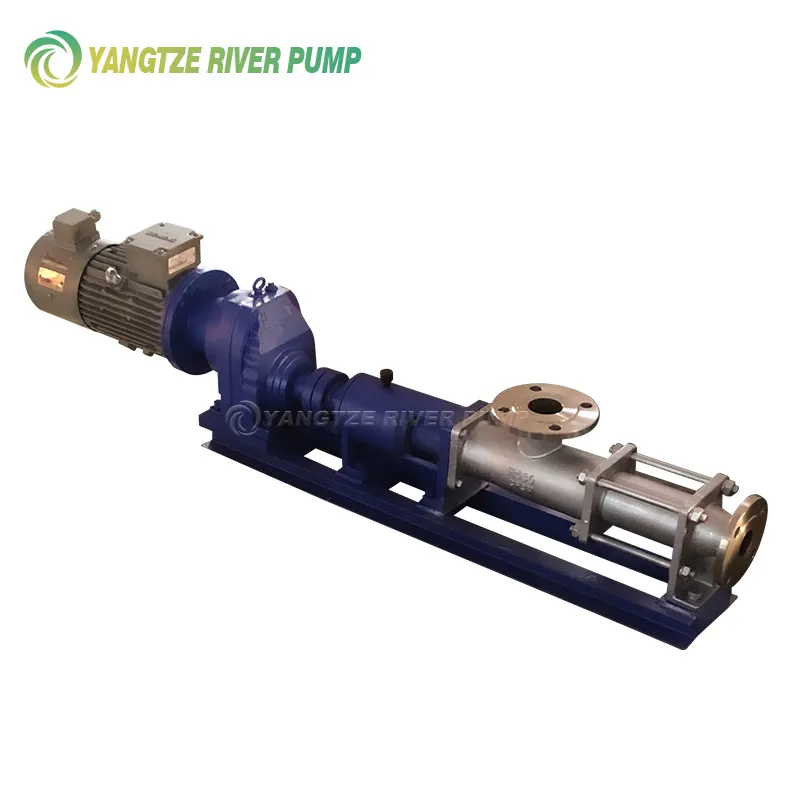 Geared screw pumps type G
-
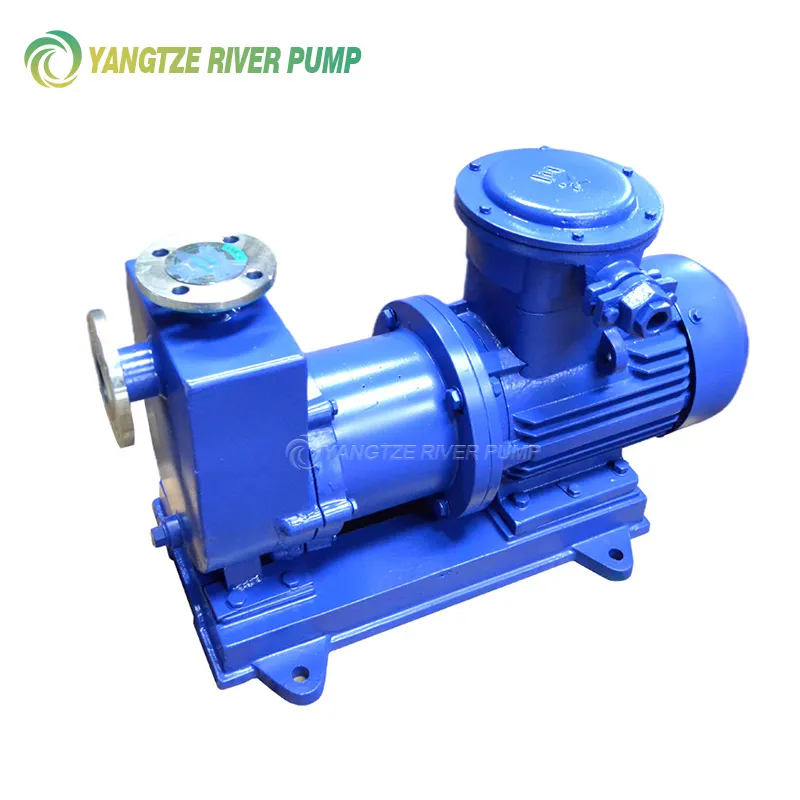 ZCQ Stainless Steel Self-Priming Magnetic Pumps