







Horizontal Stainless Steel Multistage Centrifugal Pumps
If we talk abouthorizontal multistage centrifugal pumpsmade of stainless steel, a paradox immediately emerges: many consider them simply “more powerful single-stage ones?”, but this is a gross simplification. In fact, the whole difficulty lies in balancing the steps and choosing the grade of steel for a specific environment. Here at Zhejiang Yangzijiang Pump Industry LLC, dozens of such models have passed through the test bench, and every time we find nuances - from vibration at high speeds to cavitation in the outer sections. This is, rather, what is worth talking about - without glossy catalogues, but with reference to real tasks.
Why stainless steel - and which one?
When a customer asks for “stainless steel”, they often mean AISI 304 as the standard. But for multistage pumps, especially in chemical or marine applications, this may not be enough. 304 steel is prone to pitting in chloride environments - which are more common than you think. We have several times encountered a situation where pumps for desalination plants failed precisely because of this. After the analysis, we switched to the AISI 316L recommendation for such cases, and for aggressive acidic environments - to duplex steels of type 2205. The key is not just to indicate “stainless steel”, but to understand the chemical composition of the pumped liquid. Sometimes even a temperature of 80-90°C changes the picture.
At our production facility in Yangtzejiang, we use exactly this approach: for each project, the material is selected separately, based on the environmental test report. This lengthens the cycle, but reduces the number of warranty claims. By the way, forhorizontal multistage centrifugal pumpsThe issue of processing internal surfaces is also important - roughness affects efficiency and susceptibility to contamination. We grind the flow parts, especially around the diffusers, although this adds cost.
There was an illustrative case with an order for a food factory: pumps were supposed to pump tomato paste with salts. Initially they suggested 304, but based on the results of laboratory tests it turned out that 316 with additional electrochemical polishing was needed. The client initially resisted because of the price, but after six months of operation he thanked him - the previous pumps (from another manufacturer) became clogged and lost pressure after only three months.
Design features that affect reliability
The horizontal multistage design is essentially several impellers on one shaft. And the main headache is axial and radial loads. If they are not compensated for, bearings do not last long. In our models, which we produce at the site of Zhejiang Yangtzejiang Pumping Industry LLC, we use unloading discs and hydraulic heels, but this is not a panacea. It is important to correctly calculate the axial force at the design stage - an error of 10-15% can lead to vibration and premature wear.
Another point is the connection of the step bodies. Often done on flanges with gaskets, but in aggressive environments the gaskets become the weak link. We have experimented with laser welding of body sections for critical applications, but this complicates repairs. As a result, we settled on a combined solution: for standard media - flanges with Teflon gaskets, for highly aggressive media - welded modules with repair plugs. Not ideal, but practical.
Bench tests always reveal weak points. I remember one batch of boiler room pumps made increased noise at certain speeds. We figured it out - the reason was the resonance of the shaft due to the not entirely accurate length of the intermediate bushings. I had to recalculate the rigidity and install the support bearings in a different place. Such little things are not described in catalogs, but they are the ones that determine whether the pump will work for 5 years or 2 years.
Assembly and balancing: where mistakes are most often made
Assemblyhorizontal multistage centrifugal pumps- almost jewelry work. Each impeller must be individually balanced, followed by an overall dynamic balancing of the shaft assembly. In our production, we first balance the wheels on a machine, then assemble the shaft and balance again - this time in two planes. If you skip the second stage, vibration is inevitable at high speeds (above 2900 rpm).
A common mistake made by installers is uncontrolled tightening of tie rod nuts. If you overtighten, the body will lead; if you don’t tighten, it will leak. We have torque wrenches with strict regulations, but on site clients often neglect this. It is necessary to highlight the table of tightening torques in large detail in the pump passport, and sometimes to provide instructions to the customer’s engineers.
More from practice: when assembling, it is important to monitor cleanliness. Once, chips from machining got into the pump - they did not damage the wheel, but got stuck in the seal gap. After 200 hours of operation, the oil seal began to leak. Since then, during the final assembly we have had to wash the flow fields and check them with compressed air.
Applications and common failures
These pumps are often purchased from us for pressure boosting systems in high-rise buildings, for water treatment, and for process lines in the chemical industry. But each case has its own pitfalls. For example, in housing and communal services the main enemy is sand and suspended matter in water. Even stainless steel will not save you from abrasive wear if there is no coarse filter. We always recommend installing filters with a cell size of no more than 100 microns, but many save money and then change the impellers every two years.
In the chemical industry, another issue is seal compatibility. Even if the body is made of the correct steel, the packings or mechanical seals may not withstand the environment. On our website yangtzeriverpump.ru we have tables of compatibility of seal materials with different reagents, but they are rarely looked at. A typical case: an alkali pump operated on an EPDM seal that quickly degraded. We switched to FFKM - the problem disappeared, but the cost of repairs increased.
There are also thermal expansions. A horizontal multistage pump, one to one and a half meters long, lengthens by several millimeters when heated from 20 to 120°C. If this is not taken into account during installation, loads arise on the pipes. There was an incident at a thermal power plant, where a pump, rigidly fixed to the frame, literally tore off the suction pipeline after starting hot water. Now in the instructions there is a separate paragraph requiring the provision of compensators or flexible inserts.
Service and maintainability: what can be improved
Maintainability is often the weak point of multistage pumps. If the structure is non-removable, then if one stage breaks down, the entire unit has to be replaced. In Yangtzejiang, we took the path of modularity: each stage is a separate housing that can be removed without disassembling the entire unit. This increases the size and weight, but the client can replace the failed section on site without sending the pump to the factory.
It is also important to provide access to control points - for example, vibration sensors or temperature thermocouples on bearings. In our latest models, we embed threaded holes for vibration sensors directly into the bearing housing. This allows the implementation of a predictive maintenance system, which is critical for pumps operating in a continuous cycle.
Among the failures: we tried to make quick-release connections instead of flanges on the pressure pipes - to speed up maintenance. But in field conditions, especially with vibration, they sometimes leaked. We returned to classic flanges with tapered rings. Reliability is more important than speed. In general, forhorizontal multistage centrifugal pumpsmade of stainless steel, the key rule of the service is to provide for the possibility of repair without “surgical intervention?” into a solid structure. And always have spare steps and shafts in stock - because delivery times for new ones can be unacceptably long.
Instead of a conclusion: some practical advice
To summarize, the choice of such a pump is always a compromise between pressure, flow, material and price. But there are three things that you definitely cannot skimp on: the quality of shaft balancing, the correct selection of steel grade for the medium, and the qualifications of the installers. At our site at Zhejiang Yangzijiang Pumping Industry LLC, we try to close these issues at the design stage - we conduct tests, request detailed data about the environment, sometimes even visit the site before the contract.
And lastly, even the best pump can work poorly in the wrong system. It is imperative to analyze the hydraulics of the entire line - the presence of check valves, shut-off valves, and the length of pipelines. Often the problem of low pressure or cavitation lies not in the pump, but in the system. Several times we found ourselves in a situation where we had to redo the piping on site, although the pump was selected correctly. So, if we talk abouthorizontal multistage centrifugal pumpsmade of stainless steel, then this is not just equipment, but an element of a system that requires a comprehensive view. And this is precisely the view we try to offer our clients; details can always be clarified on our resource yangtzeriverpump.ru - there are both technical bulletins and practical cases.
Correspondingproducts
Related Products



Best Sellingproducts
Best Selling Products-
 Horizontal multistage centrifugal pumps (light series) CHL and CHLF
-
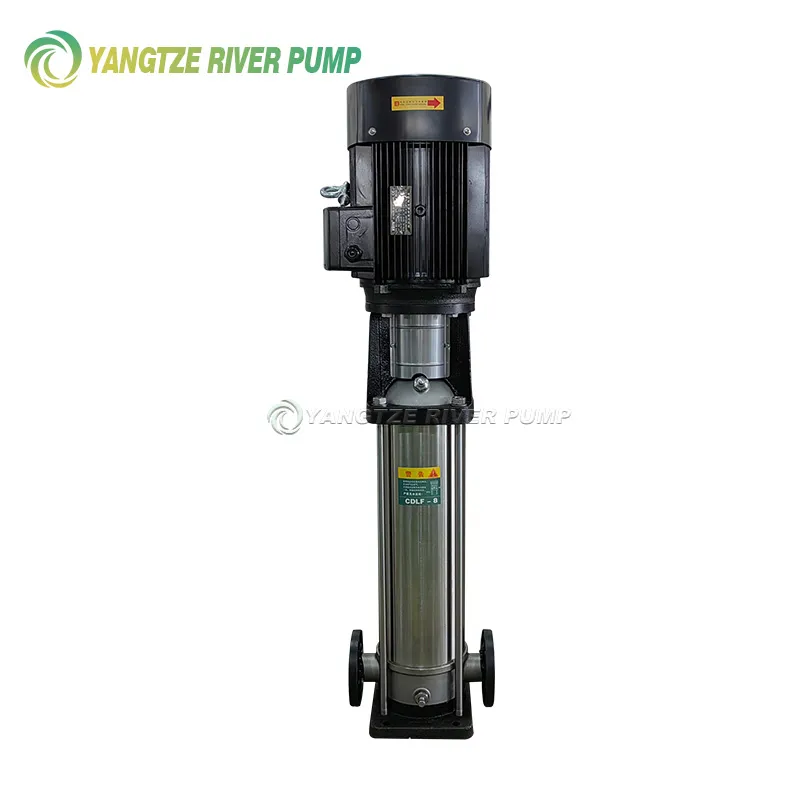 Vertical multistage centrifugal pumps made of stainless steel (light series) CDL and CDLF
-
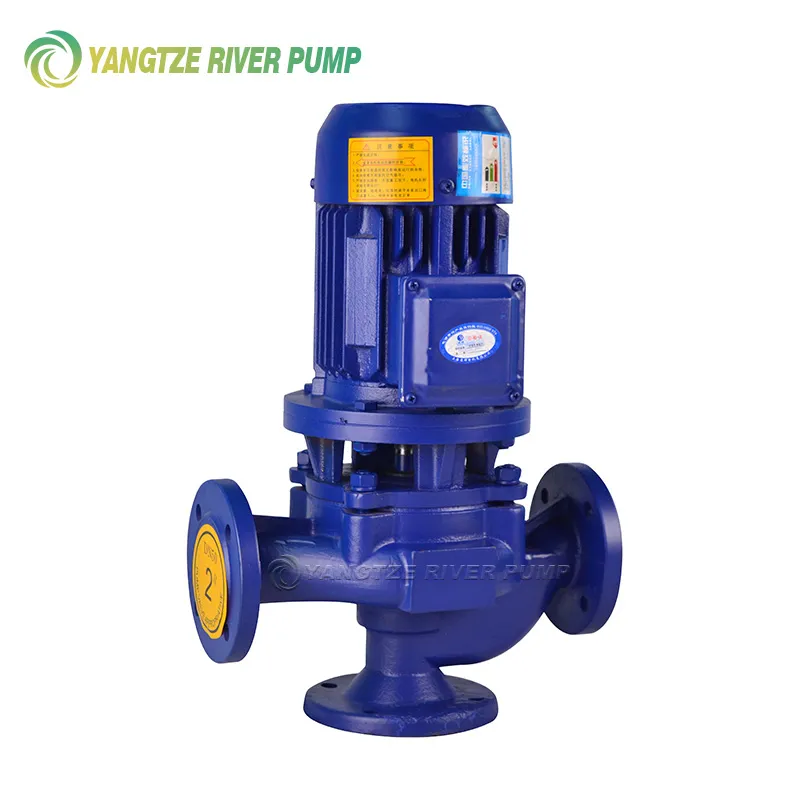 Pipeline wastewater pumps GW
-
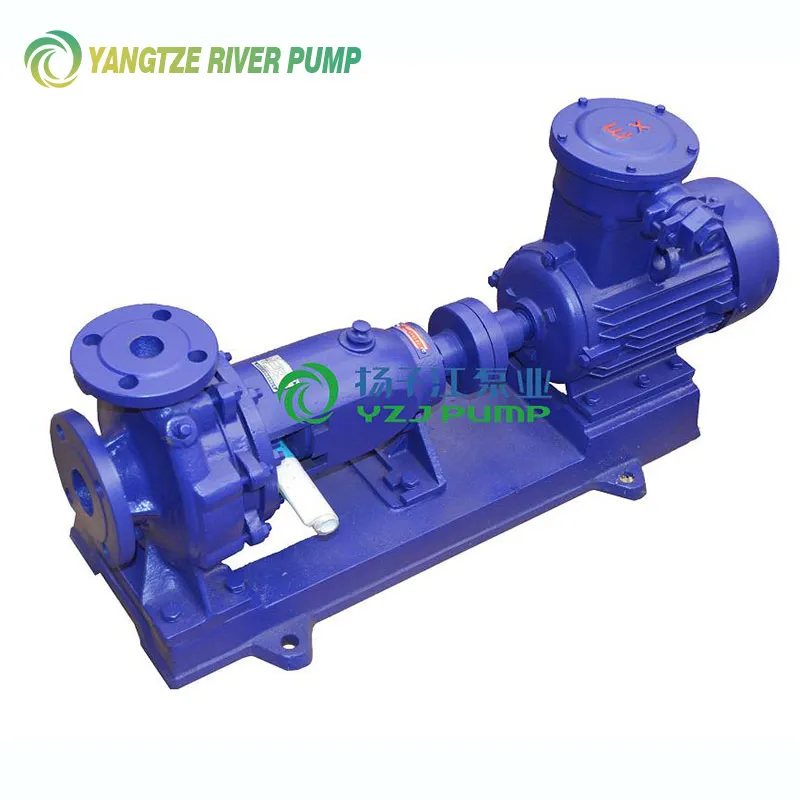 Horizontal chemical centrifugal pumps types IS and IR
-
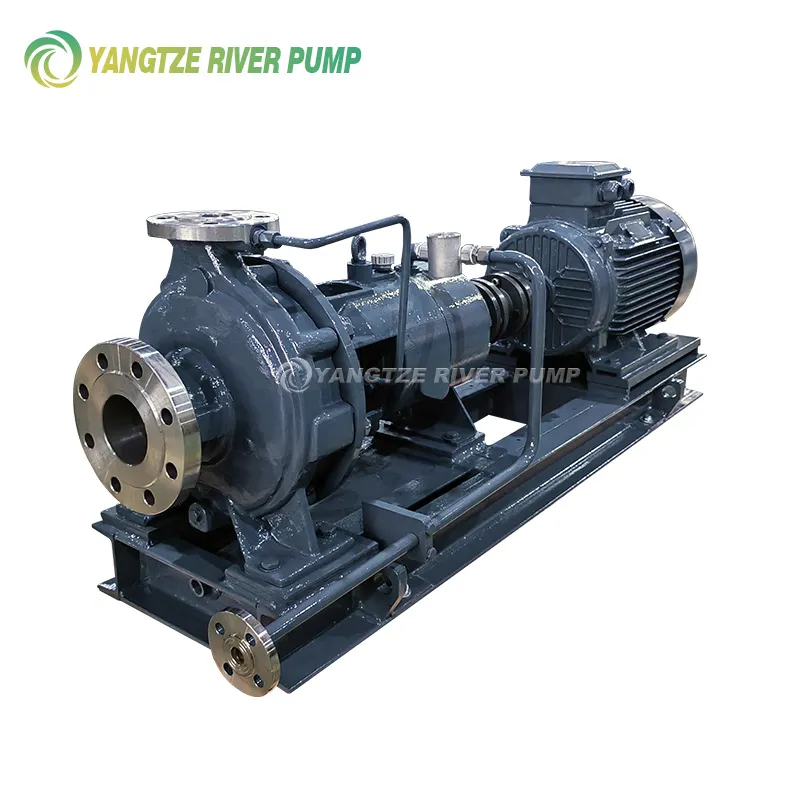 Petrochemical Process Pumps API 610 YZA
-
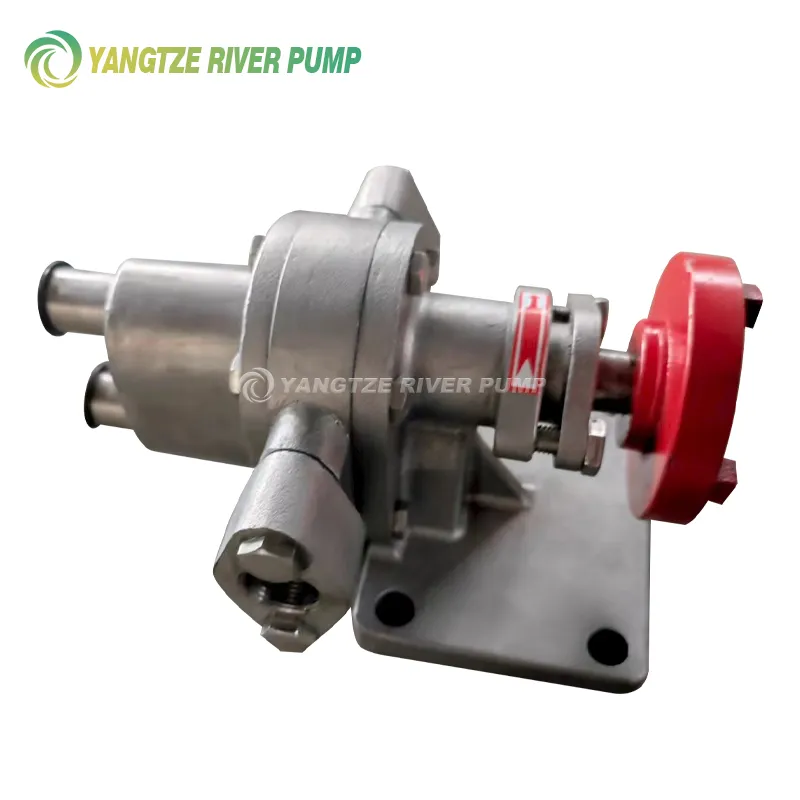 Gear oil pumps type KCB
-
 Horizontal multistage pumps for feeding DC boilers
-
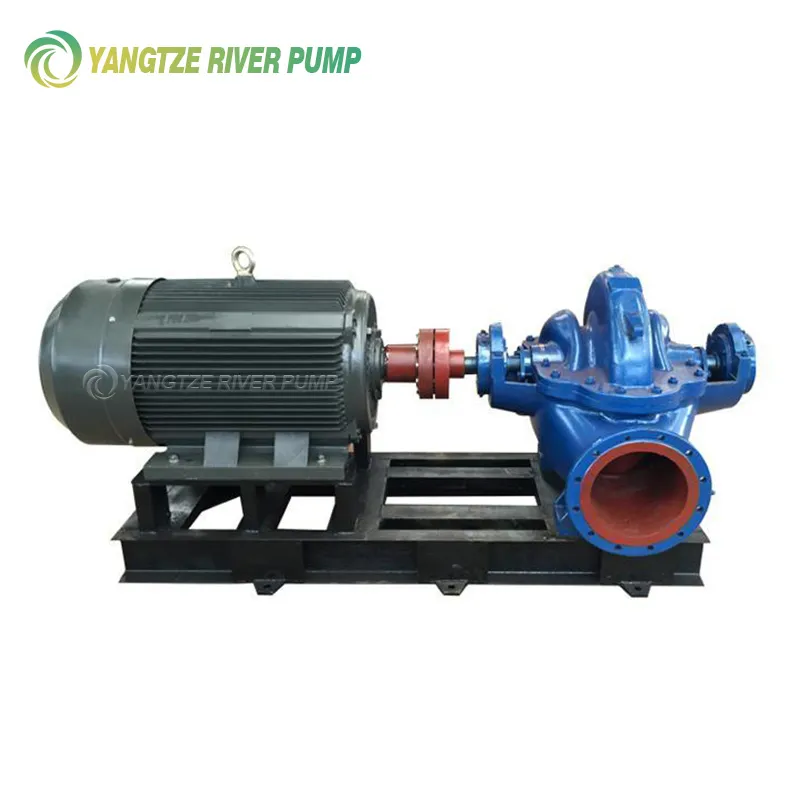 Single Stage Double Entry Centrifugal Pumps Type S
-
 Sanitary screw pumps type GF
-
 Non-clogging self-priming wastewater pumps ZW
-
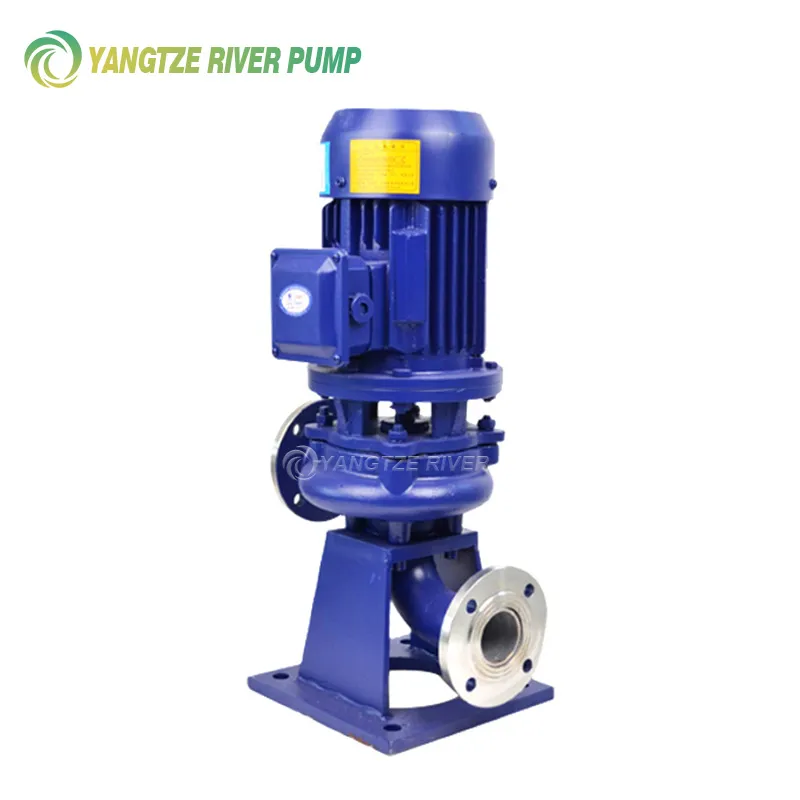 Non-clogging vertical wastewater pumps LW
-
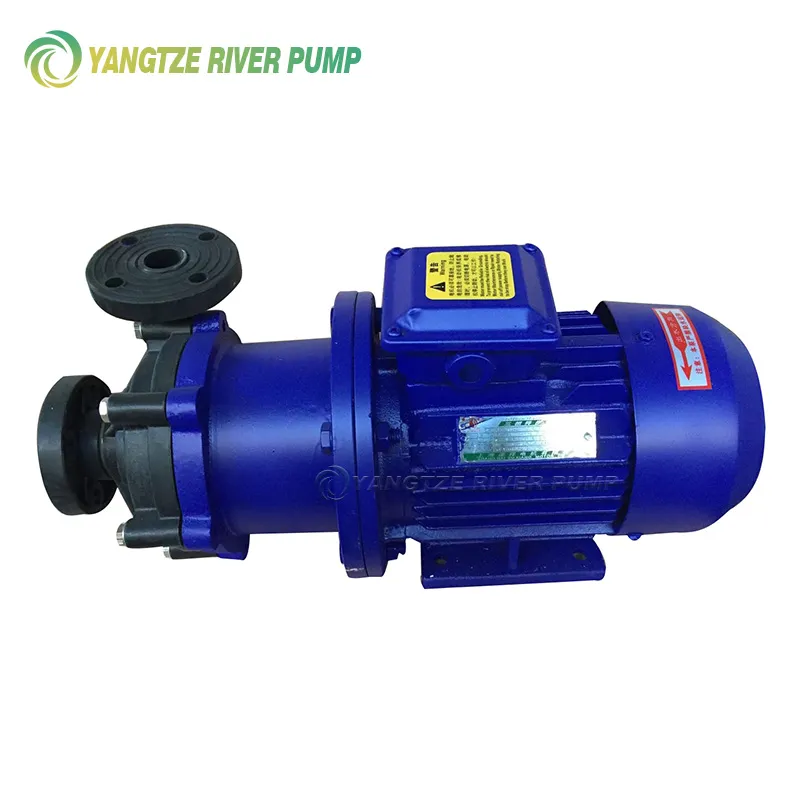 CQF Plastic Magnetic Pumps
Relatedsearch
Related Search- Single Stage Double Entry Centrifugal Pumps
- 1 vertical multistage centrifugal pump
- hot centrifugal pump
- diaphragm pump system
- Stainless Steel Chemical Centrifugal Pumps
- Horizontal multistage centrifugal pumps
- positive displacement pump diagram
- vertical semi-submersible centrifugal pump
- centrifugal pump for station
- Vertical centrifugal pumps