







centrifugal pump 32 m3 h
When you see a “centrifugal pump 32 m3/h” in the specification, the first thought is, well, a standard unit for pumping water, nothing complicated. But here lies the main catch, which we engineers often discuss at sites. The figure of 32 cubic meters per hour is not a guaranteed performance in any system, but rather a point on the performance curve at a certain pressure. How many times have you encountered a situation where the customer, having seen these numbers, already imagines an uninterrupted flow, but in reality the pump either “suffocates?” due to high network resistance, or it works at half capacity with a huge waste of energy. This is especially true for water supply systems or technological lines, where it is not just the volume that is important, but the stability of the parameters. Performance is just the tip of the iceberg; beneath the surface are issues of cavitation, fluid end material, shaft seal type and, of course, compliance with actual suction and discharge conditions.
From paper characteristics to “hardware”
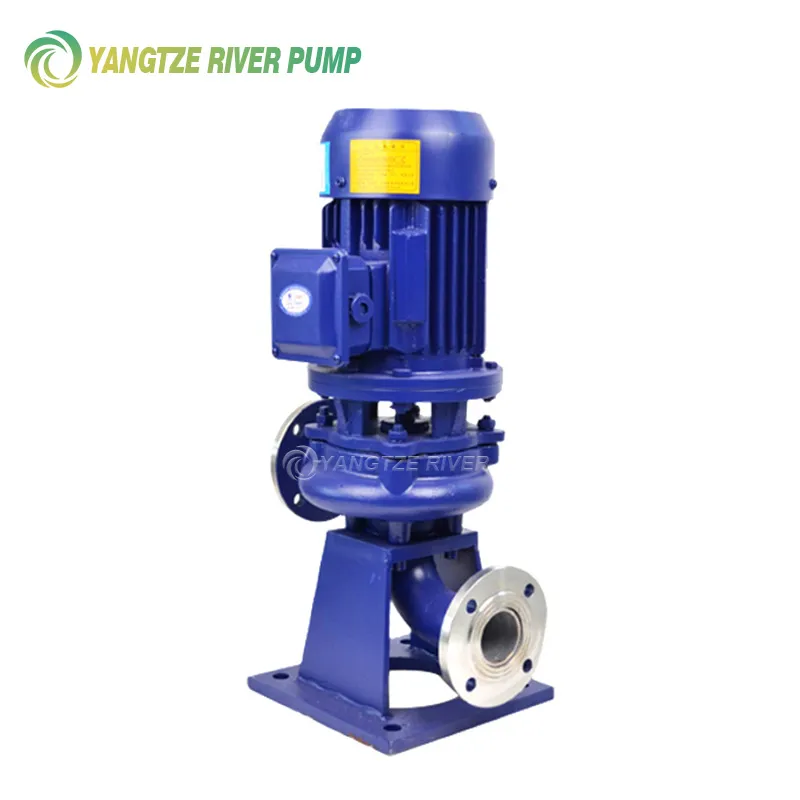
Take, for example, our experience in production. In ourZhejiang Yangzijiang Pumping Industry Co.,LtdThe line of centrifugal pumps includes models in this performance range. But when designers develop the nextcentrifugal pump, they do not come from the abstract 32 m3/h, but from a whole package of requirements: for what medium - clean water, mildly aggressive liquid, suspension? What's the temperature? What are the installation restrictions? Hence the choice: a conventional single-stage horizontal pump or, say, a linear centrifugal pump to save space. On the websiteyangtzeriverpump.ruThis is clearly visible in the product section - the range is wide, but each position solves its own problem.
Specifically, with a productivity of about 32 cubic meters per hour, we often have models from the ISG or IRG series. Why? They are versatile for many water supply and circulation applications. But here’s a nuance: if the client says “I need 32 cubic meters per hour?”, our technician immediately clarifies: “What pressure?” Because a pump that produces 32 m3/h at a head of 20 meters, and a pump for the same 32 cubic meters, but at 50 meters, are completely different machines in terms of engine power, hydraulic design and, accordingly, price. There was a story at one of the chemical plants - they purchased pumps according to the formal performance requirements, but they could not push the reagent through a long pipeline with a bunch of shut-off valves. As a result, we had to change to a multi-stage version, which, although it has a slightly lower efficiency at this point, creates the necessary pressure.
Testing at our stands is a separate matter. All pumps, including thosecentrifugal pumps 32 m3 h, they are tested not on water, but on liquids similar in density and viscosity to those stated in the passport. I’ve seen how young professionals are surprised when a feature filmed on the water “floats?” when pumping, relatively speaking, ethylene glycol. Therefore, we always specify test conditions in the documentation. Our eighth production line is just designed for final control - they check vibration, bearing temperature, and tightness. Without this, the product cannot be released.
Materials and real environments
Now about the material. If the pump is for clean water, then it is cast iron or stainless steel. But our portfolio also includes plastic chemical pumps. And here the figure 32 m3/h takes on a different meaning. For aggressive environments, performance is often secondary - the chemical resistance of the material of the flow part comes to the fore. Can we make a 32cc plastic centrifugal pump? Yes, we can. But will it be as durable as cast iron in water? It all depends on the specific reagent. There was an incident on a galvanic line: they installed a pump with the wrong type of polypropylene, and after six months microcracks appeared. We converted it to a pump with a PVDF flow part - the problem went away. Therefore, our sales department always requests from the client the most detailed description of the pumped medium.
This also applies to other types, such as magnetic pumps. They are sealless, which is critical for toxic or expensive environments. But their maximum performance is often limited by the power of the magnetic coupling. At 32 m3/h, a magnetic pump is already a rather serious and expensive unit. It should be used where leakage is absolutely unacceptable, and not just because you want “modern” stuff. solutions. Sometimes it is easier and more reliable to install a high-quality centrifugal pump with a double mechanical seal and a flushing system.
By the way, about self-priming pumps. They are often confused with conventional centrifugal ones. The client asks: “You need a pump with a capacity of 32 cubic meters per hour to pump out a well?”. Yes, a self-priming model can provide such performance, but only after it has been filled with liquid and created a vacuum. If we are talking about constant work on suction from depth, then perhaps a submersible pump will be a more effective solution. This also needs to be explained, and not just sold what was asked.
Installation and pitfalls operation
Let's say the pump is selected, produced, and shipped. The fun begins at the site. Correct installation is 70% of success. How many times have you come to commissioning and seen that the suction pipeline has a reverse slope to the pump, or there is no straight section in front of it to stabilize the flow? This immediately leads to cavitation, noise, loss of performance and rapid wear of the impeller. A pump designed for 32 m3/h, under such conditions, will produce 25, and even with devastating consequences for itself.
Another point is the strapping. Gate valves, check valves, pressure gauges. They often save on pipe diameters and install valves one size smaller. The resistance increases, the network characteristic shifts, and the operating point of the pump creeps far to the left of the optimal zone on its curve. It starts to work with overload and overheats. As a result, the client calls with a complaint: “The pump doesn’t work!?” But the problem is not in the pump, but in an incorrectly installed system. We have to go out, take measurements, explain. Therefore, we are now trying to apply basic strapping schemes to complex deliveries.
We must not forget about THAT. Bearing assemblies, stuffing box seals or mechanical seals all require attention. For pumps operating in a continuous cycle (and 32 cubic meters per hour is often such a task), we recommend vibration and temperature monitoring. A simple thermocouple can prevent serious downtime. In our production, we switched to using more reliable bearing supports in pumps of this capacity - there are fewer complaints.
Comparison with other types: when centrifugal is not a panacea
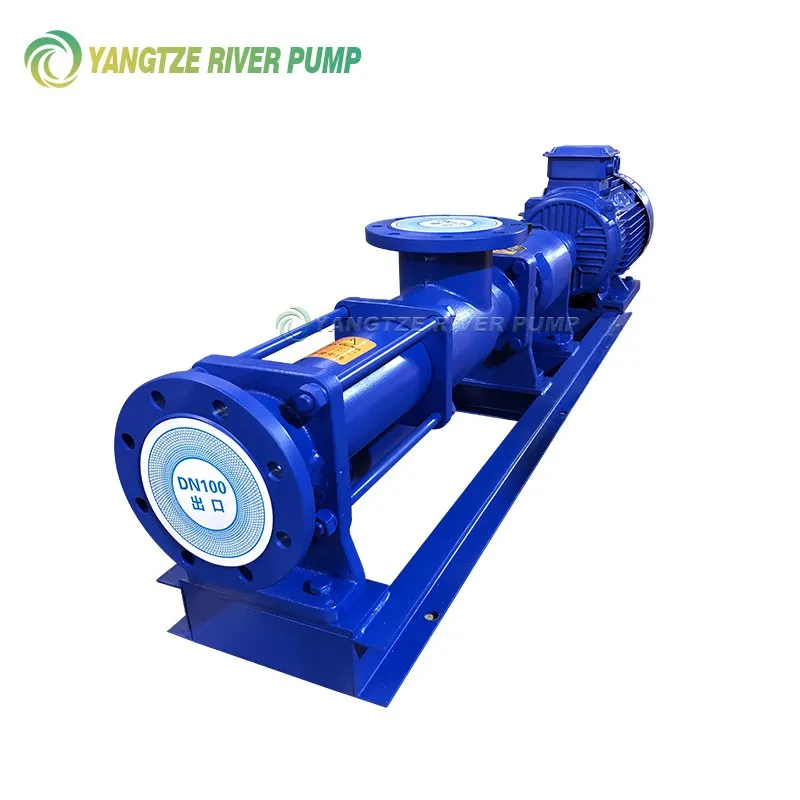
Sometimes a request for 32 m3/h makes you wonder: is a centrifugal pump really needed here? For example, for pumping highly viscous liquids such as syrups or sludges, even at this flow rate a single screw pump may be more efficient. Its performance is more consistent and less dependent on back pressure. With an increase in viscosity, a centrifugal pump sharply loses both pressure and performance, and power consumption increases.
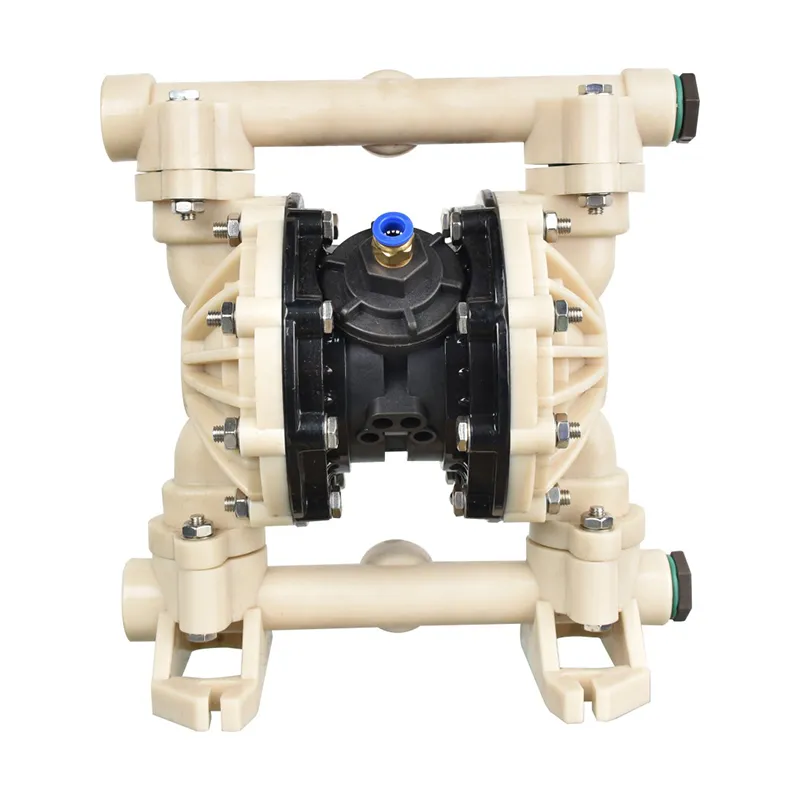
For dosing or pumping abrasive slurries, a diaphragm pump is sometimes better suited. Although it works cyclically, it easily copes with suspensions, which for a centrifugal pump mean rapid wear of the wheel and housing. We produce both, so we can offer an objective solution. The engineer’s task is not to push a specific type, but to find the optimal one for the process.
There are also opposite situations. The client is considering a complex and expensive solution, but in fact, a standard cast iron centrifugal pump is sufficient. For example, for circulating hot water in a heating system. Reliable, repairable, no problems with spare parts. Our IRG line is just for such cases. The main thing is to choose the right seal material for the temperature.
A look from inside production
Working inZhejiang Yangzijiang Pumping Industry Co.,Ltd, you see the whole cycle. From the design KB drawing to the packaging of the finished product. For a pump with parameters of ~32 m3/h, the process is debugged, but not automated to the point of thoughtlessness. During the assembly phase, for example, alignment of the shaft with the impeller is critical. The slightest misalignment and vibration is guaranteed. Our experienced fitters do this almost by touch, based on experience, then checking with indicators.
Quality control is more than just a tick box. Every pump is tested. And if the passport data (those 32 m3/h at a certain pressure) do not agree within the tolerance limits, the unit is not shipped. It returns for disassembly and analysis. Most often the reason is due to casting tolerances of the impeller or the quality of the surface treatment. Little things, but they matter.
That is why we maintain a full cycle in the company: R&D, production, testing, sales and service. Because you understand - a pump is not a product off the shelf. This is part of the customer's technological chain. If he gets up, the workshop stops. Our task is to make sure that this does not happen due to the quality of the equipment. Even such a seemingly ordinary apparatus ascentrifugal pump 32 m3 h, bears this responsibility. And when you see how your pumps have been working flawlessly for years at different sites, you understand that all these nuances, selections and clarifications were not in vain.
Correspondingproducts
Related Products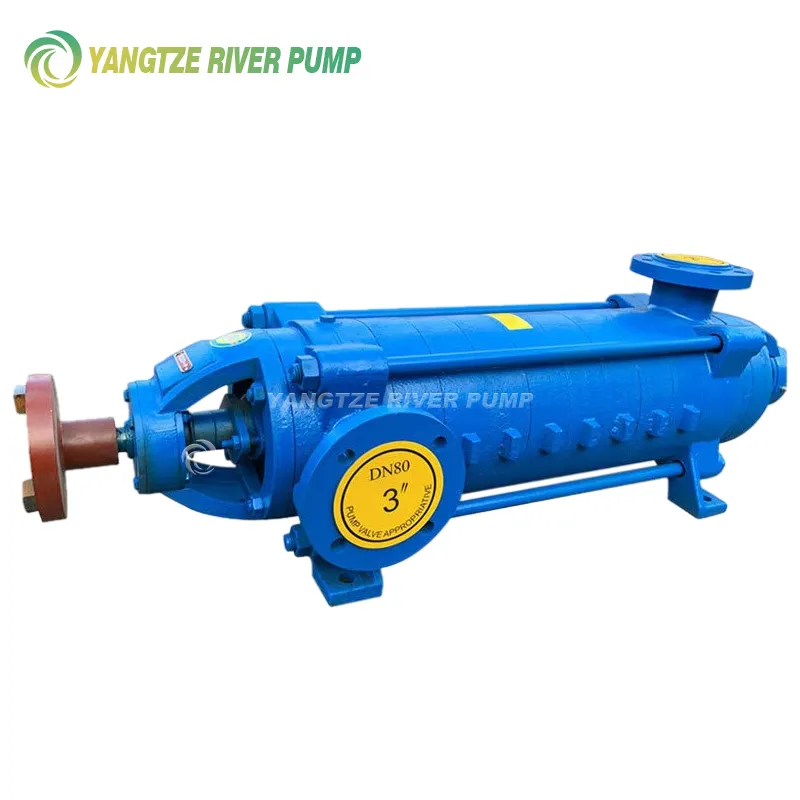

Best Sellingproducts
Best Selling Products-
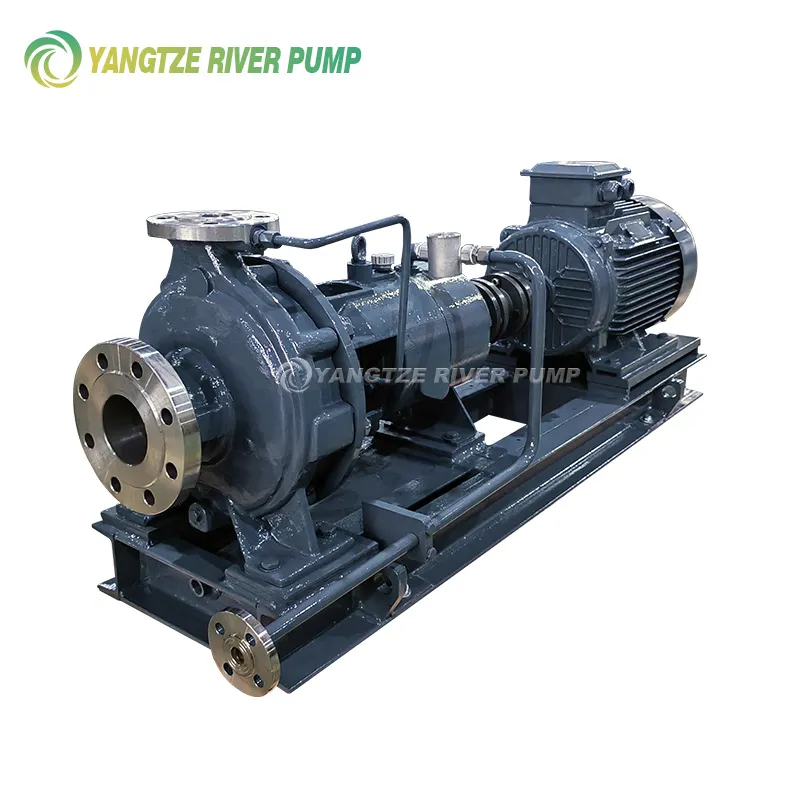 Petrochemical Process Pumps API 610 YZA
-
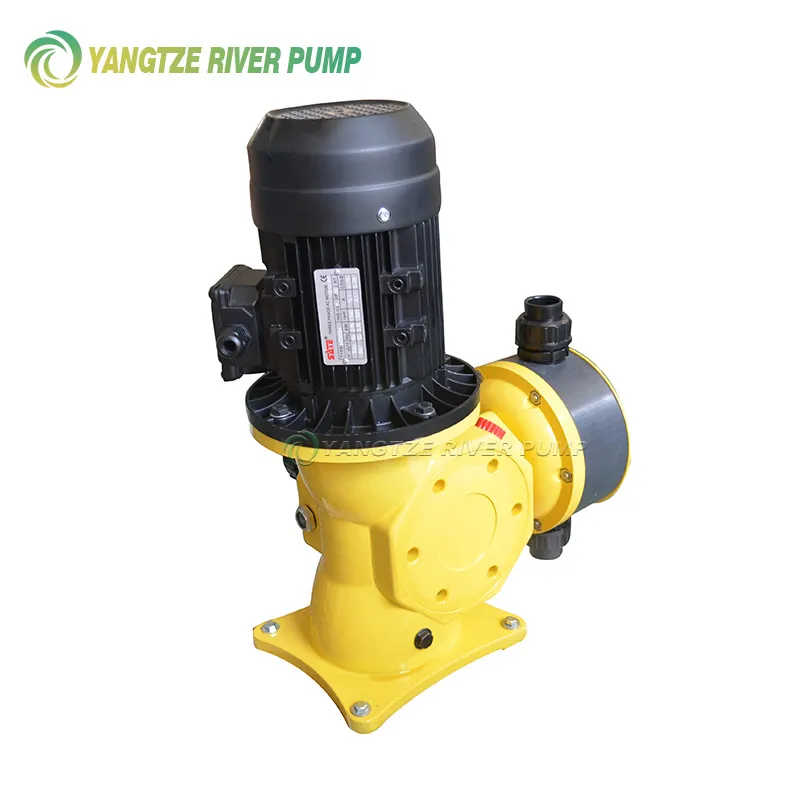 Mechanical diaphragm dosing pumps DJ-D
-
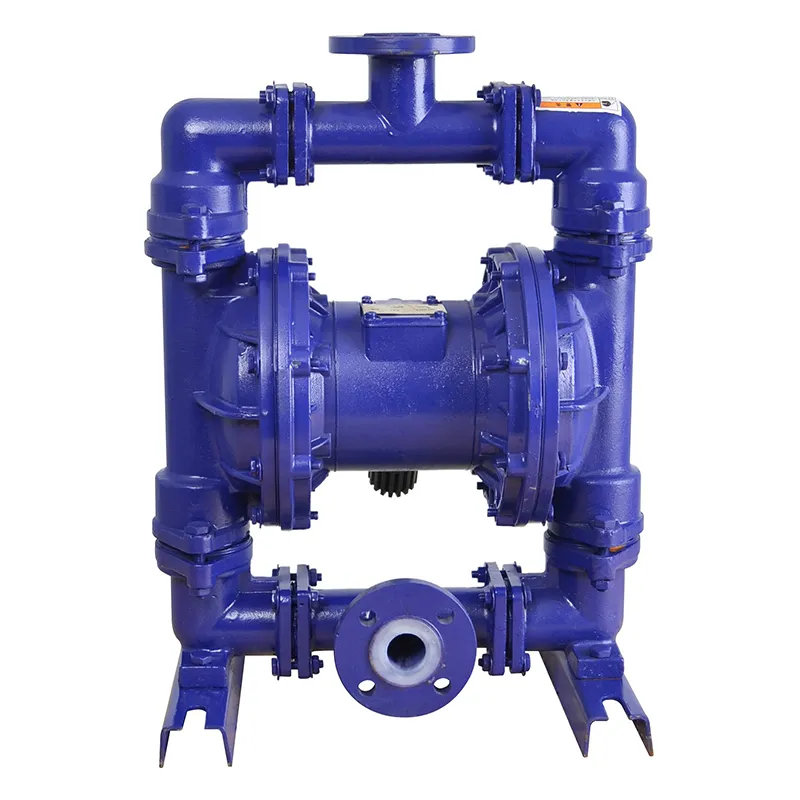 Metal pneumatic diaphragm pumps QBK
-
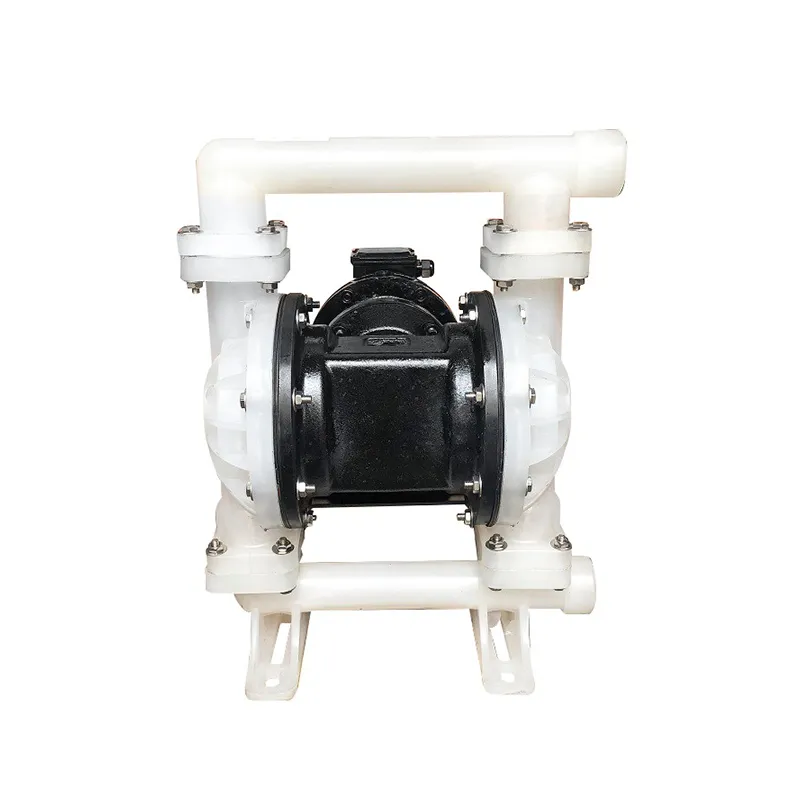 DBY Non-Metallic Electric Diaphragm Pumps
-
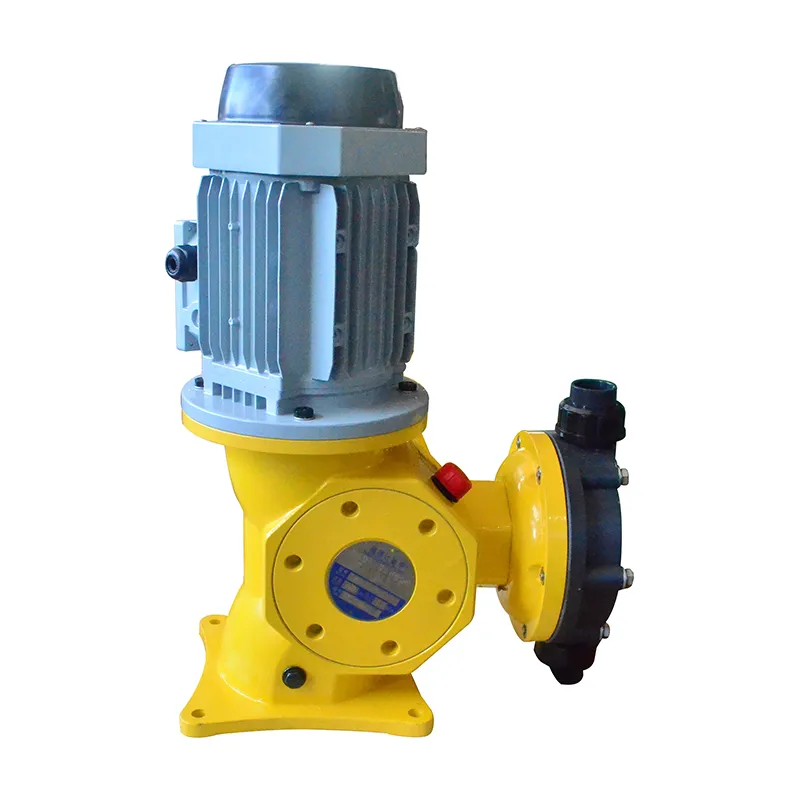 Mechanical diaphragm dosing pumps DJ-Z
-
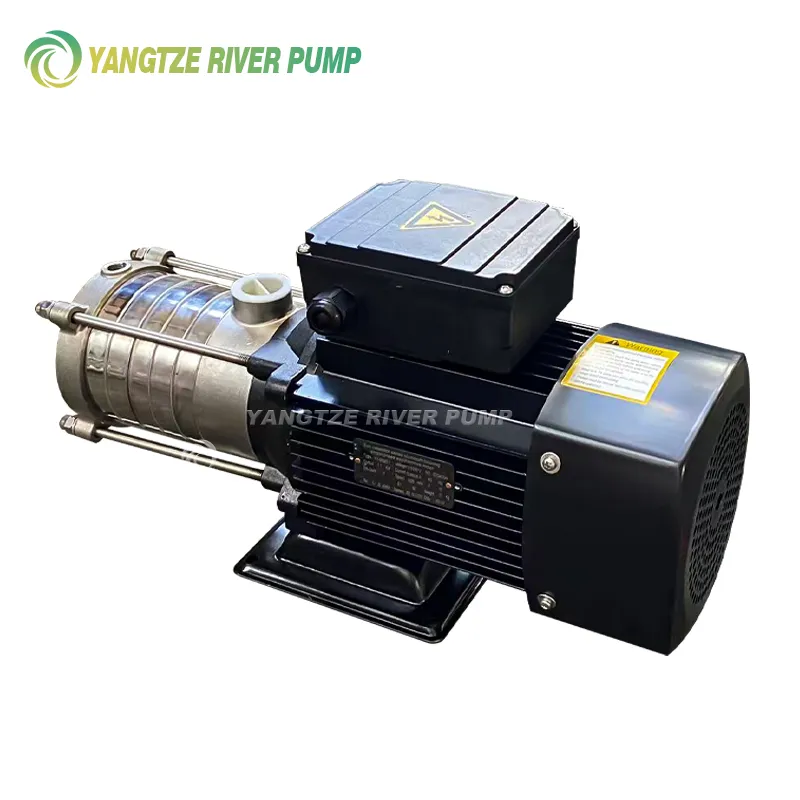 Horizontal multistage centrifugal pumps (light series) CHL and CHLF
-
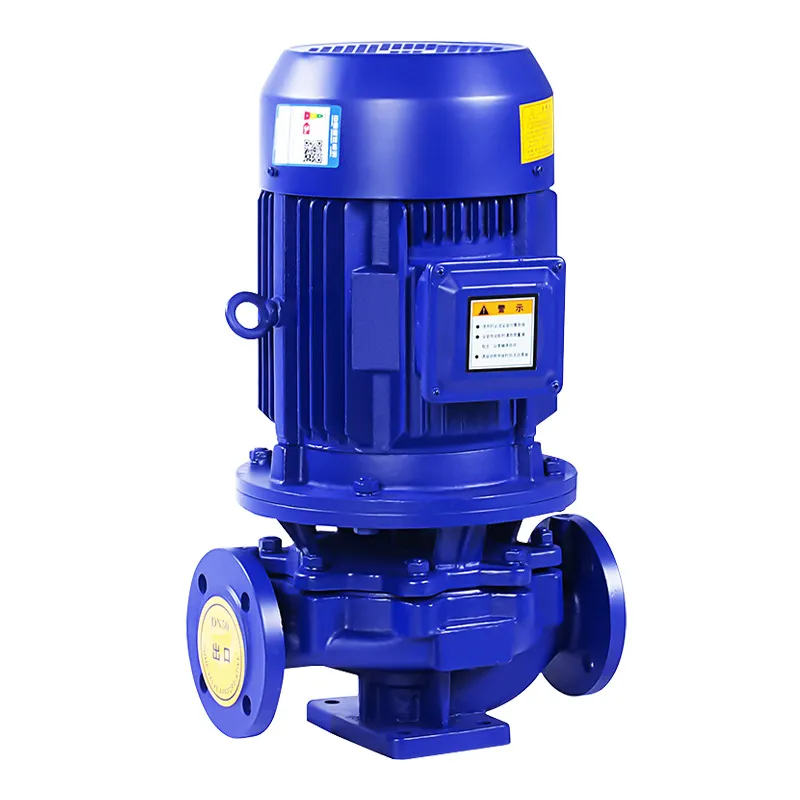 Vertical single-stage pipeline centrifugal pumps ISG and IHG
-
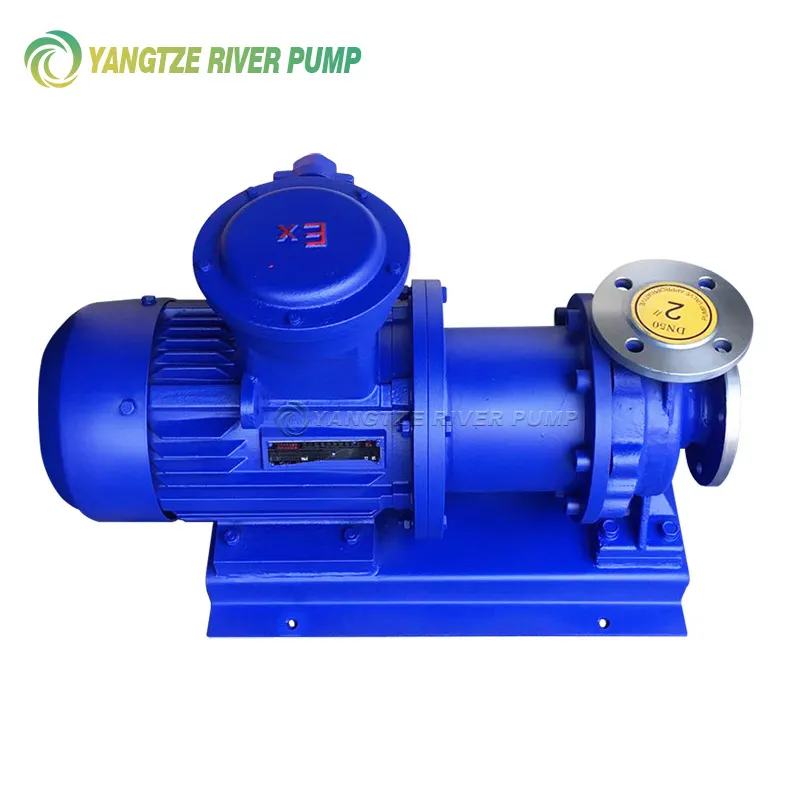 CQB Stainless Steel Magnetic Pumps
-
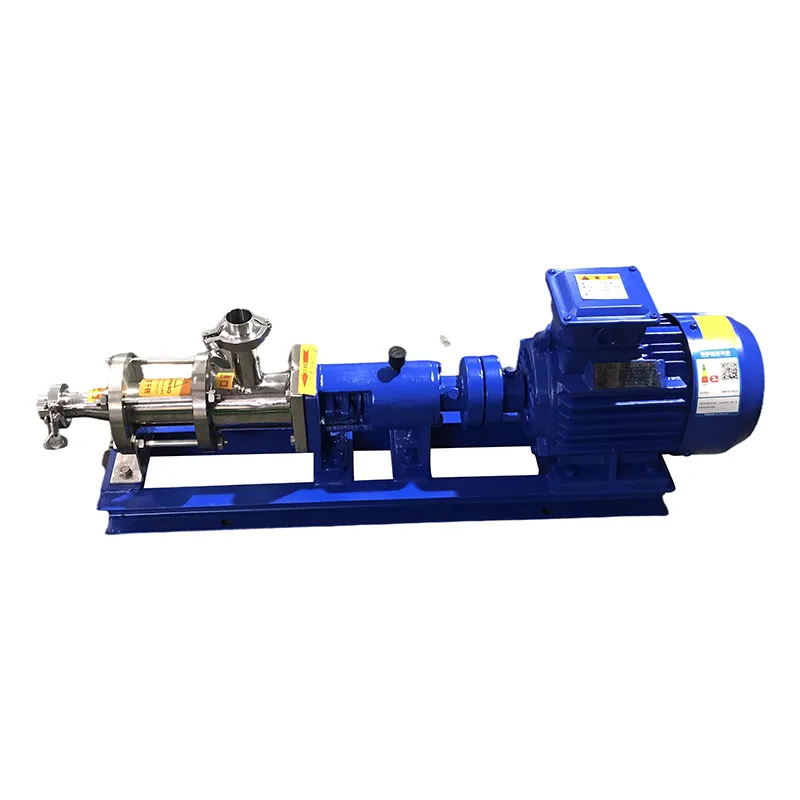 Sanitary screw pumps type GF
-
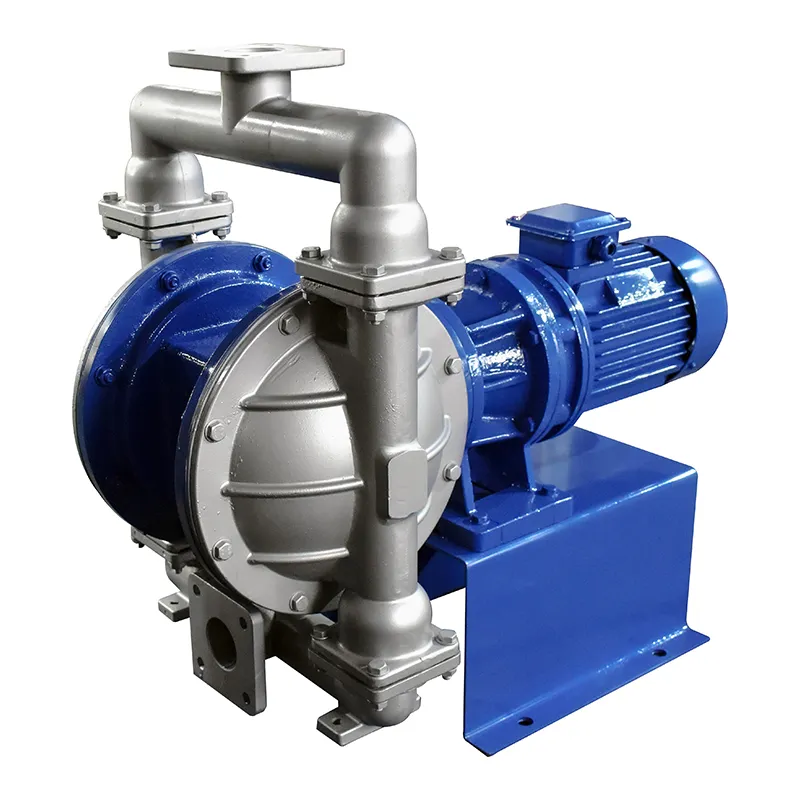 Metal electric diaphragm pumps DBY
-
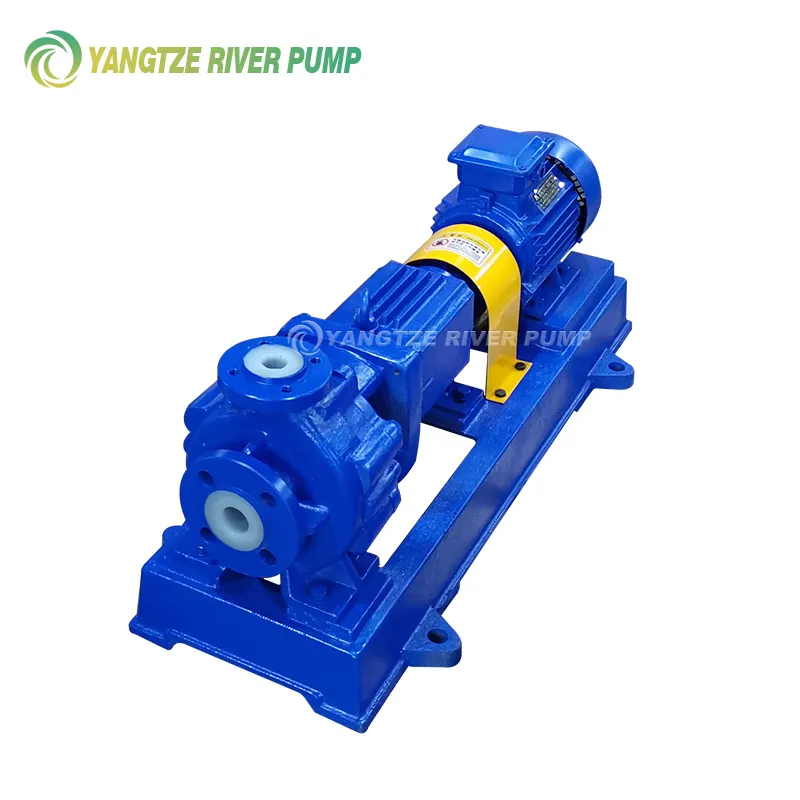 IHF PTFE Chemical Centrifugal Pumps
-
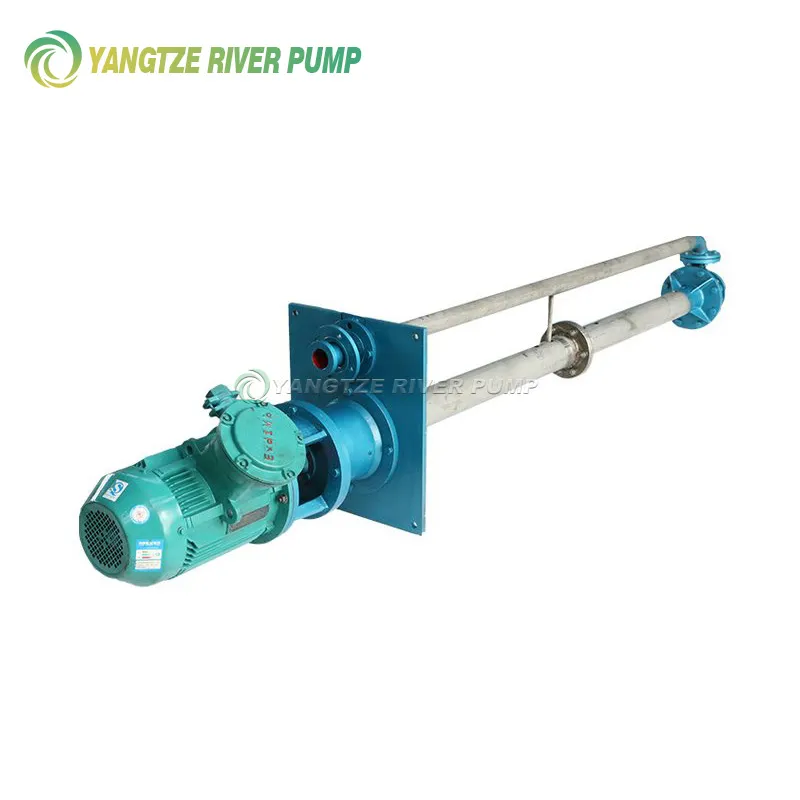 FY Submersible Chemical Pumps