







in-line centrifugal pumps
When they talk aboutin-line centrifugal pumps, many people immediately imagine just a compact unit that they cut into a pipe - and everything works. But in practice, if we take the industrial segment specifically, nuances begin here that are not always written out in bold in catalogs. I myself have been dealing with the selection and operation of such equipment for many years, and I often see how customers focus on basic parameters - pressure, flow, engine power - and then at the site questions arise about installation, maintenance, or, say, the behavior of the pump when the pressure in the network is unstable. It is these practical points that I would like to speculate on, based on experience, including with equipment from Zhejiang Yangtzejiang Pumping Industry LLC.
In-line design: not only about saving space
Yes, the main advantage of the linear design is installation directly on the pipeline without the need for a massive foundation. But if you dig deeper, the key issue becomes the shaft alignment and hydraulic unloading. In our projects, especially with multi-stage models, we had to deal with a situation where a pump, declared as 'in-line', during operation produced vibration above the permissible level. The reason was often not in the unit itself, but in the fact that the piping next to it was rigidly fixed, not allowing a single millimeter for thermal expansion. Manufacturers seem toZhejiang Yangzijiang Pumping Industry Co.,Ltd, usually give clear recommendations on installation clearances, but for some reason they are often ignored, trying to 'shove' the pump into the tightest space possible.
Another point is access to seals. With classic cantilever pumps, removing the back cover is relatively simple. In the in-line version, especially when it comes to pumps with a mechanical seal rather than a gland packing, sometimes it is necessary to dismantle the entire assembly with pipelines for inspection. This must be included in the project from the very beginning. On the website yangtzeriverpump.ru, by the way, in the descriptions of their linear centrifugal pumps they often emphasize designs with modular designs of covers and chambers, which in theory should simplify maintenance. In practice, I tested it on one of their models for hot water supply - indeed, replacing the seal took less time than I expected, but it required a special puller, which was included in the kit. A small but important detail.
And of course, the material of the flow part. Cast iron is also suitable for water, but if we are talking about, say, slightly aggressive environments in chemical production, then they already look at stainless steel or even plastic. The mentioned company also includes plastic chemical pumps in its product range, which logically expands the scope of application of the linear principle. But here it is important to understand: plastic is different from plastic, and the temperature regime for such solutions is usually strictly limited.
Selection of parameters: where mistakes are most often made
The most common mistake is to take the pump strictly according to the design points of 'maximum efficiency'. Systems rarely operate in one, ideal mode. Pumpcentrifugal in lineoften installed on heating, water supply, and circulation systems. And the load there is floating. If the pressure-flow characteristic curve of the pump is too steep, then even a small change in flow rate (several risers are blocked, for example) will lead to a sharp jump in pressure, which can be critical for the fittings and the equipment itself. Therefore, I always advise looking at flat areas of the characteristic, even if the efficiency is slightly lower there. Multistage linear pumps, by the way, are often better at this - the characteristic is flatter, the pressure increases in steps.
The second point is cavitation. For some reason, it is often thought with linear pumps that since they are embedded in a pipe, problems with suction suction head (NPSH) do not affect them. This is a dangerous misconception. If there is a long horizontal section in front of the pump, several turns, a coarse filter, the pressure loss can be significant. This is especially sensitive for hot environments. I had a case at a site where a linear pump for circulating hot water began to make noise and lose pressure after six months of operation. It turned out that the pressure on the suction filter, which was rarely cleaned, had dropped below the permissible pressure for the given water temperature. I had to recalculate and install a pump with a lower required cavitation reserve. Now, when selecting, I always require a piping diagram at least 5 meters before the pump.
And third, working in pairs or in a cascade. Linear pumps are conveniently installed in parallel to increase flow or in series to increase pressure. But there is a subtlety with automation and characteristics. If the characteristics of pumps, even of the same model, but from different batches, differ slightly, then the load will be unevenly distributed between them. One can work at full capacity, and the second can 'stand idle' in low efficiency mode. I saw this at a boiler room where there were three identical in-line pumps from the same manufacturer. We had to adjust the valves at the output of each to equalize the motor currents. It is more ideal, of course, to use frequency converters with common control.
From practice: a case of on-site replacement
I would like to give an example from a real project, not advertising, but rather instructive. At one of the food production plants there was an old linear centrifugal pump made of stainless steel for pumping syrup. The unit was morally and physically outdated, and it was impractical to repair it. The task is to select a replacement with similar parameters, but taking into account modern requirements for energy efficiency and the possibility of easy washing.
We considered several options, includingZhejiang Yangzijiang Pumping Industry Co.,Ltd. In their lineup there were justcentrifugal pumps in linemade of AISI 304 stainless steel. What attracted me was that the description indicated the possibility of quick disassembly without dismantling pipelines (the declared 'back pull-out' design). This was critical, since the technological window for cleaning the circuit was very short. But before making a decision, they asked for a sample of the seal. We pumped a viscous medium with possible small sugar crystals. A standard mechanical seal could quickly fail. As a result, after consultations with the manufacturer’s technical department, we settled on an option with a double end seal with a flushing cavity. This increased the cost, but provided a guarantee for the work.
The replacement itself went, in general, normally. But an unexpected installation problem arose: the new pump flanges were made according to one standard, and the old pipelines were made according to another. The difference in the thickness and diameter of the holes of just a couple of millimeters led to the fact that when tightening with standard bolts, a misalignment was created. I had to urgently look for adapter washers. Conclusion: even with seemingly standard DN 65 flanges, you need to check not only the diameter, but also the standard of execution (for example, DIN vs GOST). Now it's on my checklist.
After starting, the pump worked perfectly, consumption according to the meter even decreased slightly compared to the old one - apparently due to a more efficient impeller. But the main test was a month later, after a planned stop and flushing. The design actually made it possible to disconnect the engine and pull out the rotor group without disturbing the pipes. This took about 40 minutes instead of the planned hour and a half.
Maintenance and reliability: what to look for after installation
It is believed that once the pump is installed and started, it will work for years. This opinion is especially true aboutin-line centrifugal pumpsbecause of their apparent simplicity. But monitoring is necessary, and it is not limited to measuring pressure and current.
The first is vibration. Even a slight increase in vibration on the casing may indicate the beginning of erosion of the impeller, imbalance or wear of the bearings. For critical systems, I recommend installing simple vibration sensors with output to the panel. The second is the temperature of the housing and stuffing box (or seal block). Manual measurements with a thermometer once per shift can prevent serious damage.
And the third thing that is often forgotten is the condition of the pipe supports around the pump. If the pump is firmly embedded in the line, and the pipeline supports are sagging or weakened, then the entire load from the weight of the pipes and the medium will fall on the pump flanges. This may cause them to crack. I encountered this on an external network. Therefore, when walking around, I always glance not only at the unit itself, but also at what stands before and after it.
As for the reliability of specific brands, it is difficult to give unambiguous assessments. The Yangtzeriverpump equipment we dealt with performed well in water supply and circulation tasks. But I always insist on factory testing before shipment, especially for non-standard versions. In their case, judging by the description on the website, their own test benches are included in the production lines, which should, in theory, guarantee verification of the parameters. In practice, requesting a test report is never superfluous.
Instead of a conclusion: thoughts on technology development
Looking forward, the trend for linear centrifugal pumps, it seems to me, lies in two planes. The first is the further integration of smart sensors and the possibility of integration into industrial IoT. Already, some manufacturers offer pumps with ready-made connectors for connecting vibration, temperature and even lubricant analysis sensors. For large systems, where there are dozens of such pumps, this provides huge savings on diagnostics.
The second is materials. The emergence of new polymers and composites that are resistant to a wide range of chemicals and temperatures will further expand the scope of application of linear pumps in the chemical and food industries, displacing more bulky and expensive solutions. We may soon see production linear pumps made entirely from reinforced PEEK or similar materials for truly harsh environments.
In general,in-line centrifugal pumpremains the workhorse for many engineering systems. The main thing is not to perceive it as a simple 'black box' that can be inserted into any pipe. Like any technical device, it requires competent selection, installation taking into account all the nuances and careful attention during operation. And then it will work out its resource completely, without surprises. And choosing a manufacturer is a matter of specific technical conditions, budget and, importantly, the availability of service support and spare parts. After all, a pump is not only metal and an electric motor, but also the ability to quickly get the right part or advice when necessary.
Correspondingproducts
Related Products

Best Sellingproducts
Best Selling Products-
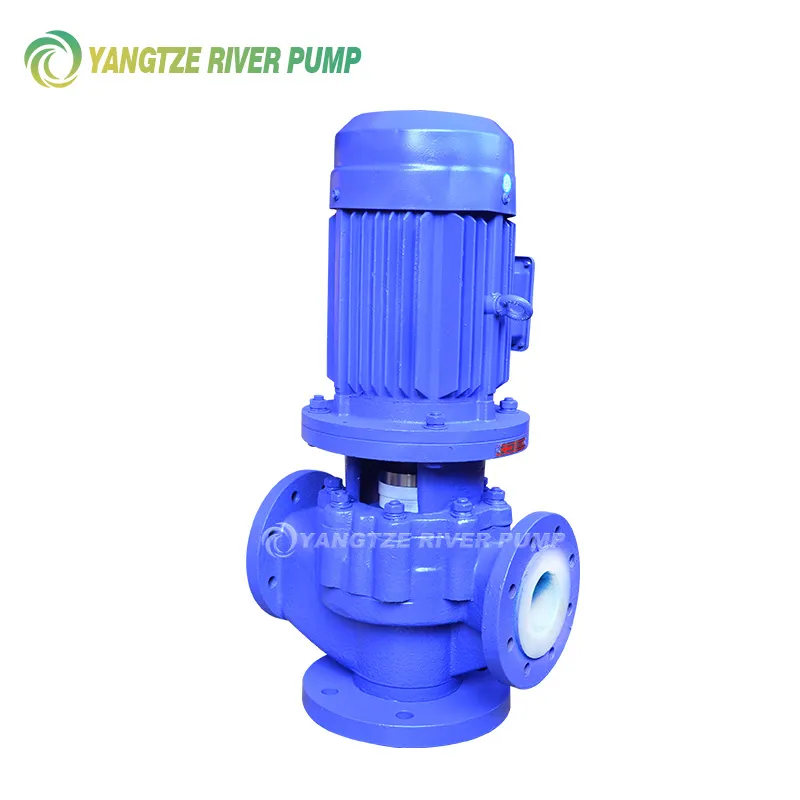 Vertical pumps with PTFE lining YQF
-
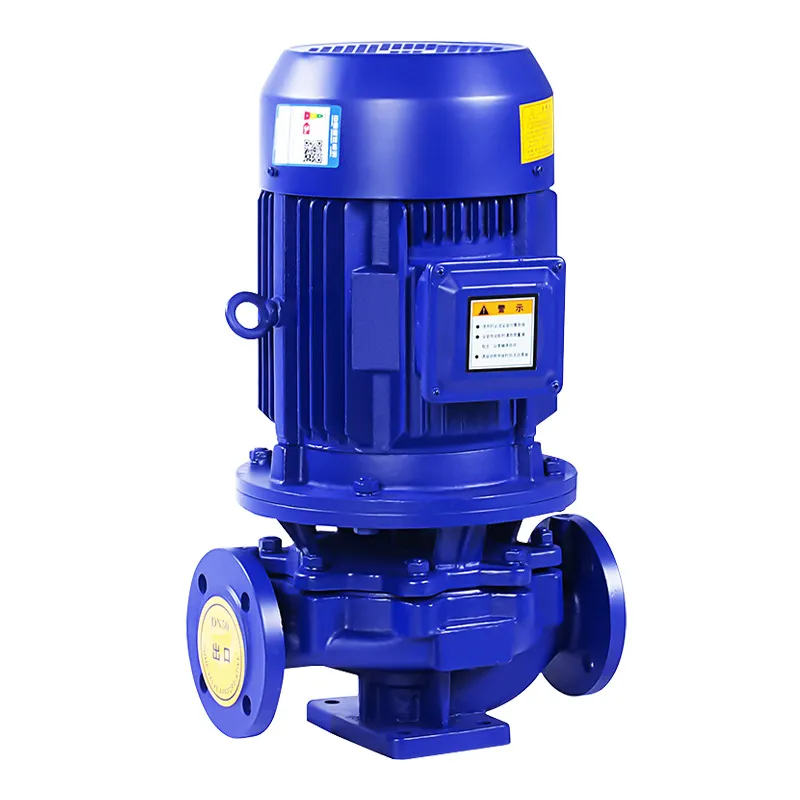 Vertical single-stage pipeline centrifugal pumps ISG and IHG
-
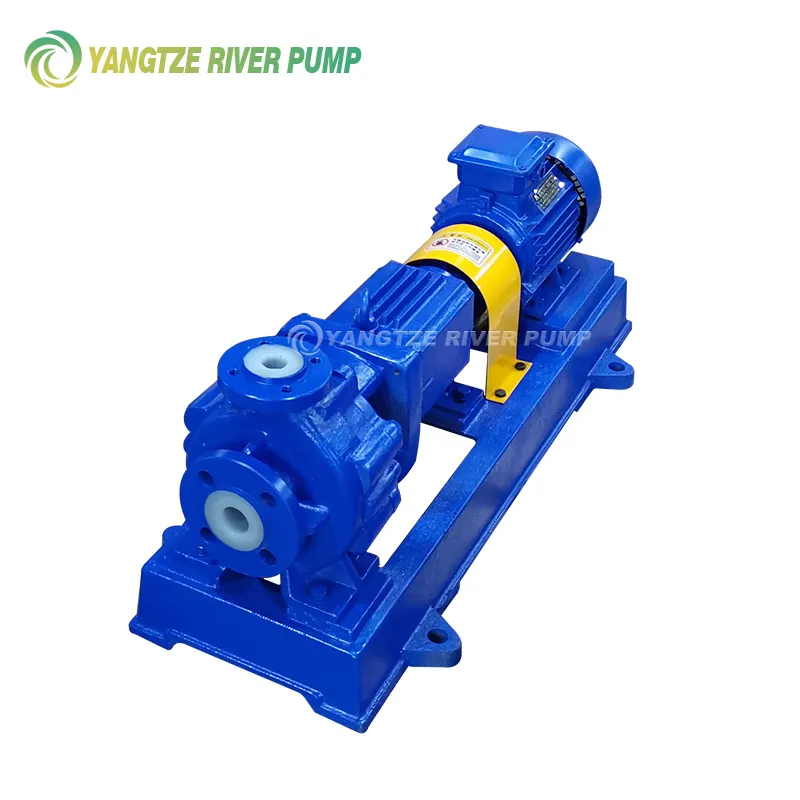 IHF PTFE Chemical Centrifugal Pumps
-
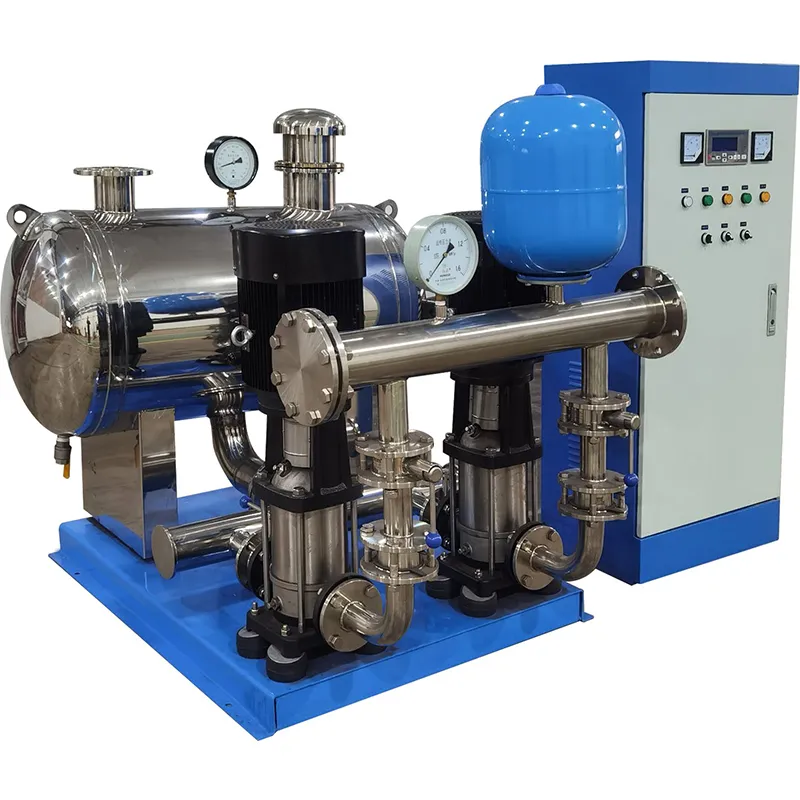 Complete water supply installations with frequency regulation and constant pressure CDLF
-
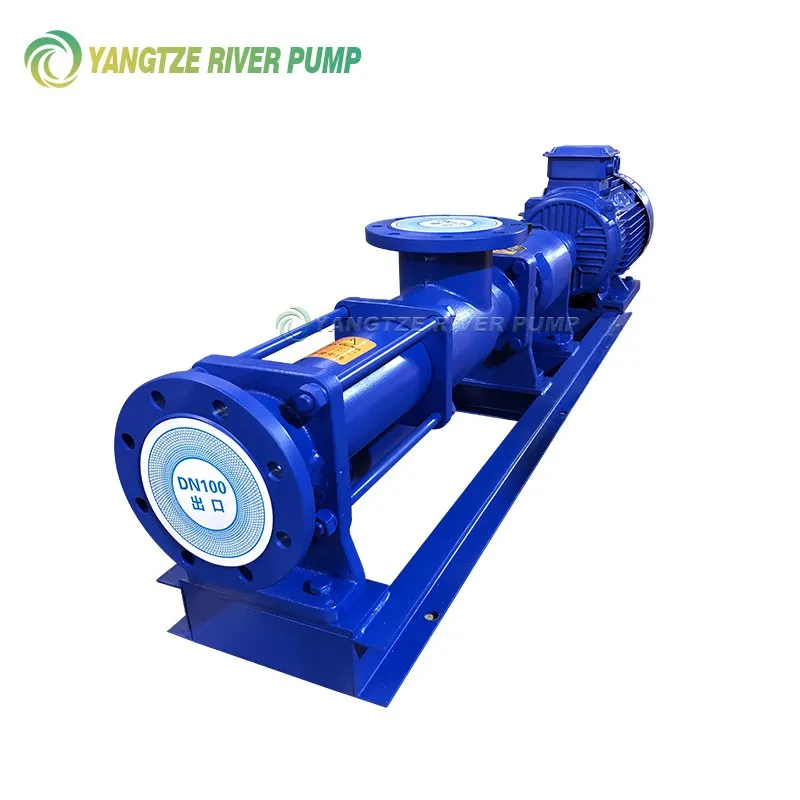 Single screw pumps type G
-
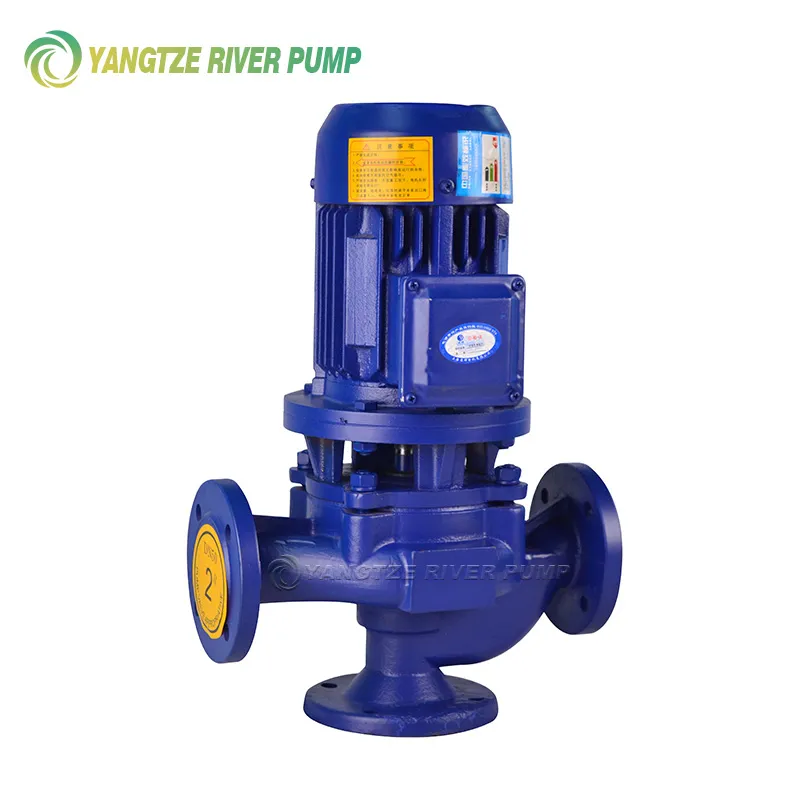 Pipeline wastewater pumps GW
-
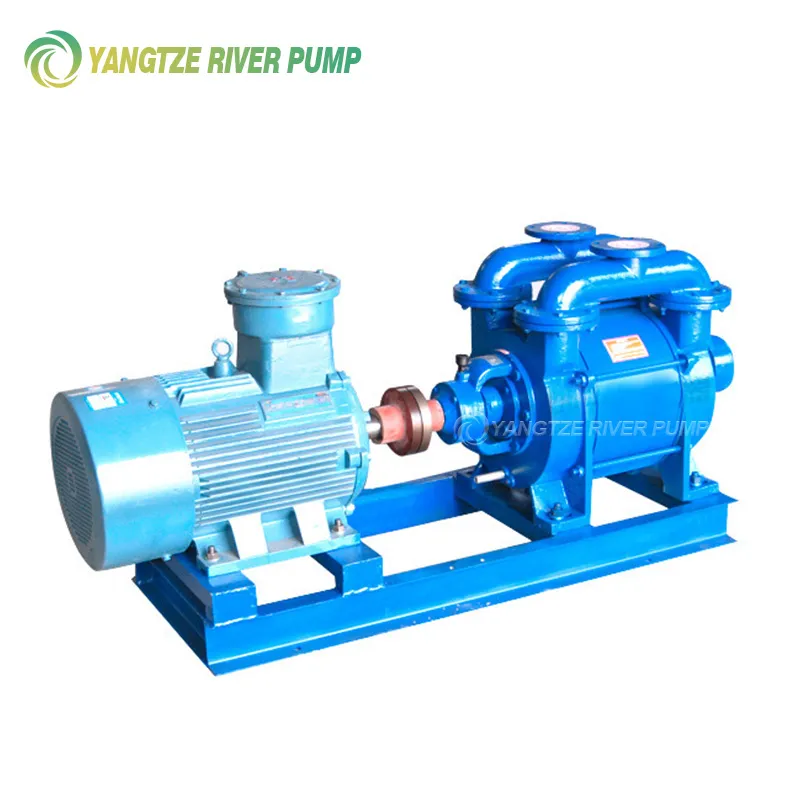 Liquid ring vacuum pumps type SK
-
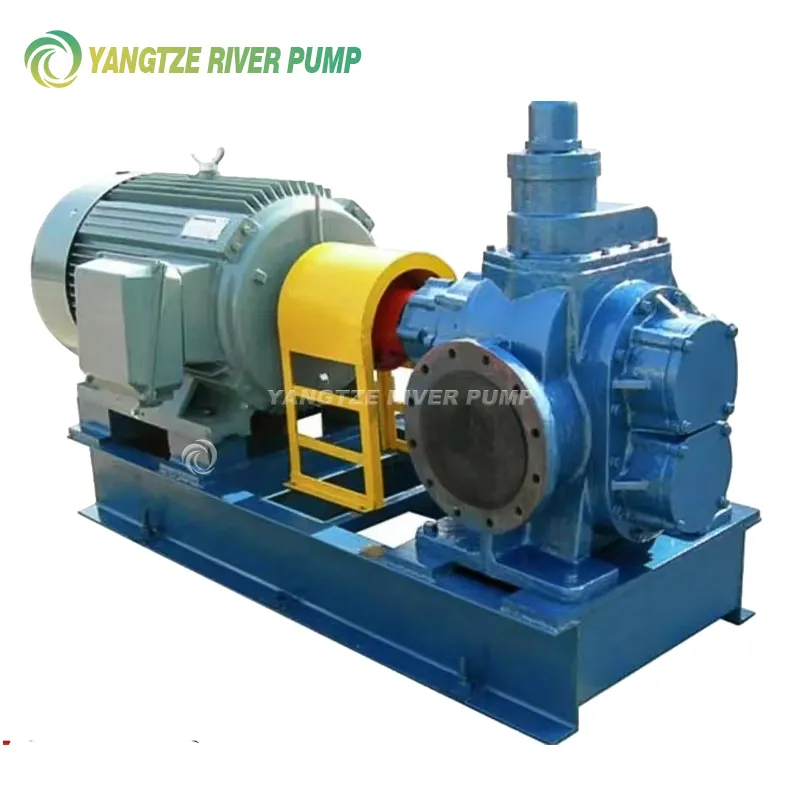 YCB Type Circular Gear Pumps
-
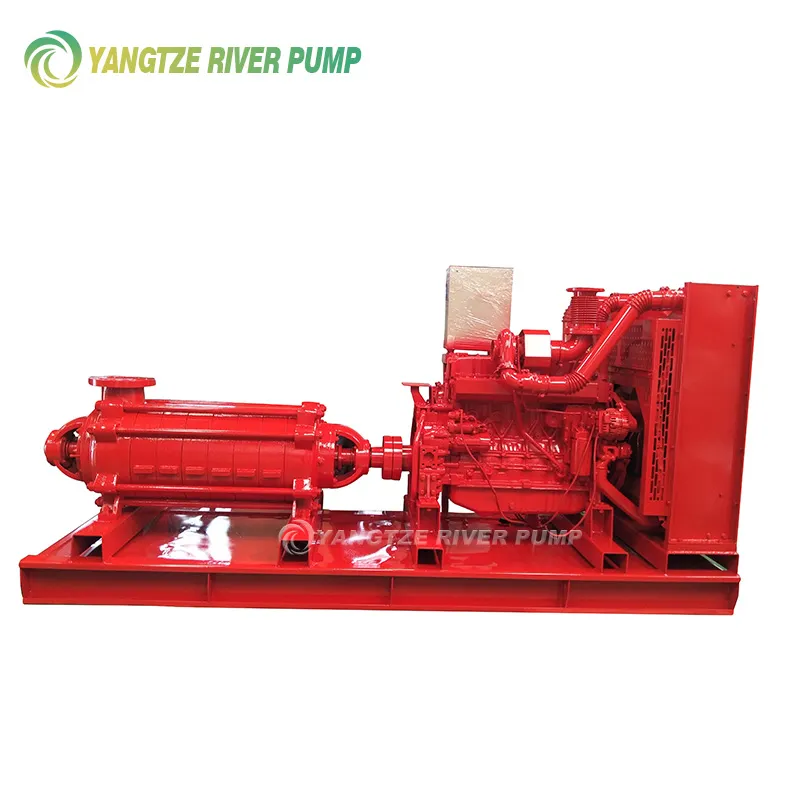 YZD Series Diesel Multistage Centrifugal Pumps
-
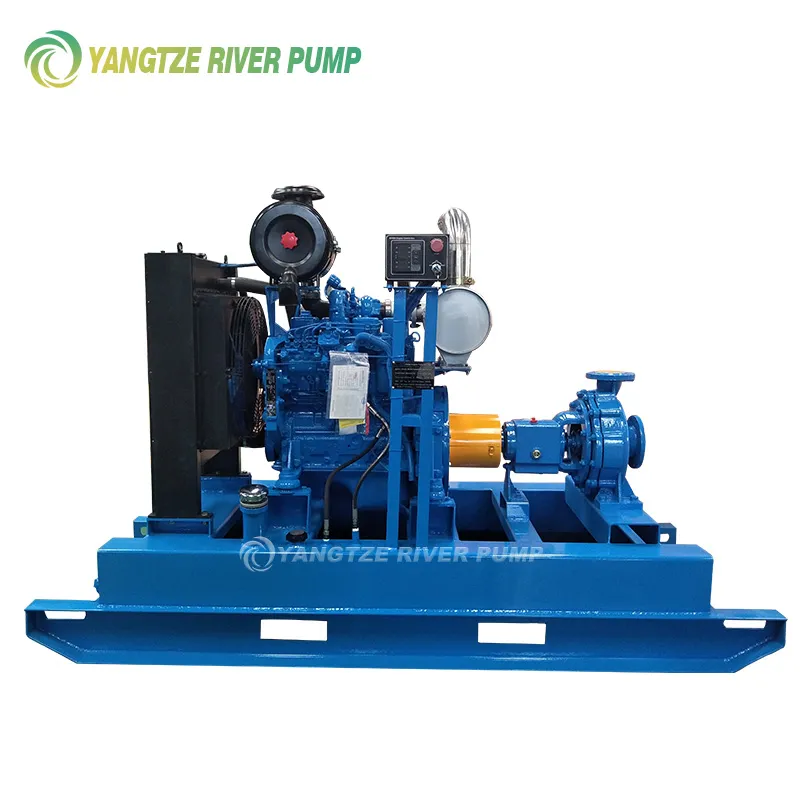 YZIS Diesel Single Stage Centrifugal Pumps
-
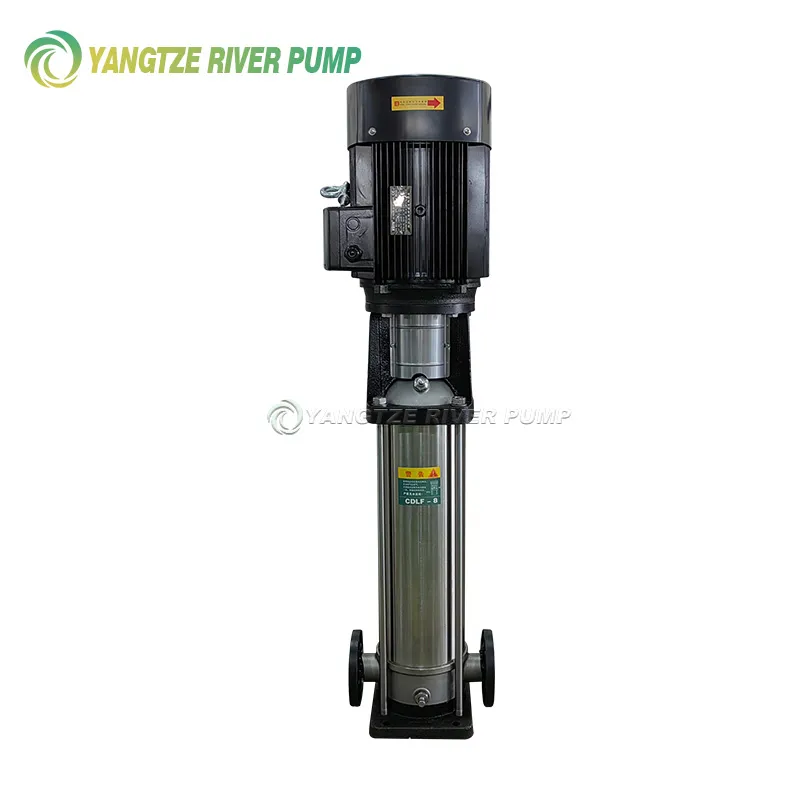 Vertical multistage centrifugal pumps made of stainless steel (light series) CDL and CDLF
-
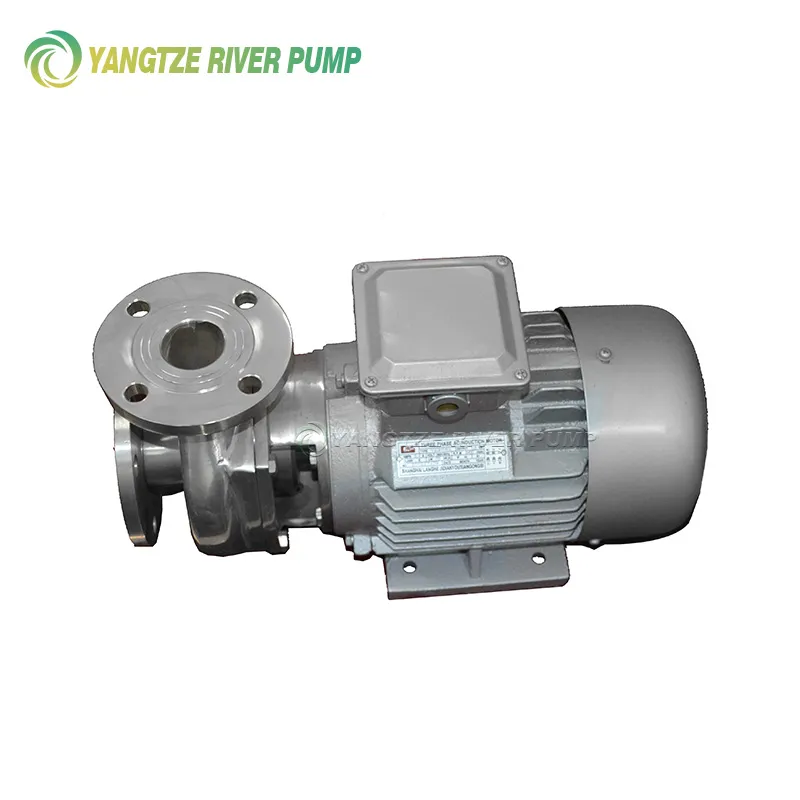 Corrosion-resistant stainless steel centrifugal pumps SFB and SFBX
Relatedsearch
Related Search- Stainless steel deep well pumps
- stainless steel centrifugal pump
- simple centrifugal pump
- best screw pumps
- Diesel single stage centrifugal pumps
- Vertical multistage centrifugal pumps made of stainless steel
- submersible centrifugal water pump
- vacuum pump from storage
- YZSH Horizontal Split Diesel Pumps
- diaphragm pump dispenser