







deep reliable pump
When you hear “reliable deep well pump?”, the first thing that comes to mind is, of course, durability. But this is where the main pitfall lies. Many people think that reliability is just a thick metal case or a well-known brand on the nameplate. In fact, especially in the conditions of our, let’s say, not always ideal wells, everything depends on a combination of factors: from the resistance of the material to a specific composition of water to the ability of the pump to maintain stable pressure when the flow rate fluctuates. I often see people chasing maximum power, and then wondering why the unit failed after a couple of seasons. It’s not a matter of power, but a matter of correct selection for hydrogeological conditions. This is what I want to talk about, based on what I personally encountered.
Let’s take it apart piece by piece: what makes up “reliability?”
I'll start, perhaps, with the most vulnerable one - the electric motor. Bdeep well pumpit works in extremely cramped conditions: cooling is difficult, voltage drops in the network are possible, and simply long-term operation at extreme conditions. Our production experience at Zhejiang Yangzijiang Pump Industry LLC has shown that the key is the insulation class of the windings and the overheating protection system. You can't skimp on this. For example, for our models we use motors with insulation class F and higher, and also build in thermal protection that not only turns off the pump when it overheats, but also tries to restart it after cooling. This helps in situations where the water level in the well temporarily drops.
The second point is the materials of the flow part. Everything here depends on water. In one well there may simply be high mineralization, in another there may be the presence of fine abrasive sand, in a third there may be an aggressive environment. There is no universal solution. Stainless steel AISI 304 is good, but for salty or hydrogen sulfide water it is better to look at AISI 316. And for wells with sand, it is sometimes more rational to install wear-resistant composite materials on the impellers, even if they are more expensive. I remember a case when a client insisted on the most expensive “stainless” one. option for your sand well. Six months later - a call: a drop in productivity. Disassembled - the impellers are worn out. We had to explain that stainless steel does not always equal wear resistance, and they selected him a model with reinforced polymer-ceramic elements. It still works.
And the third, often underestimated factor is the hydraulic circuit. Multi-stage design, which we often use in oursubmersible pumps, is not just a way to get high pressure. It is also a question of stability. Each stage operates in its own optimal mode, reducing the overall cavitation load and vibration. And the less vibration, the less wear on bearings and seals, the longer the service life of the entire unit. It might seem like a simple thing, but it is what distinguishes a pump that simply pumps water from one that does it consistently and without problems for years.
Field tests: theory vs well reality
Laboratory benches are one thing. There is ideally even voltage, clean water at room temperature. But a real well 50-80 meters deep is a completely different testing ground. One of the most common problems you encounter during commissioning is the so-called “floating” problem. flow rate The well produces either 3 cubic meters per hour or 1.5. And if the pump is selected “butt-to-tail”? in terms of performance, it begins to work in a mode of frequent on-off, which is like death for any electric motor.
This is where the right automation comes to the rescue and, again, a margin of parameters. I always advise clients to install frequency converters or at least a pressure switch with large hysteresis and a hydraulic accumulator of a decent volume. This is not just “convenience”, it directly affects the resourcedeep well pump. I myself saw how a pump that worked with such a system for 7 years was better in terms of the state of its internals than its analogue that worked for 3 years in the “switched on-pumped everything out-turned off” mode.
Another real case is editing. It would seem that it was complicated: I lowered the pump into the casing, connected the cable and pipe. But no. Incorrect cable binding (not made of stainless steel), lack of a protective sleeve on the cable at the point of attachment to the pipe, leaky couplings - all these are little things that, after a year or two, lead to cable breakage, chafing or leakage. We had to pull out the pumps, which “suddenly?” stopped working, and the reason was simple corrosion of the mounting clamp and the unit falling onto the face. Now in the instructions and in conversations with installers we focus special attention on this.
Ruler and logic: how we approach models for different tasks
On the websiteyangtzeriverpump.ruWe have a fairly wide range. But when it comes to wells,deep-well pumps, we are not trying to make one universal model for all occasions. This is a dead end path. We conditionally divide the directions.
For private homes with clean, sandy wells of medium depth, standard multi-stage pumps in a stainless steel housing work well. Their reliability has been tested, their design has been proven, and their price is reasonable. The main thing here is precise selection of pressure and flow so that the engine does not overload.
For more complex conditions - for example, for water supply to a small village or farm from a deep artesian well - we are already looking towards reinforced models. There may be higher-power engines with improved cooling (due to a special housing shape that directs the flow of water), shafts made of stronger steel, and double-acting mechanical seals. This is a different price category, but both the resource and the stability of operation are completely different.
And there are also specific orders - for wells with high water temperatures or with a chemically active environment. This is where ourplastic chemical pumpswith special grades of polypropylene or PVDF, but in submersible design. Structurally, this is, of course, more difficult, but sometimes it is the only option. We don’t make such things en masse, but on a project-by-project basis, with mandatory testing on a bench simulating a real environment.
Mistakes that teach: what failures taught us
No production is complete without incidents. There are no perfect pumps. It is important how you approach these situations. We had a period when one of the popular models received a series of complaints for a similar symptom: a drop in pressure after several months of operation. We dismantled several pieces - the same picture was everywhere: erosion on the outlet edges of the impellers of the last stages.
They started digging. It turned out that the batch was assembled with o-rings made of a material that had slightly less resistance to cavitation than the base material of the wheel. At the stand, with nominal parameters, everything was fine. But in reality, when operating at the limit of performance (and this often happens when the pump is selected without reserve), microcavitation processes occurred in the last stages. The usual seal held them up, but this new one did not. Microimpacts destroyed it, the geometry of the flow was disrupted, and erosion of the wheel itself began. Conclusion? We tightened control over the supply of components and revised the tolerances when selecting a pump for “borderline” ones. conditions in technical support. Now we always ask the client not only the depth and flow rate, but also the dynamic level in the off-season.
Another instructive case is with cable. They installed a standard one, with rubber insulation. In most cases this is normal. But in several wells with high iron and hydrogen sulfide content, the insulation began to degrade, lose elasticity and crack. Risk of short circuit. It was necessary for such ?aggressive? environments make an option with a cable insulated from thermoplastic polyurethane. More expensive, but reliable. Now this is in the options, and we always clarify the chemical analysis of water, if possible.
Instead of a conclusion: just thoughts out loud about the future of deep systems
Nowadays there is a lot of talk about “smart” people. pumps, about remote control. This is definitely a trend. But in a deeper topic, in my opinion, the basis of the fundamentals is the same mechanical and electrical reliability. You can hang the pump with sensors, but if the engine burns out due to poor cooling or the impeller corrodes, there is no “smartness” at all. won't help.
Our line of thought at Zhejiang Yangzijiang Pumping Industry LLC is not to chase bells and whistles for the sake of bells and whistles, but to integrate simple and reliable systems for monitoring precisely key parameters: winding temperature, actual current consumption, vibration. So that you can see in advance that the pump has begun to operate in suboptimal mode and take action. But the heart of the system still remainsdeep reliable pump- correctly calculated, made from adequate materials and selected for real, and not passport conditions of the well. Everything else is an add-on. And we must not forget about this when choosing equipment for many years.
Correspondingproducts
Related Products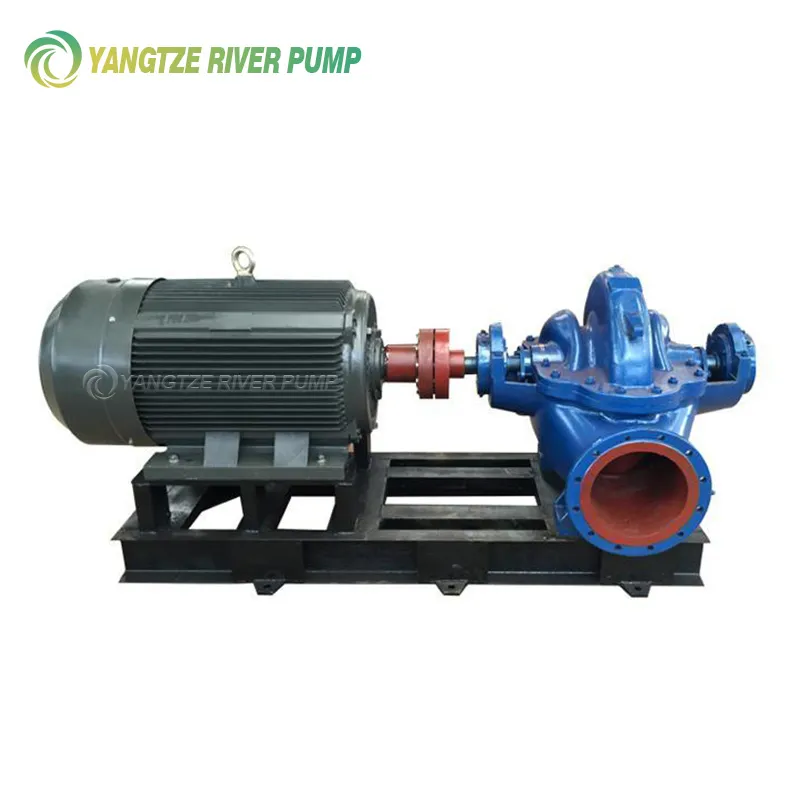



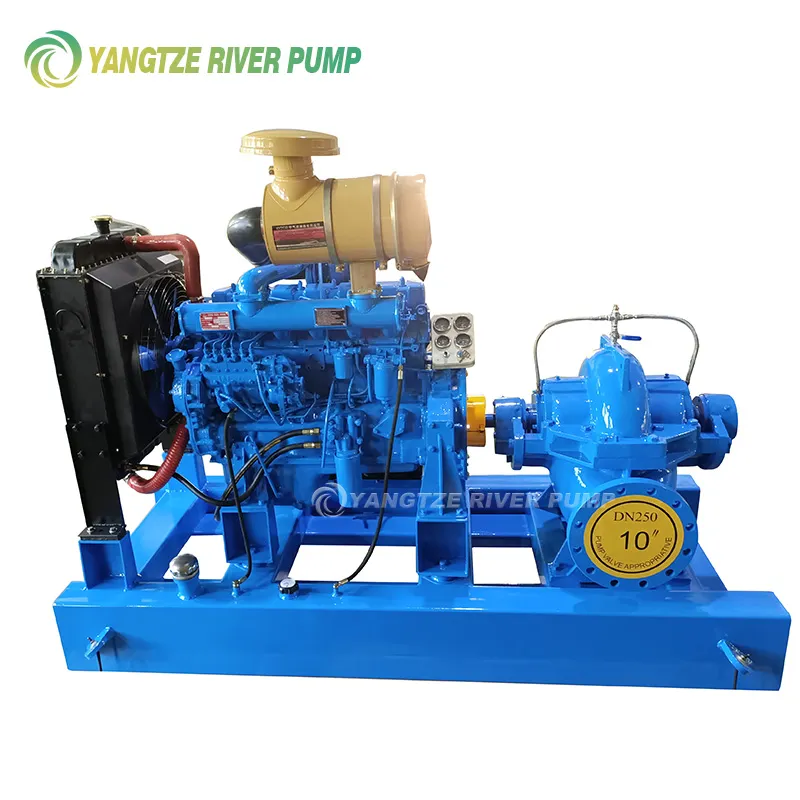

Best Sellingproducts
Best Selling Products-
 Vertical pumps with PTFE lining YQF
-
 YCZ Chemical Process Pumps
-
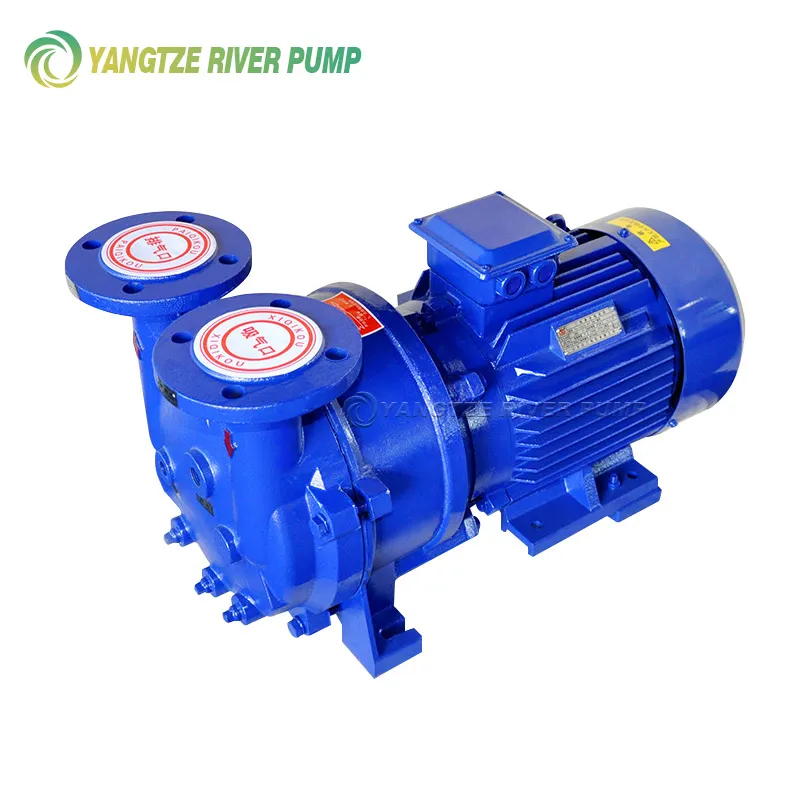 Liquid ring vacuum pumps type SKA and 2BV
-
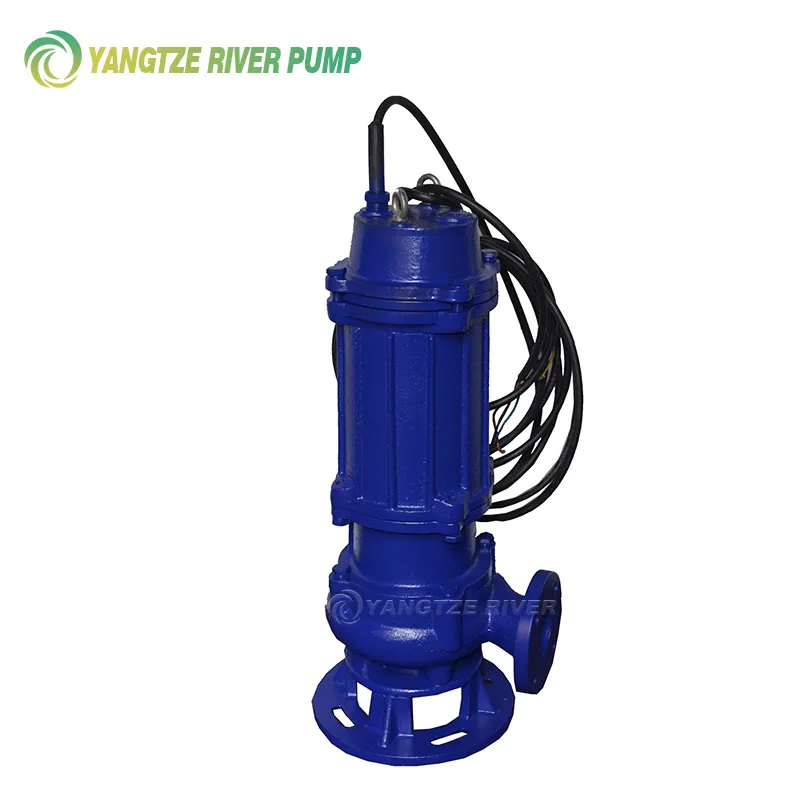 QW Non-clogging Submersible Sewage Pumps
-
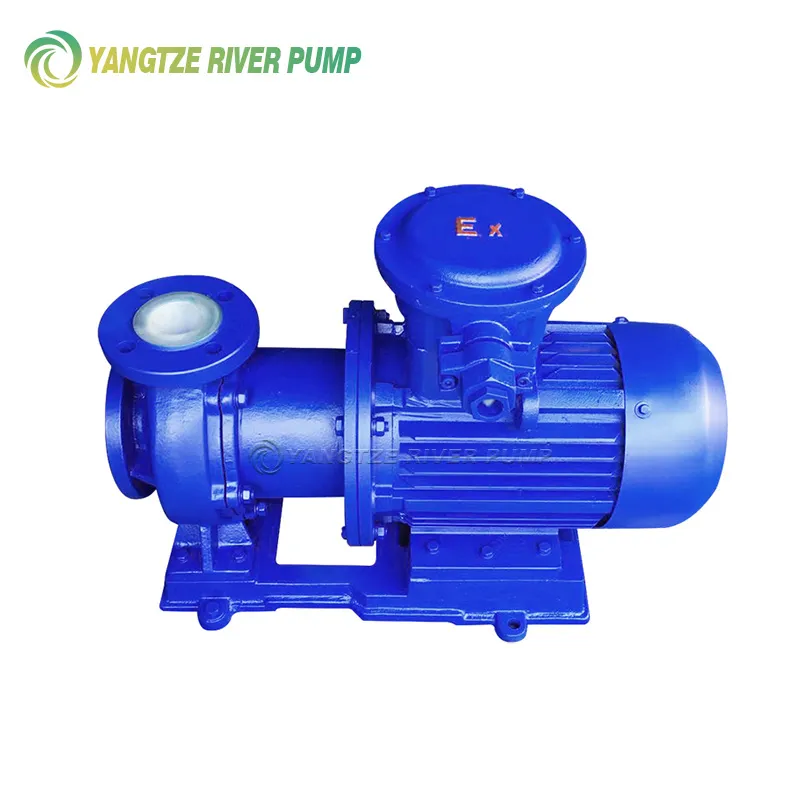 Magnetic pumps with fluoroplastic lining CQB-F
-
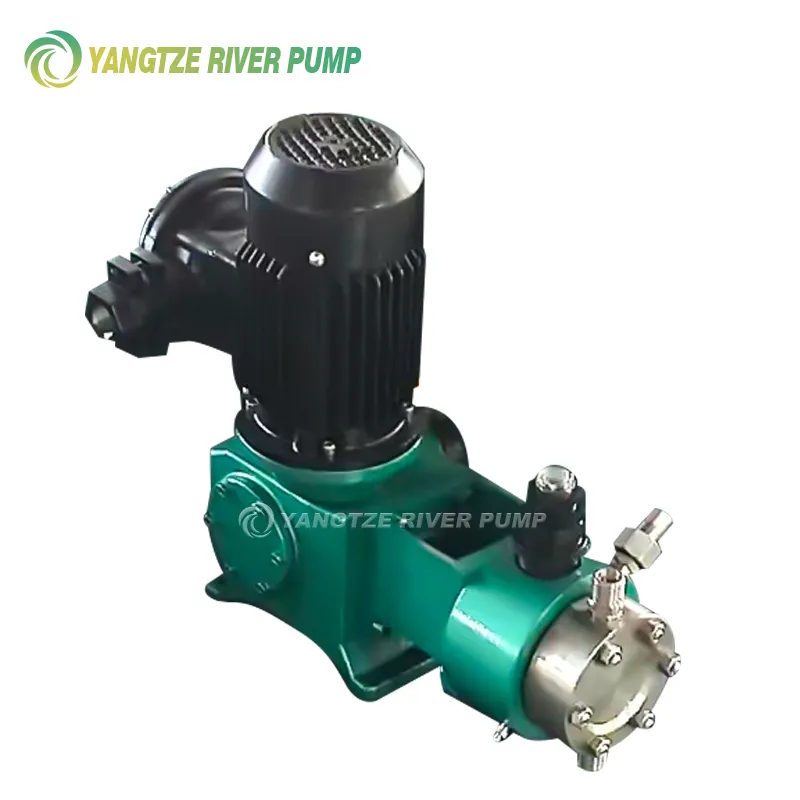 Plunger dosing pumps type DZ-X
-
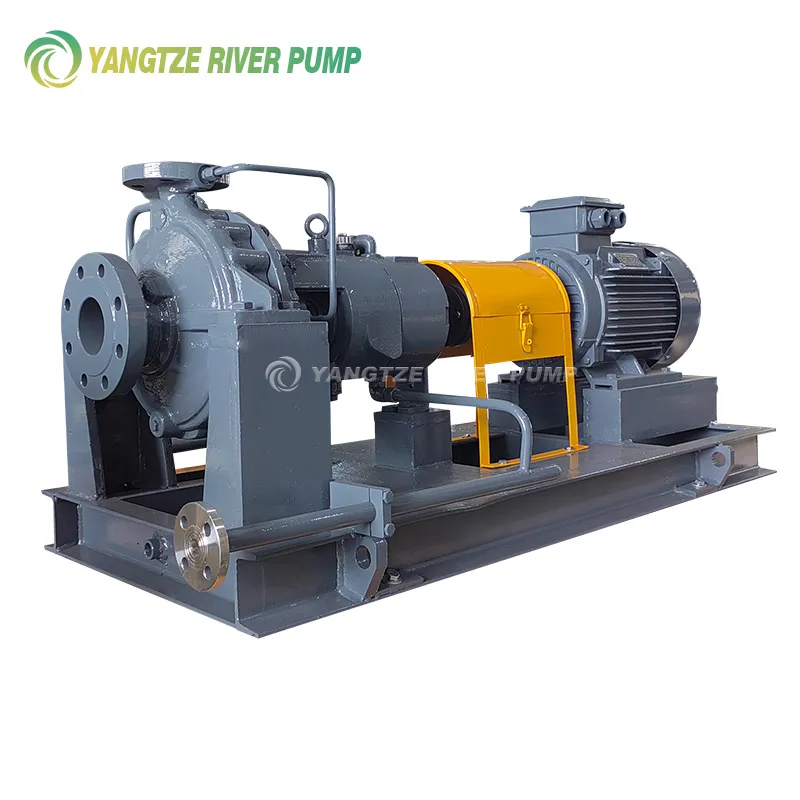 Petrochemical Process Pumps API 610 YZE
-
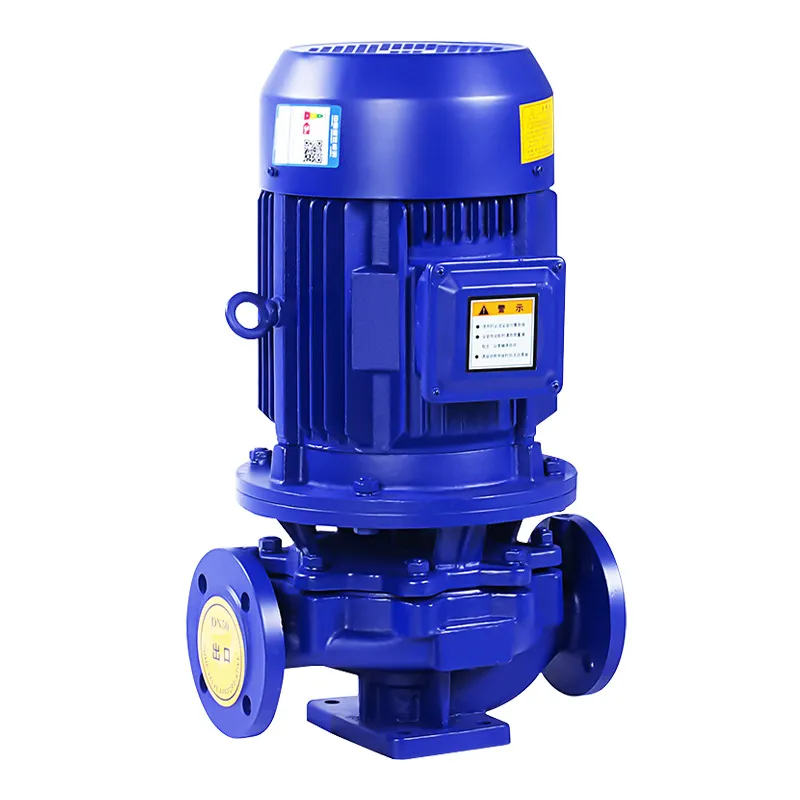 Vertical single-stage pipeline centrifugal pumps ISG and IHG
-
 Complete water supply installations with frequency regulation and constant pressure CDLF
-
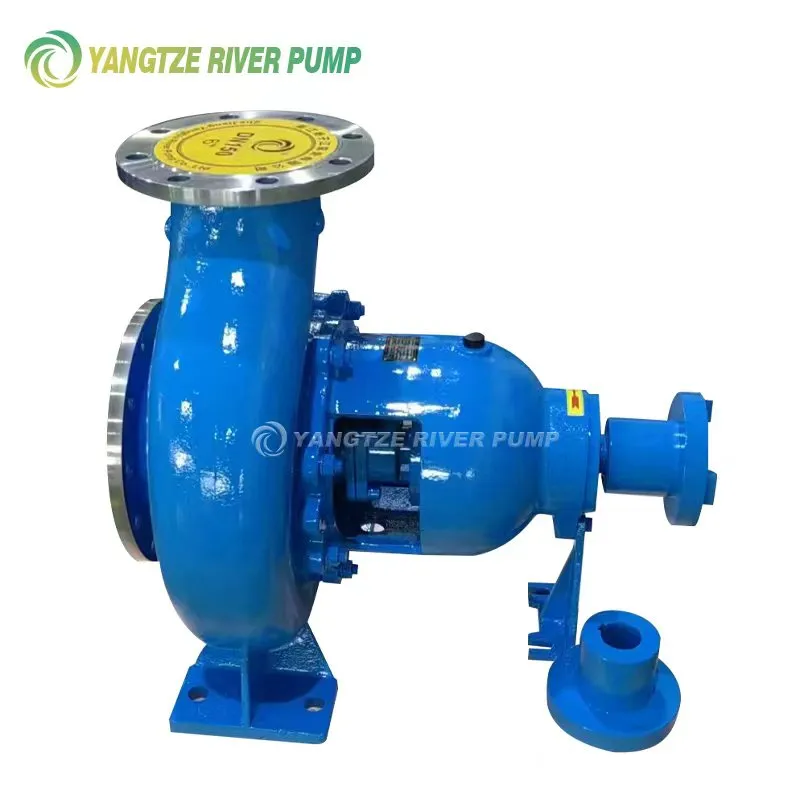 IH Stainless Steel Chemical Centrifugal Pumps
-
 QJ type borehole pumps
-
 Sanitary screw pumps type GF