







deep well pumps equipment
When they talk aboutdeep well pumps, many people imagine just a long vertical unit that is lowered into the well - and everything works. In fact, this is perhaps one of the most demanding types of equipment in terms of selection and operation. An error in choosing the material for the flow part, incorrect calculation of the pressure or ignoring the content of abrasive particles - and the pump will not last even a season. In our company, Zhejiang Yangzijiang Pumping Industry Co., Ltd., every batch goes through test benches, and I have seen more than once how “insignificant” they are. Deviations in conditions from the passport ones lead to a sharp drop in resource. This is especially true for deep models, where you can’t just look inside and see the problem.
From drawing to well: where the pitfalls lie
Let's take, for example, a classic problem: water supply to a private house from a deep artesian well. The customer sends the parameters: depth 50 meters, flow rate is small, the water seems to be clean. Temptation to install standardsubmersible pumpmade of stainless steel is great. But if there are even traces of hydrogen sulfide in the water, and this often happens in limestone horizons, then ordinary 304 stainless steel will begin to corrode. Here you need 316 grade or, ideally, a special coating. We do both in our production, but the client often doesn’t know about it, and selling at a higher price doesn’t always work, the competition is fierce. Here comes the equipment, which in theory should last 10 years, but in practice - 3-4.
It's a different story with sand. Laboratory water analysis is not always available. It happened that they installed a pump on a seemingly clean well, and six months later they brought it in for repairs: the impellers and diffusers were cut off with quartz sand. Now we always insist on additional installation of sand filters if there is even the slightest doubt. Yes, this increases the cost of the system, but it is several times cheaper than replacing the pump itself. On our websiteyangtzeriverpump.ruin the descriptions ofequipmentfor wells we try to emphasize this, but not everyone reads the technical recommendations to the end.
And one more thing - the electric motor. A deep motor is essentially a motor operating under constant high pressure and cooled by the pumped medium. If the flow rate is insufficient (for example, the pump is selected with a large margin of performance and operates with frequent shutdowns), the motor overheats. We have models in our line with built-in overheating protection, but this is an option. Often installers, saving money, install simpler versions. The result is a warranty case, which is difficult to challenge, because formally the operating conditions have been violated.
Field tests: what won't be written in the catalog
Theory is good, but the polygon is always the object. I remember the story with the delivery of the batchdeep well pumpsfor the drainage system at the quarry. The water was technical, with a high pH. We offered our plastic chemical pumps made of PP-H material. But the customer doubted their mechanical strength for a depth of 30 meters. We had to organize a demonstration: we lowered our pump and, for comparison, a metal analog from another manufacturer into a test container with an aggressive solution. After two weeks of continuous work at the stand of a “competitor?” the first signs of cavitation and corrosion appeared on the impeller, ours worked. We won the contract, but a bitter taste remained: even advantages that were obvious to an engineer had to be proven in person.
But a negative experience. Somehow we decided to adapt one of our multi-stage models for a very deep well (under 120 meters). The shaft was strengthened and more powerful bearings were installed. But they did not fully take into account the effect of longitudinal vibrations of a long column during start-up and stop. In the field, this led to a fatigue crack in one of the intermediate casings within a few months. They returned it, recalculated it, and changed the design of the supports. Now this modified model is one of our most reliable for great depths. But that incident clearly showed that testing on a production line and real work are two different things.
Hence our commitment to the full cycle - from R&D to testing and service. Eight production lines are not just for show. This is an opportunity to quickly make a prototype, run it on a stand that simulates specific conditions (the same water with sand or an aggressive environment), and only then put it into production. Fordeep-well pumping equipmentThis approach is not a luxury, but a necessity.
What do people most often come to the service with?
According to the experience of our service center, the lion's share of breakdowns of deep-well pumps is not a manufacturing defect. First place - work "dry" or with insufficient level. There is dry-running protection, but it is either not connected, or it fails, and the user does not monitor it. The result is overheating and jamming. The second is mechanical damage during installation/dismantling. The cable is unreliable, the cable is not secured properly - the pump hits the walls of the casing pipe. Third, as I already said, abrasive wear.
Interesting point with the cable. It would seem like a small thing. But if the connection between the motor and the cable is not hermetically sealed, water penetrates the winding through the wires. Repair almost always equals engine replacement. We have now switched to using cables with moisture-resistant insulation and high-class heat-shrink sleeves included in the kit. This added more work to us at the configuration stage, but reduced the number of such warranty cases.
Another “pain point”? - check valve. They often place it directly on the pump. But if the valve does not hold, the water column drops down every time it is turned off, and the pump experiences water hammer the next time it starts. Over time, this destroys bearings and seals. We recommend installing a separate, more reliable valve higher, but not everyone listens.
Where the industry is heading: a view from the shop floor
A trend that is visible to the naked eye is a request for “smart?” control. A simple pressure switch is no longer enough. They want soft start, protection against power surges, integration into the overall smart home system, remote monitoring of parameters. In our new series we are beginning to include the ability to connect frequency converters and sensors. But here it is important not to overload the structure. The pump's main job is to pump, not to be a computer. The reliability of electronics under conditions of temperature and humidity changes is a separate challenge.
The second is materials. Composite materials, ceramics for seals, wear-resistant coatings. We are experimenting with silicon carbide for mechanical seals in pumps for abrasive media. It’s still expensive, but for specific tasks where the service life of conventional seals is weeks, it may be justified.
And, of course, energy efficiency. The efficiency of a deep-well pump is sacred. Any percentage increase is a huge savings over its life cycle. We achieve this not only by hydraulic calculations, but also by using engines with a higher energy efficiency class. Our production allows us to flexibly select the motor part for specific hydraulics, which gives us an advantage over those who assemble pumps from ready-made standardized units.
Instead of a conclusion: a simple rule
Working withdeep-well pumpsover the years, I came to a simple but important conclusion: the ideal pump “for all occasions?” does not exist. There is one that is correctly selected for specific conditions. And the key to success is not in the most beautiful specification, but in dialogue. It is necessary to find out from the customer or installers as many details as possible: not only the depth and flow rate, but also the history of the well, the results of at least a basic water analysis, and the power supply diagram at the site. Often it is in these seemingly minor details that the cause of a future problem lies or, conversely, the key to many years of problem-free work.
Therefore, our company, Zhejiang Yangzijiang Pumping Industry Co., Ltd. does not rely on mass sales, but on a comprehensive solution. From design and production on our own lines (the same centrifugal, screw or diaphragm pumps) to testing and installation consultations. Becausepumping equipment, especially something that works hundreds of meters underground, is always a story about responsibility and attention to detail. And this philosophy cannot be replaced by any, even the most advanced, marketing brochure.
Correspondingproducts
Related Products

Best Sellingproducts
Best Selling Products-
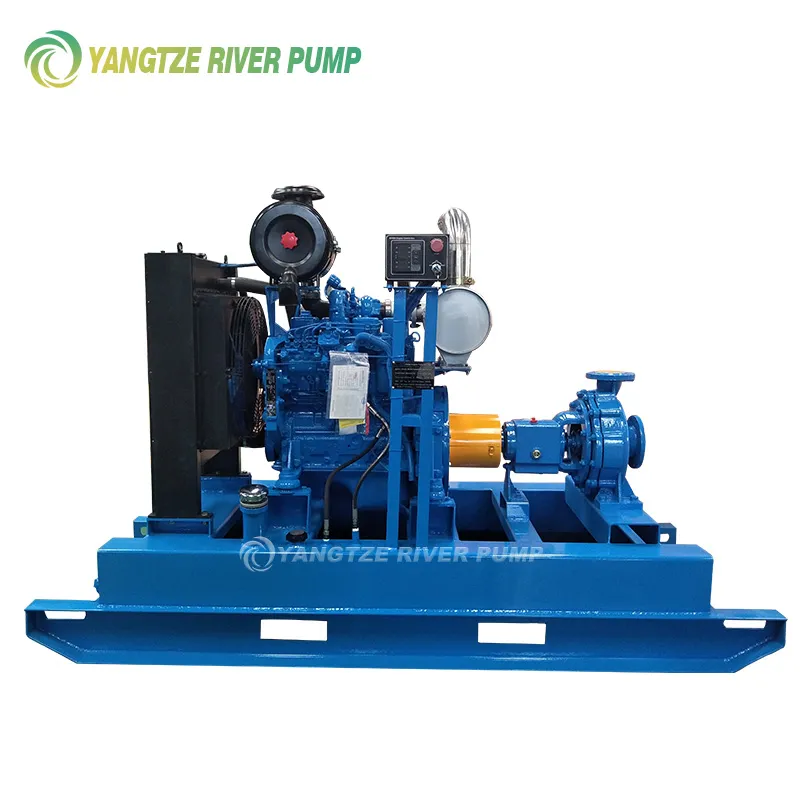 YZIS Diesel Single Stage Centrifugal Pumps
-
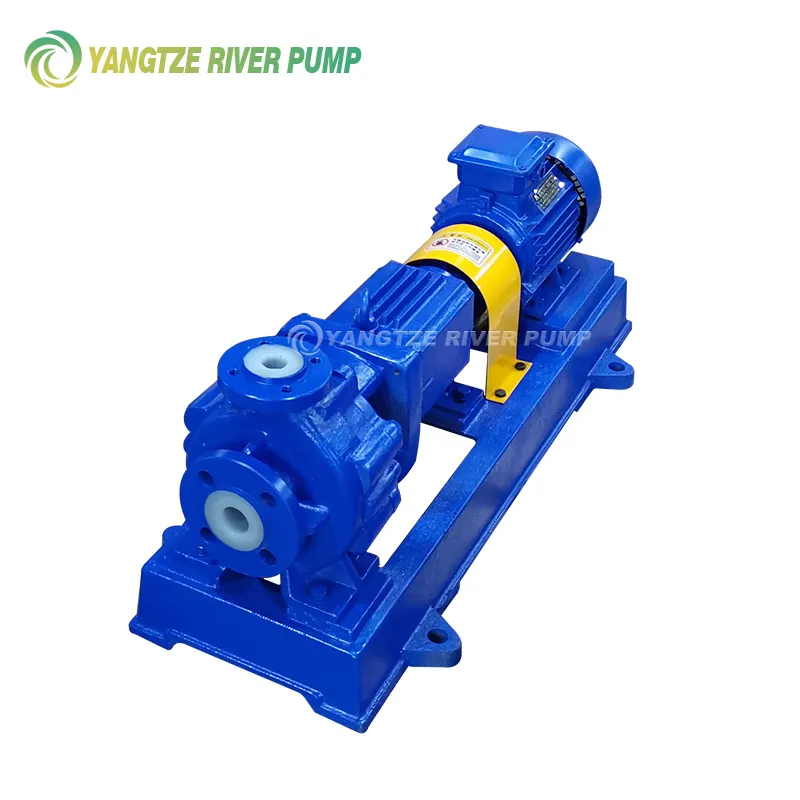 IHF PTFE Chemical Centrifugal Pumps
-
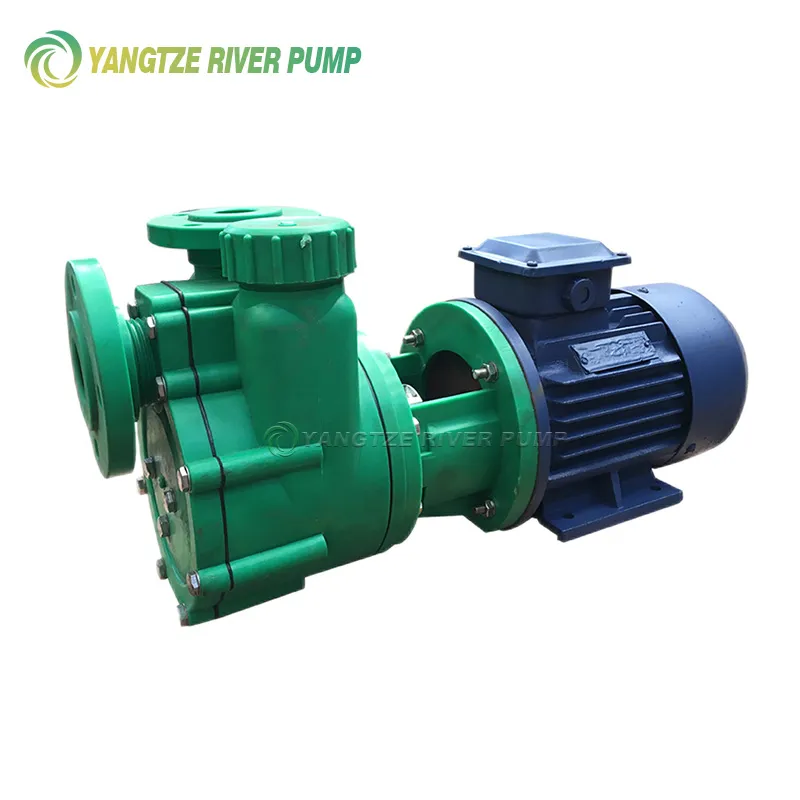 Plastic self-priming centrifugal pumps FP and FS
-
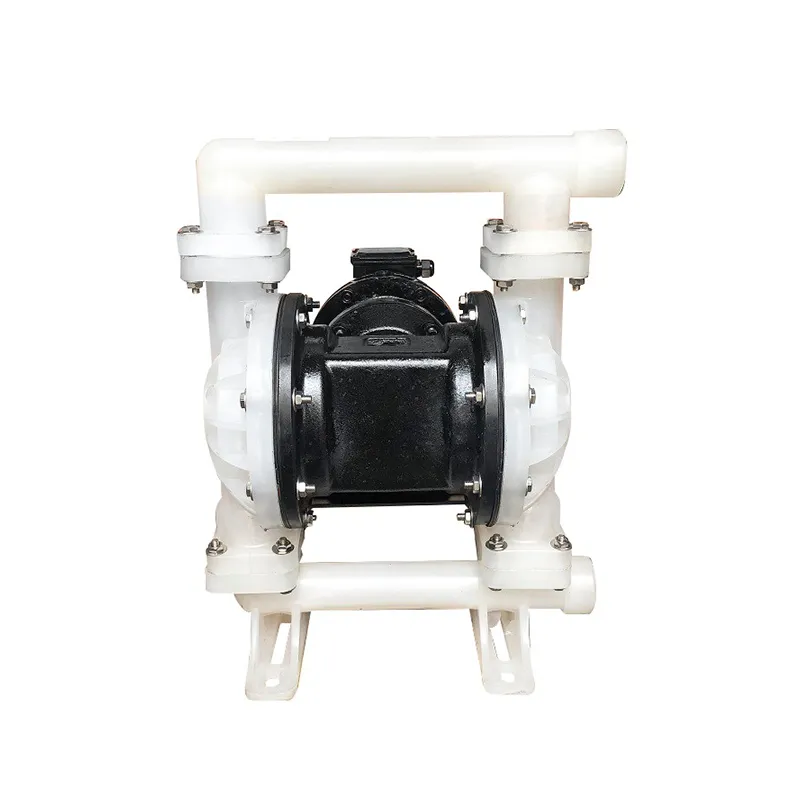 DBY Non-Metallic Electric Diaphragm Pumps
-
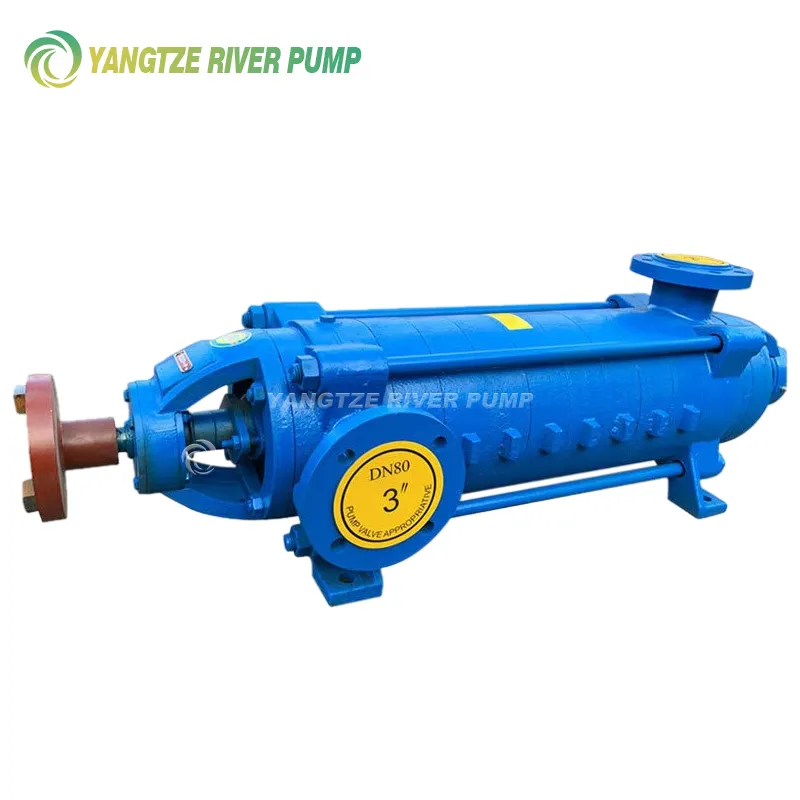 Horizontal multistage pumps for feeding DG boilers
-
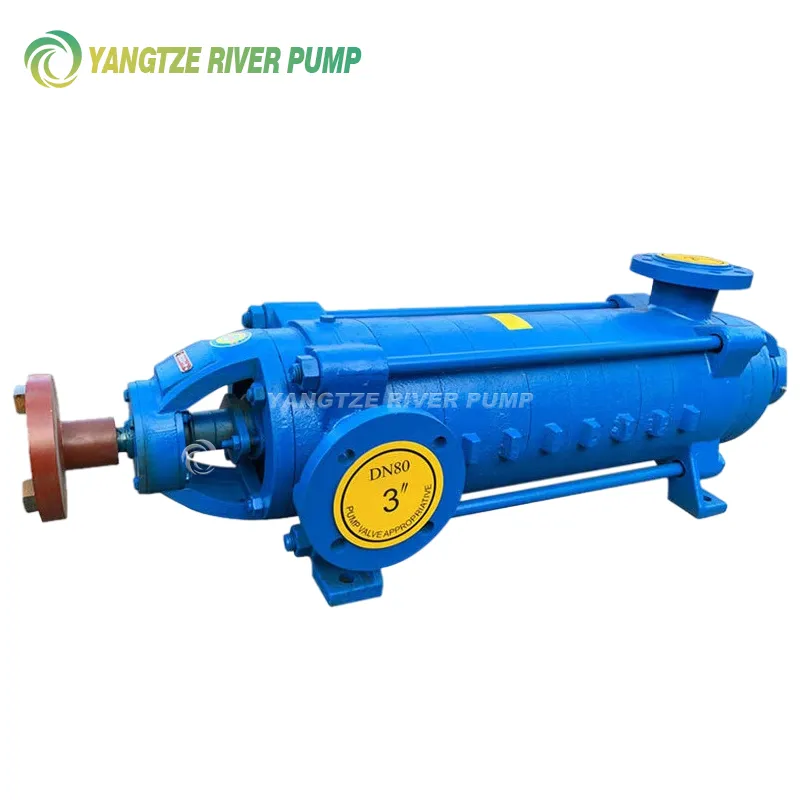 Horizontal multistage pumps for feeding DC boilers
-
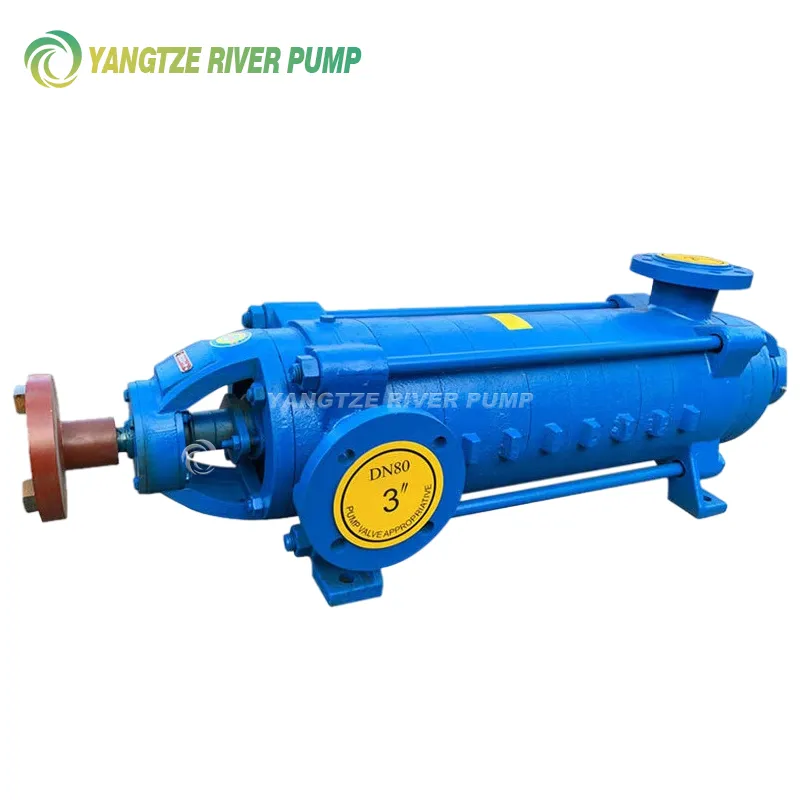 Horizontal multistage centrifugal pumps type D
-
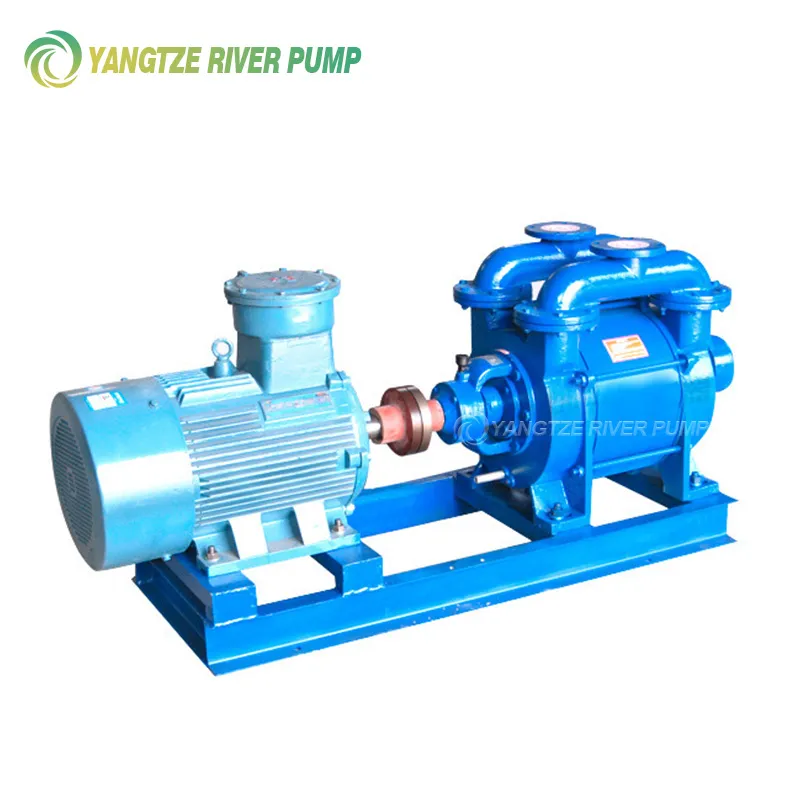 Liquid ring vacuum pumps type SK
-
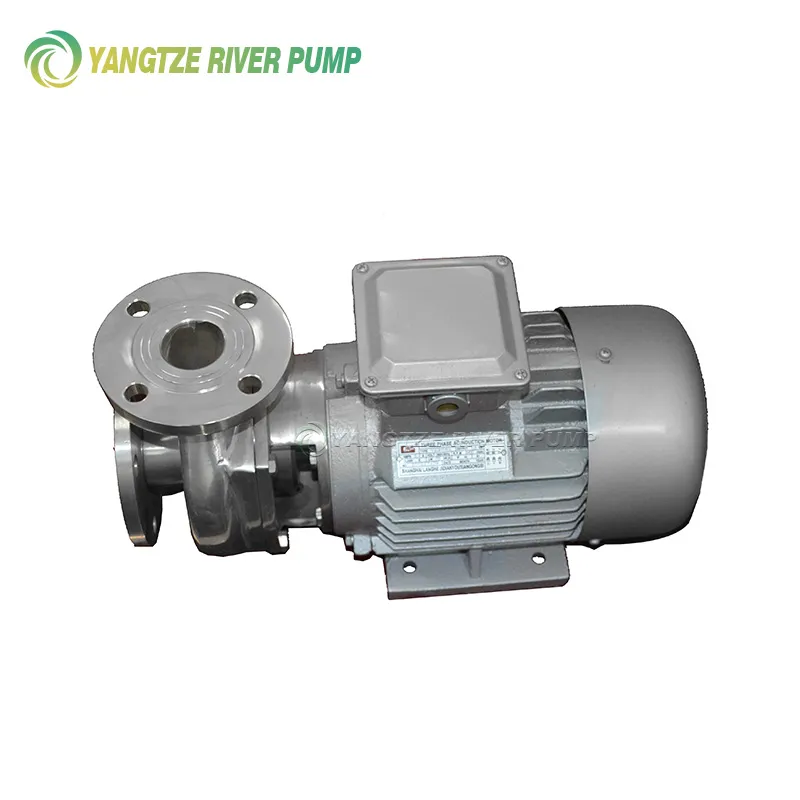 Corrosion-resistant stainless steel centrifugal pumps SFB and SFBX
-
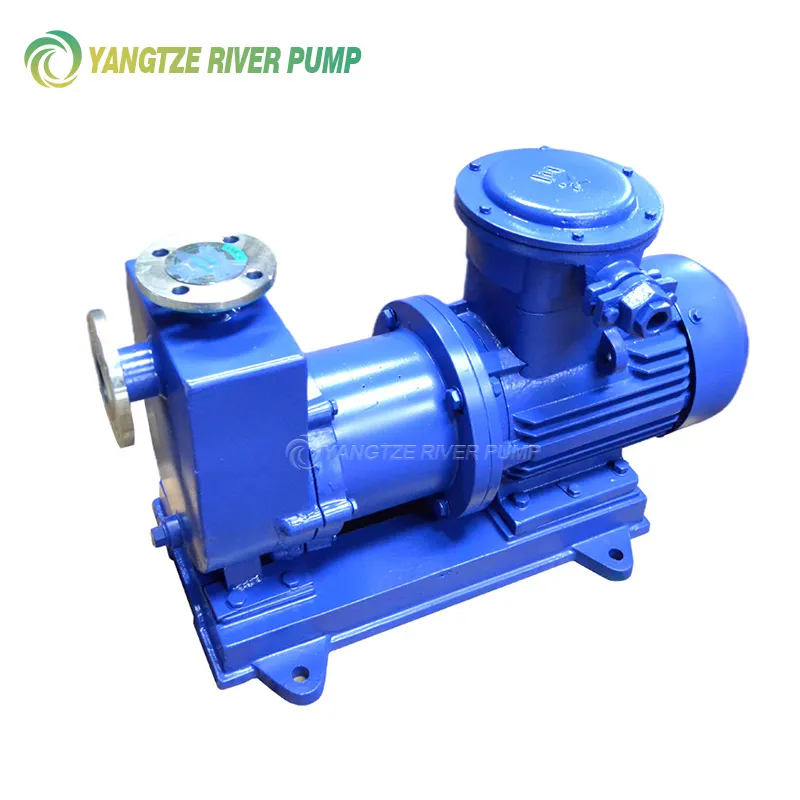 ZCQ Stainless Steel Self-Priming Magnetic Pumps
-
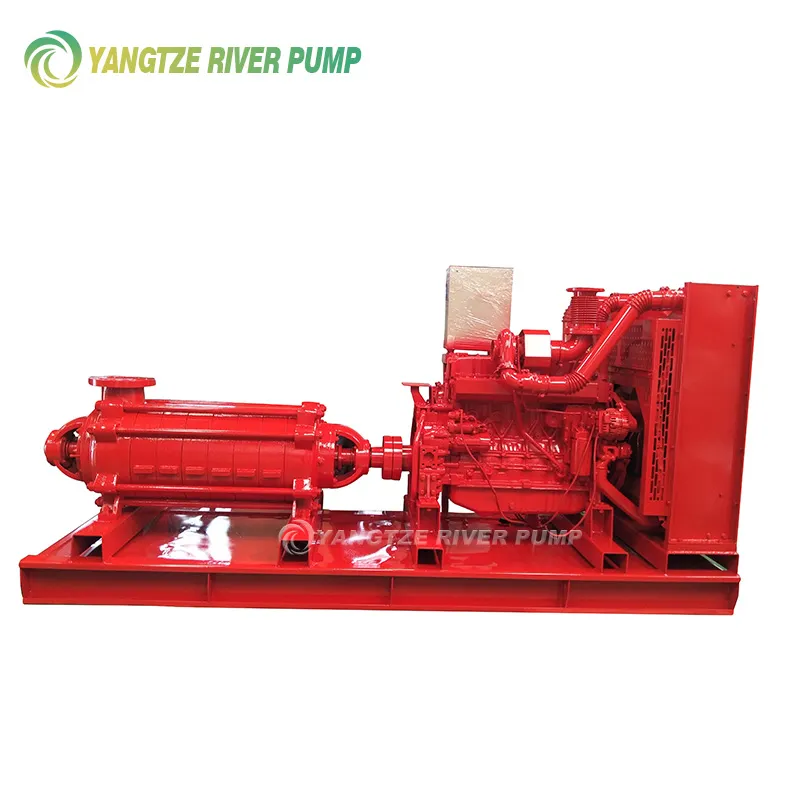 YZD Series Diesel Multistage Centrifugal Pumps
-
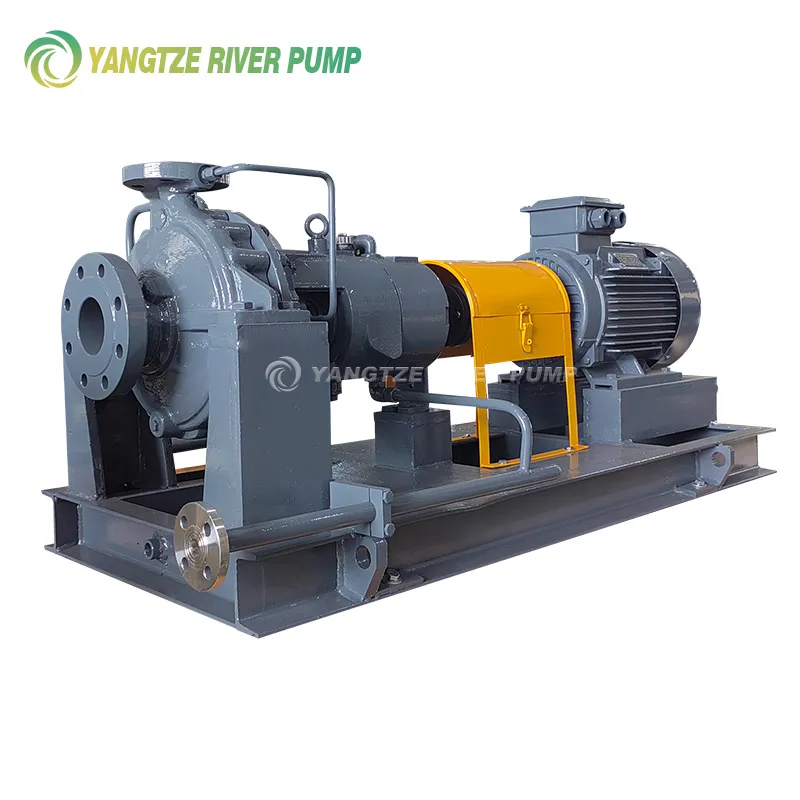 Petrochemical Process Pumps API 610 YZE
Relatedsearch
Related Search- vacuum pump 42 l min
- horizontal centrifugal multistage pumps
- YZIS Diesel Single Stage Centrifugal Pumps
- production of diaphragm pumps
- disc single stage centrifugal pump
- deep pump 15 meters
- liquid ring vacuum pump 11 kW
- centrifugal pump 2900 rpm
- stainless steel gear pump
- IHG Vertical Single Stage Pipeline Centrifugal Pumps