







vertical submersible centrifugal pumps
When you hear “vertical submersible centrifugal pumps,” many people immediately imagine just a long cylinder that was lowered into the well and forgotten. But in practice, this is perhaps one of the most demanding categories of equipment in terms of understanding hydraulics and operating conditions. A common mistake is to assume that since the pump is submersible, it “doesn’t care” what happens on the surface. But it is the consistency of the operation of all elements - from the electric motor to the pressure pipe - that determines whether the unit will last the warranty period or fail in six months due to cavitation or overheating.
Design: where the main trade-offs lie
The main feature of a vertical submersible centrifugal design is, of course, space saving. There is no need for a massive foundation, as for horizontal units. But this comes at the cost of difficult maintenance. To get to the same mechanical sealing pair or bearings, you often have to lift the entire section, and this can be 10 or 20 meters in total length. In our practice at the Zhejiang Yangzijiang Pumping Industry LLC plant, we always emphasize this when selecting: the client must clearly understand that installation and possible repairs are not a five-minute affair.
Flow path materials are a different story. For clean water, 304 stainless steel will do, but as soon as chlorides or abrasive suspensions appear in the water, you need to look towards 316L or even duplex steels. We had a case at a water reduction facility: we installed standard stainless steel pumps in a well with a highly aggressive environment. After four months there is active corrosion on the impellers. I had to redo it to order, with a different material. Now we always discuss this point in detail at the stage of technical specifications.
Another nuance is the engine cooling system. Bvertical submersible centrifugal pumpsThe motor is located at the bottom and is cooled by the pumped medium that passes around it. If the pump is incorrectly selected and operates in a low flow area, the flow of cooling fluid may be insufficient. The engine overheats - and hello, unscheduled stop. Therefore, when testing on our own hydraulic stand (the company has eight complete lines, including R&D and testing), our engineers always check the thermal conditions at different operating points.
Scope of application and typical installation errors
Most often, these pumps are used for water supply, drainage, irrigation and industrial processes. But, for example, for drainage in a pit it is not the best choice if there is a lot of sand and silt. A centrifugal impeller, especially a multi-blade one, will wear out quickly. Here it is better to look towards screw or vortex models, which, by the way, we also have in our line.
The most common installation mistake that you see over and over again is incorrect strapping and lack of protection. The pressure line must be supported independently so that its weight does not hang on the pump flange. A check valve and gate valve are required. And also - protection against “dry running?” and overcurrent. Once we arrived at a site where the pump was constantly triggered by thermal protection. It turned out that the power cable was selected with a smaller cross-section, the voltage drop was significant, and the motor was overloaded. A trifle, but it leads to a lot of downtime.
Another point is the quality of the well itself. If the barrel is crooked or there are narrowings, the pump may simply jam when trying to lift. Therefore, we always recommend making a geophysical passport of the well and checking the diameters. Our sales department on the website https://www.yangtzeriverpump.ru always requests this data from the customer in order to minimize risks.
Connection with other types of pumps in the line
At our company, Zhejiang Yangzijiang Pumping Industry Co., Ltd., we not only producevertical submersible centrifugal pumps, but also a whole range of equipment: from multi-stage sectional to chemical plastic. And this is not just “assortment for the sake of assortment”. It often happens that a complex system requires a hybrid solution.
For example, there was a project for a chemical plant: it was necessary to pump a reagent from an underground tank to a height of 30 meters. The scheme used was: a submersible pump made of 316L stainless steel for lifting from a tank + a horizontal linear centrifugal pump in a high-pressure section. This combination turned out to be both more reliable and more economical than trying to solve the problem with one heavy-duty submersible unit.
Or another case - a fire extinguishing system. They often install self-priming pumps as the main ones, and submersible pumps as backup ones, fed from a fire reservoir. It is important that the entire bundle is compatible in terms of characteristics and materials. Our advantage is that we can offer and design such a complex from our own components, which simplifies both delivery and service.
Testing and control: what remains behind the scenes
Many customers think that the pump was assembled, painted and shipped. In fact, every unit, especially from the industrial categoryvertical submersible centrifugal pumps, undergoes mandatory hydraulic tests. At our stand we take full characteristics: pressure, flow, power consumption, efficiency at different points. This allows not only to guarantee passport data, but also to identify possible assembly defects - for example, increased vibration.
Particular attention is paid to testing the tightness and strength of housings under pressure. For deep wells this is critical. It happened that during testing a slight leak was detected along the weld seam of the engine housing. It is better to find and eliminate this in the workshop than at the customer’s site, at a depth of 80 meters.
After the tests, an individual passport is generated, where the actual parameters are written down. This is not just a piece of paper, but a real tool for commissioning. If the network parameters at the facility differ from the calculated ones, you can always check this curve and understand in which zone the pump operates and whether there is a risk of cavitation.
Service and long term perspective
Selling the pump is only half the battle. The main thing is that it works for a long time. Therefore, our approach is not just shipment of equipment, but consultation at all stages: from selection to commissioning. On the website yangtzeriverpump.ru we try to post not only catalogs, but also technical instructions and wiring diagrams.
Spare parts are a sore subject for many. We try to maintain a stock of the most popular items: impellers, shafts, seals for popular models. This allows you to reduce repair time. For unique projects, of course, parts are made to order, but even here we try to minimize the timeframe using our own production lines.
As a result, selecting and operating a vertical submersible centrifugal pump is always a complex task. It is necessary to take into account hydrogeology, the chemistry of the environment, the operating mode, and the possibilities for maintenance. A mistake in any of these points can be costly. Our task as a manufacturer is not just to offer “hardware,” but to help the client avoid these mistakes by selecting the most reliable and effective solution for his specific conditions. This is exactly what all our activities are aimed at - from the R&D department to the service department.
Correspondingproducts
Related Products

Best Sellingproducts
Best Selling Products-
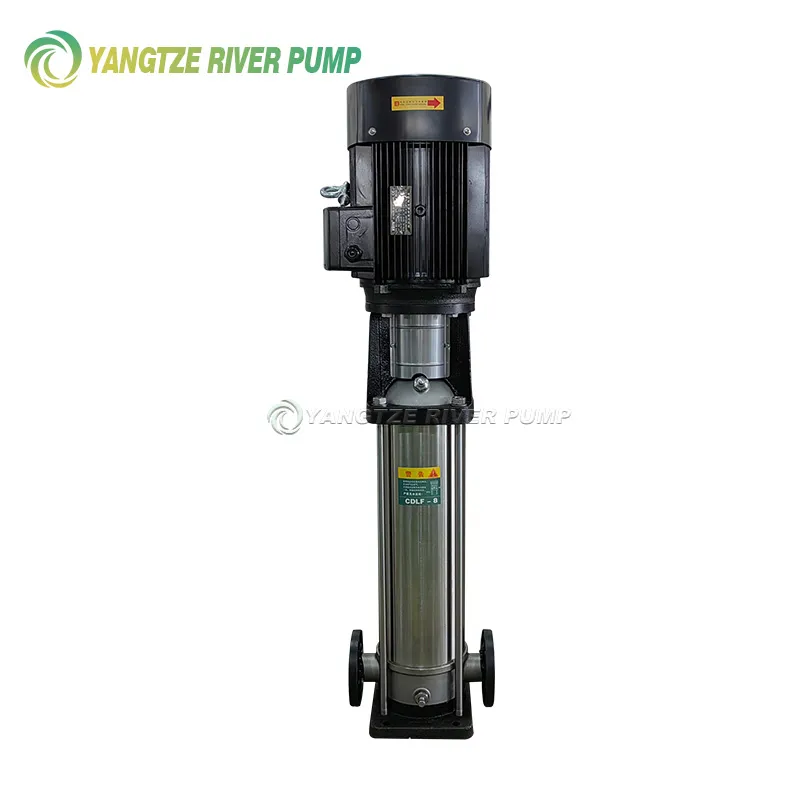 Vertical multistage centrifugal pumps made of stainless steel (light series) CDL and CDLF
-
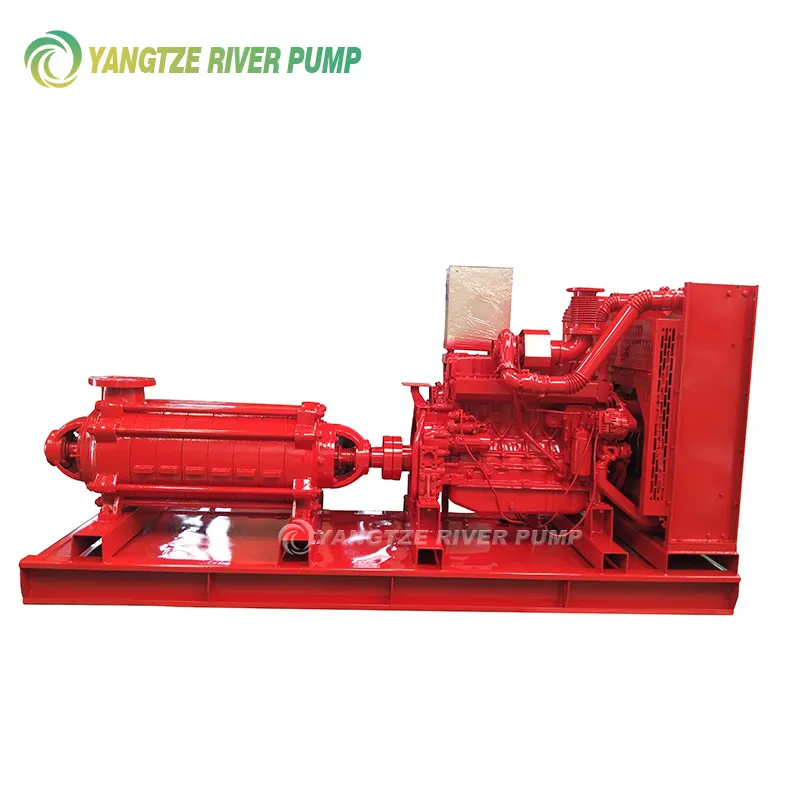 XBC Diesel Intelligent Fire Pumps
-
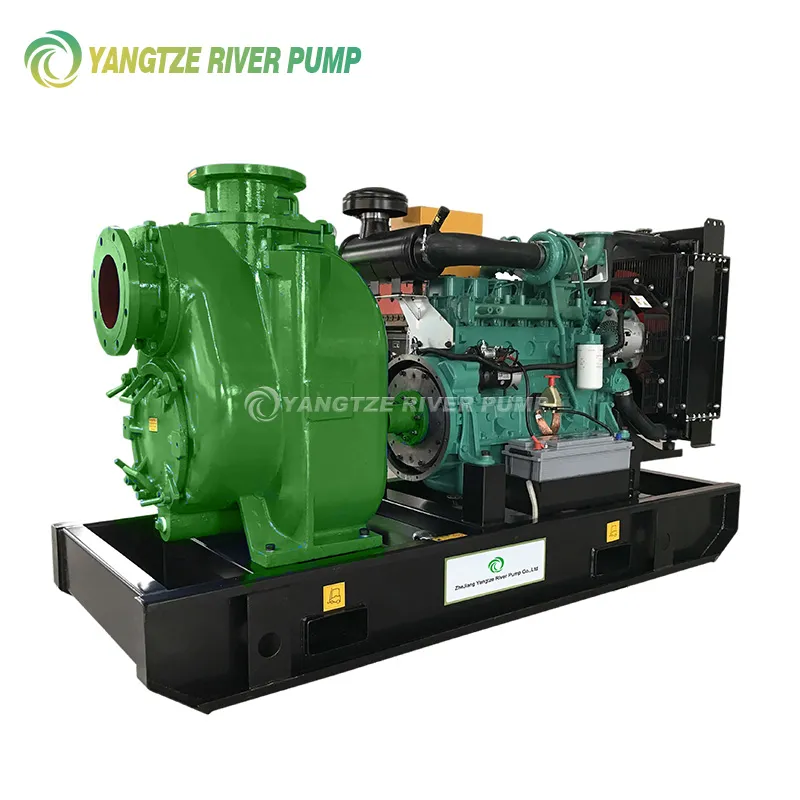 YZSP Diesel Self-Priming Pumps
-
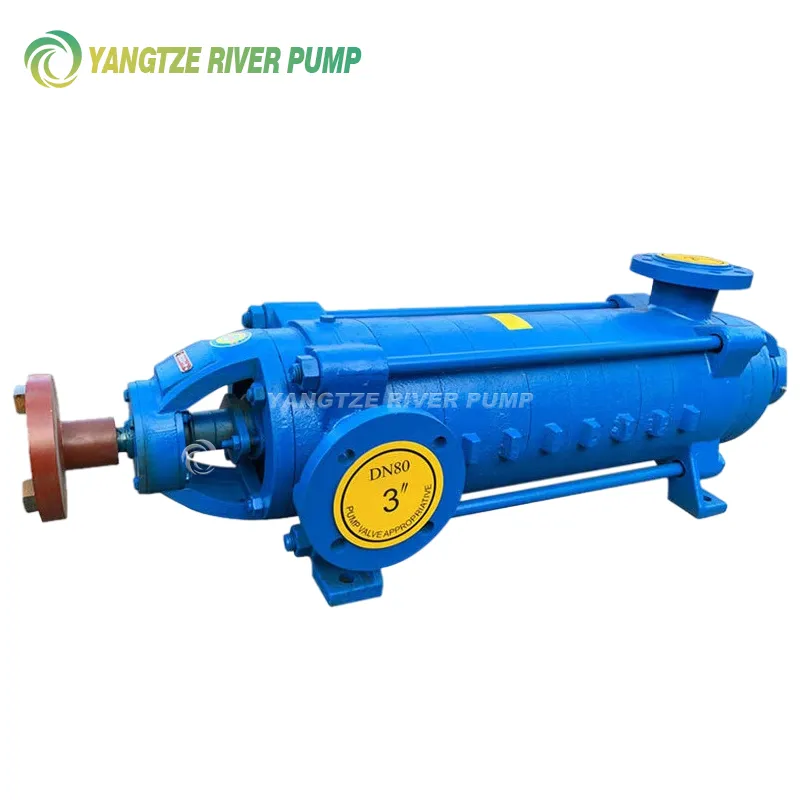 Horizontal multistage pumps for feeding DC boilers
-
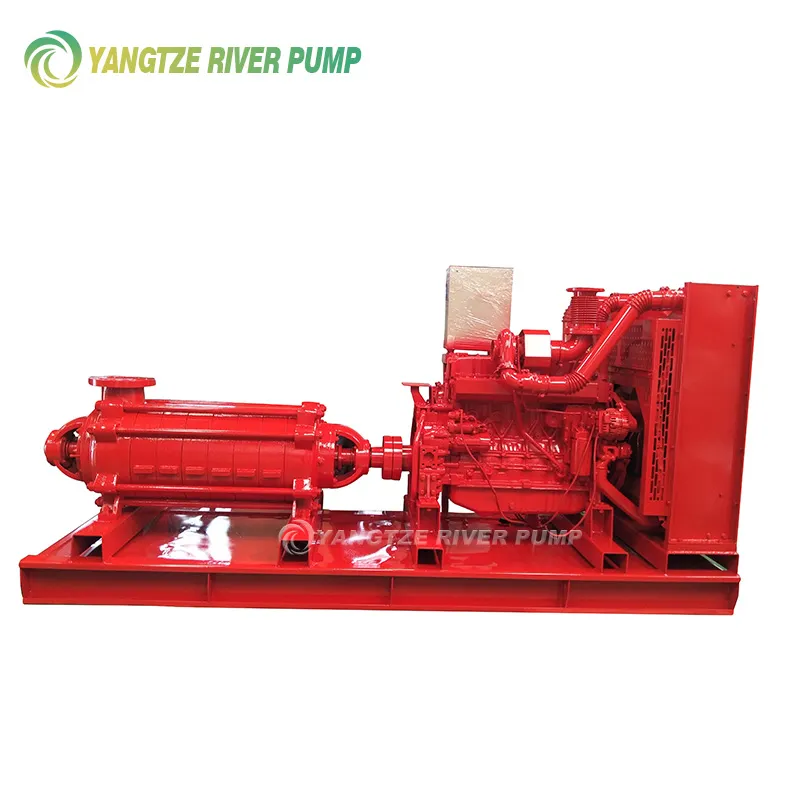 YZD Series Diesel Multistage Centrifugal Pumps
-
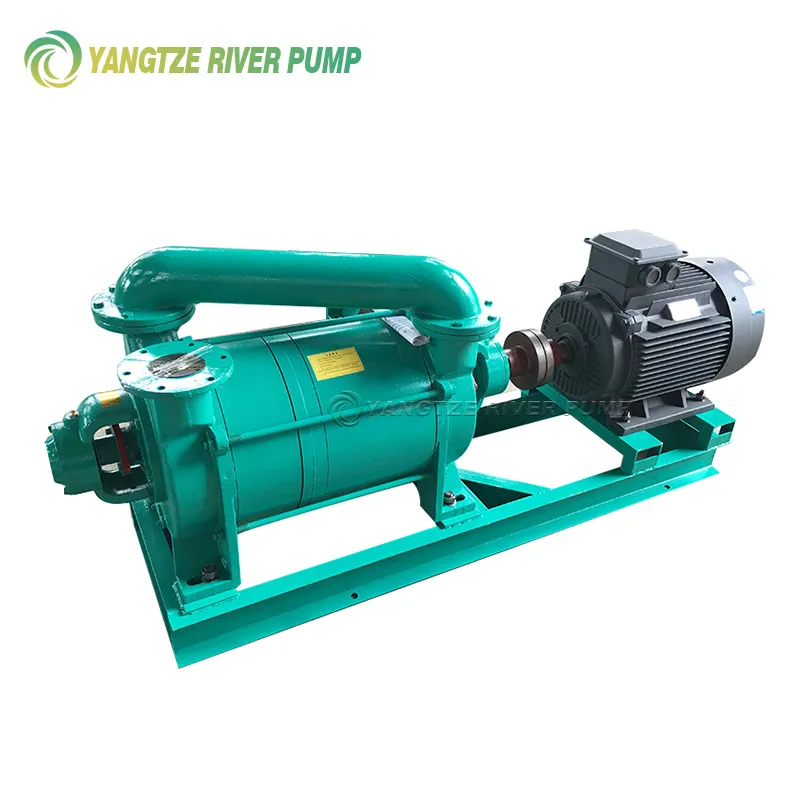 Liquid ring vacuum pumps type 2SK
-
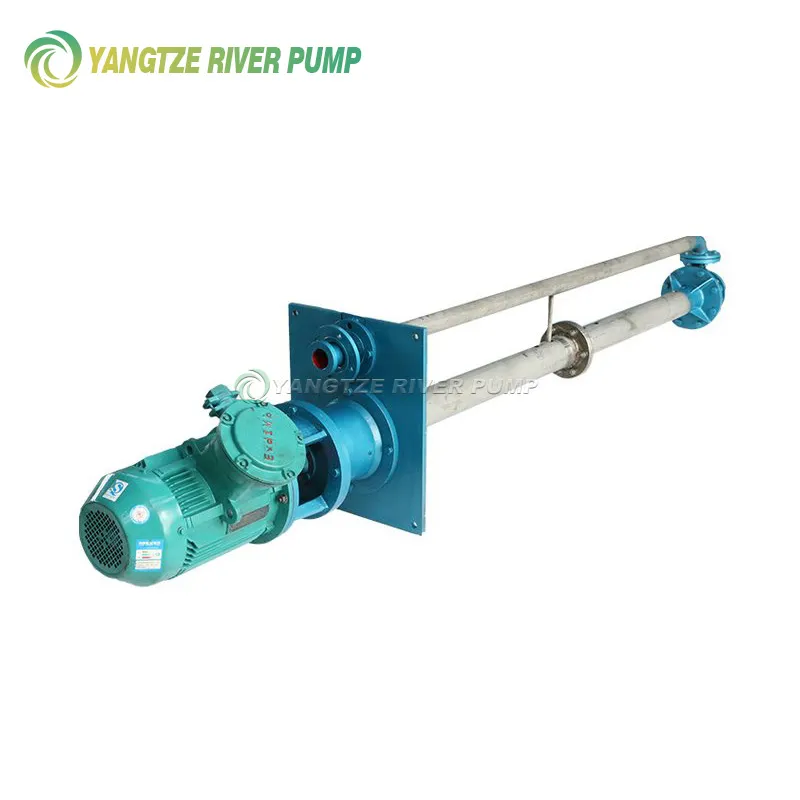 FY Submersible Chemical Pumps
-
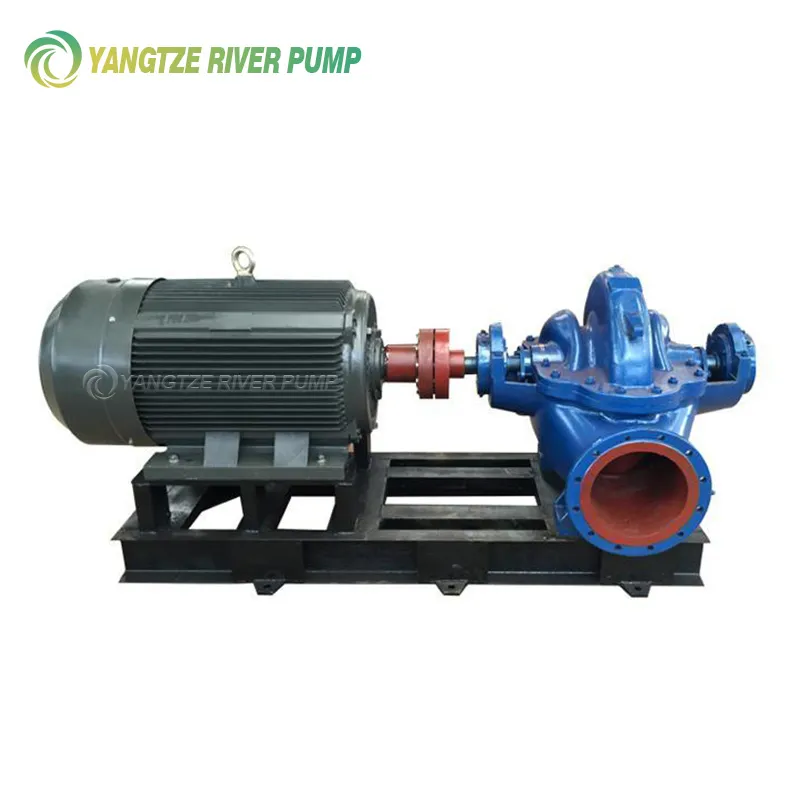 Single Stage Double Entry Centrifugal Pumps Type S
-
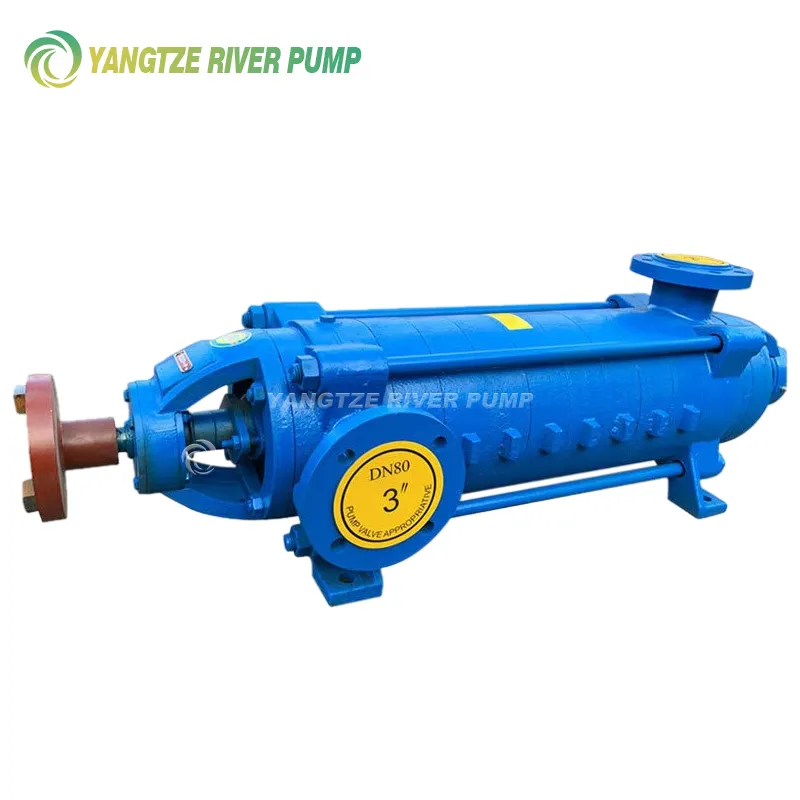 Horizontal multistage pumps for feeding DG boilers
-
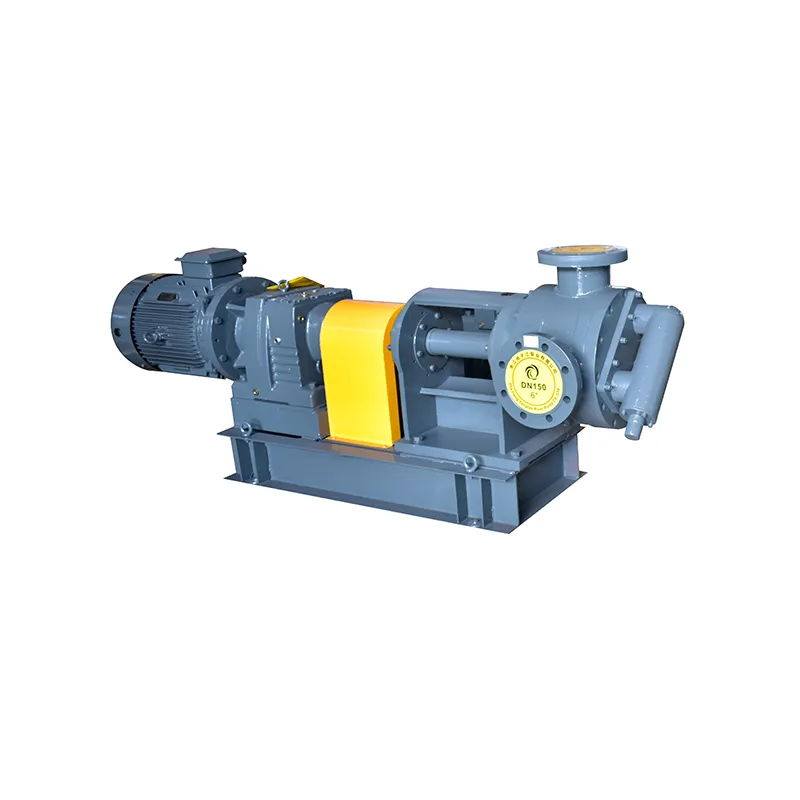 NYP High Viscosity Internal Gear Pumps
-
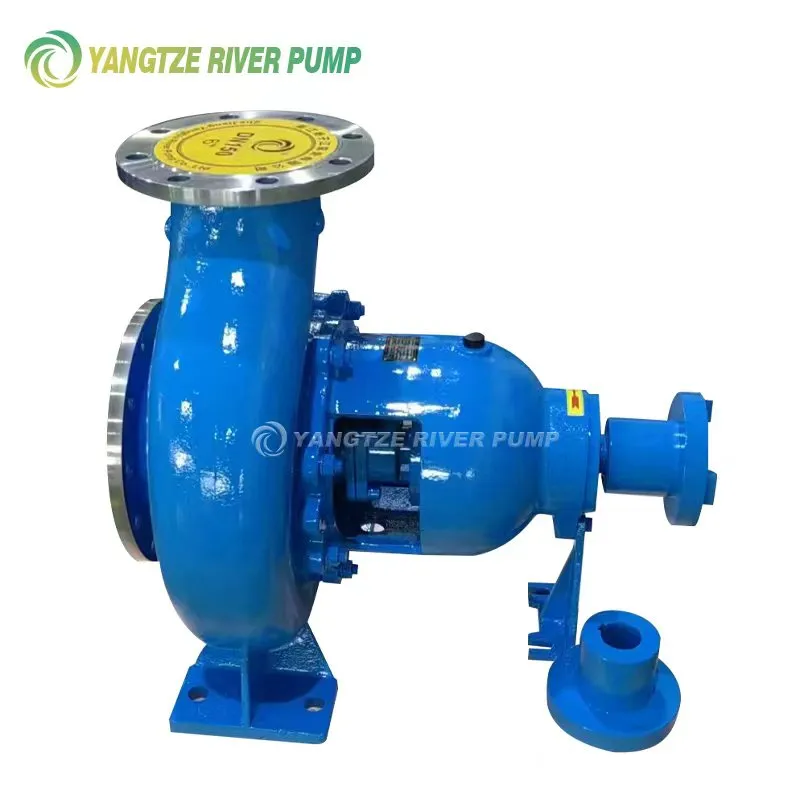 IH Stainless Steel Chemical Centrifugal Pumps
-
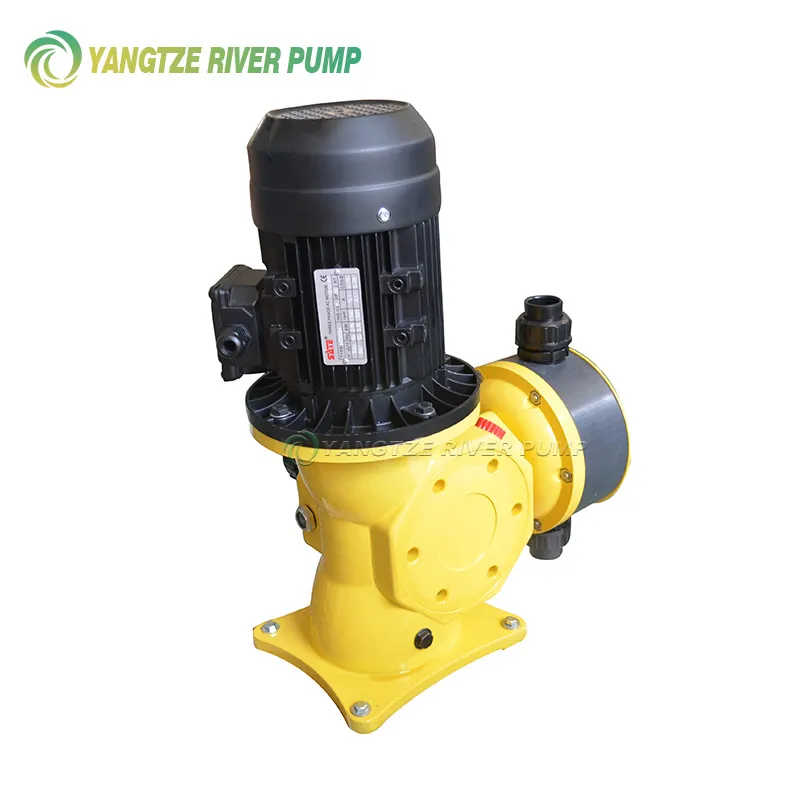 Mechanical diaphragm dosing pumps DJ-D