







chemical horizontal centrifugal pumps
When they talk aboutchemical horizontal centrifugal pumps, many people immediately imagine just a “chemical pump?” — the body is made of stainless steel, and that’s all. But in practice, especially in hostile environments, this simplicity is deceptive. The most common mistake is choosing the seal and shaft material for a specific environment only according to resistance tables, without taking into account temperature jumps and abrasive suspensions. At Zhejiang Yangzijiang Pump Industry LLC, we have tested dozens of combinations through our test benches, and more than once we had to abandon a seemingly suitable alloy in favor of a slightly more expensive one, but predictable in long-term performance. This is not about theory, but about ensuring that the pump does not end up in a line with hot acid in six months.
Design: where the nuances lie
Horizontal design for chemical processes is often a matter of ease of service and maintainability. But here’s what’s important: not every horizontal centrifugal pump is equally good for long-term work with volatile or crystallizing liquids. The design of the mechanical seal is a different story. You install a standard double seal with a barrier liquid, and the medium has a tendency to polymerize - and that’s it, jamming. It was necessary to develop options for flushing the seal cavity, not with water, but with a compatible solvent. This is not written in catalogues, adjustment crews bring this from the sites.
The body is most often 304 or 316 stainless steel, but for particularly aggressive environments, such as hot hydrochloric acid or hypochlorite, we go for Hastelloy or even fully lined options. In our line we have plastic chemical pumps made of PP or PVDF - they have their own niche, where complete chemical inertness is important, but there are restrictions on temperature and pressure. A horizontal centrifugal pump made of plastic is already a delicate job of ensuring structural rigidity.
Impeller. It would seem a standard closed one. But for media with solid inclusions or fibers, you have to make an open or semi-open impeller, otherwise it will clog once or twice. We tried to do it with increased gaps - the efficiency decreased, but for some processes reliability is more important than efficiency. Balancing such a wheel after machining is a critical step; vibration will quickly kill the bearings and seals.
Materials and environment: non-obvious dependencies
Chemical resistance charts are nice, but they are static. The real picture emerges under dynamic influences, especially during cavitation. There was a story about pumping sulfuric acid of medium concentration. The 316L steel pump seemed to fit. But in practice, due to the non-ideal geometry of the suction pipeline, local cavitation occurred. The result is pitting corrosion on the impeller blades within three months. We had to revise the material to a more resistant alloy with the addition of molybdenum and change the supply pattern.
Another point is temperature. The housing and rotor material can withstand, say, 120°C. But the material of the sealing rings or gaskets (Teflon, Viton) is no longer available. Or it can withstand, but loses elasticity. Therefore, the specification for the pump must be drawn up, looking at the entire chain: medium - temperature - possible impurities - operating mode (constant/cyclic). Often customers send technical specifications with one or two characteristics, and then our engineers begin to ask clarifying questions that save us from future downtime.
For some specific applications we offer magnetic pumps (pumps with magnetic coupling). This is a complete absence of a mechanical seal, which means there is no risk of leakage. Ideal for toxic or expensive environments. But even here, horizontal chemical centrifugal pumps with a magnetic drive have their own Achilles heel. — moment of clutch failure during overload. You need to configure your protection very carefully.
Testing and Validation: What Happens Before Shipping
Our factory at Zhejiang Yangzijiang Pumping Industry Co., Ltd. has eight complete lines - it's not just for show. The testing line is key. Each chemical pump is tested on water before receiving a tag - this is the standard. But for critical orders, we strive to test them in a simulated environment. It is not always possible to pour real acid, but it is possible to create a solution of similar density and viscosity. We look at the characteristics of the pressure-flow curve, but most of all - at vibration, heating of bearing units, and stability of the seal.
It happened that tests revealed a resonant frequency at a certain performance. The pump is good in the passport, but on the stand it is humming. Then there is modification: strengthening the brackets, sometimes replacing the type of bearing. This is the same “fine-tuning” that distinguishes a product assembled on stream from a product that will work. Information from the tests is then put into a database and taken into account when designing similar units.
Tests are especially important for pumps that will operate as part of an automated process control system. We check the response to a soft start, to signals from the dry running and pressure sensors. A horizontal centrifugal pump is often part of a complex process chain, and its “intelligence” no less important than metal.
Installation and first launches: typical mistakes
You can make the perfect device, but ruin everything at the installation stage. The most common mistake is the load on the connecting pipes from the pipeline. The horizontal pump must stand on a foundation, and the pipes must be mounted independently, with compensators. Otherwise, the displacement of the pipes due to thermal expansion will be transferred to the housing, causing distortion, vibration, and leakage. More than once we came to the site where they complained about the constant failure of mechanical seals, and the reason was improper piping.
Alignment along the shaft is mandatory using a laser centering device. ?By eye? on the coupling half - a guarantee of problems. Another point is the suction pipeline. It should be short, straight and sloping towards the pump so that there are no air pockets. For chemical pumps this is critical, since many pumped media tend to release gases.
First launch. We always recommend flushing the pump and line, if possible, with a neutral liquid before applying aggressive chemicals. This is a test for tightness and ?feeling? work. Control measurement of current strength on the motor, comparison with passport data. Often, an excessive current indicates a narrowing of the pipeline or a closed valve at the outlet.
Case studies and conclusions
There was a project for electroplating production. It was necessary to pump a pickling solution with a high temperature and a slurry suspension. Standardchemical horizontal centrifugal pumpswith a regular impeller they clogged up in a week. The solution turned out to be a combination: a housing and a wheel made of a special alloy that is resistant to abrasive and acid, plus an open impeller with an increased flow area. Plus a system for periodic flushing with clean water when stopped. The resource has increased significantly.
Another case is working with a low-boiling solvent. The problem was not corrosion, but cavitation and ensuring NPSH (NPSH) cleanliness. We had to carefully calculate the suction height and recommend that the customer install the pump in a pit to create a back-up. This refers to the fact that choosing a pump is a systemic task, and not just purchasing a unit based on pressure and flow parameters.
In the end, what I want to say. A horizontal type chemical centrifugal pump is not just a piece of equipment. This is a node that lives in a specific technological environment. Its reliability consists of three equal parts: competent design and materials from the manufacturer (as we try to do at YangtzeRiverPump), qualified installation and understanding by the technologists at the site of the actual operating conditions. When these three parts come together, the pumps last for years. When not, endless repairs begin. Therefore, our approach at Zhejiang Yangzijiang LLC is not to just sell, but to first ask a lot of questions, then offer an option that will work, and not just be listed on the line.
Correspondingproducts
Related Products
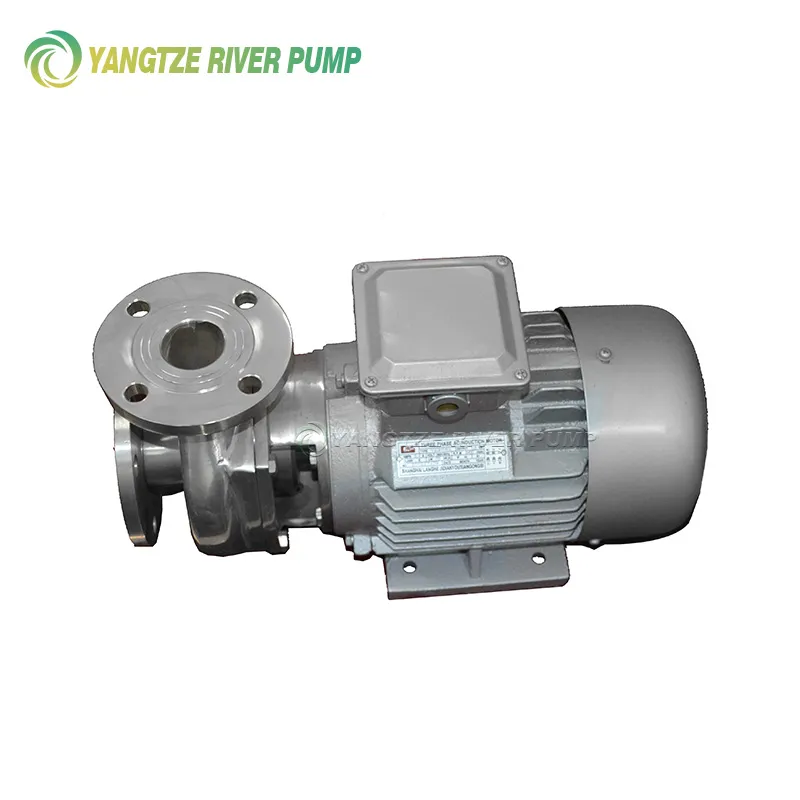

Best Sellingproducts
Best Selling Products-
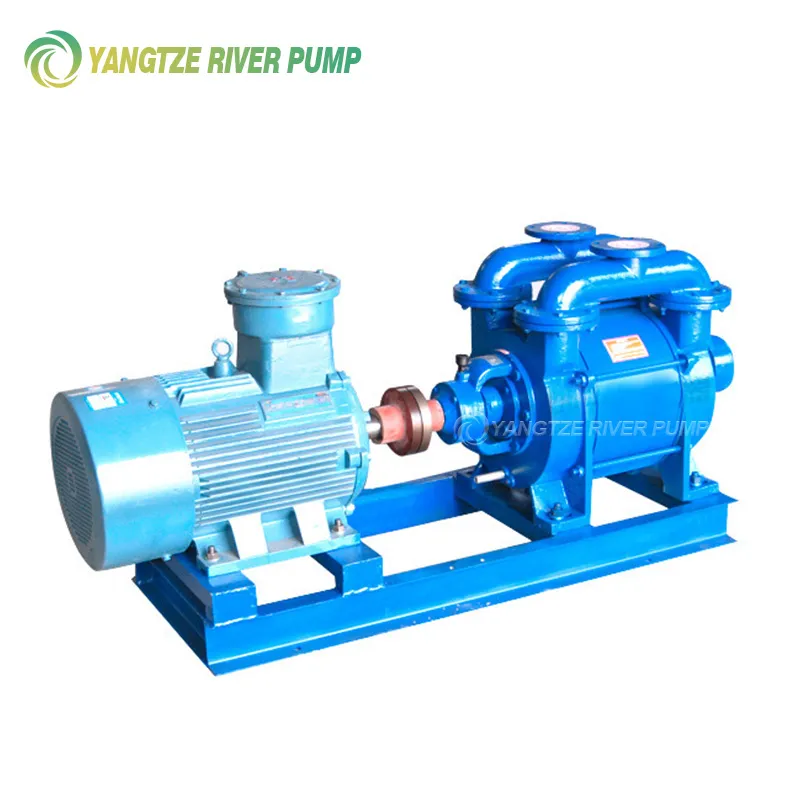 Liquid ring vacuum pumps type SK
-
 Liquid ring vacuum pumps type 2EB
-
 Horizontal multistage pumps for feeding DC boilers
-
 Non-clogging self-priming wastewater pumps ZW
-
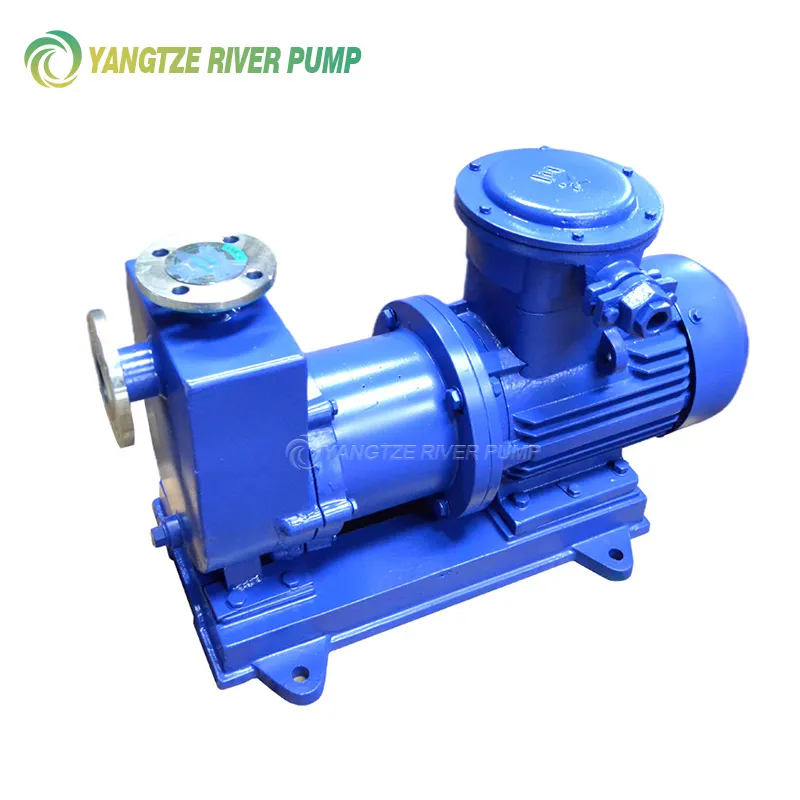 ZCQ Stainless Steel Self-Priming Magnetic Pumps
-
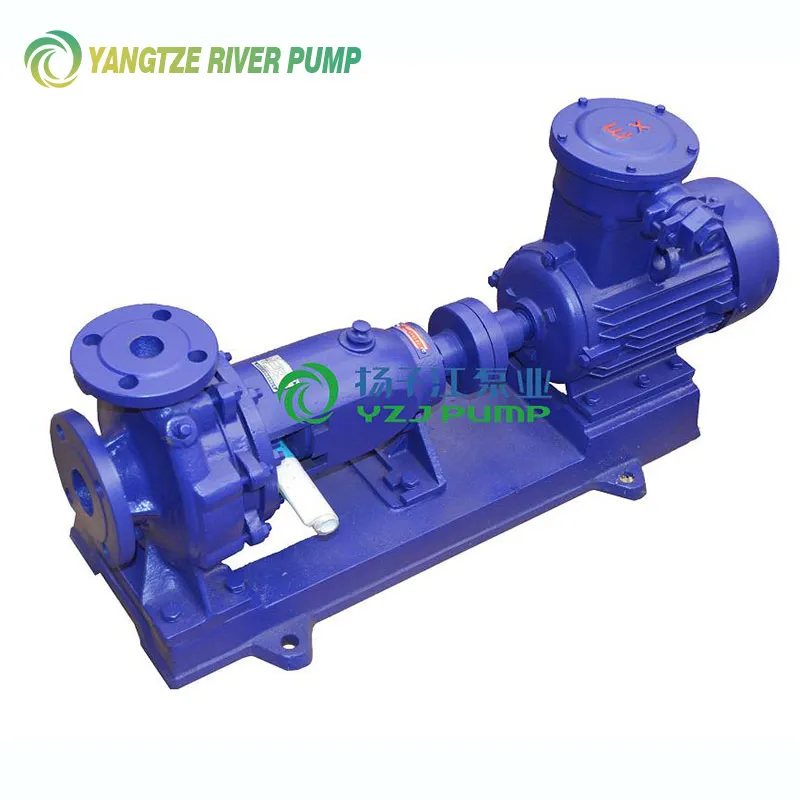 Horizontal chemical centrifugal pumps types IS and IR
-
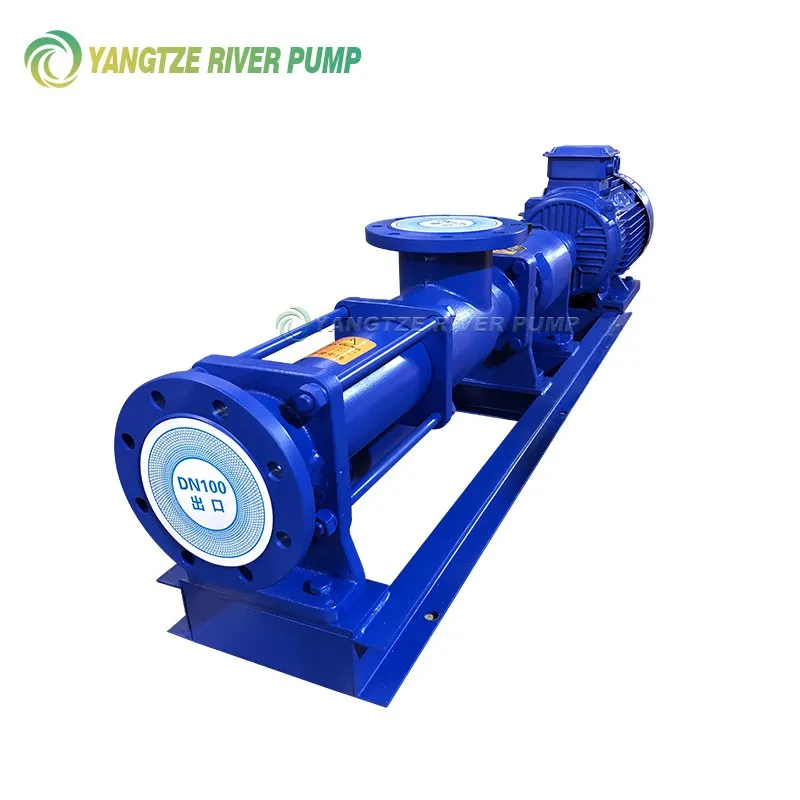 Single screw pumps type G
-
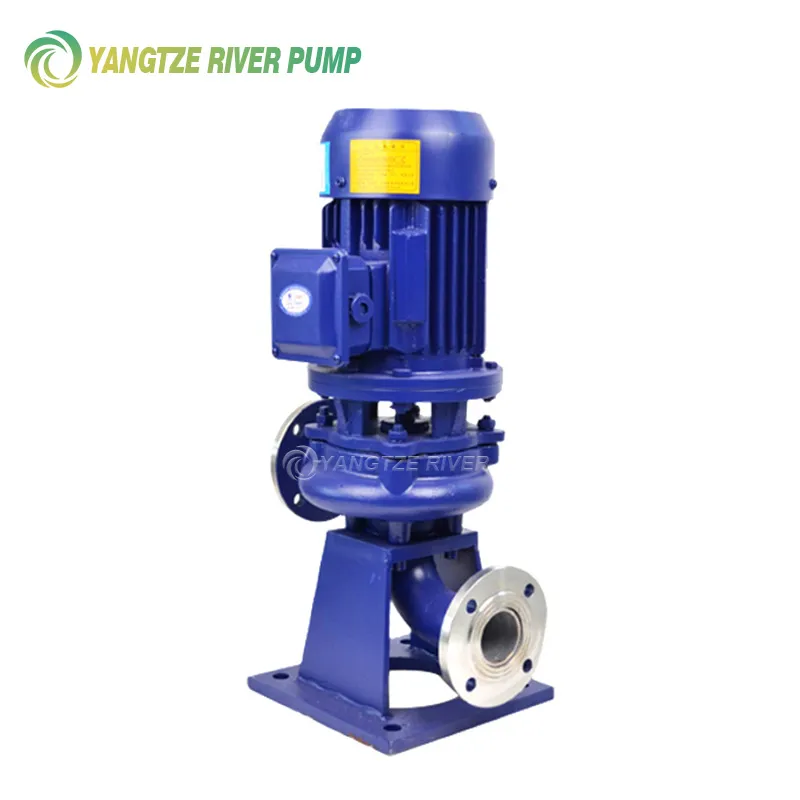 Non-clogging vertical wastewater pumps LW
-
 Mechanical diaphragm dosing pumps DJ-D
-
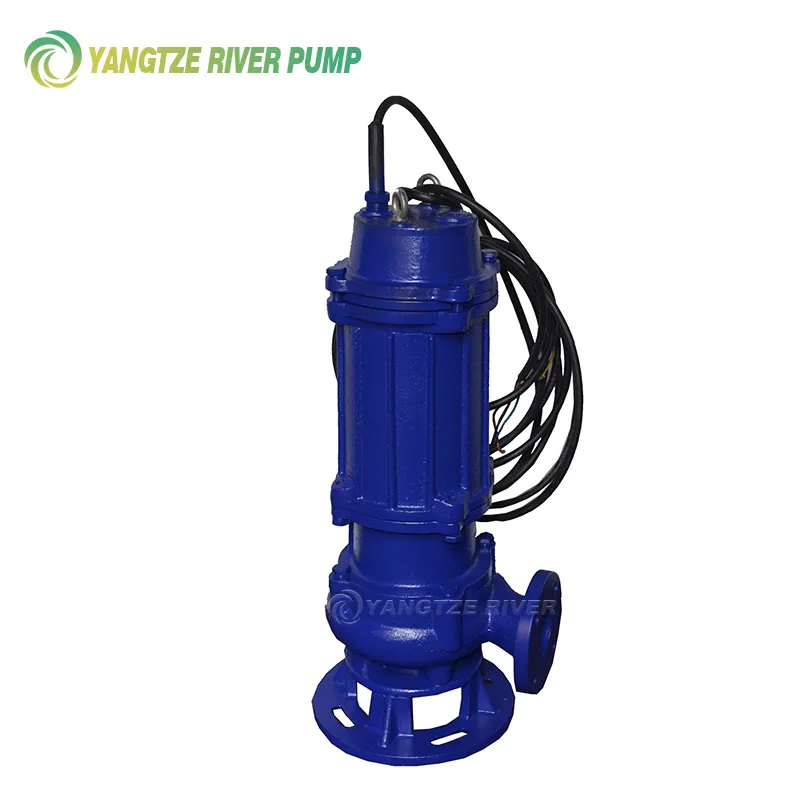 QW Non-clogging Submersible Sewage Pumps
-
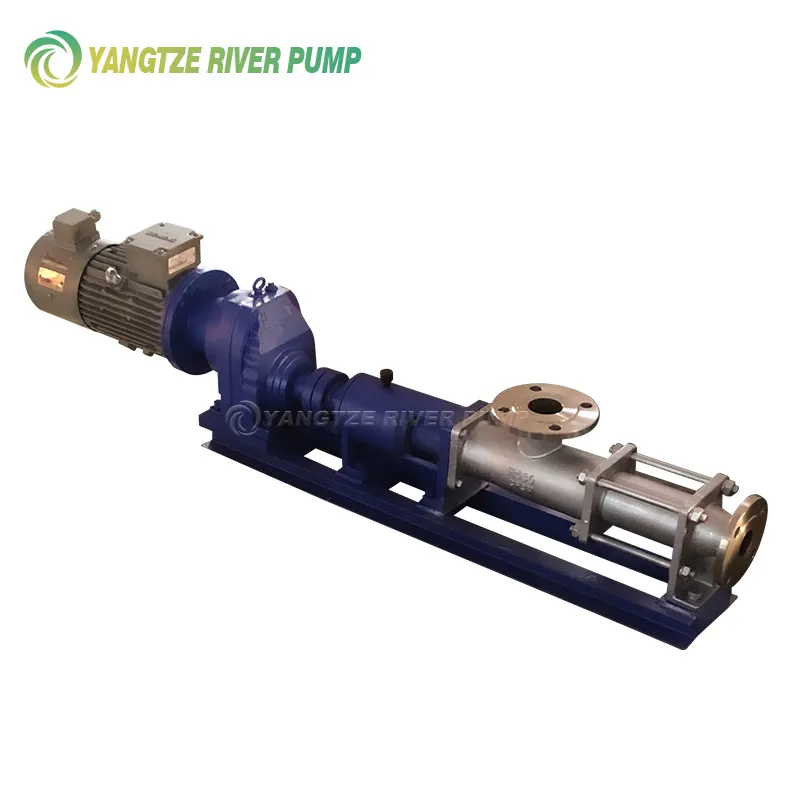 Geared screw pumps type G
-
 Liquid ring vacuum pumps type SKA and 2BV