







centrifugal pump 2 5 kW
When you hear “centrifugal pump 2 5 kW”, the first thing that comes to mind is simply a characteristic of the engine. Many people choose this way, looking at the power figure, thinking that this is the main parameter. In fact, if we take, for example, single-stage models, then at 2.5 kW you can get a unit for 12 cubic meters per hour with a head of 20 meters, and for 30 cubic meters, but with a pressure of only 8 meters. This is where the fun begins - under what pressure and performance is it really needed? I have more than once encountered situations where the customer demanded exactly “two and a half kilowatts” because he had one on his old installation, but in fact his operating mode was on the edge, and the motor was heating up. It turns out that blind focus on kilowatts is the first and most common mistake.
What is hidden behind the number 2.5 kW?
Engine power is, of course, an important indicator, but it is more about the safety margin and the ability to overcome peak loads. The 2.5 kW centrifugal pump itself is not a ready-made solution, but rather a class of equipment. Inside it is the material of the flow part (cast iron, stainless steel, plastic), the design of the impeller, and the type of seal. For example, for pumping clean water at moderate temperatures, a standard gland seal is often sufficient. But as soon as we talk about some environments, even mildly aggressive ones, or about working with abrasive inclusions, then you need to look towards mechanical seals made of silicon carbide or at least ceramics. I remember one irrigation project where sand in the water killed the normal compaction within a season. We had to revise the entire specification, although the engine power remained the same - 2.5 kW.
Another point is the electric motor itself. Not all 2.5kW motors are created equal. They come with an aluminum frame, or with a cast iron one - the latter, naturally, are heavier and more expensive, but they dissipate heat better and are quieter. But for a stationary installation that must spin for years, this is critical. Frequency converters are also in trend now, but connecting them to such a pump is a different story. Not every 2.5 kW motor, especially from the budget segment, is designed to operate from a frequency converter without overheating the windings. You need to look at the insulation class and markings.
And, of course, dimensions and installation method. It’s one thing to have a compact cantilever pump for a technical room, and quite another to have a monoblock design for a mobile installation. Weight, center of gravity, vibration all affect durability. At our production site inZhejiang Yangzijiang Pumping Industry Co.,Ltdthe line of centrifugal pumps includes just such options. We have to constantly explain to clients that choosing a model is not about a catalog and a check mark, but about a set of conditions. Websiteyangtzeriverpump.ruWe fill it not just with pictures, but with such technical nuances, because we know what questions installers then face.
Experience from the field: when theory diverges from practice
In theory, pump selection looks strict: there is a characteristics graph, an operating point, and efficiency. In practice, “little things” often come out. One of the most striking cases I had was with a recirculation system in greenhouses. The customer installed a 2.5 kW centrifugal pump, everything agreed according to the calculations. But after a couple of months, complaints began about noise and pressure drop. We arrived and looked - and the pipeline at the inlet had two sharp turns right in front of the pump. Because of this, cavitation arose, which not only made noise, but also began to corrode the impeller blades. The engine had plenty of power, but the pump was starving. at the entrance and peddled. I had to redo the harness and install straight sections. The conclusion is simple: the rated 2.5 kW is a potential that can easily be ruined by improper installation.
It's a different story when replacing a pump in an existing system. Often the old ?workhorse? served for 15 years, and it’s logical to want the same one. But technology is changing. A new centrifugal pump with the same power of 2.5 kW may have a different impeller with improved hydraulics, which gives greater efficiency. And here a conflict arises: the system was designed for the old characteristic, but the new unit can create excess pressure or, conversely, “resist?” into the pipeline curve. There was a case when, after replacing the pump, they started “knocking?” valves and valves leaked - the system was not designed for the higher peak pressure that a modern engine could develop. I had to install an additional frequency regulator to artificially limit the parameters and repeat the old curve. So ?same, but new? - doesn't always work.
And of course, operating conditions. A 2.5 kW centrifugal pump for clean water and for, say, pumping drainage waste are two big differences. In the second case, it is critical to have a free passage in the impeller to avoid blockages. In our assortment, which includes both submersible and self-priming models, we always focus on this. For chemical media, as in our plastic chemical pump segment, both the material and the type of seal are important. I once saw how at a facility they installed an ordinary 2.5 kW cast iron pump in a weakly acidic environment, citing the fact that “the concentration is low.” Six months later, corrosion ate the body. The only thing that saved us was that it was not a responsible line. So power is just one of the coordinates in the choice space.
Connection with the production line: why an integrated approach is important
Working in a company that combines R&D, production, testing and service like oursZhejiang Yangzijiang Pumping Industry Co.,Ltd, you begin to see the whole process. A 2.5 kW centrifugal pump is not just a product that came off the assembly line. This is the result of testing at a stand, where not only the nominal pressure and flow rate are checked, but also vibration, bearing temperature, and noise level. Our eight production lines for centrifugal pumps have a separate test circuit. Sometimes, at the testing stage, non-ideal wheel balancing was revealed, which in theory is not critical, but in practice, during long-term operation, could lead to wear. And then the model was refined, although in terms of power it already produced its 2.5 kW.
This comprehensive approach is especially important when it comes to non-standard tasks. Let's say you need a linear centrifugal pump for installation directly into a pipeline, and even rated at 2.5 kW. Both the dimensions of the flanges and the weight that will fall on the pipe are important here. Our production allows you to vary some parameters without losing quality. For example, it is possible to make a housing from AISI 304 stainless steel instead of cast iron for food grade applications while maintaining the same electrical output. Or offer an option with a double mechanical seal and a flushing cavity for working with suspensions. All this is born not at the time of sale, but at the stage of design and discussion with the customer.
That's why on the siteyangtzeriverpump.ruWe try not to provide dry catalogs, but to show selection possibilities. A client who is looking for a “centrifugal pump 2 5 kW” may come with a task for water, or maybe for an alkaline solution. And it’s good if he points this out right away. What if not? Then the dialogue clarifies the details: temperature, density, presence of solid particles. Often, after such a conversation, the choice shifts towards, say, a chemical plastic pump or a single-screw model if the medium is viscous. The engine power may remain around 2.5 kW, but the unit itself will be fundamentally different. And that's okay. Our task as a manufacturer is not to sell a box with the specified power, but to ensure that the equipment works for a long time after installation and without surprises.
Typical operating errors and what to do about them
Even a properly selected and installed 2.5 kW centrifugal pump can be ruined in a few months by improper operation. The most common mistake is working with a closed valve. The engine is powerful, 2.5 kilowatts, it will try to spin the wheel, but the flow has nowhere to go. All the energy will go into heating the liquid in the housing, which will boil, causing severe cavitation that destroys the metal. Current protection will not work immediately. I saw the consequences - the impeller looked like it had been shot at. The solution is simple - never run the pump with the outlet closed and ensure that the check valve, if any, is in good working order.
The second problem is the failure to take into account ambient temperature and cooling. If a fan-cooled engine is placed in a cramped chamber with no air flow, it will overheat even under normal load. And overheating leads to insulation degradation and interturn short circuit. This is especially true for pumps that operate in cyclic mode with frequent starts. Here you need to either provide ventilation, or initially select a motor with a thermal class reserve, or, even better, consider options with frequency regulation for a soft start.
And third, neglect of scheduled maintenance. It seems that the pump is pumping and okay. But even the most reliable bearings require replacement of lubricant, and seals need to be checked for leaks. At our production facility, we draw up maintenance recommendations for key models. For the same 2.5 kW centrifugal pump, this may include checking vibration once every six months, tightening foundation bolts and monitoring current consumption. An increase in current under the same operating conditions is a sure sign of increasing resistance, be it bearing wear or clogging of the flow path. It’s easier to spend an hour on diagnostics than to later change the entire unit or, worse, clean up the consequences of an accident in the production line.
Instead of a conclusion: 2.5 kW as a starting point
So where have we come to? Key words ?centrifugal pump 2 5 kW? is really just a door into the world of technical selection. Behind them are more than a dozen models with different characteristics, materials and purposes. Focusing only on engine power is the same as choosing a car only by engine size, without paying attention to body type, gearbox and purpose.
Experience, including our production inZhejiang Yangzijiang Pumping Industry Co.,Ltd, shows that the successful operation of equipment consists of three equal parts: competent engineering selection for specific conditions, high-quality manufacturing with control at all stages (from casting the housing to balancing the rotor) and responsible operation with an understanding of the basics of hydraulics. If any of these links are removed, even the most reliable-looking 2.5 kW unit may not live up to expectations.
Therefore, the next time a problem arises with these numbers in the specification, it is worth spending time clarifying: what exactly needs to be pumped, in what mode, in what system? The answers to these questions will tell you whether to look at a standard single-stage centrifugal pump, or whether you need a multi-stage high-head model, or perhaps a self-priming design. Or perhaps the environment dictates the choice in favor of a plastic chemical pump. Power of 2.5 kW will remain important, but far from the only parameter in this equation. And it is precisely this approach - from the task conditions to the equipment, and not vice versa - that allows you to avoid most problems and end up with a reliable and durable system.
Correspondingproducts
Related Products

Best Sellingproducts
Best Selling Products-
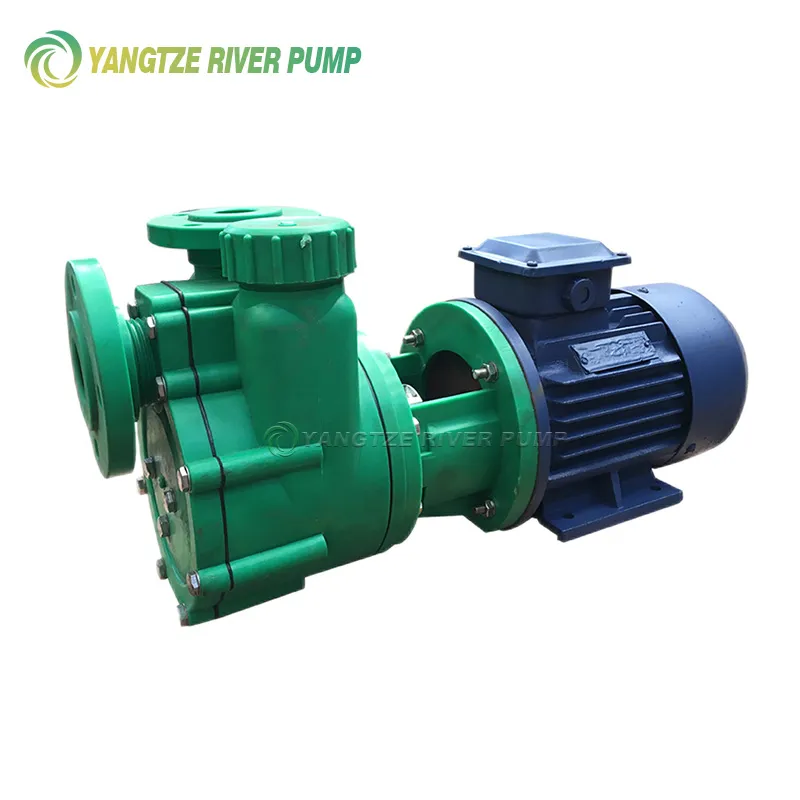 Plastic self-priming centrifugal pumps FP and FS
-
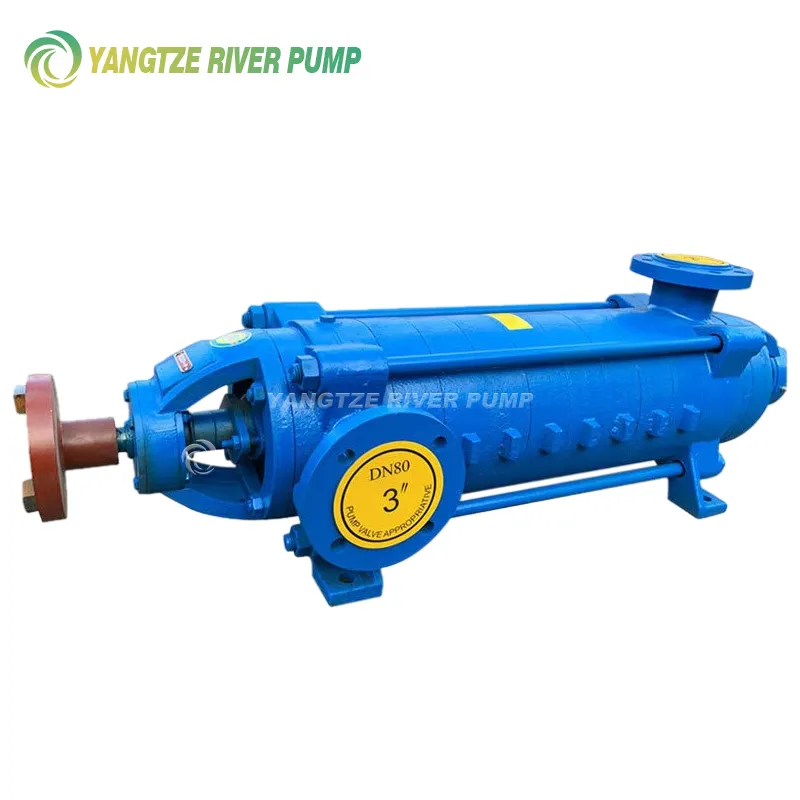 Horizontal multistage pumps for feeding DG boilers
-
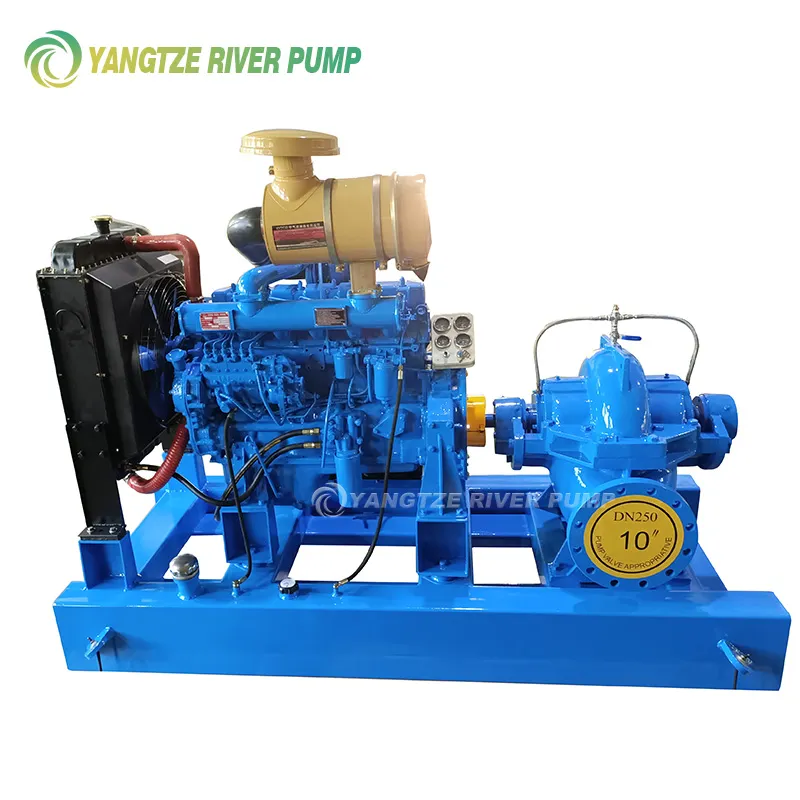 Diesel pumps with horizontal connector YZS and YZSH
-
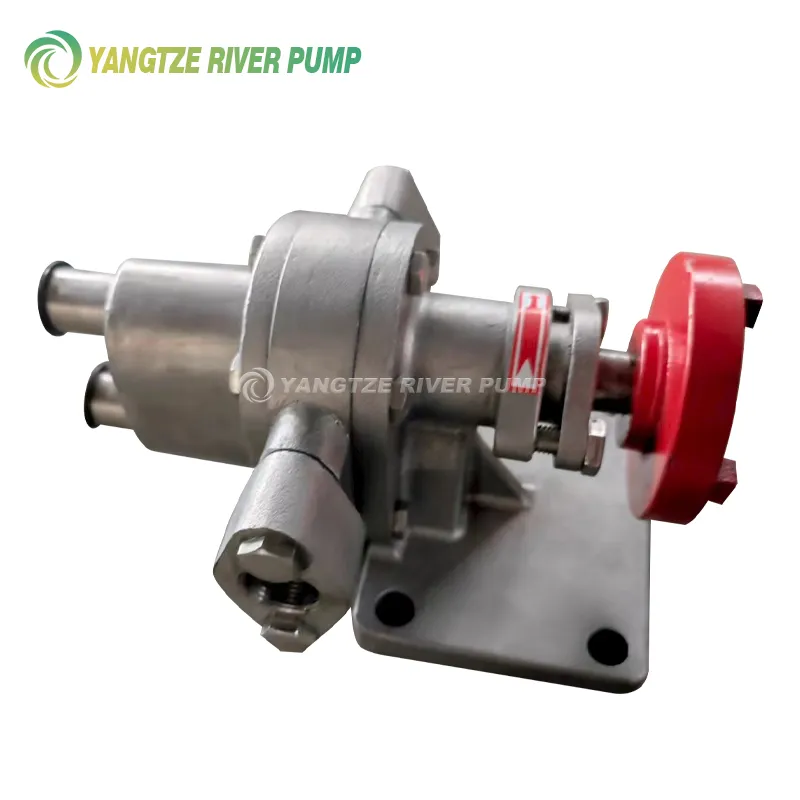 Gear oil pumps type KCB
-
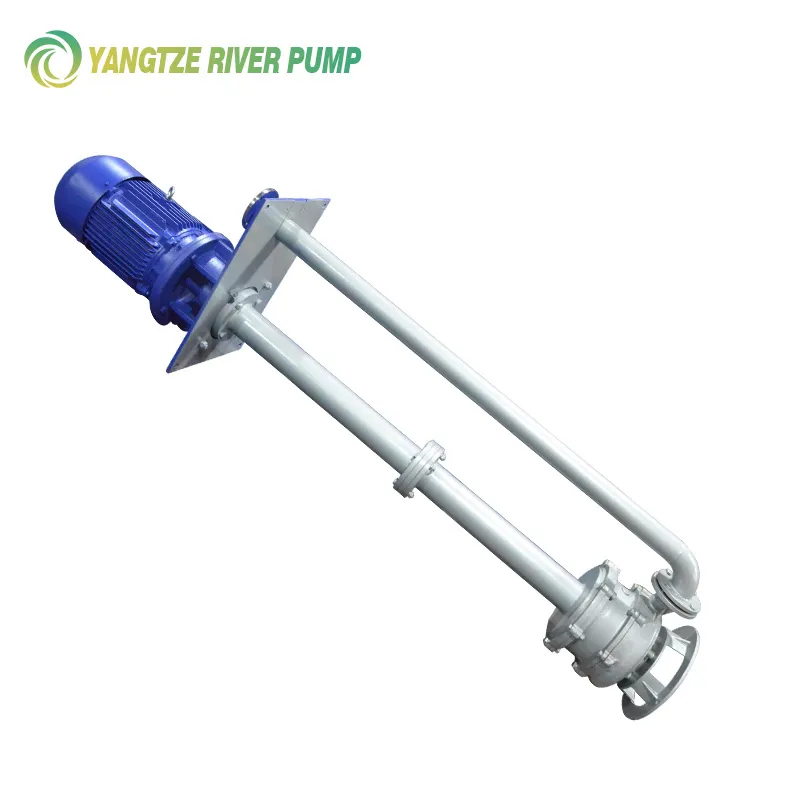 YW Vertical Submersible Sewage Pumps
-
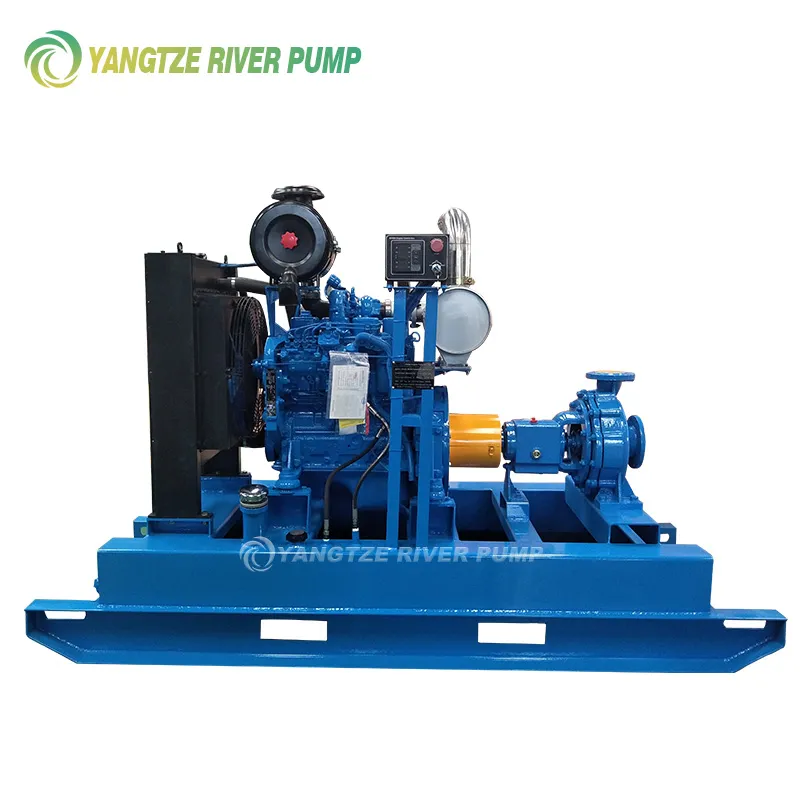 YZIS Diesel Single Stage Centrifugal Pumps
-
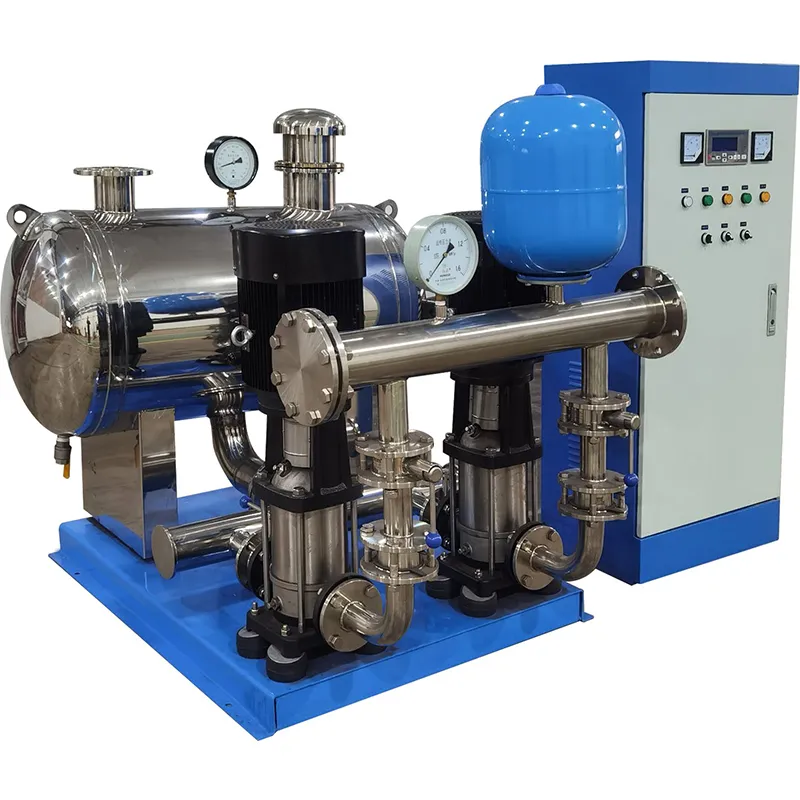 Complete water supply installations with frequency regulation and constant pressure CDLF
-
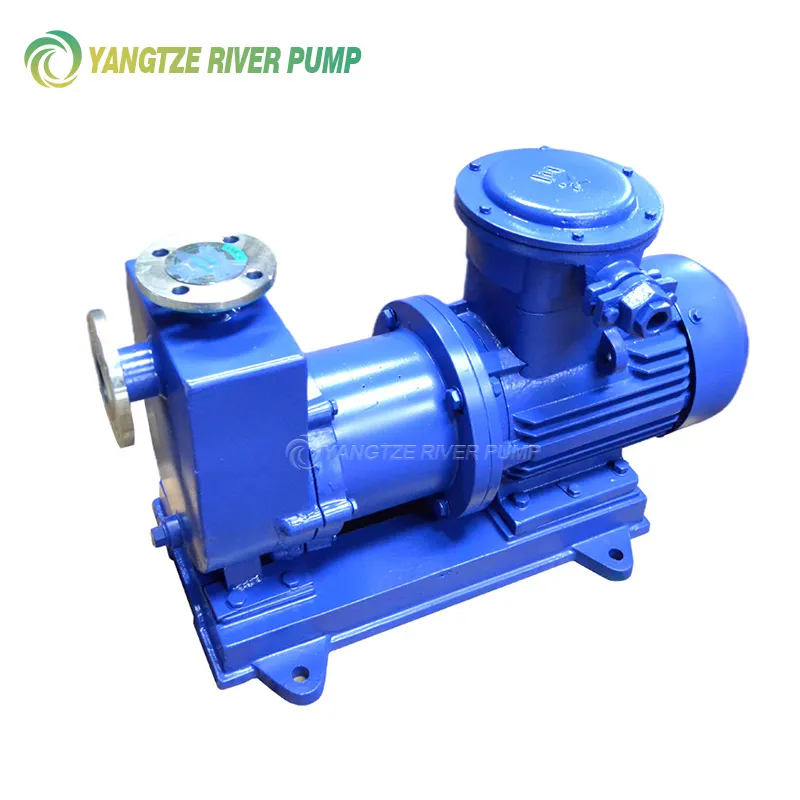 ZCQ Stainless Steel Self-Priming Magnetic Pumps
-
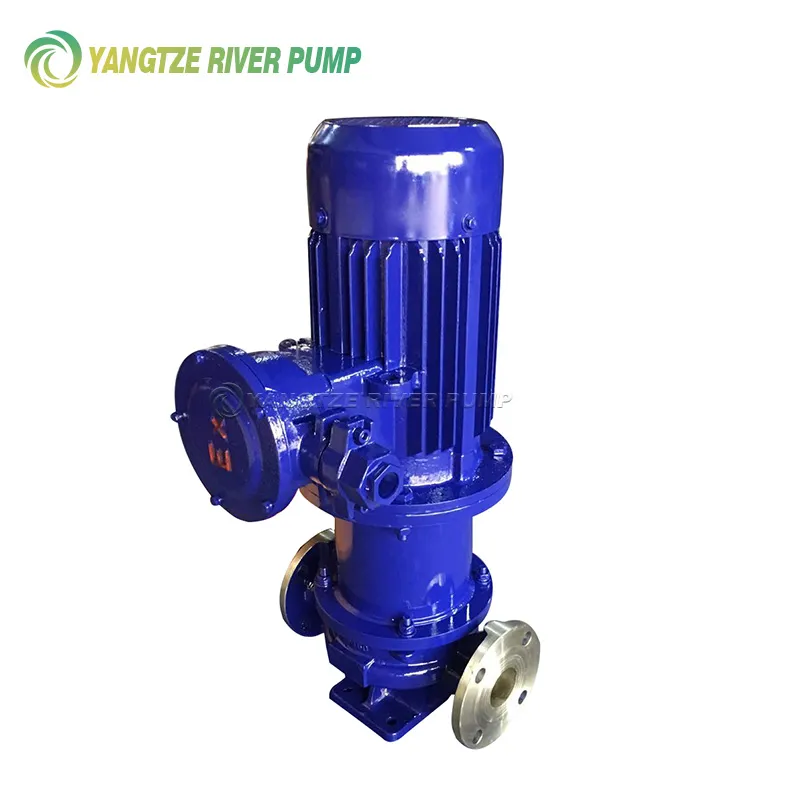 Vertical magnetic pumps CQB-L
-
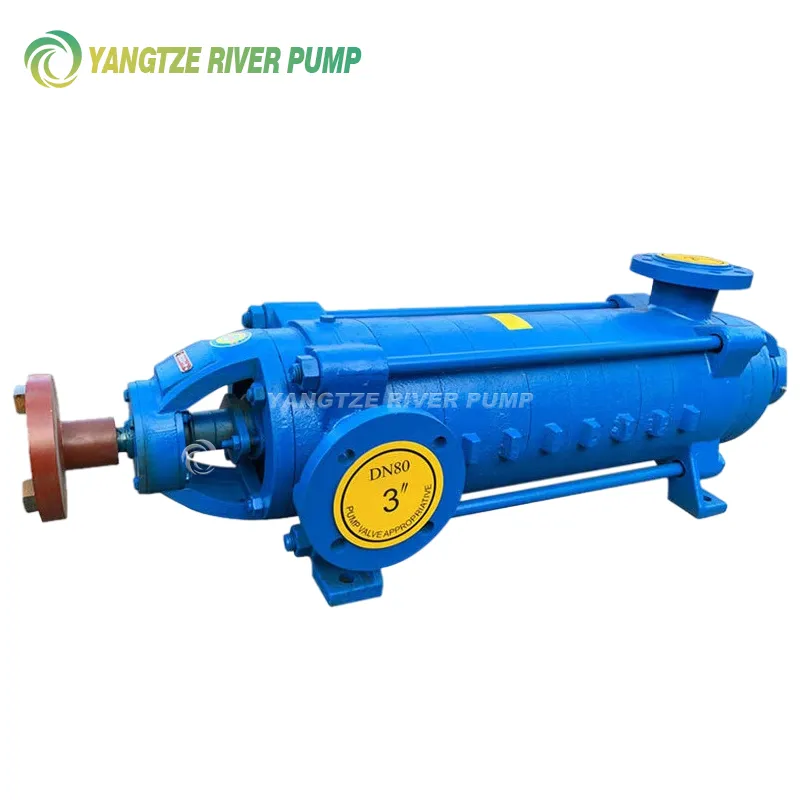 Horizontal multistage pumps for feeding DC boilers
-
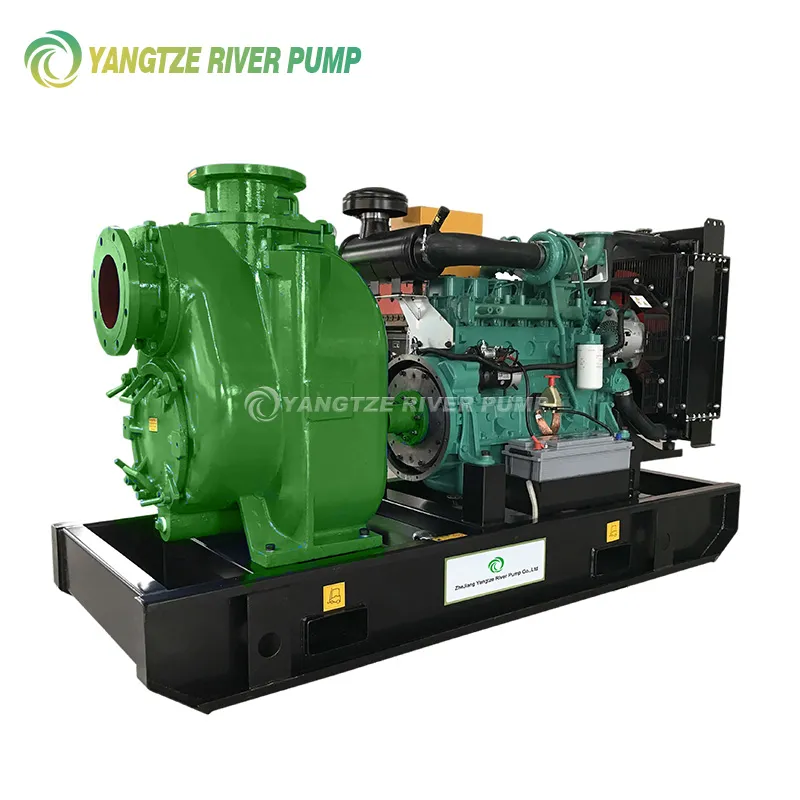 YZSP Diesel Self-Priming Pumps
-
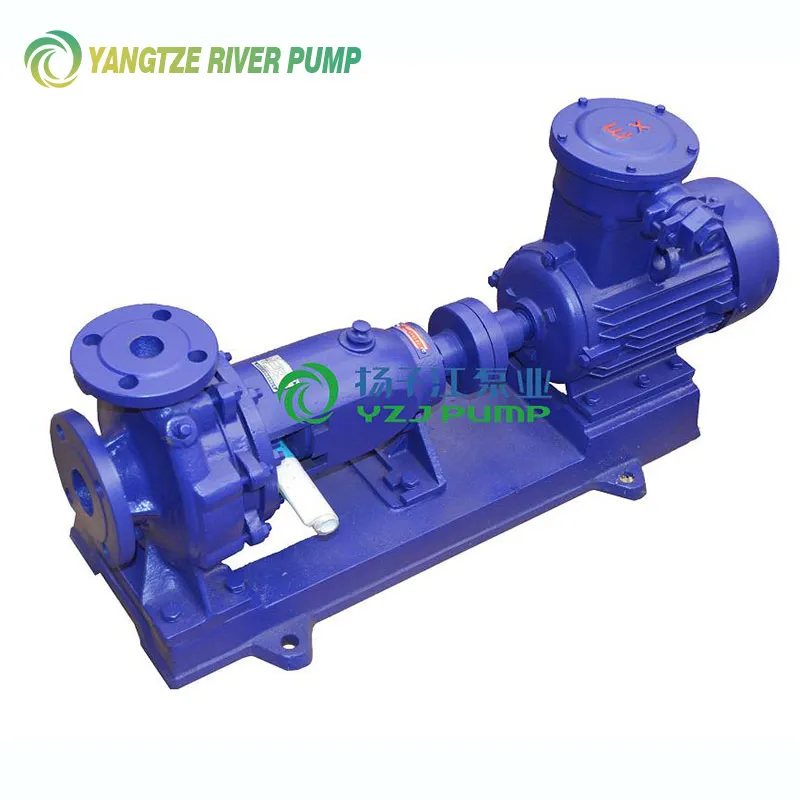 Horizontal chemical centrifugal pumps types IS and IR
Relatedsearch
Related Search- YZD Series Diesel Multistage Centrifugal Pumps
- production of vertical centrifugal pumps
- normal pressure centrifugal pumps
- Electric diaphragm pumps
- Corrosion Resistant Magnetic Pumps
- Pumps for petrochemical processes
- Diesel intelligent fire pumps
- marine centrifugal pumps
- centrifugal pump 32 m3 h
- high temperature magnetic pump