







centrifugal oil pump
When people talk about a centrifugal oil pump, many people immediately imagine something simple - an impeller, a housing, a shaft. But in practice, especially when it comes to pumping oils of different viscosities, from industrial to coolants, nuances arise that are often missed in catalogs. The most common mistake is to assume that any centrifugal can handle oil if it is made of cast iron or steel. And then they wonder why the pressure drops, the seal heats up, or cavitation appears at parameters that would be standard in water.
From theory to workshop: where the gap lies
In the textbooks everything is smooth: centrifugal force, conversion of kinetic energy into pressure. But try pumping used oil with a temperature under 90°C and impurities into a standard single-stage centrifugal pump. Firstly, viscosity. It is not constant - as you heat it up, it flows better, but evaporation also increases. The calculated pressure and flow curves, which are the law for water, begin to “float” here. We at Zhejiang Yangtzejiang Pump Industry LLC had to work hard until we started making separate test benches specifically for oil media. Not with water, but with different oils - industrial, transmission, even synthetic.
Testing is not just “plug-and-check”. These are long runs, measurements of the drop in parameters over time, analysis of wear on the impellers. We quickly realized that for oils, especially those with abrasive contaminants, a standard SS304 stainless steel impeller is not always an option. Yes, it is corrosion-resistant, but with prolonged work with hot oil and small particles, the edges of the blades begin to wear out, and the efficiency decreases. We switched to combined solutions - for some orders a wheel made of SS316, for others - with surfacing of harder alloys. This is not listed in general catalogs, this is already a selection for the task.
Another point is seals. The gland packing for water is often standard. For hot oil, it's a different story. If you choose the wrong packing material or mechanical seal, leaks begin, and not immediately, but after 200-300 hours of operation. There have been cases at client sites when other pumps leaked massively after six months of operation. We took it apart and it turns out that the seal is not designed for prolonged heating and chemical exposure to a specific brand of oil. Now in our line of centrifugal oil pumps we immediately offer several seal options, with tests for different environments. And we always ask the customer what kind of oil, what temperature, whether there are any impurities.
Design features that are not noticeable
If you look at our linear centrifugal pump for oil systems, the differences from water systems are not immediately visible. But they exist. The first is channels and flow parts. For oils, especially viscous ones, it is important to minimize sudden contractions and swirls. Therefore, the spiral elbow and inlet are often designed with larger radii. This reduces local hydraulic losses, which are more critical for oil.
The second is the shaft. For pumps operating with heated oils, the shaft must not only be durable, but also have a certain rigidity and resistance to temperature deformation. Otherwise, alignment problems may occur and, as a result, increased wear of seals and bearings. We use carbon steel shafts that are additionally machined and, on some models, coated.
And the third thing that is often forgotten is the axial force relief system. This is especially important in multistage centrifugal pumps to create high pressure. For oil media, improper unloading can lead to overheating of the thrust unit and failure of the entire unit. We tested this scheme on our multi-stage models, using a combination of relief holes and bearing units with forced lubrication from the pumped oil itself.
Field stories: when theory is silent
We had a project - the supply of pumps for circulating coolant (high-temperature oil) at a manufacturing plant. The customer initially wanted standard centrifugal pumps, citing moderate parameters. But in fact, the temperature in the system reached 150°C, plus periodic thermal shocks. After several months of operation, one of the pumps developed a crack in the casing near the flange. Analysis showed that the case material could not withstand cyclic temperature stresses.
We had to quickly develop a replacement - a body made of more heat-resistant cast iron with a modified design of stiffeners and a different fastening scheme. This was not just a repair, but a redesign of the unit. After modification, the pumps have worked for several years without any complaints. We now have this case as a learning case - it forced us to reconsider the approach to calculating housings for high-temperature oils, taking into account not only pressure, but also thermal fatigue.
Another story concerns self-priming centrifugal pumps for pumping oils from containers. The client complained about the long start-up period and loss of self-suction after stopping. It turned out that the problem was in the check valve and the exact geometry of the liquid ring in the pump housing during startup. For oil with a viscosity above 100 cSt, the time and conditions for creating this ring are different than for water. The design of the suction cavity and valve had to be modified to ensure stable media capture even at higher viscosities. This has now been taken into account in our series of self-priming oil models.
Connection with other types: why not always only centrifuge
Sometimes other types have to be integrated into a system where the main work is done by a centrifugal oil pump. For example, in the area of dosing additives or pumping oils with a very high solids content. Here the question may arise about a screw or diaphragm pump as an addition. Our production, by the way, also covers these types - single-screw pumps, diaphragm pumps. This allows us to offer comprehensive solutions, rather than squeezing a centrifugal into a place where its efficiency will be low.
There was a case at a mobile oil filling station: the main pumping unit was our centrifugal pump, but for accurate dosing of expensive synthetic lubricant, a small plunger dispenser from another manufacturer was built into the system. Coordination of operating parameters so that there is no conflict between pressures and pulsations is a separate task. It was necessary to select the parameters of the centrifugal pump so that it would create a stable pressure at the inlet to the dispenser with a margin, but without excess.
Hence the conclusion: when choosing an oil pump, you need to look at the entire system. The centrifugal pump may be its heart, but what is important is how it interacts with other elements - filters, heat exchangers, shut-off valves. Often problems arise not in the pump itself, but at the joints. Therefore, on the website yangtzeriverpump.ru we try to give not just pump parameters, but recommendations for its integration into standard circuits.
Production and control: what is behind the finished product
Zhejiang Yangzijiang Pumping Industry Co.,Ltd has eight complete lines, not just machines in a row. This is an opportunity to control the entire cycle. For oil pumps, the testing phase is especially important. We don't limit ourselves to running on the water. Each centrifugal pump designed to work with oils undergoes additional testing on a special stand, where oil with the specified properties is used as the working fluid. Not only pressure and flow are measured, but also housing temperature, vibration, and continuous operation of seals.
Our R&D service is constantly working to adapt existing models to new tasks. For example, the flow part of one of the linear centrifugal pumps for working with biofuels based on vegetable oils is currently being refined - they have their own specific viscosity and abrasiveness. This is not creating a model from scratch, but a modification based on requests from the market.
And the last thing is after-sales. The story does not end for the pump that goes to the site. Especially if this is a critical area. We collect feedback and sometimes go to the site if emergency situations arise. This allows us to accumulate practical experience, which is then incorporated into the design of subsequent products. Because in pump engineering, especially for media such as oil, actual operating conditions are the main teacher.
Correspondingproducts
Related Products


Best Sellingproducts
Best Selling Products-
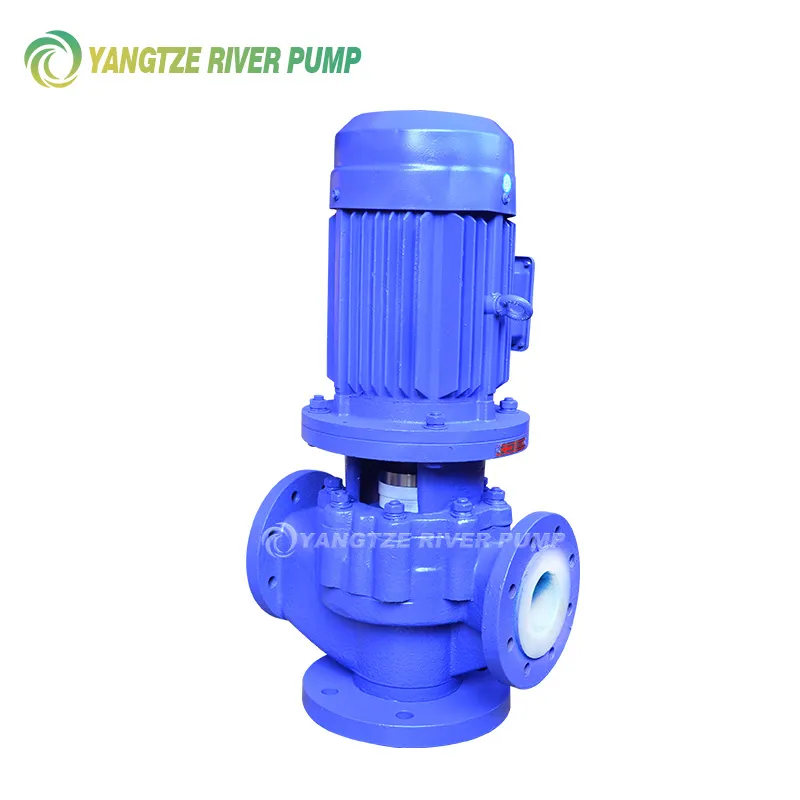 Vertical pumps with PTFE lining YQF
-
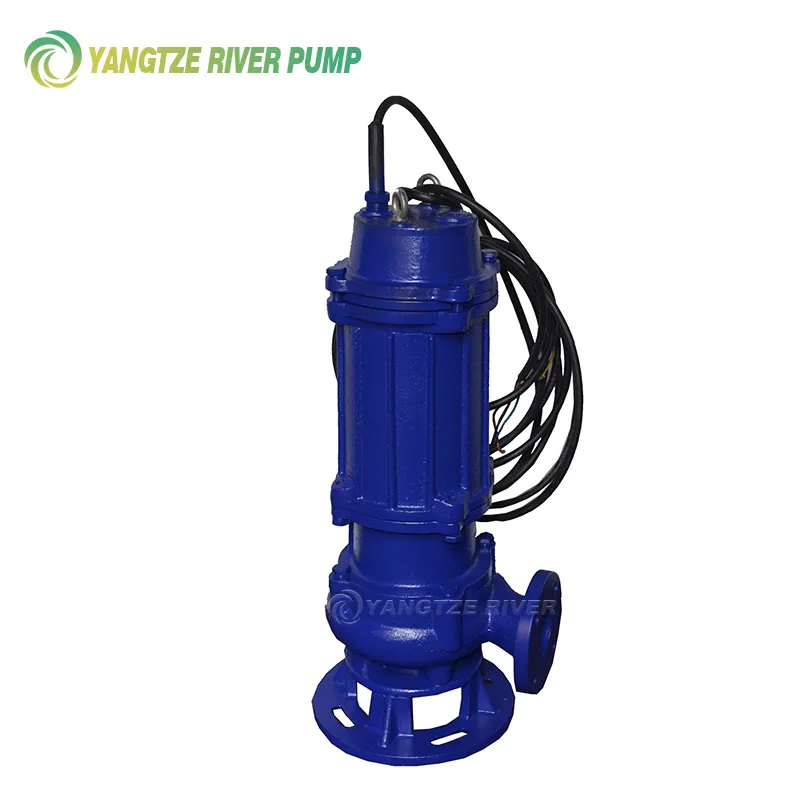 QW Non-clogging Submersible Sewage Pumps
-
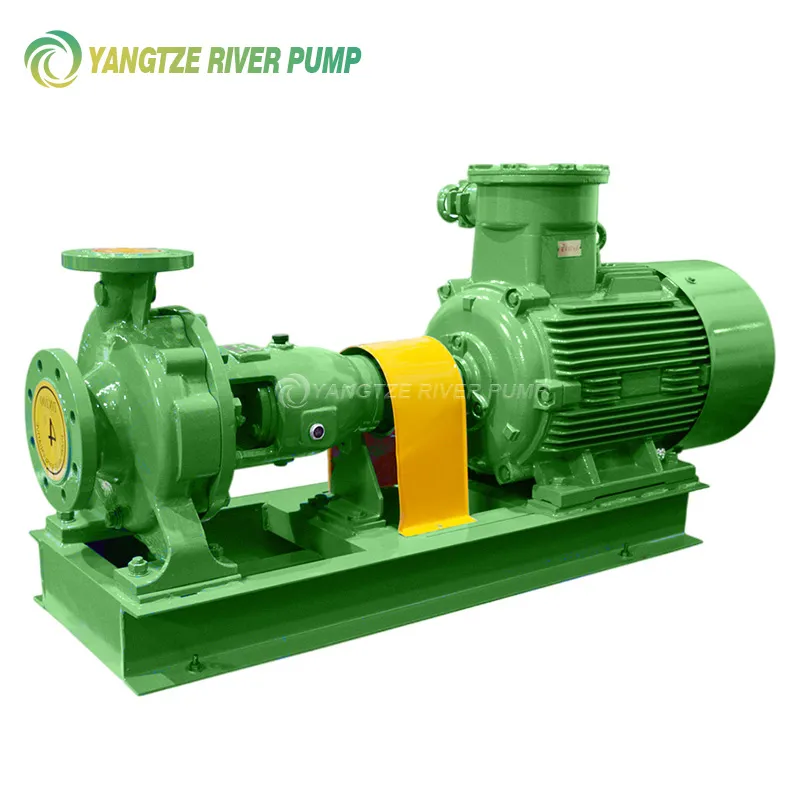 YCZ Chemical Process Pumps
-
 YCB Type Circular Gear Pumps
-
 Mechanical diaphragm dosing pumps DJ-D
-
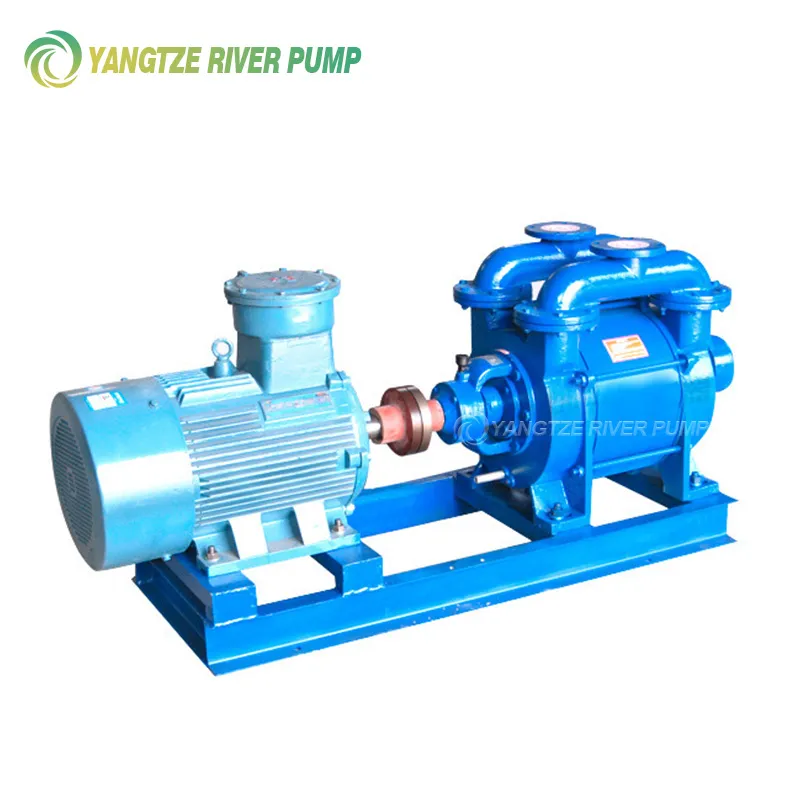 Liquid ring vacuum pumps type SK
-
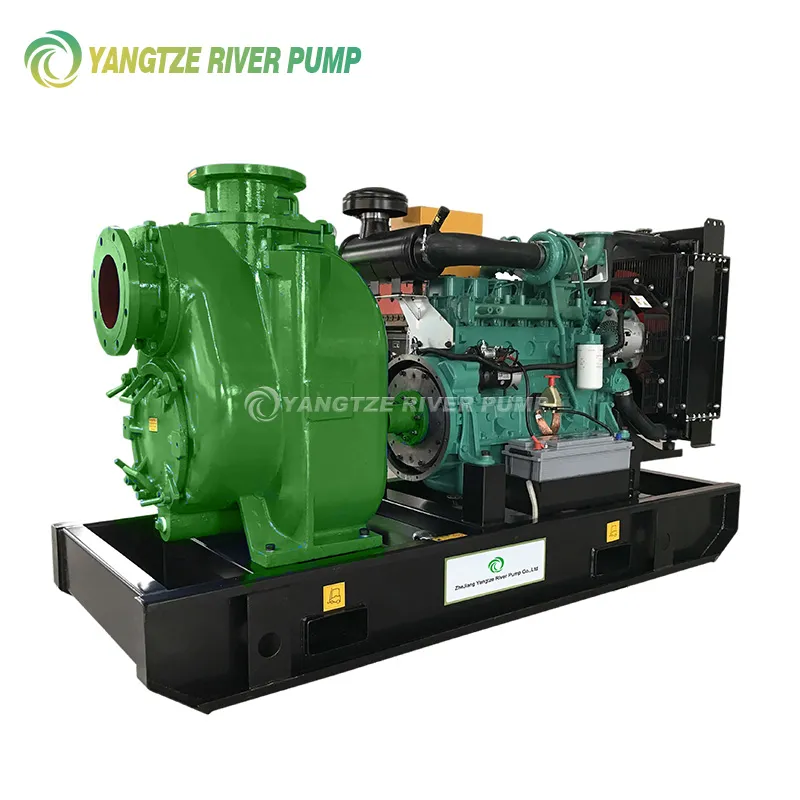 YZSP Diesel Self-Priming Pumps
-
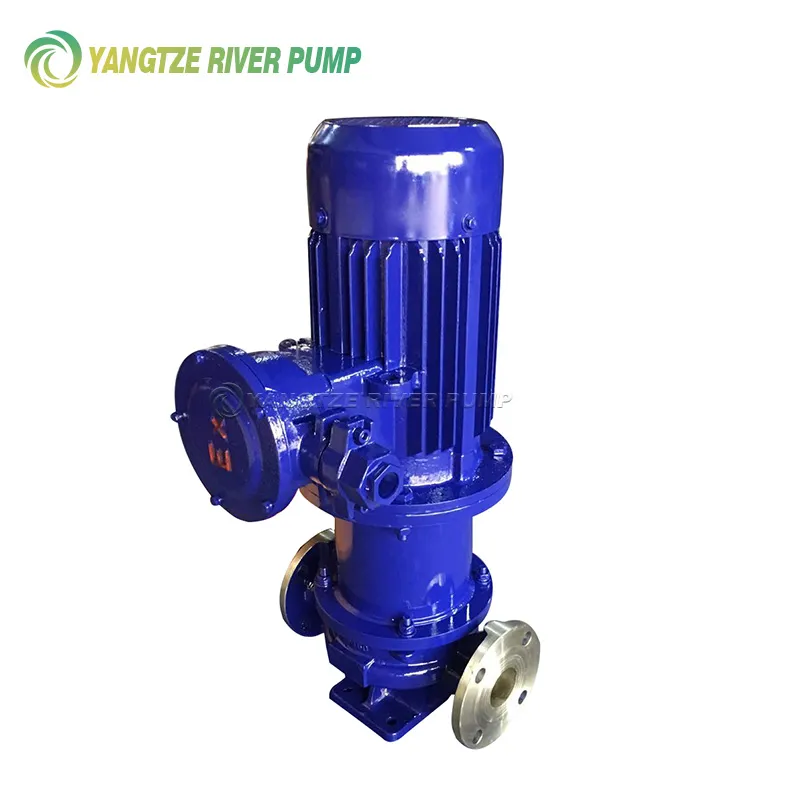 Vertical magnetic pumps CQB-L
-
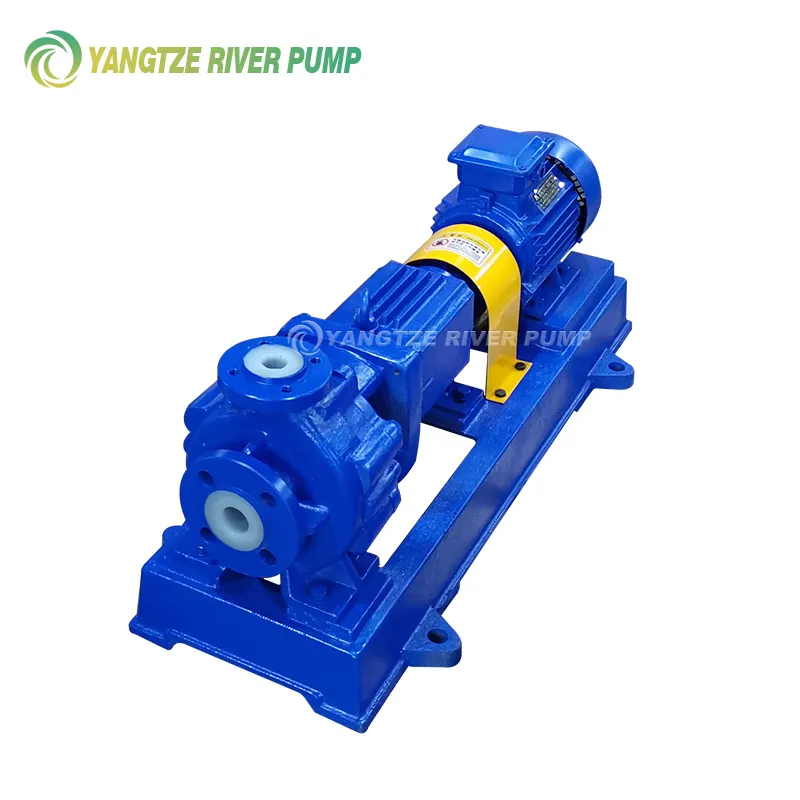 IHF PTFE Chemical Centrifugal Pumps
-
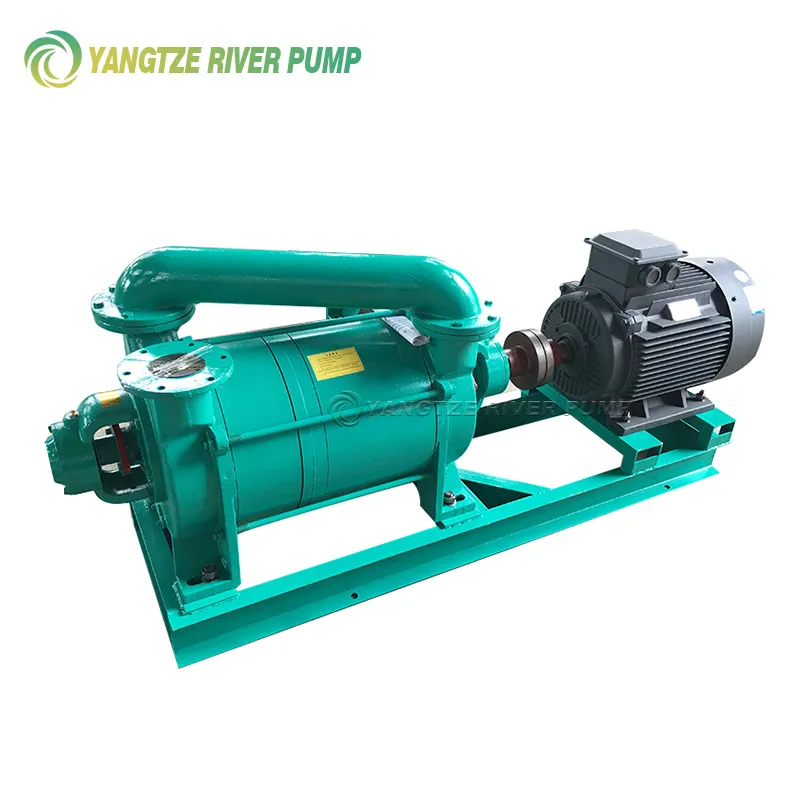 Liquid ring vacuum pumps type 2SK
-
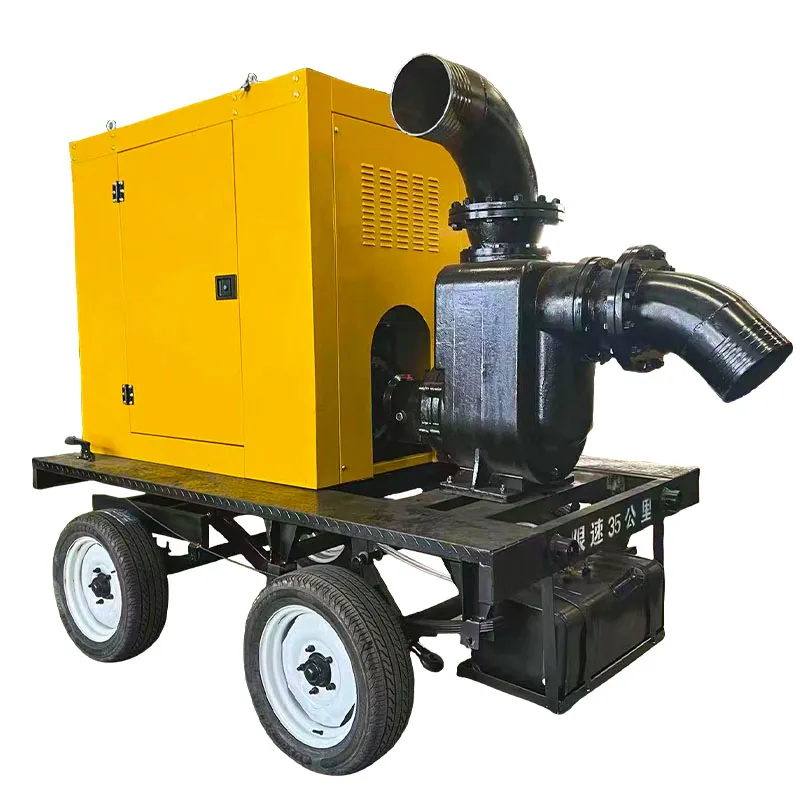 YZZW Diesel self-priming pumps
-
 Horizontal multistage pumps for feeding DC boilers
Relatedsearch
Related Search- stage centrifugal pump
- water screw pump
- single stage centrifugal pump with dry rotor
- Vertical magnetic pumps
- cast iron centrifugal pump
- centrifugal pumps for water supply
- Horizontal centrifugal pumps made of stainless steel
- Diaphragm dosing pumps
- magnetic centrifugal pump
- Type QJ Stainless Steel Downhole Submersible Pumps