







single stage centrifugal pump with dry rotor
When they talk aboutsingle stage centrifugal pump with dry rotor, many people imagine a basic, almost primitive design - they say, what’s so complicated about it? Shaft, impeller, housing. But it is precisely in this apparent simplicity that lies a lot of nuances that emerge only in practice, at a stand, or, worse, already at the customer’s. Working with productsZhejiang Yangzijiang Pumping Industry Co.,Ltd, where production involves full cycles from R&D to testing, you are constantly faced with how deep you need to dig in order for such a pump not just to spin, but to work stably for years under specific conditions.
Construction: where are typical “dogs” buried?
The main misconception is to think that since there is only one stage, there are no problems with the hydraulic balance. No matter how it is. Especially at high speeds or when pumping media with variable viscosity. Underestimation of axial forces is a common cause of premature wear of shaft supports, even in seemingly correctly selected models. On ourhttps://www.yangtzeriverpump.ruThis is not advertised in the product section, but in technical specifications for engineers we always emphasize: for a “dry rotor?” Calculation of mechanical seals and bearing units is not based on a catalogue, it is based on a specific pressure and temperature.
Here, for example, is the story of pumping warm softened water (up to 85°C) for a boiler room. The customer took a pump that externally matched the parameters, but with a standard seal. After three months it leaks. Let's take it apart: it turned out that the material of the stuffing box seal was not designed for constant thermal cycles. We had to reassemble the assembly with a bellows seal, selected taking into account not only the temperature, but also possible micro-bubbles of steam. After this, a “thermal shock” mode was specially added to the test line. for similar orders.
Or a problem with the case material. Cast iron is cheap and cheerful, but for some chemically neutral but abrasive suspensions its resource is ridiculously short. We have to explain to clients that sometimes it is better to take a model with a stainless steel case, even if according to the catalog the price difference seems unjustified. Our company offers just such a choice, and this is not marketing, but a consequence of several unsuccessful deliveries about five years ago, after which a mandatory test for erosion resistance was included in the testing program.
Assembly and alignment: a job for the patient
?Dry rotor? implies that the electric motor and the pump part are separate units connected by a coupling. And this is where 80% of post-sales problems arise. Perfect alignment in the shop on a perfect foundation is one thing. But its preservation after transportation, installation on a vibrating plate, or during thermal expansion during operation is a completely different matter. I often see how installers, in a hurry, perform alignment according to the old scheme, neglecting the laser tool. And then they wonder why after six months the vibration starts and “eats?” bearings.
We had an illustrative case during the installation of a pump for a circulation system in a large logistics center. They assembled it, launched it - it seemed quiet. But a month later the customer complains about an increasing hum. We come and measure the vibration diagnostics - there is a clear imbalance. It turned out that the foundation frame on which the unit was mounted was not rigid enough, and under load there was a microdeflection, which disrupted the alignment. I had to dismantle it, strengthen the base and re-center it. Now, in the installation recommendations for powerful models, we include as a separate paragraph the requirements for the rigidity of the supporting structure.
Another subtle point is the thermal gap. The motor heats up and expands differently during operation than the pump housing. If during alignment in “cold” If you are able to set everything to zero, when reaching operating temperature, dangerous voltage may arise in the shafts. Therefore, the correct technique is alignment with a preliminary displacement, calculated based on the passport data on the thermal expansion of both units. This is not always taught, but in our internal assembly regulations this is a mandatory step for critical orders.
Operation: what is not written in the instructions
The operating instructions usually write: “Dry running is prohibited?” and “Start only when the flow path is full?”. This is the ABC. But life is richer. For example, working on a closed valve. It seems that if the pump is running and there is pressure, then everything is in order. But during prolonged operation with a closed valve or with a greatly reduced flow rate, the liquid in the housing begins to intensively overheat due to friction. For pumps with a dry rotor, this can lead to boiling of the liquid at the mechanical seal, its overheating and failure. We once installed a pump for recirculation in a closed loop with low water intake - we encountered exactly this problem. I had to modify the circuit by adding a bypass line with a choke.
Noisy.Single Stage Centrifugal Pumpwith properly designed hydraulics should be relatively quiet. But if there is cavitation, a characteristic cracking sound will appear, as if gravel had been poured into the pipes. A common cause is insufficient suction pressure (NPSH). But there is also a more insidious option: when the suction pipeline has a straight section of insufficient length in front of the pump (less than 5-7 diameters), and a swirling, uneven flow enters the impeller. This also generates cavitation and noise. It is treated by installing a flow straightener or increasing the straight section.
Service. Many people think that since the rotor is “dry?” and there is no complex stuffing box seal, like in submersible models, then you can “set it and forget it?”. Error. Regular checks of the condition of seals (mechanical end seals), vibration control, and tightening of foundation bolts (especially in the first month after installation) are mandatory. We are on our websiteZhejiang Yangzijiang Pumping Industry Co.,LtdWe try to post not just catalogues, but brief technical notes with similar observations collected by service engineers.
Selection and selection: against stereotyped thinking
The most common request from clients: “I need a pump with 50 cubic meters per hour and 30 meters of pressure?”. That's all. But about the environment, temperature, presence of solid inclusions, operating mode (constant/periodic), required efficiency - they are often kept silent. The selection turns into interrogation with passion. Because the same model, say, from the linesingle stage centrifugal pumpsour production, but with different materials of the flow part (cast iron, stainless steel, composite) will show completely different durability and efficiency.
The work schedule is also important. If the pump is turned on 30 times a day, then the starting currents and thermal loads on the motor winding will be significant. For this mode, it is better to initially consider a motor with a higher insulation class or even frequency regulation for a soft start. We, as a manufacturer with our own electric motor assembly lines, can take such nuances into account at the ordering stage, but the client must know about this and formulate the task.
Savings at the selection stage often result in multiple costs for repairs and downtime. There was a project in a food production plant: it was necessary to pump syrup. The client chose a standard cast iron model, citing the fact that syrup is not an aggressive environment. But they didn’t take into account that syrup is viscous, and a standard impeller with a certain blade geometry created excessive hydraulic resistance, the pump operated in a low efficiency zone, overheated and “sat down.” sealing against temperature changes. As a result, they replaced it with a model with a larger flow area and a wheel designed for liquids with high viscosity. It initially cost 15% more, but paid for itself in six months only by saving on electricity.
A view from the workshop: from drawing to stand
When you see the whole process - from casting the case to the final tests for noise and vibration - the attitude towards the equipment changes. Each operation makes its own contribution. For example, the quality of machining of seats for bearings and seals. The slightest beating or roughness - and the resource of the unit drops significantly. On our production lines, control at this stage is multi-stage.
Assembly. It would seem to put the wheel on the shaft and tighten the nut. But the tightening torque is critical. If you overtighten, you can create internal stresses in the shaft; if you undertighten, there will be play and runout. We use torque wrenches with strict regulations, and for critical series, control by the angle of rotation of the nut.
The test bench is the final frontier. Here the pump is driven not only at nominal parameters, but also in extreme modes: at minimum and maximum flow rates, and the operation is checked during voltage surges. The most important stage is taking the actual characteristics (pressure-flow-efficiency) and comparing them with the calculated curve. A discrepancy of more than 5% is a reason to send the unit for disassembly and search for the cause: either a channel casting error, or a defect in the impeller blade. Only after this the pump receives a passport and can go to the customer. It is this approach, combining R&D, production and testing, that allows us to talk about the reliability of even such seemingly simple equipment assingle stage centrifugal pump with dry rotor.
Correspondingproducts
Related Products

Best Sellingproducts
Best Selling Products-
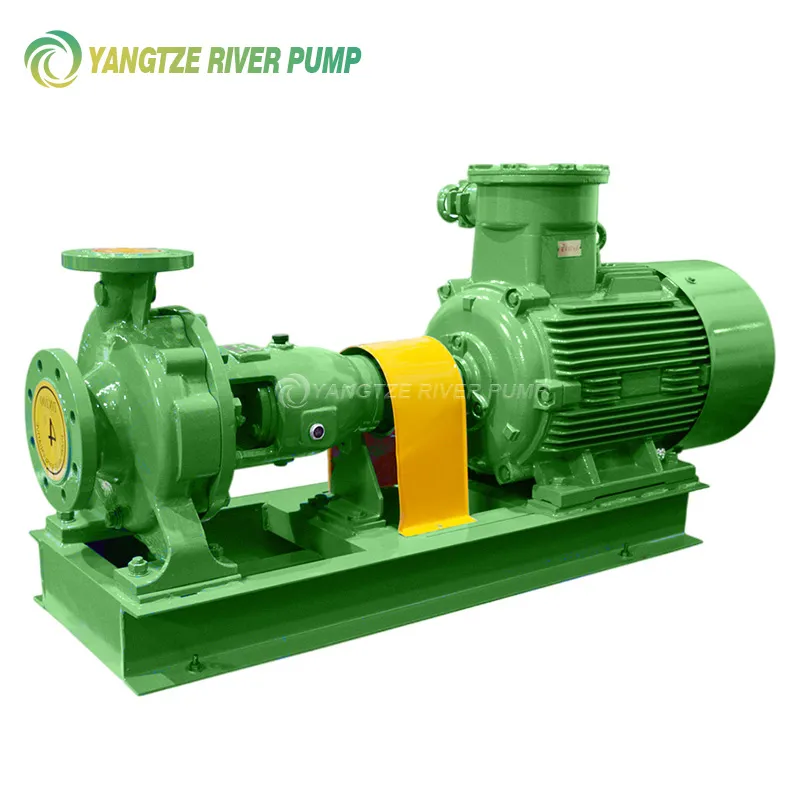 YCZ Chemical Process Pumps
-
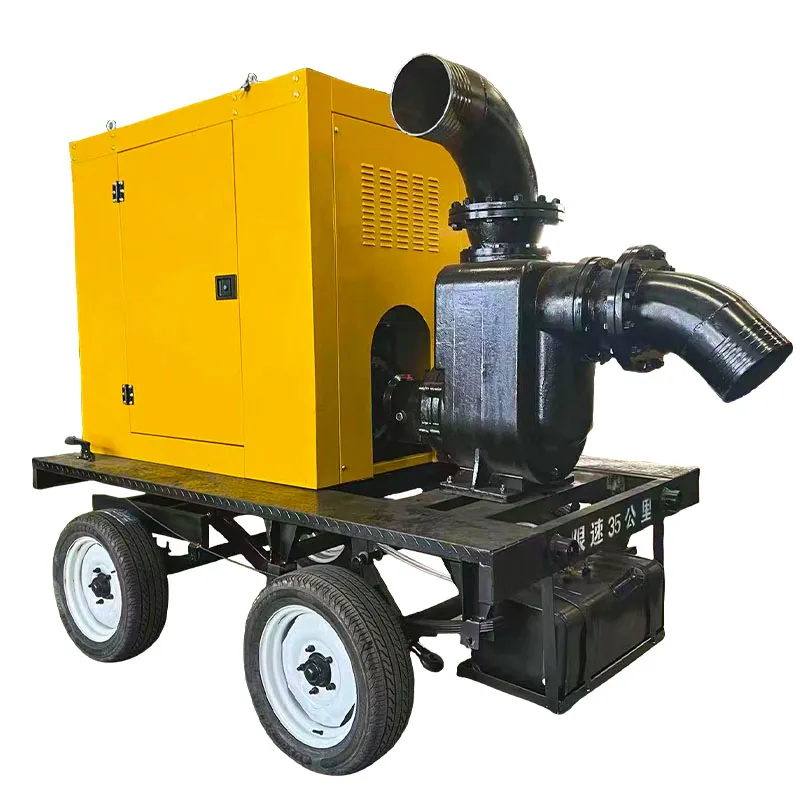 YZZW Diesel self-priming pumps
-
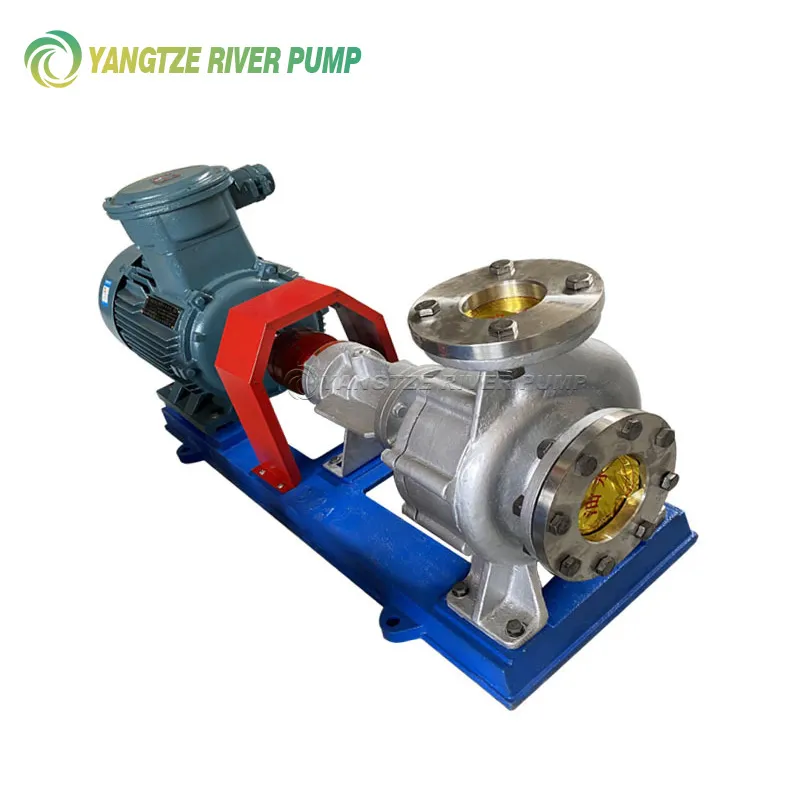 RY thermal oil pumps
-
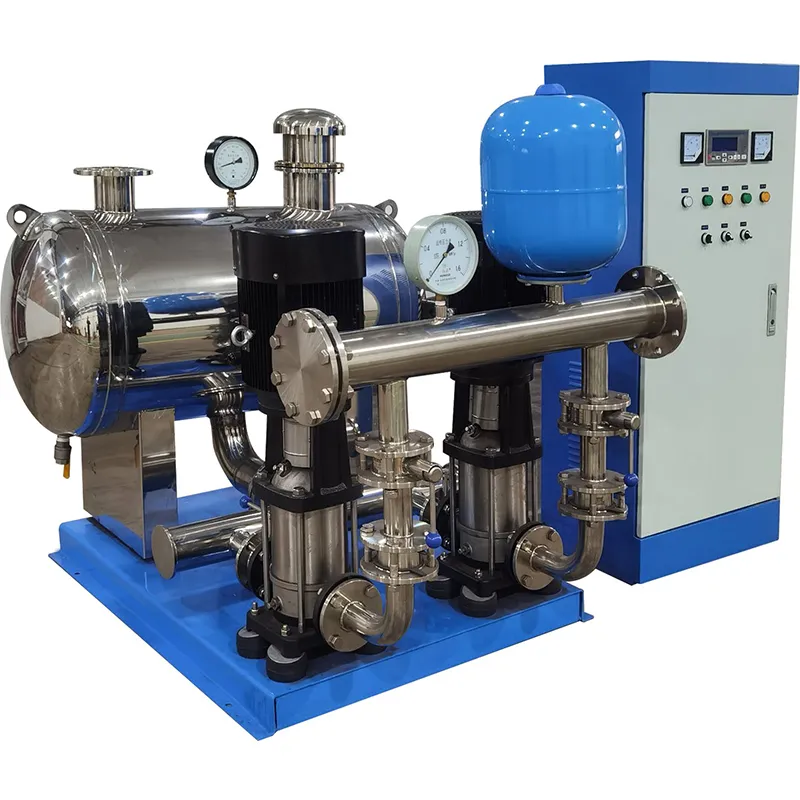 Complete water supply installations with frequency regulation and constant pressure CDLF
-
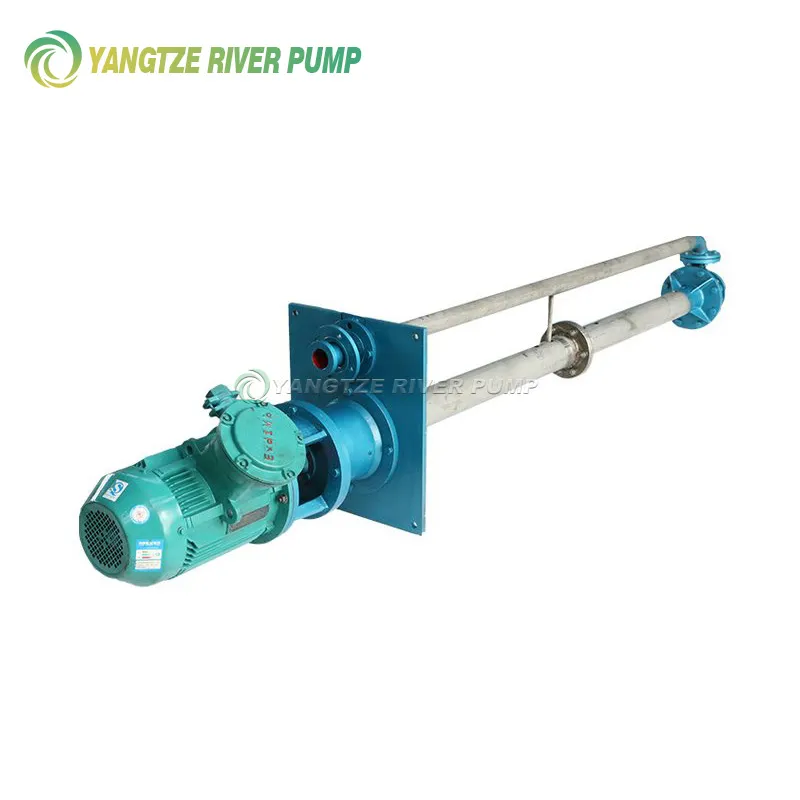 FY Submersible Chemical Pumps
-
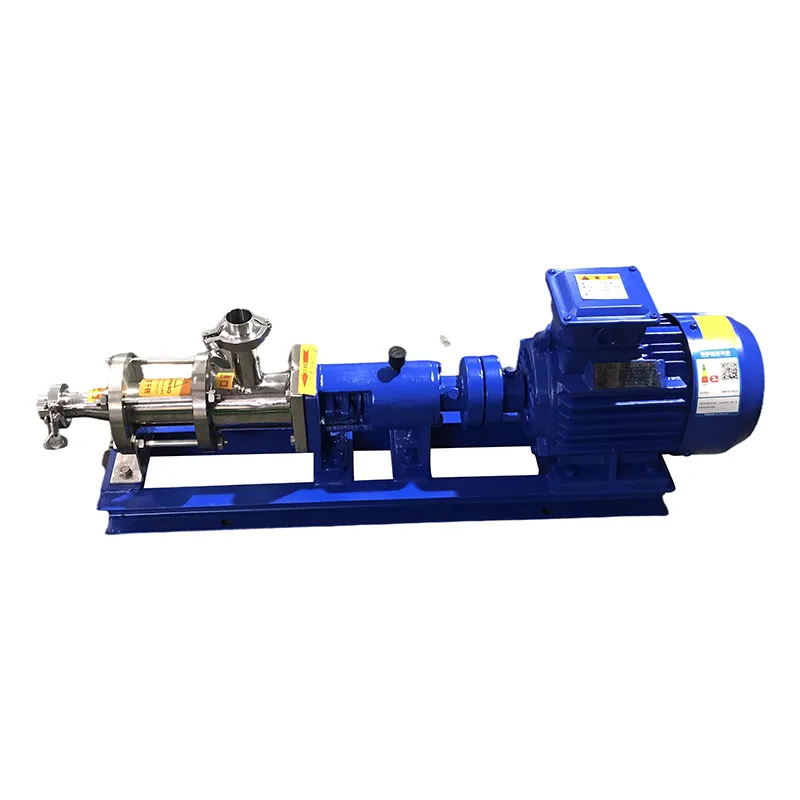 Sanitary screw pumps type GF
-
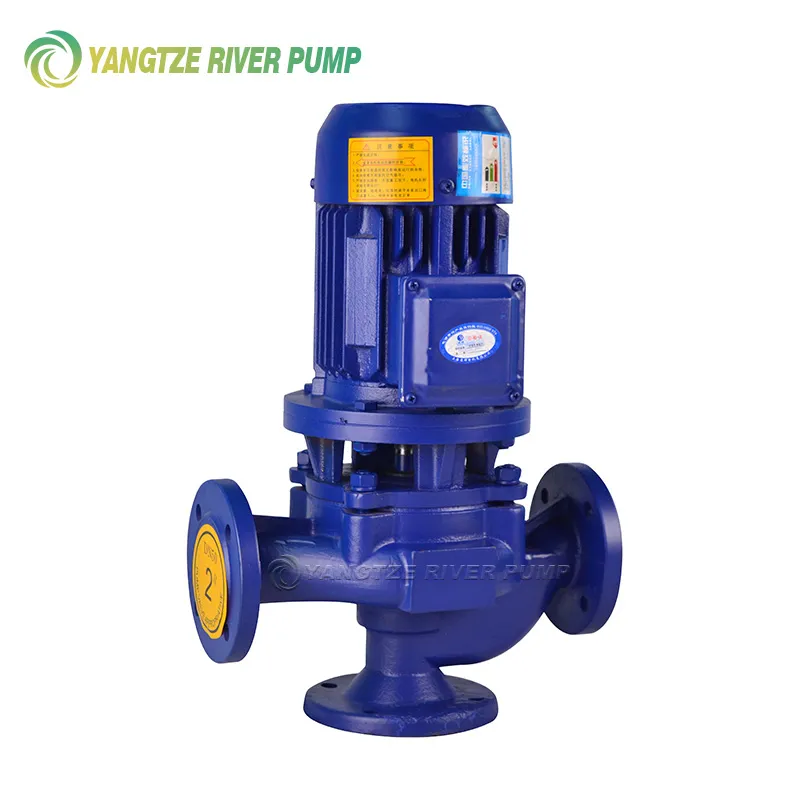 Pipeline wastewater pumps GW
-
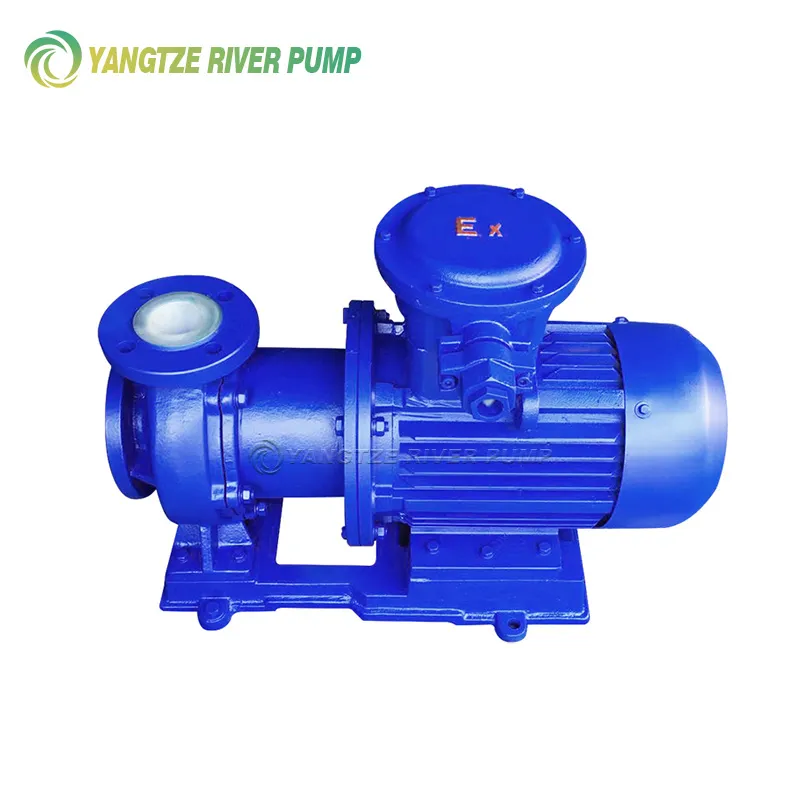 Magnetic pumps with fluoroplastic lining CQB-F
-
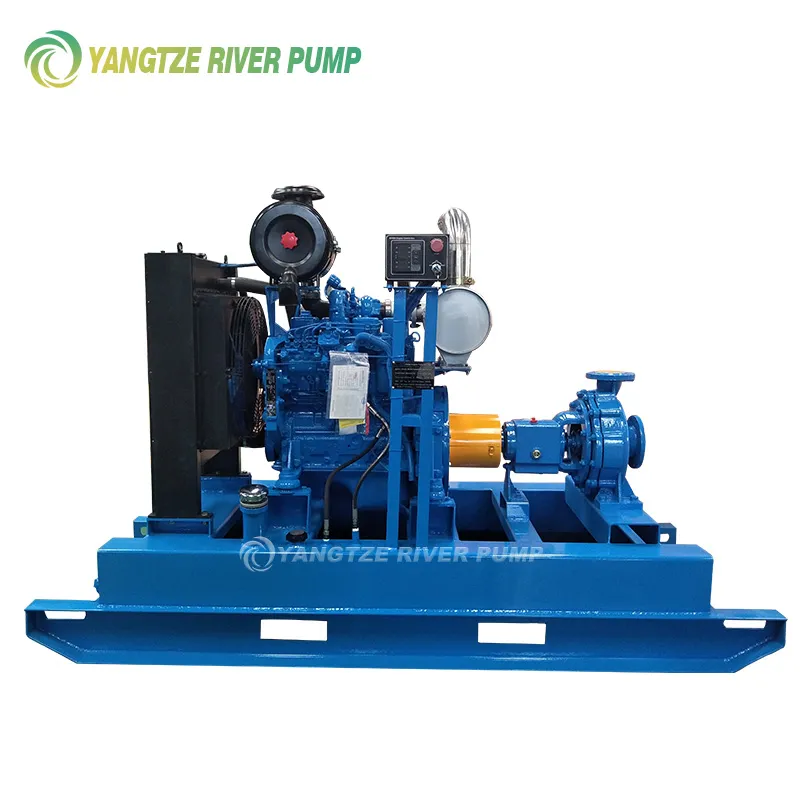 YZIS Diesel Single Stage Centrifugal Pumps
-
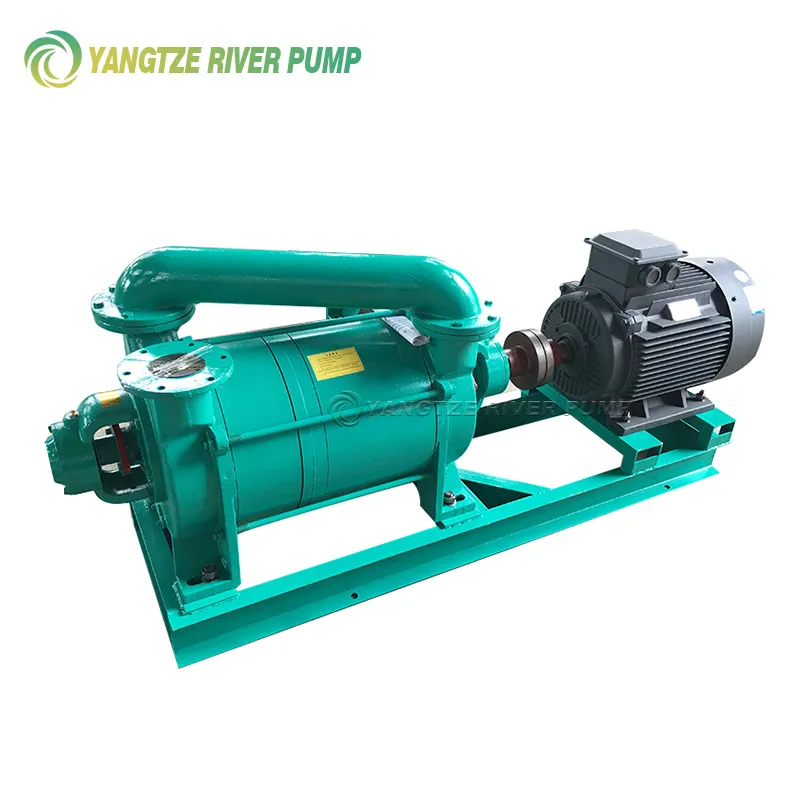 Liquid ring vacuum pumps type 2SK
-
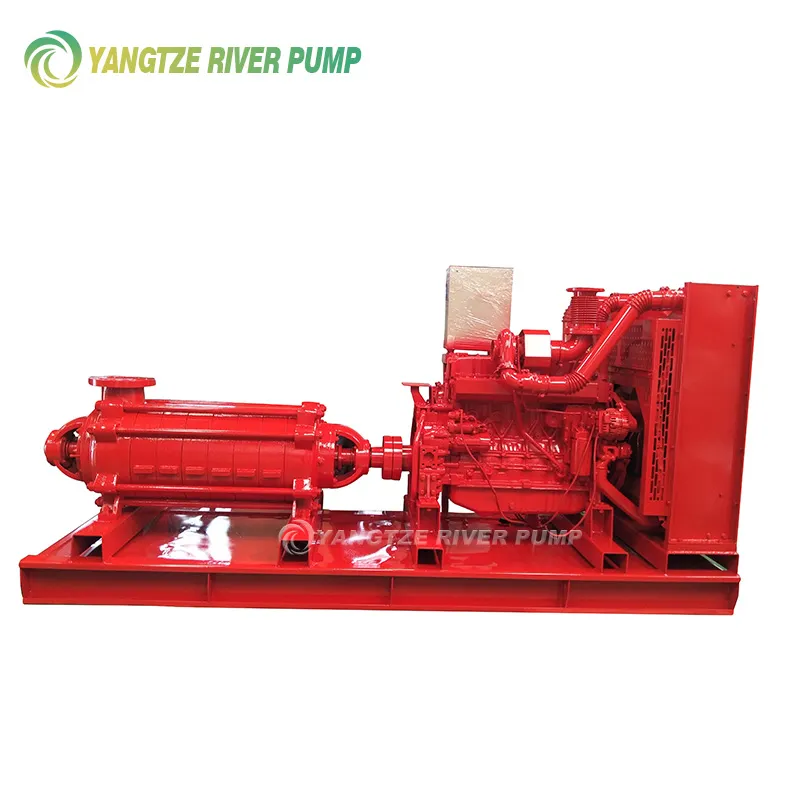 YZD Series Diesel Multistage Centrifugal Pumps
-
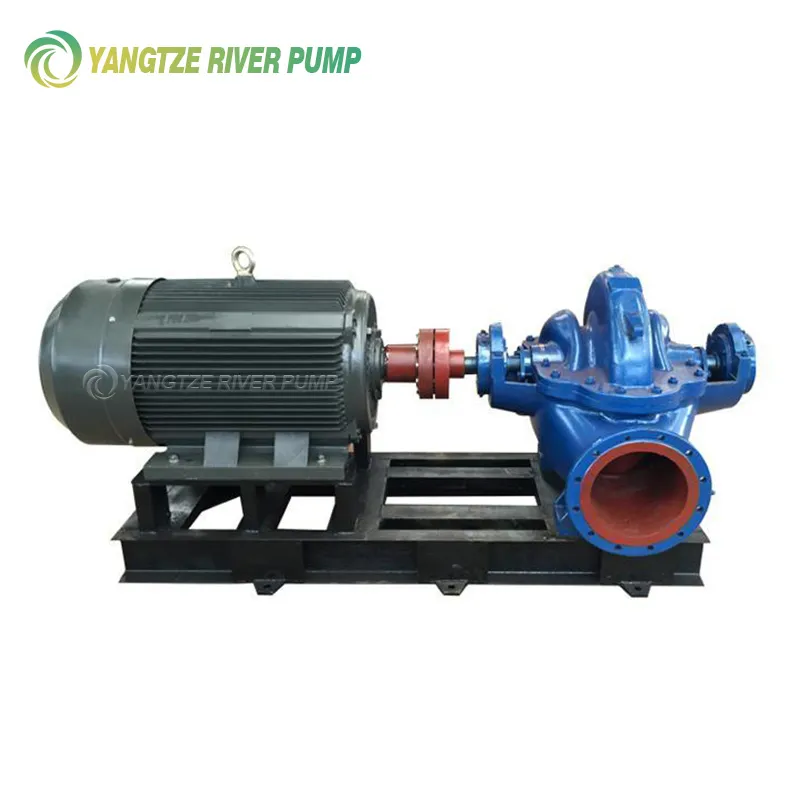 Single Stage Double Entry Centrifugal Pumps Type S