







centrifugal soil pumps
When people talk about centrifugal soil pumps, many people immediately imagine something like a universal “Swiss knife?” for any dirty water. This is where the first pitfall lies. Often mud pumps are simply confused with soil pumps. The difference is fundamental - soil, especially with abrasive inclusions like sand or gravel, is not just a suspension, it is an active abrasive that can “eat up” in a matter of hours. unprepared impeller or casing. I have seen many cases when they tried to pump sand slurry with a conventional centrifugal pump for contaminated water - the result was always sad: erosion, loss of pressure, failure. Therefore, the key here is the design, materials and built-in margin of safety.
Design and materials: what really matters
If we take our experience in production, then forcentrifugal soil pumpsWe immediately set other parameters. Firstly, the flow part. Not just thickened walls, but specific alloys - high-chromium cast iron, wear-resistant steel grades. Sometimes they use composite materials like polyurethane for certain areas, but this is for a specific environment and is not always justified. The gap between the impeller and the housing is important - it is made larger, but within reasonable limits, so as not to lose too much efficiency, but allow solid particles of a certain fraction to pass through.
Secondly, seals. Stuffing box packing in its pure form is suicide for abrasive media. A combination of a mechanical seal with a clean water flushing system, or, in simpler versions, specially profiled rubber seals. But there is a nuance here: if there are large solid inclusions in the pumped medium, they can get into the oil seal area and quickly kill it. Therefore, additional protection is often installed on the suction side - removable protective plates or even a conical filter-dirt trap, although this creates additional resistance.
The third point is the shape of the impeller blades. Closed wheels are absolutely not suitable for dirt use. Open or semi-open wheels with a small number of blades (often 3-4) are used, specially designed to pass solid particles. By the way, this is where many manufacturers save money by making the wheel from regular 45 steel without hardening treatment. The result is rapid wear and imbalance, leading to vibrations and destruction of bearing units.
Scope of application and typical selection errors
The main areas where we supply such pumps are hydraulic pumping, pumping pits in construction, work in quarries, and pumping sludge at processing plants. It would seem that the task is clear: there is a suspension, it needs to be moved. But the most common customer mistake is incomplete or inaccurate data on the environment. They simply indicate “sandy water”. What is the solid concentration? 10% or 60%? What is the particle size distribution? Is fine sand predominant or is there gravel up to 20-25 mm? The choice of model, material, and even the type of drive radically depends on this.
There was an incident at one of the dredging sites. The customer requested a pump to pump out soil from the bottom of a reservoir. According to the data provided, the fraction is up to 10 mm. We installed a standard soil pump with a permissible particle size of 12 mm. Two weeks later - a call, the pump is working with strong vibration, productivity drops. When disassembling it on site, it turned out that along with the sand, shells and small stones up to 30-35 mm in size were periodically encountered, which became jammed between the wheel and the body, causing erosive wear and beating. I had to quickly change it to a model with wider flow channels and install a grate at the inlet. Conclusion: the technical specifications need to be verified to the smallest detail, or better yet, take a soil sample yourself.
Another point is the calculation of the required pressure and productivity. For soil pumps, you cannot simply take the parameters for clean water and apply correction factors from the table. The density of the suspension is higher, the hydraulic losses in the pipeline are different. People often forget about the horizontal section of the pipeline, considering only the vertical rise. And if the slurry pipeline is long, then friction losses can “eat up” all the pressure. We have to explain that pumping 500 meters horizontally requires a completely different unit than lifting it to a height of 30 meters.
Production and on-site testing experience
BZhejiang Yangzijiang Pumping Industry Co.,Ltdfor releasecentrifugal soil pumpsare suitable taking into account precisely these practical difficulties. Our production lines not only include manufacturing, but also our own testing facility. This is not just pumping water to check for leaks. We can simulate working with abrasive media on a bench, measuring the wear of the flow path in an accelerated mode. This provides data for adjusting casting or machining technology.
For example, for models of the G series (ground) we carry out mandatory tests for cavitation and for working with a sand-water mixture of a certain concentration. After such tests, we sometimes make changes to the design of the volute - we slightly change the angle or cross-section to reduce areas of local increased wear. This is not a theory, but the result of wall thickness measurements before and after a test cycle.
By the way, about the material. We use wear-resistant Cr27 alloy for the most heavily loaded parts (wheel, housing cover, protective plate). This is not marketing, but a necessity. We tried options with less chromium content - the service life dropped significantly. This is especially critical when pumping mixtures with a high content of quartz sand. Here, each percentage of chromium content in the alloy directly affects the overhaul interval.
Related equipment and installation nuances
The pump itself is only half of the system. Without a properly selected pipeline, valves and, very importantly, means of protection against dry running, it will not last long. For soil pumps ?dry running? is especially destructive - without a cooling and lubricating medium (yes, the pulp in this case also plays this role), the mechanical seal and bearings fail instantly. We install pressure sensors at the inlet, and sometimes flow meters. This is not an excess, but insurance for an expensive unit.
Installation is a different story. The foundation must be rigid and massive; vibration isolators are often not suitable, as they change the alignment of the shaft. Rigid mounting and careful alignment with the engine are mandatory conditions. I saw how at a construction site they placed a pump on temporary wooden beams “for speed”. Backlash and vibration led to the collapse of the outlet pipe after a month of work due to metal fatigue. Reinstalling it on a concrete slab solved the problem, but time and money had already been spent.
Another practical tip is maintenance access. When designing a harness, you need to immediately think about how we will change the seal or bearings. Leave space for removing the housing cover and provide process flanges. It happens that the pump is built into the production line in such a way that for a simple inspection you need to disassemble half the workshop. This is incorrect and leads to the fact that maintenance is postponed until the last minute, until the pump stops unexpectedly.
Relationship with other types of pumps in the range
On our websiteyangtzeriverpump.ruIt is indicated that we produce a wide range of equipment: from single-stage centrifugal to screw and diaphragm pumps. This is not just a tick list. Often the task of pumping soil is solved in a complex manner. For example,centrifugal soil pumpcan pump pulp from a pit into a settling tank, and pump out the clarified water using a conventional self-priming pump. Or, to supply highly concentrated, very viscous paste, a single screw pump can be used at the initial stage, and for its further transportation through a pipeline, a centrifugal soil pump can be used.
Therefore, when communicating with a client, we always clarify the entire technological cycle. It may turn out that instead of one powerful and expensive soil pump operating in extreme mode, it is more rational to offer a combination of two different types of devices. This improves overall system reliability and often reduces operating costs. For example, for long, high-capacity slurry pipelines, sometimes a cascade of several pumps is more effective than one giant one.
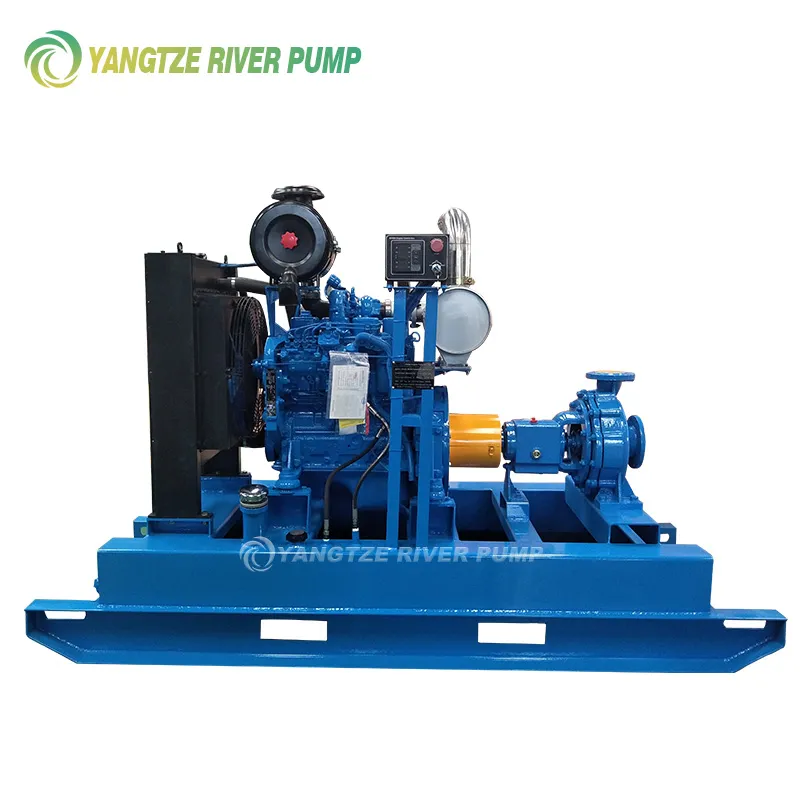
As for soil pumps specifically, our portfolio includes models both driven by an electric motor and by a diesel engine for remote or non-electrified sites. This is an important aspect, because many emergency or quarry work is carried out exactly where there are problems with the 380V network. Structurally, this leaves its mark - you need a skid frame, vibration isolation between the pump unit and the engine, and an exhaust system. But these are details that are being worked out for a specific order.
Final Thoughts: Reliability vs Cost
In the end it's a choicecentrifugal soil pumpalways comes down to a trade-off between initial cost and cost of ownership. A cheap pump made from conventional materials may look attractive on the estimate, but frequent repair stops, equipment downtime and spare parts costs will quickly outweigh these savings. This is especially felt in continuous production, where an hour of downtime costs a lot of money.
Our position as a manufacturer is to offer equipment with an adequate resource for the stated conditions. Sometimes this means a higher list price. But when we provide calculations on the mileage between overhauls, on the resistance of parts to abrasive, on the availability of the most wearable components in stock (the same impellers or mechanical seals), clients begin to look at the issue differently. What is important is not the price of the pump, but the cost of a cubic meter of pumped soil, taking into account all costs.
Therefore, my main advice, stemming from many years of experience: do not skimp on engineering research before purchasing. Clearly define the environmental parameters, operating conditions, mode (constant or periodic). And then select a device that will not only correspond to the passport data, but will work out its service life in real, and not ideal, conditions. And if in doubt, it is better to contact a manufacturer who has not only salespeople, but also its own designers and testing facilities, as inZhejiang Yangzijiang Pumping Industry Co.,Ltd. They can ask the right questions and help you avoid costly mistakes.
Correspondingproducts
Related Products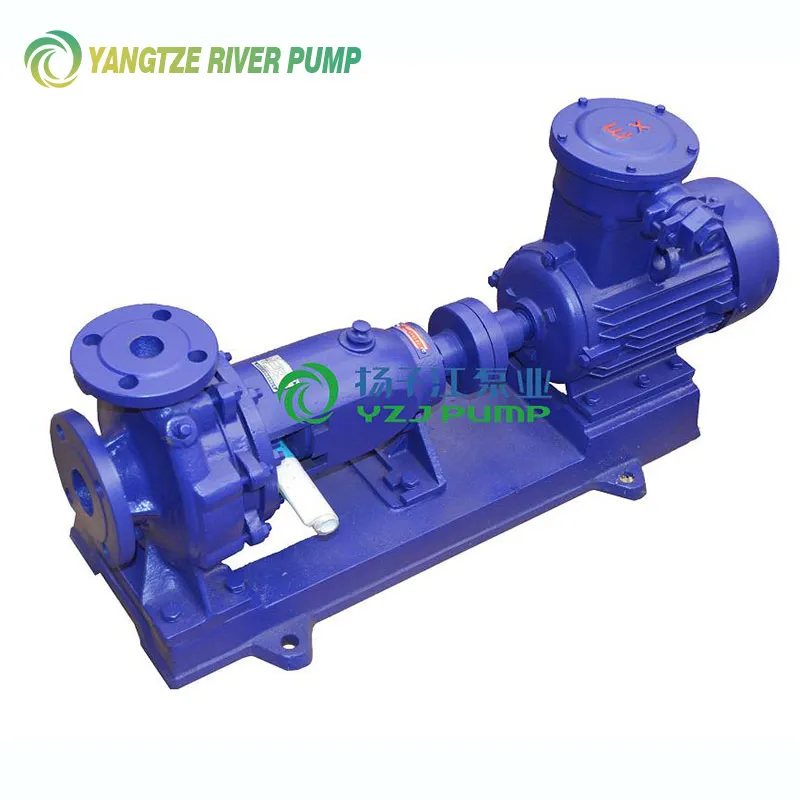
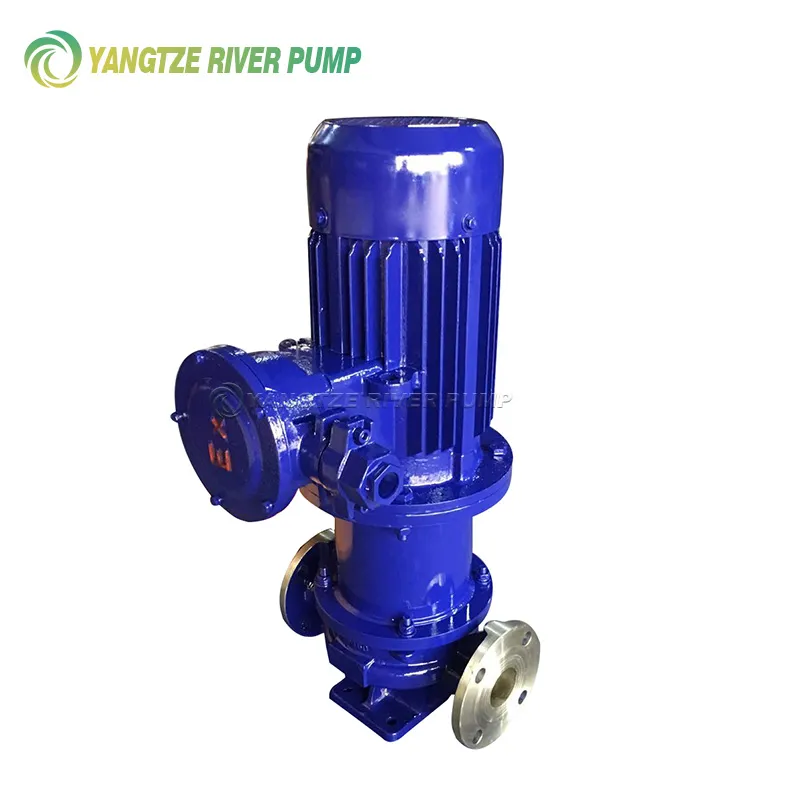
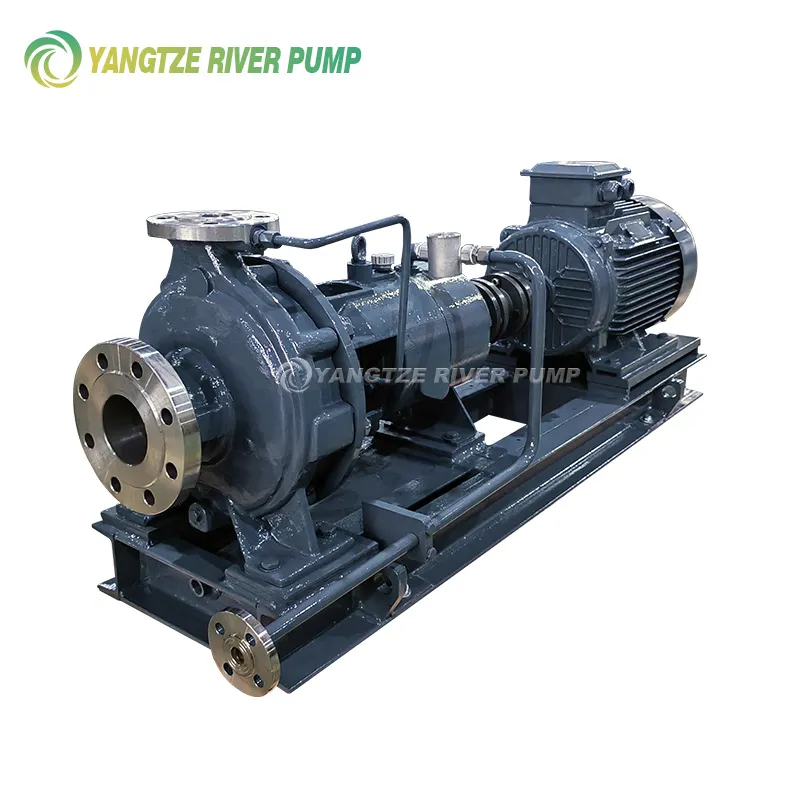
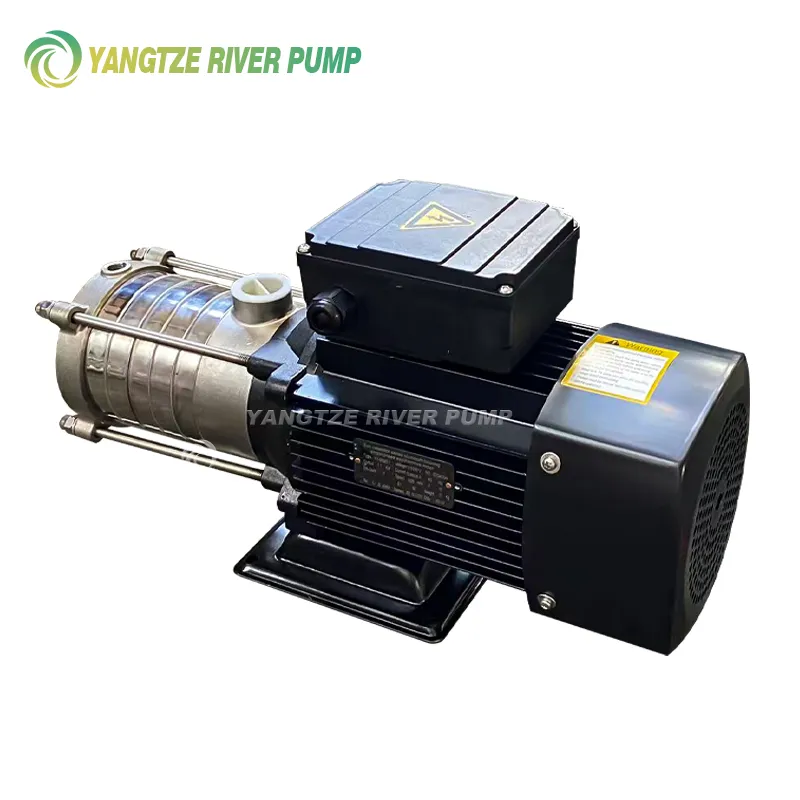

Best Sellingproducts
Best Selling Products-
 Plastic self-priming centrifugal pumps FP and FS
-
 IHF PTFE Chemical Centrifugal Pumps
-
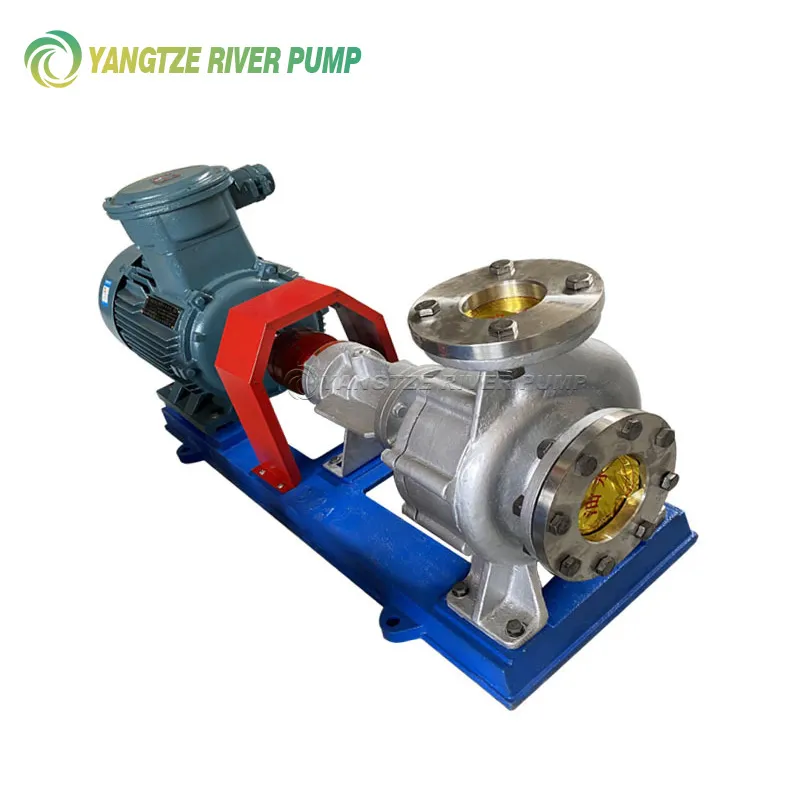 RY thermal oil pumps
-
 Corrosion-resistant stainless steel centrifugal pumps SFB and SFBX
-
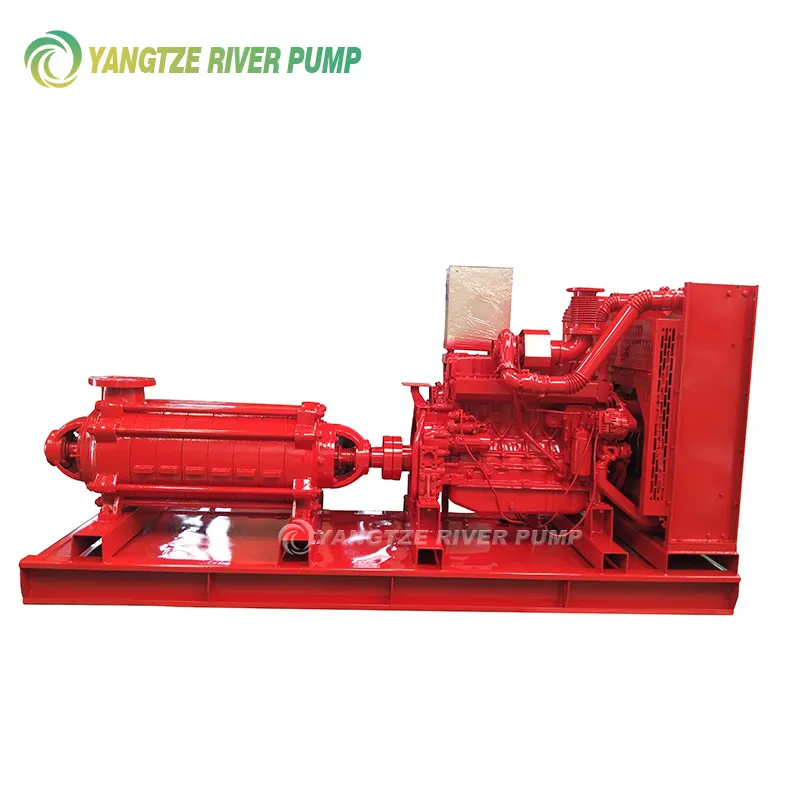 XBC Diesel Intelligent Fire Pumps
-
 Geared screw pumps type G
-
 Horizontal multistage centrifugal pumps type D
-
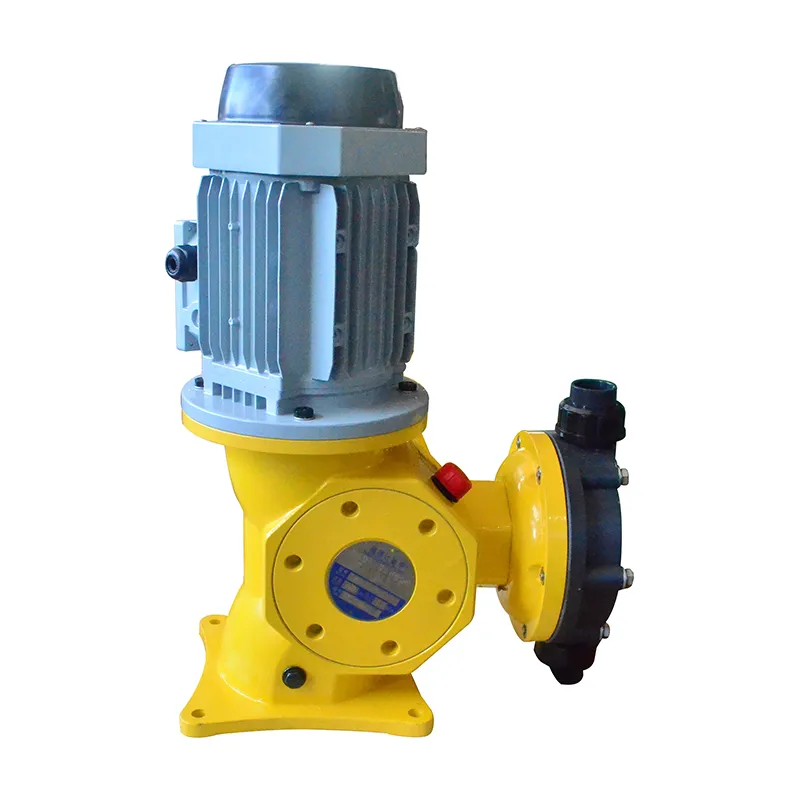 Mechanical diaphragm dosing pumps DJ-Z
-
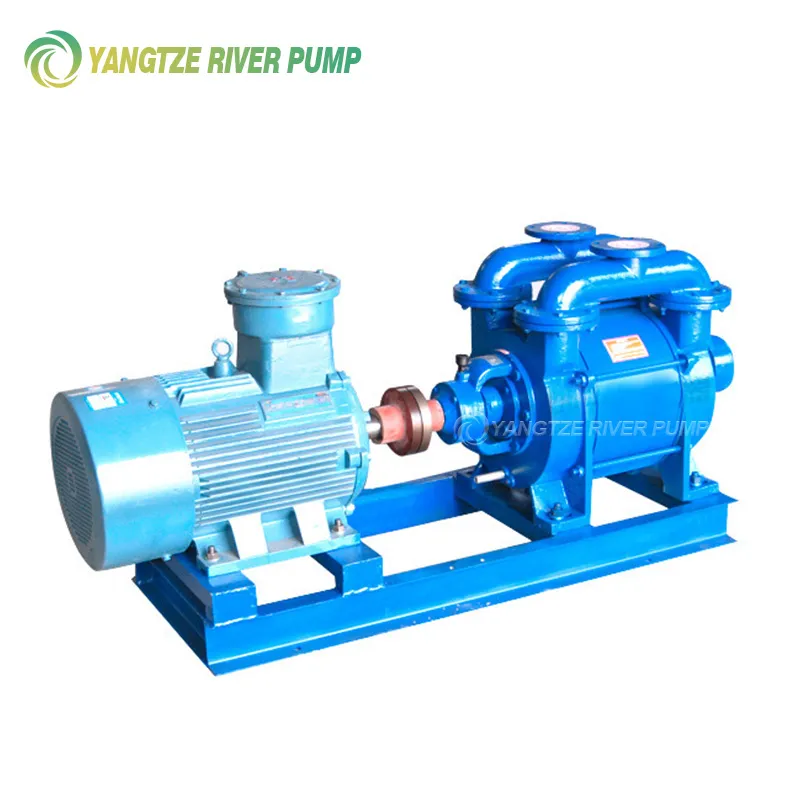 Liquid ring vacuum pumps type SK
-
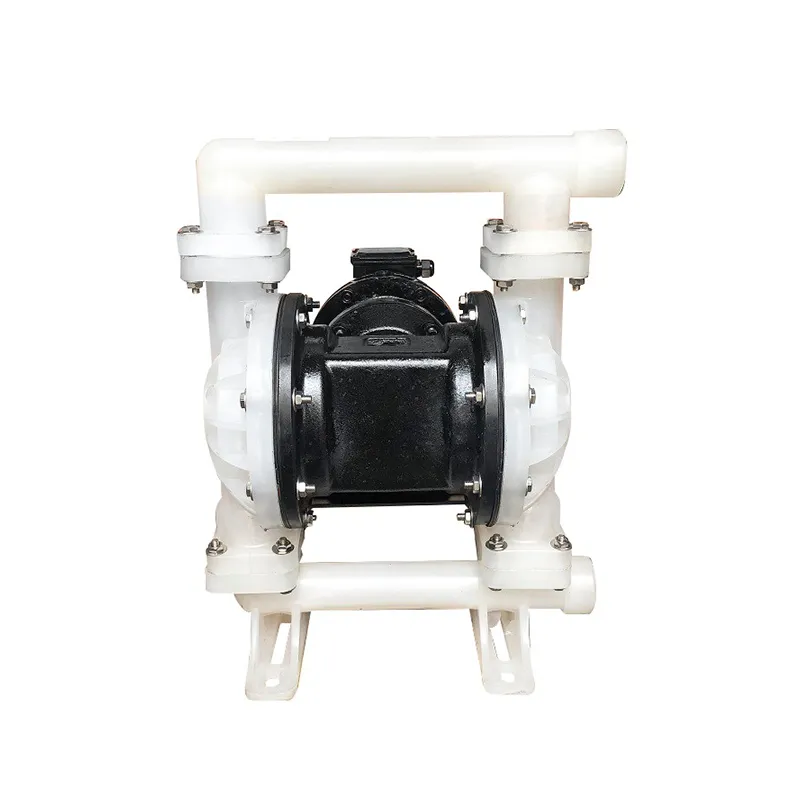 DBY Non-Metallic Electric Diaphragm Pumps
-
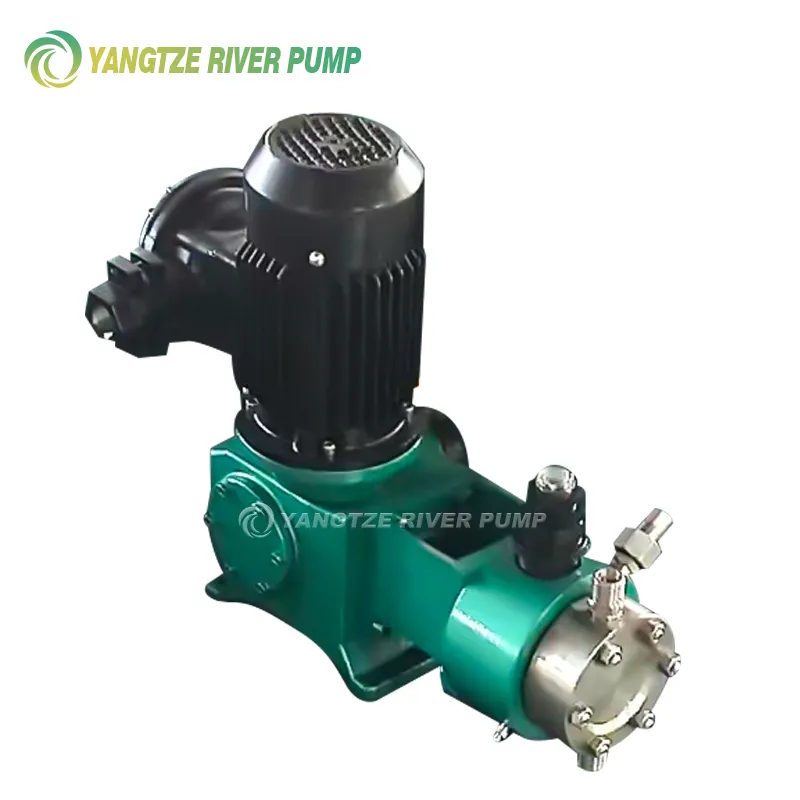 Plunger dosing pumps type DZ-X
-
 Metal electric diaphragm pumps DBY