







centrifugal main pumps
When they talk aboutcentrifugal main pumps, many people immediately imagine something simple: a housing, an impeller, a shaft. In fact, especially in main lines, this is a whole system of compromises between pressure, flow, cavitation and how the entire piping behaves under load. A common mistake is to chase the maximum numbers in the catalog without taking into account the actual operating mode of the network. It happened that they installed a pump with a reserve pressure “just in case?”, and then spent months dealing with vibration and premature wear of the seals due to constant operation on a closed valve or in an off-design characteristic zone. It’s these nuances that are not written in fine print in the specifications, and I would like to speculate.
From the drawing to the vibration on site: where the gap lies
The theory of hydraulics is a harmonious thing. But in practice, when you assemble a main assembly from a pump, pipelines with different diameters, check valves and shut-off valves, surprises begin. The pump characteristic is one curve. The network characteristics are different. Their intersection is the operating point. It would seem that everything is simple. But the network is a dynamic thing: somewhere the selection has been increased, somewhere a blockage has appeared in the coarse filter, the temperature of the pumped medium has changed. And this point begins to “drive”. If the pump is selected without a margin for the flatness of the pressure curve, then a small change in the network resistance leads to a sharp drop in flow or, worse, a departure to the far left part of the characteristic with the risk of cavitation.
At our production site inZhejiang Yangzijiang Pumping Industry Co.,Ltdbefore shipment eachcentrifugal main pumprun on the test bench. The actual characteristics are taken, checked for leaks and vibration acoustics. But the stand is a perfectly straight pipeline of a certain length. And at the site there may be several 90-degree turns right at the inlet, an incorrectly installed straight section in front of the pump... That's another story. Therefore, in the documentation we always focus on installation requirements. Sometimes clients neglect it, then they call: “It’s noisy, it’s vibrating?” You arrive and look - the inlet pipe has a sharp narrowing right at the flange. They redo the harness and the problem goes away. It seems like a small thing, but such little things add up to the reliability of the entire system.
Another point is the material. Standard solutions with a cast iron or steel body are suitable for water. But if we are talking, for example, about the main pumping of any technological solutions, even with moderate chemical activity, serious selection is already needed. In our assortment, we focus on the versatility of the lines, which is why we also have chemically resistant versions. But it is important that the customer clearly describes the environment. There was a case: they were pumping a liquid that seemed to be neutral. But at a certain temperature it began to weakly interact with the seal material. In six months it will leak. We sorted it out, replaced the stuffing box material with a more inert one - everything was fine. Therefore, our sales department always bombards the client with questions about environmental parameters. This is not nitpicking, this is an attempt to avoid problems in the future.
Single-stage vs multi-stage: choice without fanaticism
Our portfolio contains both. And often the client asks: which is better? A question without context is meaningless.Single Stage Centrifugal Pumps- This is a classic for tasks where a large flow rate is needed with a relatively moderate pressure. The design is simpler, fewer bells and whistles, often more reliable and easier to maintain. If you have a main water pipeline with a height difference of 50 meters and you need to pump thousands of cubic meters per hour, your choice is most likely a powerful horizontal single-stage pump with two-way supply.
Multistage centrifugal pumps- This is a high pressure tool. Each stage adds pressure. They are indispensable, for example, in water supply systems of high-rise buildings or for supplying distant points with high hydraulic resistance. But here comes its own specifics: more rotating parts, more complex balancing of the rotor assembly, higher requirements for the quality of the pumped medium (solid inclusions wear out the interstage gaps faster). You can't just stick them in? instead of single-stage if there is not enough pressure. The entire system needs to be re-calculated.
Personally, I saw how they tried to replace a failed old single-stage pump with a multi-stage pump of the same connecting size so that there would “surely be enough pressure”. As a result, the pump worked in the extreme right part of the characteristic, with an overload of engine power and constant protection. The engine was heating up, the client was cursing. I had to go back to the calculations and select the correct model, with a different impeller size. Moral of the story: Pump type is a fundamental choice that is made at the design stage of the system, not when “something breaks.”
Tests and “little things” that decide everything
Our websiteyangtzeriverpump.ruwrites about eight complete lines, including tests. This is not a nice word. The test shop is where theory meets the reality of metal and water flow. We drive every unit intended for mainline applications, not only in nominal mode. Be sure to check the work at the minimum and maximum permissible feed rates, record the power consumption and noise level. Sometimes, already on the stand, a slight resonance may appear at certain speeds. Then technologists and designers look: can it be eliminated by modifying the supports or is it a system feature that just needs to be documented as a limitation.
Particular attention is paid to cavitation tests. Formain pumpsthis is critical. We determine the cavitation safety margin (NPSH). And here it is important to convey to the installers at the site: this reserve must be provided by the suction conditions. If the passport says NPSHr = 5 m, this means that the absolute pressure at the inlet to the pump must be higher than the saturated vapor pressure of the pumped liquid by at least this amount. Otherwise - cavitation, erosion of the impeller, drop in parameters, noise like crushed stone in a pipe. You explain, they nod. And then sometimes you see a photo from the site: the pump is higher than the liquid level in the receiving tank, and even at the suction there is a long pipeline with elbows. And they wonder why, after six months, the impeller began to look like a sieve.
More from testing practice: testing the strength and tightness of the housing. It seems trivial to put pressure on someone. But we pressurize with pressure significantly higher than the working pressure. And we don’t just withstand, but control deformations using strain gauges. There have been precedents (fortunately, rarely even at the prototype stage) when a cast body blank had a hidden shell defect. On the bench it appeared under high pressure as a microleak. It’s better here than on the highway under pressure of tens of atmospheres. This is the same control that is not visible to the client, but forms a reputation.
Service and feedback: when documentation is not enough
Production and sales are only half the battle. The second half is support. Often the most valuable improvements in a design are born not in the design bureau, but as a result of the analysis of field failures. One of ourscentrifugal main pumpsseries for hot water supply began to be periodically "delivered" several years ago. with complaints about oil seal leakage in a certain climate zone with high humidity and temperature changes. It seems to be a standard mechanical seal, everything according to the catalogue.
They began to figure it out. It turned out that during long periods of downtime in a damp atmosphere, condensation could form on the stationary seal rings, which, during startup, mixed with wear products and created an abrasive suspension. It was this that accelerated wear and tear. The solution was not found immediately. We tried several combinations of friction pair materials, and eventually settled on a version that was more resistant to such “wet” conditions. downtime. It was introduced for supplies to regions with a similar climate. No major modification of the pump, but the problem went away. This is to the question that even in a seemingly standard product there is always room for point optimization for real conditions.
That's why we always ask customers for feedback. Not only when it breaks, but also when it has worked for several years - in what condition, what was changed, what difficulties were encountered during scheduled maintenance. This information is priceless. It allows you to make the next batch of pumps a little more adaptable to life. Our companyZhejiang Yangzijiang Pumping Industry Co.,Ltdpositions itself not just as a plant, but as a comprehensive solution. And complexity also implies careful attention to the post-sale stage, to what happens to the equipment years after shipment from the warehouse.
Instead of a conclusion: the pump as part of the body
So, back to the beginning.Centrifugal main pumpis not just a piece of equipment that can be selected based on two numbers from a table. This is a key organ in the pipeline system. Its health depends on the correct choice of type and model, proper installation (especially suction piping!), operating conditions and timely maintenance. You can install the most expensive and technologically advanced unit, but if the system is designed with errors or installed carelessly, problems cannot be avoided.
Our production with its entire chain - from R&D and casting to final testing and service - is aimed at minimizing risks from the product itself. To supply reliable, proven units, be it powerfulmain pumpfor a water utility or a specific solution for a production line. But the ideal “pump for all occasions”? does not exist. Therefore, the most important stage is a dialogue with the customer at the start in order to understand not only the required parameters “on paper”, but also the context in which this pump will operate for decades. Then everything works out as it should: everything works for the client, and we have peace of mind for the shipped products.
Correspondingproducts
Related Products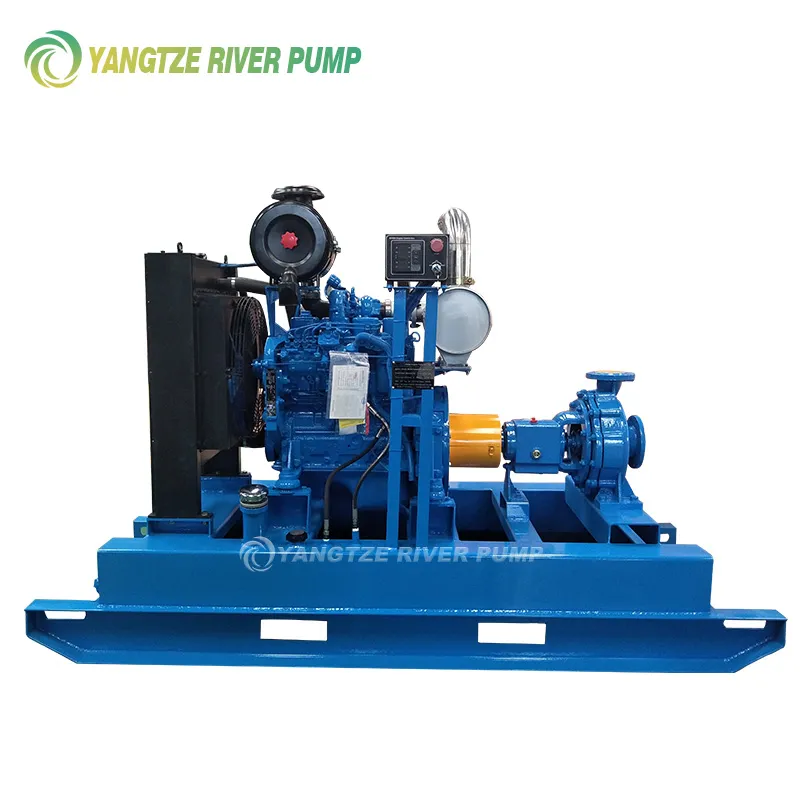
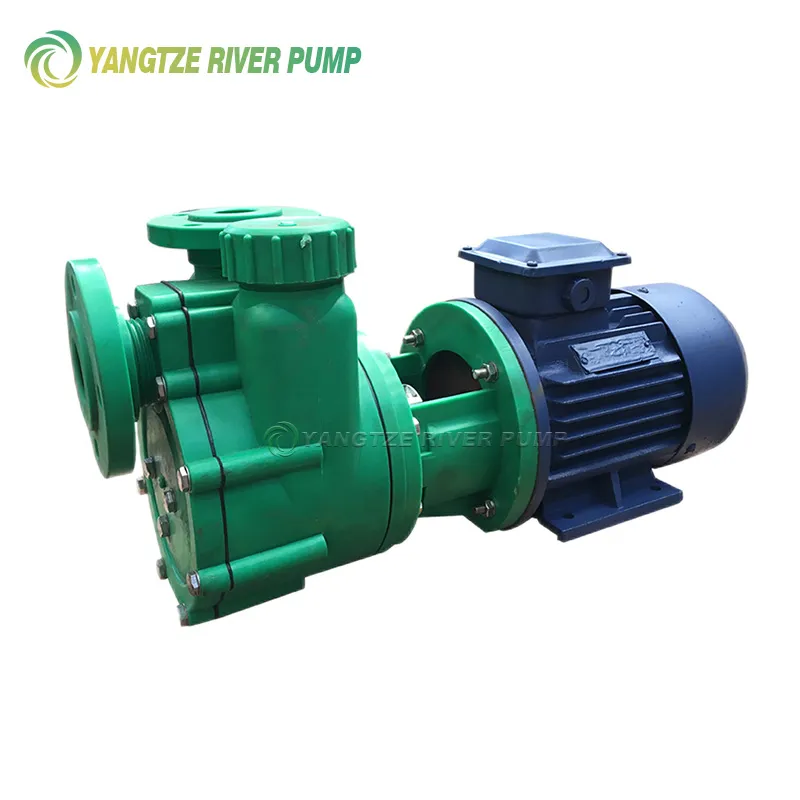
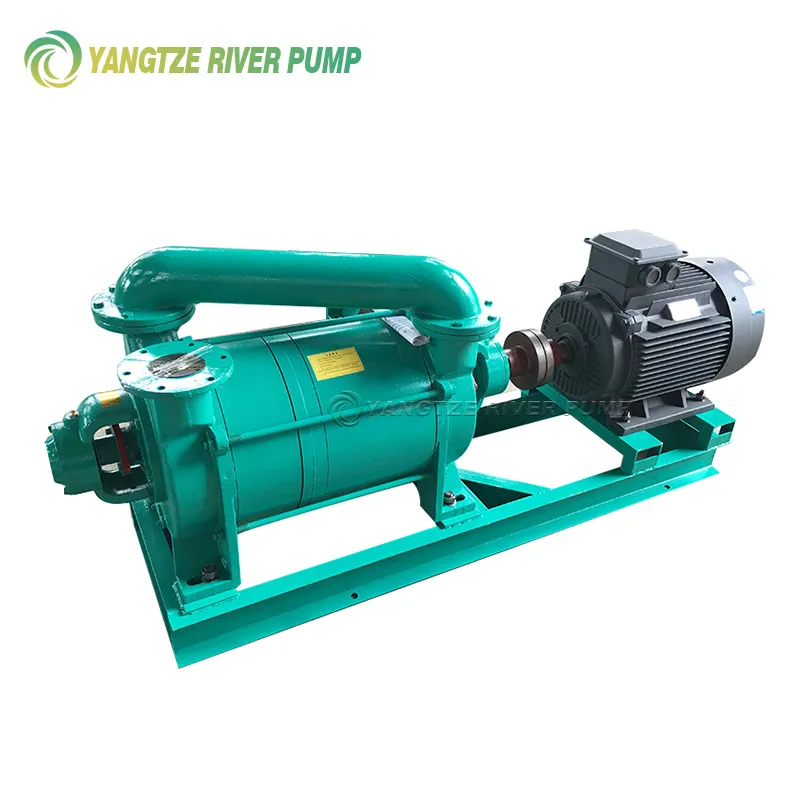

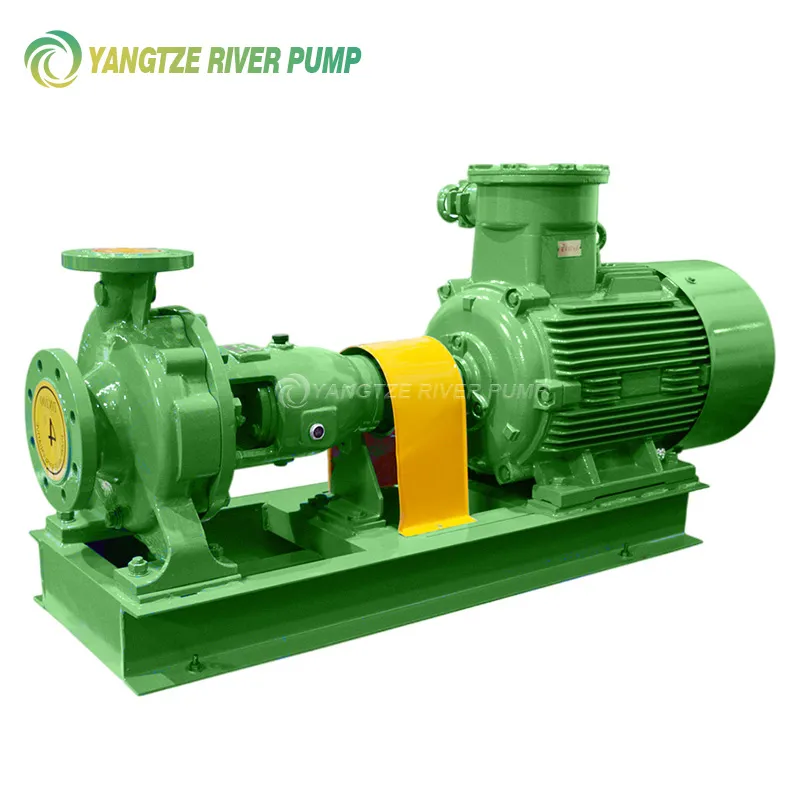
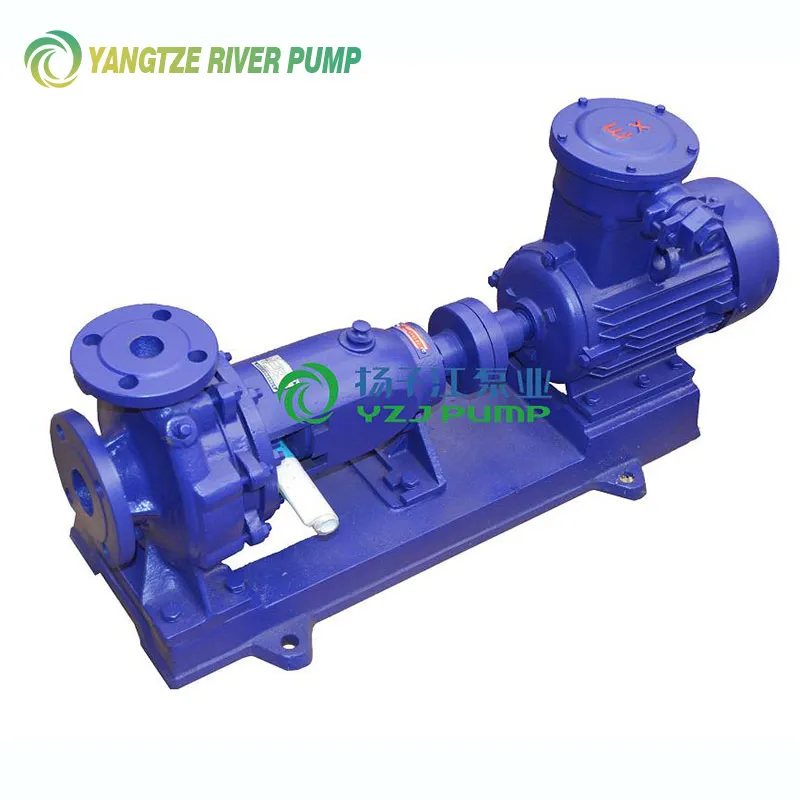

Best Sellingproducts
Best Selling Products-
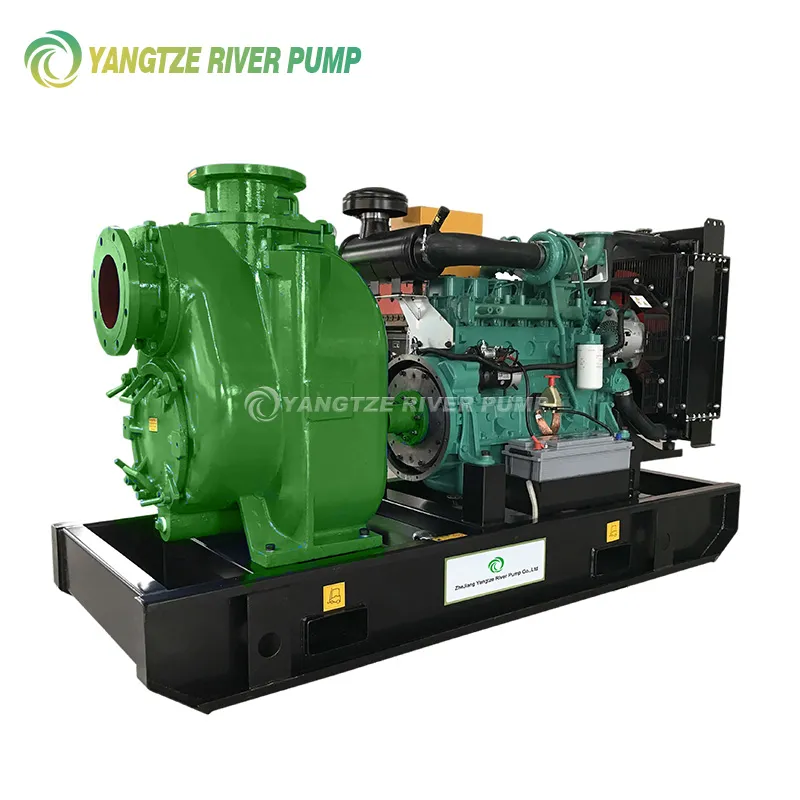 YZSP Diesel Self-Priming Pumps
-
 IH Stainless Steel Chemical Centrifugal Pumps
-
 Metal pneumatic diaphragm pumps QBK
-
 Sanitary screw pumps type GF
-
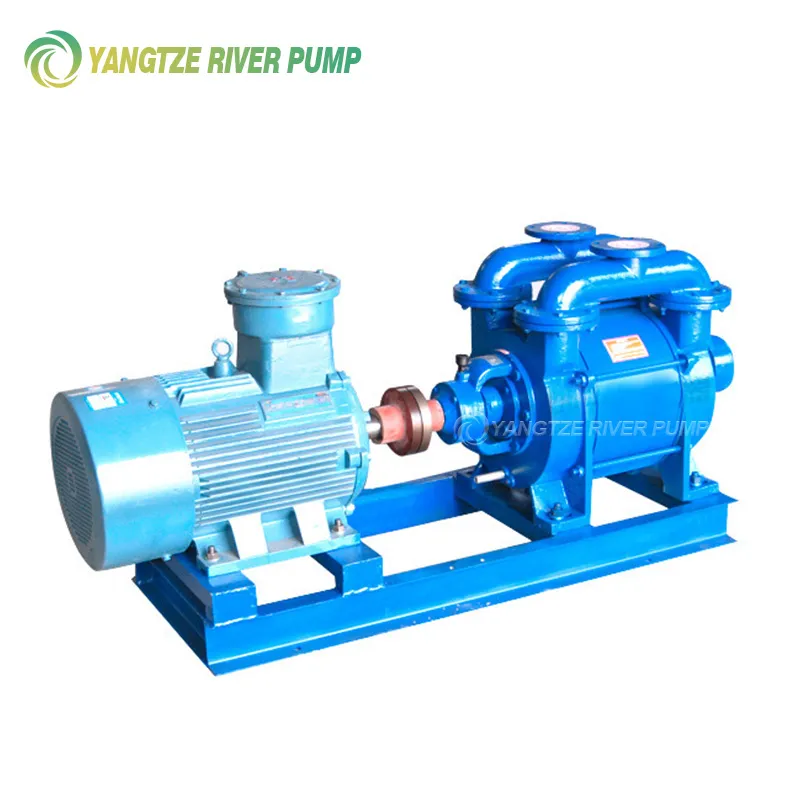 Liquid ring vacuum pumps type SK
-
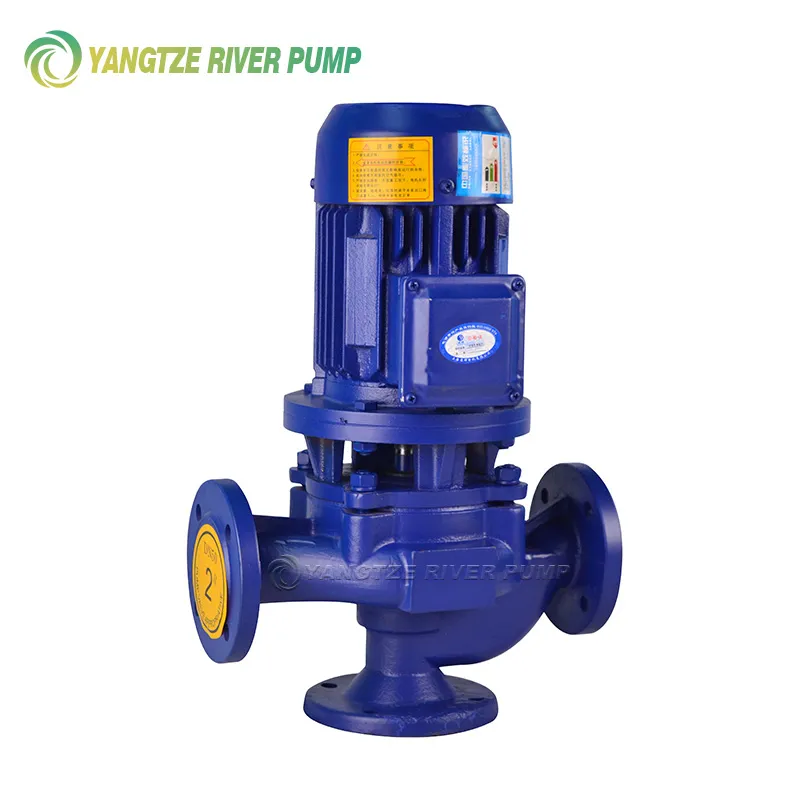 Pipeline wastewater pumps GW
-
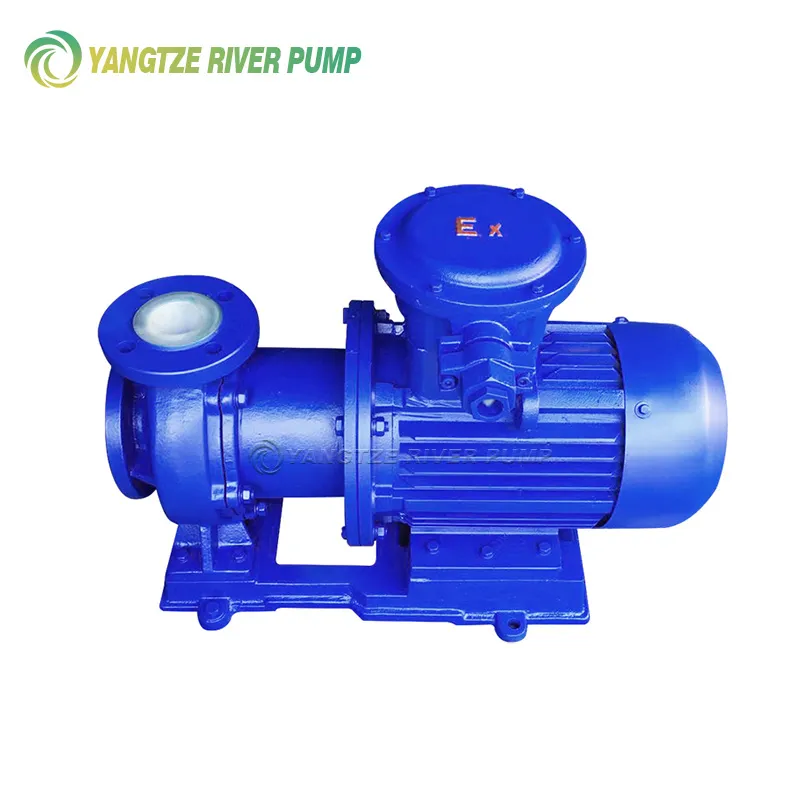 Magnetic pumps with fluoroplastic lining CQB-F
-
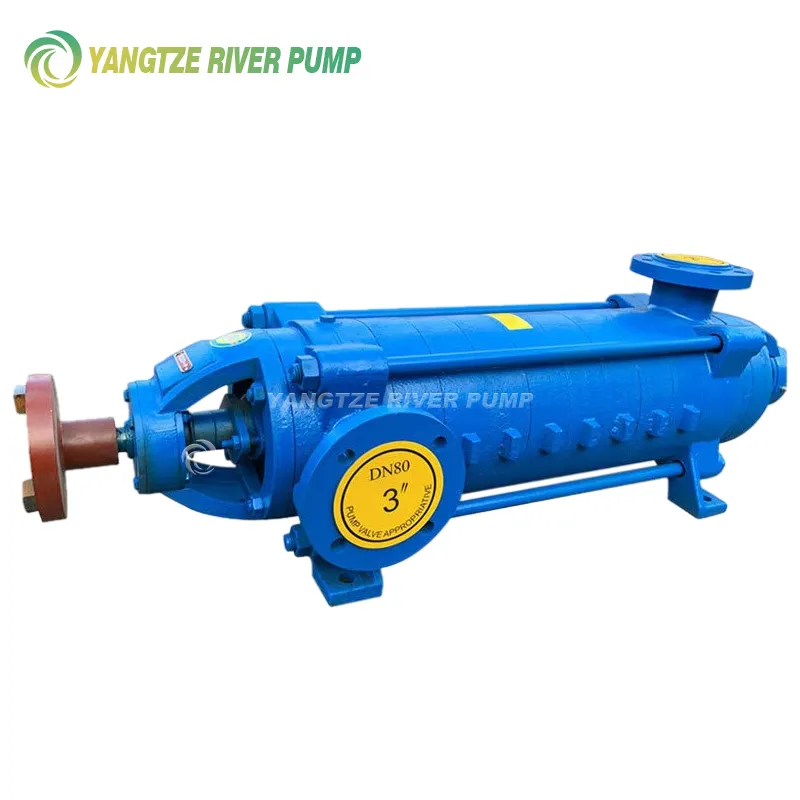 Horizontal multistage pumps for feeding DG boilers
-
 Liquid ring vacuum pumps type 2EB
-
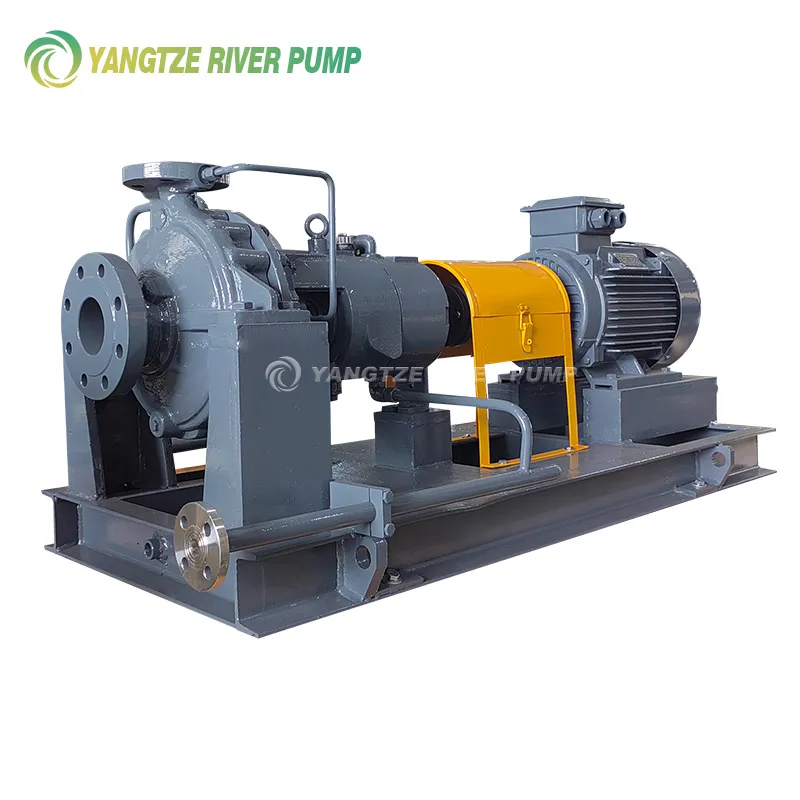 Petrochemical Process Pumps API 610 YZE
-
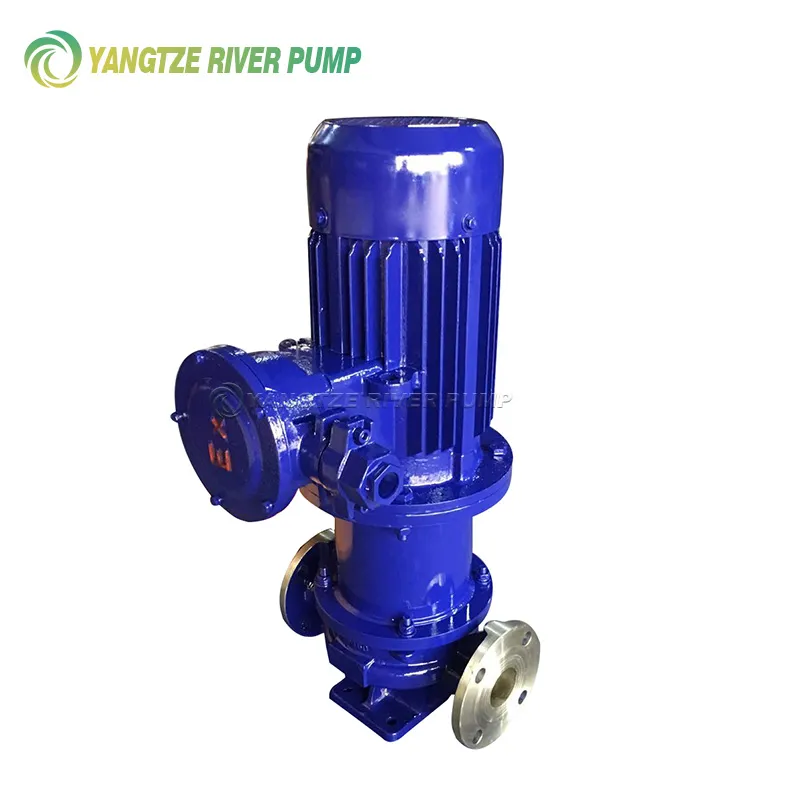 Vertical magnetic pumps CQB-L
-
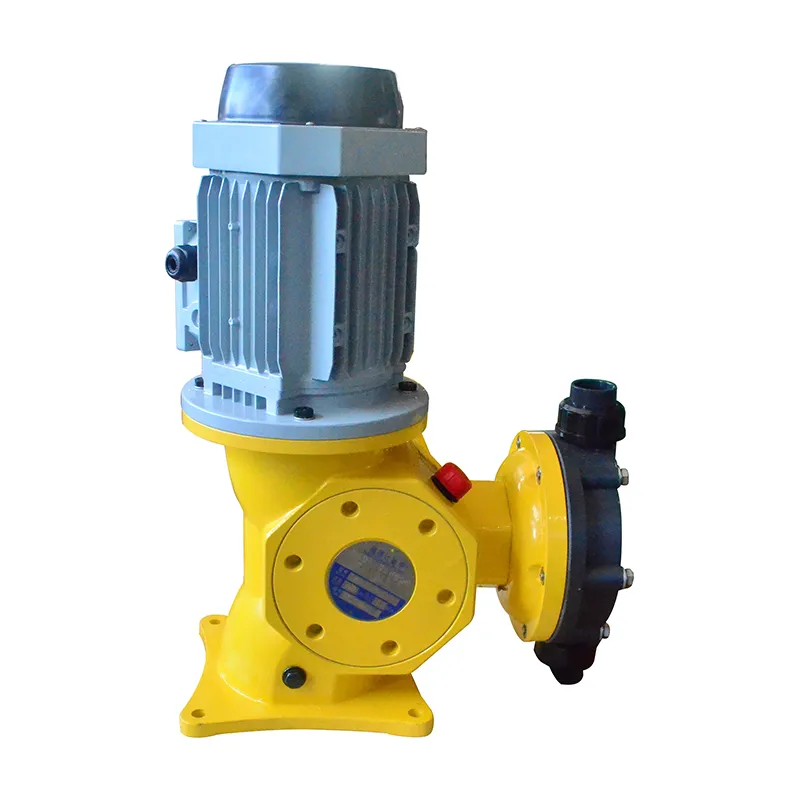 Mechanical diaphragm dosing pumps DJ-Z
Relatedsearch
Related Search- multistage centrifugal water pumps
- YZCN Vertical pumps for installation inside/outside tanks
- batch diaphragm pump
- Screw pumps for sludge
- diaphragm transfer pump
- LW Non-clogging vertical wastewater pumps
- Diesel self-priming pumps
- Stainless steel screw pumps
- Pneumatic double diaphragm pumps
- diaphragm pump photo