







food centrifugal pump onc
When you hear “food centrifugal pump onts”, the first thing that comes to mind is, of course, hygiene, sanitary execution. But if you dig deeper, these words hide a whole layer of nuances that are often overlooked even by experienced technologists. Many people think that the main thing is the steel grade AISI 316, and that’s it, you can install it. But in practice, it turns out that the wrong seals are selected, or the rotation speed is too high for a specific environment, or the viscosity of the product is simply not taken into account - and the pump either does not pull, or, worse, begins to “tear” the structure of, say, fruit puree or whey. We at Zhejiang Yangzijiang Pumping Industry LLC went through this more than once when we collected orders for specific customer tasks. Our website, https://www.yangtzeriverpump.ru, reflects the assortment, but behind each position there are practical stories, sometimes even unsuccessful attempts, which ultimately led to the correct configuration.
OSC in the food industry is not just a 'centrifugal'
Structurallyfood centrifugal pump onc- this seems to be a classic. But classics in the food industry are always a compromise between productivity and respect for the product. For example, we assemble such units on our lines, taking into account not only passport data, but also feedback from operation. A common mistake is to assume that since the product is liquid, any centrifugal pump will do. No. The geometry of the impeller, the angle of the blades, and the smoothness of entry into the channel are important. For juices with pulp or for fat emulsions, the approaches are different. One of our clients once complained about rapid wear specifically on medium-viscosity tomato paste - it turned out that the previous supplier did not take into account the abrasive properties of the particles and supplied a standard wheel, albeit made of stainless steel. I had to reconsider both the gaps and the surface hardness.
Another point is the so-called 'sanitary harness'.Food Centrifugal Pumpoften requires quick disassembly for cleaning (CIP). And here, not only the wedge clamps are important, but also the quality of the lapping of the mechanical seals, so that there are no leaks after assembly. We do test runs on pressurized water in production before shipping. Seems like a small thing? But it’s precisely these little things that later result in downtime on the customer’s line. Sometimes you see in the specifications from engineering companies just the line “centrifugal food pump” - and that’s all. What is the connecting size? What kind of seal - stuffing box or mechanical seal? For acidic environments, a mechanical seal with a ceramic pair can be critical, but for milk, a double seal with flushing is sometimes better. It's not a question of price, it's a question of making the right choice.
And of course, the drive. For ONC, conventional asynchronous motors are often installed, but if you need precise flow control for dosing ingredients, then you already look towards frequency converters. But there is a pitfall here - when the frequency decreases, the efficiency of the seal may decrease, because the pump creates less pressure. This is rarely written about in catalogues, but you come across it in the field. You have to either install a different type of seal initially, or recommend a minimum operating frequency. This is to the point that selling a pump is half the battle, but for it to work without problems, you need to understand the entire system into which it is built.
From practice: where mistakes are most often made during selection
One of the most striking cases was with the pumping of molasses in a confectionery production. The customer initially requestedcentrifugal pump ontsaccording to the standard catalogue, focusing on performance. But molasses is a viscous thing, and even when the temperature changes, its fluidity changes greatly. The standard ONC with high speeds simply could not create the required pressure, it “choked”, plus overheating began due to high resistance. As a result, after analysis, we proposed an option with a larger impeller of a special profile and a lower rotation speed. Not the most typical option, we had to modify it a little, but the system worked. This is the case when simply “food grade” is not enough, you need “food grade for highly viscous media.”
Another common mistake is ignoring cavitation. Especially on the suction line, when the product comes from vacuum evaporators or temperature tanks. It seems that if the pump is below the tank level, then there is no problem. But if there are still valves and dirt filters there, the suction resistance increases. And then even reliablefood pump oncbegins to make noise, lose pressure and quickly wear out the impeller due to collapsing bubbles. We always ask the customer to provide a diagram of the suction line to calculate NPSH. If there is no data, we make a margin for cavitation characteristics, but this, of course, increases the cost of the design. It's better to calculate everything in advance.
And, oddly enough, errors in the materials. 'Stainless steel' is a loose concept. For most environments, AISI 304 (08Х18Н10) is sufficient. But if the product contains active chlorides (brines, some sauces), or high temperature (pasteurization), then 316 (10Х17Н13М2) or even more resistant alloys are needed. There was a story about pumping whey with the addition of citric acid when heated. They installed a pump made of 304 steel - after six months, pinpoint lesions appeared in the area of the welds. We changed it to 316 and the problem went away. Now in our company Zhejiang Yangzijiang Pumping Industry LLC, when ordering, we always specify the full chemical composition of the medium and temperature conditions. This is also stated in the application form on the website, but not all clients fill it out in detail; they have to call.
Connection with other types of pumps is not competition, but a system
Our production has eight complete lines - this is not only aboutcentrifugal pumps onts. Sometimes the right solution is a hybrid system. For example, in the area of dosing viscous ingredients (for example, vegetable oil, molasses), a centrifugal pump can create the main flow, and a gear or piston dispenser is already used to accurately supply a small portion. Or vice versa: to supply a product with solid inclusions (berries with seeds), first install a self-priming pump with an increased flow area, and then install an ONC to create pressure in the pasteurization line. Our product range includes self-priming, screw, and diaphragm pumps - and often we design the units, and do not just supply single devices.
By the way, about plastic chemical pumps. They are also sometimes considered for food applications, especially aggressive ones, such as acetic acid or juice concentrates. But here it is important to understand the limitations on temperature and pressure. Plastic does not always withstand water hammer or hot steam washing. Therefore, if you need resistance to acid, but under conditions of high temperatures or pressures, sometimes it’s still more reliablefood centrifugal pumpmade of special coated stainless steel. There are many solutions, and there is no universal solution.
Experience shows that a client often comes with a request for a specific type of pump because it was so in a previous production or so it was advised. The task of our sales department and engineers is not just to accept an order, but to understand the process. Sometimes after several questions it turns out that instead of one powerfuloncIt’s better to install two smaller ones, in parallel, for redundancy and flexibility. Or that for CIP washing of the line itself, a separate, cheaper pump is needed, rather than running the main one. This increases the initial investment, but in the long run it saves both resources and nerves of the operators.
Tests and feedback - you can’t do without it
We have a test bench on site where you can run the pump on water and measure real characteristics - pressure, flow, power consumption. But water is water, and the real product is completely different. That's why we always ask for feedback after launch. Sometimes amazing things come. For example, one customer in the dairy industry reported that the pump worked great on milk, but when switching to kefir, vibration appeared. It turned out that thickeners in kefir change the rheological properties, and a slight imbalance of the impeller occurs at certain speeds. The problem was solved by balancing the wheel, taking into account the work with exactly this structure. It's small, but important for the quality of the final product.
Or another example is noise.Food Centrifugal Pump ONCgenerally not considered particularly noisy equipment. But if you put it on a rigid frame without vibration supports in a workshop where there are resonant frequencies, the hum can be significant. This is not a breakdown, but it does interfere with the comfort of work. Now in our installation recommendations we specifically mention vibration isolation, especially for powerful models. It seems that this should be obvious to installers, but, as practice shows, this is not always the case.
The most valuable thing about this feedback is the opportunity to refine the design. Not globally, but in detail. The shape of the seal chamber, the ease of tightening the fasteners, the location of the drainage hole. These changes are then included in the next versions of the products. Our production lines are flexible, small series or even piece orders are not a problem. This is the advantage of a full cycle from R&D to service, which is stated in the company description. Not just to sell, but to ensure that the equipment becomes part of the client’s workflow without surprises.
Instead of a conclusion: what is ultimately important in the OSC for a food specialist
To summarize the sketched thoughts, thenfood centrifugal pump oncis not just a unit in a specification. This is a unit that must comply with the environment, operating mode and hygiene requirements. Material, seals, hydraulics, drive - all these are links in one chain. And the weakest link determines the reliability of the entire system.
From our side, as a manufacturer, it is important not to just have a large catalog, but to be able to help with the choice, and sometimes dissuade you from an unsuitable option, even if this means a smaller amount in the order. Reputation is built on how the equipment works in the client’s workshop after a year, two, five years. Therefore, on the website yangtzeriverpump.ru we try to give not just technical characteristics, but also areas of application, limitations, and recommendations for tying.
Ultimately, a good food pump is one that you forget about once you start it up. It simply works, does not require constant attention, does not leak, does not make noise and does not spoil the product. This is what we strive for in every project, be it a standard ONC or a complex combined system with other types of pumps from our model range. Experience, sometimes bitter, is what allows us to find the right solutions.
Correspondingproducts
Related Products

Best Sellingproducts
Best Selling Products-
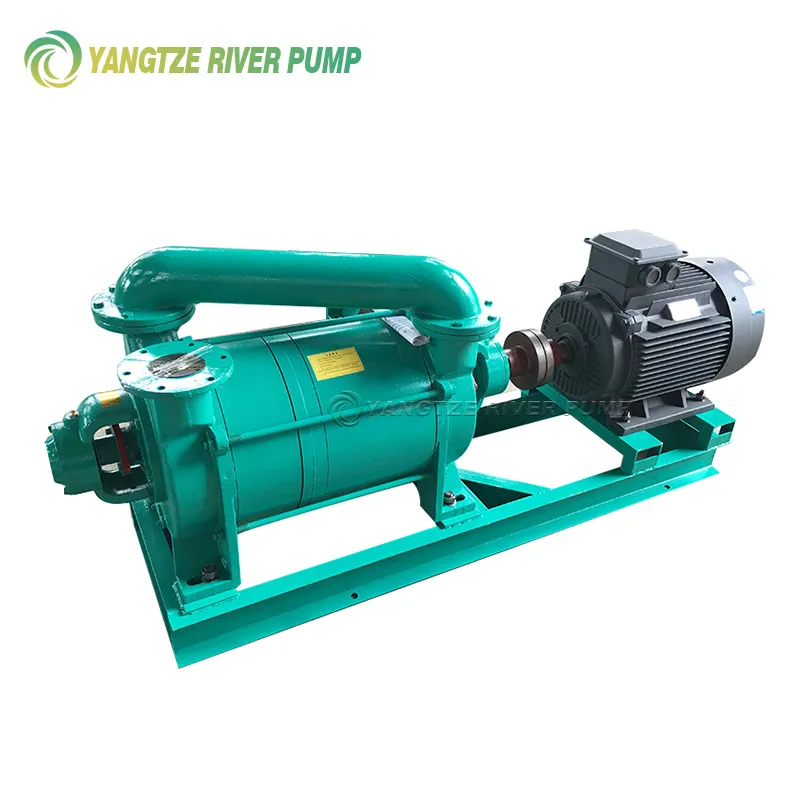 Liquid ring vacuum pumps type 2SK
-
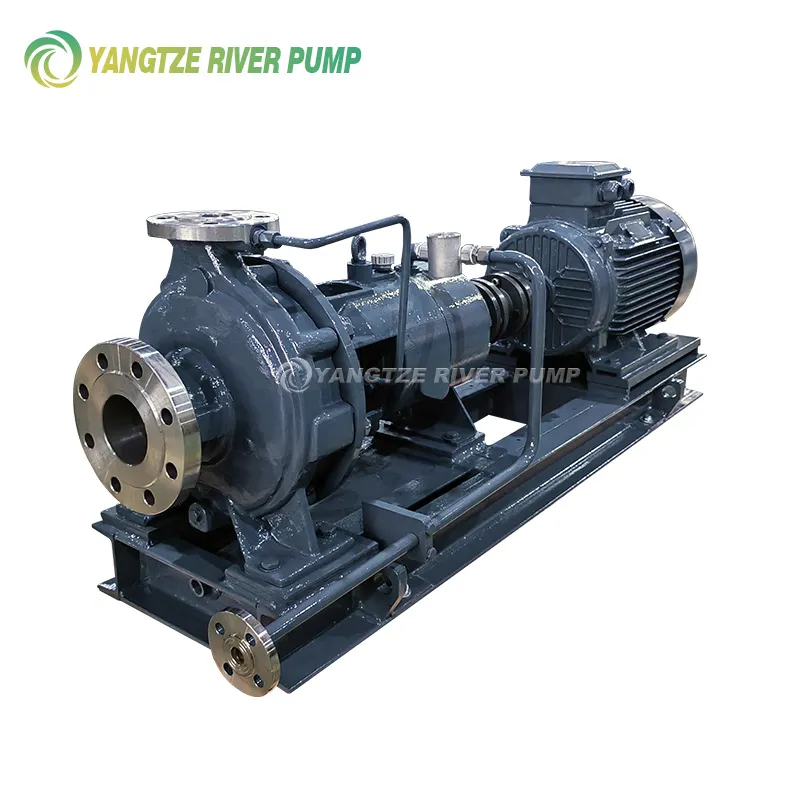 Petrochemical Process Pumps API 610 YZA
-
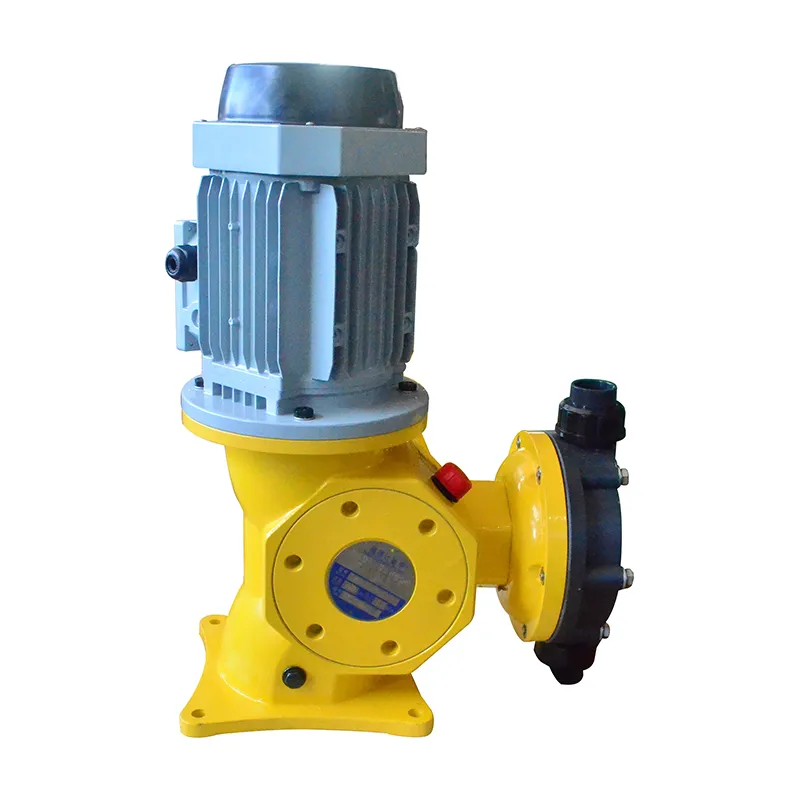 Mechanical diaphragm dosing pumps DJ-Z
-
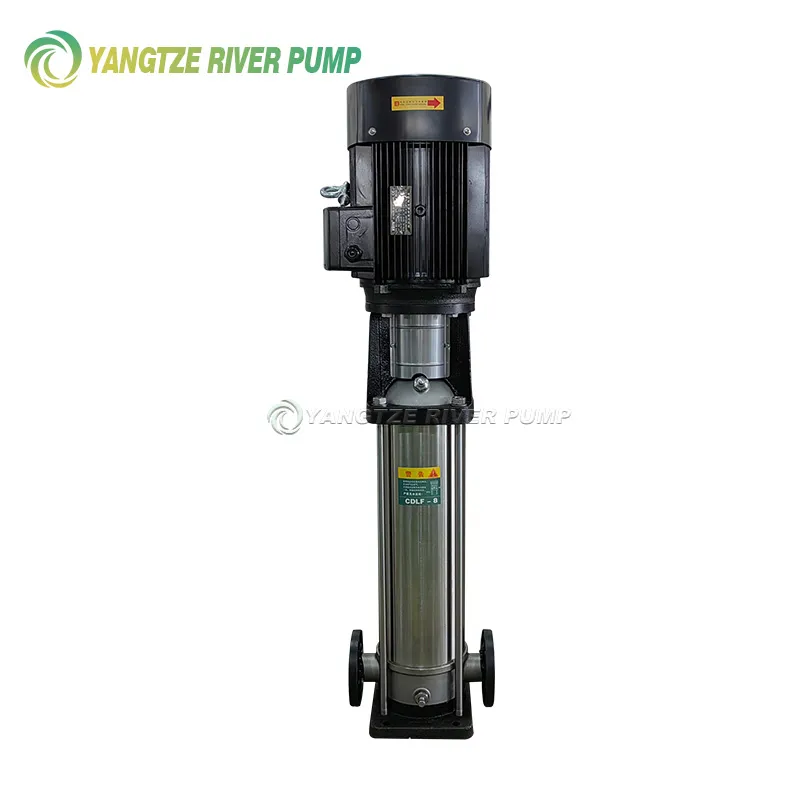 Vertical multistage centrifugal pumps made of stainless steel (light series) CDL and CDLF
-
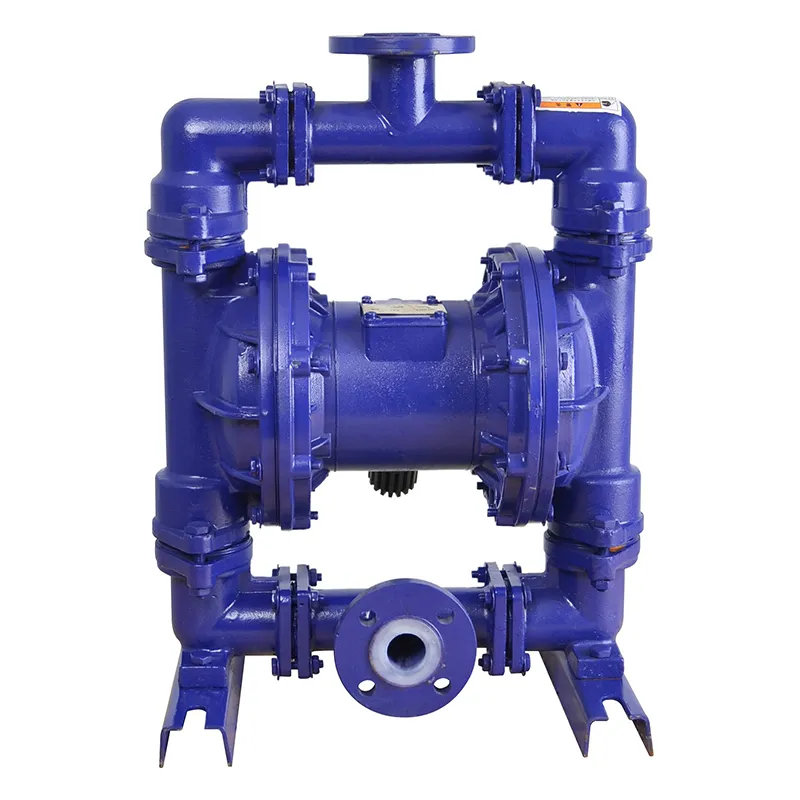 Metal pneumatic diaphragm pumps QBK
-
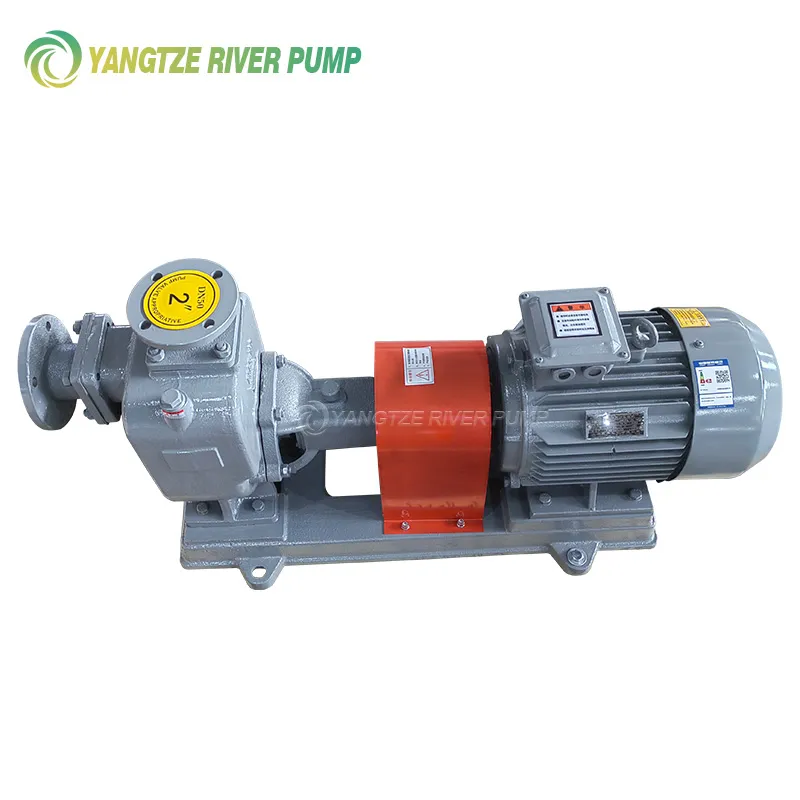 Non-clogging self-priming wastewater pumps ZW
-
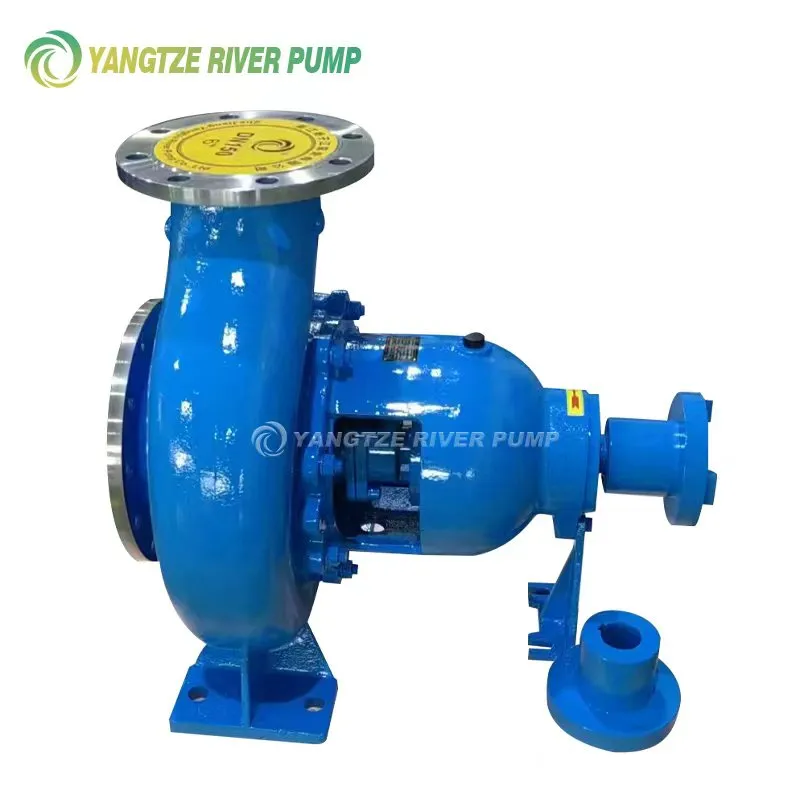 IH Stainless Steel Chemical Centrifugal Pumps
-
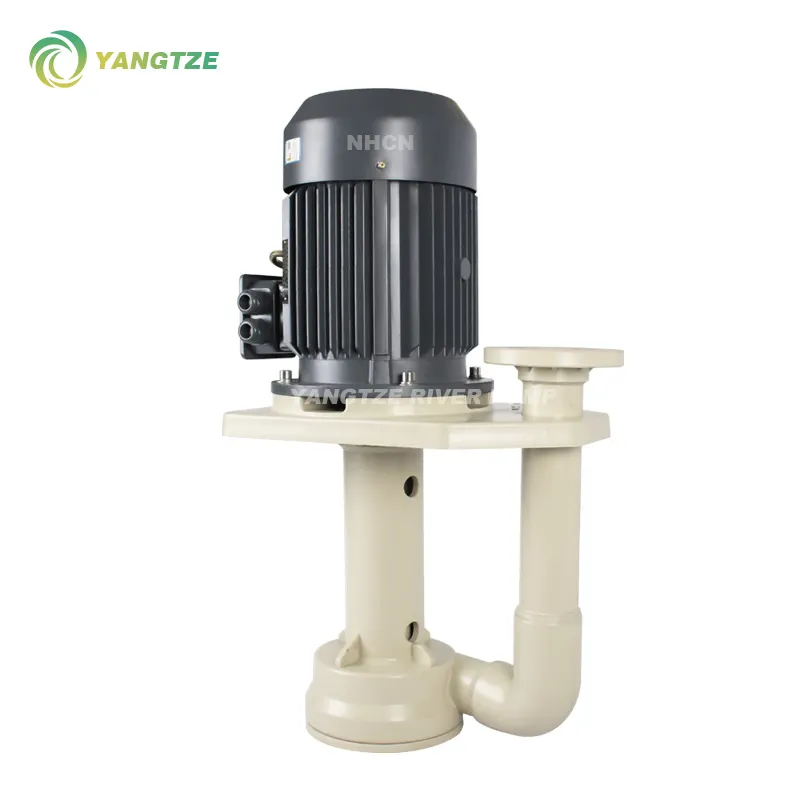 Vertical pumps for installation inside/outside tanks YZCN and YZCW
-
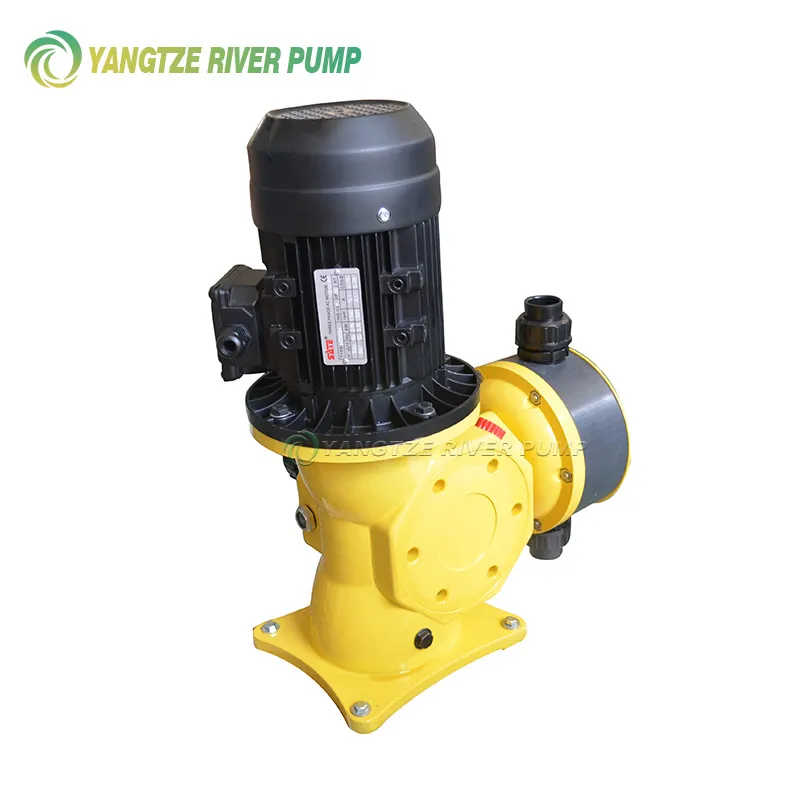 Mechanical diaphragm dosing pumps DJ-D
-
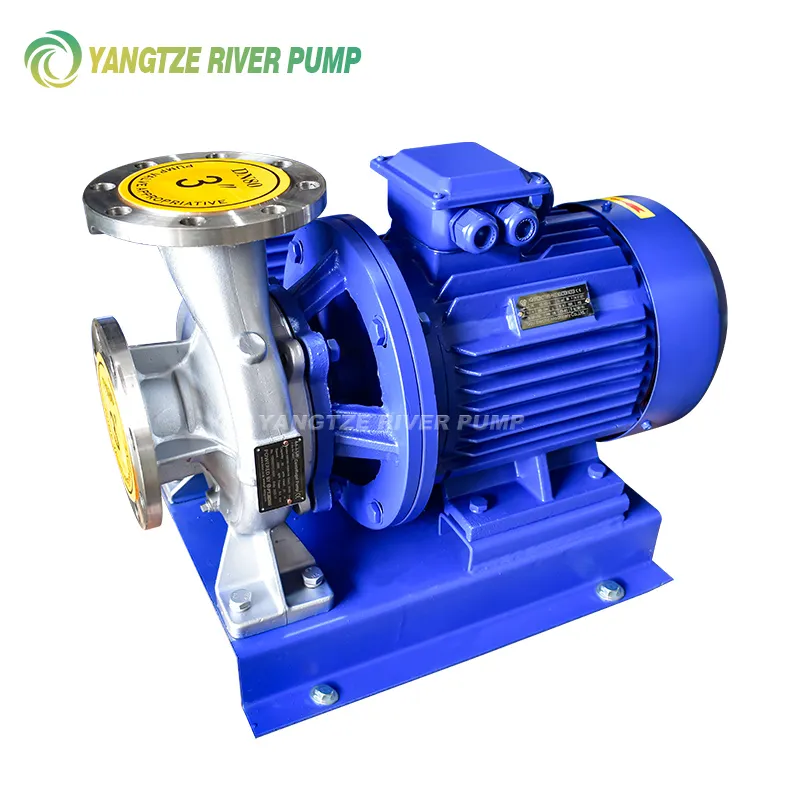 ISW and ISWH Single Stage Horizontal Pipeline Centrifugal Pumps
-
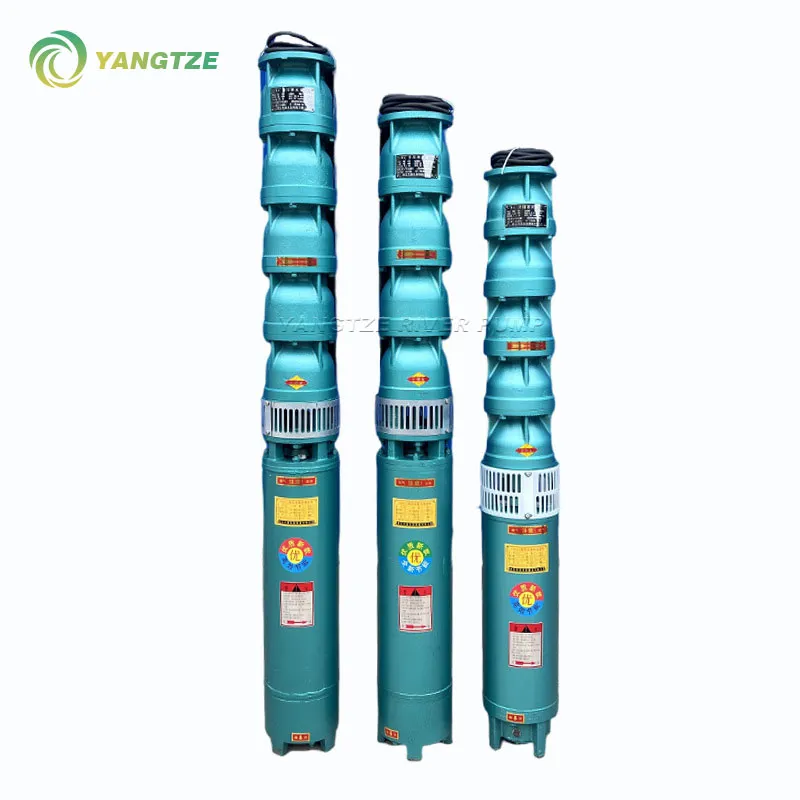 QJ type borehole pumps
-
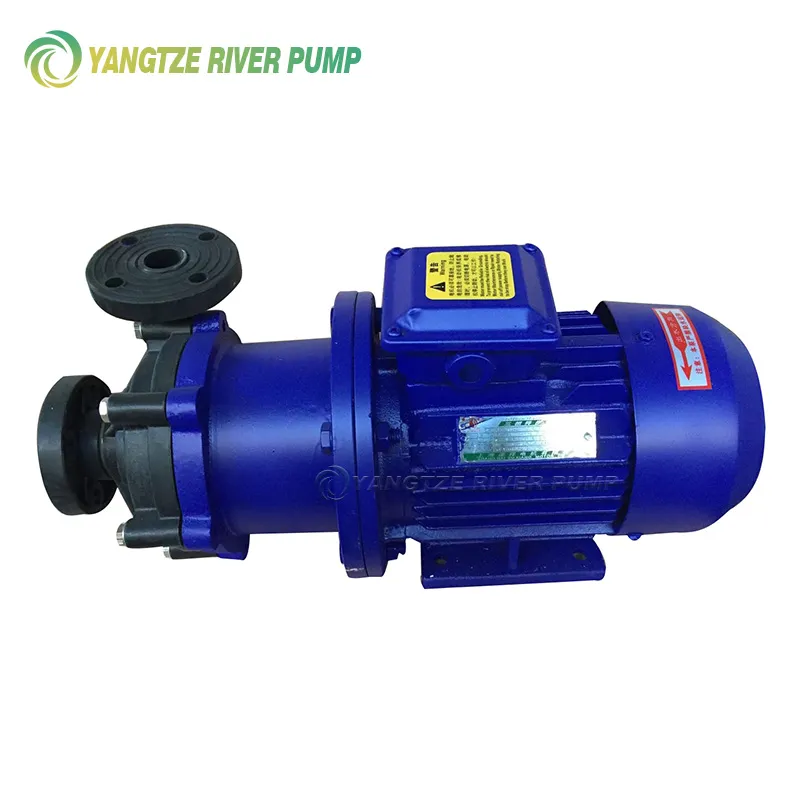 CQF Plastic Magnetic Pumps