







Frequency controlled booster pumps
You look at the label “frequency controlled pump”, and it seems that this is a panacea. All pressure problems have been resolved, energy savings are off the charts. But in practice, especially with pressure boosting systems, not everything is so simple. I often see how customers overpay for a complex system where a conventional relay would be enough, or vice versa - they try to save on a frequency switch in a high-rise building, and then suffer from water hammer and eternal complaints from residents of the upper floors. I went through this myself when I just started working with equipment, including that supplied by our company - Zhejiang Yangtzejiang Pumping Industry LLC. We do not have ready-made “boxed” ones in our assortment. VFD solutions for pressure boosting, but we often integrate our centrifugal pumps, including linear and multistage, into external automation systems. And this is where the fun begins.
Where is a frequency generator really needed and where is it not?
Main featurefrequency-controlled booster pumps— smooth maintenance of the specified pressure in the system, regardless of flow. Sounds great. But if you have, say, a small cottage with two water points that almost never work at the same time, then the frequency generator will operate at the minimum frequency most of the time, and its cost will pay off in about ten years. Savings on electricity will be negligible. Much more practical in such cases is our standard self-priming pump with a hydraulic accumulator and relay. Cheaper, more reliable, easier to maintain.
But where frequency regulation is fully revealed is the water supply systems of residential complexes, hotels, and large office centers. There, the water consumption schedule is unpredictable; pressure surges due to the simultaneous opening of dozens of taps are a common occurrence. Previously, a cascade of 2-3 pumps was installed, which were turned on as needed. Noise, constant switching on and off, the same water hammer. Now you can assemble a system based on one or two of our multistage centrifugal pumps connected to a frequency converter and controller. The pump runs constantly, but changes speed, adjusting to consumption. The pressure in the pipes is stable, the residents are happy, and the equipment wears out less.
But there are pitfalls here too. Once I encountered a situation at a site where, according to the project, our linear centrifugal pump with a “sophisticated” one was located. VFD. The system worked, but the savings were lower than expected. They began to figure it out. It turned out that the pump itself was selected with a margin of pressure, and even at minimum speed its performance was excessive for night mode with almost zero flow. The frequency converter is not a magic wand - it cannot move the operating point of the pump beyond its nameplate curve. I had to change the impeller to a smaller one. After this, the noise decreased and the electricity bill dropped more noticeably. Conclusion: first a competent hydraulic calculation, then the choice of a pump, and only then a decision on the type of regulation.
Integration: our pump + third-party automation
As I already mentioned, our factory in China, represented through the website https://www.yangtzeriverpump.ru, focuses on the production of reliable pumping “iron”. We do not make turnkey control cabinets, but our equipment is perfectly adapted to work in such systems. Why is this approach often more profitable? Because it gives you flexibility. Let's say a customer needs to assemble a pressure increase system for chemical production. A pump made of a specific material that is resistant to reagents is required - we have a line of plastic chemical pumps. And he also needs a smooth control system with integration into the overall SCADA complex of the plant. We supply a pump whose characteristics (pressure, flow, material) are ideal for his technological process, and he separately orders a control cabinet from a specialized company that knows local standards and requirements for automation well.
At the test bench in our company, we check how pumps behave in different modes. Forpressure booster pumpsthis is critical. We take full characteristics: not only maximum pressure and flow, but also power curves and efficiency at different points. We then pass this data on to installation engineers who will select the frequency converter. Without these graphs, setting up a VFD turns into guesswork - you can get unstable operation, motor overheating or cavitation.
I had an experience when a fire extinguishing system required a pump, which was in reserve 99% of the time, but at the moment of startup it must instantly reach the nominal mode and maintain a stable pressure. It was impossible to use the frequency converter with long overclocking. We found a hybrid solution: the main and backup pumps are our multi-stage centrifugal pumps, they are started by direct start, but the frequency-controlled control system is based on a small hydro-pneumatic accumulator, which smoothes out the starting moment and compensates for small surges. It turned out reliably and within budget.
About maintenance and typical installation errors
Frequency regulation adds operational reliability to the system, but requires more qualified maintenance. This is not the case when you can call the plumber Uncle Vasya. The most common mistake during installation, which then backfires, is incorrect placement of the pressure sensor. If you place it too close to the pump or in a place with a turbulent flow, it will “lie”, and the frequency generator will begin to change speed wildly, trying to catch non-existent vibrations. The system will “twitch”, and the pump will quickly fail. The sensor must be installed at a point hydraulically distant from the pump, preferably after a group of hydraulic accumulators, if any.
Another point is setting the PID controller in the frequency converter itself. Many installers leave the factory default settings. And they may not be suitable for an inertial water supply system with long pipes. As a result, the system either reacts too slowly to changes in flow (pressure drops) or begins to “hunt”? — constant pressure fluctuations around a given point. You have to select coefficients on the spot, using trial methods. Sometimes this takes a whole day, but without this the system will not work optimally.
As for our equipment, for pumps that are planned to be used with VFDs, we always recommend paying attention to the insulation class of the motor and the presence of mandatory grounding. The frequency generator does not produce an ideal sine wave, but pulse-width modulation, which creates increased voltages on the insulation of the windings. If the engine is not designed for such loads, it will burn out. We at Zhejiang Yangzijiang Pump Industry Co., Ltd. pay special attention to this on production lines, especially for series that are often used for such projects.
Looking to the future: what else can regulation provide?
Nowadays everyone is talking about the “smart home”. and the Industrial Internet of Things (IIoT). Andvariable speed pumpsis an ideal candidate for this. Imagine that the system not only maintains pressure, but also analyzes the schedule of water consumption in the building. You learn that at 7 am there is a peak (everyone washes), and from 10 to 16 there is a minimum consumption. And it adjusts the operating algorithm, saving energy even more. Or remotely transmits data on the number of engine hours, energy consumed, and engine temperature. This allows you to move from planned maintenance to condition-based maintenance.
This is a challenge for us as a manufacturer. The pump is no longer just a piece of iron with an electric motor. It becomes part of an intelligent system. That is why our company combines the areas of R&D, production and testing. We are already testing protocols for remote monitoring of key parameters of our pumps. This is necessary for our ?iron? could easily interface with the advanced control systems that will be required tomorrow.
But chasing the “smart” ones? functions, we must not forget about the basics. The most advanced electronics will not save a pump if it has poor hydraulics, if the impeller is not balanced, or if the seal is incorrectly selected. Our principle is first impeccable mechanics, then opportunities for integration. Be it a regular submersible pump for a well or a multi-stage unit for a pressure boosting system in a skyscraper.
Results without gloss
So is it worth getting involved with frequency-controlled booster pumps? There is no clear answer. This is a powerful and effective tool, but not for all tasks. Like a hammer, it can hammer a nail, but it can also break glass if used for other purposes. The key is in a deep analysis of the problem: calculating real load schedules, understanding the specifics of the facility, assessing the budget not only for purchases, but also for further maintenance.
Our role as a pump manufacturer is to provide the customer or engineering company with a reliable, predictable pump with complete and honest performance characteristics. So that when integrating it into a VFD system, they know exactly what to expect from it. And so that after a few years of operation you don’t have to figure out why “this Chinese pump?” failed when the problem was actually an incorrect setting of the frequency converter or an installation error. The experience we have gained from manufacturing and testing a wide range of equipment, from magnetic pumps for aggressive media to powerful multi-stage systems, speaks to one thing: the success of a project is always in the details. And frequency regulation is just one of them, albeit a very important one.
Correspondingproducts
Related Products

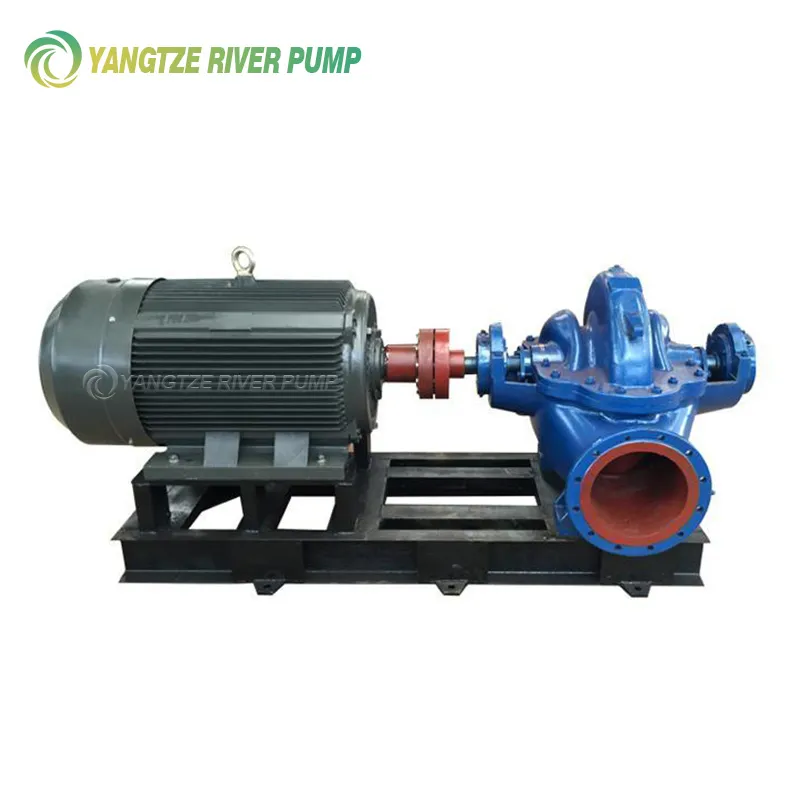

Best Sellingproducts
Best Selling Products-
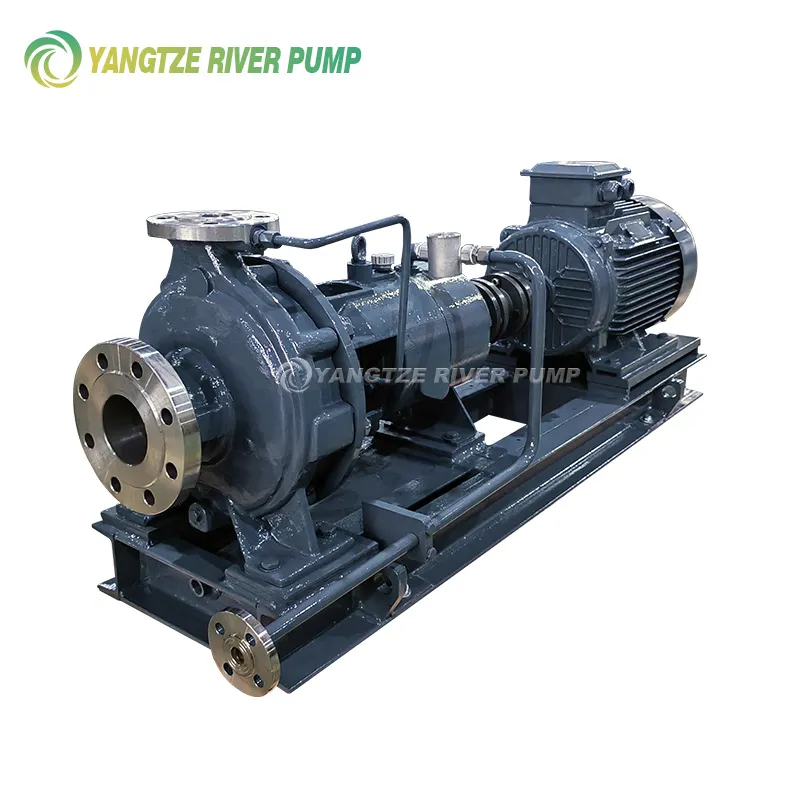 Petrochemical Process Pumps API 610 YZA
-
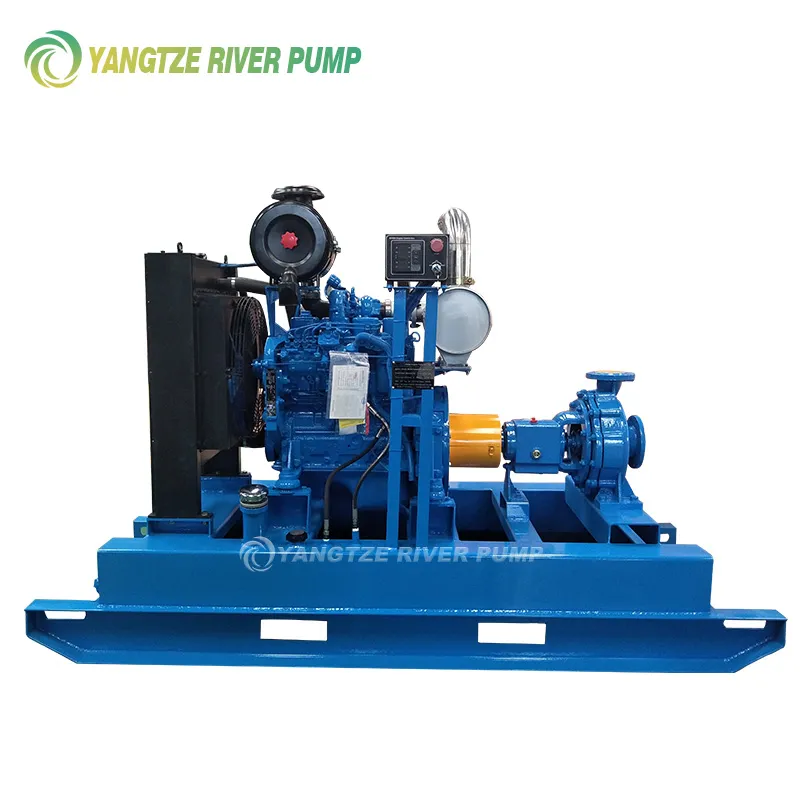 YZIS Diesel Single Stage Centrifugal Pumps
-
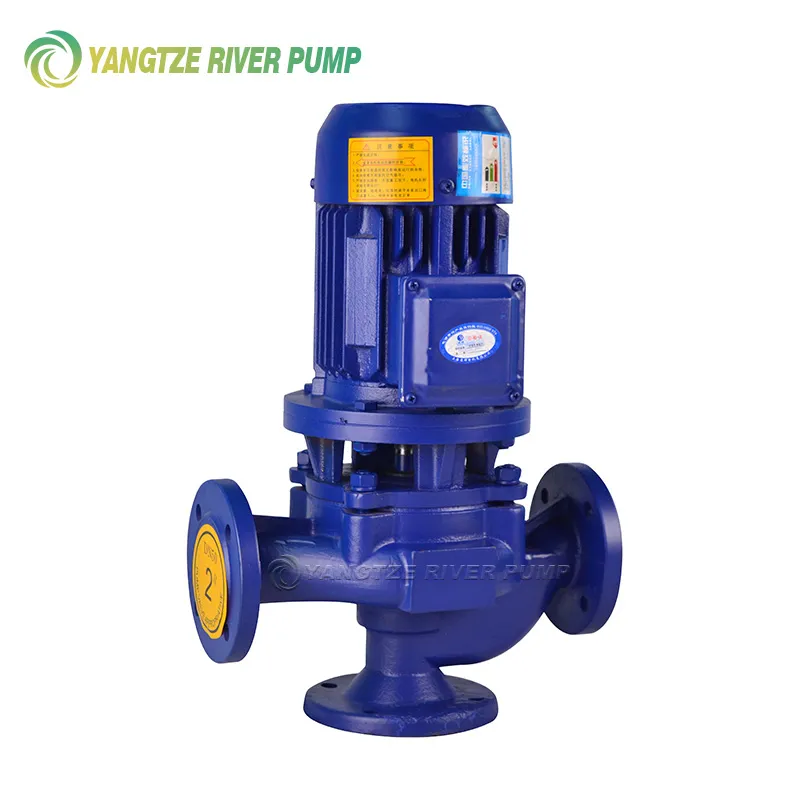 Pipeline wastewater pumps GW
-
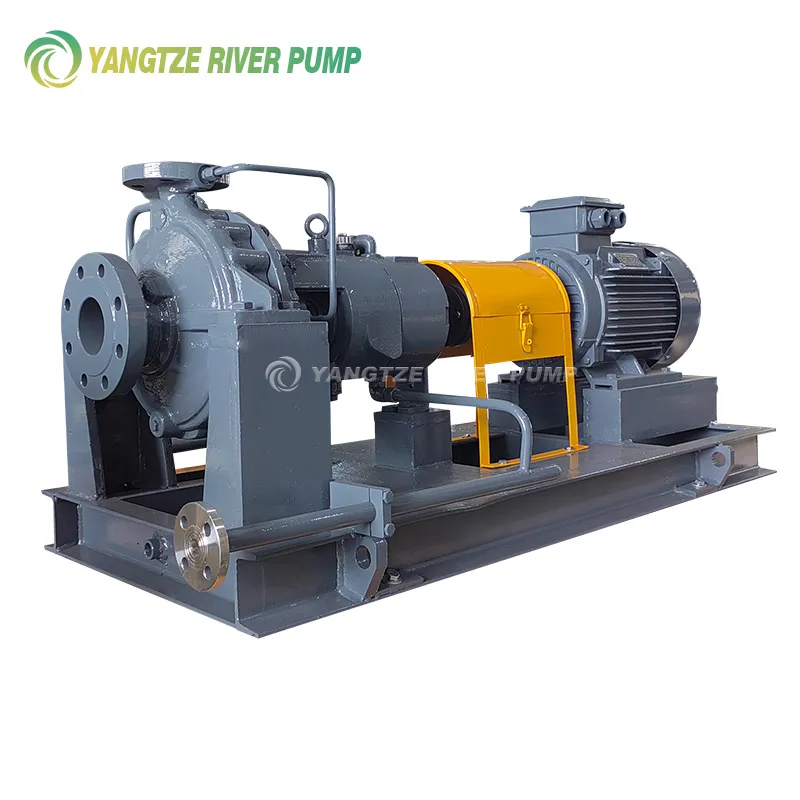 Petrochemical Process Pumps API 610 YZE
-
 IH Stainless Steel Chemical Centrifugal Pumps
-
 Metal pneumatic diaphragm pumps QBK
-
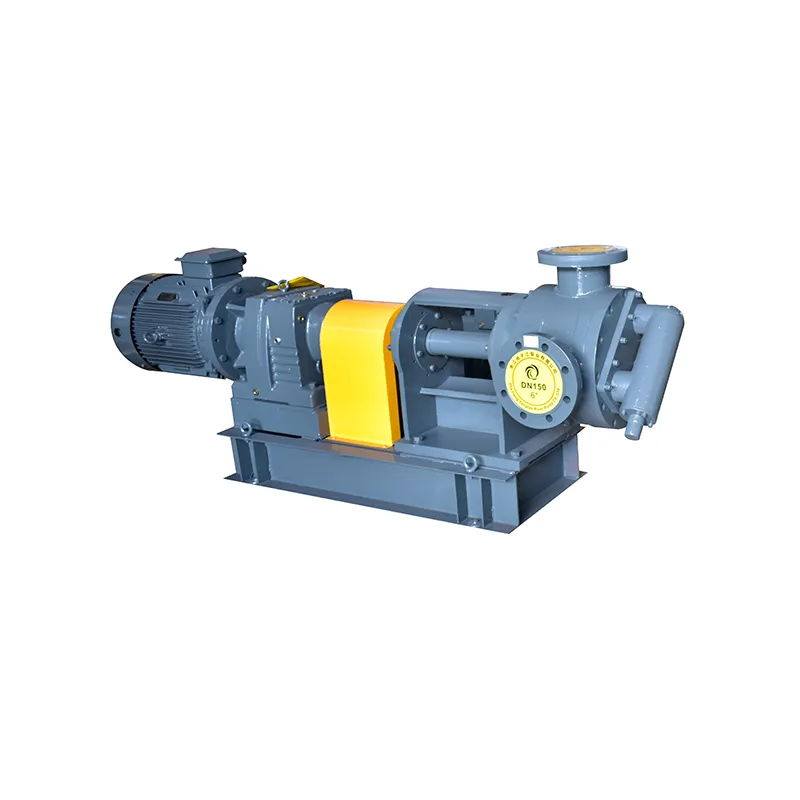 NYP High Viscosity Internal Gear Pumps
-
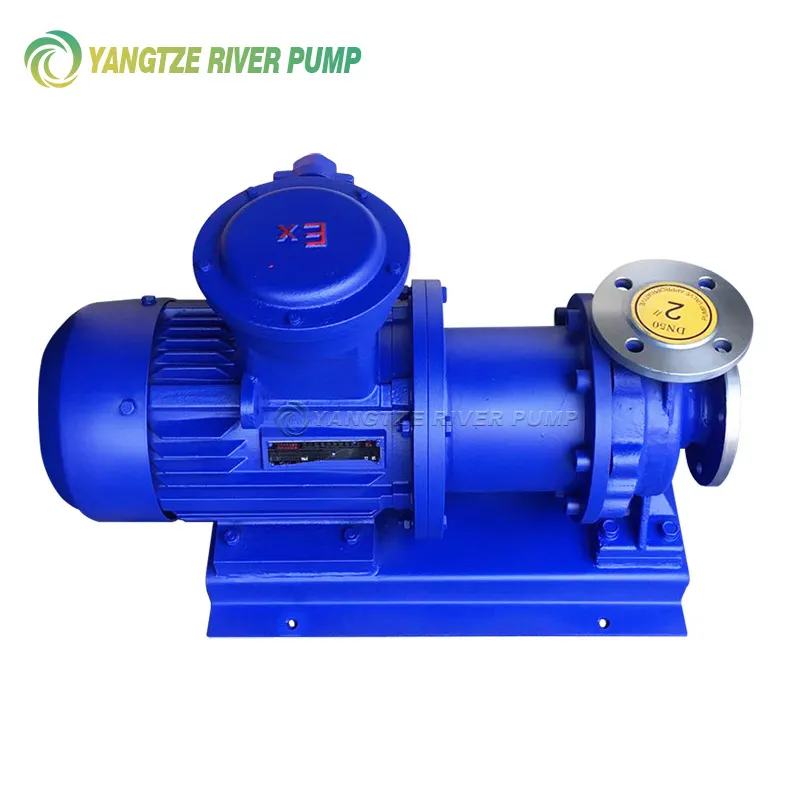 CQB Stainless Steel Magnetic Pumps
-
 Horizontal multistage centrifugal pumps (light series) CHL and CHLF
-
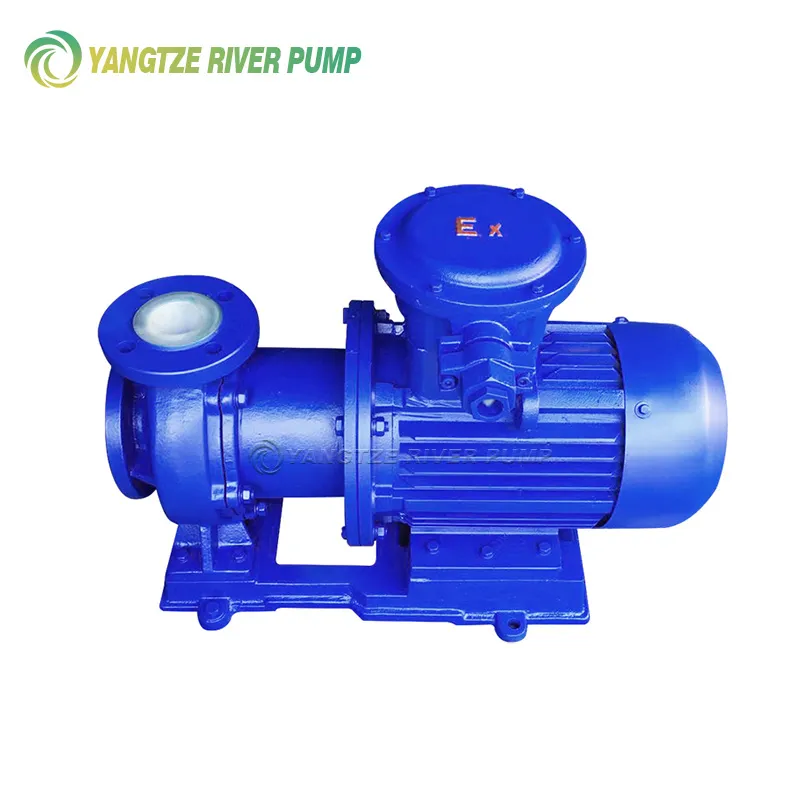 Magnetic pumps with fluoroplastic lining CQB-F
-
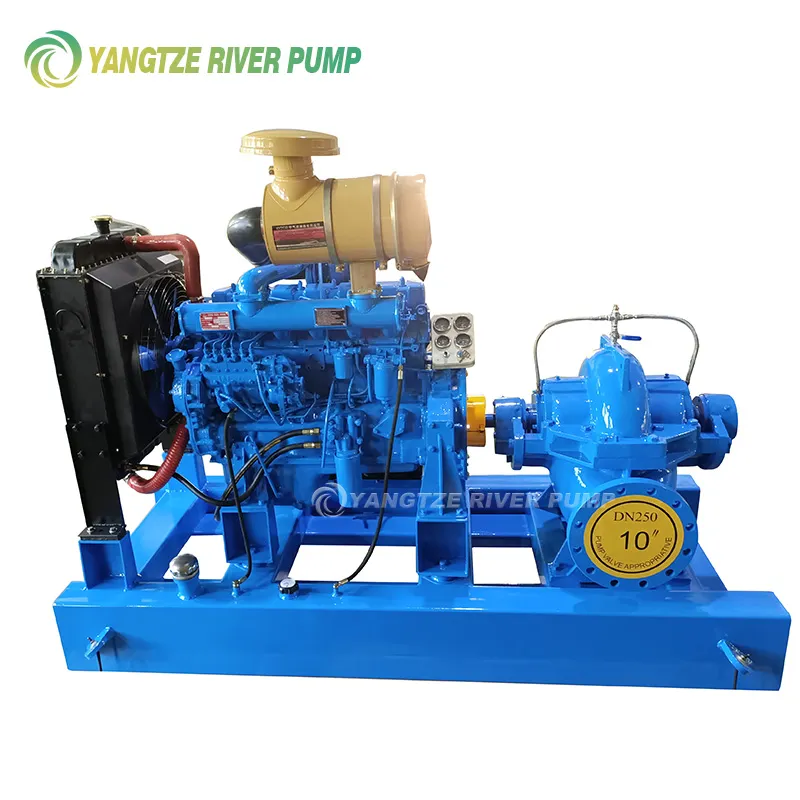 Diesel pumps with horizontal connector YZS and YZSH
-
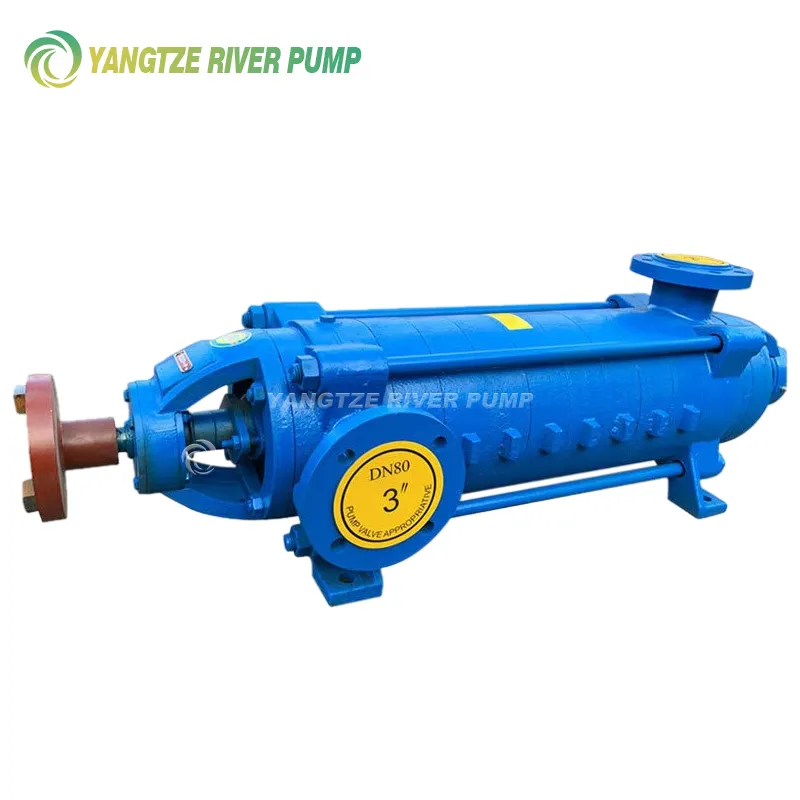 Horizontal multistage pumps for feeding DG boilers