







centrifugal pump 20 kW
When you hear “centrifugal pump 20 kW,” the first thing that comes to mind is a standard middle-class unit, of which there are thousands. But here lies the main mistake of many customers, and even some colleagues: they see in this figure only engine power, and not the key to a whole range of characteristics - pressure, flow, efficiency and, critically, to future operating costs. Over the years of working with equipment, including on production lines similar to those we have at Zhejiang Yangzijiang Pumping Industry LLC, I am convinced that the choice of such a pump is always a balancing act between catalog parameters and actual conditions at the site.
20kW power: starting point, not finishing point
So, let's take it as a basiscentrifugal pumpwith a 20 kilowatt drive. I should immediately note that this is a popular range for many industrial and municipal tasks: water supply, irrigation, pumping in technological lines. But here's what's important: two different pumps with the same engine power can have completely different operating points. One will be squeezed out by 150 cubic meters per hour with a pressure of 40 meters, the other - by 80 cubic meters, but will lift it by 90 meters. Looking only at “20 kW”, this cannot be understood.
In our production, where complete lines from R&D to testing are assembled, you often come across requests where the client clearly indicates the power, but vaguely understands the required pressure. You have to literally “unwind” technical specifications, asking questions about the length of pipelines, elevation differences, and ambient temperature. Otherwise, you risk installing a technically sound unit that will work contrary to the needs of the system - either “suffocate”, or, worse, constantly break down into cavitation due to incorrect selection.
I remember an incident at one of the facilities for pumping recycled water. The customer insisted onpump 20 kWsimilar to the old broken one. A detailed analysis revealed that the hydraulic resistance of the network decreased after replacing a section of pipes, and in fact, a unit with a different characteristic was required - with a flatter Q-H curve. They installed a model with the same engine, but with a different impeller. The result is energy savings of about 8% only due to the shift of the operating point to the zone of maximum efficiency.
Design nuances that decide everything
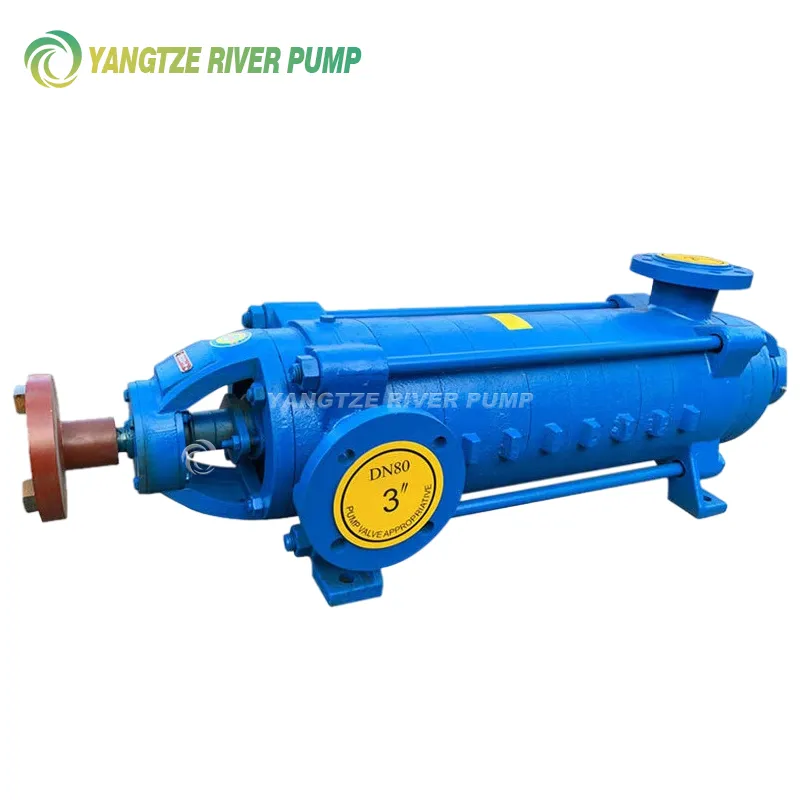
Talking aboutcentrifugal pumpsin this power class, performance cannot be discounted. Single stage or multi stage? For high pressures with a relatively low flow, the multi-stage version, which we also produce, is often preferable - it is more compact and efficient than the single-stage version, which pumps up the pressure due to the huge diameter of the wheel.
The material of the flow part is a different story. If we are talking about clean water, cast iron or stainless steel. But in chemical processes, where we offer plastic chemical pumps, or for abrasive slurries, material selection becomes a key factor in durability. I saw how an incorrectly selected alloy at one of the food production plants, when in contact with a slightly aggressive environment, led to pitting corrosion of the impeller within six months. Vibration, drop in parameters, downtime. Therefore, our company pays as much attention to testing as to production.
Another practical point is the method of compaction. Mechanical mechanical seal or stuffing box? Forpump 20 kWwith its revs, the oil seal often means constant maintenance, tightening, and drips on the pipes. Mechanics are more reliable, but require cleanliness of the pumped medium. I always advise clients on the website yangtzeriverpump.ru to study not only the dimensions, but also the section with recommendations for seals for different environments. This will save a lot of nerves in the future.
Installation and “first launch”: where theory meets practice
It would seem that the foundation has been poured, the pipelines have been installed, the unit has been installed - you can start it up. But exactly oncentrifugal pump 20 kWTypical mistakes are often made. The most common is incorrect piping of the suction pipeline. Installing a gate valve instead of a check valve with a mesh, the presence of elbows too close to the inlet flange, which provokes uneven flow and cavitation.
During one of the launches, which was carried out by our service department, we encountered strong vibration immediately after switching on. We checked the alignment with the engine - normal. It turned out that the problem was an air lock in a pipeline of complex configuration. We had to organize an additional descent at the top point. This is a small detail that is not always reflected in the manuals, but which an experienced engineer will always take into account at the piping design stage.
Starting current is also an important point. A 20 kW motor is a serious load for the electrical network. In an old production environment with worn cables, direct starting can cause a voltage drop, which is harmful for both the pump and other equipment. We increasingly recommend that customers consider frequency converters. Yes, this is an increase in the initial cost, but a smooth start and the ability to flexibly adjust parameters to suit the current needs of the system pays off very quickly.
Service and durability: predictable maintenance
Anyone, even the most reliablecentrifugal pumprequires attention. For 20 kW units, periodic inspection of the condition of bearings and seals is critical. Production here occurs predictably, and the main thing is not to miss the moment when wear enters a critical phase.
At our production site, we even have standard maintenance schedules drawn up for key models, which we pass on to customers. This is not just a formality. For example, for a line of multistage pumps, the interval for checking mechanical seals and balancing the rotor may differ from that for single-stage linear pumps, and this is directly related to the difference in operating pressures and rotation speeds.
Spare parts are a topic for another discussion. I always try to insist on using original components or their certified analogues. I saw how the delivery of the ?left? impeller with different hydraulic characteristics negated the entire efficiency of the unit. The efficiency dropped, the engine began to work with overload, consuming the same 20 kW, but producing less useful work. As a result, savings on spare parts resulted in multiple losses in electricity.
Towards assortment: when 20 kW is not the only option
Working in a company with such a wide portfolio as ours, you understand that sometimes the problem is solved not directly, but from the side.Centrifugal pump 20 kW- not a panacea. There are cases when, for the same flow and pressure, two parallel operating units of lower power, providing redundancy and flexibility, look more effective. Or, conversely, for pumping viscous or solid-containing media, you should look towards screw (single-screw) or diaphragm pumps.
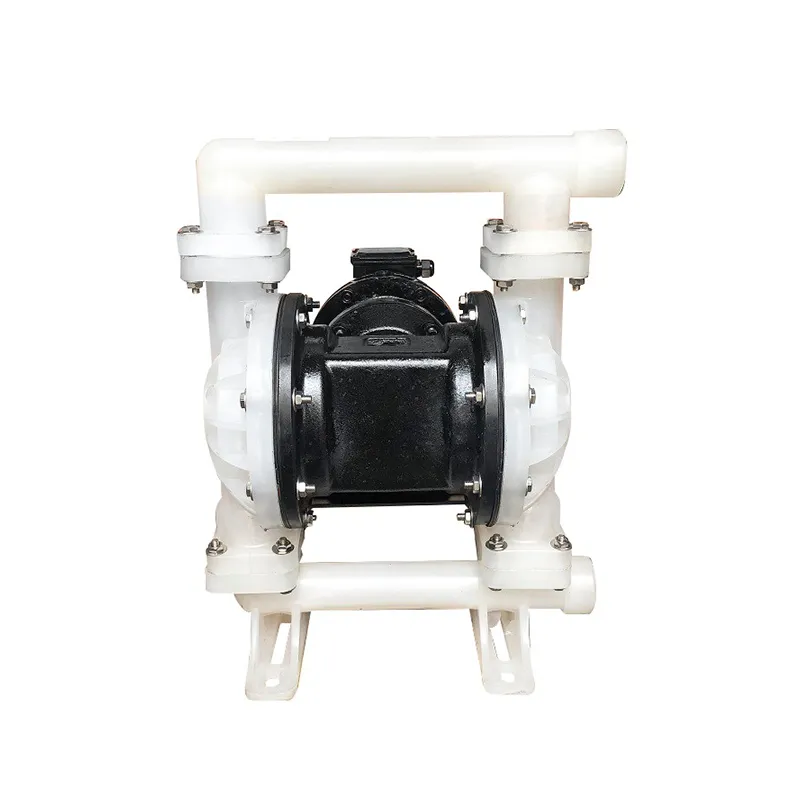
For example, for dosing reagents in the same process where the main circuit servescentrifugal pump20 kW, a compact diaphragm pump is often ideal. It will provide precision that a centrifugal machine will not provide. This is about the issue of an integrated approach, which is possible when a manufacturer, like ours at Zhejiang Yangtzejiang Pumping Industry LLC, covers different types of equipment. You can design not just a unit, but an entire system with the optimal selection of units for each specific operation.
As a result, returning to the original figure. ?20 kW? is not the name of the model, but only one parameter in a long equation that includes hydraulics, process chemistry, network reliability and life cycle economics. Solve this equation correctly and the pump will work for decades, becoming not an expense item, but a tool for profit. Make a mistake and it will turn into an eternal “headache”. in the machine room. The difference between these scenarios often lies in the depth of elaboration of details at the start, in that very professional judgment that comes with experience and attention to detail.
Correspondingproducts
Related Products

Best Sellingproducts
Best Selling Products-
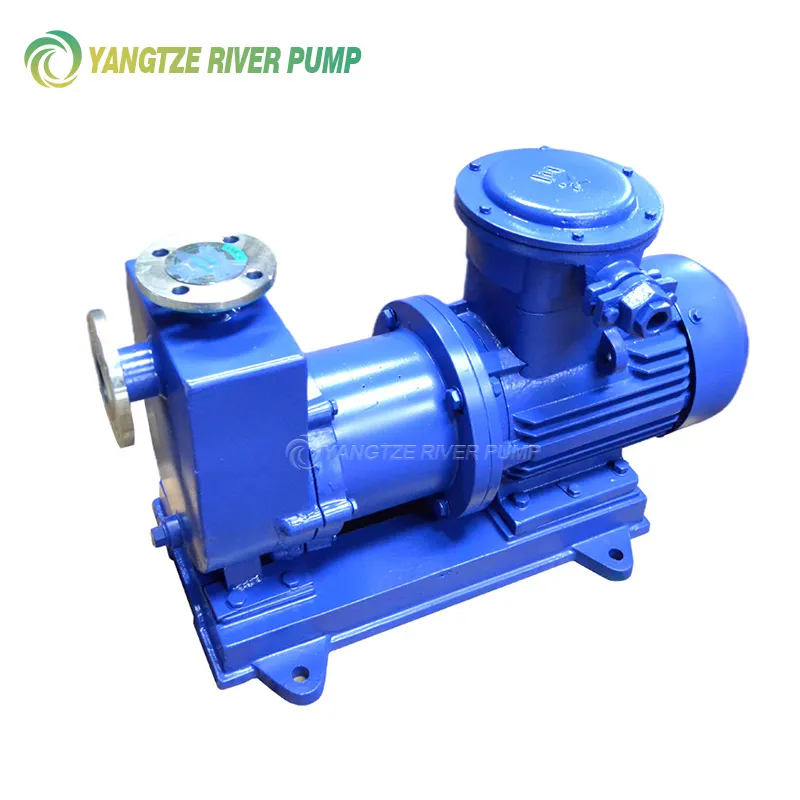 ZCQ Stainless Steel Self-Priming Magnetic Pumps
-
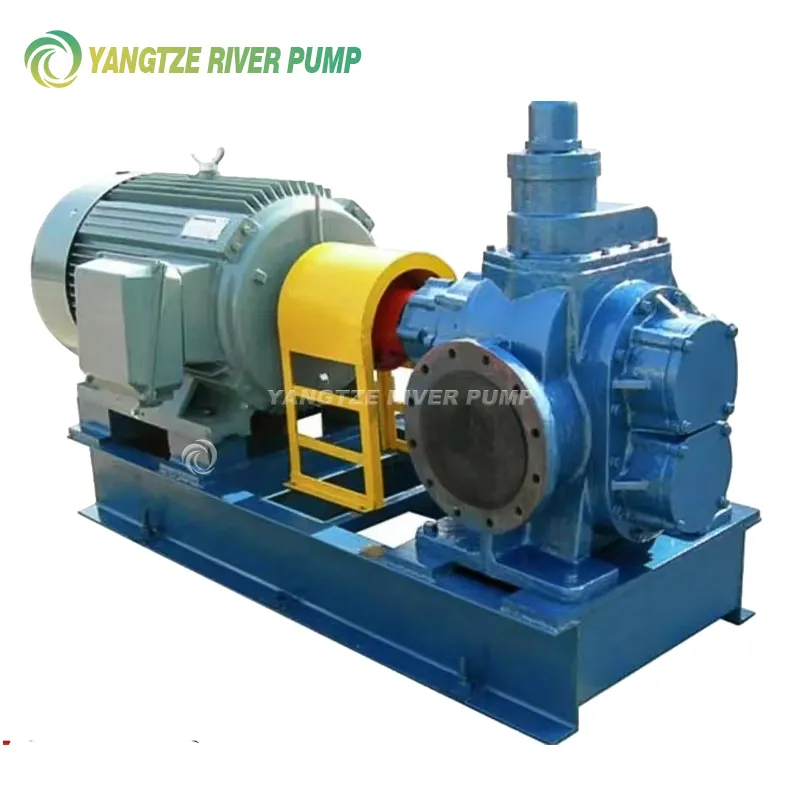 YCB Type Circular Gear Pumps
-
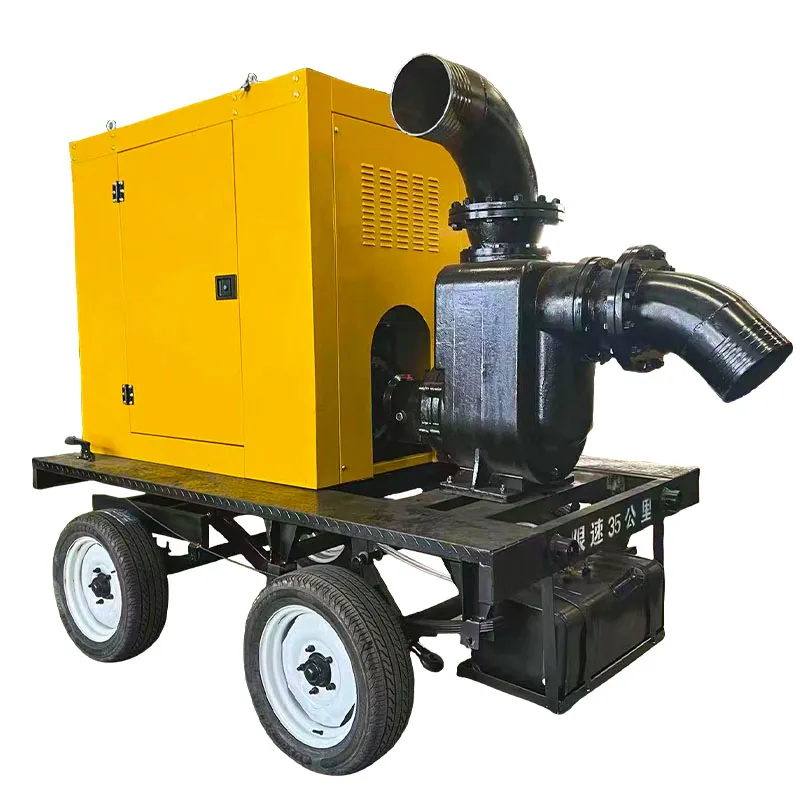 YZZW Diesel self-priming pumps
-
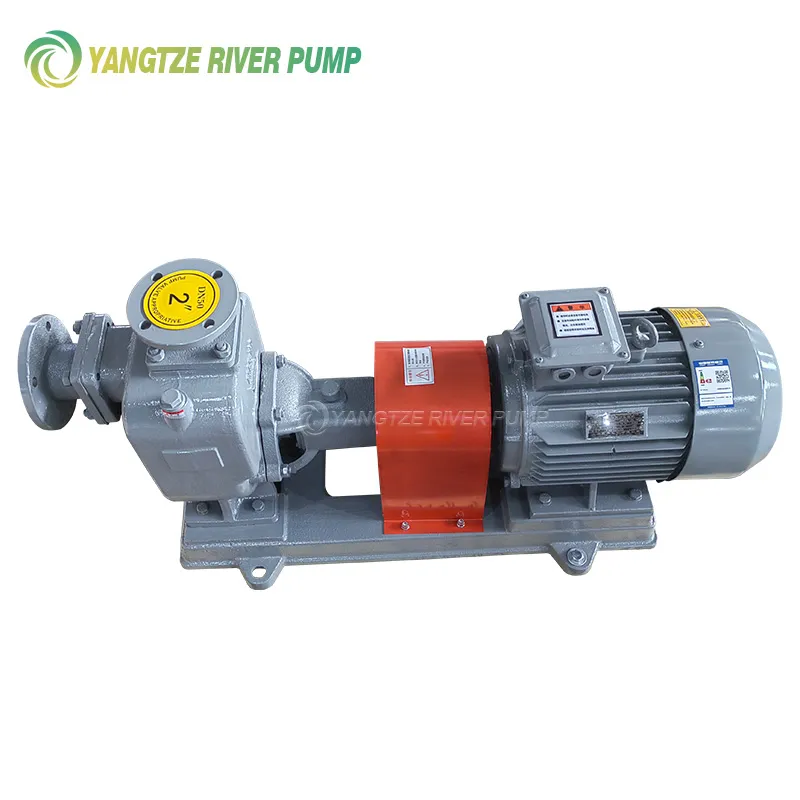 Non-clogging self-priming wastewater pumps ZW
-
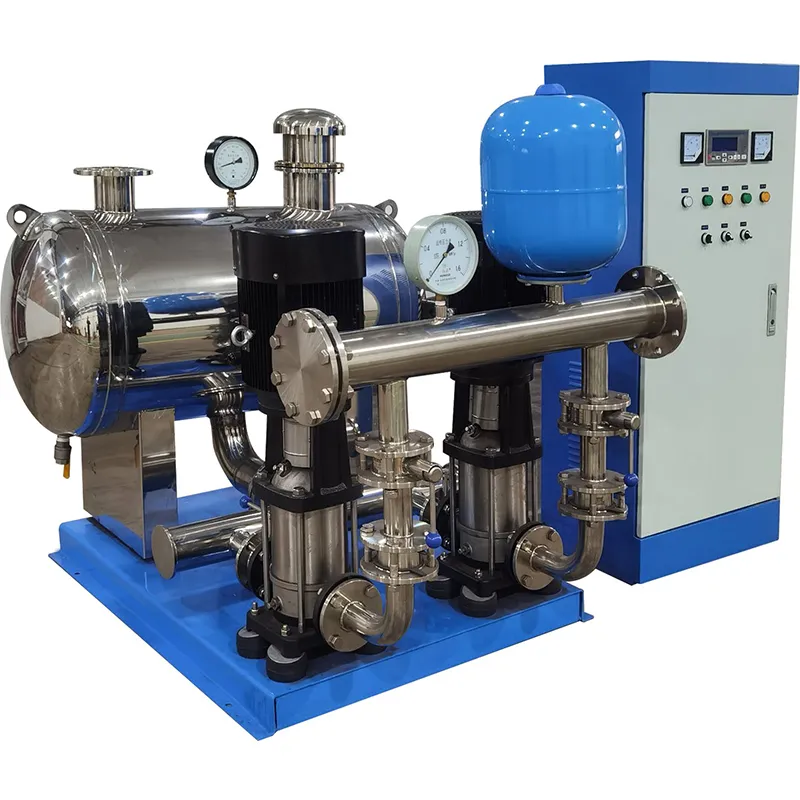 Complete water supply installations with frequency regulation and constant pressure CDLF
-
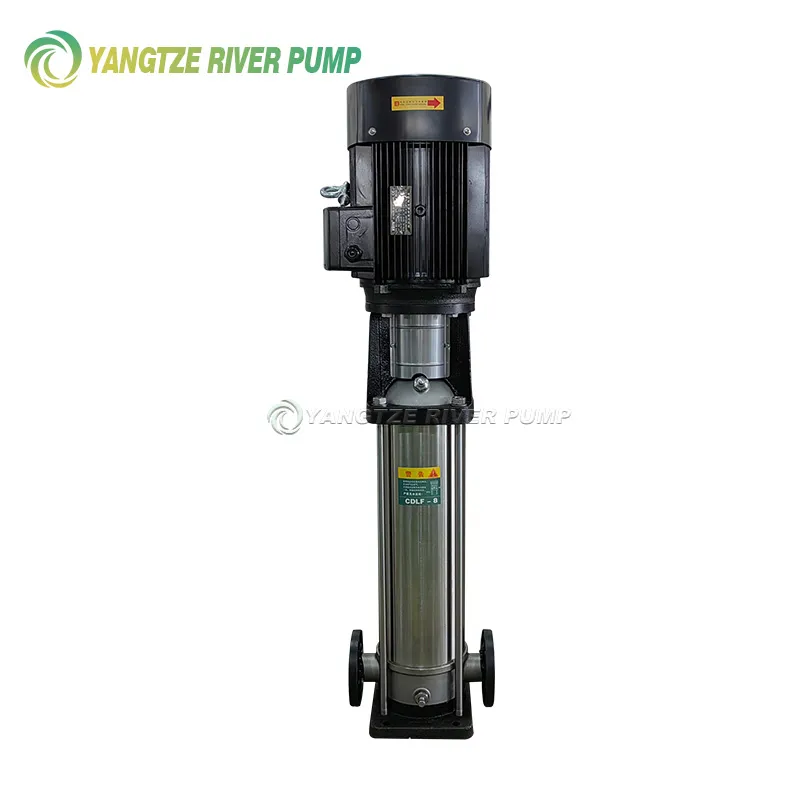 Vertical multistage centrifugal pumps made of stainless steel (light series) CDL and CDLF
-
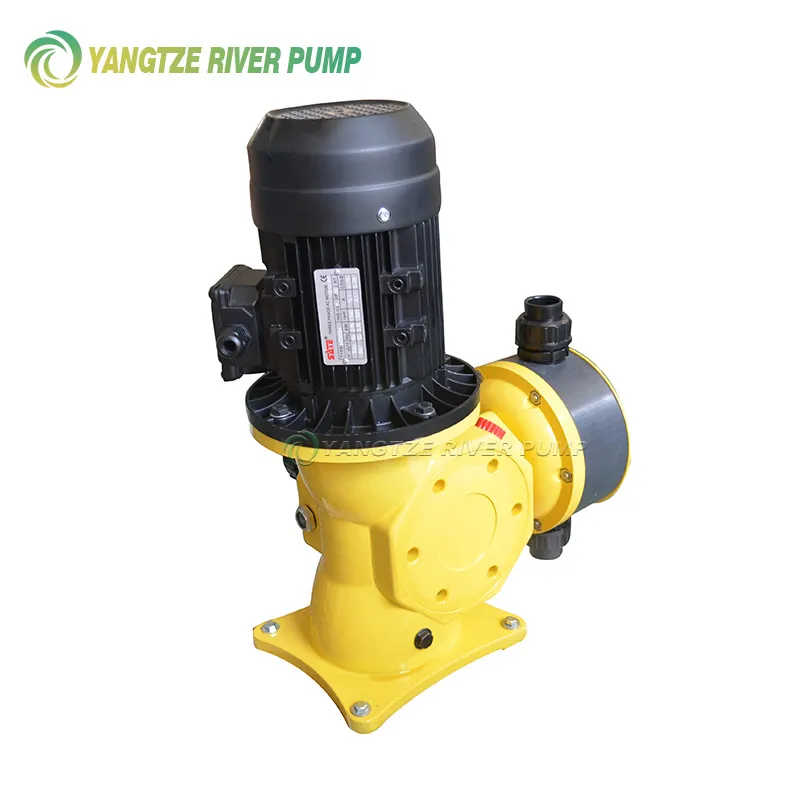 Mechanical diaphragm dosing pumps DJ-D
-
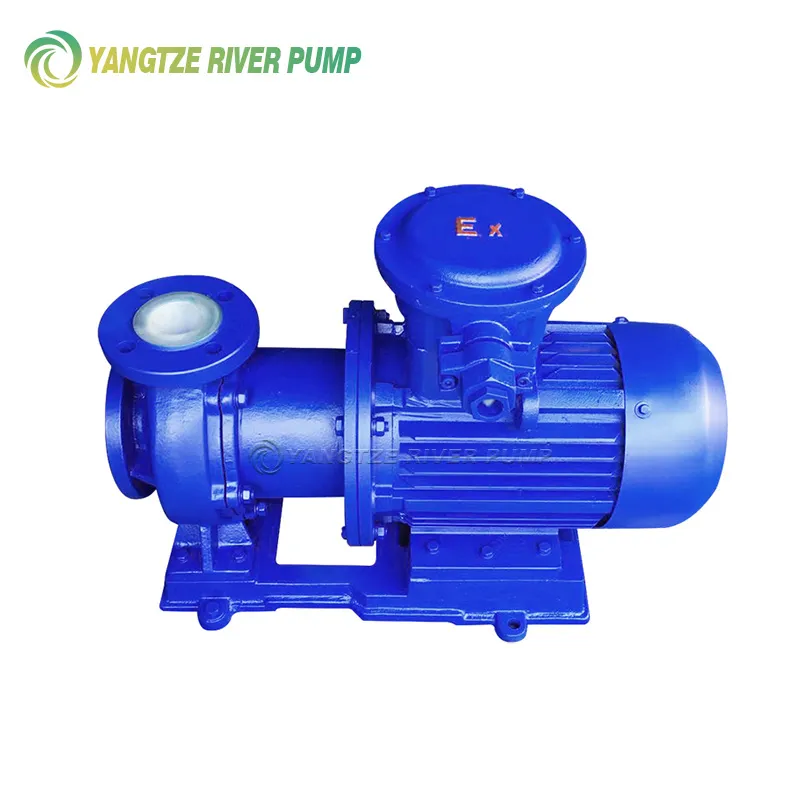 Magnetic pumps with fluoroplastic lining CQB-F
-
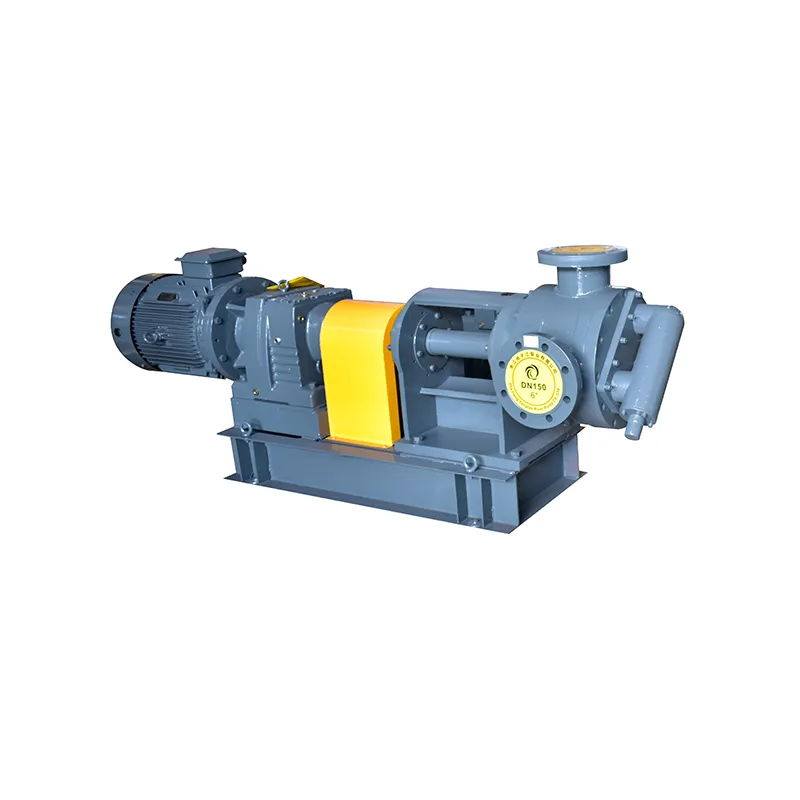 NYP High Viscosity Internal Gear Pumps
-
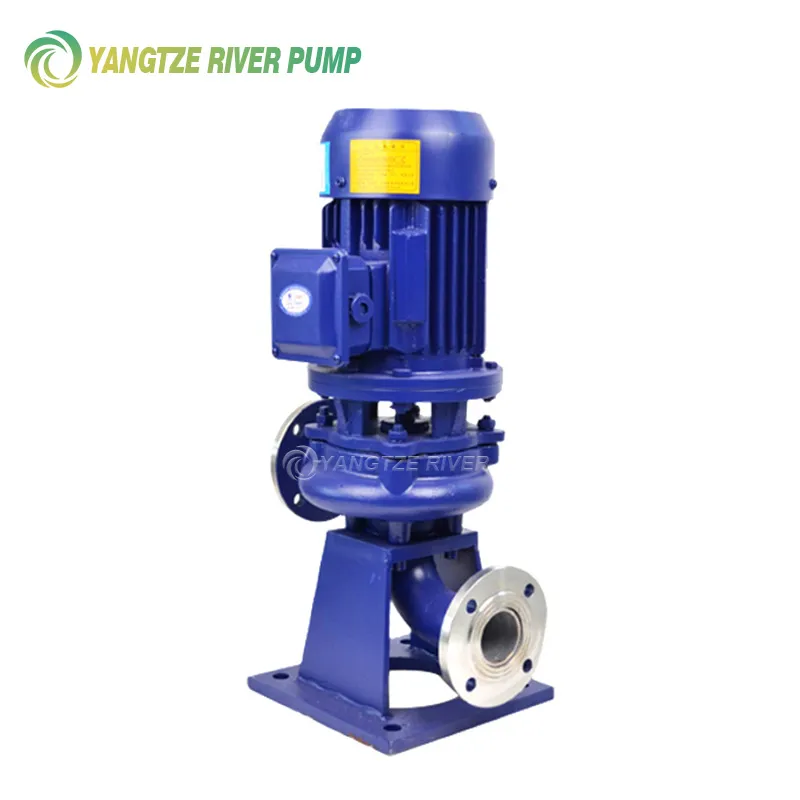 Non-clogging vertical wastewater pumps LW
-
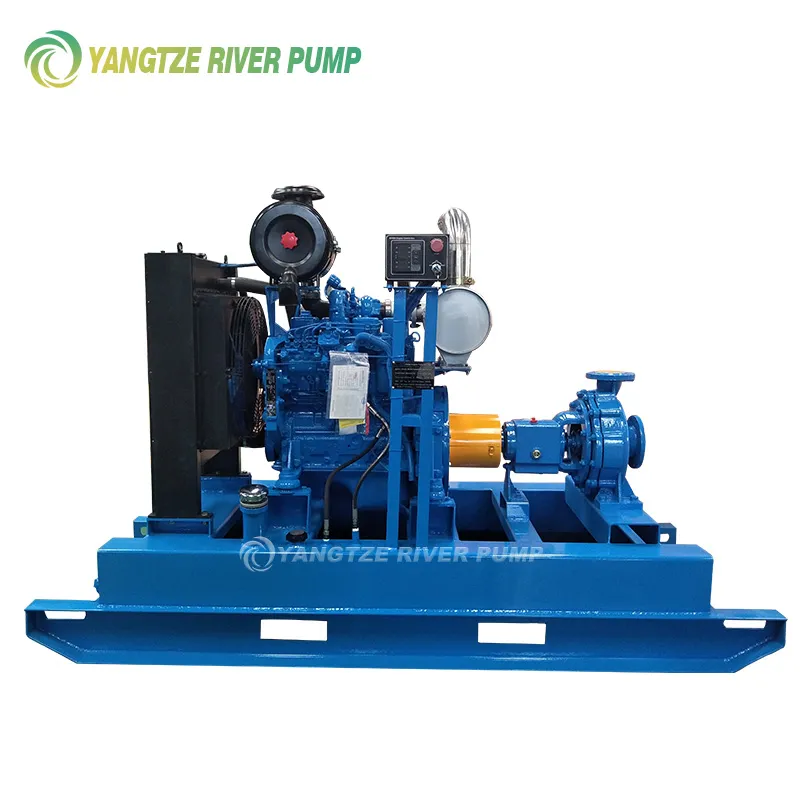 YZIS Diesel Single Stage Centrifugal Pumps
-
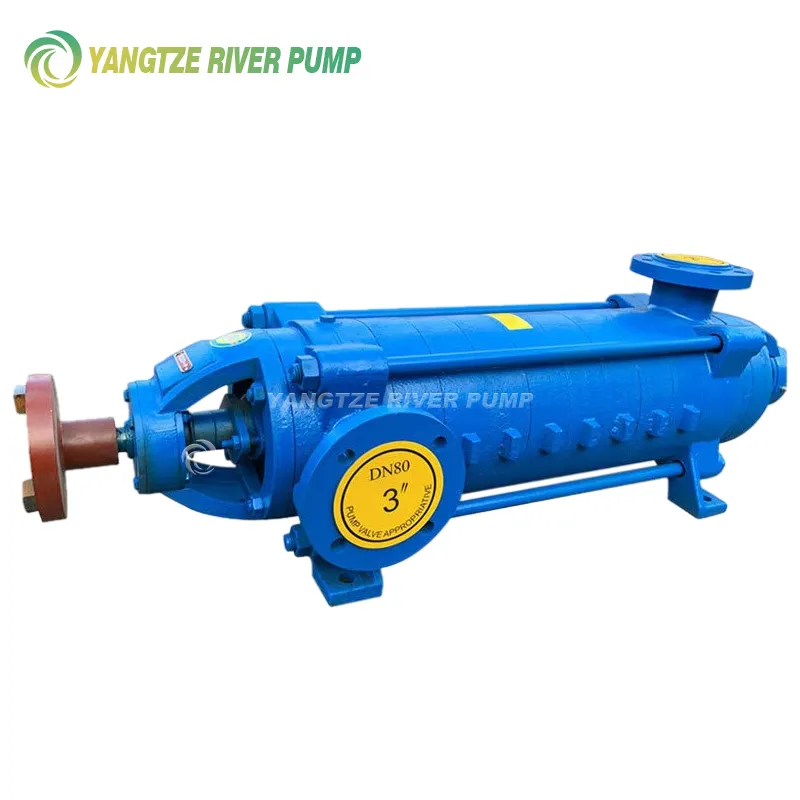 Horizontal multistage pumps for feeding DG boilers