







single centrifugal pumps
When they talk about single centrifugal pumps, many people immediately imagine something basic, almost educational. Like, one working stage, the design couldn’t be simpler - what could go wrong? In practice, it is precisely this “simplicity” and comes out sideways. Because the customer often underestimates how important the correct selection is based on characteristics, and not on the principle “if only it works?”. Or, more often, it tries to save on the material of the flow part when the environment is aggressive. I myself saw how at one of the chemical plants near St. Petersburg they installed a pump with a cast-iron body to pump a solution containing acid impurities. Six months later - through corrosion, the line stops. And all because they considered a single pump a consumable item. Error.
Where is the catch in ?simple? designs
The main advantage, of course, is reliability and maintainability. Fewer components mean fewer points of potential failure. But this is if it is assembled with high quality. A key point that many people overlook is impeller balancing. It seems like a small thing. However, at high speeds, even a slight imbalance leads not just to vibration, but to accelerated wear of bearings and seals. At our Zhejiang Yangzijiang Pumping Industry Co., Ltd., everysingle centrifugal pumpThey drive in different modes, specially taking a vibrogram. It happened that the wheel was sent for revision, although visually everything was perfect. Is this the same “hidden” one? work that the customer does not see, but which defines the resource.
Another nuance is the type of mechanical seal. They install the standard one, and then they wonder why it leaks when working with an abrasive suspension. For such tasks, seals made of special friction pairs are needed, often with a flushing system. In our standard solutions, for example, for IH series pumps, these are several options to choose from, and we always clarify the conditions. Because the replacement of the ?standard? for a "specialist" at the production stage it’s a matter of a couple of days, but on-site repairs due to a leak are downtime and cost a whole lot more money.
And yes, about the material. 304 stainless steel is not a panacea. Many active chemicals require 316L or even Hastelloy type alloys. We once supplied a batchcentrifugal pumpsmade of reinforced polypropylene for laboratory complex. The customer initially doubted the strength of the plastic. But when it comes to a mixture of organic solvents, this is sometimes the only option. The pumps have been working for five years, according to the latest review - without any complaints.
From the workshop to the site: the story of one installation
I would like to tell you about an incident that became instructive for us. We put severalsingle centrifugal pumpsfor a water recycling system for small production. Everything according to the passport: performance, pressure, material - it all came together. Installed and launched. A week later I get a call: “They’re making noise, they’re overheating?” We've arrived. It turned out that, in order to speed things up, the installers placed the pumps on a common non-rigid frame, and even leveled it not with a laser level, but “by eye”. Naturally, distortions and loads on the shafts arose. Plus, a flexible corrugated hose was used at the suction, which, without proper fixation, folded in the area in front of the pump, creating additional resistance.
We had to redo everything: weld a separate rigid foundation frame, install vibration supports, replace a section of the suction line with a rigid pipeline with the correct supply. After this, work returned to normal. The conclusion is simple: even the best pump can be ruined at the installation stage. Now we add even more “obvious” ones to our data sheets and installation manuals. details that, as practice shows, are not such.
We applied this experience in the development of our linear centrifugal pumps, where the issue of correct piping and alignment is even more acute. Integration of production, testing and service in one company, like ours at Zhejiang Yangtzejiang Pumping Industry Co., Ltd., allows us to quickly make such practical changes to both the design and documentation.
Compare with what? Selection context
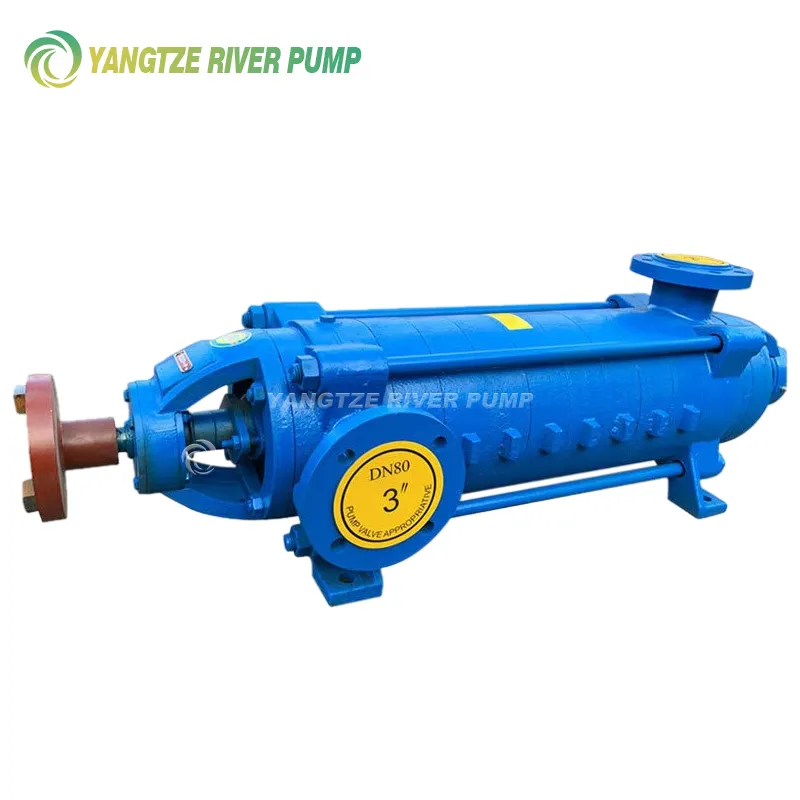
The question often arises: why single-stage and not multi-stage? It all comes down to pressure. If you need high pressure with a relatively low flow, a multi-stage option is more effective. But its design is more complex and more expensive to maintain.Single centrifugal pumps- These are workhorses for tasks where a stable flow with moderate pressure is required. For example, in the same water supply, irrigation, pumping process fluids in production without high pressure in the line.
Sometimes vortex pumps are considered as an alternative to create pressure. But their efficiency is usually lower, and they are very sensitive to contaminants in the liquid. The centrifugal version is more tolerant of small suspended matter if the impeller is correctly selected (say, with an open or semi-open channel).
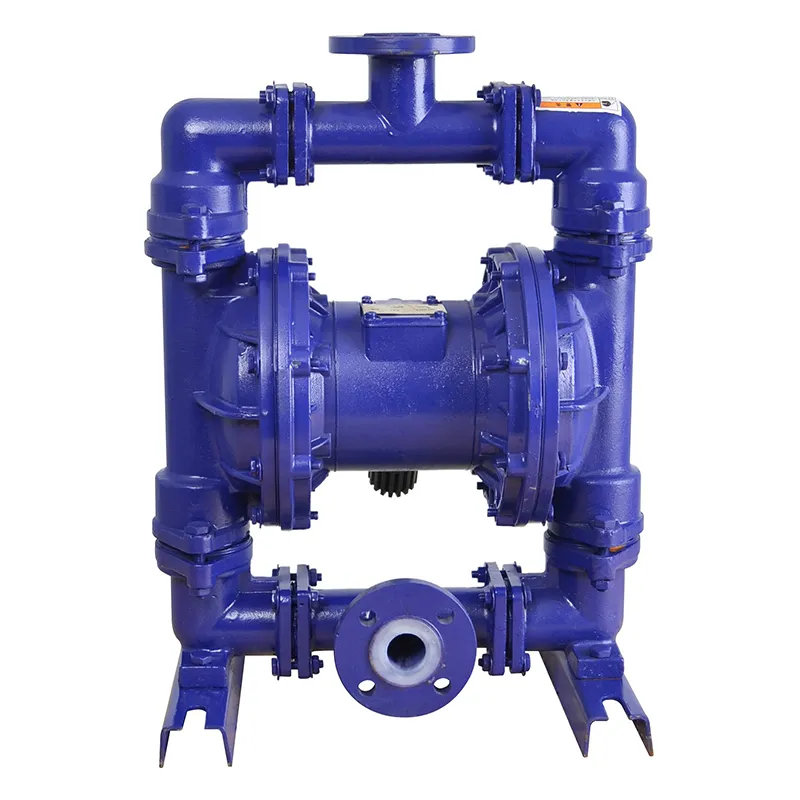
In our range, which includes single-stage, multi-stage and special plastic chemical pumps, the choice always begins with a detailed survey. What environment? Temperature? Presence of particulate matter? Continuous or cyclic operation? Without this data, the recommendation will be guesswork. Sometimes after such a conversation it turns out that the client does not need a centrifugal one at all, but, for example,diaphragm pumpfor dosing. And that's okay. The supplier’s task is to offer the optimal solution, and not to sell what is in the catalog on the first page.
Evolution, not revolution
The design of a centrifugal pump has not undergone fundamental changes over the past decades. The principle remains the same. But evolution is taking place in materials, manufacturing precision and monitoring systems. The introduction of CNC for machining the flow path has made it possible to significantly increase efficiency. The use of modern sealing materials has expanded the range of pumped media.
On our website yangtzeriverpump.ru you can see that we are not stuck in the past. Yes, we make classic, reliable pumps, but at the same time we are developing lines, for example, of magnetic pumps for tasks where absolute tightness is important. The experience gained from working with sealless designs also influences the approach to designing mechanical seals for conventionalcentrifugal pumps.
Nowadays there is a lot of talk about “smart” pumps with sensors. For single centrifugal units in most standard applications this is still excessive. But basic protection elements, such as dry-running sensors or bearing overheating monitoring, are already a must-have for critical systems. We are gradually integrating such capabilities into our products, making them not as an expensive option, but as part of the standard package for many series. Reliability must be built inside.
Instead of a conclusion: thinking out loud
Working with pumps every day, you understand that there is no such thing as “just a pump”. Each instance is a node in a large system, and its failure can paralyze the workshop. Therefore, the same “simple”single centrifugal pumprequires no less careful approach than a complex multi-stage unit. Every detail is important: from the steel grade of the cover fastening bolts to the quality of processing of the seat for the seal.
Our task as a manufacturer, uniting the full cycle from R&D to service in Zhejiang Yangzijiang Pumping Industry LLC, is not just to sell the product, but to ensure that it works without problems in the customer’s system for many years. Sometimes this means dissuading a person from his initial choice and offering another, more suitable solution from our line - be it a self-priming or submersible pump. Honesty in the long run is worth more than a short-term sale.
In the end, it all comes down to competence and experience. You can read the theory a hundred times, but until you encounter a real problem on site, you won’t understand where that “little thing” is that decides everything. This text is not a guide, but rather notes in the margins based on precisely such encounters with reality.
Correspondingproducts
Related Products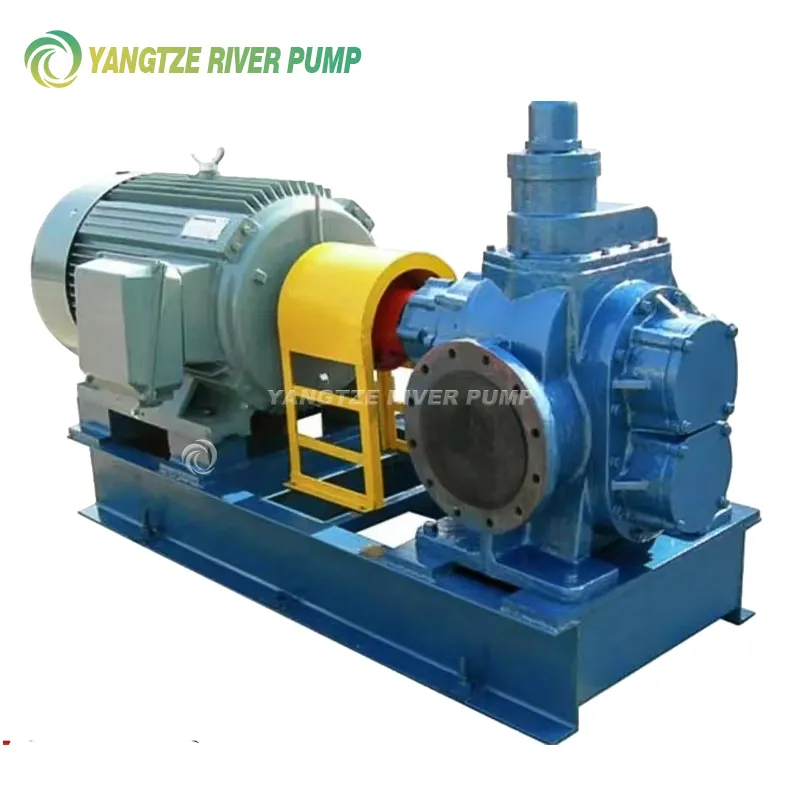
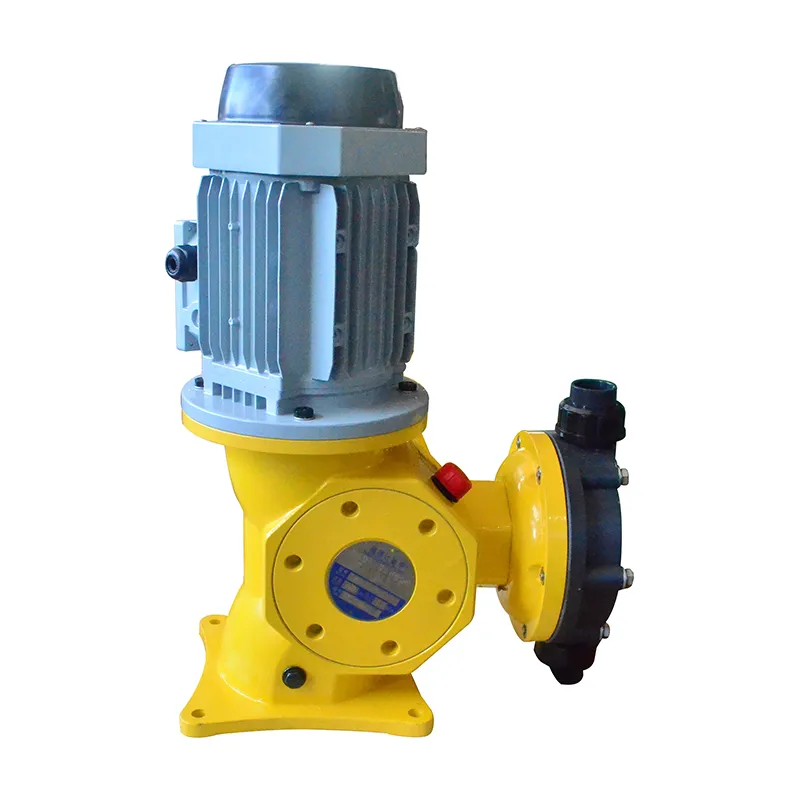
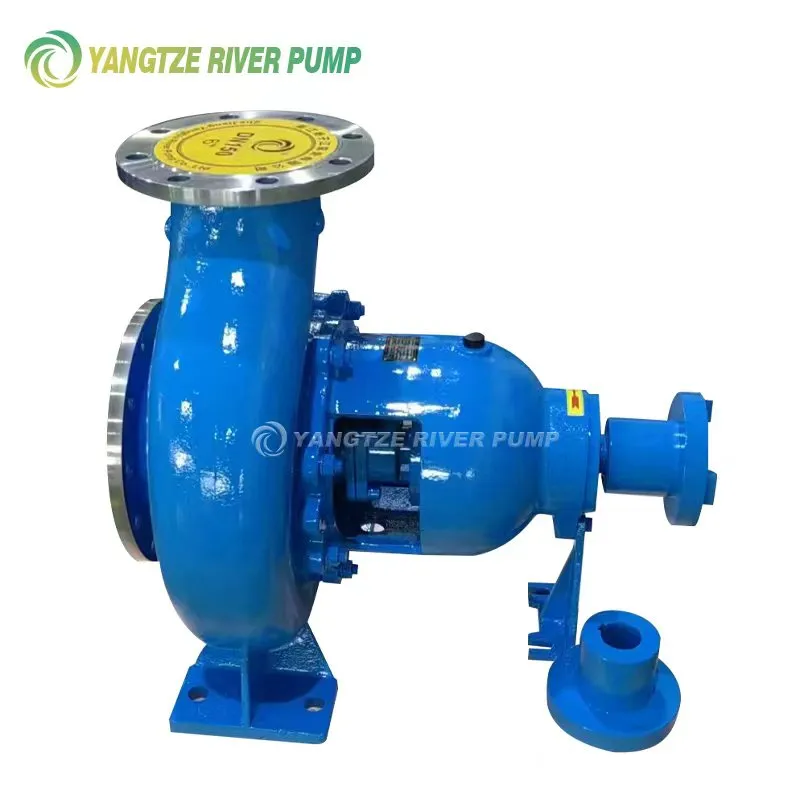
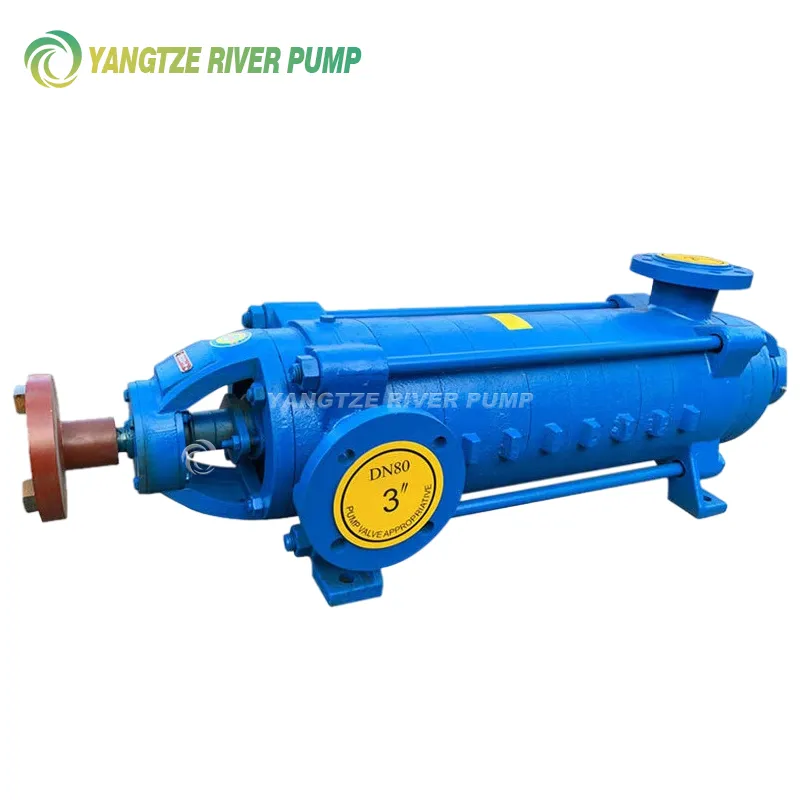

Best Sellingproducts
Best Selling Products-
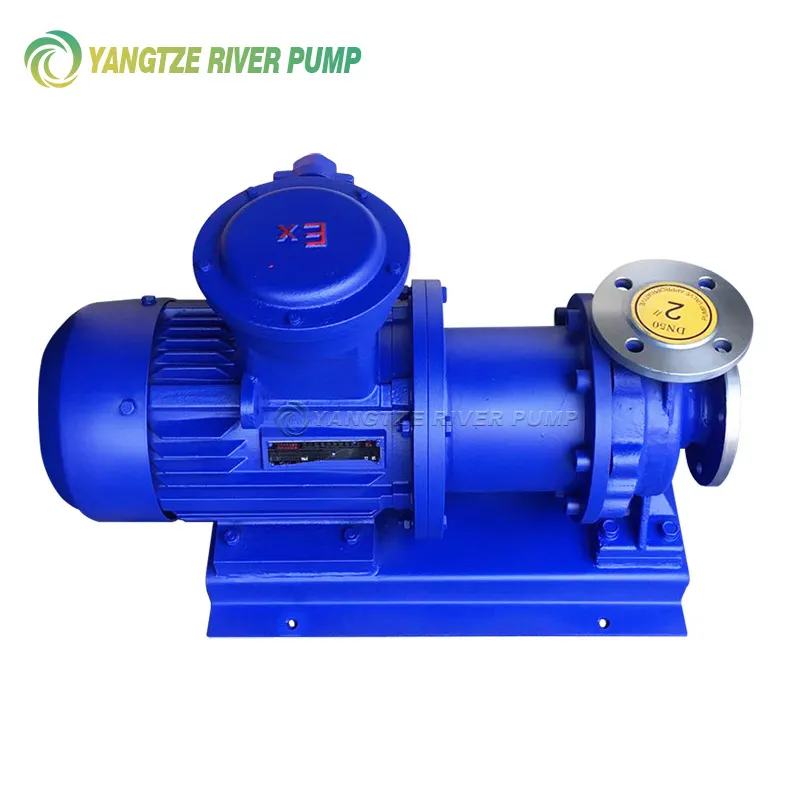 CQB Stainless Steel Magnetic Pumps
-
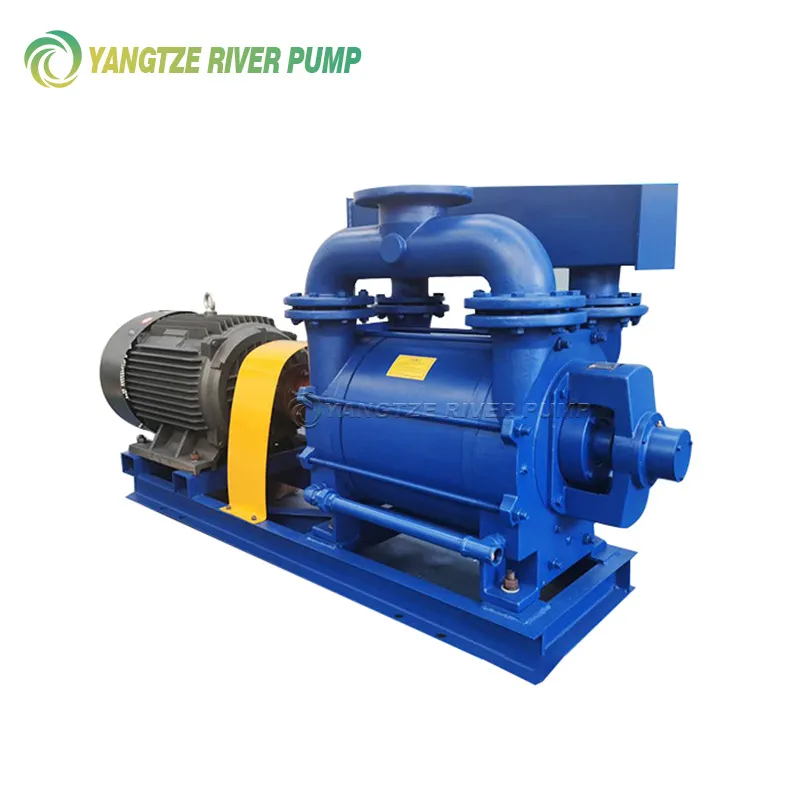 Liquid ring vacuum pumps type 2EB
-
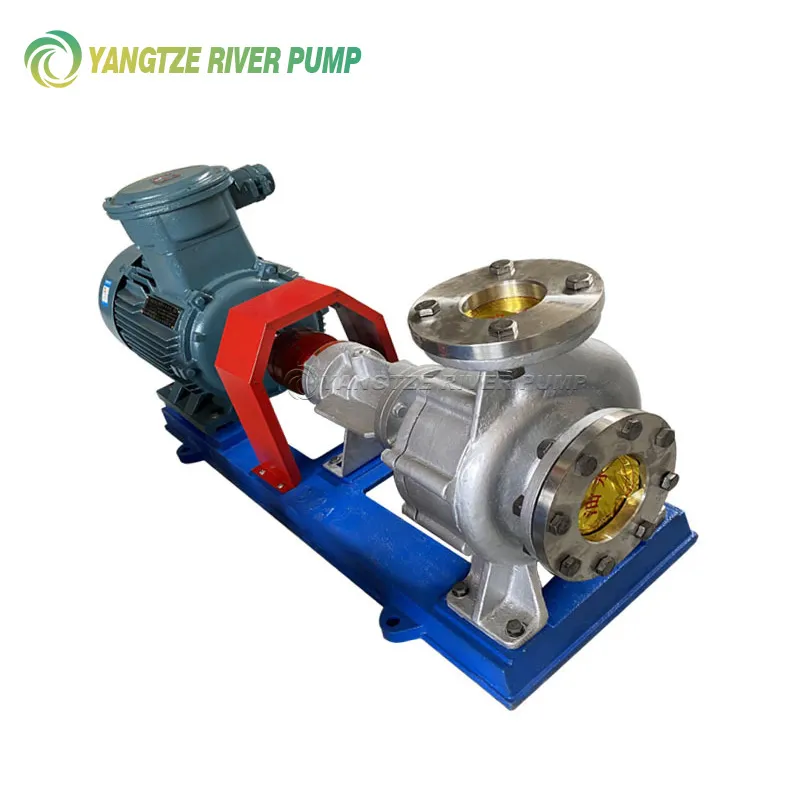 RY thermal oil pumps
-
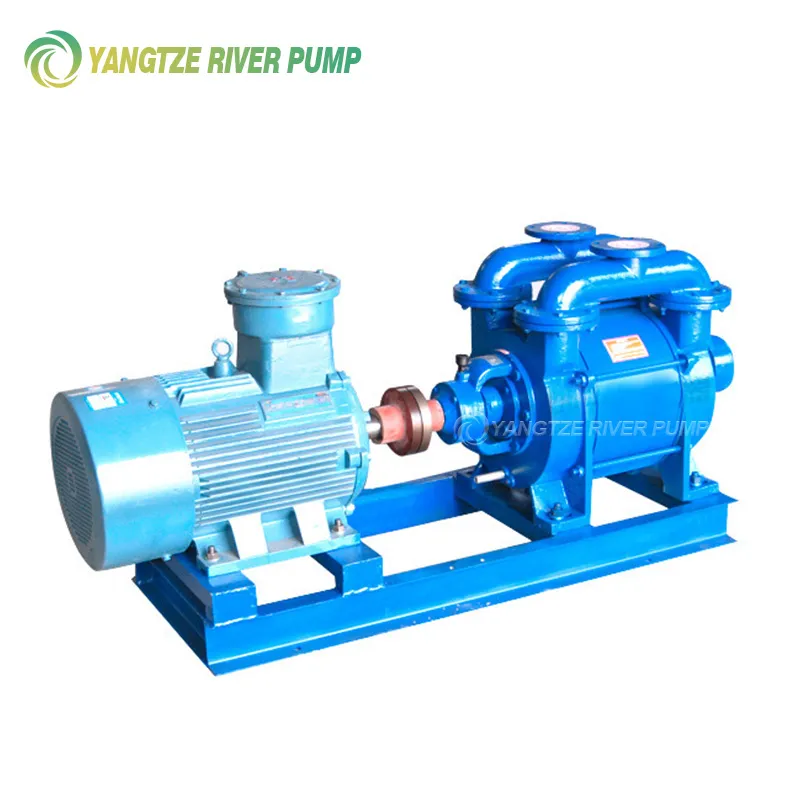 Liquid ring vacuum pumps type SK
-
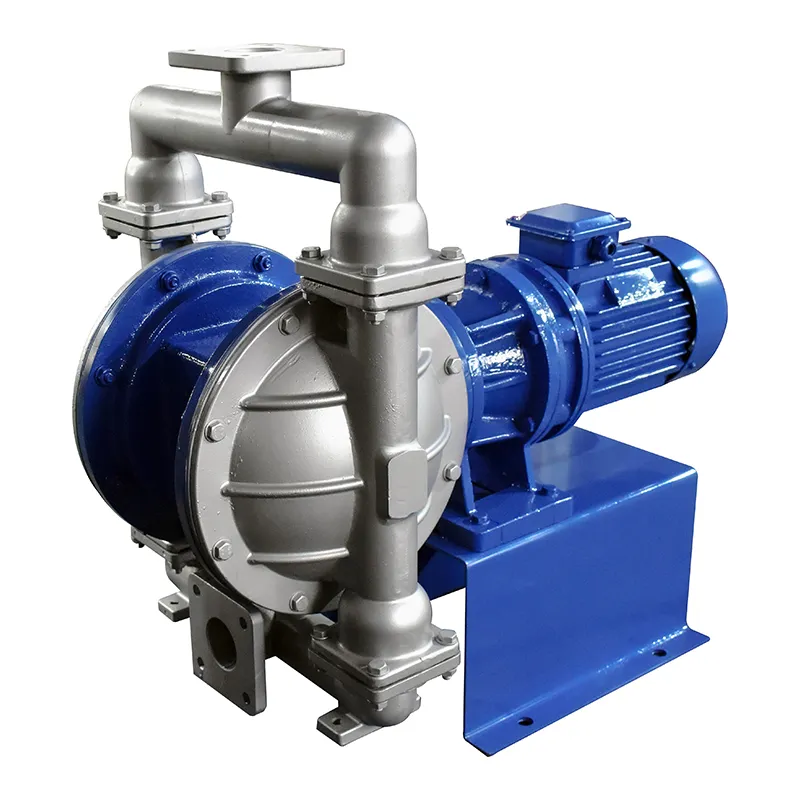 Metal electric diaphragm pumps DBY
-
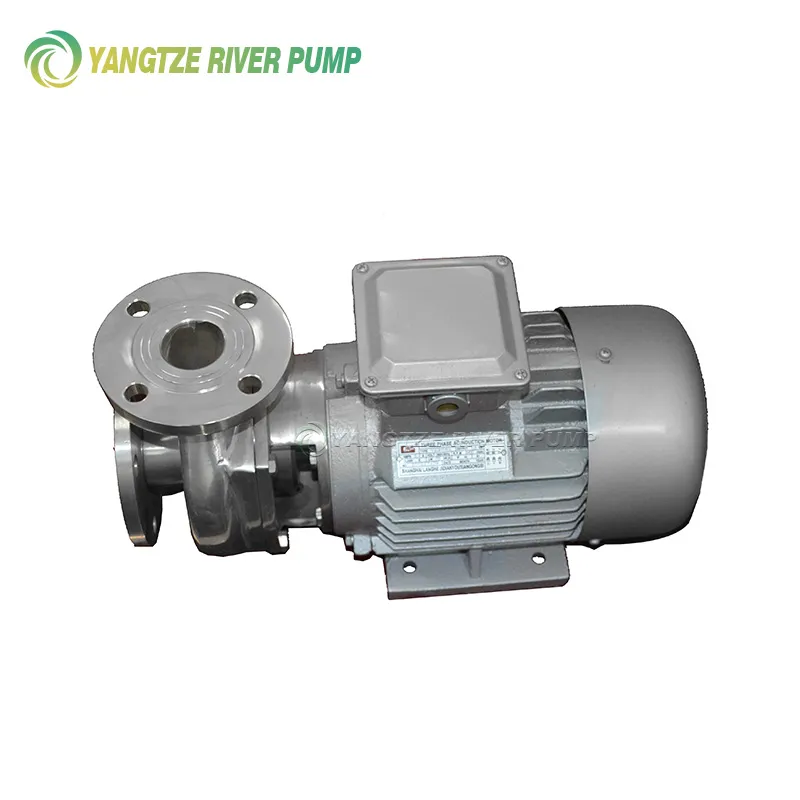 Corrosion-resistant stainless steel centrifugal pumps SFB and SFBX
-
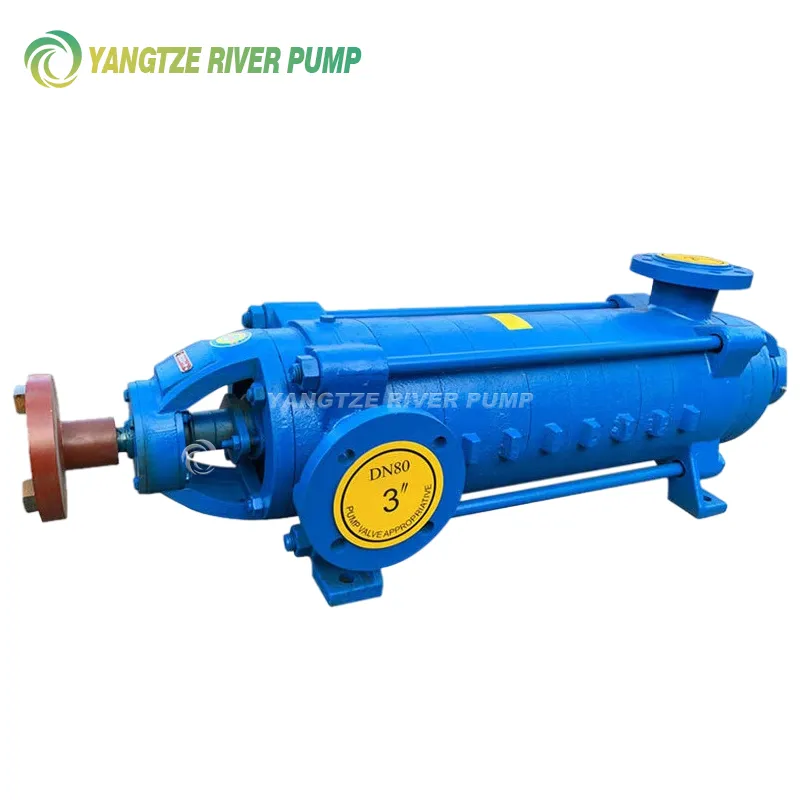 Horizontal multistage centrifugal pumps type D
-
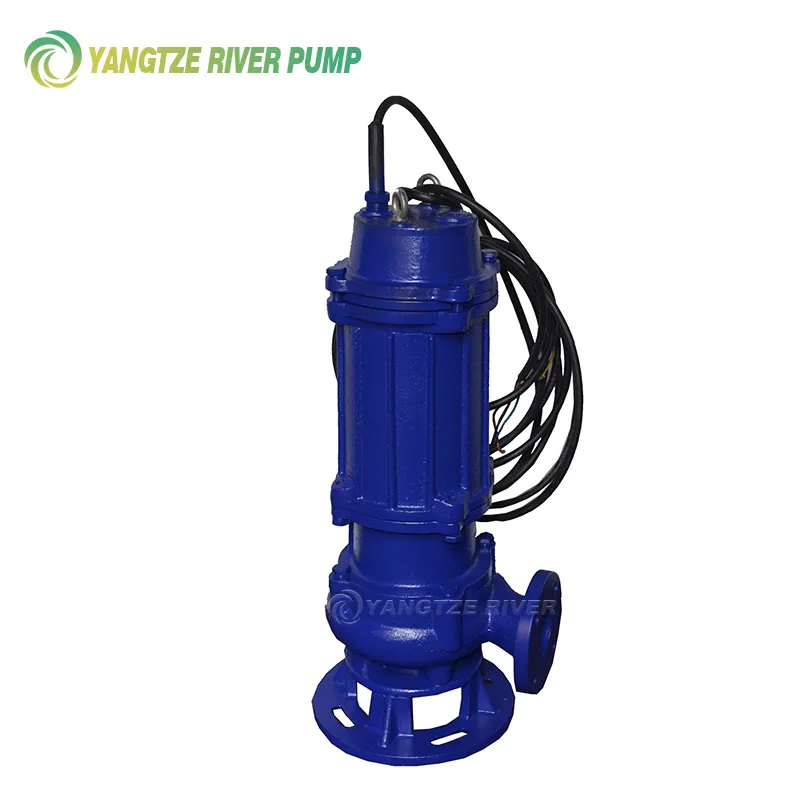 QW Non-clogging Submersible Sewage Pumps
-
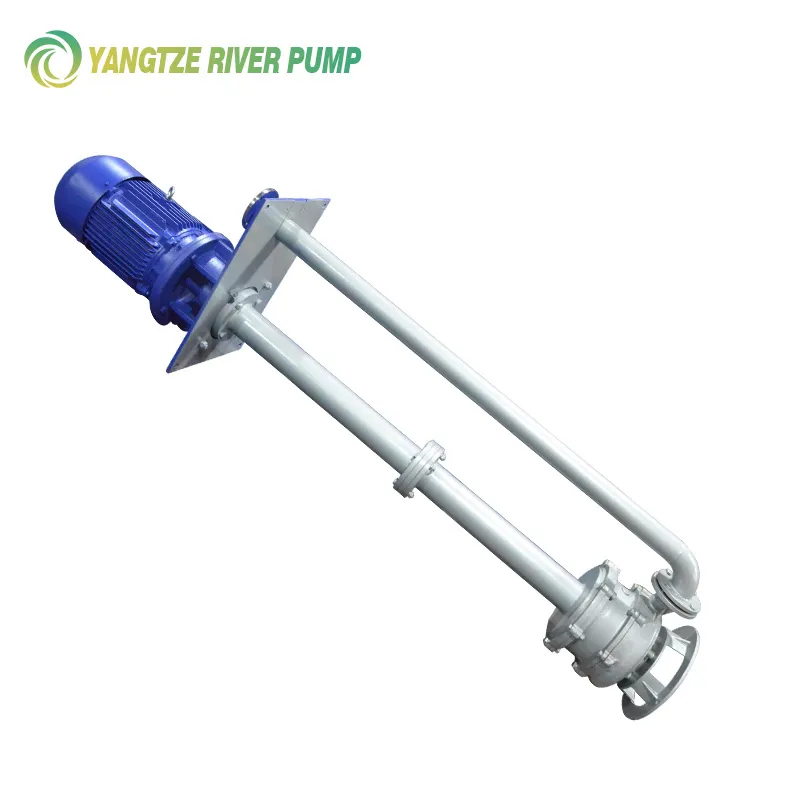 YW Vertical Submersible Sewage Pumps
-
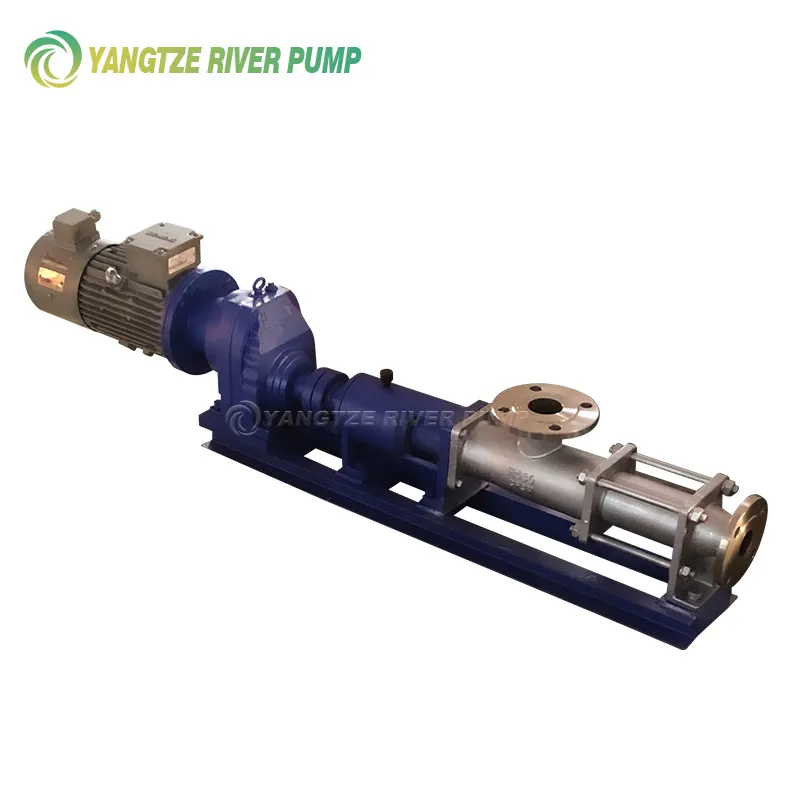 Geared screw pumps type G
-
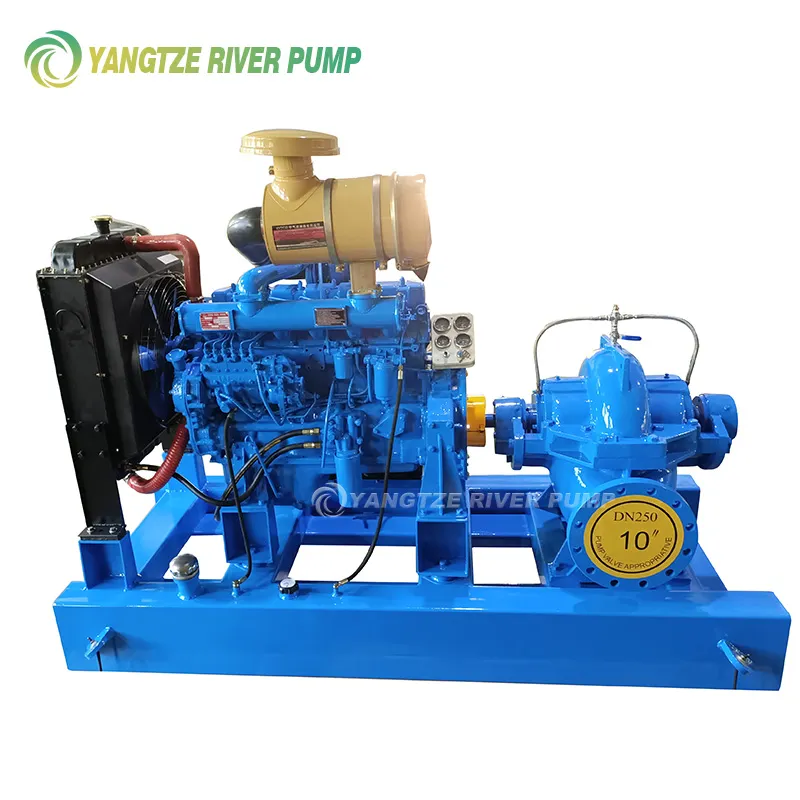 Diesel pumps with horizontal connector YZS and YZSH
-
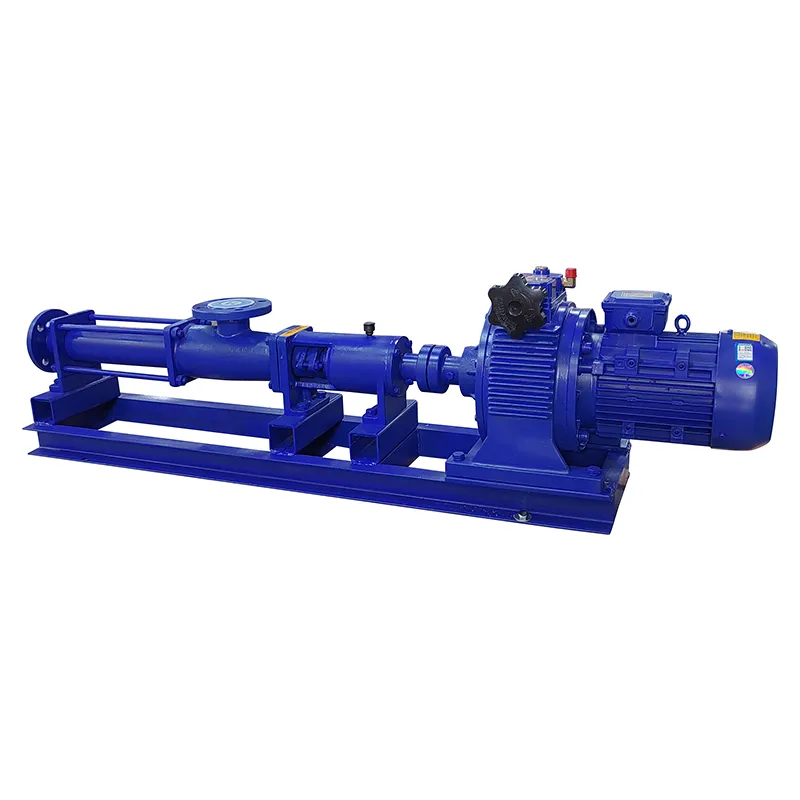 Infinitely variable screw pumps type G