







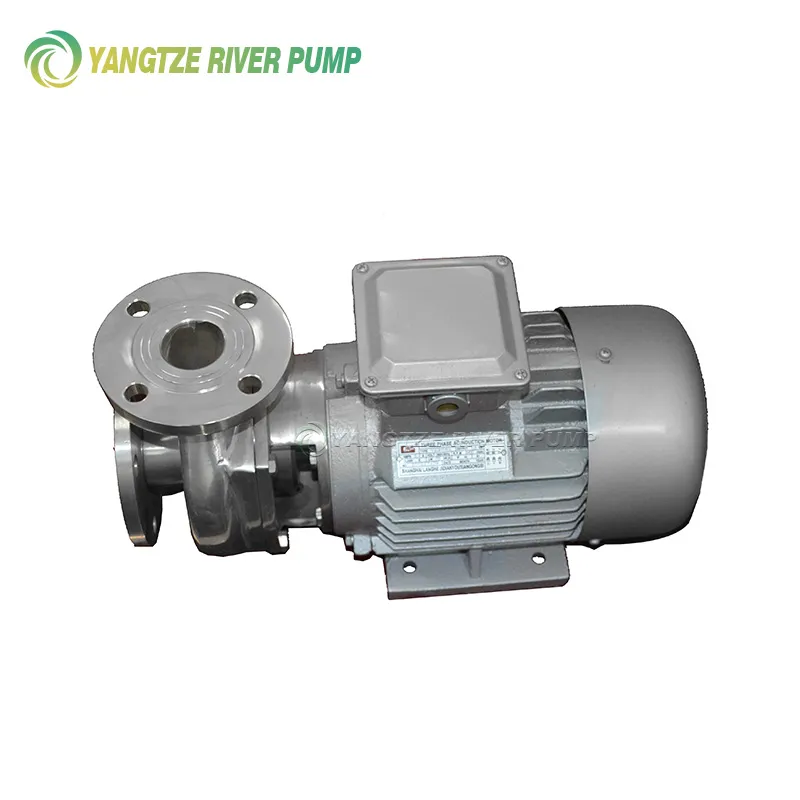
stainless steel centrifugal pump
When they say “stainless steel centrifugal pump,” many immediately imagine simply a corrosion-resistant unit for pumping water. But this is perhaps the biggest simplification. In reality, these three words hide a whole layer of technical nuances, from the choice of a specific steel grade to the subtleties of balancing the impeller for aggressive environments. I often come across the fact that a customer asks for “stainless steel”, meaning AISI 304, but in fact the environment requires 316L or even duplex steel. Or, what’s even trickier, they forget about the seals, which turn out to be the weak link.
Steel grade is not just “stainless steel”
Here, for example, is a classic story. Zhejiang Yangzijiang Pumping Industry LLC ordered us a pump for pumping weakly acidic solutions in food production. The terms of reference were vague: “centrifugal, made of stainless steel?”. Collected at 304th. I worked for six months, and pinpoint lesions began on the impeller. We take it apart - and it turns out there are remnants of chlorine-containing detergents, plus the temperature is under 70°C. For 304 steel in such conditions, this is already borderline. I had to redo it to 316L. Now, when clarifying specifications, I always ask leading questions: pH, temperature, presence of halogens, even idle mode. Becausestainless steel centrifugal pump- this is not a universal part, but a precise tool for the task.
And it happens the other way around - they play it safe. Requires AISI 316 for pumping clean water at 20°C. From a technical point of view, it is possible and cheaper, but the client insists for reasons of “to be sure”. This is not so much a question of technology as of economics and psychology. You explain that there will be no difference in service life, but the final decision is always up to the one who pays. Our production, by the way, allows us to flexibly vary materials, so we can both reduce the cost and strengthen the design - if only there was a clear technical specification.
That is why on our website https://www.yangtzeriverpump.ru in product descriptions, be itlinear centrifugal pumpsor multi-stage models, we always try to specify the specific grades of stainless steel used. This is not for show. This is so that the engineer who selects the equipment has clarity from the very beginning. Because replacing a pump due to the wrong choice of material always means production downtime, losses and frayed nerves.
Design features for different tasks
The next layer is the structure. A stainless steel centrifugal pump is more than just a body and a wheel. Let's take seals, for example. For chemically active media, the stuffing box seal is often not suitable - leaks, rapid packing wear. We install mechanical seals. But they are also different: graphite-ceramics, tungsten carbide-aluminum oxide. The choice depends on the environment, presence of abrasive particles and dry running requirements. Once they installed a standard seal on a pump for pumping a suspension with small solid particles - it failed within a month. It was necessary to develop a version with strengthened steam and a flushing system.
Particularly interesting withmagnetic pumps(aka pumps with magnetic coupling). They are often ordered in stainless steel for highly aggressive or expensive environments where leakage is unacceptable. The sealless design is a big advantage. But this has its own headache - heating from eddy currents when working “dry”. or on a closed valve. You have to install temperature sensors and protection. During testing, we drive each such unit in different modes to make sure that the magnetic coupling does not demagnetize and the housing will withstand.
Or hereself-priming pumpsmade of stainless steel. It would seem that the centrifugal force is the same, but the design of the chamber and the path of the fluid are more complex. It is important that there are no stagnant zones in the suction zone where corrosion or crystallization of the product can begin. When designing such models, we spend a lot of time on hydraulic calculations and flushing on the bench. Sometimes the shape of the blade, ideal from an efficiency point of view, turns out to be prone to cavitation when working on suction - and now modifications are underway.
From testing to installation: where the problems lie
Every pump that comes off our eight production lines is tested. But bench tests on water and work on a real production line are two very different things. At the stand we check flow, pressure, power consumption, vibration, and tightness. But how will a pump behave, say, for pumping syrup or an alkaline solution with a suspension? Viscosity, abrasiveness, tendency to foam - all this affects the characteristics.
That's why we always ask for as much detail as possible about the environment. And if the environment is particularly complex or expensive, we sometimes offer trial operation or production of a prototype. Yes, it takes longer and is more expensive, but it allows you to avoid major failures. Once they made it for a pharmaceutical factoryplastic chemical pumpswith elements made of 316L stainless steel. Everything was perfect during the tests. And at the facility it turned out that there was a residual static charge in the line, which contributed to electrochemical corrosion at the points of contact of different materials. We had to quickly modify the design, isolating the nodes.
Editing is a different matter. It seems that the instructions are clear: install on the frame, level, connect the pipelines. But how many times have I seen a pump that worked perfectly at the factory begin to vibrate or overheat at the site. The reason is a non-rigid foundation, misalignment with the engine, tension in the supply pipelines that “pull?” frame. This is especially critical formultistage centrifugal pumpswith their long shaft and high precision assembly. Our service engineers often come not for repairs, but for installation advice - and this is normal practice.
Cases from practice: when theory is silent
I would like to give a couple of examples that you will not find in catalogs. The first is a pump for pumping hot (85°C) sugar solution. The customer purchased a standardcentrifugal pumpmade of stainless steel 304. After three months - loss of performance, noise. An autopsy revealed that a dense layer of caramelized sugar had formed on the inner walls and on the impeller. The problem was not corrosion, but design. The pump had "pockets" and the complex geometry of internal cavities where the product stagnated and accumulated. We proposed our model with the most streamlined, “self-cleaning” flow path and smooth surface polishing. The result is work without stopping for flushing for more than two years.
The second case is working with an abrasive suspension. Stainless steel is hard, but does not last forever against constant exposure to small particulate matter. The customer complained about rapid wear of the impeller. The standard solution is to install a pump with wear inserts or select a more wear-resistant alloy. But we took a different route, offeringsingle screw pumps(screw) in a stainless steel housing. Their operating principle - volumetric displacement - is much gentler in relation to both the environment and pump parts when pumping abrasives. The wear rate has decreased significantly.
Such cases are the best argument in a dialogue with a client. They show that choosing a pump is not just a matter of searching through a catalog for the desired pressure and flow parameters. This is an analysis of the entire technological chain. This is why our company combines R&D, production, testing and service. So that you can not just sell the unit, but offer a solution that will work for a long time and without surprises.
Instead of a conclusion: about simplicity and complexity
So, back to the beginning. ?Centrifugal stainless steel pump? - this is far from simple. This is a whole range of solutions: from the chemical composition of the steel and the type of seal to the shape of the flow path and installation conditions. There is no ideal pump for all situations. There is a precise tool that needs to be selected correctly and installed correctly.
Our production at Zhejiang Yangzijiang Pumping Industry Co., Ltd. is tailored to this flexibility. We can make a standard single-stage AISI 304 water pump, or we can design and build a multi-stage unit from duplex steel for extreme conditions. The main thing is dialogue. When the customer’s engineer clearly describes the task, and our technologist asks the right clarifying questions, the result is a reliable working system.
Therefore, when choosing, look not only at the numbers in your passport. Look at the manufacturer’s willingness to delve into details, experience in similar projects, and the ability to adapt the design. Because even the best stainless steel is just a material. A pump is a living unit in a production line, and its behavior is determined by dozens of factors that are often forgotten in the pursuit of low prices or tight deadlines.
Correspondingproducts
Related Products
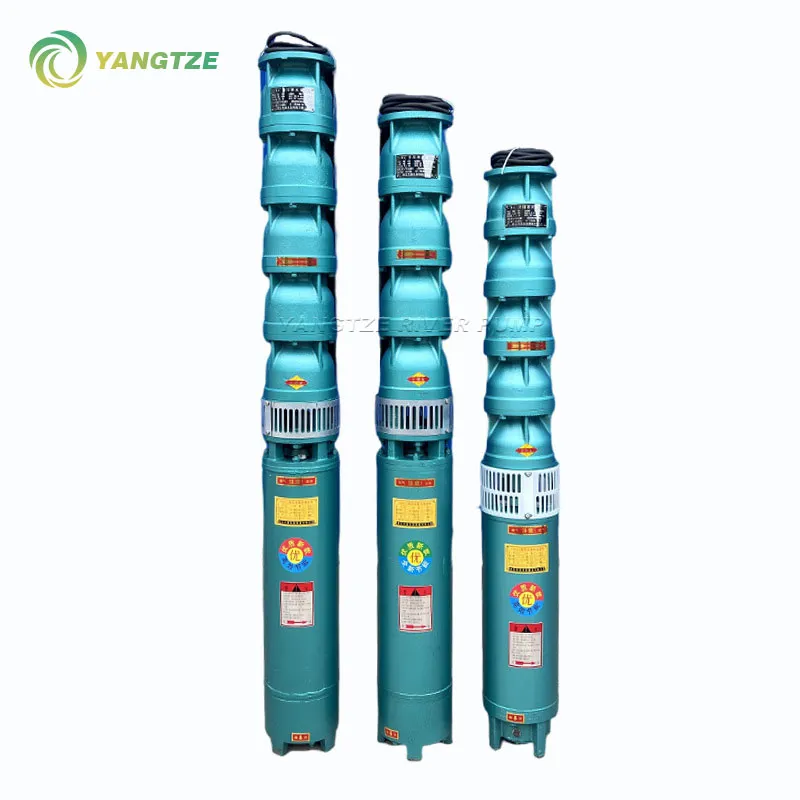
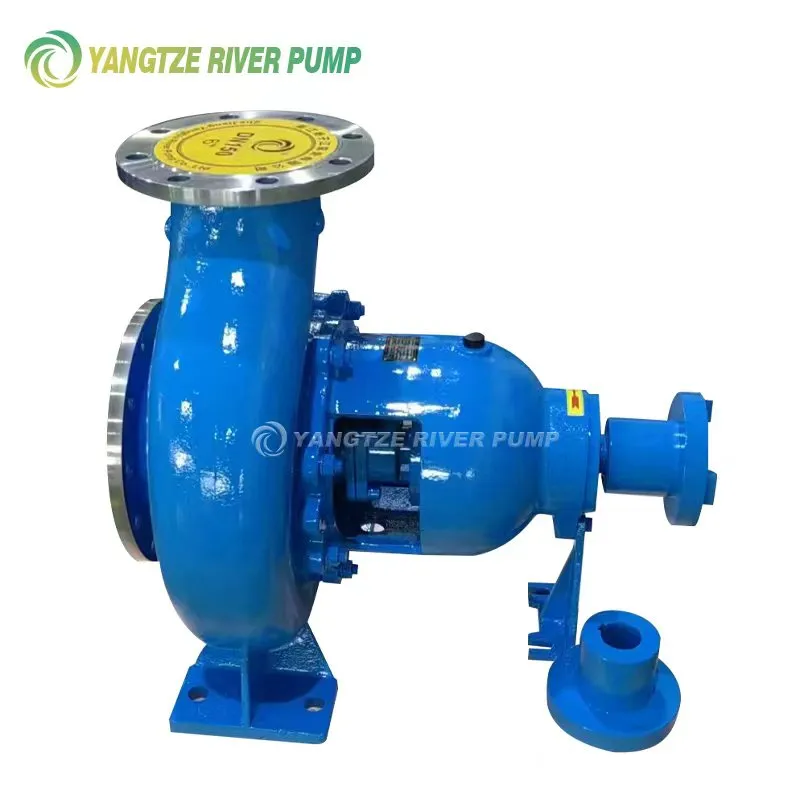
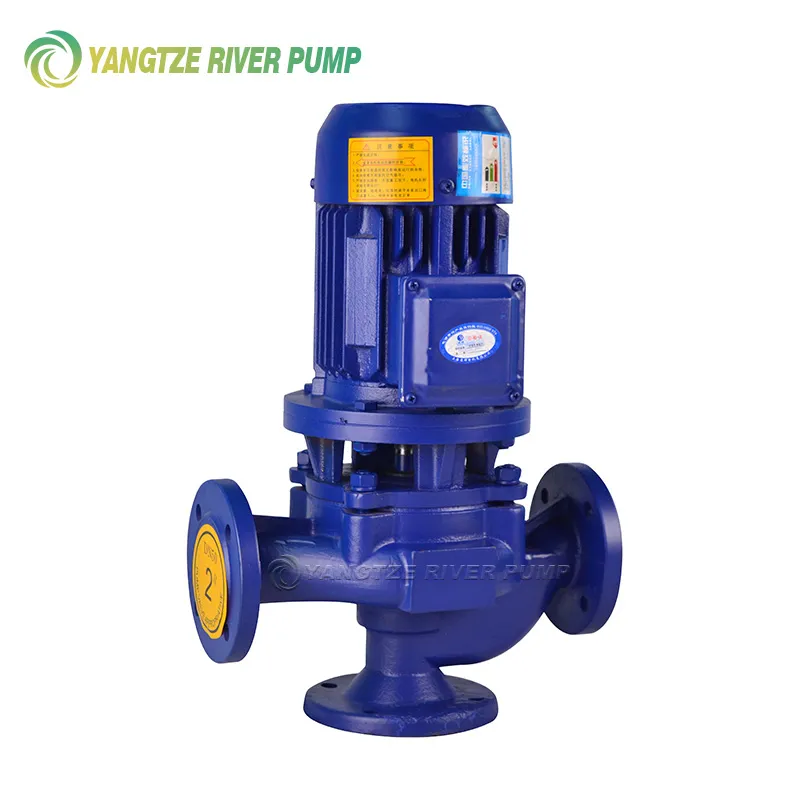

Best Sellingproducts
Best Selling Products-
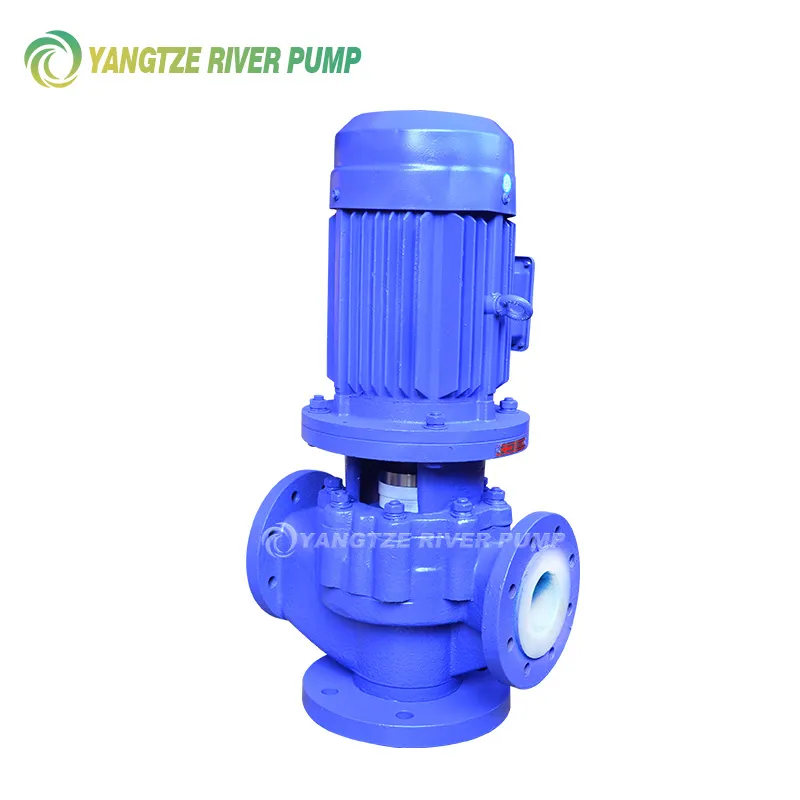 Vertical pumps with PTFE lining YQF
-
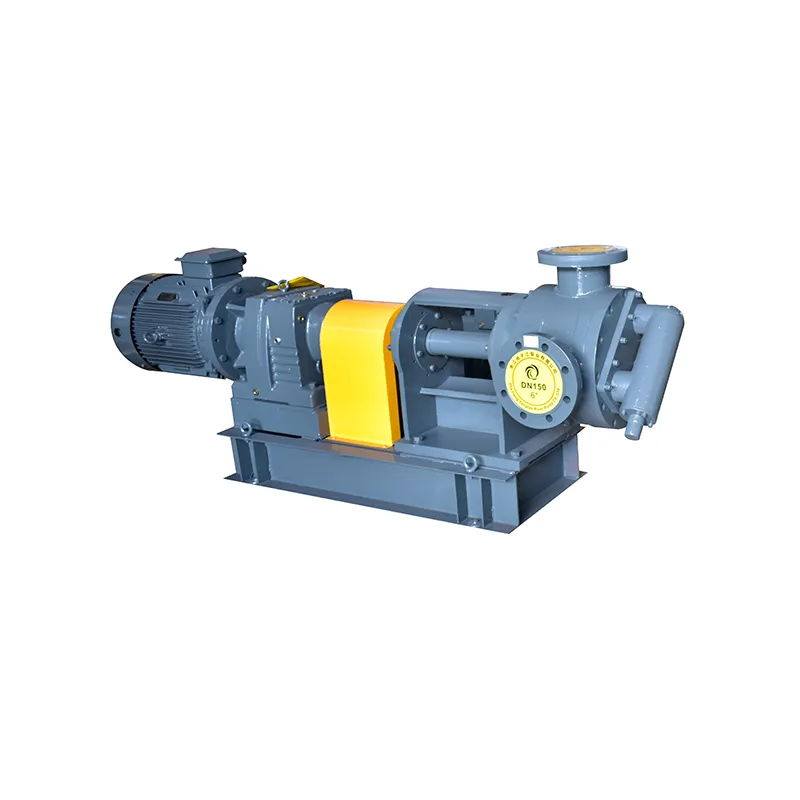 NYP High Viscosity Internal Gear Pumps
-
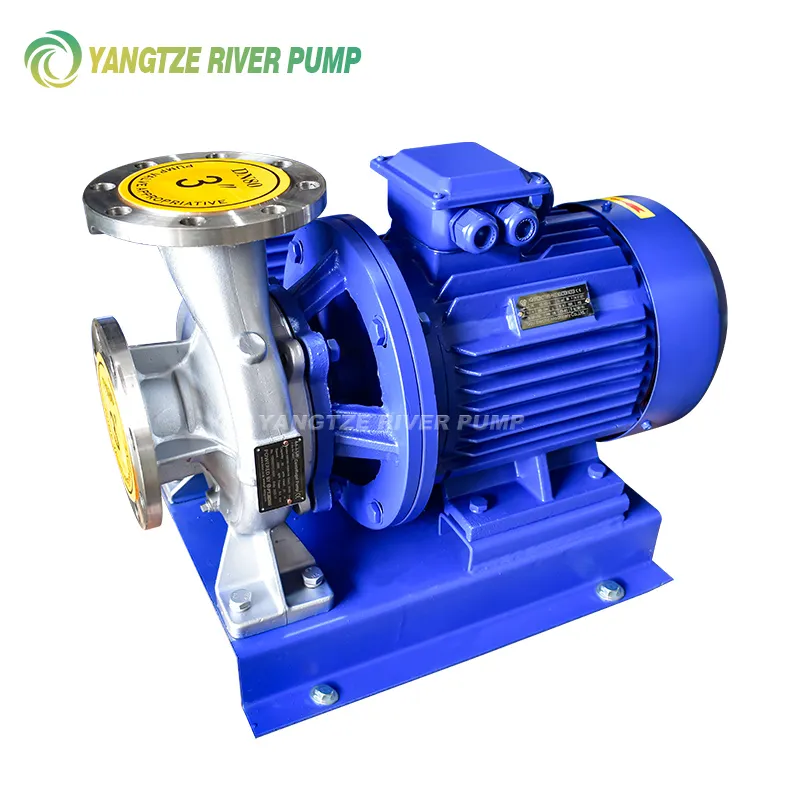 ISW and ISWH Single Stage Horizontal Pipeline Centrifugal Pumps
-
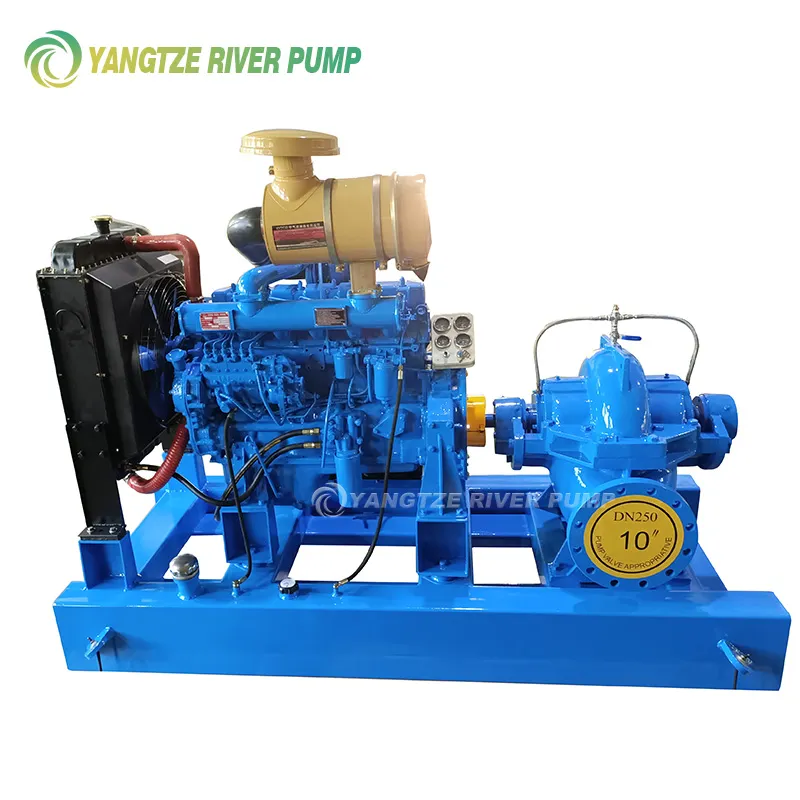 Diesel pumps with horizontal connector YZS and YZSH
-
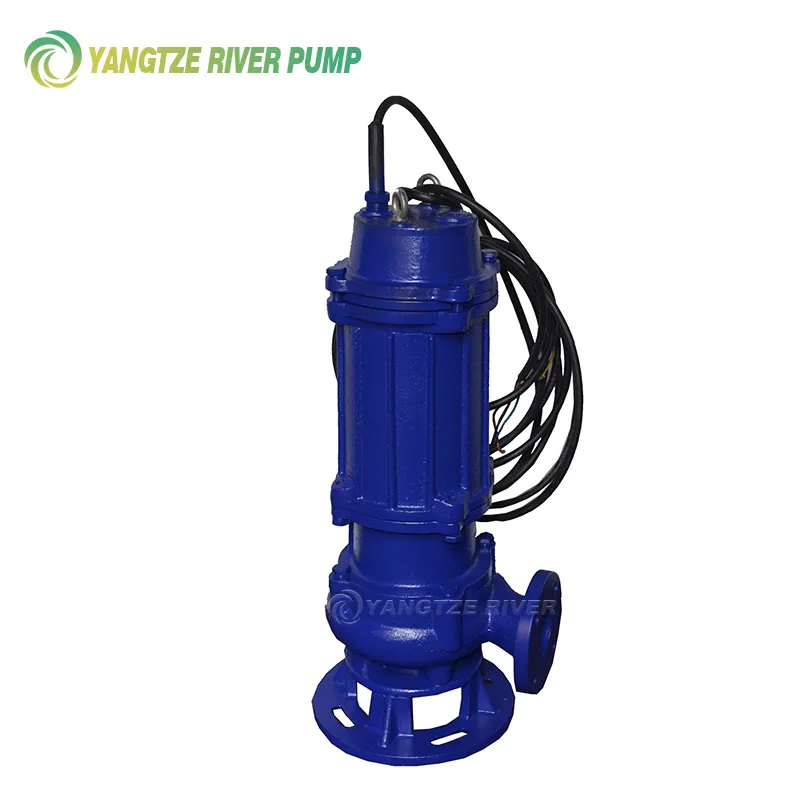 QW Non-clogging Submersible Sewage Pumps
-
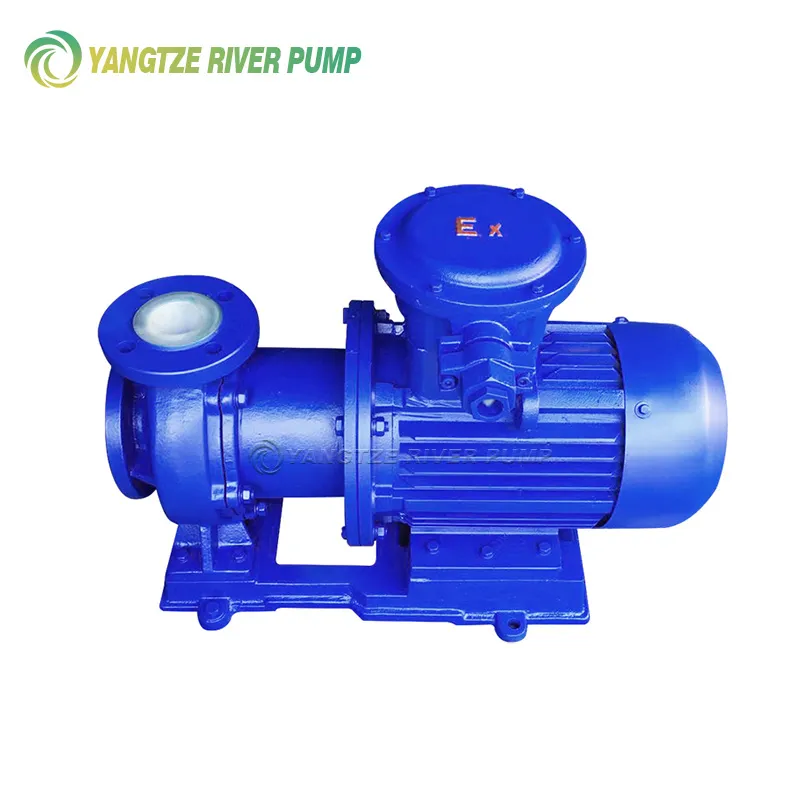 Magnetic pumps with fluoroplastic lining CQB-F
-
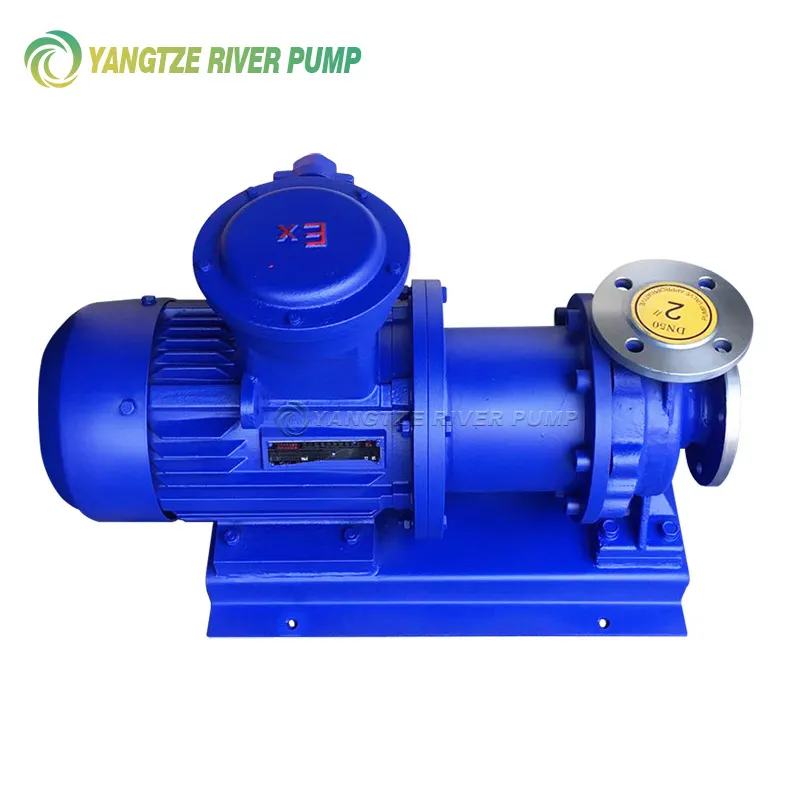 CQB Stainless Steel Magnetic Pumps
-
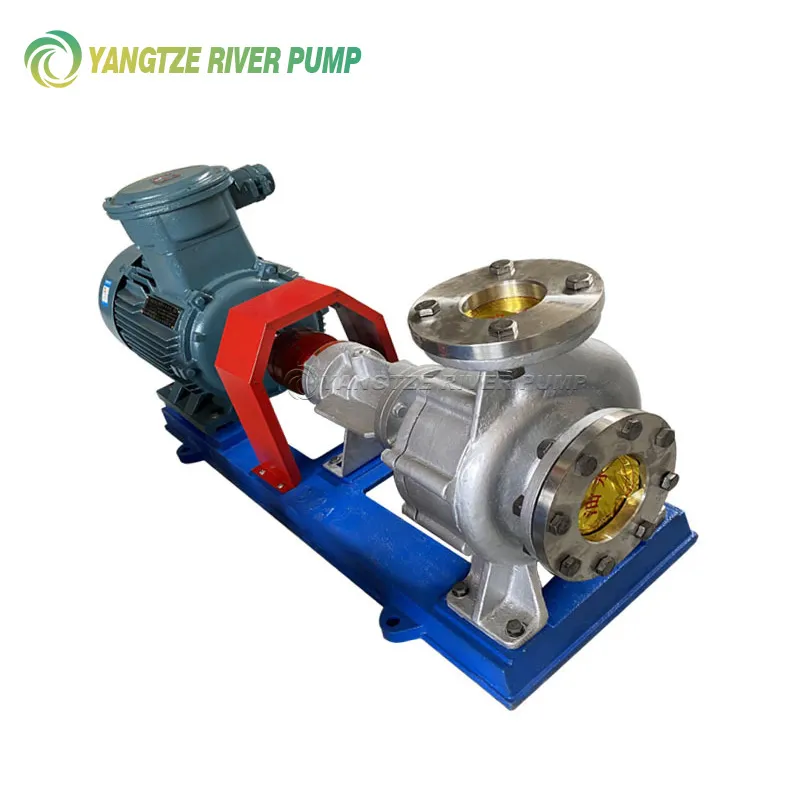 RY thermal oil pumps
-
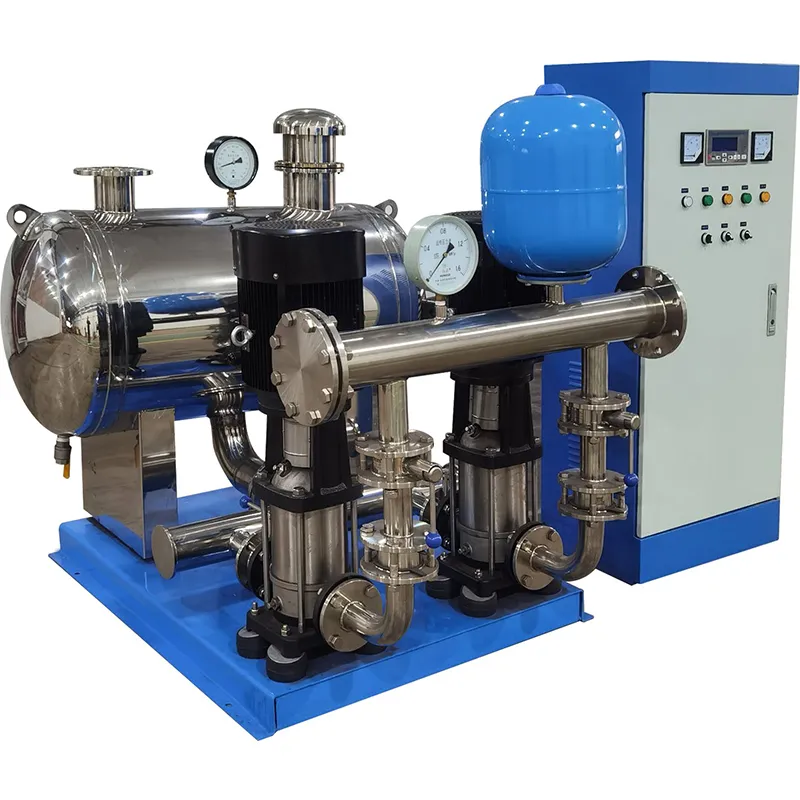 Complete water supply installations with frequency regulation and constant pressure CDLF
-
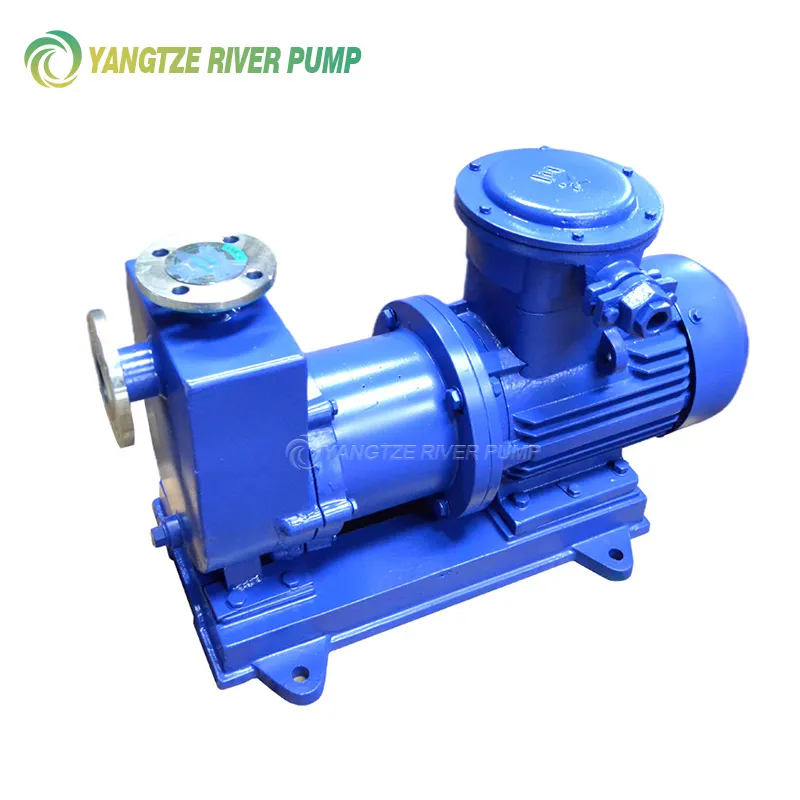 ZCQ Stainless Steel Self-Priming Magnetic Pumps
-
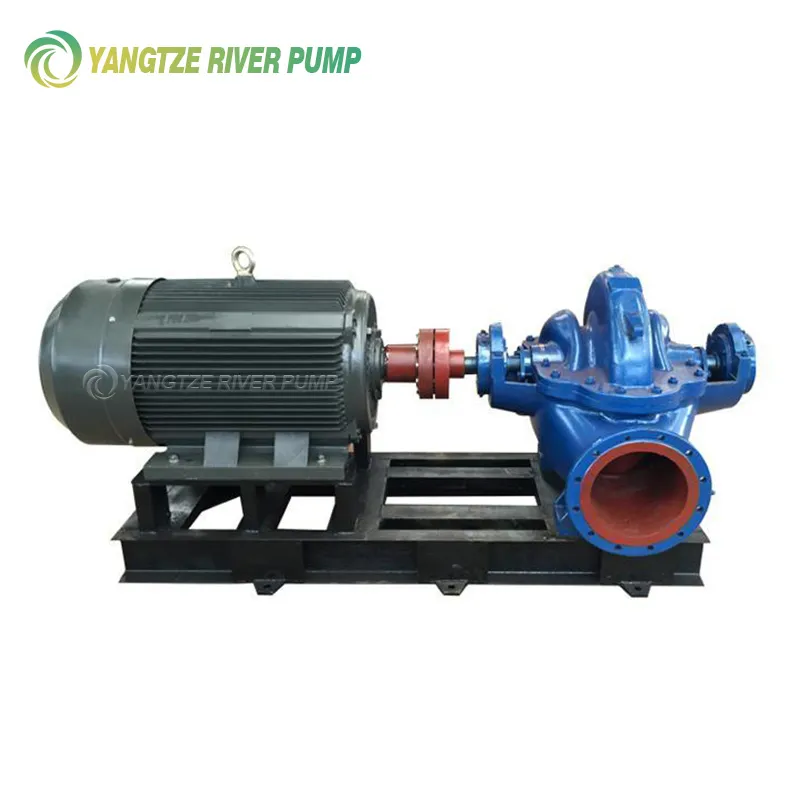 Single Stage Double Entry Centrifugal Pumps Type S
-
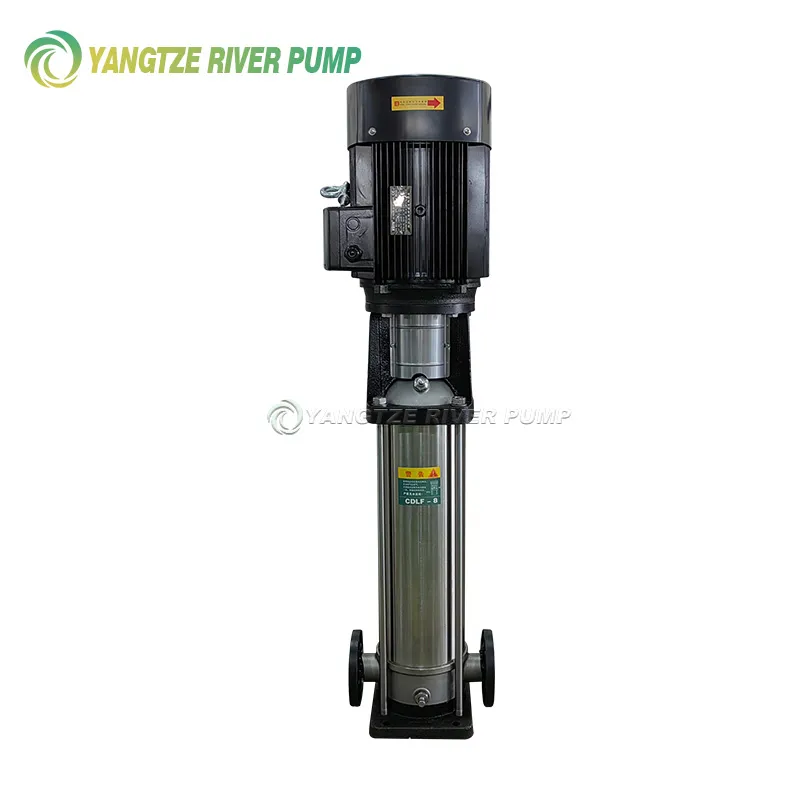 Vertical multistage centrifugal pumps made of stainless steel (light series) CDL and CDLF