







centrifugal pump 150 50
When you hear “centrifugal pump 150 50?”, the first thing that comes to mind is a nominal bore of 150 mm and a head of 50 meters. But if you have actually been involved in selection or operation, then you know that behind these numbers lies a lot of nuances that are often kept silent in catalogs. Many people mistakenly believe that this is a universal “workhorse” for any water, but in practice, say, at the same water intake with a high sand content, the standard design may begin to act up after six months. I went through this myself.
What does the labeling actually mean and where are the pitfalls?
The numbers 150 and 50 are, of course, a starting point. 150 is the diameter of the pipes, and 50 is the maximum pressure. But here’s the point: this pressure is achieved at the optimal point on the characteristic. In real life, the system rarely works strictly at this point. If the flow rate is greater than the calculated one, the pressure will drop and the pump may go into the motor overload zone. I have seen cases where windings burned out because of this. Therefore, just taking from the catalog is not enough. You need to look at the entire Q-H curve, especially if the network has a variable mode.
Another nuance is the material of the flow part. For clean water, cast iron is suitable, but if we are talking about process water, even with small abrasives, it is worth looking at options with wear-resistant inserts or other alloys. On one of our old installations we had a cast iron one, so after two seasons the impeller became like a sieve. Then we switched to a version with a reinforced impeller - the situation improved.
The design of the shaft is a separate issue. Forcentrifugal pump 150 50With an omental seal, regular maintenance, tightening, and replacement of the packing are required. If the staff is not very attentive, leaks begin. Magnetic couplings or mechanical seals are more convenient, but also more expensive, and the purity of the pumped medium is important for them. The choice is always a compromise between price, reliability and labor costs for maintenance.
Selection experience and example of a failed attempt
I had a project - an irrigation system for a large greenhouse complex. Just neededcentrifugal pumpwith parameters close to 150/50. In terms of pressure and flow, everything seemed to match. We installed a standard model from one of the common brands. And everything seemed to work, but after a few months complaints about noise and vibration began. During disassembly, it turned out that the water from the well had an increased content of dissolved gases, which, at a certain pressure in the suction zone, began to cavitate. The noise was precisely from cavitation.
The mistake was that during the selection they did not request a full chemical analysis of the water and did not take into account NPSH - the pump’s cavitation reserve. I had to urgently look for a replacement. Then we paid attention to the productsZhejiang Yangzijiang Pumping Industry Co.,Ltd. In their line, there was an option with improved cavitation qualities, and the design of the shaft had a protective sleeve - this turned out to be a plus for our water with fine suspensions.
This case clearly showed that even for seemingly simple water, all environmental parameters must be taken into account. Now I always require data not only on flow and pressure, but also on temperature, chemical composition, and the presence of solid particles. Otherwise, you can easily get into trouble.
Manufacturing and Control: Why It's Important for Durability
When I began to take a deeper interest in manufacturers, I realized that the key difference is often not in the design, but in the production culture. The samecentrifugal pump 150 50can be assembled ?on the knee? or on a full-fledged production line. The latter, of course, gives more guarantees for shaft alignment, impeller balancing, and casting quality.
On the websiteyangtzeriverpump.rucompaniesZhejiang Yangzijiang Pumping Industry Co.,LtdIt is stated that they have eight complete production lines, including their R&D and testing. This is a serious argument. If the manufacturer casts the bodies and wheels themselves, controls the machining and hydraulic tests of each product as stated, this reduces the risk of defects. Self-priming, submersible, chemical - it is clear that the specialization is wide, which means there is accumulated experience in different environments.
For us, operators, having our own testing station is a plus. This means that you can request a passport with real, rather than theoretical, characteristics of a particular pump. Once we compared the passport data and actual measurements at the site of a pump from an unknown supplier - the discrepancies were almost 10%. Since then, we trust only those who provide detailed test reports.
Multi-stage vs single-stage: when 50 meters is not the limit
Sometimes a task requires a pressure of 50 meters, but with a large margin of pressure or with the possibility of its smooth adjustment. Then it’s worth looking not at the classicpump 150 50single-stage, and multi-stage versions. They are, of course, more expensive and more complex, but they can provide higher pressure with the same diameter, and their characteristics are often better, which is convenient for systems with variable flow.
The assortment of the mentioned company has both of them. For water supply to a high-rise building, where stable pressure is needed at the top points with different dispensing, a multi-stage option may be more effective. Although, again, you need to consider the economics: more stages - more seals, higher requirements for water quality. There's always something to think about.
I personally encountered the repair of a multistage pump after working on hard water. Deposits on the internal guide vanes reduced productivity by half. Conclusion - for such environments, either prepare water, or select models taking into account the possibility of cleaning, or, as an option, consider special designs, for example, with coatings.
Final thoughts: Don't go cheap
The summary of my experience can be boiled down to a simple thought:centrifugal pumpwith parameters 150/50 - this is not a product off the shelf, but a technical solution. His choice must be conscious. A cheap pump can end up costing more due to downtime, repairs and high energy consumption.
It is worth paying attention to full-cycle manufacturers, such asZhejiang Yangzijiang Pumping Industry Co.,Ltd, which do not just assemble nodes, but control the entire process. It is important to study not only general catalogs, but also technical notes, recommendations for use for different media - from pure water to chemical solutions, which they also produce.
In the end, reliable operation of pumping equipment is the result of competent selection, quality manufacturing and careful operation. If you miss one of the stages, you’ll be spending the night in the turbine room, trying to figure out where that knock came from. But it all started with harmless numbers “150 50?”.
Correspondingproducts
Related Products
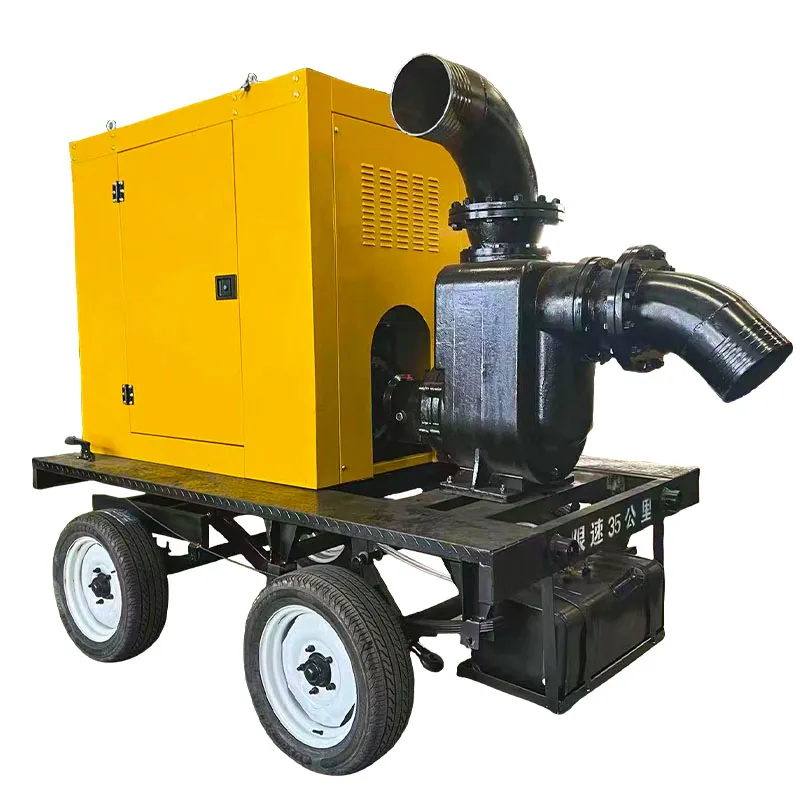

Best Sellingproducts
Best Selling Products-
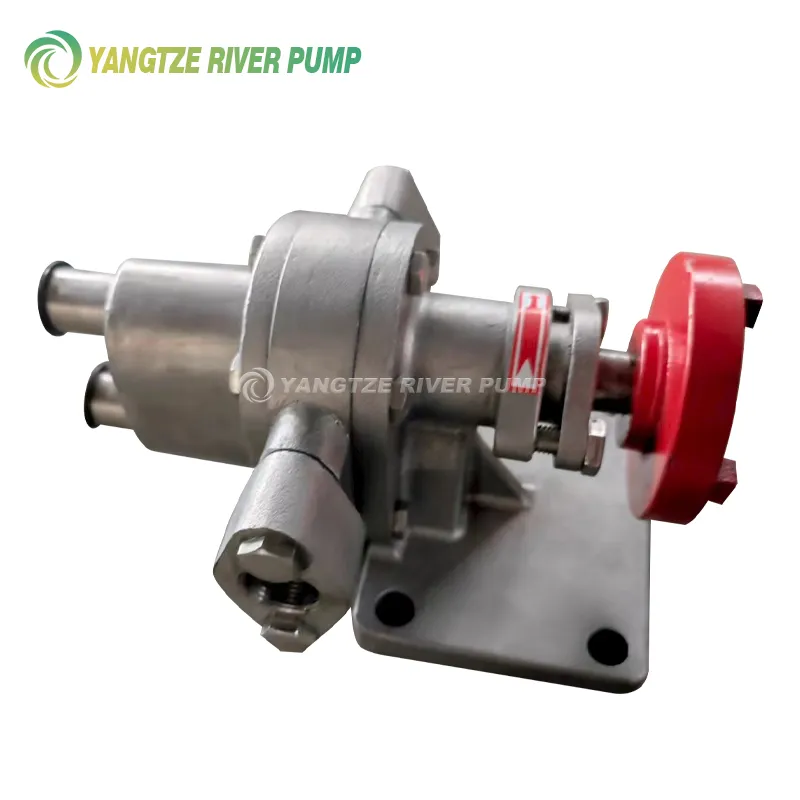 Gear oil pumps type KCB
-
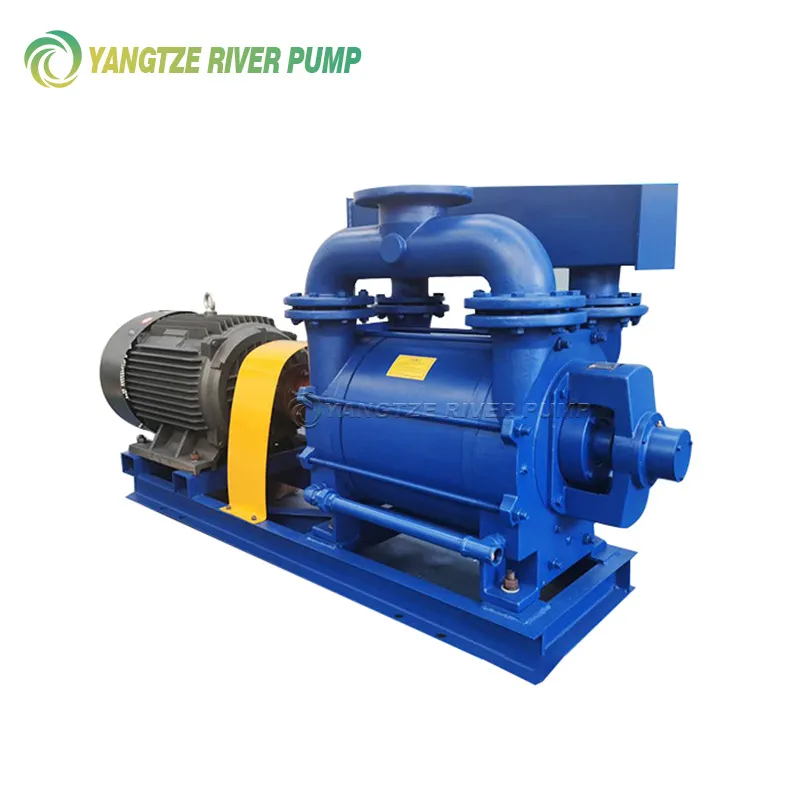 Liquid ring vacuum pumps type 2EB
-
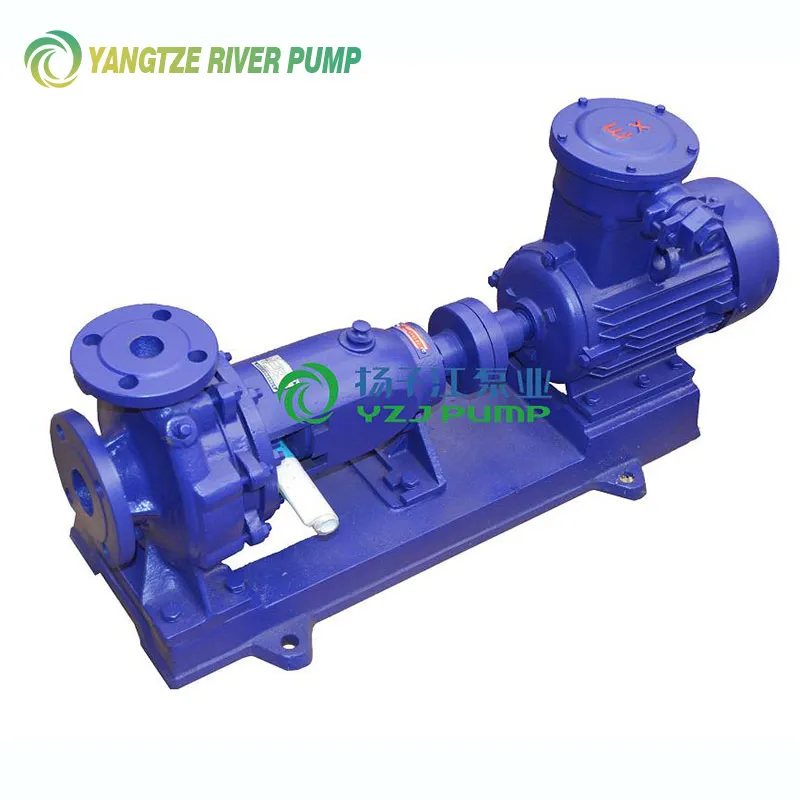 Horizontal chemical centrifugal pumps types IS and IR
-
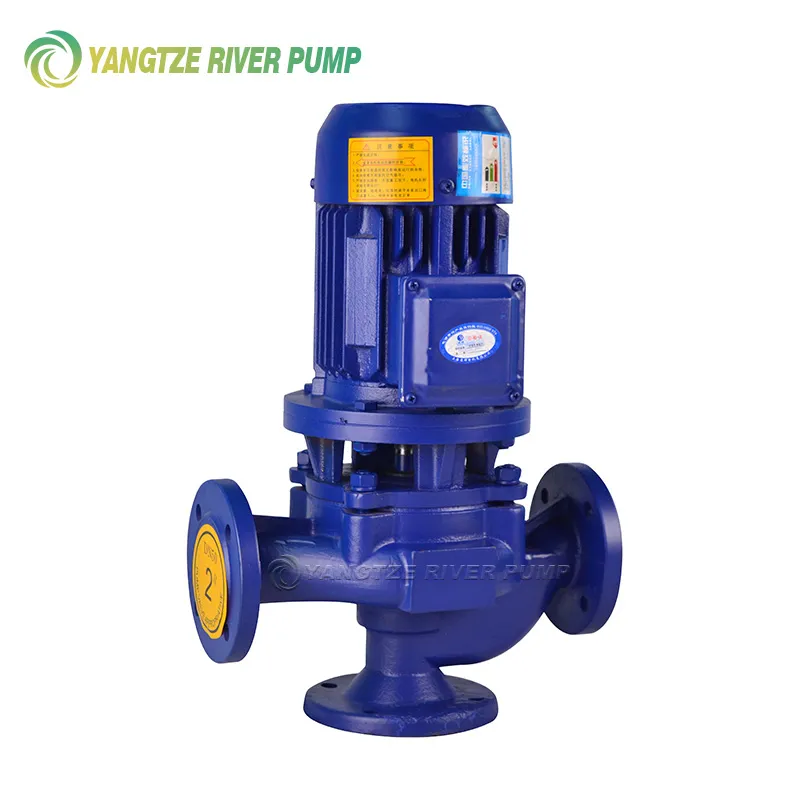 Pipeline wastewater pumps GW
-
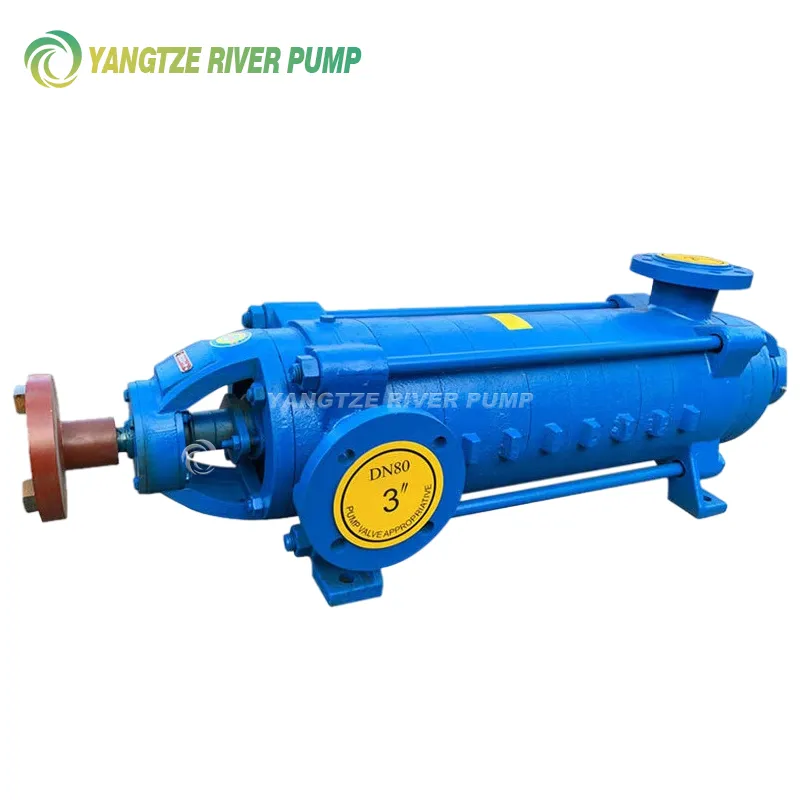 Horizontal multistage centrifugal pumps type D
-
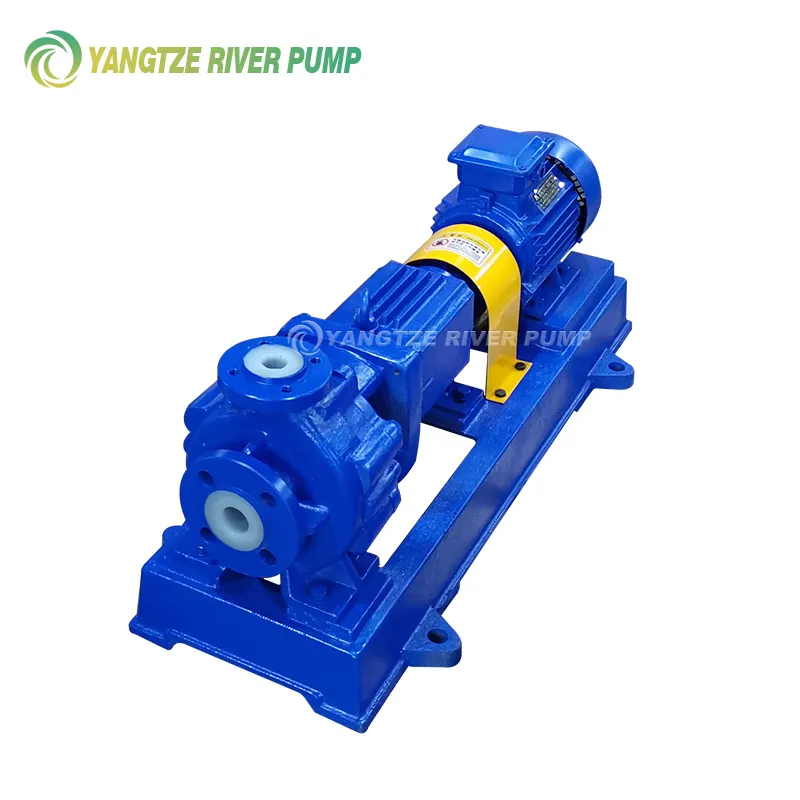 IHF PTFE Chemical Centrifugal Pumps
-
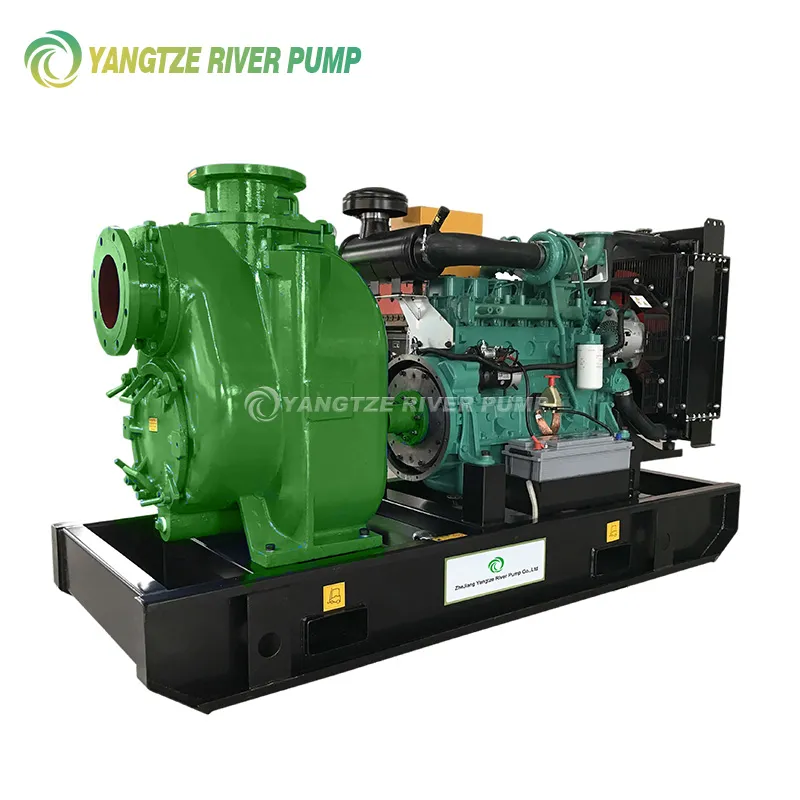 YZSP Diesel Self-Priming Pumps
-
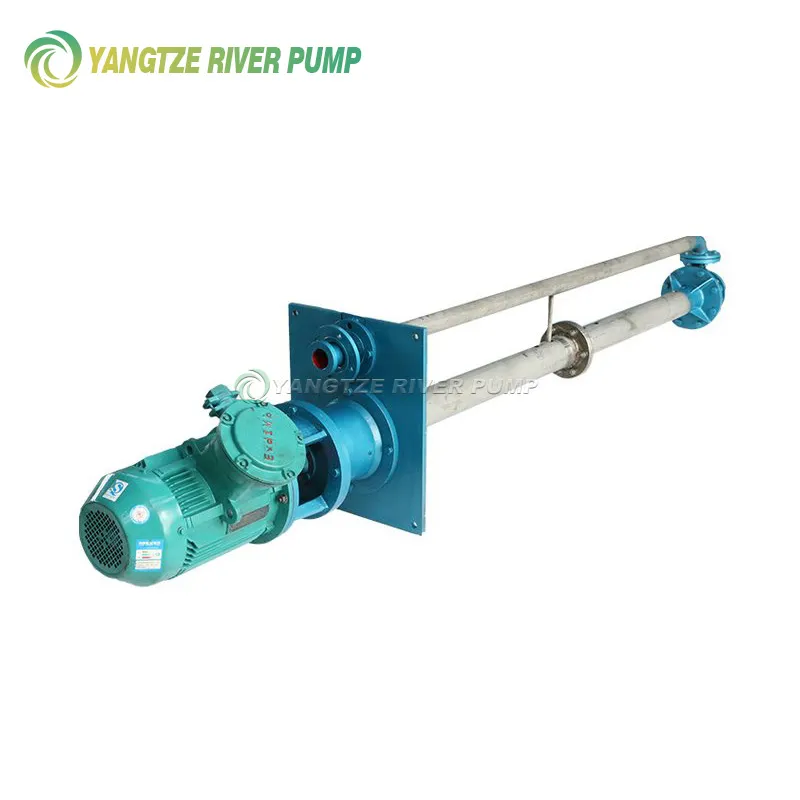 FY Submersible Chemical Pumps
-
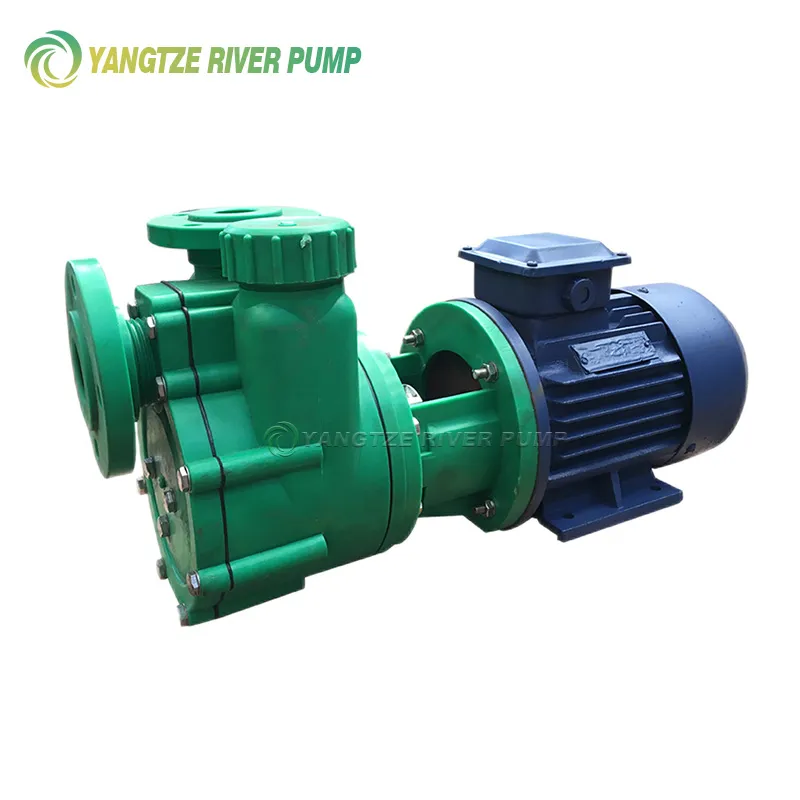 Plastic self-priming centrifugal pumps FP and FS
-
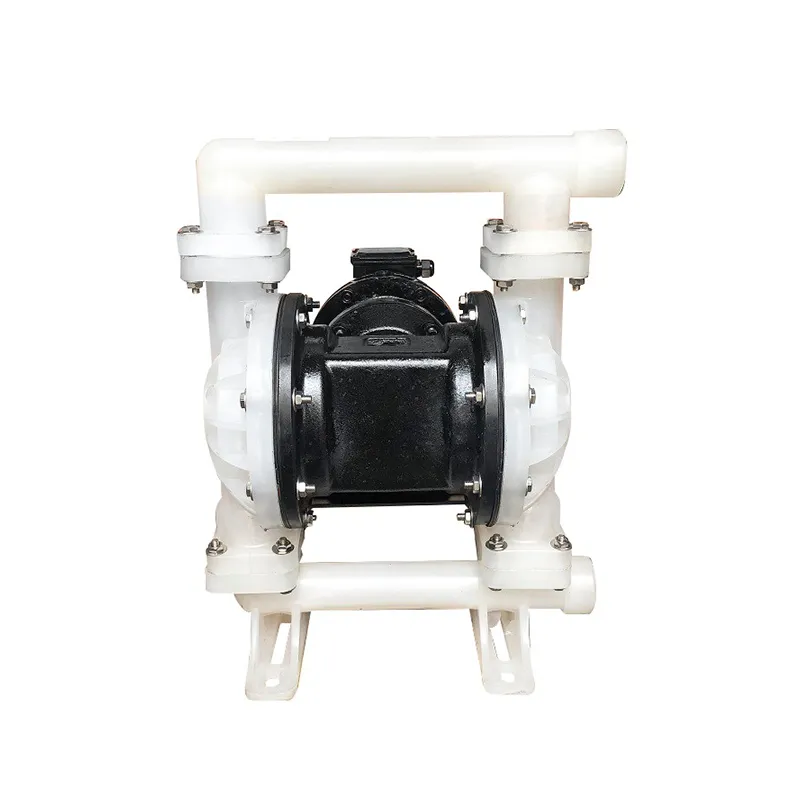 DBY Non-Metallic Electric Diaphragm Pumps
-
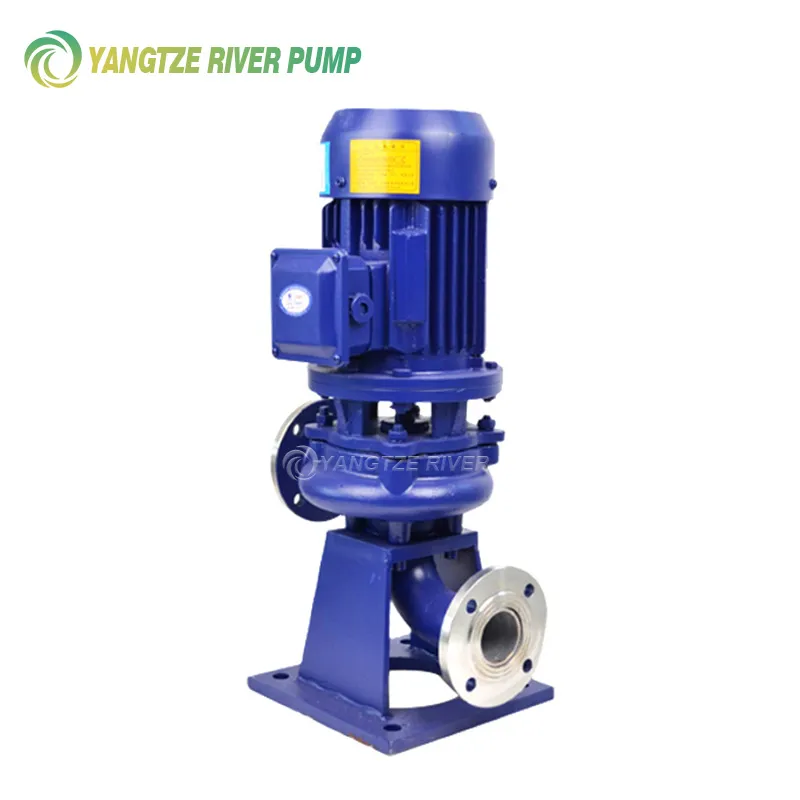 Non-clogging vertical wastewater pumps LW
-
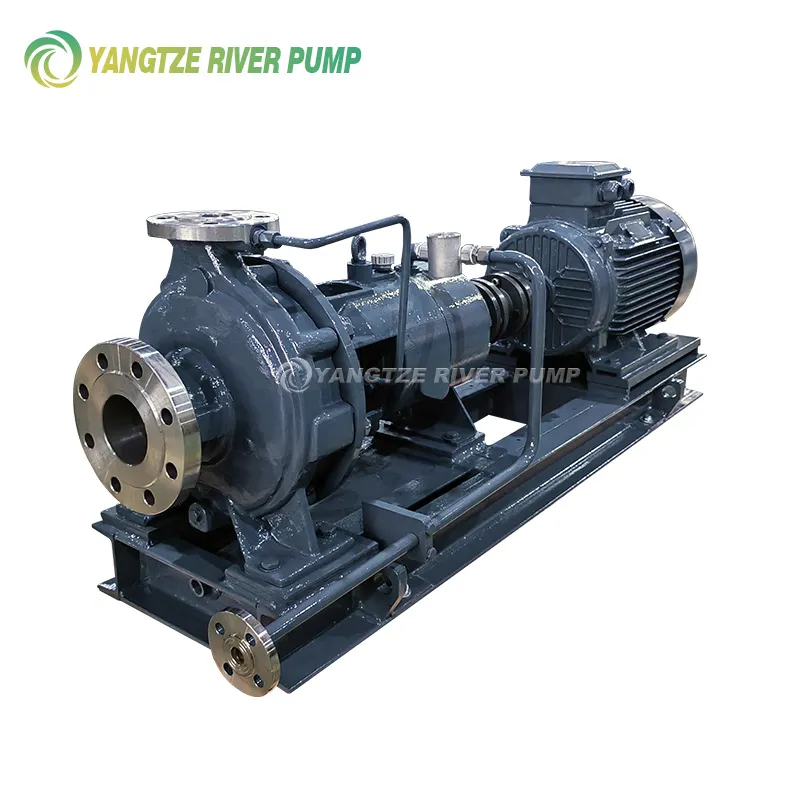 Petrochemical Process Pumps API 610 YZA