







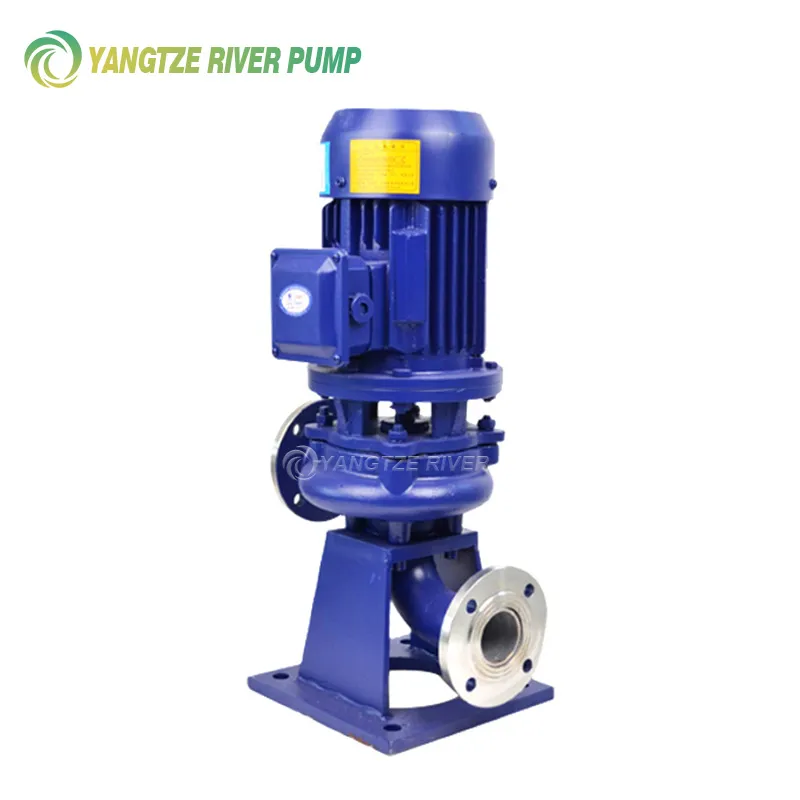
single-stage vertical centrifugal pump
When they say “vertical centrifugal single-stage pump?”, many people immediately imagine just a “vertical pump”. for water. And therein lies the first pitfall. Yes, structurally it is a unit with a vertical shaft, one impeller, and a centrifugal principle of operation. But the scope of application and, more importantly, the pitfalls? Installation and operation is where the real work begins. It is often confused with cantilever horizontal pumps, they say, turn it over and that’s it. In practice, issues of vibration, axial loads, cavitation and, most importantly, correct piping and alignment are a completely different story. At Zhejiang Yangzijiang Pumping Industry LLC, on eight complete lines from R&D to service, we see how these nuances emerge at the commissioning stage, if initially there was no clear understanding of the task.
Design: simplicity that is deceptive
Take, for example, the housing and the guide vane. It seems that casting, processing - everything is standard. But it is in the vertical design that the coaxiality of the flow path is critical. The slightest misalignment, and you get not just a drop in efficiency, but local cavitation, which eats up the material in six months. During tests at our stand, we specially simulate such modes, so that later in the passport we can give not just Q-H curves, but recommendations on the minimum permissible flow rate for specific models, for example, from the linesingle stage centrifugal pumps.
The shaft is a separate issue. A long vertical shaft is not just a rod. Its rigidity, deflection, choice of supports (sliding or rolling) are calculated for a specific suction height and rotor mass. I remember a case with a supply to a wastewater treatment plant: the customer saved money and supplied a standard shaft from a shorter model. The result is increased vibration at certain speeds and rapid wear of the seals. I had to redo it on site, which is always more expensive.
And seals. Mechanical mechanical seals for vertical pumps - often double acting and positive flushing. If this is not provided for pumping, say, suspensions, the abrasive suspension will quickly destroy them. We at Yangtzeriverpump.ru often combine options for such environments, sometimes we even suggest switching to a submersible pump if conditions allow, but that’s another story.
Installation and “first start-up”: where problems arise
The most common mistake is carelessness when installing on a foundation slab. ?Vertical? - does not mean that you can simply tighten it with anchor bolts. It is mandatory to check the verticality of the shaft in two planes, not only when cold, but also after warming up. We had a project where pumps worked with hot condensate. After reaching the operating mode, due to thermal expansion of the pipelines, a load arose on the output flange, and the unit “slipped.” The vibration began to increase.
Pipeline piping. Here, many people sin by not placing a support under the inlet pipe, shifting the weight to the pump body. Forvertical centrifugal pumpit's deadly. There must be a bellows compensator or at least a flexible insert at the inlet to eliminate axial and radial forces. Otherwise, a leak on the flange or a crack in the housing is a matter of time.
Dry start. It seems trivial, but it still happens. Even short-term operation without liquid for a mechanical seal designed to operate in the environment is guaranteed to fail. On our test lines before shipment, each unit, be it a magnetic pump or justsingle-stage vertical centrifugal, undergoes a mandatory hydraulic run-in to check both seals and vibration characteristics under load.
Areas of application and why it is not always the best choice
Classic - water supply, circulation in heating and cooling systems. Here are its strengths: space saving, good suction ability when selected correctly. But for chemical media with volatile components or high temperatures, careful analysis is already required. Material of the flow part - cast iron, stainless steel, alloys? Seal - single, double, liquid barrier? Sometimes a client asks for a vertical pump for an aggressive environment, but after analyzing the parameters (flow, pressure, temperature, properties of the medium), a plastic chemical pump turns out to be more logical. We always try to discuss this at the selection stage.
Another nuance is working in partial load mode. A centrifugal pump, especially a single-stage one, starts to “drive” when the valve at the outlet is pushed in too far. the liquid circulates inside and overheats. Variable flow systems require either bypass lines or frequency control. We take this into account in our production, offering motor options for frequency converters.
A case from practice: we installed a batch of pumps for circulating process water in a workshop. Six months later - complaints about noise. It turned out that the technological process had changed, and the pumps began to operate at 30% of the nominal most of the time. Cavitation has occurred. The solution is to reconfigure the system and install a bypass. Conclusion: it is important not just to sell the unit, but to understand its operating mode in the customer’s system. On the website https://www.yangtzeriverpump.ru we post not only catalogs, but also technical notes on such cases in order to minimize risks for the client.
Service and durability: what to look for after installation
Scheduled inspection. The key here is to control the vibration and temperature of the bearing units. For vertical pumps, a forced-lubricated top bearing is often used. If the lubricant is contaminated or its level has dropped, heating begins. A simple but regular check can prevent major repairs.
Spare parts. Versatility is a myth. The wheel, shaft, seal, even for pumps of the same standard size, but made of different materials or for different environments, may have differences. At Zhejiang Yangzijiang Pump Industry Co., Ltd., we always insist that the customer specify not only the model, but also the serial number of the unit when ordering spare parts. This eliminates errors.
Maintainability. A good vertical pump should allow the rotor group to be removed without disconnecting the pipelines and motor. This is built into our designs. But it happens that at a site access from above is limited. Then you have to come up with schemes with carts or winches. It is better to think about this at the node design stage.
Instead of a conclusion: thinking out loud about choice
So, back to the beginning.Vertical Centrifugal Single Stage Pump— it’s not just a “box with a motor?”. This is a solution for specific conditions. His choice is always a compromise between price, space occupied, characteristics and reliability. Blindly chasing the cheapest means you end up with expensive repairs. To play it safe and take a multi-stage one where a single-stage one is sufficient - you will overpay.
Our task as a manufacturer with a full cycle from development to testing is not just to make hardware, but to help select exactly the device that will work for years in the customer’s mode. Whether it's a standard "vertical" for water or special stainless steel version for chemicals. Often the correct answer comes not from a table in the catalog, but from a dialogue: “What will you leak?” At what temperature? How often do you plan to stop??. This is exactly the approach we try to practice, be it the supply of one pump or an entire line of equipment, including self-priming or submersible models.
Therefore, if you are thinking about using such a pump, look not only at the pressure and flow figures. Consider installation, maintenance, and possible changes in the process. And, of course, do not hesitate to ask questions to the manufacturer. After all, on-site reliability is a shared goal for both those who make the pumps and those who use them.
Correspondingproducts
Related Products

Best Sellingproducts
Best Selling Products-
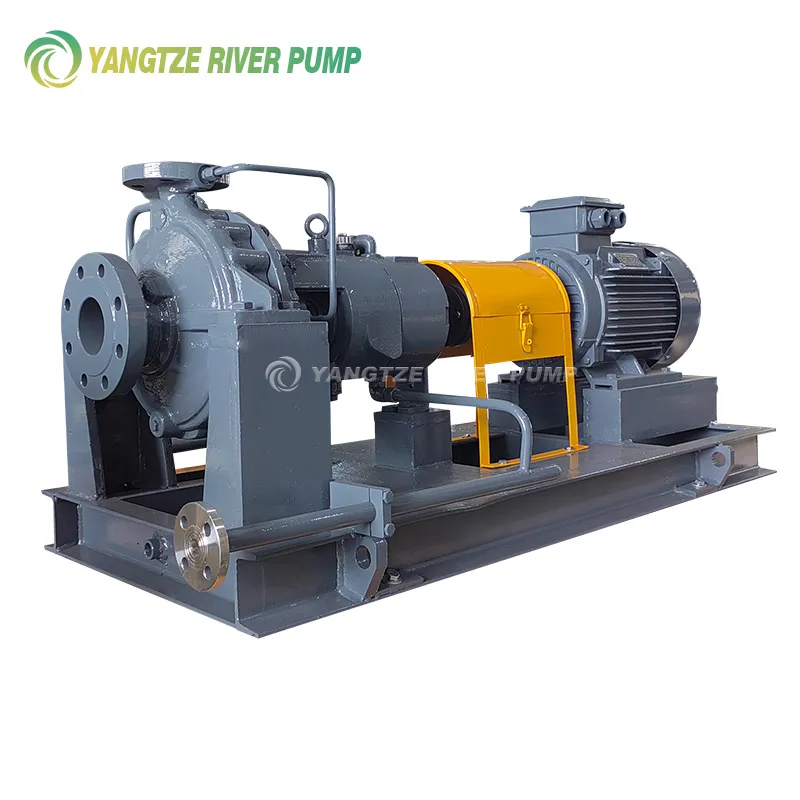 Petrochemical Process Pumps API 610 YZE
-
 YW Vertical Submersible Sewage Pumps
-
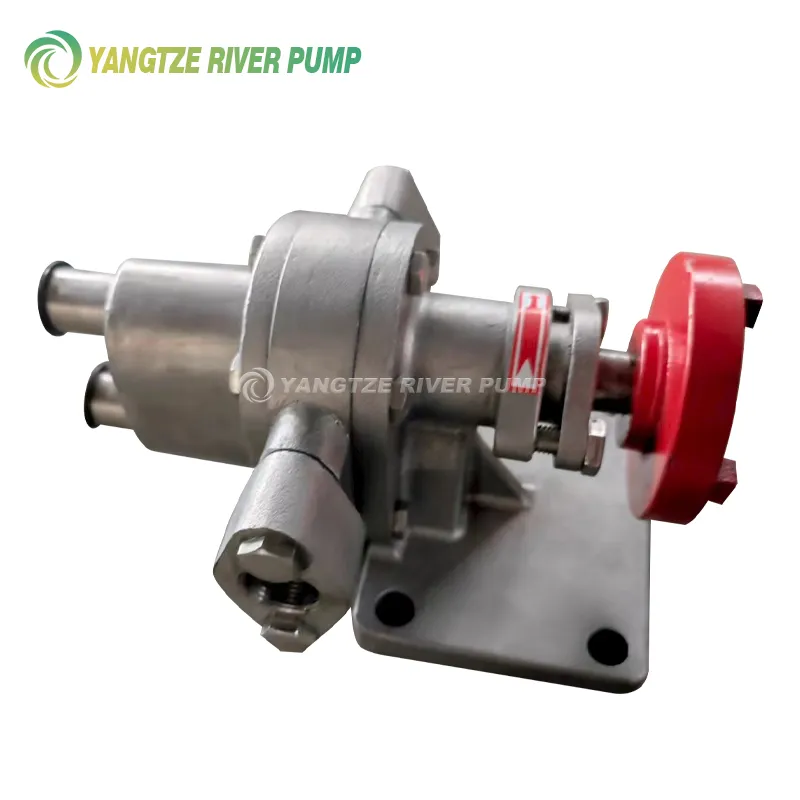 Gear oil pumps type KCB
-
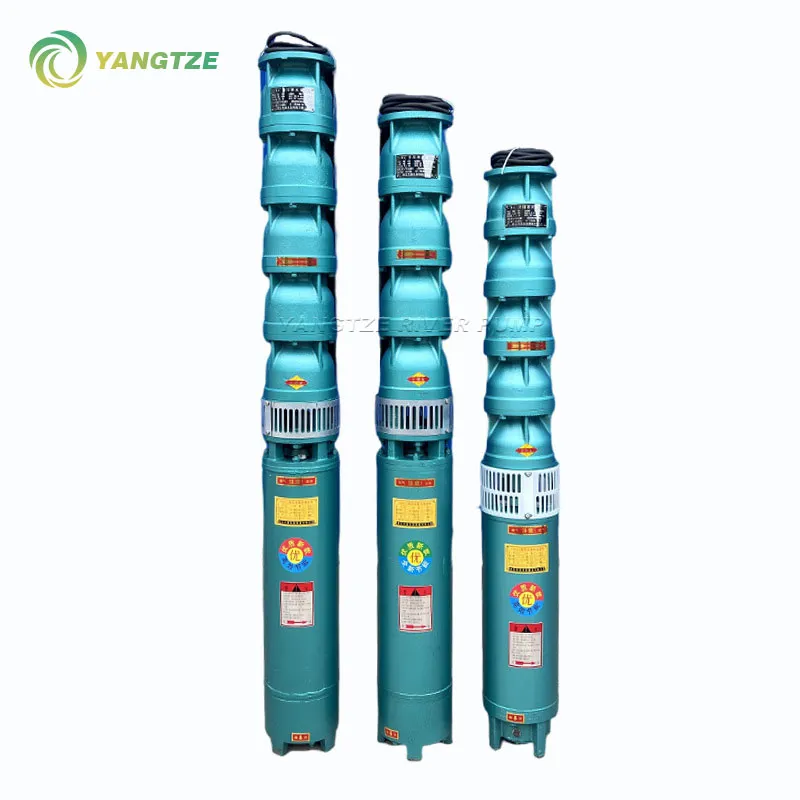 QJ type borehole pumps
-
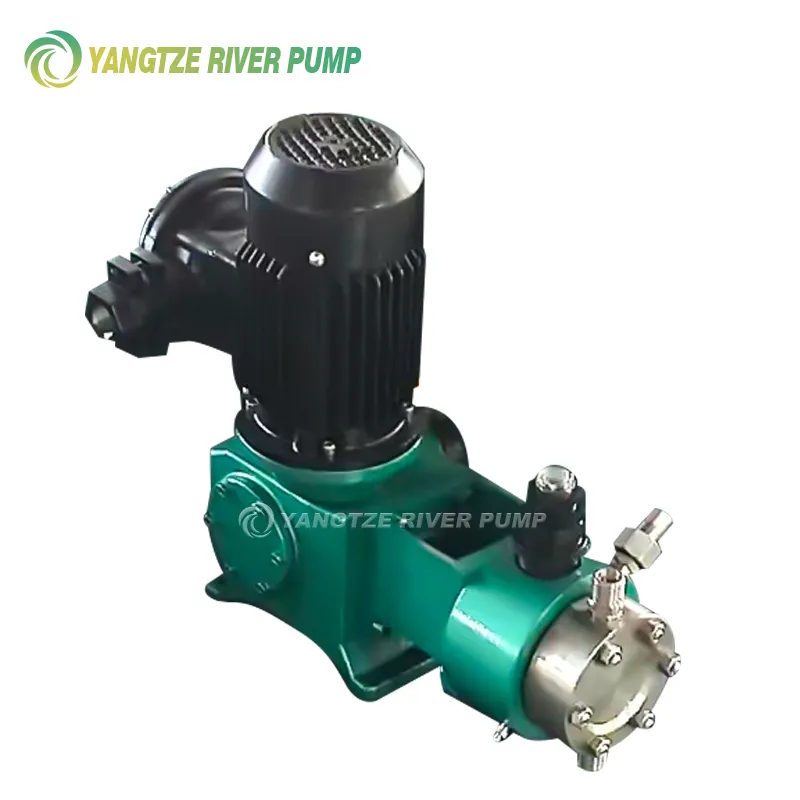 Plunger dosing pumps type DZ-X
-
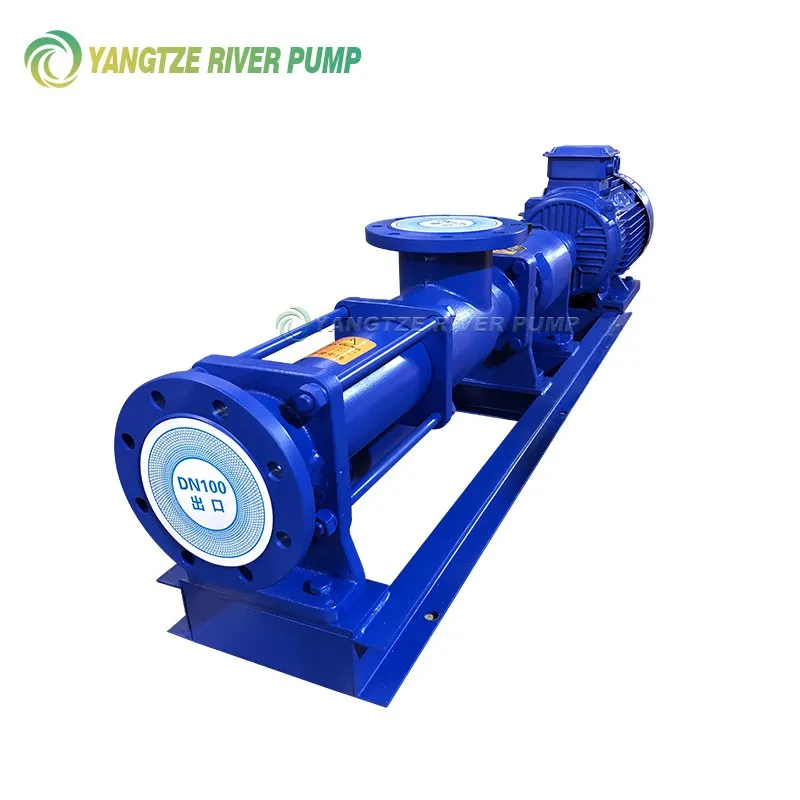 Single screw pumps type G
-
 Mechanical diaphragm dosing pumps DJ-D
-
 YCB Type Circular Gear Pumps
-
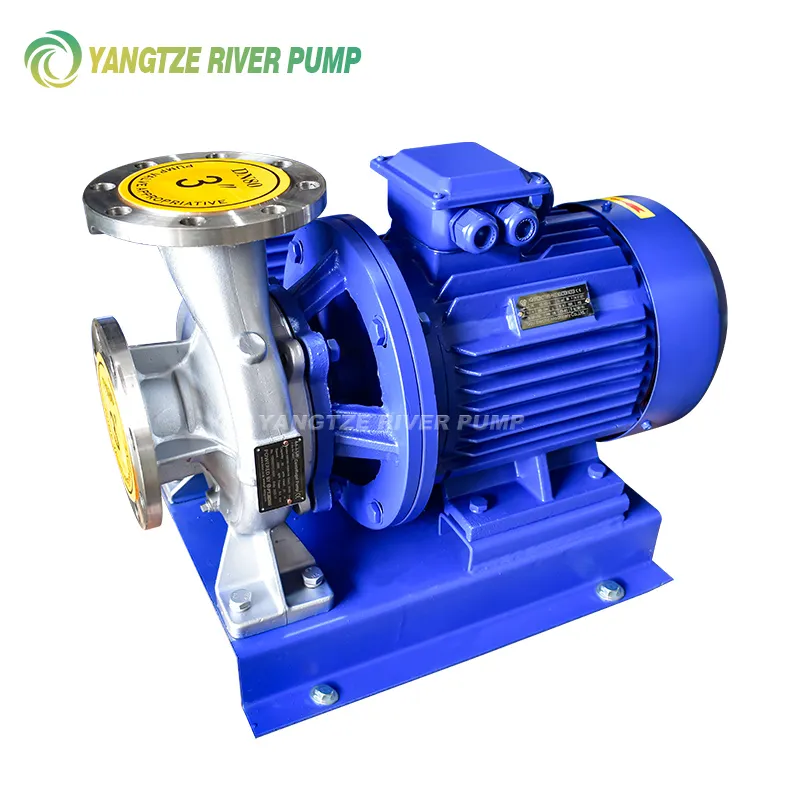 ISW and ISWH Single Stage Horizontal Pipeline Centrifugal Pumps
-
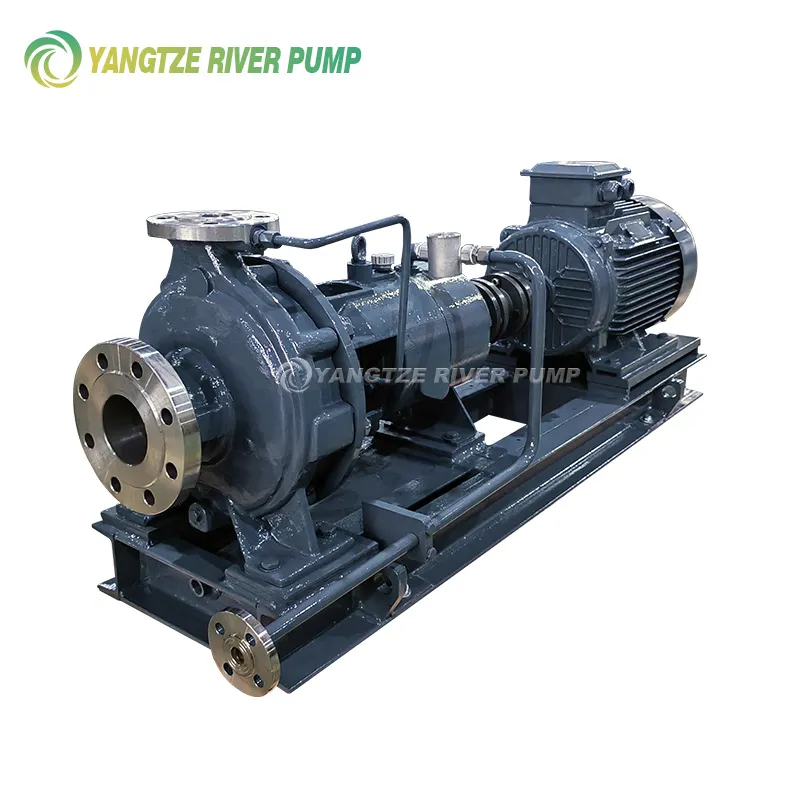 Petrochemical Process Pumps API 610 YZA
-
 Non-clogging self-priming wastewater pumps ZW
-
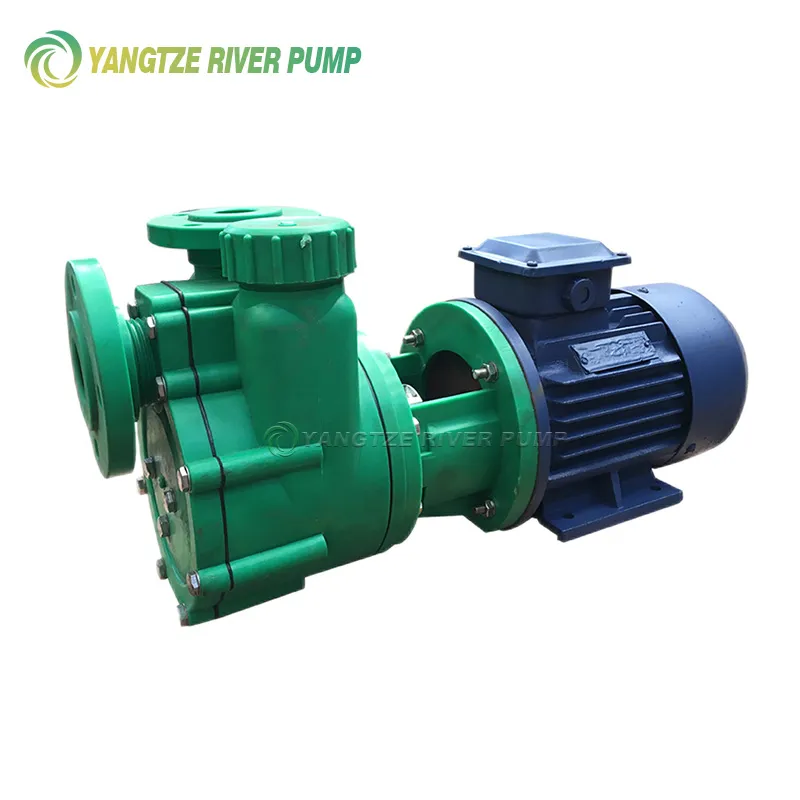 Plastic self-priming centrifugal pumps FP and FS
Relatedsearch
Related Search- positive displacement gear pump
- centrifugal hot water pump
- Screw pumps for sludge
- Type G Infinitely variable screw pumps
- adjustable centrifugal pumps
- YZCW Vertical pumps for installation inside/outside tanks
- centrifugal pump vortex
- centrifugal pump 2 5 kW
- portable centrifugal pump
- single stage centrifugal water pump