







centrifugal pump vortex
When you hear 'vortex centrifugal pump', the first thing that comes to mind is, of course, a well-known brand of household pumps. But in a professional environment, this often means not a specific brand, but a whole layer of equipment with certain characteristics of the impeller and cavitation features. Many people, especially at the start, get confused: they think that if there is a “whirlwind” in the name, then it is necessarily something super-productive for any conditions. In fact, everything depends on the specific design and purpose. For example, incentrifugal pumpwith a so-called vortex impeller - this is often the solution for media with inclusions or high viscosity, but not always with the highest efficiency for clean water. This is an important nuance that becomes clear only in practice, after a couple of unsuccessful attempts to use the wrong machine.
From everyday name to engineering essence
Working with equipment, you see how over time a technical term becomes a household word. A 'whirlwind' can be called any compactcentrifugal pumpin the garage or at the dacha. But when it comes to industrial scale or specific environments, you need to look deeper. The design of a vortex pump is different in that the pumped medium repeatedly passes through the impeller blades, receiving additional energy. This gives good pressure with relatively small dimensions, but, again, often at the expense of maximum efficiency. For chemical production, where resistance to aggressive environments and the ability to work 'dry' for a short time are important, such a scheme can be life-saving. But for pumping large volumes of clean water for irrigation, this is no longer the case; classic console models are better suited there.
In our production, on siteZhejiang Yangzijiang Pumping Industry Co.,Ltd, this issue is being studied at the R&D stage. You can't just go and make a 'universal vortex pump'. The approach is different: there is a task - an optimal solution is sought or designed for it. Sometimes it is really a pump with a vortex operating principle, and sometimes it is a multistage pump.centrifugal pumpfor high pressure or in-line pump for compact installation. All eight of our production lines are tailored to this flexibility: from development and testing to final assembly and shipment.
I remember an incident at one of the chemical plants near Ufa. The customer needed a pump to pump a suspension with abrasive particles. They initially wanted a powerful standard centrifugal, but after analyzing the environment and operating conditions, our engineers suggested considering a vortex impeller made of a wear-resistant alloy. The decision turned out to be correct - the equipment worked out its full service life without critical wear, although the client initially had doubts. It is cases like these that show that the key is not in the name, but in the precise selection of characteristics.
Range and practice: where the 'vortex' principle finds its place
If you look at our catalog athttps://www.yangtzeriverpump.ru, then you won’t find the “Whirlwind” line there. And that's right. We position solutions according to their function and engineering content. However, the principles inherent in the design of vortex pumps are applied in some series. For example, in some modelsself-priming pumpsorplastic chemical pumps. Why? Because the ability to work with air pockets or aggressive liquids, where a classic centrifugal wheel can become airy or quickly fail, is critically important.
For water supply systems that require stable pressure and high performance, we often promotemultistage centrifugal pumps. They are, of course, more expensive and more complex, but their effectiveness on clean water is incomparably higher. But for drainage or pumping liquids with fibers, it may already be suitablesingle screw pump. The art is not to sell the most expensive unit, but to offer one that will optimally solve the customer’s problem for years. Sometimes, after a consultation, a client is surprised to realize that he does not need a “powerful whirlwind,” but a reliable one.submersible pumpa completely different type.
On test benches you can often see this difference clearly. You run two pumps on the same system - one with a vortex wheel, the other with a conventional centrifugal one. Pressure gauges and flow meters immediately show which efficiency profile is which. Vortex can give a sharp jump in pressure on a closed valve, but its characteristic curve is often more 'steep'. This means that when the flow rate in the network changes, its parameters change more strongly. For systems with variable operating modes, this may be a disadvantage. Therefore, in the terms of reference we always include a question about the dynamics of the process, and not just about the maximum required values.
Selection errors and false expectations
The most common mistake made by beginners in this business is choosing a pump based on only two numbers: flow and pressure. They take the catalog, find a model that formally fits, and order it. And then it turns out that the pump is noisy, overheats, or does not produce the required parameters in a real system. With 'vortex' models, by the way, this problem becomes more acute. Due to the specific nature of their work, they may be more sensitive to back pressure in the network and the presence of suspended matter. Once I had to deal with a complaint about a pump that “won’t pump” at the site. It turned out that the customer used it to pump water from a pit with a large amount of sand. Formally, it’s water. But over several days of work, the sand practically “ate” the working gaps in the vortex chamber. The solution was to install a simple dirt filter on the suction, but it would be better to initially offer a more abrasive-resistant type of pump, the samediaphragm pumpfor such dirty environments.
Another point is noise. Some types of vortex pumps can produce a characteristic whining sound at certain speeds. In an industrial workshop this is not critical, but in a residential building or laboratory it is already a problem. Therefore, in communication with the client, we always specify the installation location. On the websiteZhejiang Yangzijiang Pumping Industry Co.,LtdWe try to include such practical nuances in the descriptions, but a live dialogue with a sales engineer who saw the tests himself is irreplaceable.
The opposite situation also happens when the client, having heard a lot about the “unreliability” of some designs, refuses the optimal solution. For example, frommagnetic pumpfor expensive reagents due to fear of 'complicated' technology. Although it is precisely in such applications that its tightness (the absence of an oil seal) is its main advantage. Here the specialist’s task is not just to sell, but to explain, dispel myths, and perhaps organize a test run at a stand. Our customer service is built on exactly this approach: we don’t “sell and forget,” but we accompany you at all stages.
System integration: more than just a pump
Anyone, even the most perfectcentrifugal pump- this is only part of the system. Its operation depends on pipelines, shut-off valves, and control systems. Vortex models, again, have their own specifics. They may, for example, be less tolerant of narrowed suction line diameters. Install such a pump on a long pipeline with a bunch of small-diameter elbows - and expect cavitation, noise and a decrease in service life. When installing, we always recommend paying attention to the recommendations for the straight section of the suction.
Modern trends are the integration of pumps into automation systems. And here too there is a choice. For applications where constant pressure must be maintained with high precision, a vortex pump with its steep characteristic curve may require a more complex frequency converter for smooth control. Sometimes a scheme with several stages of classic centrifugal pumps operating in a cascade turns out to be simpler and cheaper. We see this request in production and therefore we are developing a linelinear centrifugal pumps— they are well suited for installation in compact control stations with frequency regulation.
Experience shows that the final success depends 30% on the quality of the unit itself and 70% on its proper integration into the technological process. Therefore, our company relies on the full cycle: from design and production to commissioning and service. I have seen many times how, after proper installation and configuration, even a not-so-expensive pump works for years without complaints. Conversely, the most advanced equipment can be ruined in a month by improper operation.
Looking to the future: evolution, not revolution
It is not true to say that some types of pumps will become a thing of the past, while others will completely replace them. Constructioncentrifugal pump, including the vortex principle, has been tested for decades. It will evolve: engines will become more efficient, new composite materials will appear for impellers and casings, and the sealing system will improve. We are already actively using polymers and special alloys inplastic chemical pumps, which significantly increases their durability.
The main trend that I observe is the demand for adaptability and 'intelligence'. The pump ceases to be just a piece of iron pumping liquid. It becomes an element of a digital network with vibration, temperature, and flow sensors. This allows you to predict wear, plan maintenance, and optimize energy consumption. This is especially true for vortex and other special pumps, since their operating modes are often more intense.
As a result, returning to the original query 'vortex centrifugal pump'. For a professional, this is not a matter of searching for a specific model by name. This is a signal to start a dialogue: why? under what conditions? with what environment? Only by answering these questions can you come to the optimal technical solution, be it products from our factory or a recommendation to turn to another, more highly specialized manufacturer. Honesty in this matter is the basis of long-term trust. Our task is not to push goods from the warehouse, but to ensure that the system with our equipment works like a clock. Then the client will return, and the reputation will grow stronger. And this, ultimately, is the main goal of any serious manufacturer, includingZhejiang Yangzijiang Pumping Industry Co.,Ltd.
Correspondingproducts
Related Products

Best Sellingproducts
Best Selling Products-
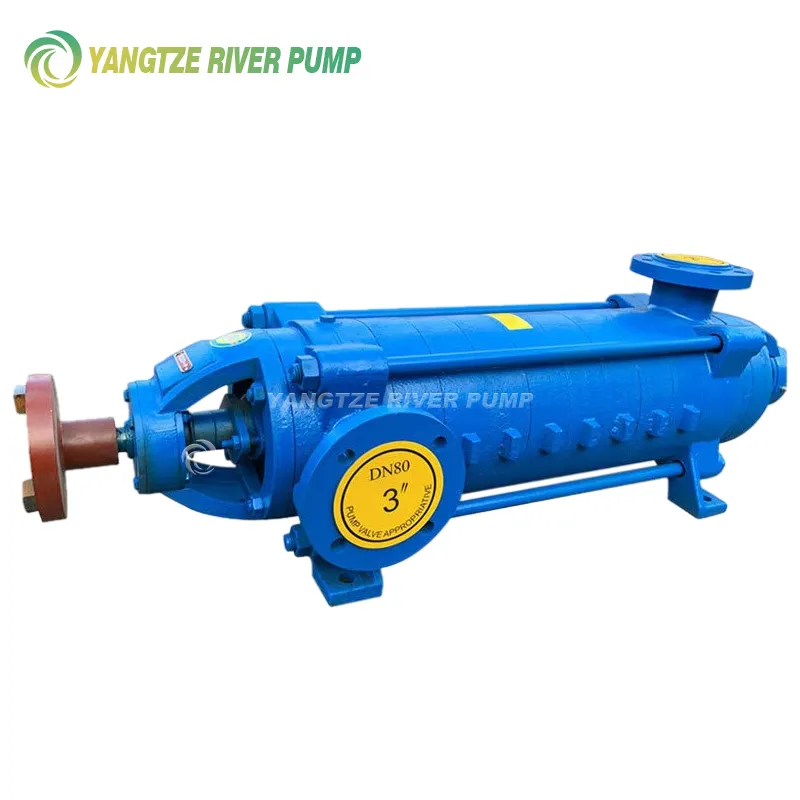 Horizontal multistage pumps for feeding DG boilers
-
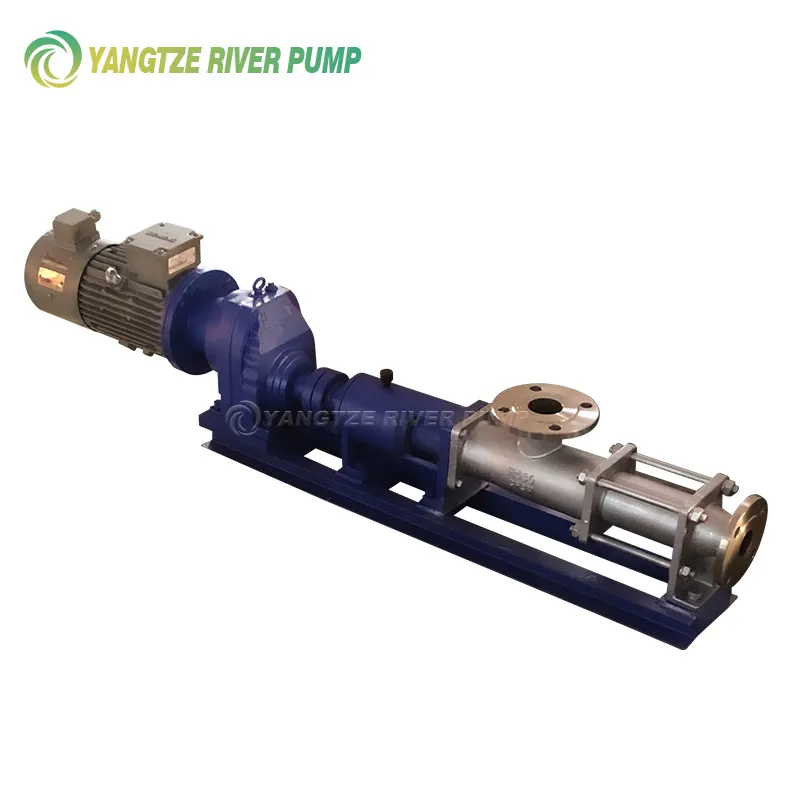 Geared screw pumps type G
-
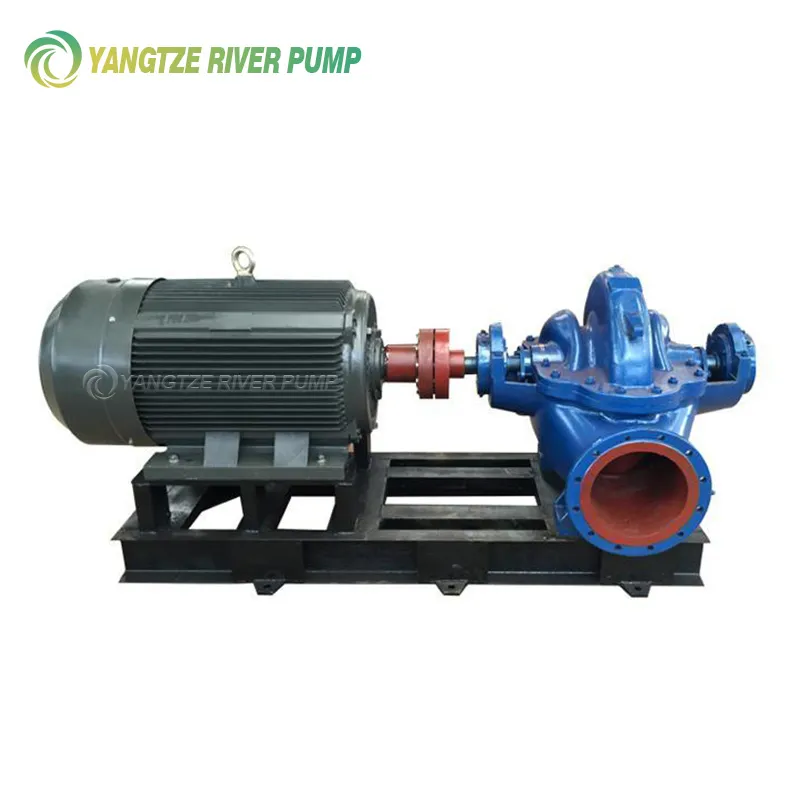 Single Stage Double Entry Centrifugal Pumps Type S
-
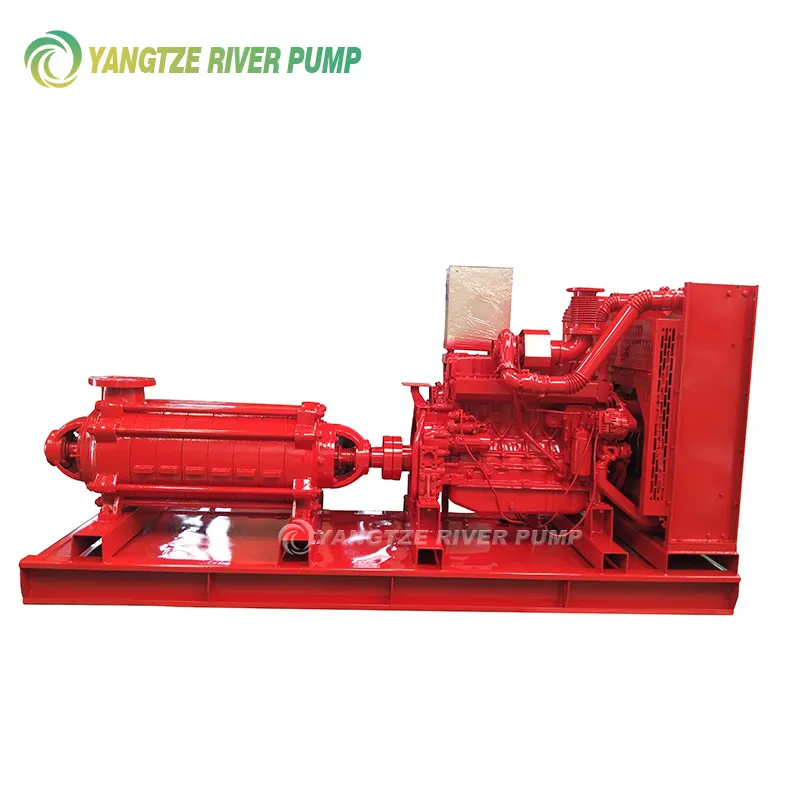 XBC Diesel Intelligent Fire Pumps
-
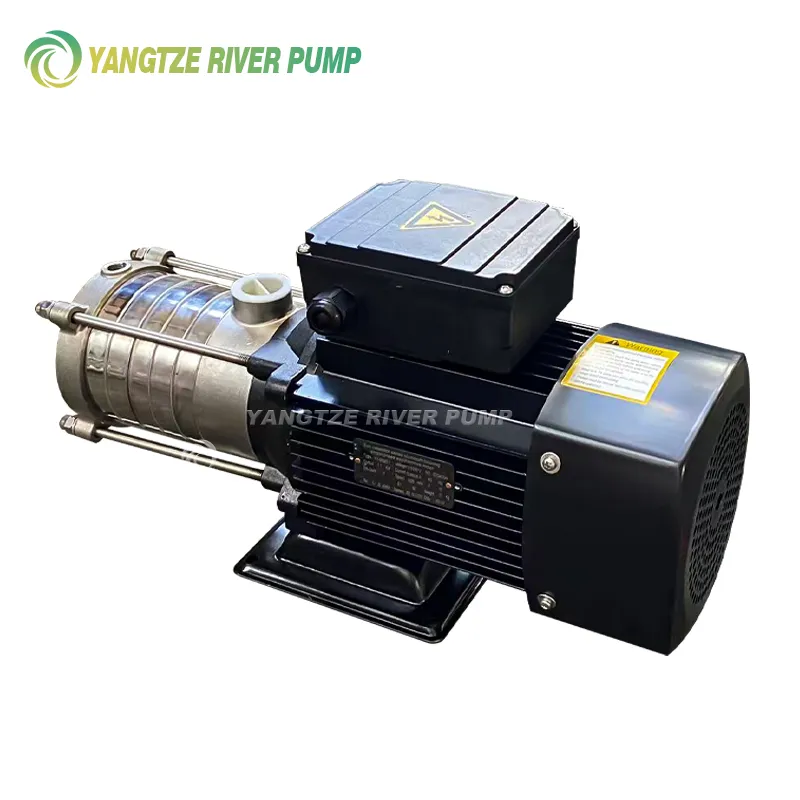 Horizontal multistage centrifugal pumps (light series) CHL and CHLF
-
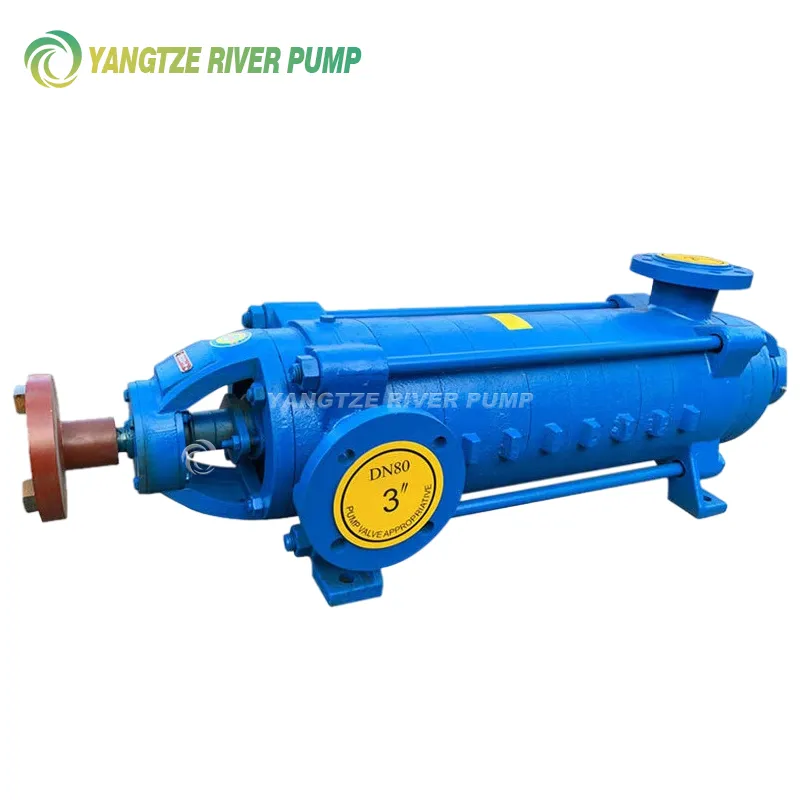 Horizontal multistage pumps for feeding DC boilers
-
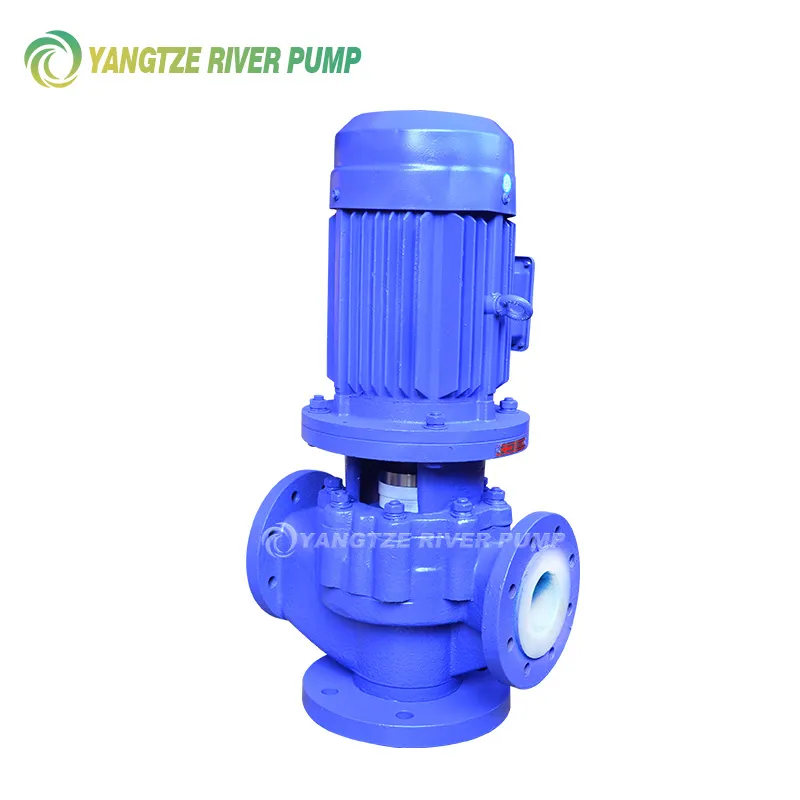 Vertical pumps with PTFE lining YQF
-
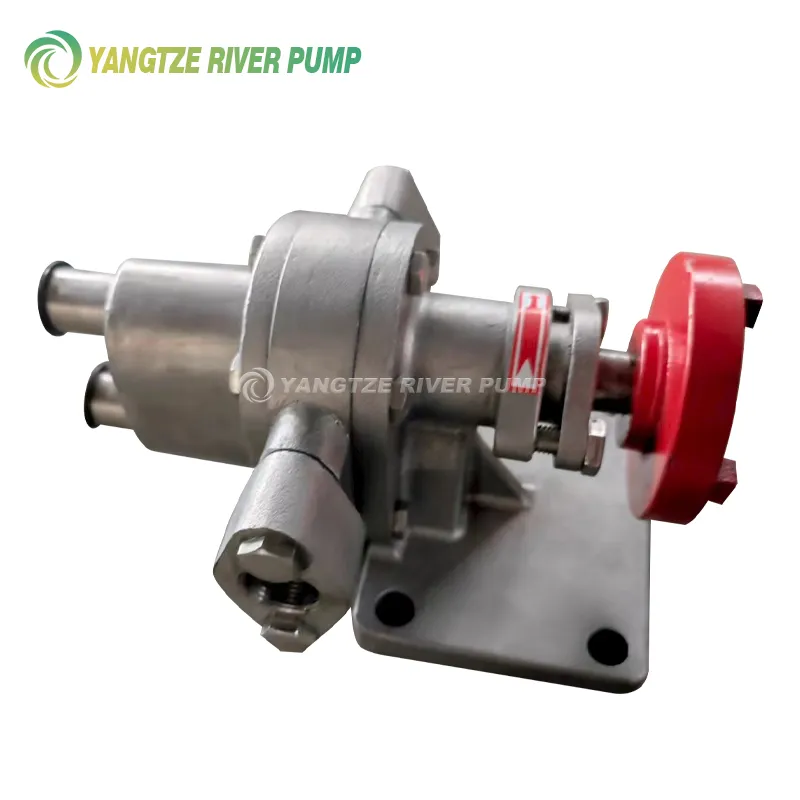 Gear oil pumps type KCB
-
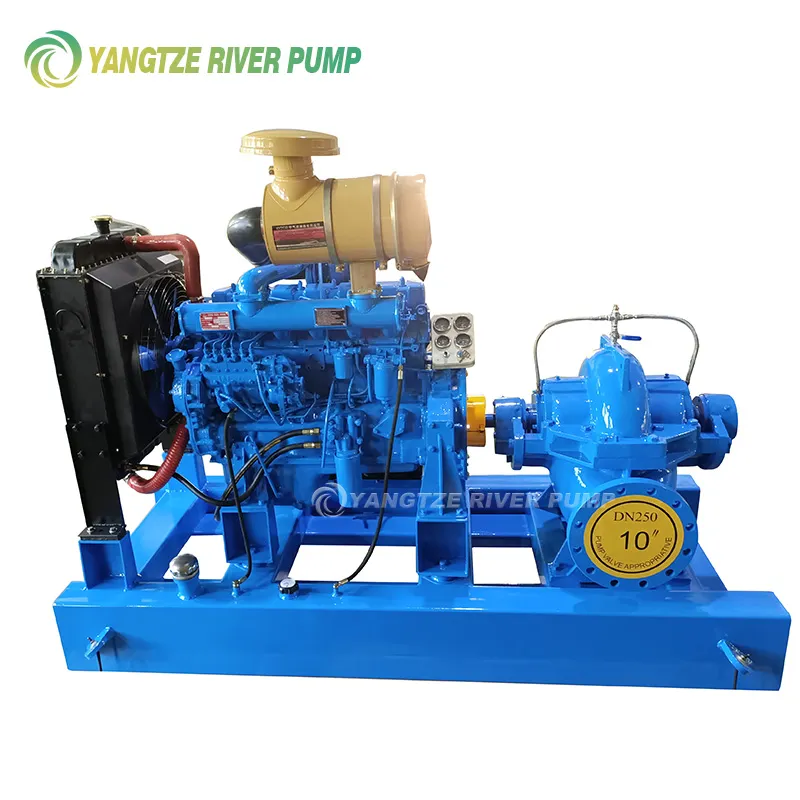 Diesel pumps with horizontal connector YZS and YZSH
-
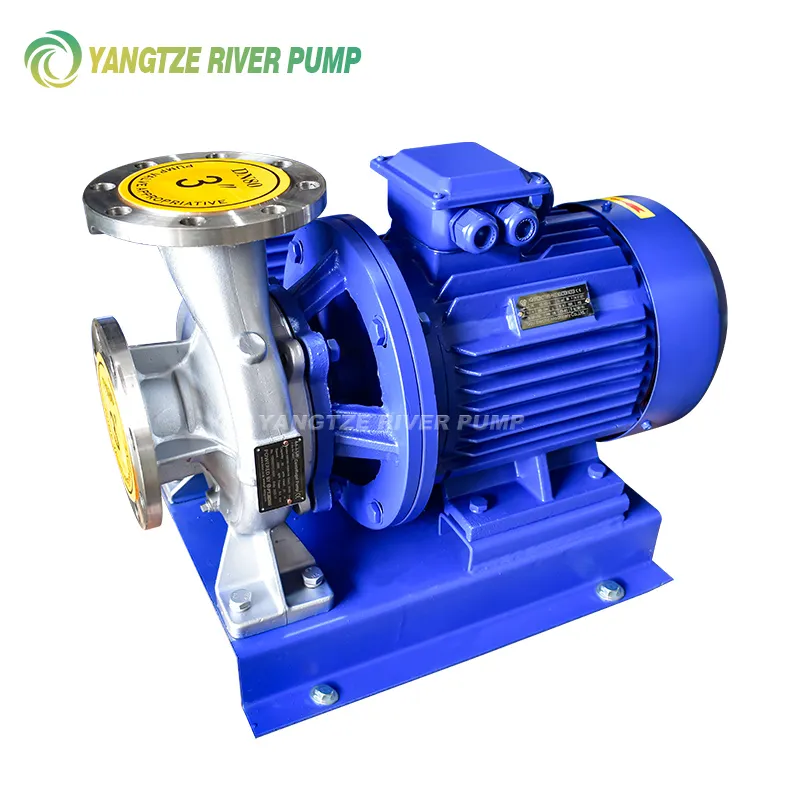 ISW and ISWH Single Stage Horizontal Pipeline Centrifugal Pumps
-
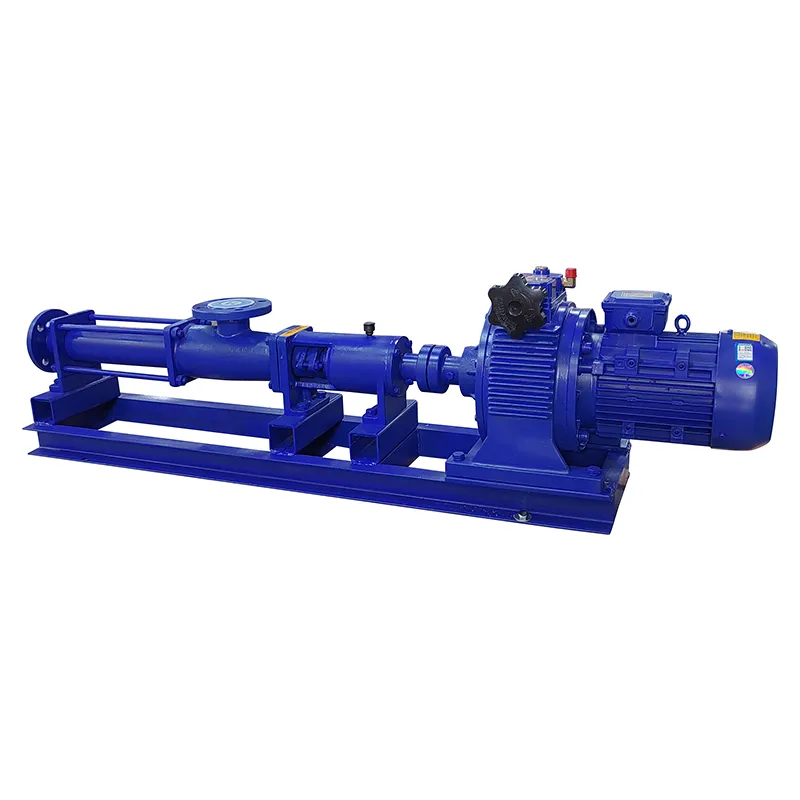 Infinitely variable screw pumps type G
-
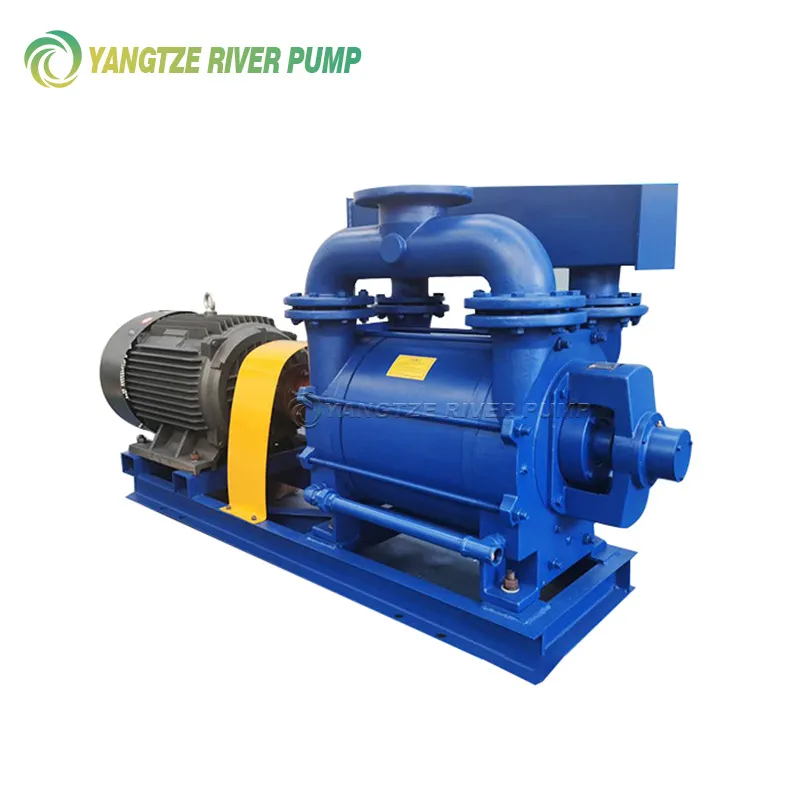 Liquid ring vacuum pumps type 2EB