







centrifugal feed pump
When they talk aboutcentrifugal feed pump, many immediately imagine just a unit for supplying water to the boiler. But in reality, especially at large thermal power plants or in industrial boiler houses, this is the heart of the system, and the slightest miscalculation in selection or operation leads not just to a shutdown, but to serious accidents. A common mistake is to chase the maximum pressure, forgetting about the cavitation reserve. I myself saw how a pump with beautiful pressure figures was installed at one of the facilities, but when operating at nominal parameters, after six months, active destruction of the impeller began due to cavitation. It turned out that they forgot to simply recalculate the required cavitation reserve for a feedwater temperature above 105°C.
Construction and materials: where the hidden problems lie
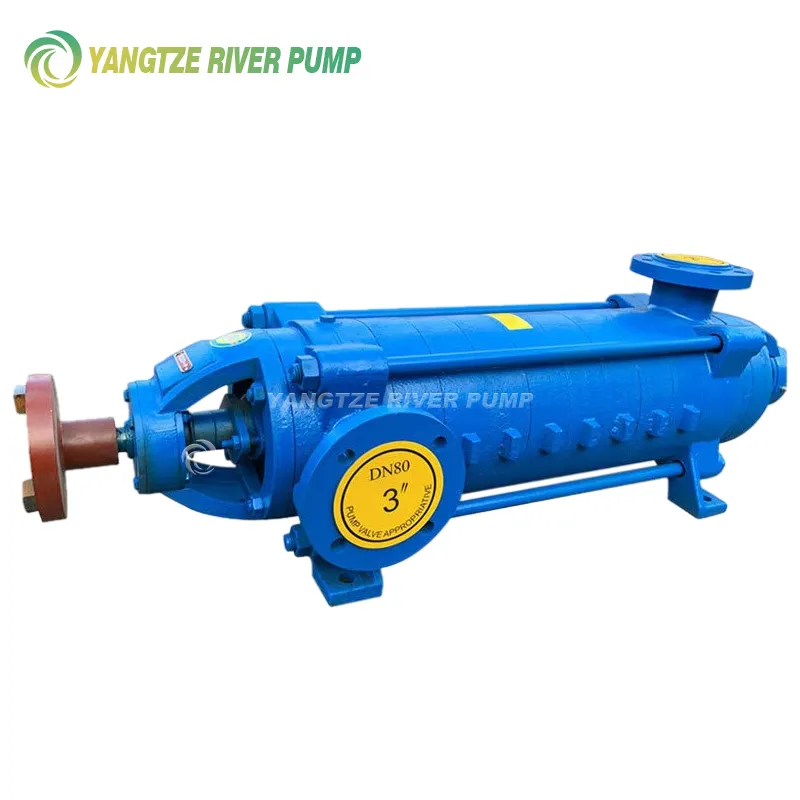
If we take a classic vertical multistage pump for medium-pressure boilers, then the main headache is the shaft seals and stage material. Cast iron for the body is often used, but for aggressive environments or at high feedwater temperatures this is not enough. In ourZhejiang Yangzijiang Pumping Industry Co.,LtdI had to go through this. Previously, the emphasis was on standard materials, but at the request of one chemical production customer, a pump capable of handling heated condensate with impurities was required. Standard cast iron would not work.
We had to develop an option with a housing and impellers made of 304 stainless steel. But this is not a panacea. When welding multi-stage sections, internal stresses arose, which during thermal shocks during startup/shutdown led to microcracks. The solution was not found immediately: we switched to a certain heat treatment regime after welding and more careful control at the testing stage. Now this modification is in our catalog atyangtzeriverpump.ru, but in the description of the product we always specify for what environments and temperature conditions it has been tested.
Another nuance is the bearing units. For high speedcentrifugal feed pumpsThrust roller bearings are often installed. They are good, but require ideal lubricant cleanliness. On one of our first deliveries, the customer complained of increased noise after 4,000 hours of operation. We took it apart - there was a fine abrasive suspension from the system in the lubricant, although the filters were there. We had to modify the design of the unit, adding more effective labyrinth seals and recommending to the customer a specific brand of grease with increased adhesion. This is now a standard recommendation in the product data sheet.
Testing and adjustment: what you won’t see in the catalog
Any manufacturer writes about tests. But often it’s just a run-in on the water. This is catastrophically not enough for a feed pump. We have experience inZhejiang Yangzijiang Pumping Industry Co.,LtdWe came to the conclusion that a mandatory step is a performance test - taking the full Q-H curve not only on water, but also on a hot liquid (if possible). This makes it possible to more accurately calibrate the hydraulic part and predict behavior at operating temperature.
A very important point is vibration diagnostics in different modes. It happens that the pump works perfectly at idle, but vibration appears when it reaches the operating point. A common reason is the discrepancy between the natural frequency of the rotating elements and the frequency of hydraulic pulsations. Once this led to a shaft failure during the warranty period. Since then, a continuous vibration monitoring system has been built into our test bench, and the data from it is recorded in a test report that the client can request.
On-site setup is a different story. Engineers who install do not always think about the straightness of the suction pipeline. But even one sharp turn before entering the pump can seriously worsen the cavitation characteristics. Sometimes you literally have to convince installers to redo a section of pipe, even if it is difficult. Because otherwise, warranty cases will pour in one after another, and the reputation will suffer.
Interaction with the system: the pump is not an island
Centrifugal feed pumpnever works on its own. Its operation directly depends on the condition of the deaerator, on the control valves, and on the operation of the water treatment system. The classic problem is pressure surges in the deaerator. If the pressure drops, the saturation temperature drops, the water in the feed pump can boil, which will lead to cavitation and shutdown. At one site, it was necessary to integrate a signal from a pressure sensor in the deaerator into the pump control system for an emergency shutdown.
Another practical point is the choice of a redundancy scheme. Often two pumps are installed on one boiler - one working, one reserve. But the reserve one should not just be “on call”, but be in a “hot” reserve - that is, its bypass line must be warmed up. Otherwise, during an emergency start, the cold pump will supply a portion of colder water to the boiler, which will cause thermal shock. We always focus on this when discussing projects with the customer’s technologists.
Nowadays there is a lot of talk about frequency regulation to save energy. For feed pumps this is justified, but with reservations. The frequency converter must be of high quality so as not to introduce harmonics into the network and not overheat the motor. And most importantly, you need to very carefully consider whether the operating point, when the frequency decreases, will enter the zone of unstable operation of the pump. I once saw how, due to too “aggressive” economical CNC settings, the pump began to work in the cavitation zone, which quickly put it out of action.
Evolution of products and approaches using the example of our production
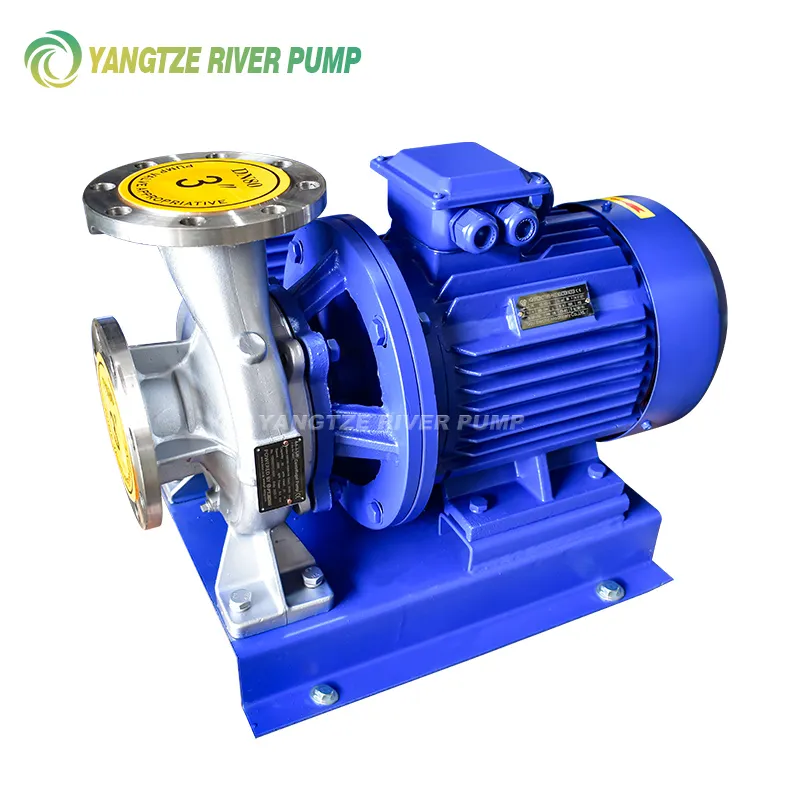
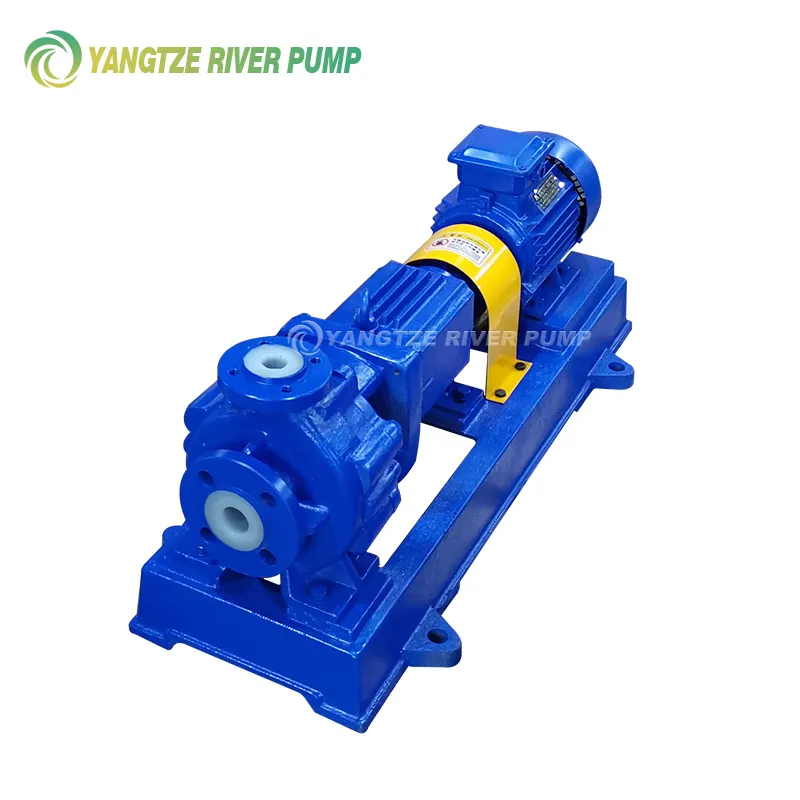
Taking a look at the rangeZhejiang Yangzijiang Pumping Industry Co.,Ltd(the entire line can be seen athttps://www.yangtzeriverpump.ru), it is clear that we produce not only classic multi-stage vertical pumps for feeding boilers, but also, for example, linear centrifugal pumps. Ask why? Experience has shown that for some modern modular boiler rooms with limited space in the machine room, a long vertical pump is not an option. The compact linear pump, assembled on a common base plate with an electric motor, solves the problem of installation and maintenance.
The development towards chemical and plastic pumps is also a response to market demands. Sometimes a feed pump is needed not for a steam boiler, but to supply a chemically active coolant to a heating system or technological process. Here the requirements for materials are completely different. Our plastic chemical pumps essentially use the same principlecentrifugal feed pump, but in a design that is resistant to acids and alkalis. This expands the scope of application.
As for R&D, the main focus now is not on inventing something fundamentally new, but on optimizing hydraulic profiles to increase efficiency at several operating points, rather than at one nominal one. We are also experimenting with coatings to increase resistance to erosion in the flow path. This is what provides real savings to the customer in the long term, even if the initial price of the pump is slightly higher.
Summary for practitioners: what to look for first
So, to sum it up informally. By choosing or exploitingcentrifugal feed pump, do not focus only on the passport data of pressure and flow. First, ask the manufacturer for actual test curves, especially NPSH. Secondly, pay close attention to the compatibility of materials with the working environment and its temperature - this is a common hidden problem. Thirdly, think over the control and redundancy system as a single whole with the technological process.
For our part, as a manufacturer, weZhejiang Yangzijiang Pumping Industry Co.,LtdWe try to transfer all this practical experience, including errors and their solutions, directly into the design and recommendations for use. Because simply selling hardware is a thing of the past. The integrated performance of the system is important, where the pump is a key, but not the only link. And sometimes the right advice on tying or tuning is more important than a discount on equipment.
After all, the reliability of a feed pump is not just about its metal and assembly. This is also an understanding of how he will live in real, far from ideal, conditions. And this understanding comes only with experience, often bitter. But it is precisely this that allows us to make products that work not just according to the passport, but in the customer’s workshop, year after year.
Correspondingproducts
Related Products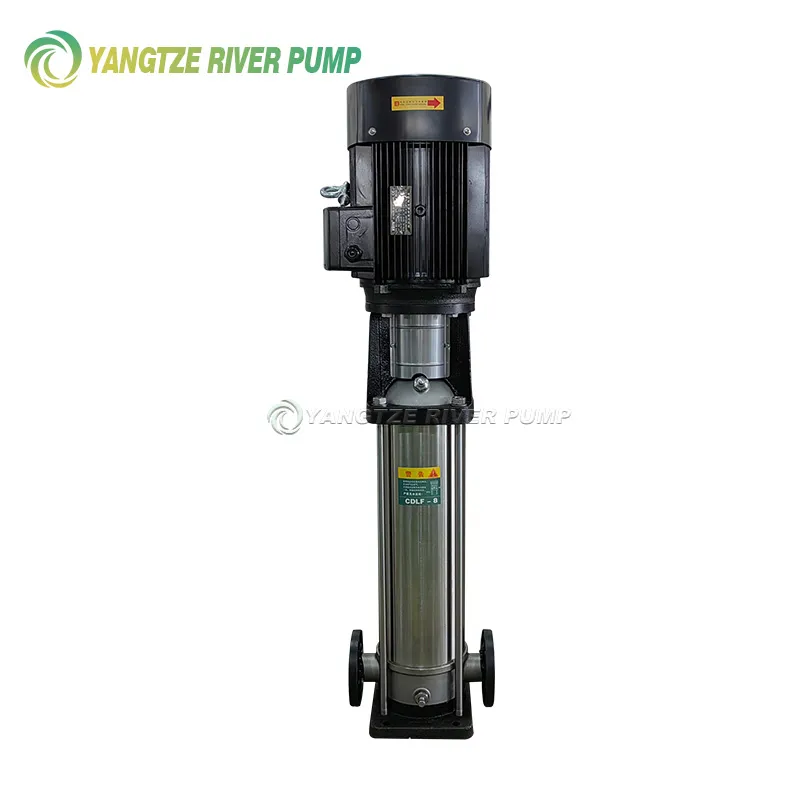

Best Sellingproducts
Best Selling Products-
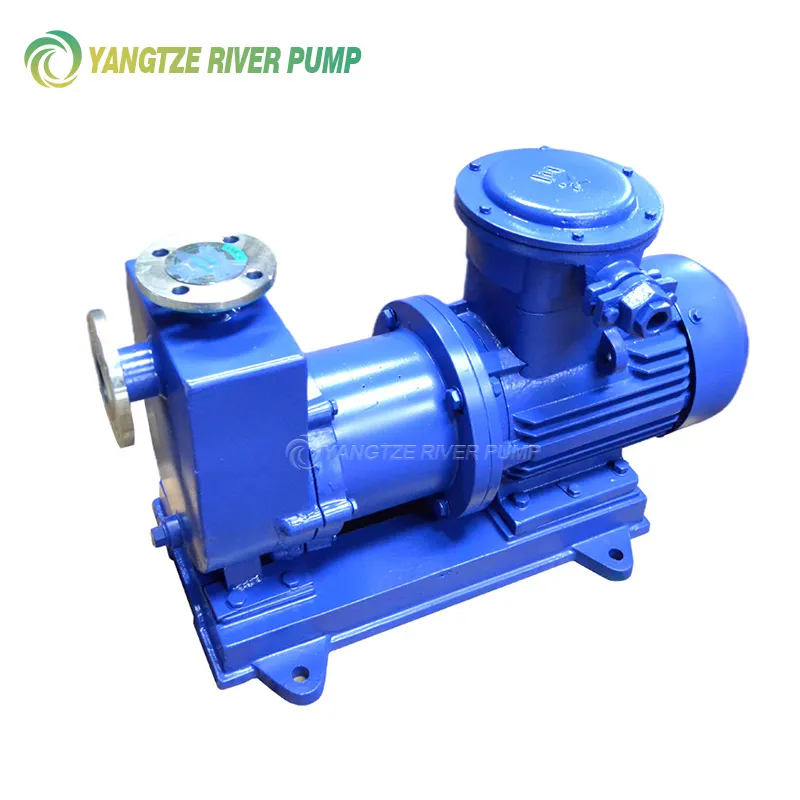 ZCQ Stainless Steel Self-Priming Magnetic Pumps
-
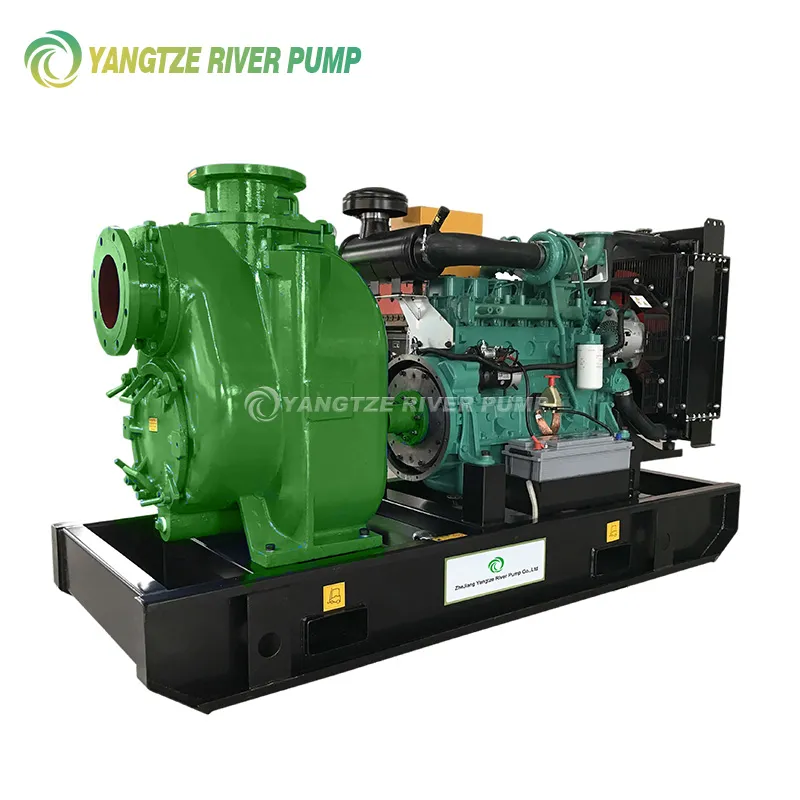 YZSP Diesel Self-Priming Pumps
-
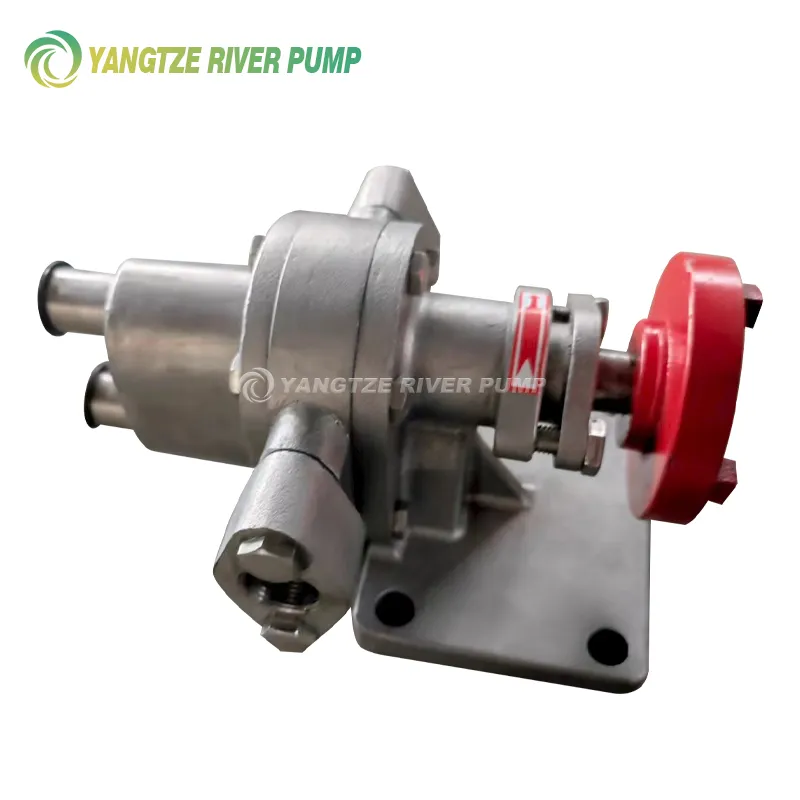 Gear oil pumps type KCB
-
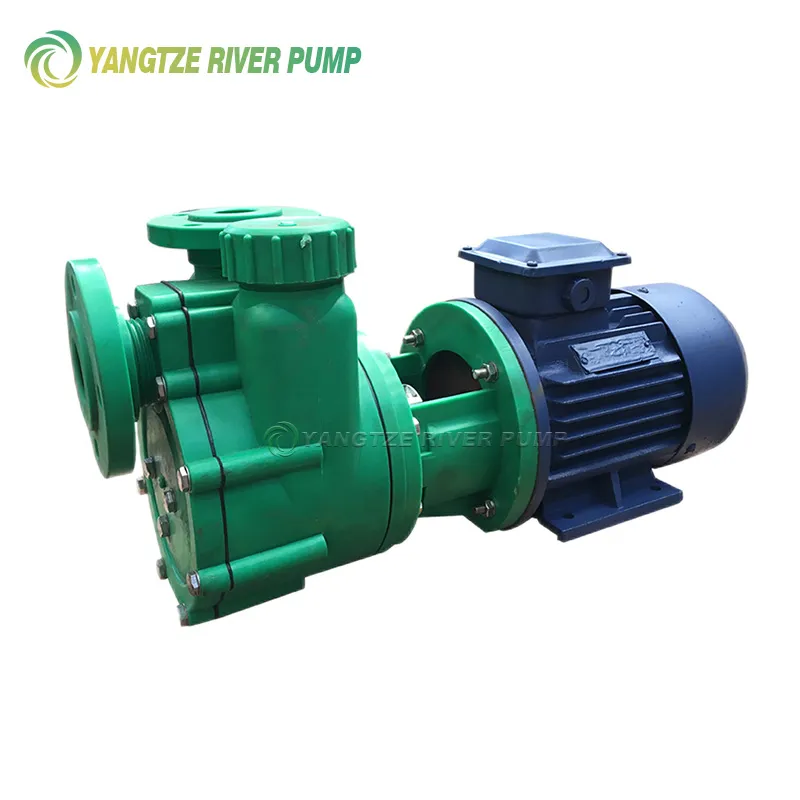 Plastic self-priming centrifugal pumps FP and FS
-
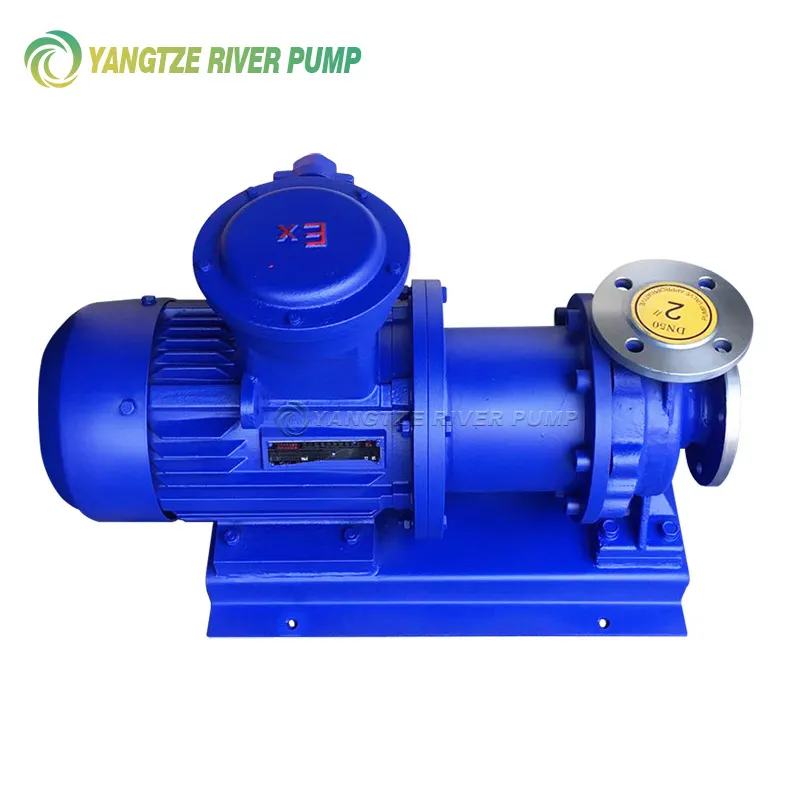 CQB Stainless Steel Magnetic Pumps
-
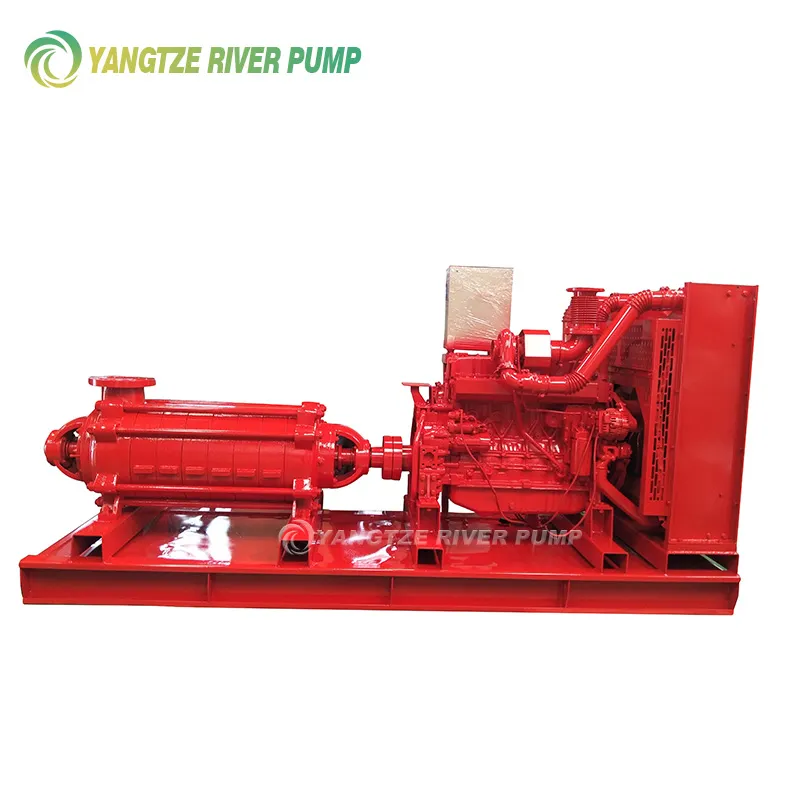 YZD Series Diesel Multistage Centrifugal Pumps
-
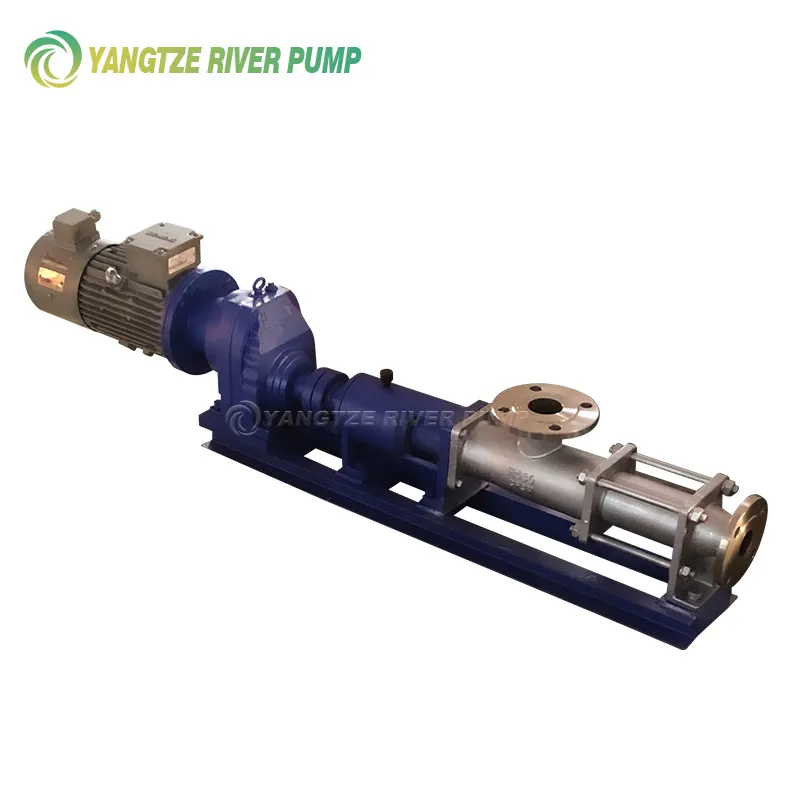 Geared screw pumps type G
-
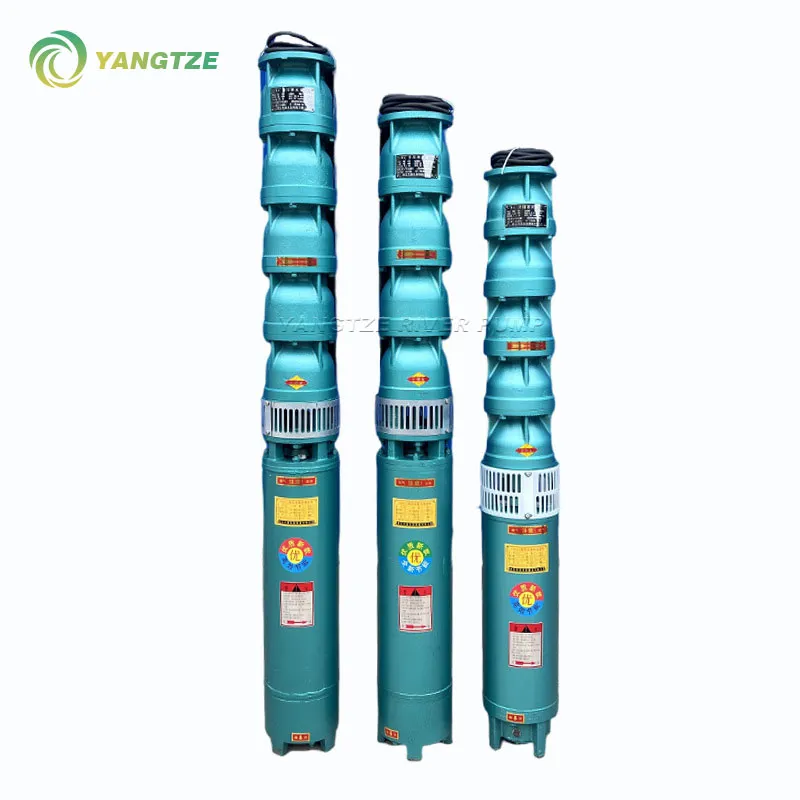 QJ type borehole pumps
-
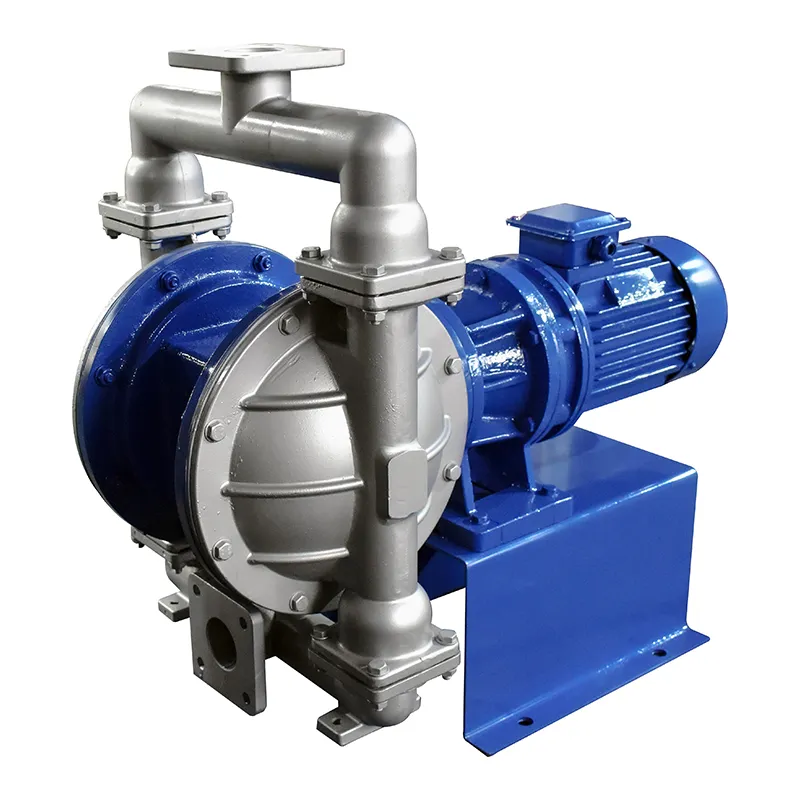 Metal electric diaphragm pumps DBY
-
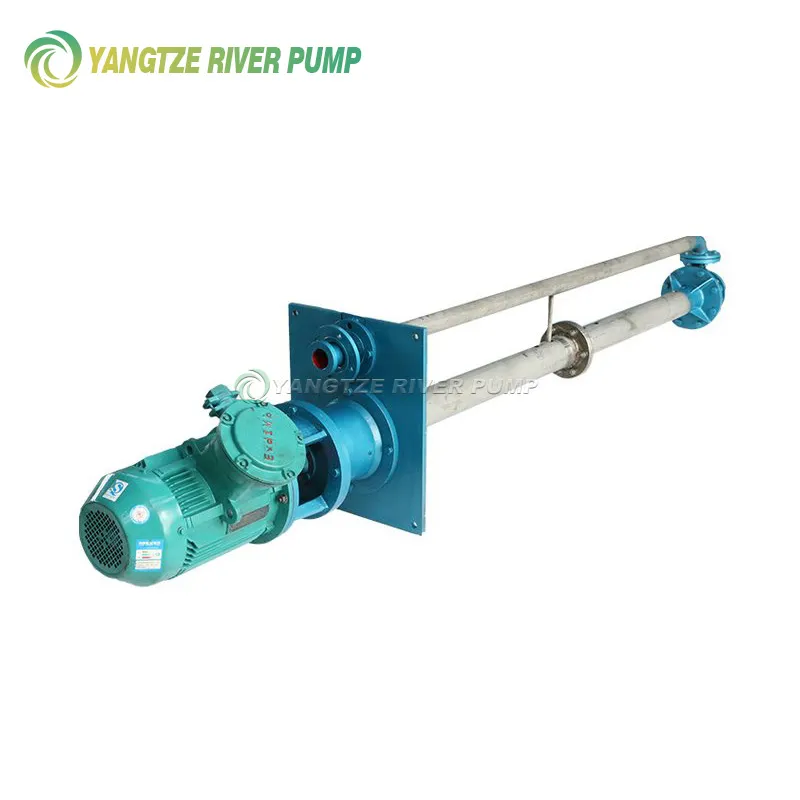 FY Submersible Chemical Pumps
-
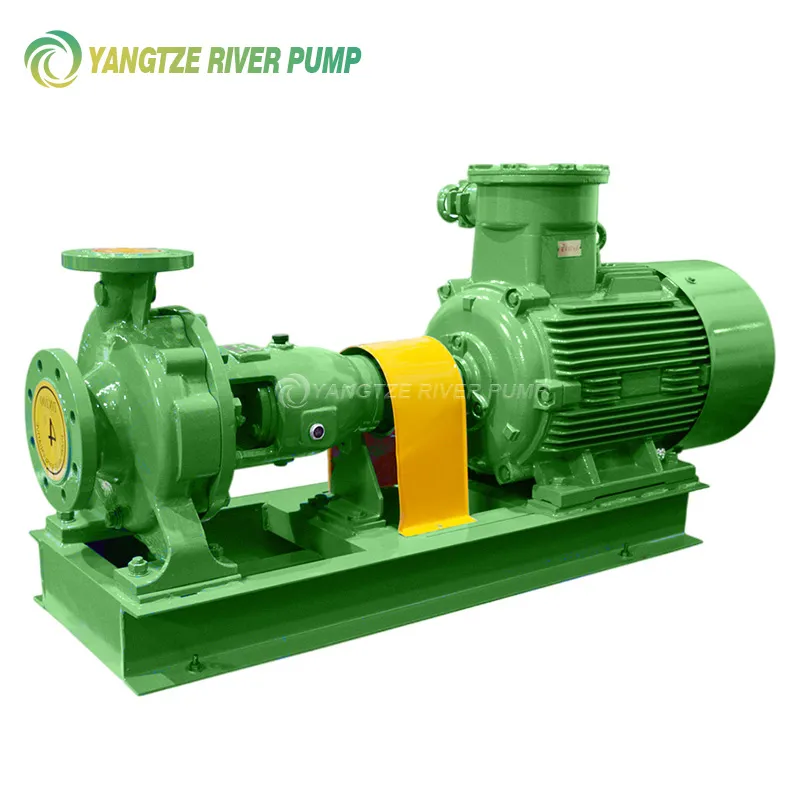 YCZ Chemical Process Pumps
-
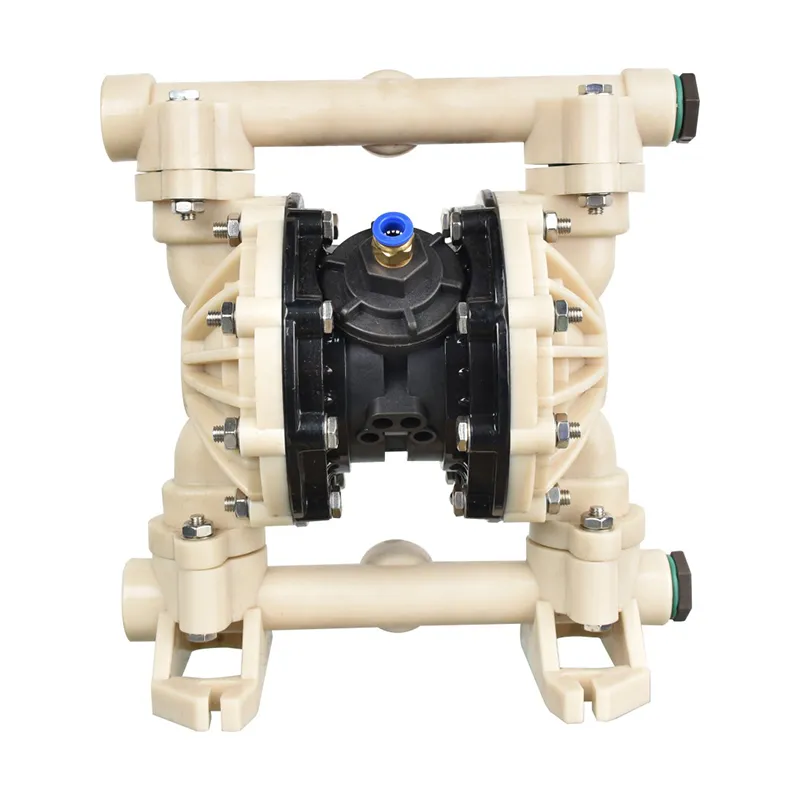 QBK Non-Metallic Air Operated Diaphragm Pumps
Relatedsearch
Related Search- ISW Single Stage Horizontal Pipeline Centrifugal Pumps
- submersible centrifugal pump 25
- Lightweight vertical multistage centrifugal pumps
- vacuum pump 220
- centrifugal hot water pump
- chemical horizontal centrifugal pumps
- deep well pump motor
- centrifugal pump 10 m3 h
- non-clogging wastewater pumps
- centrifugal mud pump