







centrifugal pump 15 kW
When you hear “centrifugal pump 15 kW?”, the first thing that comes to the mind of an inexperienced customer is some kind of standard, almost universal power. But this is where the main pitfall lies. 15 kilowatts is not a ready-made solution, but only a starting point for calculations. How many times have I come across a situation where a unit is delivered, connected, and it either does not pump enough, or the motor overheats, because they looked only at the engine power, forgetting about the pressure, flow and, most importantly, the characteristics of the network. It’s these nuances that are written in fine print in catalogues, and I want to speculate.
What's really behind that 15 kW?
Engine power is, roughly speaking, potential. But how this potential is realized in a specificcentrifugal pump- a design issue. A single-stage console pump of type K is one thing, a multi-stage sectional unit is another. With the first, at 15 kW, you can get a huge flow, but a relatively modest pressure. For the second, the flow will be less, but the pressure due to several impellers can be several times higher. Therefore, the request itself is ?15 kW? Without indicating at least the approximate parameters H and Q, this is a conversation about nothing.
I remember a project at one of the industrial sites: a pump was needed to pump condensate. The customer stuck to the figure of 15 kW, supposedly based on experience. They brought a standard single-stage pump. And the temperature of the liquid was under 90°C. Cavitation began almost immediately, and the seals began to go haywire. Later we realized that for hot media a completely different supply of liquid to the impeller was needed, and the materials were different. The power is the same, but the pump is different. This is about the importance of the environment.
That is why in our production inZhejiang Yangzijiang Pumping Industry Co.,LtdWe always insist on filling out the questionnaire. Without this, even with eight full production lines, from R&D to testing, you won't know what to ship. You can, of course, send a standardcentrifugal pump 15 kWfrom the line, but whether it will work optimally is a big question.
The temptation of ?universality? and why it failed
Many people think that since the pump is centrifugal, it is suitable for almost everything. From water to suspensions. This is a dangerous misconception. A standard cast iron impeller and clean water housing will quickly fail when pumping, say, abrasive slurry. We need wear-resistant alloys or coatings here. And for chemically active environments - already plastic or lined with chemically resistant polymers. By the way, we have a separate line of plastic chemical pumps in our assortment, but this is a completely different story, although the principle of operation is the same - centrifugal.
There was an incident during the installation of an irrigation system: a conventional 15 kW water pump was used to supply water from an open reservoir. After six months of operation, productivity dropped by half. We took it apart - the flow part was all covered in shells and silt. The design was not designed for such a contaminated environment, there were no seals to keep out sand, and there were no easily accessible inspection holes for cleaning. I had to change it to a special drainage version, although the engine power remained the same.
Hence the conclusion: a universal “work horse?” at 15 kilowatts does not exist. There are devices tailored for specific conditions. Our task as a manufacturer is not just to sell hardware, but to ensure that it works after sale. Therefore, test stands exist to check the characteristics not on water, but on a conditional clay solution, if required by the order.
Installation and “little things” that make all the difference
Let's say the pump is chosen ideally. The story does not end here, but is just beginning. How will you install it? A pump with a 15 kW electric motor is already a serious machine, weighing several hundred kilograms. Foundation, alignment of shafts, piping without unnecessary stress... It would seem that these are truisms. But how many times have I seen a pump hanging on pipelines like a New Year’s toy! Vibration, destruction of seals, overload of bearings - and hello, unscheduled repairs.
Installation is especially critical for multistage vertical pumps. There is the slightest misalignment - and the rotor begins to “play”, the steps rub. We are onyangtzeriverpump.ruWe always include detailed wiring diagrams, but, to be honest, not everyone studies them. More often they call when something is knocking or leaking.
Another point is the electrics. 15 kW at a voltage of 380V is a current of about 30A. Starter, protection, cable cross-section... And most importantly - the real voltage in the network. In remote villages it can drop to 340-350V. The engine will try to produce the stated power, overheat and eventually burn out. We install thermal protection, but it is better to immediately provide a power reserve or install a stabilizer. This is not paranoia, this is experience.
Comparison with other types: when is centrifugal not the best choice?
With all the love for centrifugals, one must soberly assess their boundaries. For highly viscous liquids, such as fuel oil or syrups,centrifugal pumpat 15 kW it will be extremely inefficient. Efficiency will drop catastrophically. This is where screw (single screw) pumps come into play. They are, of course, more complicated and more expensive, but for such tasks they are indispensable. We also have such lines in our production, so the comparison is always objective.
Or a task with high dosing accuracy. A centrifugal pump is a device for constant supply; its performance is regulated by a valve or variable frequency drive, but it is not suitable for precise portions. Here it is more logical to look towards diaphragm or plunger pumps.
Therefore, when a request comes to us, we first analyze the task. If you need to pump large volumes of clean or slightly contaminated water with constant parameters - yes,centrifugal pump 15 kWgreat choice. If the environment is specific, we offer other options from our model range: magnetic for complete tightness, self-priming for difficult flood conditions, submersible for wells.
Maintenance: before it's too late
The pump works and okay - I’ve seen this position often. And then you come to the call, and there is a replacement of the bearing assembly for the price of half a new pump. All because they did not change the oil seal packing in time or did not check the oil level (if the unit is oil). For 15 kW pumps with their loads, the maintenance schedule is not a whim, but a necessity.
Current trends are the transition to mechanical seals instead of oil seals. Fewer leaks, less maintenance. But they also have their own Achilles heel - they are afraid of dry running and abrasiveness in the liquid. One grain of sand may be missed, and it will scratch the ceramic rings - and that’s it, the seal will leak. Therefore, we return again to the importance of suction filters.
Our companyZhejiang Yangzijiang Pumping Industry Co.,Ltd, always completes pumps with passports with clear regulations. And we try to make structures repairable. To replace a seal or impeller, for example, the entire pipeline did not have to be dismantled. These are the parts that are valuable in the field, where every minute of downtime is a loss.
Instead of a conclusion: thinking out loud
As I write this, I understand that the topic is inexhaustible. We can talk for a long time about the selection of a frequency converter for soft starting, about noise and vibration characteristics, about working in tandem with other pumps. The main thing I wanted to convey is the figure? 15 kW? this is just the beginning of the dialogue. The real work begins after you understand what is behind this power: what environment, what pipelines, what operating mode.
It is for this integrated approach that we have built a full production - from the design bureau, where they can adapt the drawing to a non-standard flange, to the testing center, where they can “drive” it. pump on the customer's real liquid. So that later there will be no excruciating pain for wasted kilowatts and a unit that fails prematurely.
Therefore, if you ask aboutcentrifugal pump 15 kW, get ready to answer a bunch of counter questions. This is not nitpicking, but an attempt to ensure that the equipment works out its full service life. After all, in the end, the right pump is the one that you forget about after starting, because it just quietly and reliably does its job.
Correspondingproducts
Related Products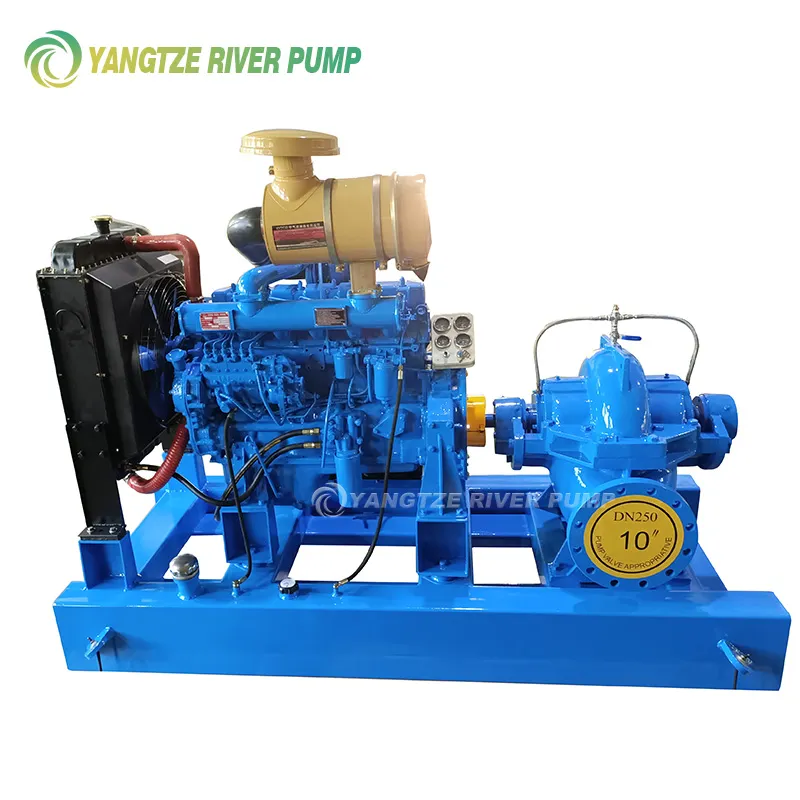
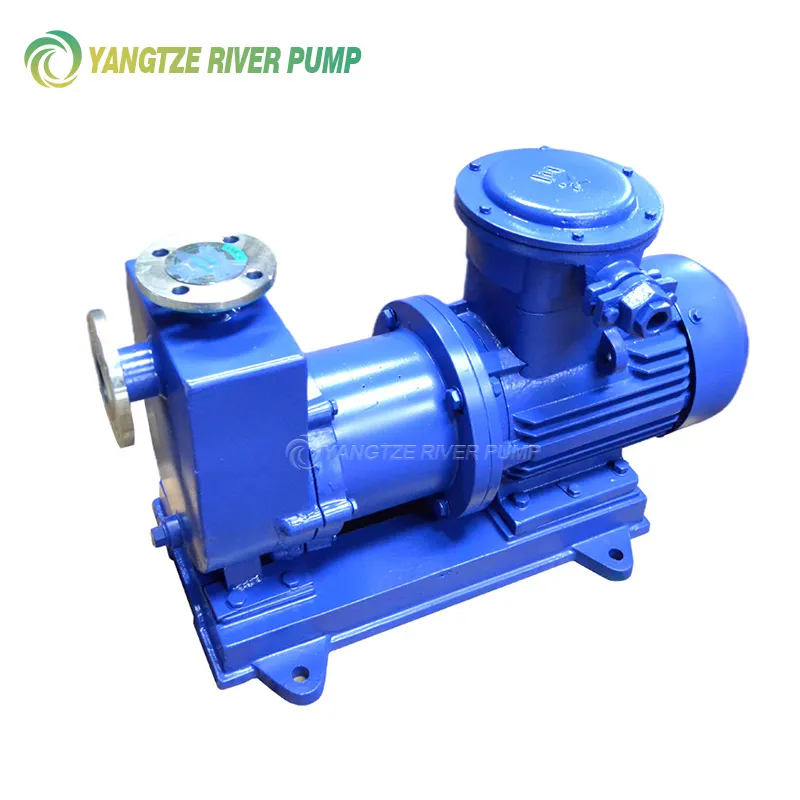
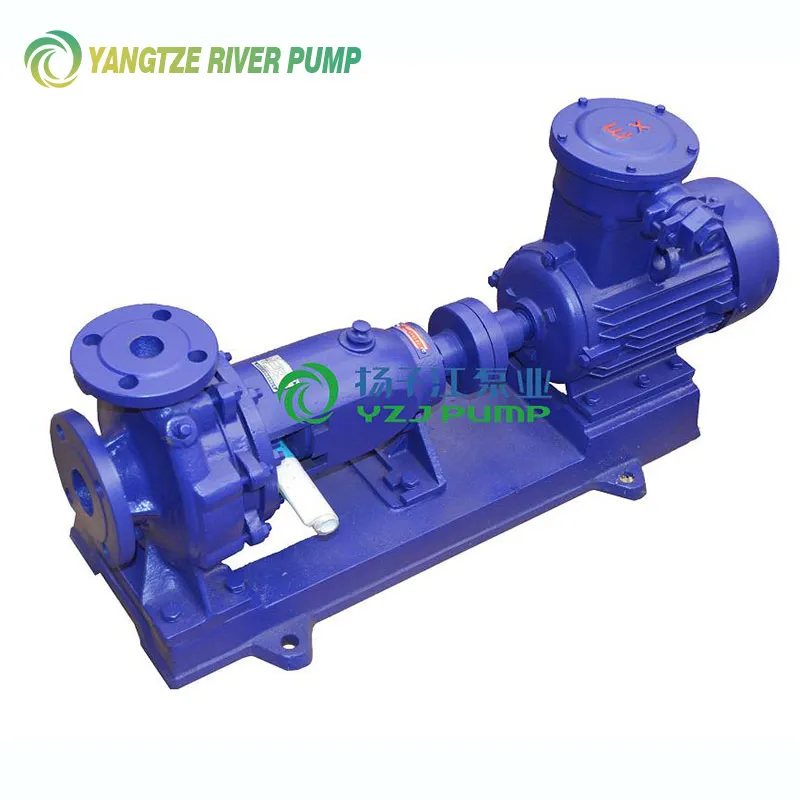

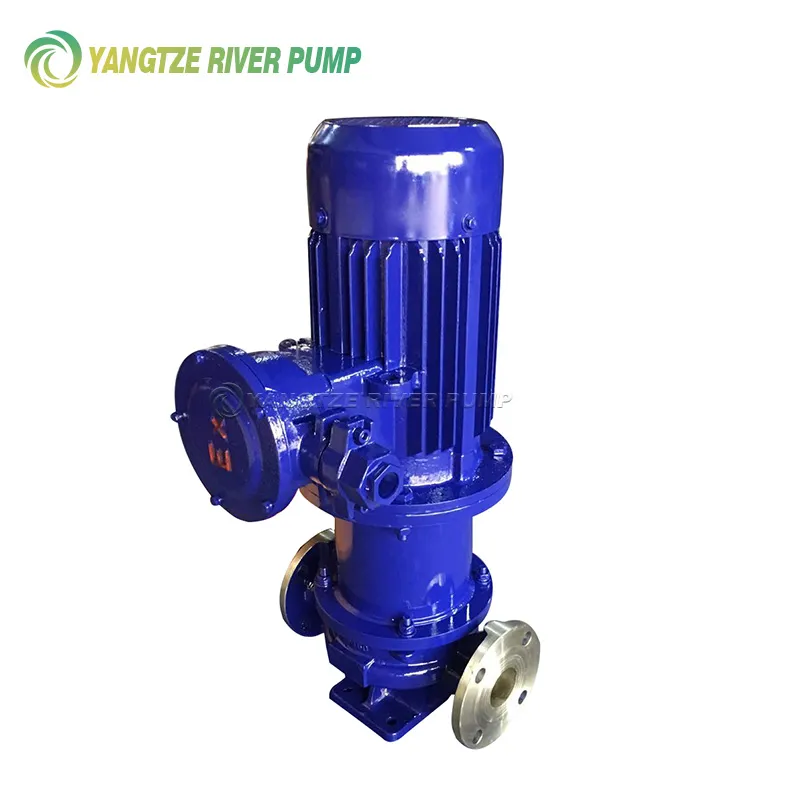

Best Sellingproducts
Best Selling Products-
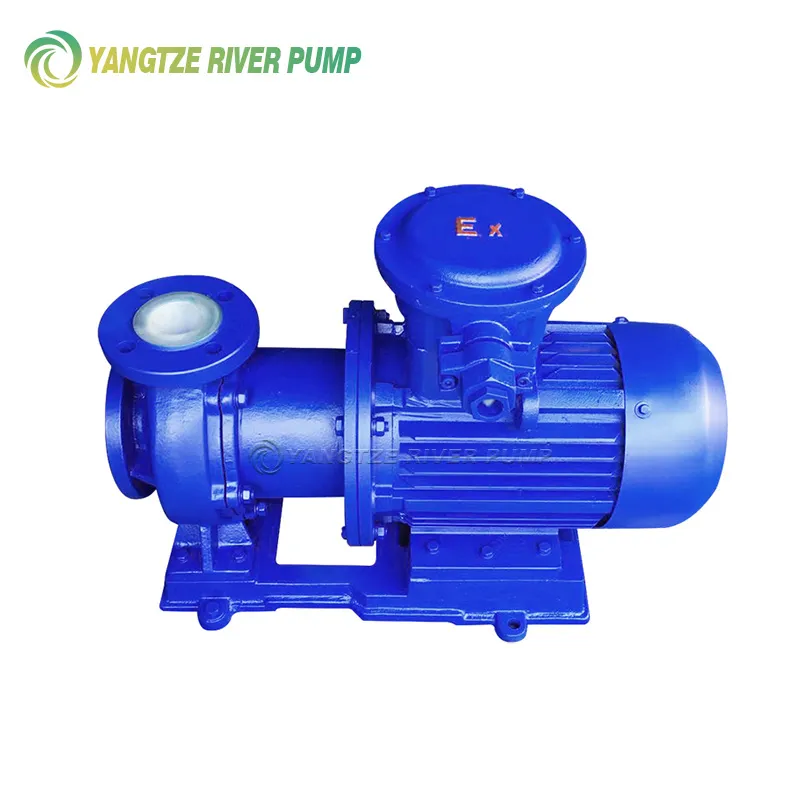 Magnetic pumps with fluoroplastic lining CQB-F
-
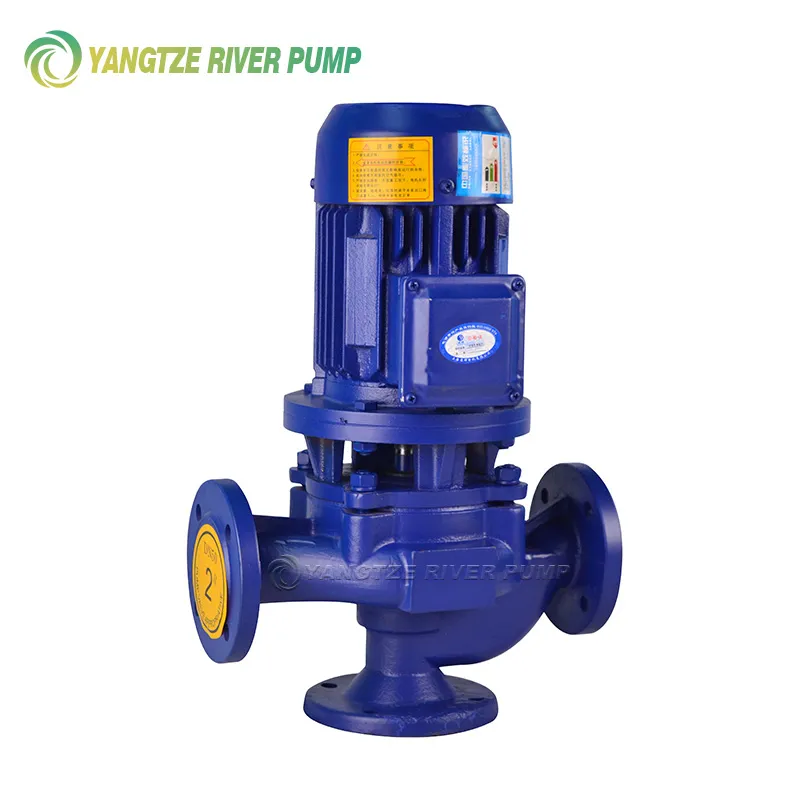 Pipeline wastewater pumps GW
-
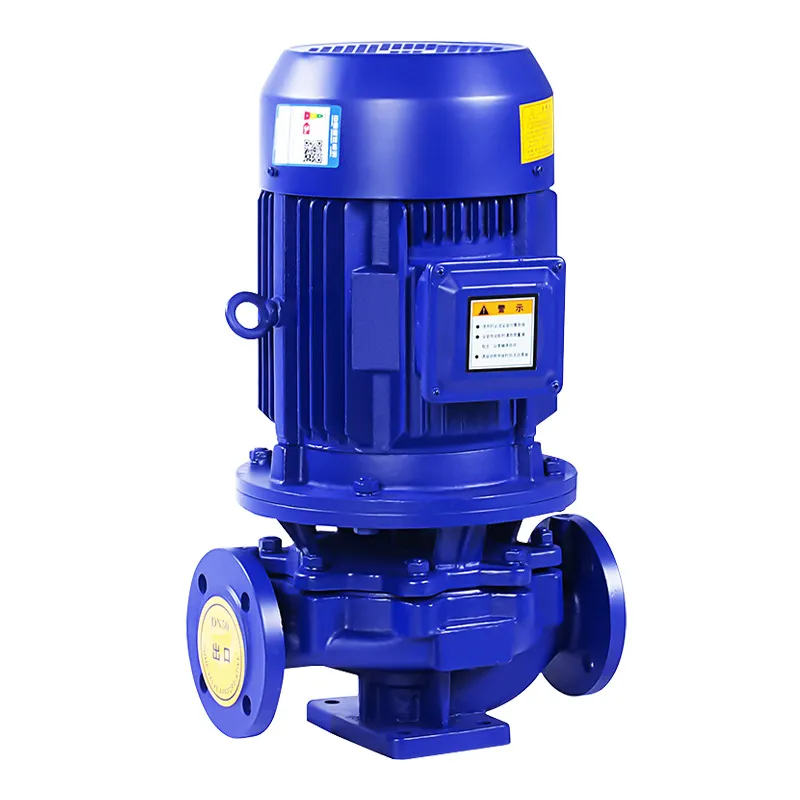 Vertical single-stage pipeline centrifugal pumps ISG and IHG
-
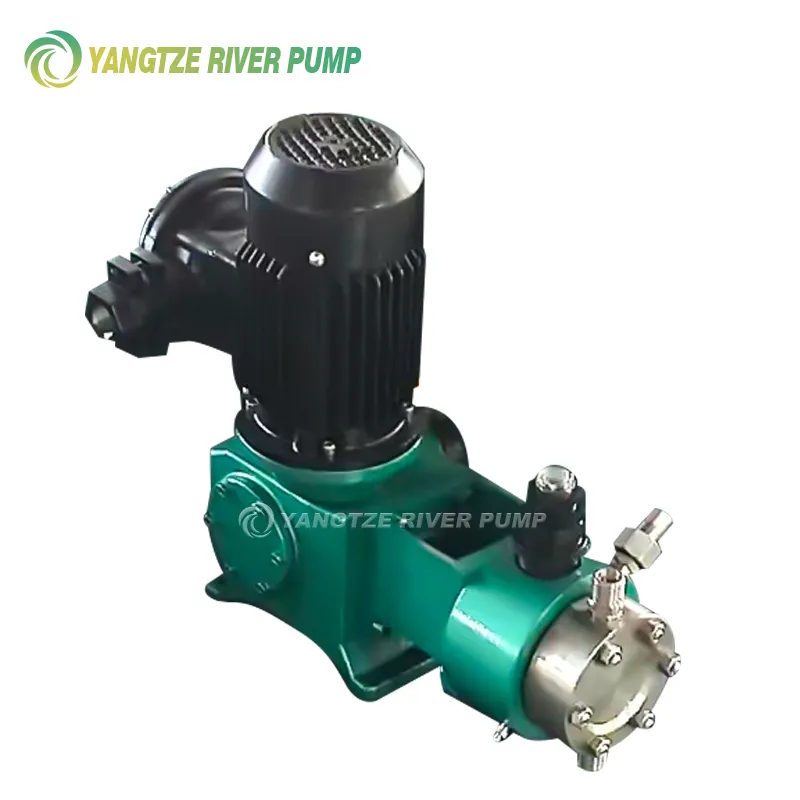 Plunger dosing pumps type DZ-X
-
 IHF PTFE Chemical Centrifugal Pumps
-
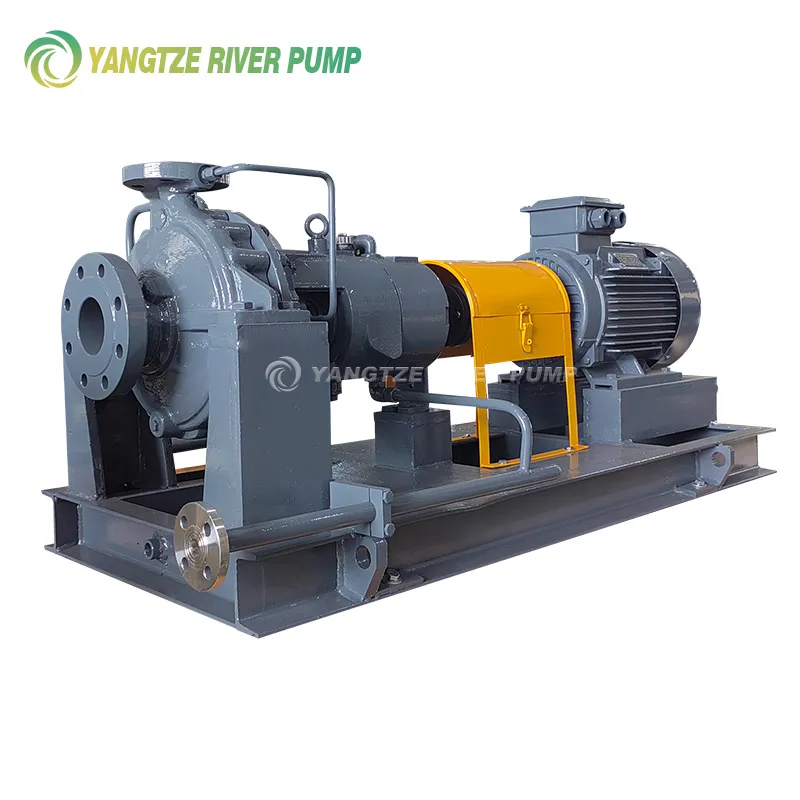 Petrochemical Process Pumps API 610 YZE
-
 Complete water supply installations with frequency regulation and constant pressure CDLF
-
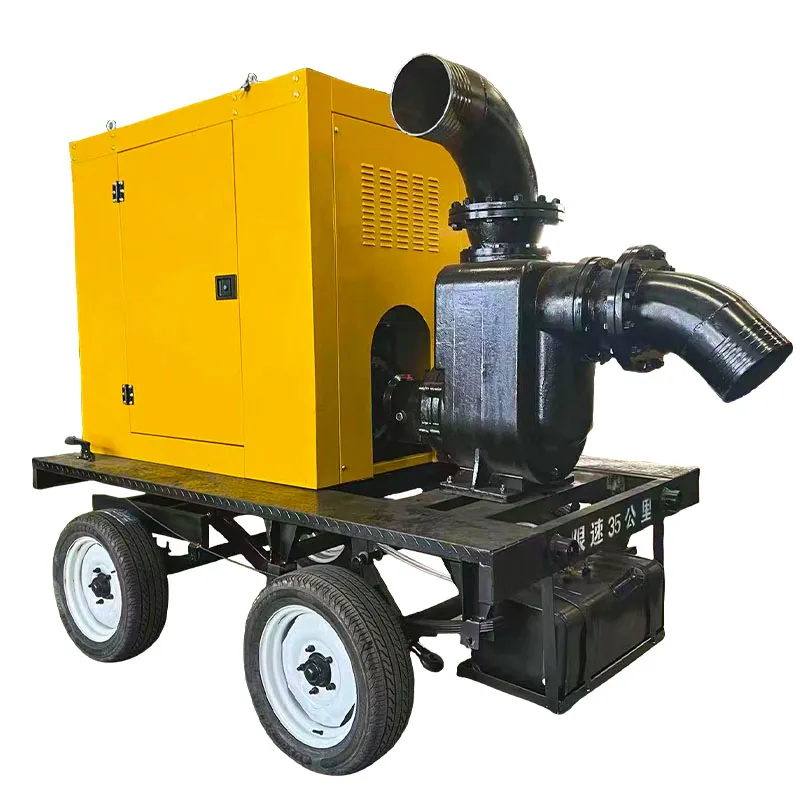 YZZW Diesel self-priming pumps
-
 Horizontal multistage pumps for feeding DG boilers
-
 Vertical multistage centrifugal pumps made of stainless steel (light series) CDL and CDLF
-
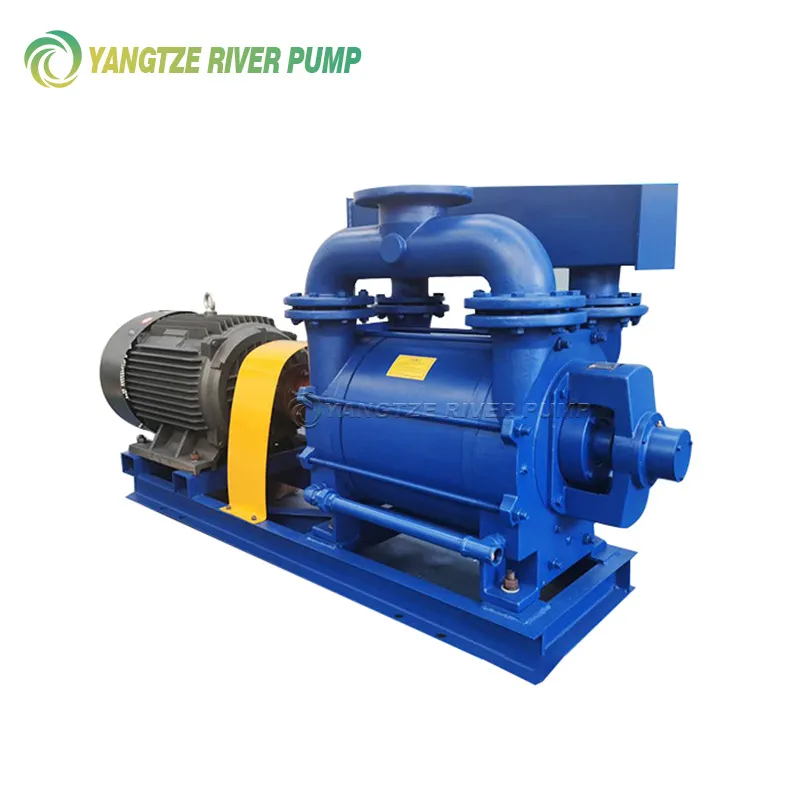 Liquid ring vacuum pumps type 2EB
-
 Metal pneumatic diaphragm pumps QBK
Relatedsearch
Related Search- Diesel self-priming pumps
- submersible well pump 380
- sewage pump
- CDL Vertical multistage centrifugal pumps made of stainless steel (light series)
- centrifugal pump 1.1 kW
- diaphragm pump system
- centrifugal pump components
- centrifugal linear pump
- Corrosion resistant stainless steel centrifugal pumps
- screw pump diagram