







centrifugal pump 1 5 20
When you see “centrifugal pump 1 5 20” in a specification or request, the first thought is most likely about flow and pressure. 1.5 m3/h, 20 meters. It seems simple, a typical unit for pumping water. But here lies the first pitfall, which many people forget about. Numbers are not a verdict, but a starting point. How many times have you encountered the fact that a customer, focusing only on these parameters, chose a pump, which then either “suffocated?” on a real line due to hydraulic losses that were not taken into account, or it worked at half capacity, wasting extra energy. This is especially true for this particular range - low costs, but decent pressure. Here, not just any single-stage will do; you start looking towards multi-stage solutions or specific impeller configurations.
Why? 1.5 per 20? - this is a whole class of problems
This parameter is not a niche, but a whole layer of applications. Water supply for small cottages, booster stations in high-rise buildings where it is necessary to catch up with pressure on the upper floors, water supply for sinks, technological lines in the food or chemical industry, where an accurate and stable supply is required. The key word is stability. A pump with such characteristics often works not on an open pipe, but in a system where there are check valves, filters, and heat exchangers. And if its pressure curve is “flat”, any change in the network will lead to a sharp drop in parameters.
Therefore inZhejiang Yangzijiang Pumping Industry Co.,LtdThere is a special approach to such models. At our test benches, they always run the pump not only on clean water, but also with simulating network resistance. It is important to check how, conditionally, ourmultistage centrifugal pumpCDL series or compact linear pump when the pressure “jumps”. Often the solution lies not in increasing power, but in the correct selection of the number of stages or impeller material - for aggressive environments we already look asideplastic chemical pumpsfrom PVDF or PP.
There was a case where for one chemical plant they selected a pump just 1.6 cubic meters and 22 meters long to pump a weak acid solution. At first they proposed a standard stainless steel option, but based on the results of an analysis of the environment and temperature conditions, they settled onchemical pumpwith magnetic coupling. Why? Avoiding shaft leaks is critically important. And the “centrifugal”? with a magnetic drive from our line just gave the necessary parameters with a margin of pressure and completely solved the issue of tightness. This is to the question that the numbers in the request are just the tip of the iceberg.
Tests and “field”: where the real picture is born
All eight of our production lines, from R&D to final testing, are designed to ensure that the numbers in the catalog match what will be on site. Ccentrifugal pumpsLow productivity has a specific point - the influence of cavitation. It seems that a pressure of 20 meters is nonsense. But if the suction line is long or there are local resistances, cavitation may appear sooner than expected. During testing, we specially create conditions close to “field conditions”: we throttle the suction, change the temperature of the pumped liquid.
This is especially important forself-priming pumps, which are often used in this range of 1.5-20 for water supply. Their ability to re-air and maintain pressure is tested by dozens of “dry” cycles. launch. I remember how we were setting up the parameters of one such unit for an irrigation system: the client complained that after stopping the pump, it lost its fill. It turned out that the problem was not in the pump, but in the check valve on the suction, which was leaking. But our tests helped to quickly localize the problem not at the facility, but also at the stand, selecting a model with a more powerful initial moment to overcome this resistance.
That's why on the siteyangtzeriverpump.ruWe try to post not only dry graphs, but also descriptions of typical piping schemes for such tasks. Because the pump is a node in the system. And his work depends 100% on how he was “tied up”.
Materials and configurations: from water to aggressive media
Returning to our “pump 1 5 20”. If it is water, most often a cast iron body and an impeller made of brass or stainless steel are sufficient. But as soon as we talk about other liquids, the fun begins. In our assortment for such parameters there are alsosubmersible pumpsstainless steel for wells, anddiaphragm pumpsfor precise dosage, and as I already mentioned, a complete lineplastic chemical pumps.
The choice of material is always a compromise between cost, durability and performance. For the same flow rate of 1.5 m3/h, a plastic pump may have a slightly lower efficiency due to the hydraulics, but its resistance to acids or alkalis makes it indispensable. We manufacture these models with a PVDF body and impeller, allowing them to handle a very wide range of chemicals at room temperature.
But for high temperatures or abrasive suspensions we are already looking at other options. Sometimes the right decision is notcentrifugal, andsingle screw pump, if the medium is viscous or contains solid inclusions. Although its pressure and flow parameters will be selected according to other curves. This is to the question that first is the task, and then the type of pump.
Service and feedback: what they bring from the sites
Any, even the most well-functioning production line, will not give a complete picture without feedback from installers and operators. Regarding our pumps, including those in the 1.5-20 range, we often receive not so much complaints as questions about adaptation. Is it possible to install a frequency converter? How will the pump behave when constantly operating at partial loads?
Here experience shows that modernlinear centrifugal pumpswith compact flange connection and standard motor, they are best suited for integration into automated systems. Their operating curves are predictable, and the motor can often be replaced with any analogue of the required size, which is appreciated by field service engineers.
One of the frequent “field” problems - vibration. It would seem that there is a small pump that vibrates there. But if it is placed on a light partition or the suction pipeline is installed incorrectly (for example, without support in front of the pump), noise occurs and accelerated wear of the oil seals or mechanical seals occurs. In our instructions, we now make, in a separate paragraph, recommendations for installation and wiring specifically for low-power units, based precisely on such cases. This is the very practice that you will not find in textbooks.
Instead of a conclusion: thinking out loud
So, when you see “centrifugal pump 1 5 20”, you shouldn’t think about something simple and typical. Behind these figures are water treatment systems, dosing of reagents, and irrigation of small fields. The manufacturer’s task is not just to sell a unit with suitable numbers on the tag, but to help choose a solution that will work for years. Sometimes this will be our standardmultistage centrifugal pump, sometimes - specialized magnetic or plastic. The main thing is to understand what exactly we are pumping, under what conditions and with what “surprises?” the pump may collide in the system. This is precisely what all stages of work inZhejiang Yangzijiang Pumping Industry Co.,Ltd: from the drawing in the development department to the final tests for the specific conditions of the customer. Everything else is just details.
Correspondingproducts
Related Products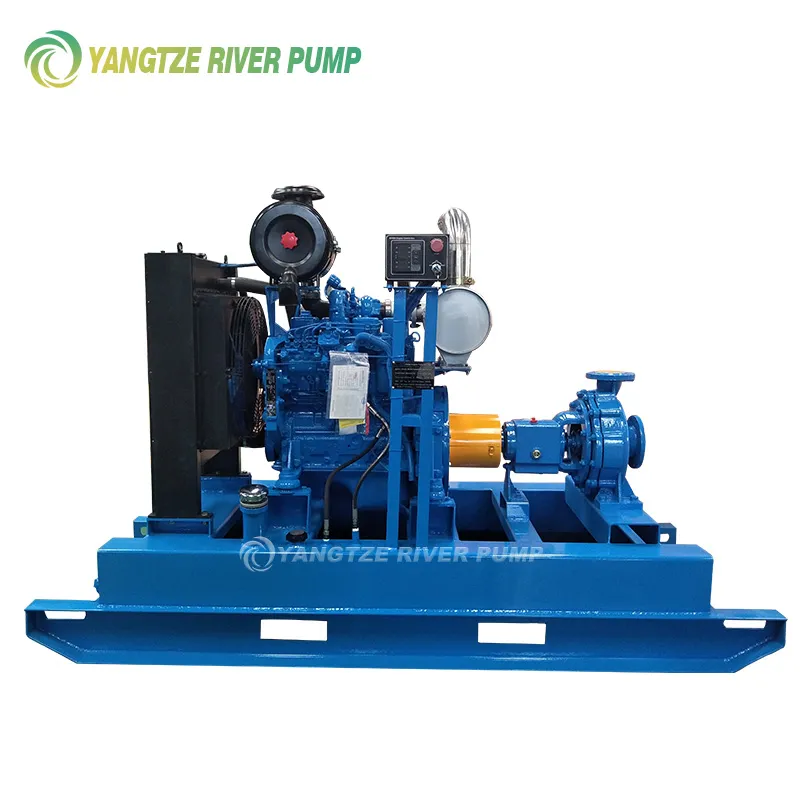
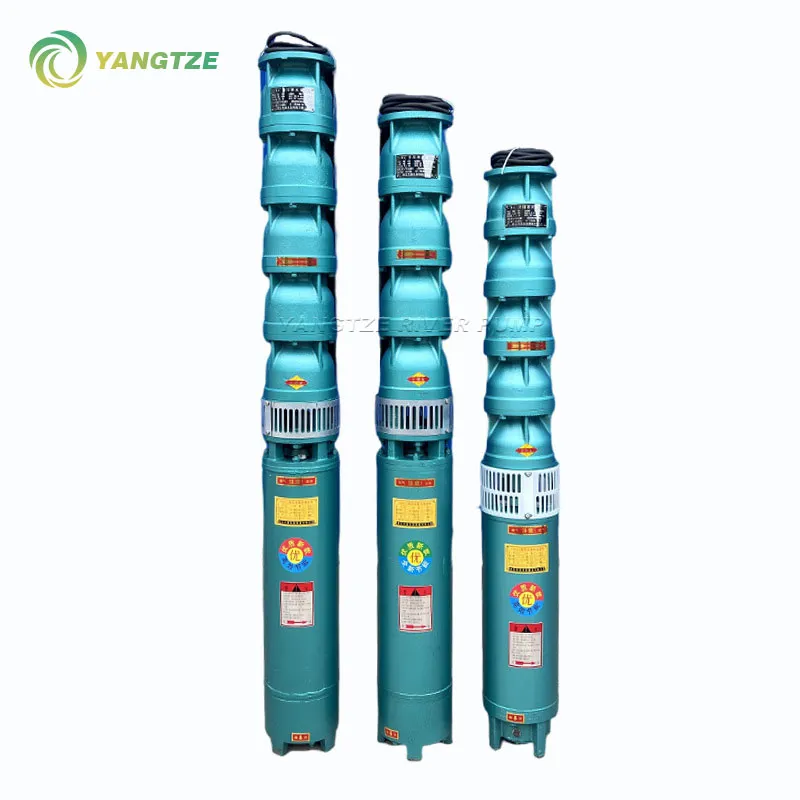
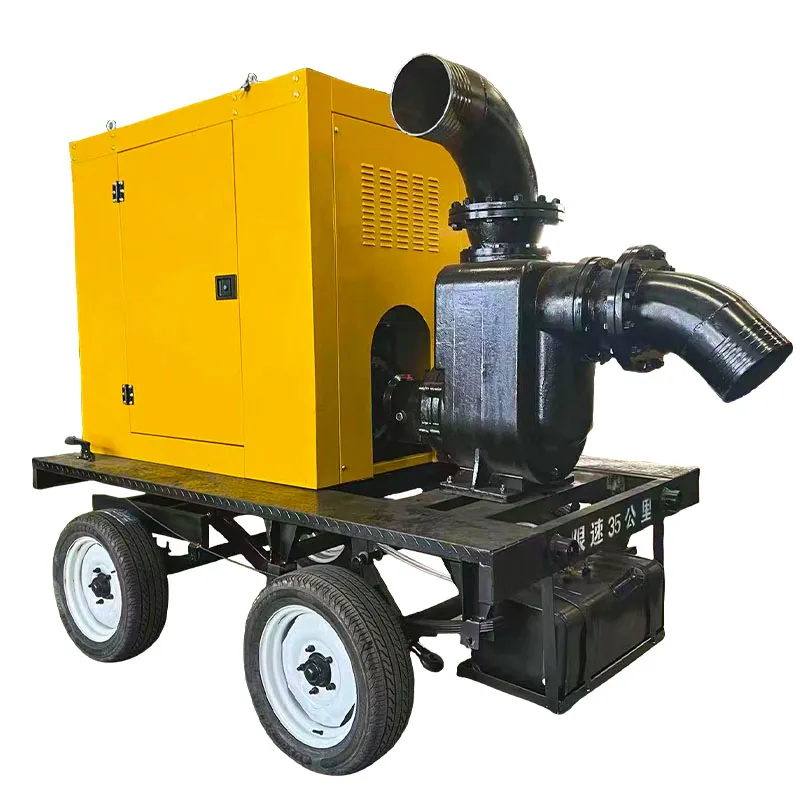
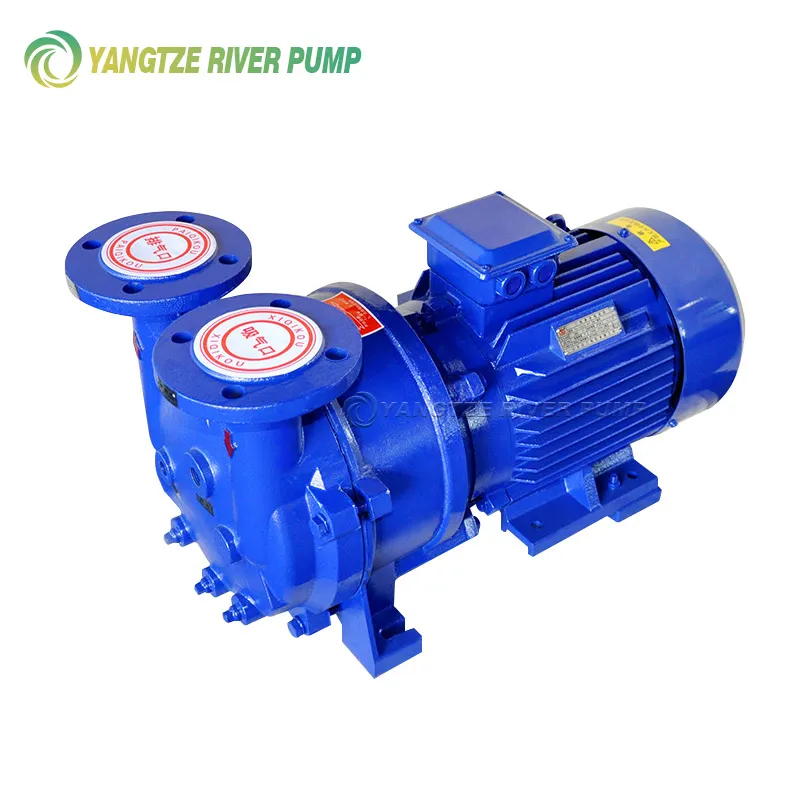
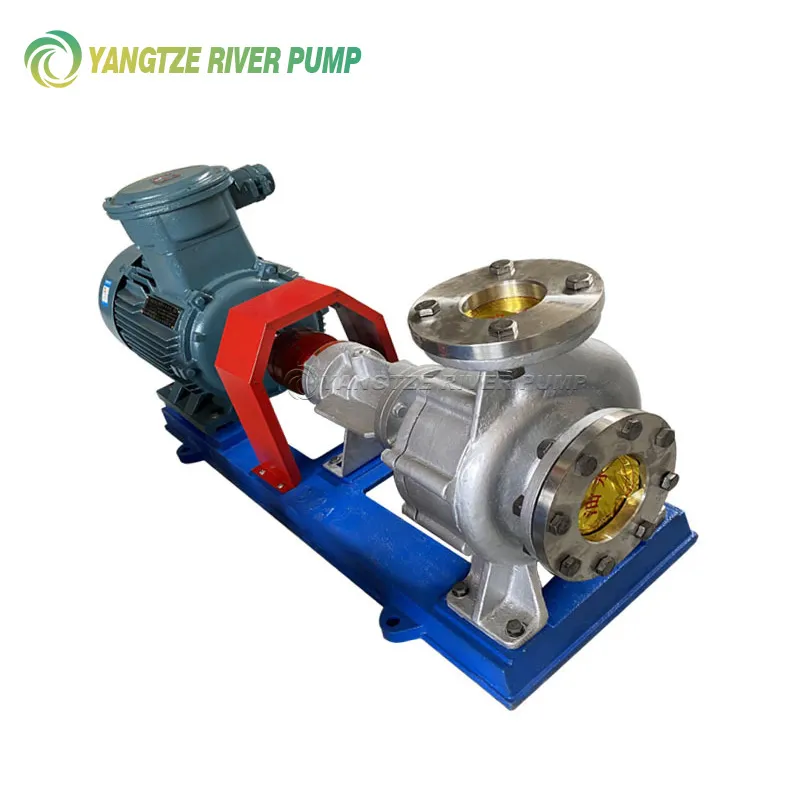
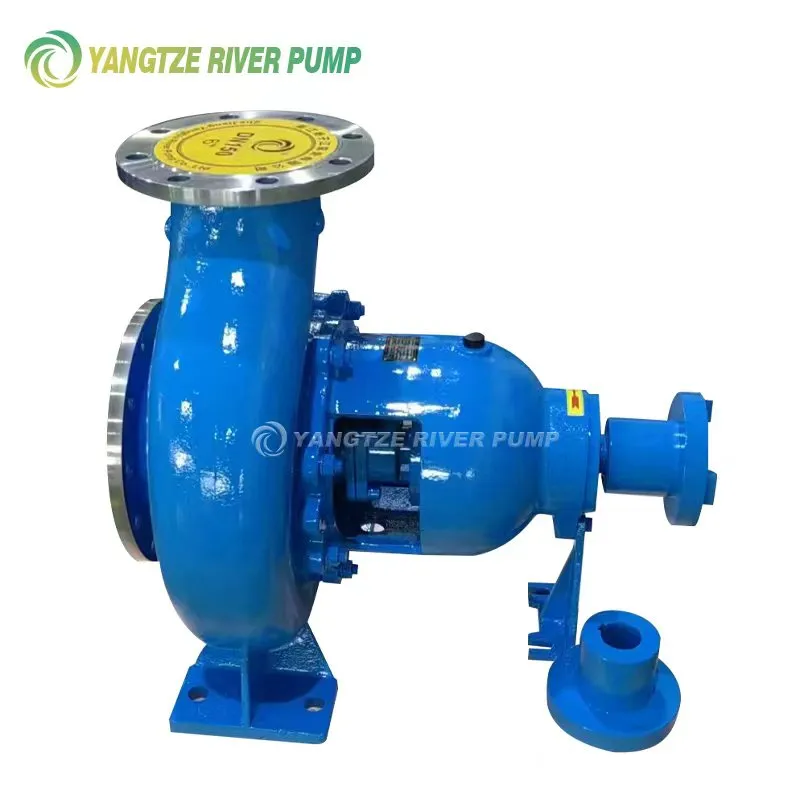

Best Sellingproducts
Best Selling Products-
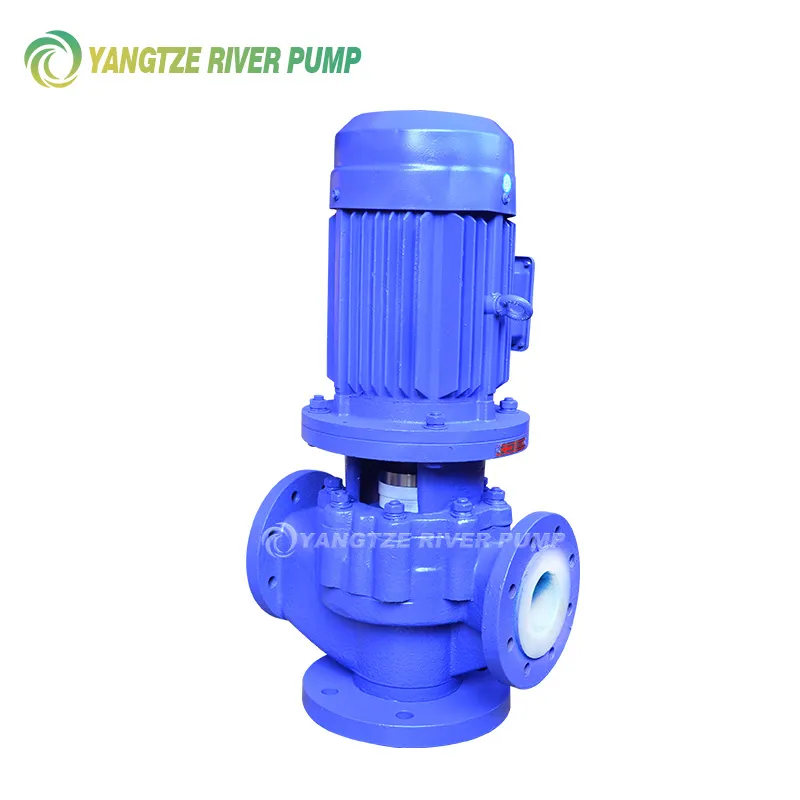 Vertical pumps with PTFE lining YQF
-
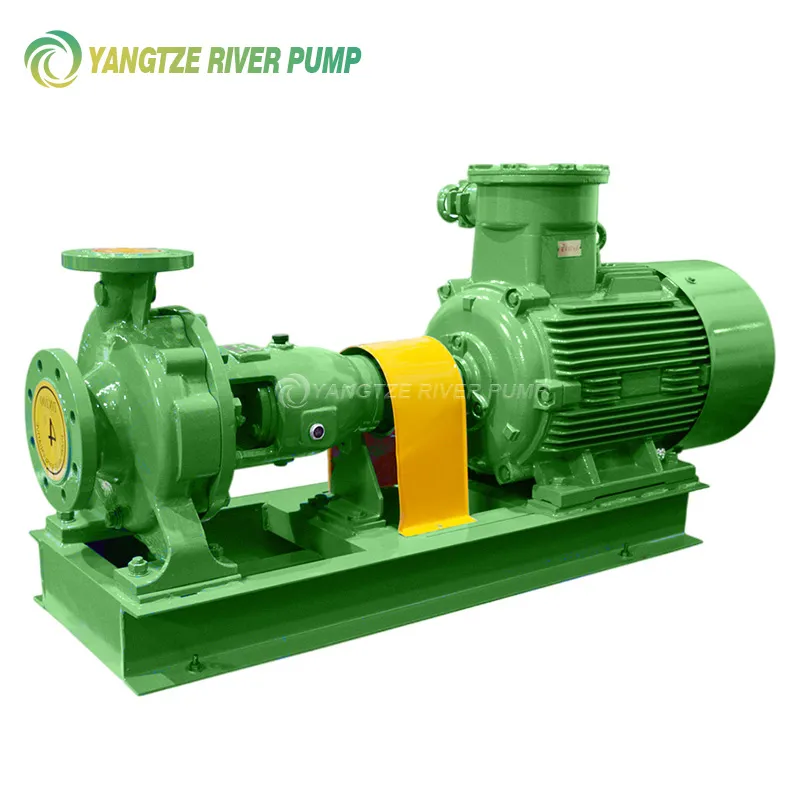 YCZ Chemical Process Pumps
-
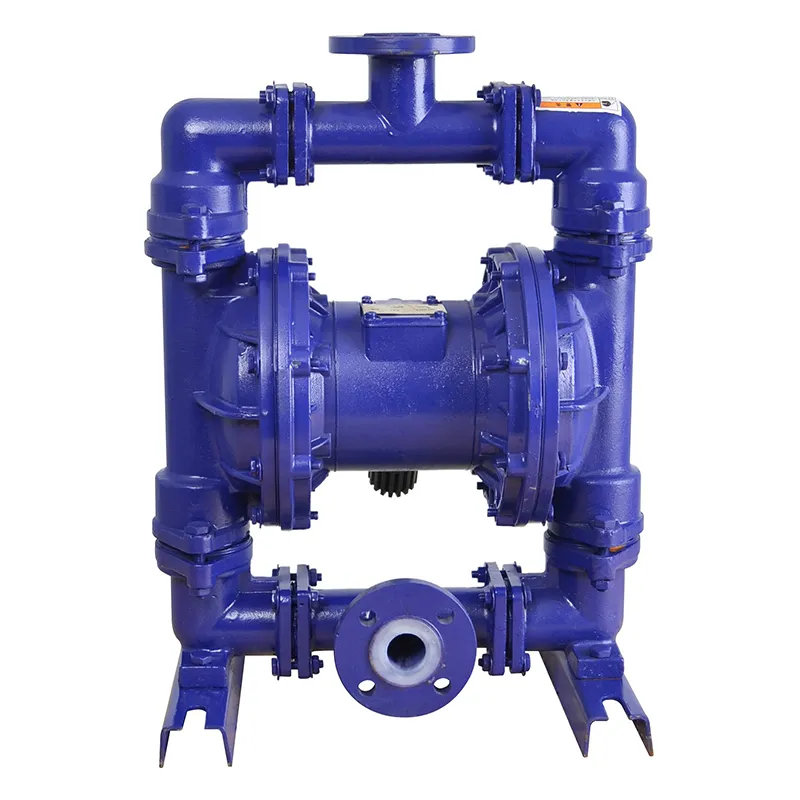 Metal pneumatic diaphragm pumps QBK
-
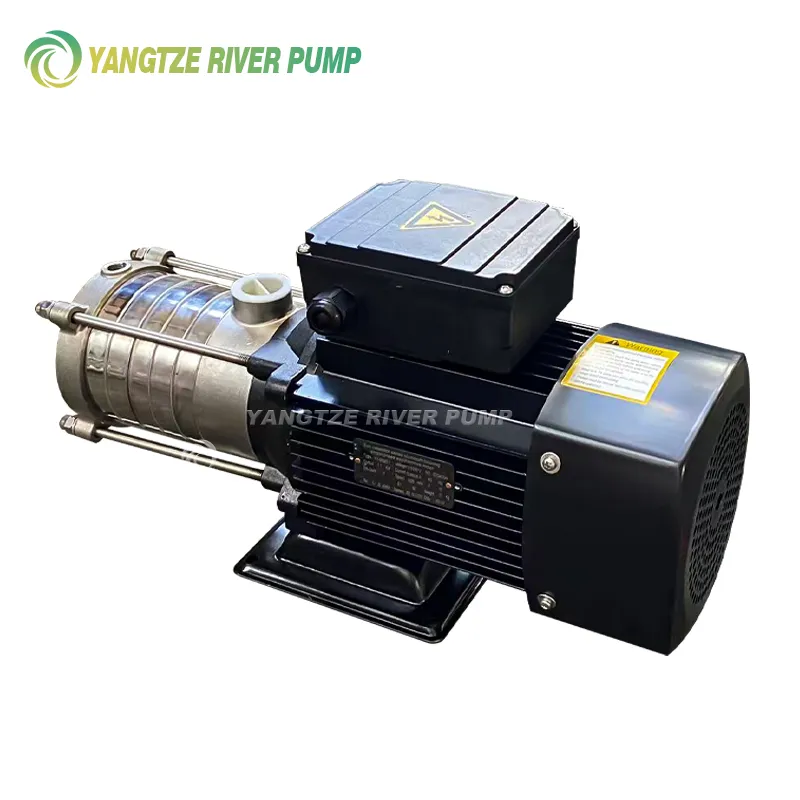 Horizontal multistage centrifugal pumps (light series) CHL and CHLF
-
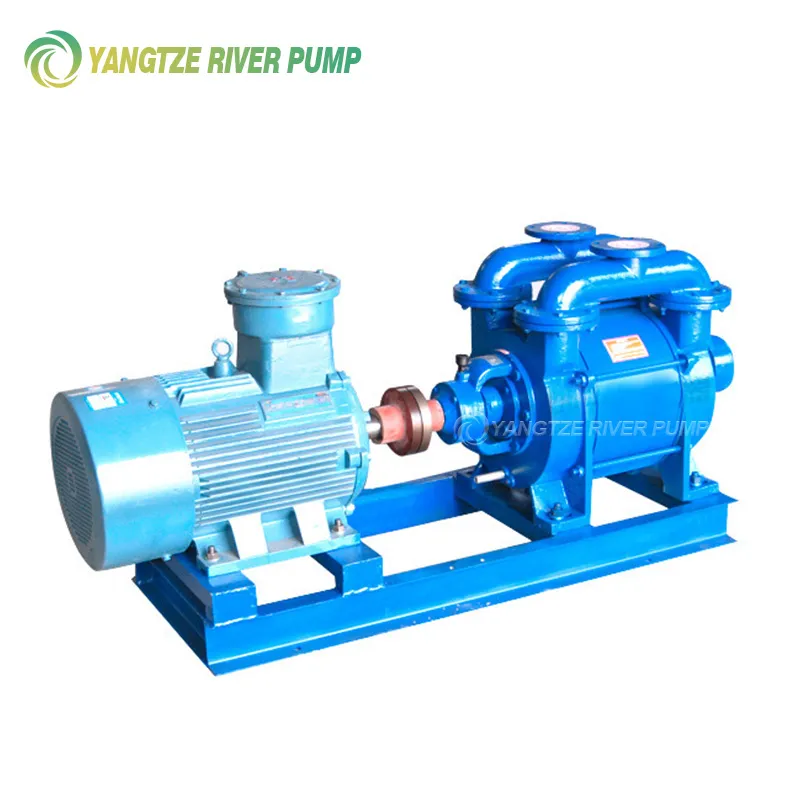 Liquid ring vacuum pumps type SK
-
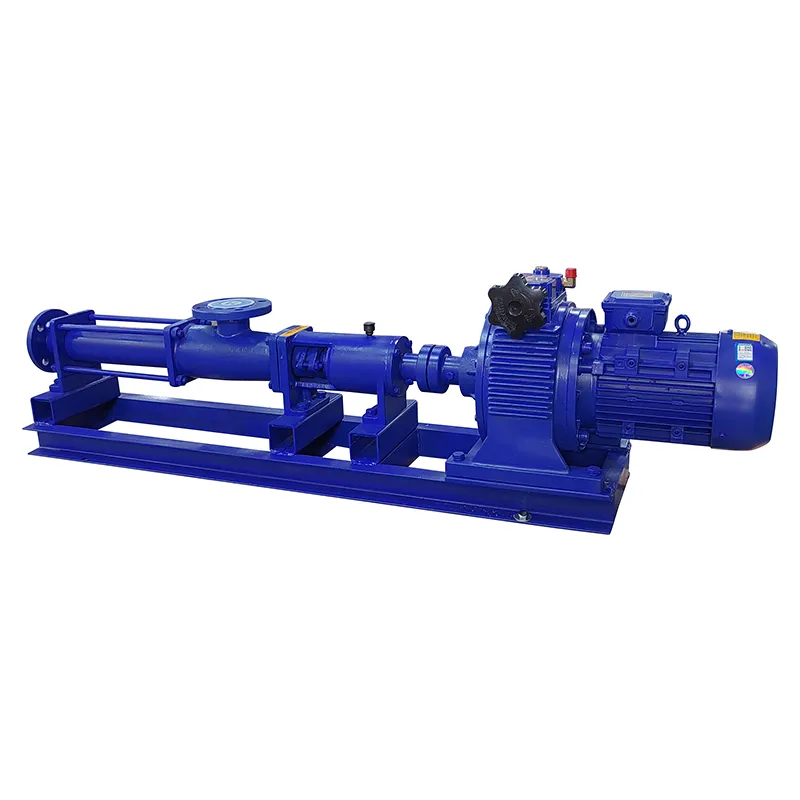 Infinitely variable screw pumps type G
-
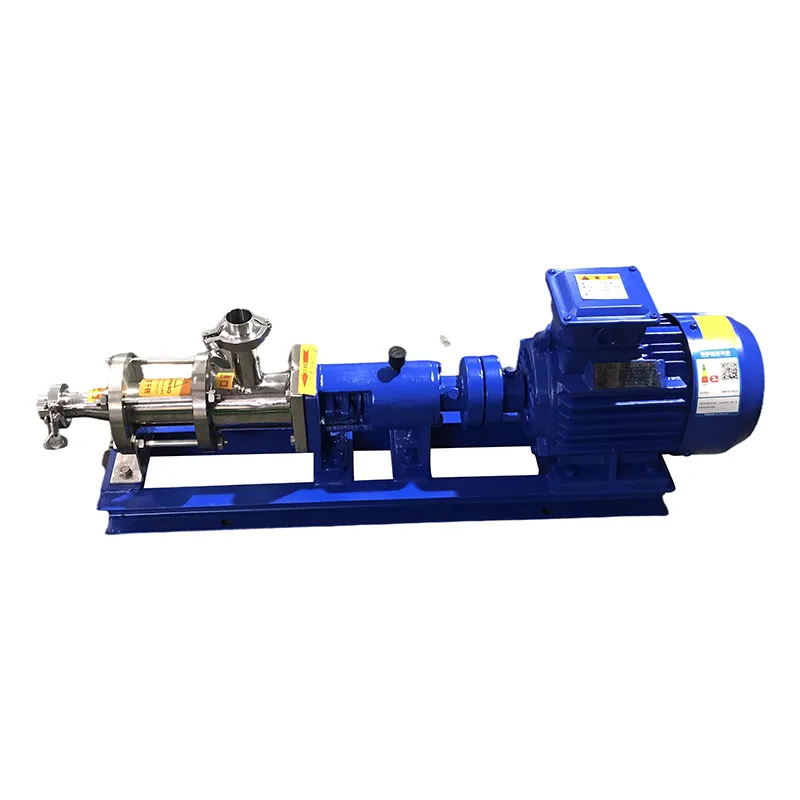 Sanitary screw pumps type GF
-
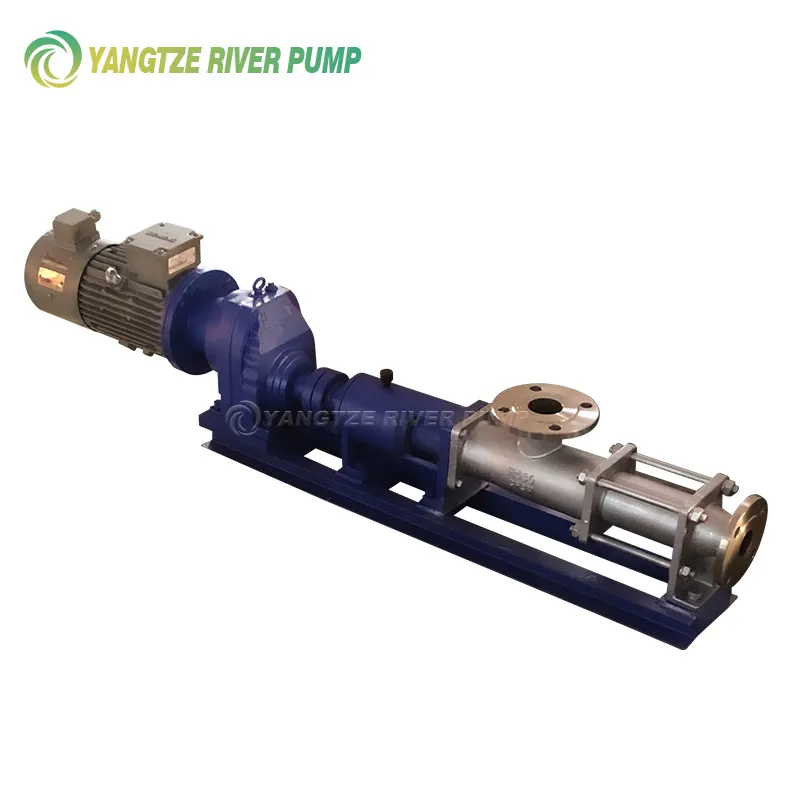 Geared screw pumps type G
-
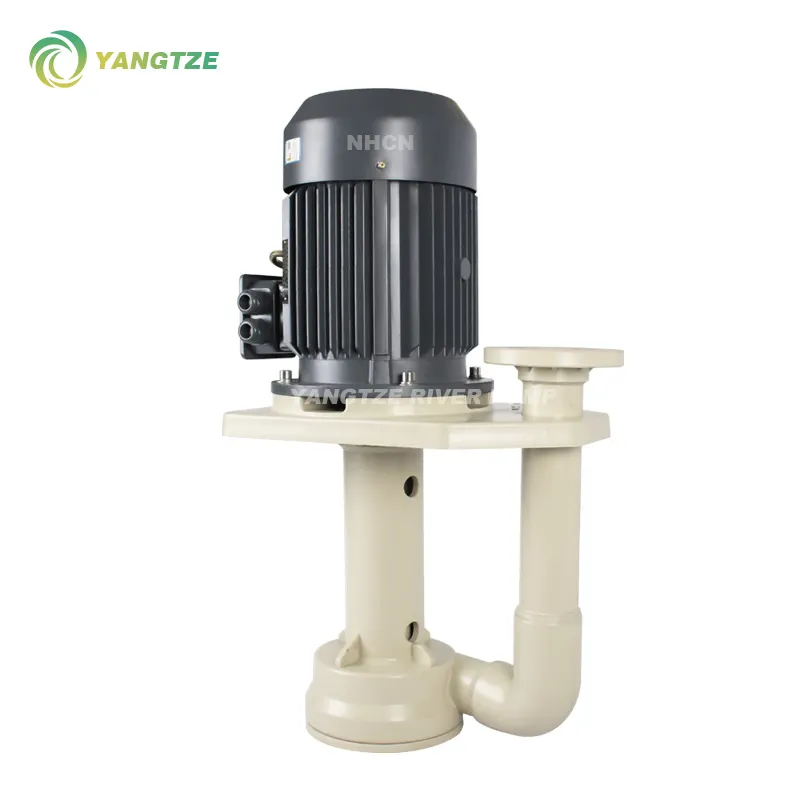 Vertical pumps for installation inside/outside tanks YZCN and YZCW
-
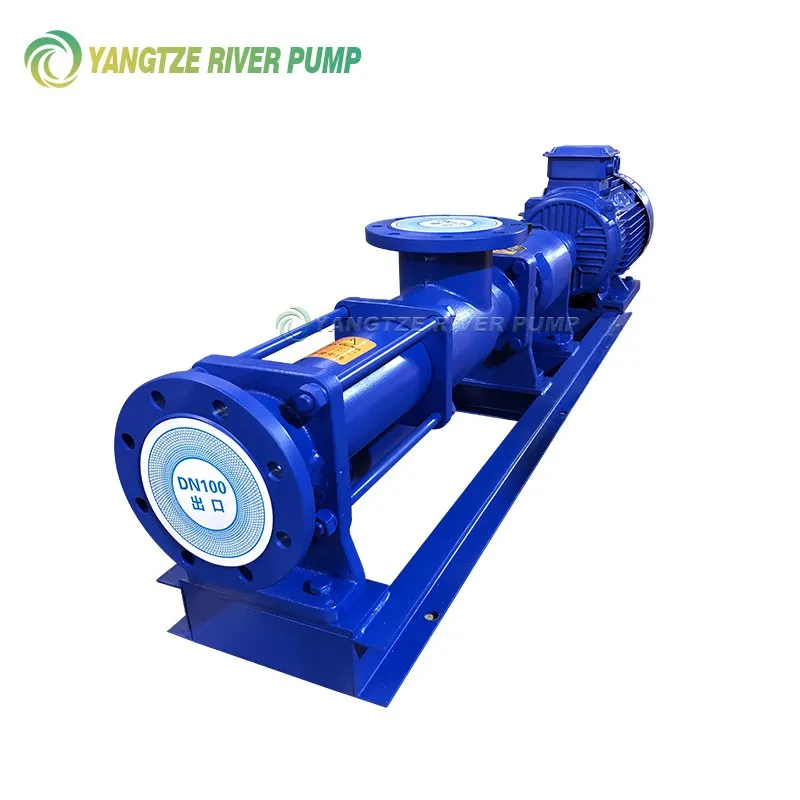 Single screw pumps type G
-
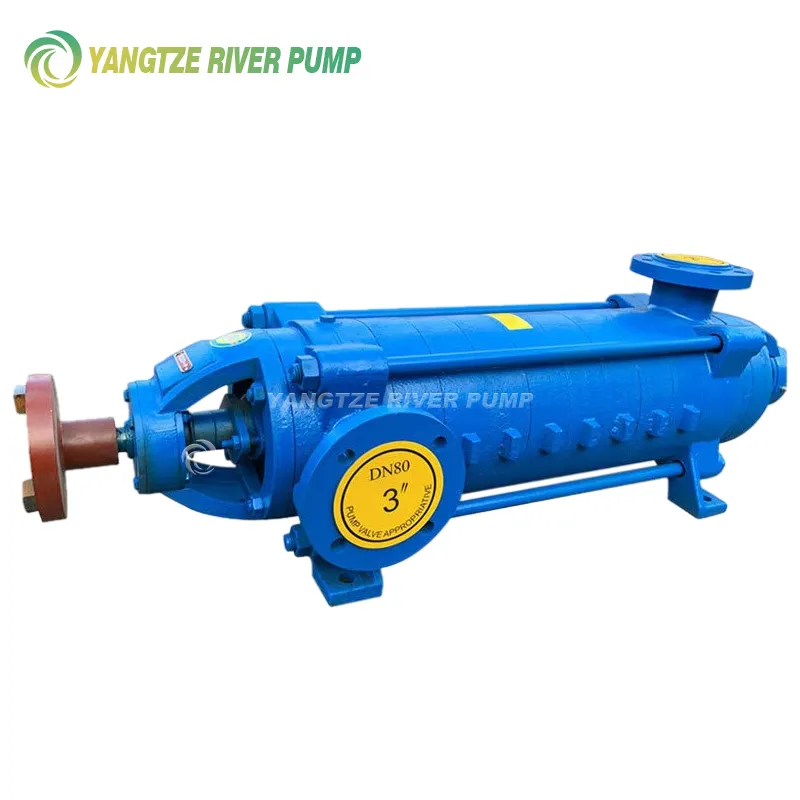 Horizontal multistage pumps for feeding DG boilers
-
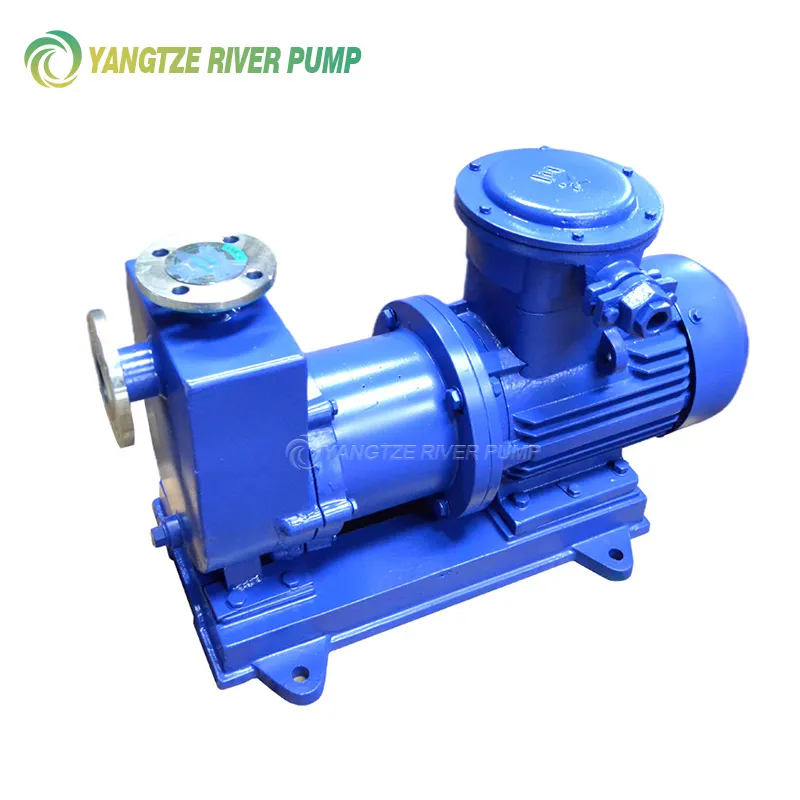 ZCQ Stainless Steel Self-Priming Magnetic Pumps