







artesian deep well pumps
When they talk aboutartesian deep well pumps, many people imagine just a long cylinder that you lower into a well and pump water. In fact, this is perhaps one of the most demanding types of equipment in terms of selection and operation. The main mistake is to assume that once a well has been drilled, then any “deep hole” will do. Every parameter counts here: from flow rate and static/dynamic level to water salinity and even horizon geology. If you make a mistake in the calculations, the pump may either run dry. work, or fail to produce the required pressure, or simply burn out from overload. And replacing it is not just a trip to the store, but an entire operation involving lifting hundreds of meters of column.
What makes the right choice
The first place to start is not with the catalog, but with the well’s passport. Without this data, any recommendations are guesswork. I am always alarmed when a client asks for a “100 meter pump” without knowing the actual position of the water surface. The most important parameter is performance. You cannot install a pump with a capacity exceeding the flow rate of the well. This is a direct path to “building up” and sanding. It is often necessary to explain that it is better to have a reserve in terms of pressure, but not in supply.
The second key point is the material. For artesian waters, which are often aggressive due to dissolved salts and gases, AISI 304 stainless steel is often the minimum required. For more serious conditions - AISI 316. Cast iron flow parts in such wells are a story with a predictable sad end due to corrosion. In our production practice, for example, for series aimed at deep wells, we immediately incorporate corrosion-resistant materials into the structure. This is not marketing, but a severe necessity.
And third is the engine type. Motors filled with water (water-filled) are often more resistant to operation under conditions of possible overheating in a deep well than oil-filled ones. But there are nuances with water quality. If there is a lot of iron in the water, it can be deposited inside the motor, which over time leads to jamming. Therefore, sometimes it is necessary to recommend additional preliminary water treatment or more frequent service inspections.
Experience that is worth a lot: a case with sanding
I would like to give an example from real practice that well illustrates how theory collides with practice. We had an order - a well for limestone, depth 120 meters, good flow rate. Installed a standard multi-stagedeep well pumpmade of stainless steel. Six months later - a complaint: the pressure has dropped, the pump works intermittently. They picked it up. It turned out that several impellers and diffusers were practically clogged with fine sand and silt.
Cause? The well’s passport stated “no sand”, but the drillers apparently did not completely flush the hole after drilling. The residual sludge was gradually washed out and entered the pump. The solution was non-standard: they placed the pump not at the very bottom, but with a suspension 10 meters higher from the bottom, where the flow turbulence is less. And they recommended installing an additional dirt filter on the supply line already in the caisson. The problem never happened again. Conclusion: even with an ideal well passport, you need a margin of safety and an understanding that underground conditions can change.
Connection with other systems: without this the work will be incomplete
Artesian pumpis not an independent unit, but the heart of the water supply system. And it must work in tandem with “brains?” — automation system and hydraulic accumulator. A common mistake is trying to save money on this part. They install a pressure switch of the cheapest type, which clicks several times an hour every time the tap is opened. This is killer for any electric motor. Smooth start-up and stable pressure in the system are the key to a long pump life.
Another point is the cable and cable. They must be designed for the entire length of the suspension plus margin. The cable must be waterproofed. The cable is made of stainless steel, not galvanized. Galvanization does not last long in an aggressive environment, and the story of a pump remaining in the well due to a broken cable is, alas, not uncommon. In our production, we always complete products for deep wells with the appropriate cables and ropes, because we know where customers can try to “reduce the budget”.
And, of course, protection against dry running. Level sensors or flow switches are a must have. Even in an artesian well, the level may drop over time, or the pipeline may rupture. Without protection, the engine will burn out in minutes.
About production and why the full cycle is important
Working inZhejiang Yangzijiang Pumping Industry Co.,Ltd, I have learned from my own experience that control over the entire process - from drawing to testing - is critical for such complex equipment. We have eight complete lines on site: R&D, production, testing, sales and service. This is not for a fancy word in the description on the siteyangtzeriverpump.ru. When the engineers who design the pump are in the same workshop with the technologists who assemble it, and with those who then test it on benches, this allows them to quickly make adjustments, improve designs, and test assembly technologies.
For example, fordeep well pumpsThe assembly accuracy of the multi-stage section is critical. The slightest distortion - and the efficiency drops, vibration increases. Our production allows assembly on a conveyor with operational control, which reduces such risks to a minimum. And our own test benches, where we can simulate work at different depths and with different pressures, give us confidence that the pump that goes to the customer will work out its service life.
We produce a wide range of pumps - from centrifugal to auger, but for artesian wells the basis is multi-stage centrifugal models. Their design is best suited to produce high heads with a relatively compact body diameter, which is important for standard casing pipes.
Failures are part of the journey
There was such a thing. Previously, in an attempt to make a more affordable model for low-mineralized waters, they tried to use composite materials in some parts. The idea was to reduce weight and price. But practice has shown that the long-term stability of the geometry of the impellers under constant load and under conditions of possible water hammer was insufficient. This idea had to be abandoned in favor of proven stainless steel. It was a valuable lesson: In deep-well pumps, reliability and predictability of the material should always outweigh short-term savings.
Another point that is often overlooked is logistics and installation. Long sections of pumps (2-3 meters each) are not just a load, they are fragile technological equipment. Incorrect transportation or storage ?on its side? can lead to the very distortion of the shaft, which then comes back to haunt the well. Therefore, we now pay great attention to packaging and provide clear instructions for handling the equipment until installation.
In the end, what I want to say. Working withartesian deep pumpsis a constant dialogue between theory, well data, production capabilities and the harsh reality of operation. There is no universal solution, but there is the right approach: scrupulous data collection, selection of equipment with a safety margin, high-quality installation and understanding that the pump is part of the system. And only when all these elements come together does the well work for years without problems, simply doing its job - supplying water. And this, ultimately, is the main goal.
Correspondingproducts
Related Products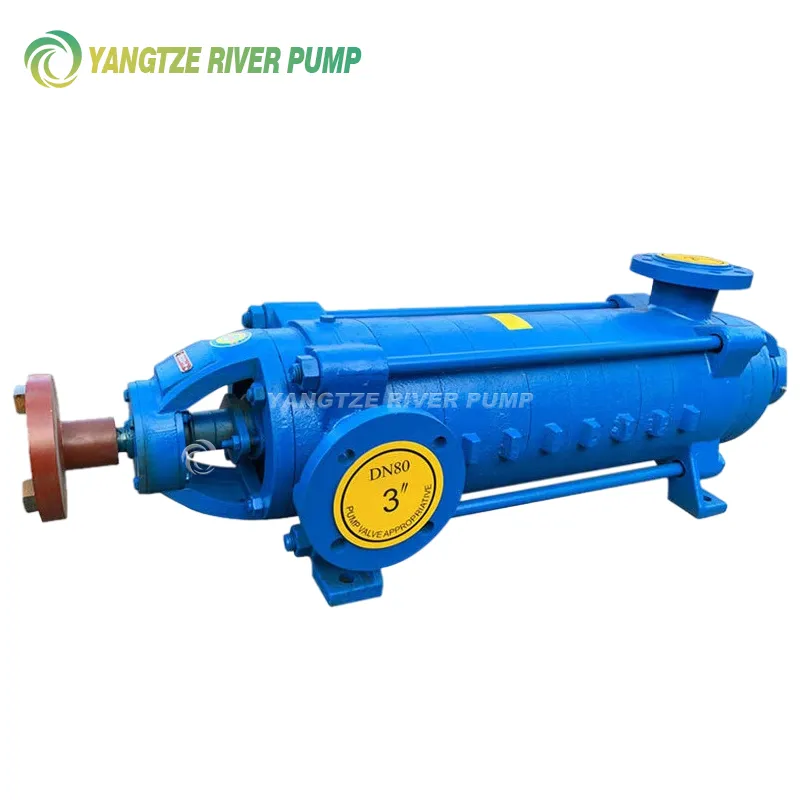
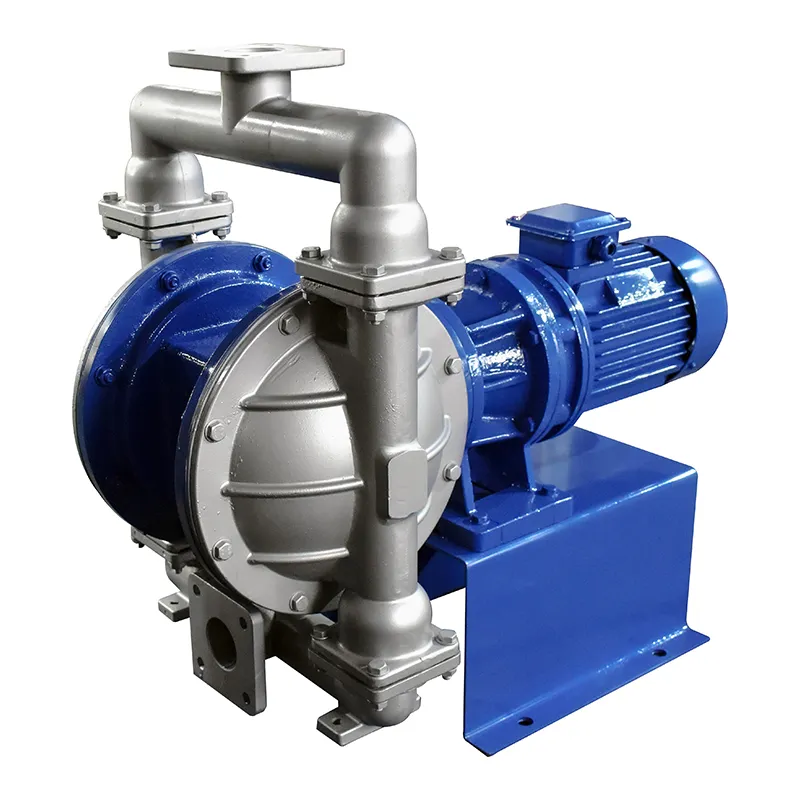
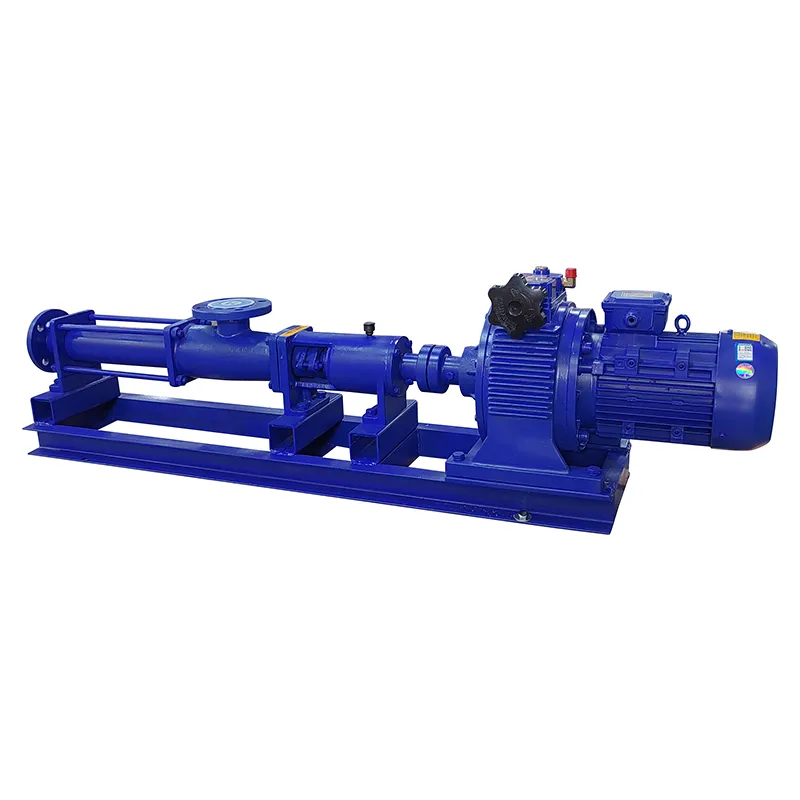
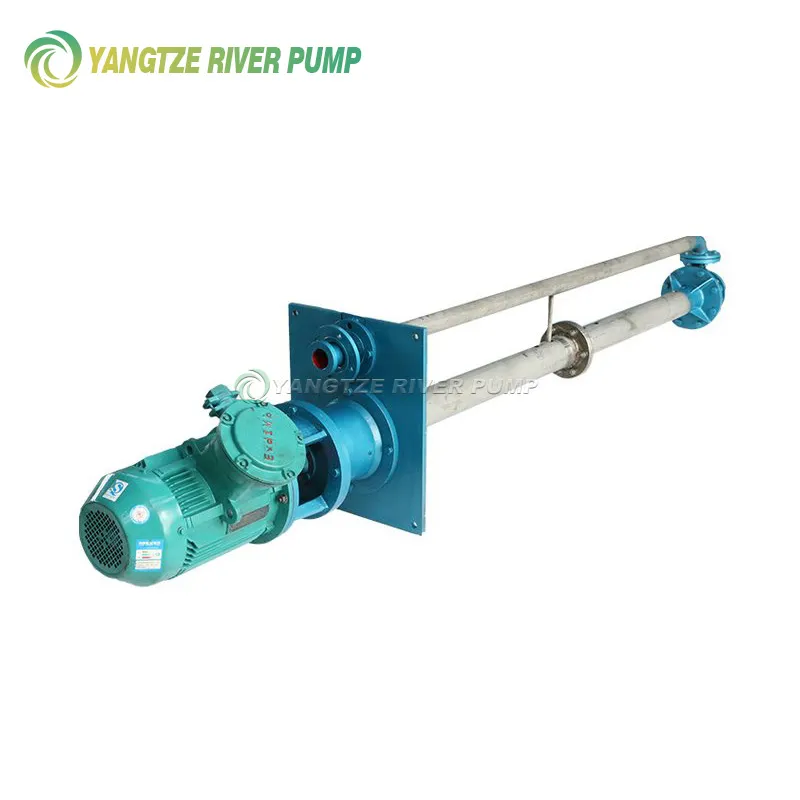

Best Sellingproducts
Best Selling Products-
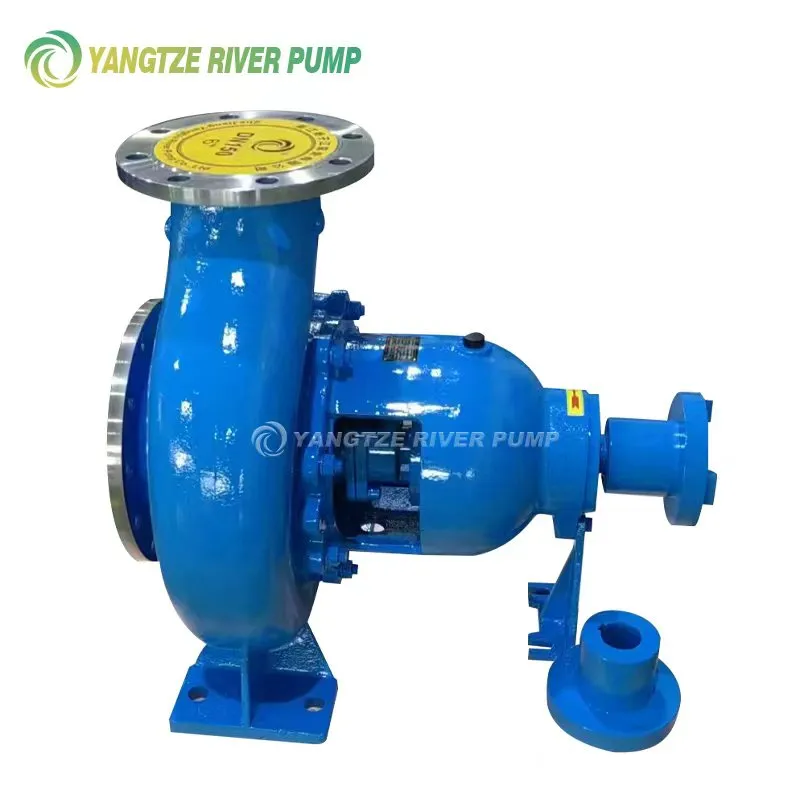 IH Stainless Steel Chemical Centrifugal Pumps
-
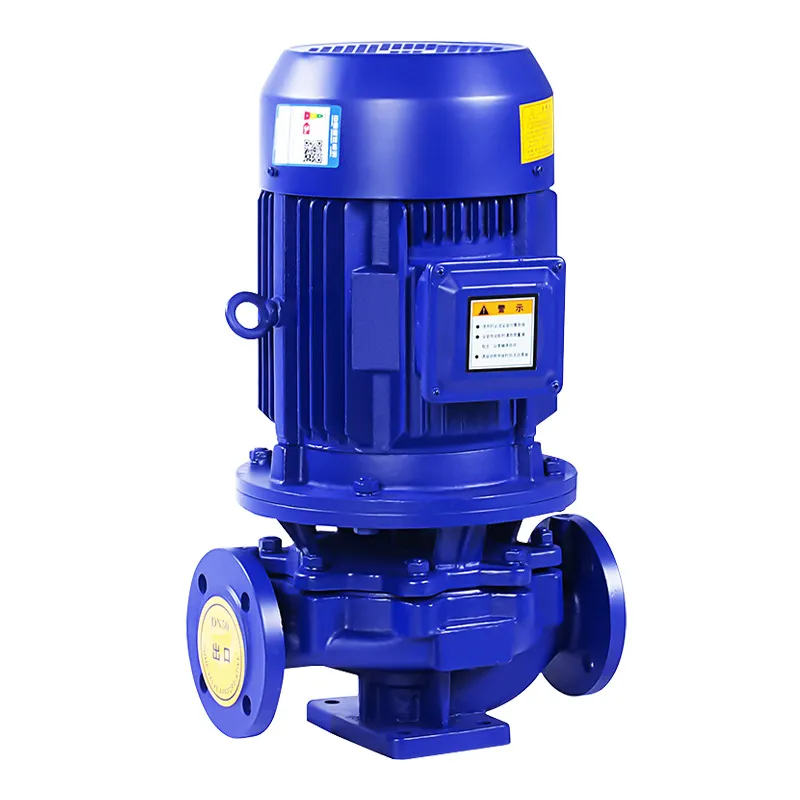 Vertical single-stage pipeline centrifugal pumps ISG and IHG
-
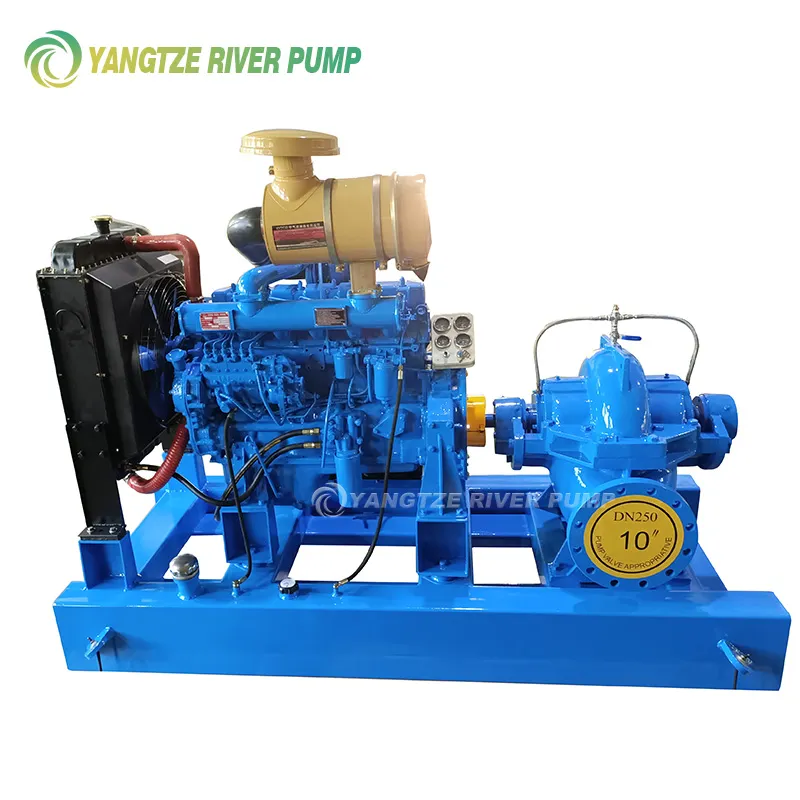 Diesel pumps with horizontal connector YZS and YZSH
-
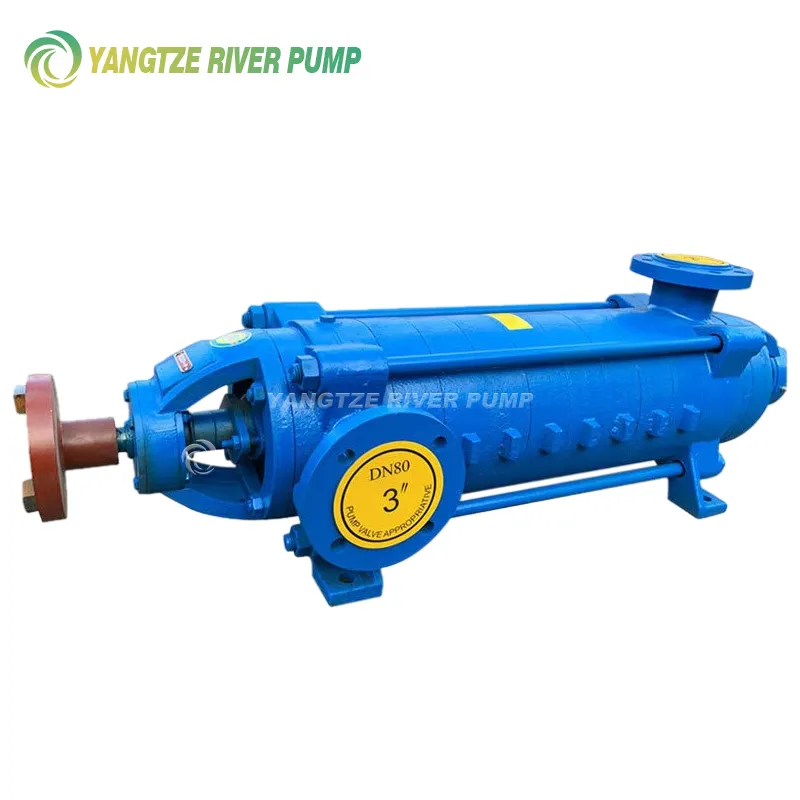 Horizontal multistage pumps for feeding DG boilers
-
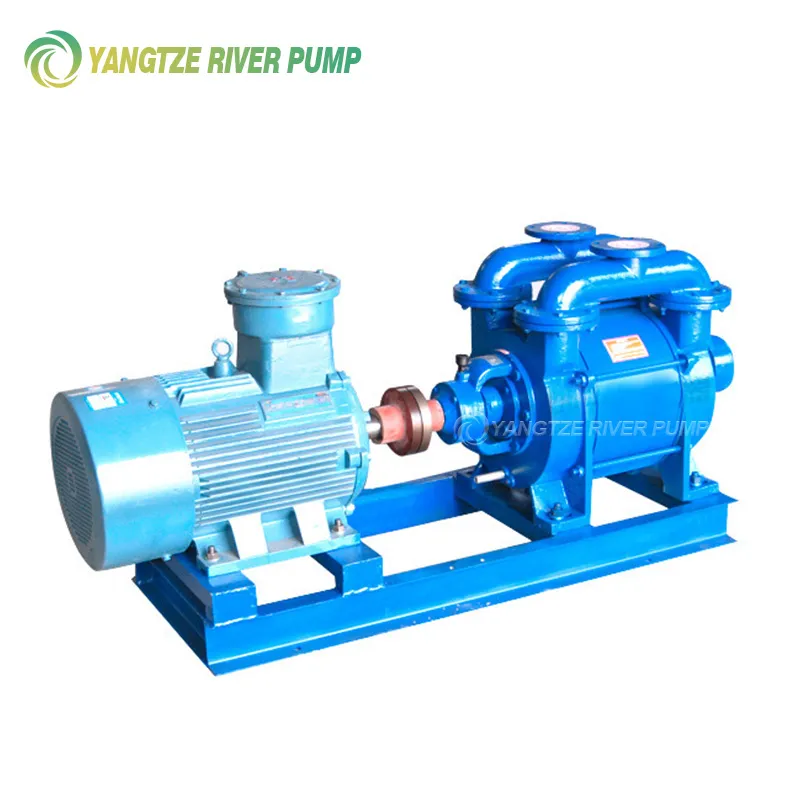 Liquid ring vacuum pumps type SK
-
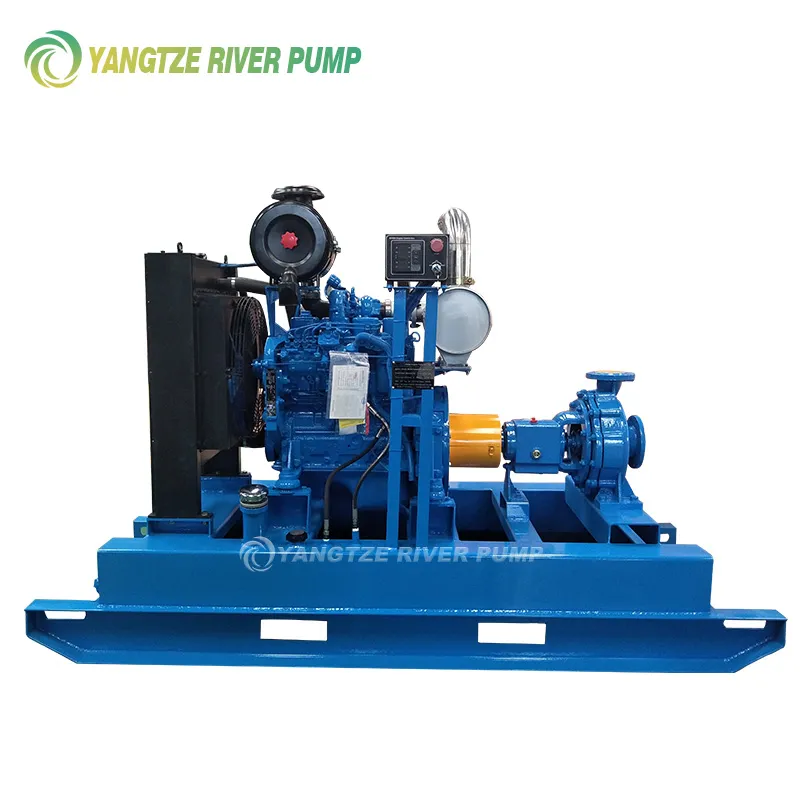 YZIS Diesel Single Stage Centrifugal Pumps
-
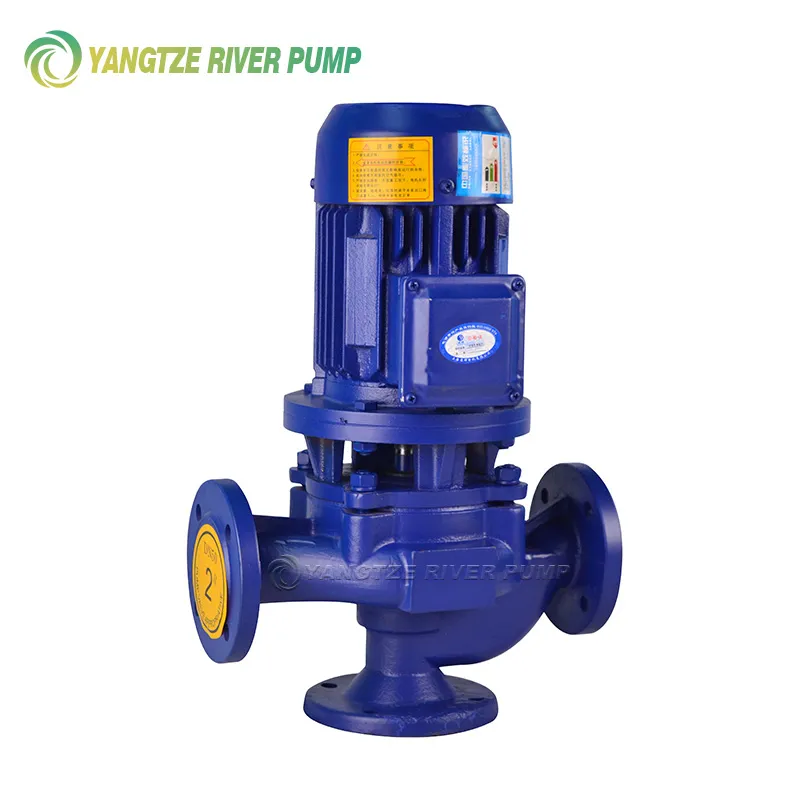 Pipeline wastewater pumps GW
-
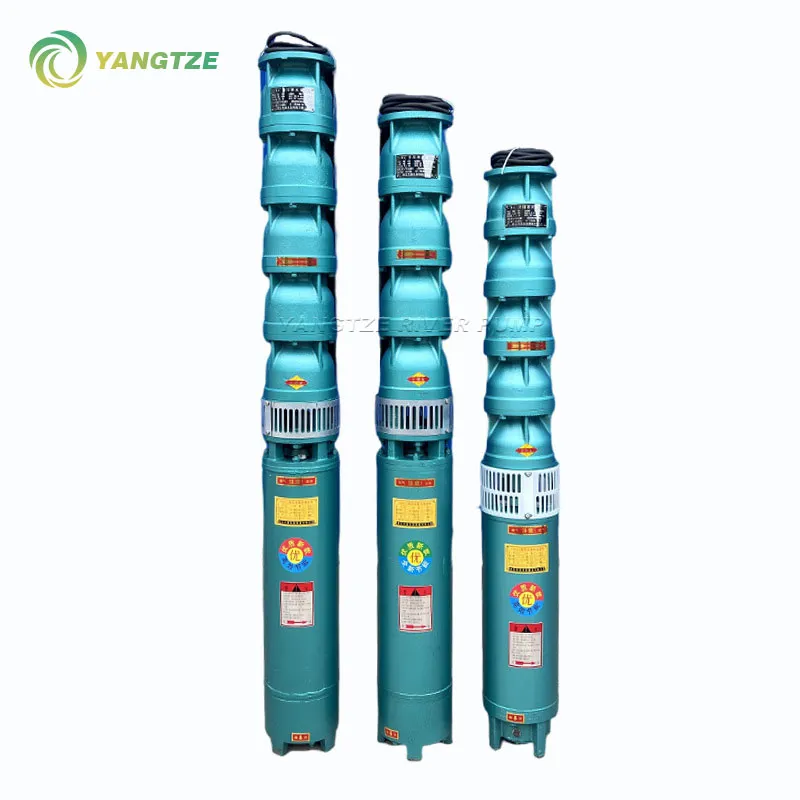 QJ type borehole pumps
-
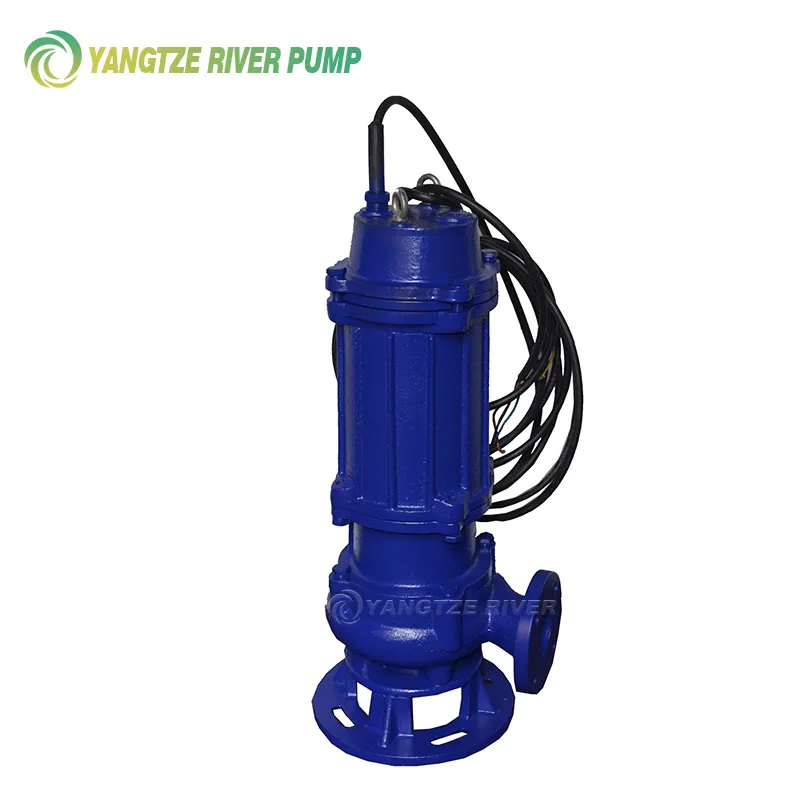 QW Non-clogging Submersible Sewage Pumps
-
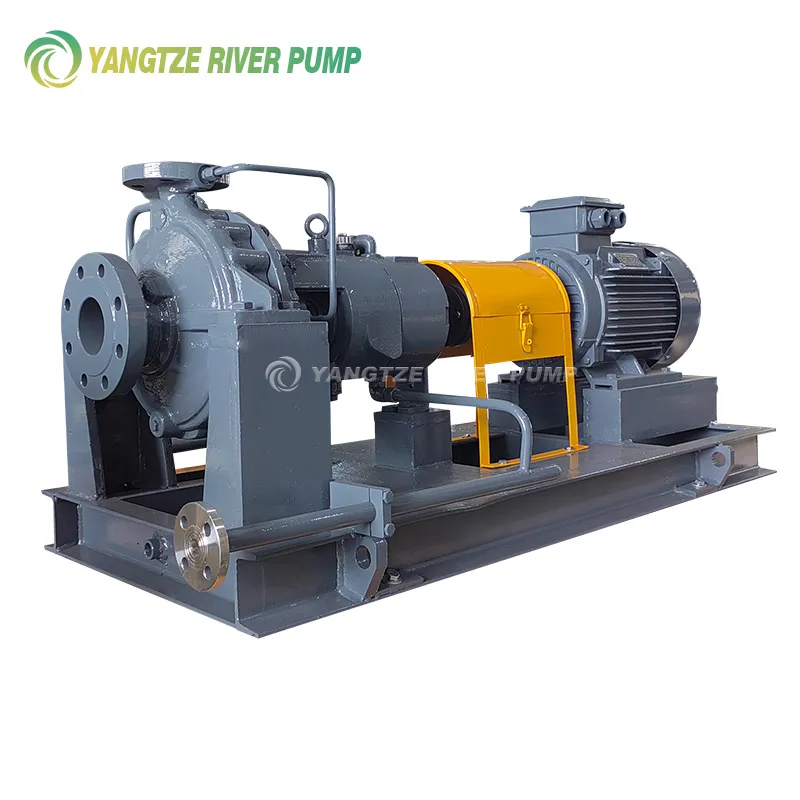 Petrochemical Process Pumps API 610 YZE
-
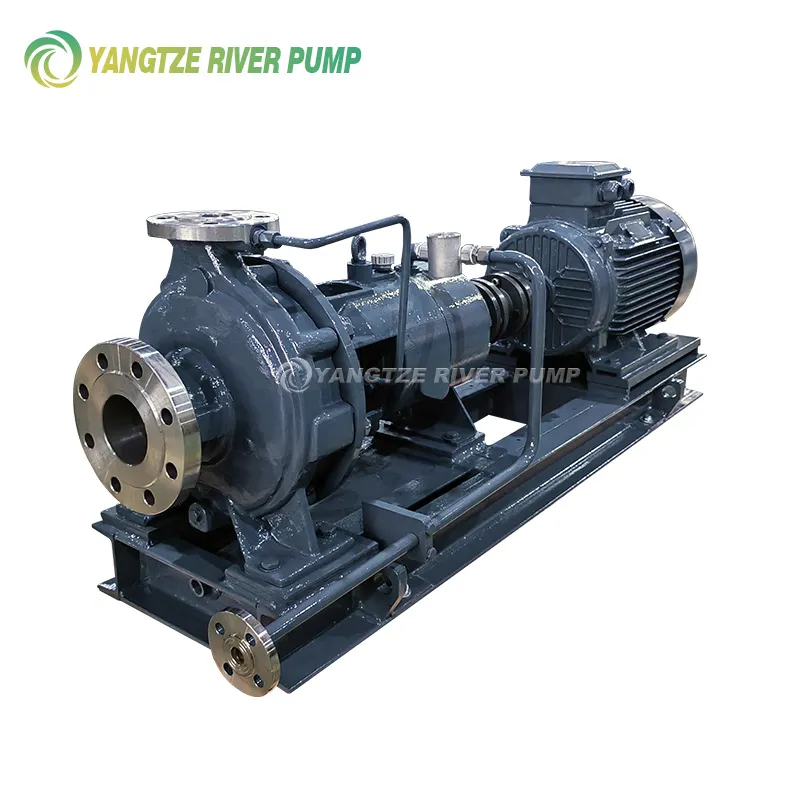 Petrochemical Process Pumps API 610 YZA
-
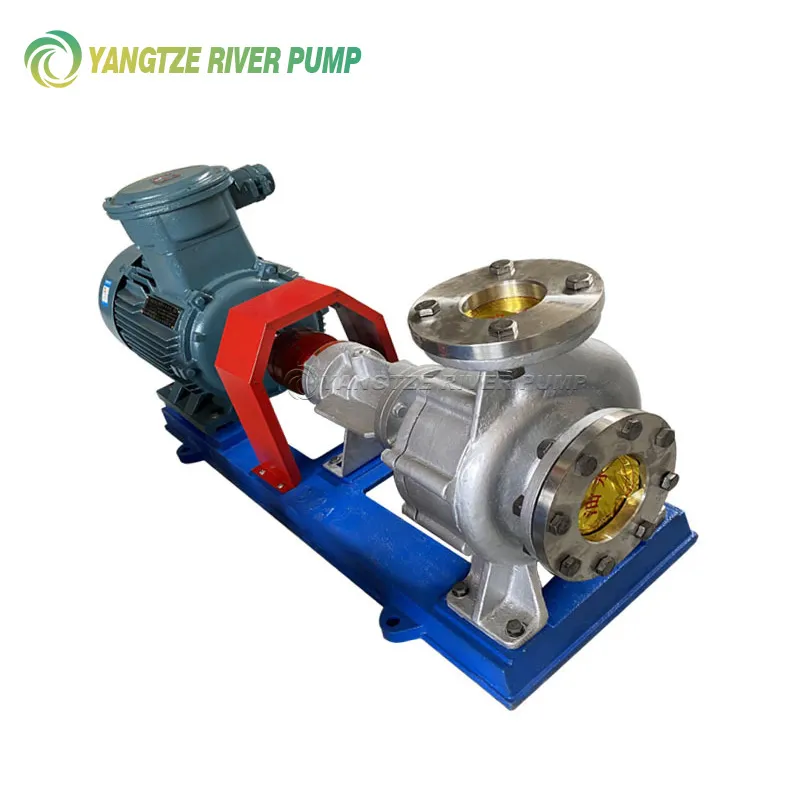 RY thermal oil pumps
Relatedsearch
Related Search- CHL Horizontal multistage centrifugal pumps (light series)
- ISW Single Stage Horizontal Pipeline Centrifugal Pumps
- DBY Non-metallic electric diaphragm pumps
- submersible borehole pump BTsPE
- deep well pump 220
- centrifugal pump groups
- Double suction pump
- centrifugal pump 2 5 kW
- centrifugal pumps for sewage
- Centrifugal pumps for petrochemicals