







best centrifugal submersible pump
When they say “the best centrifugal submersible pump?”, many people immediately think about the maximum pressure or flow rate from the passport. But in practice it is ?better? - this is when it worked for three years in difficult conditions without an unscheduled shutdown, and not when the numbers in the catalog are 5% higher. A common mistake is to chase abstract “power?” or brand, without taking into account what the pump will pump and in what environment. Sand, suspended matter, aggressive environment - this is what determines the choice, not beautiful graphics.
What is hidden behind the terms: centrifugal and submersible
Centrifugal is about the principle of operation, the impeller, the spinning of the medium. Submersible - about installation, installation directly into the pumped liquid. It would seem simple. But it is in this combination that the main technological difficulties lie. The motor must be sealed, the materials must be resistant, and cooling must be provided by the pumped medium itself. If the environment is dirty or abrasive, conventional solutions quickly fail.
In our portfolio atyangtzeriverpump.ruThere are different ranges, but for really tough conditions we often recommend multi-stage submersible models. Why? One stage creates a certain pressure. To obtain high pressure at great depths without excessive loads on a single impeller, several are installed in series. This increases the resource.
I have seen cases where a customer, trying to save money, installed a single-stage pump on a well with a design pressure of 100 meters. Yes, he rocked. But the engine worked at the limit, vibration was increased, and after 8 months the shaft broke. The overpayment for a multi-stage model would be worth it in the long run. This is about the question of “the best?” - sometimes this is a more expensive, but technologically correct solution for the task.
Materials and real durability: not all stainless steel is created equal
Specifications often say "stainless steel" or “high-strength cast iron?”. But for a centrifugal submersible pump working, for example, with sea water or chemical waste, this is not enough. It is necessary to clarify the steel grade. For aggressive environments, we at Zhejiang Yangzijiang Pump Industry Co., Ltd. use AISI 316 or even more resistant alloys for critical components - shaft and impellers.
There was a project for food production where it was necessary to pump brine with a high concentration of chlorides. They installed a standard model made of “stainless steel”. Six months later - pitting corrosion on the impeller. We figured it out - the material didn’t fit. I had to remake it to order with a duplex steel wheel. Since then, in the order form, we have included a separate item on all environmental parameters: pH, temperature, presence of solid particles, particle size. This is more important than price.
For less aggressive but abrasive environments (drainage, quarry water), it is sometimes more profitable to use a material that is not the most durable, but wear-resistant and repairable. For example, cast iron with a wear-resistant coating. The wheel can be replaced without changing the entire unit. This is a practical approach that also falls into the “best” category. for a specific budget and operating conditions.
Testing as part of production: why catalog data may differ from reality
We have eight complete production lines, including our own test bench. This is not for show. Everyonecentrifugal submersible pumpfrom the industrial category undergoes hydraulic testing. We take actual characteristics - pressure, flow, current consumption. It happens that after assembly the parameters “float” a little. Then there is adjustment, replacement of seals, fine-tuning.
This stage is underestimated by many. I bought a pump from a catalog where the flow rate is 50 m3/h, but at the site it gets 45. And it starts to cause problems with installation or the electrical network. And the reason may be that the manufacturer indicated ideal laboratory data for clean water. We apply our test reports to serious orders. There you can see with what water and at what inlet pressure this particular unit was tested.
One of the key tests is for cavitation. For submersible models this is critical, especially with variable liquid levels. We simulate operation at a reduced level, see if characteristic vibration and noise appears. If it appears, we modify the design of the suction pipe or recommend strict level control to the client. This is the same “professional conscience” that distinguishes simply selling from engineering.
Case studies: when theory meets reality
I’ll tell you about one object - water reduction at a construction site. Groundwater with a lot of fine sand. The customer initially chose a powerfulsubmersible pumpgeneral purpose. After two weeks of continuous operation, performance drops and overheating occurs. An autopsy showed: sand got into the mechanical shaft seal, wear and leakage.
The solution was not to install an “even more powerful” one. We offered a model from the line for abrasive media with a reinforced end seal and a larger gap in the working chamber so that sand passes through without getting stuck. They also recommended installing a simple mesh filter on the suction pipe. The pump worked throughout the entire construction period without problems. Here is the ?best? - this is the one that solves the customer’s problem, and does not correspond to abstract top parameters.
Another case is chemical production. It was necessary to pump out the alkaline solution from the storage tank. Temperature under 80°C. Standard EPDM seals were not suitable. We selected a model with a magnetic coupling (sealless) and a flow part made of special plastic. It's not clean anymorecentrifugal pumpin its classic form, but its chemically resistant modification. But the operating principle is centrifugal. This is important: the best pump is often at the intersection of technology.
Service and long-term perspective: what is more important than the initial price
Selling the pump is half the battle. The real work begins after commissioning. In Zhejiang Yangzijiang Pumping Industry Co.,Ltd, customer service line is part of the production cycle. We don't just ship equipment, we are interested in how it works. This provides invaluable feedback for upgrading models.
For example, based on feedback from several sites where pumps were subject to frequent start-stop operation, we have strengthened the bearing designs in certain models. This increased their resource. For the client the ?best? a pump is also one whose manufacturer is ready to quickly respond to a problem, supply a spare part or provide advice on repairs.
Therefore, when choosing equipment, you should look not only at the technical characteristics, but also at whether the supplier has its own production, testing and service. Having a full cycle, like ours, means quality control at all stages and the ability to make non-standard solutions. Sometimes the ?best? A centrifugal submersible pump is born in the process of dialogue with the customer’s engineer, and not in a catalogue.
Final Thoughts: Best Is Adequate
Ultimately, my experience suggests thatbest centrifugal submersible pumpis always a compromise between technological capabilities, cost of ownership (including repairs and energy consumption) and specific operating conditions. There is no universal champion.
The race for record single parameters often leads to unnecessary complexity of the design and increased cost. Reliability, maintainability, correct selection of materials - this is what actually determines the success of the project. And this is what we focus on when developing and manufacturing equipment under the YangtzeRiver Pump brand.
The advice is simple: formulate the technical specifications in as much detail as possible, do not hesitate to send samples of the pumped liquid for analysis and consider the pump as part of the system. Then the search for the ?best? will end not in disappointment, but in many years of trouble-free operation of the equipment.
Correspondingproducts
Related Products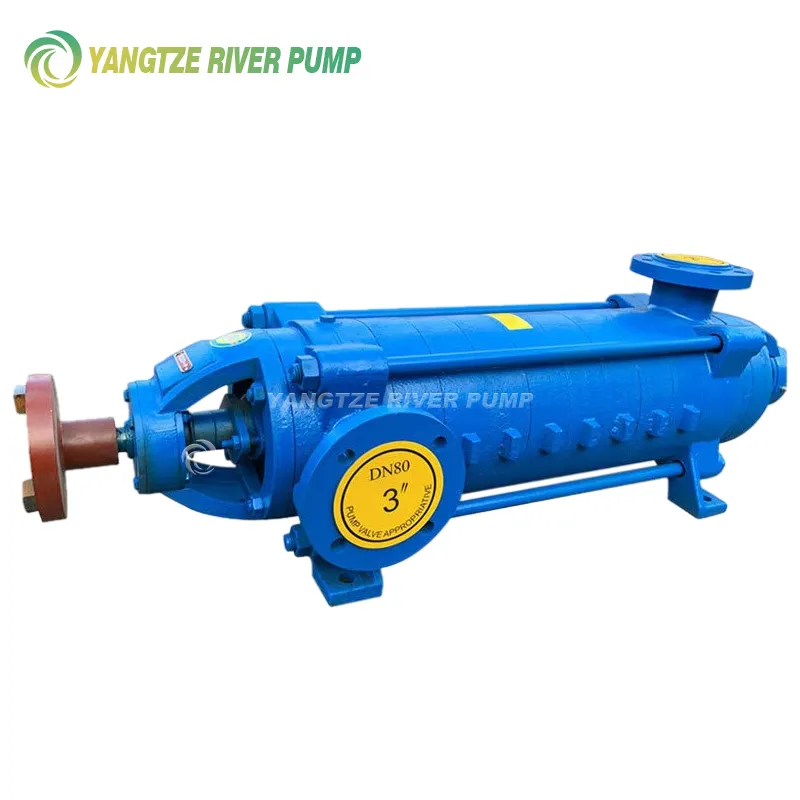
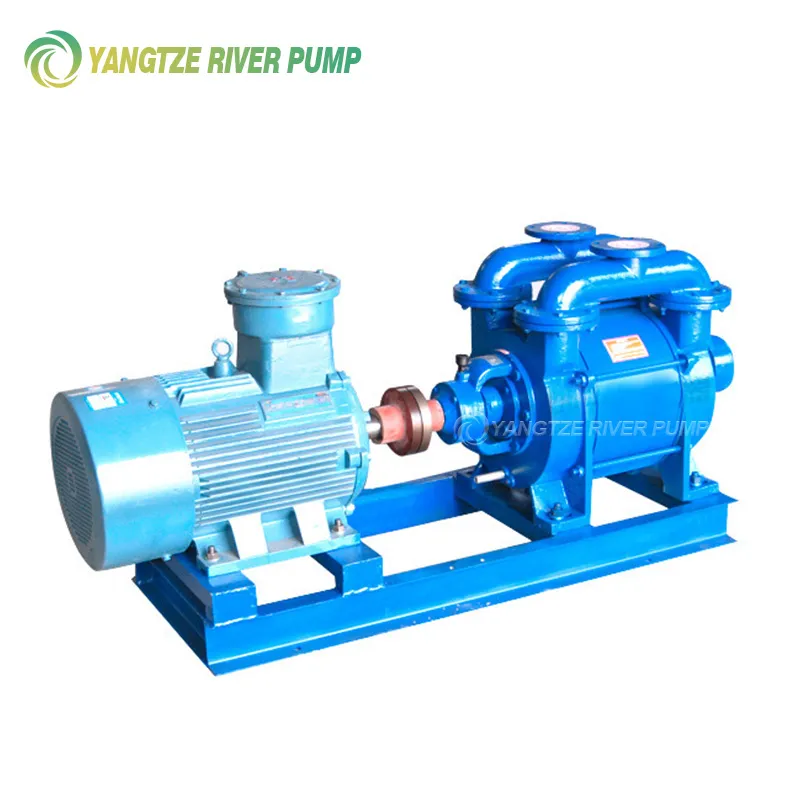
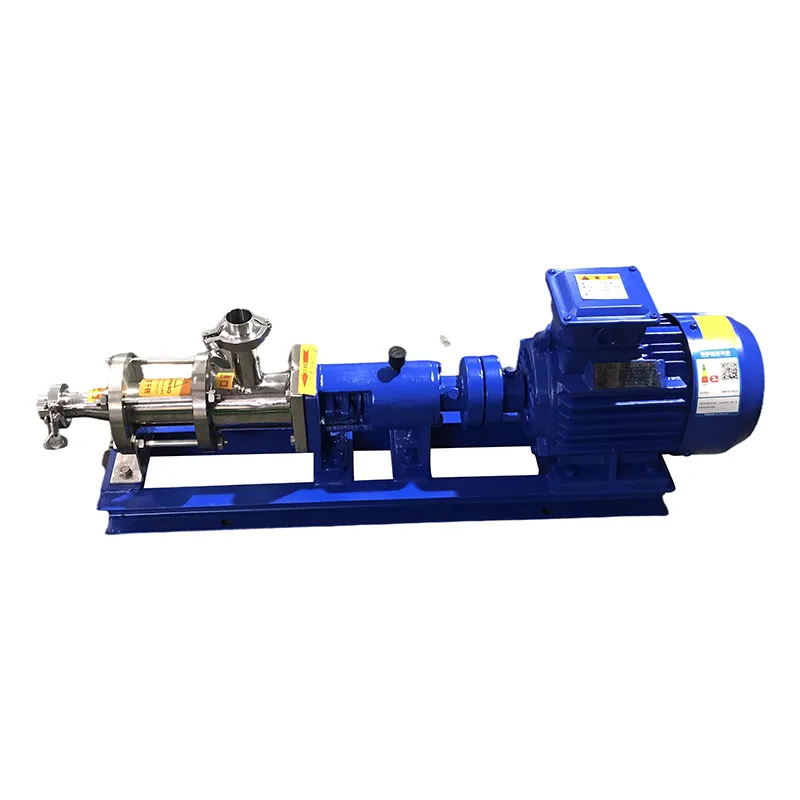
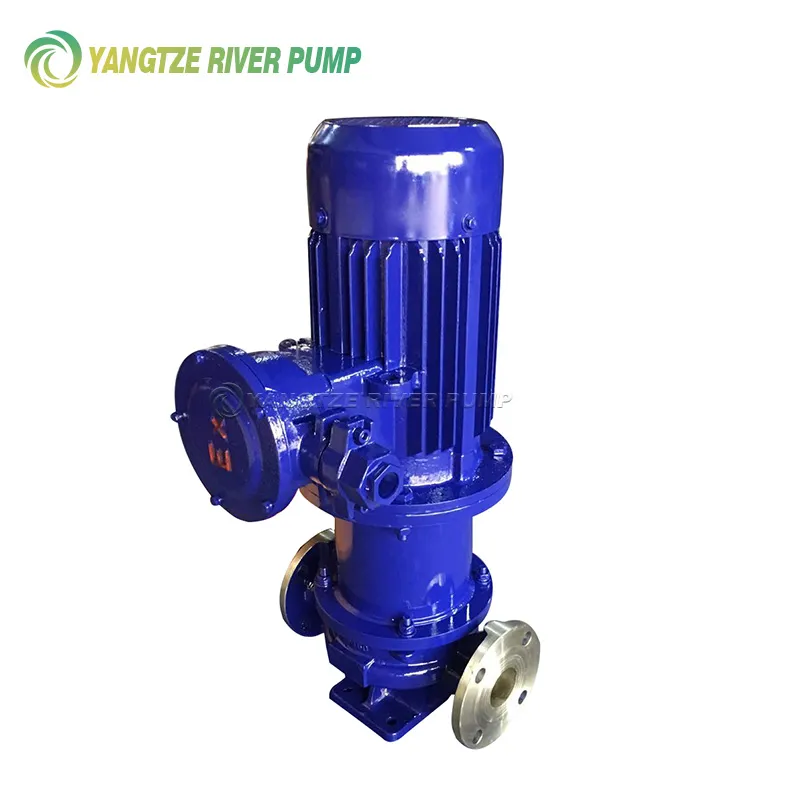
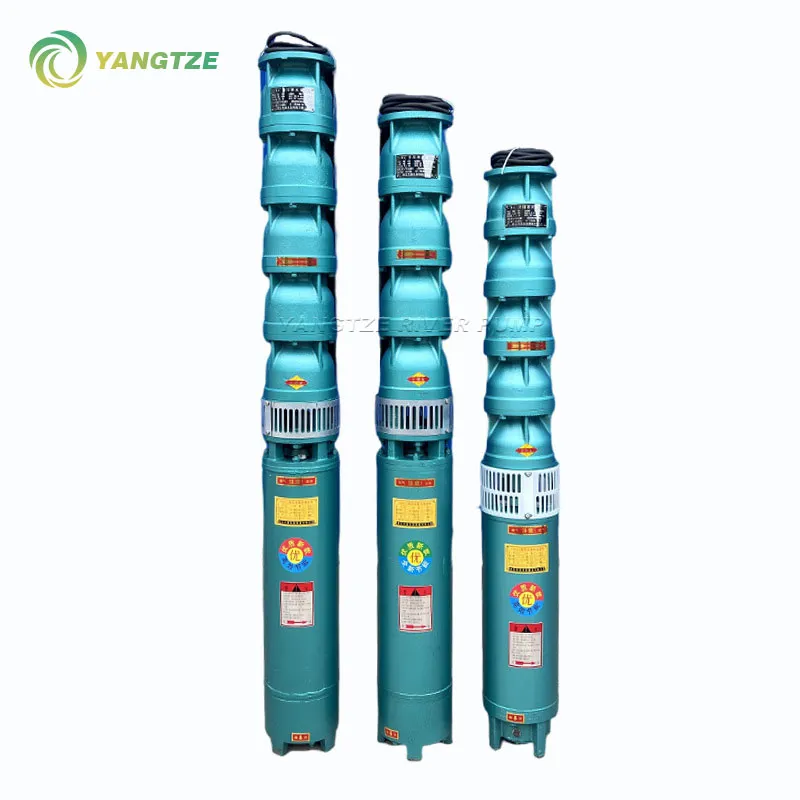

Best Sellingproducts
Best Selling Products-
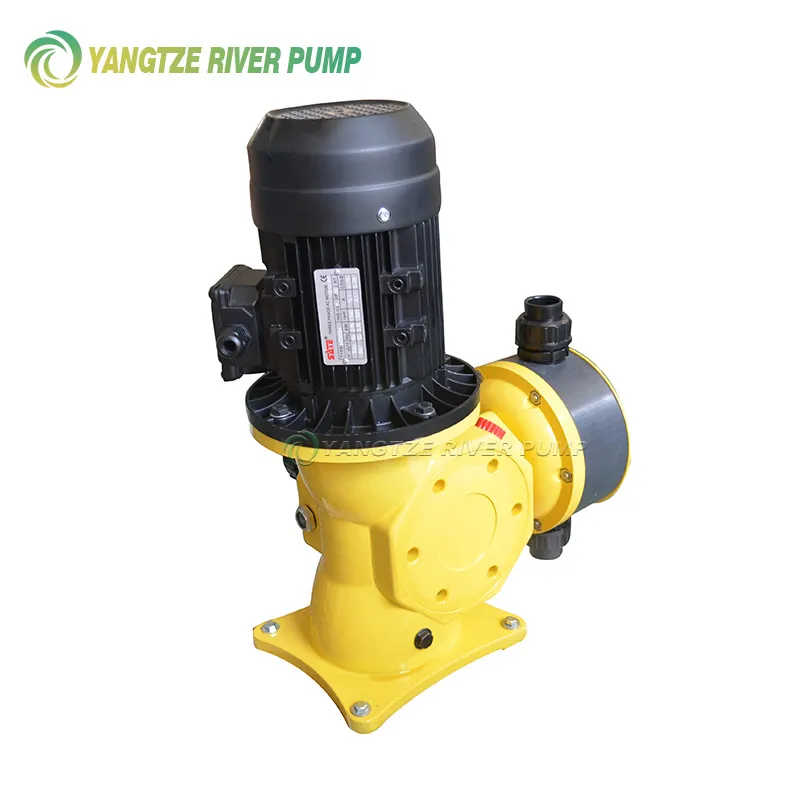 Mechanical diaphragm dosing pumps DJ-D
-
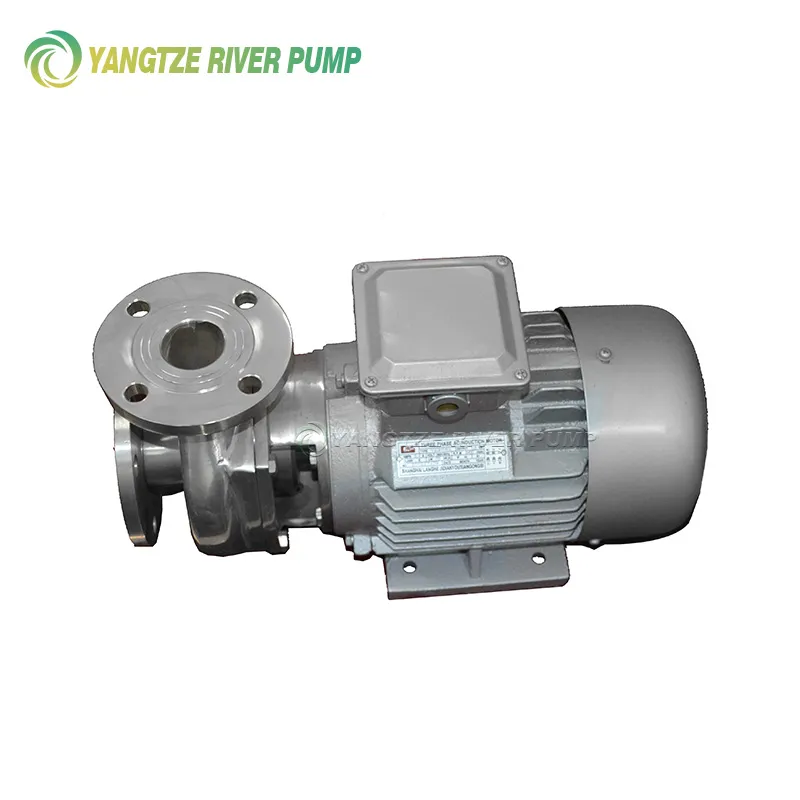 Corrosion-resistant stainless steel centrifugal pumps SFB and SFBX
-
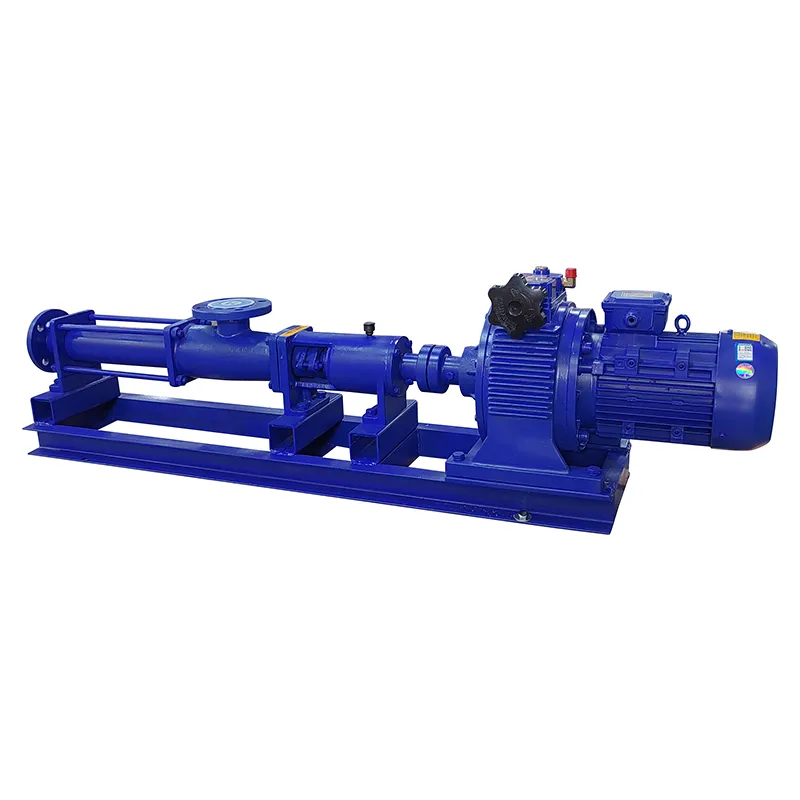 Infinitely variable screw pumps type G
-
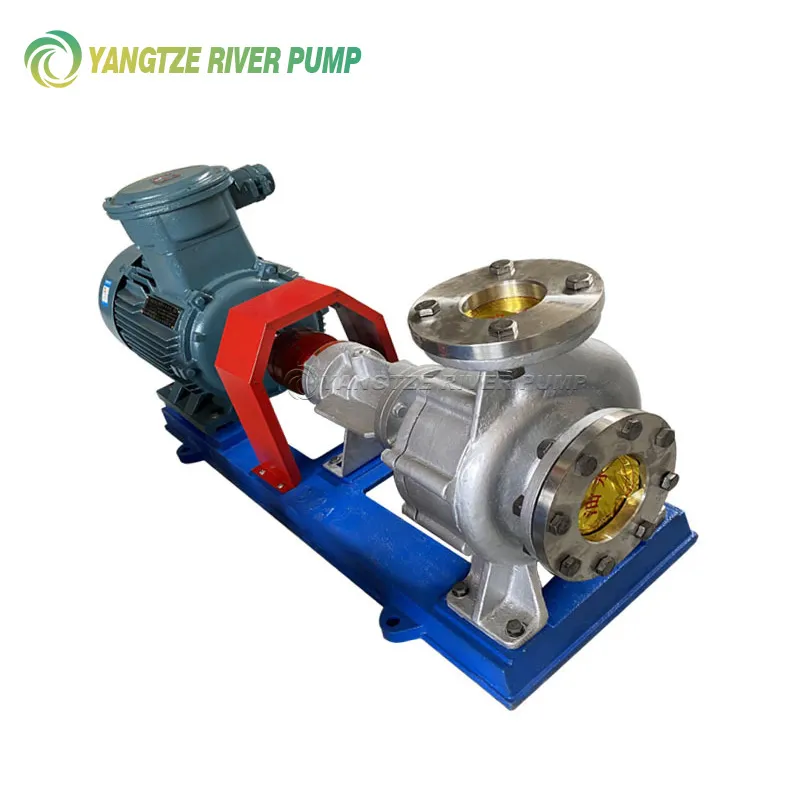 RY thermal oil pumps
-
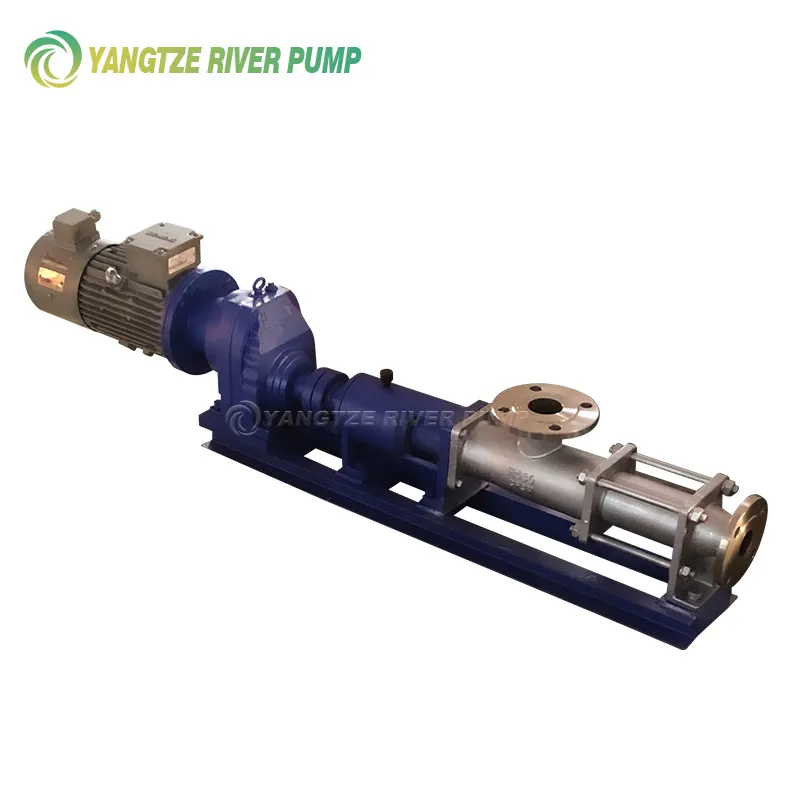 Geared screw pumps type G
-
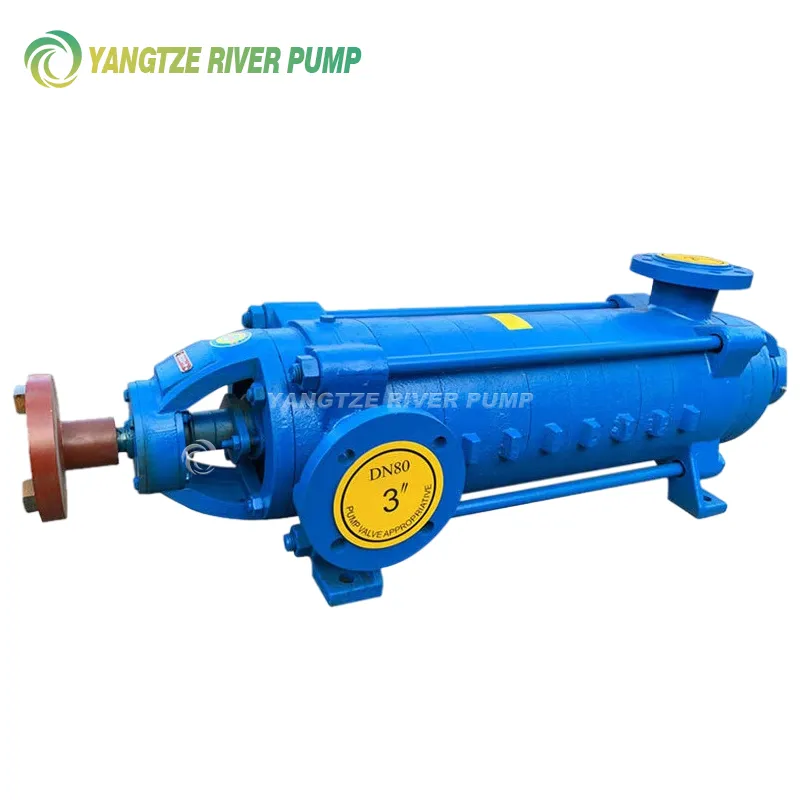 Horizontal multistage pumps for feeding DC boilers
-
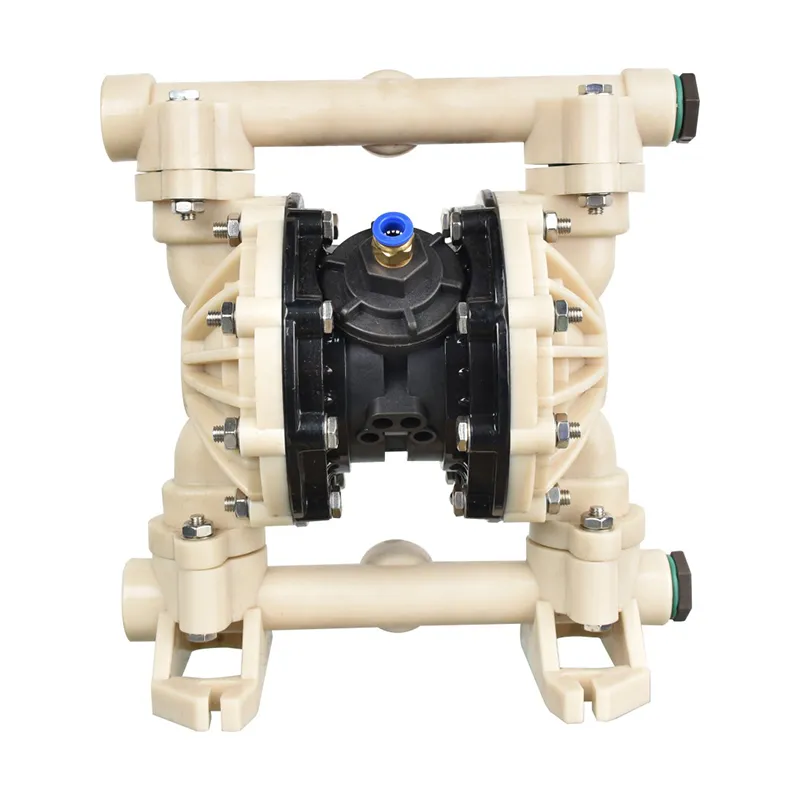 QBK Non-Metallic Air Operated Diaphragm Pumps
-
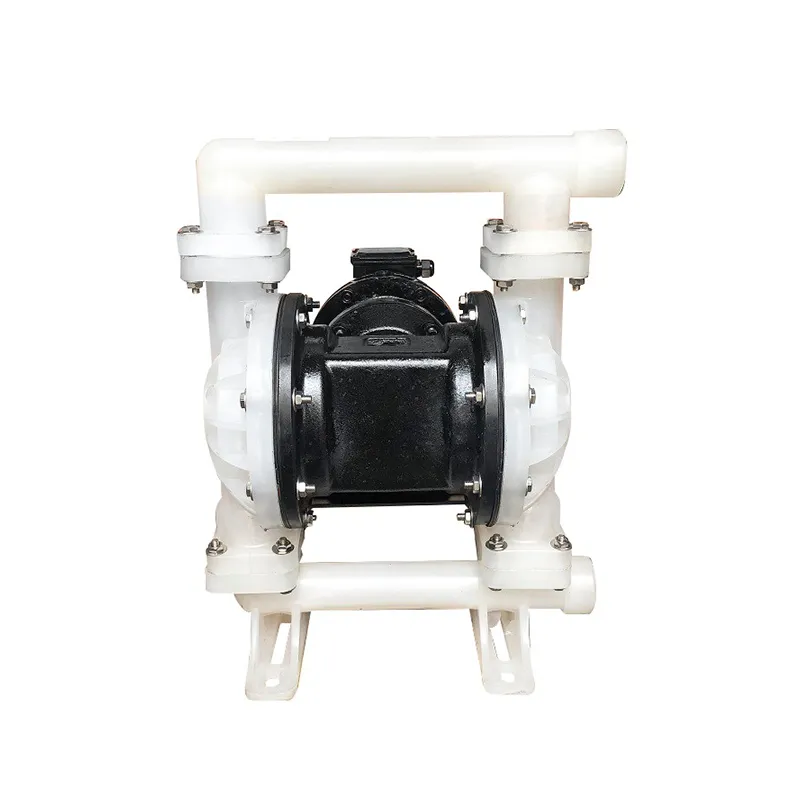 DBY Non-Metallic Electric Diaphragm Pumps
-
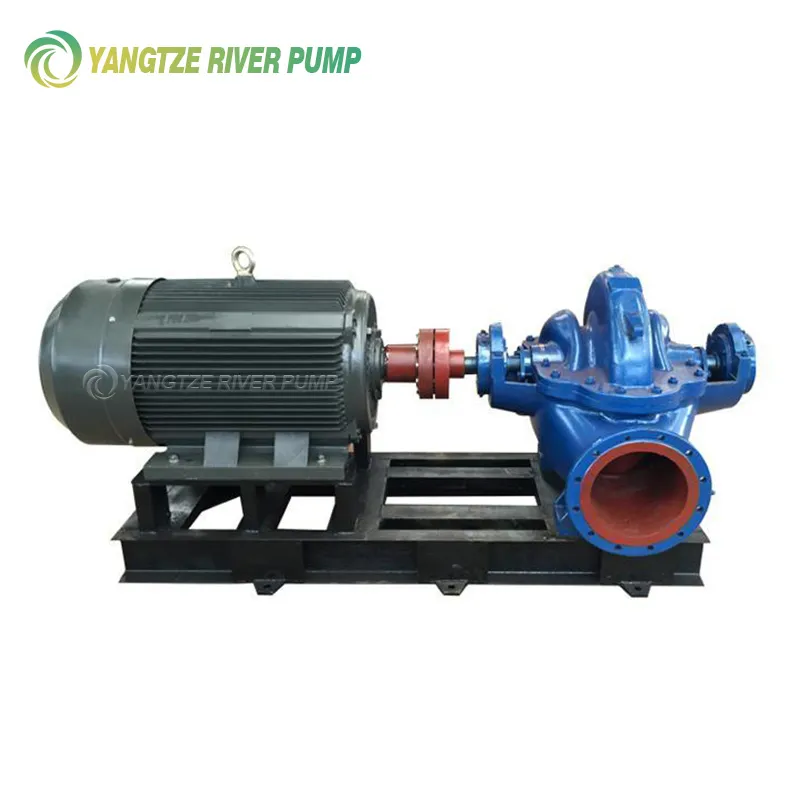 Single Stage Double Entry Centrifugal Pumps Type S
-
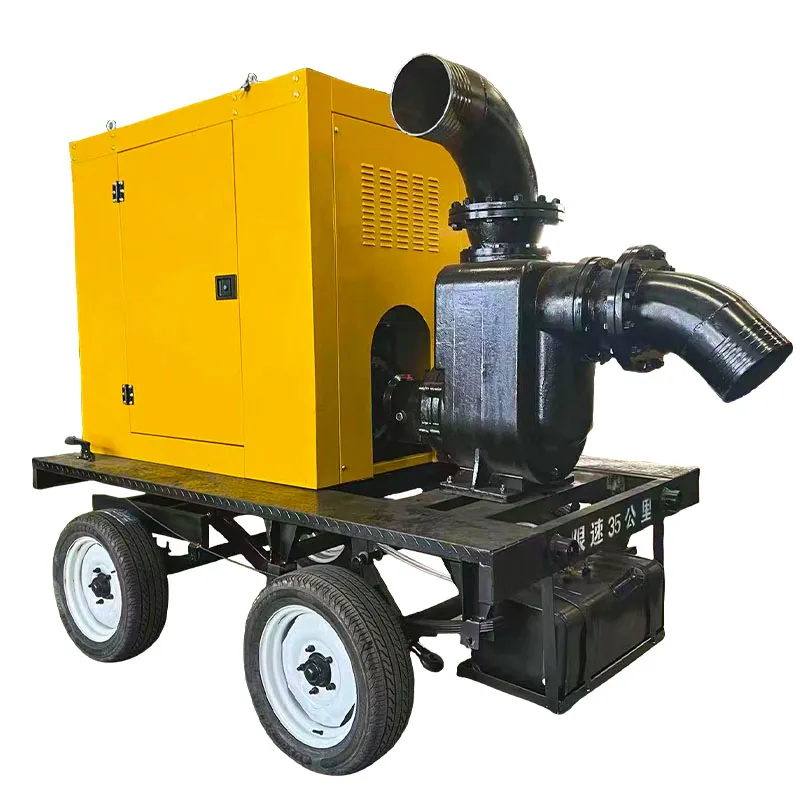 YZZW Diesel self-priming pumps
-
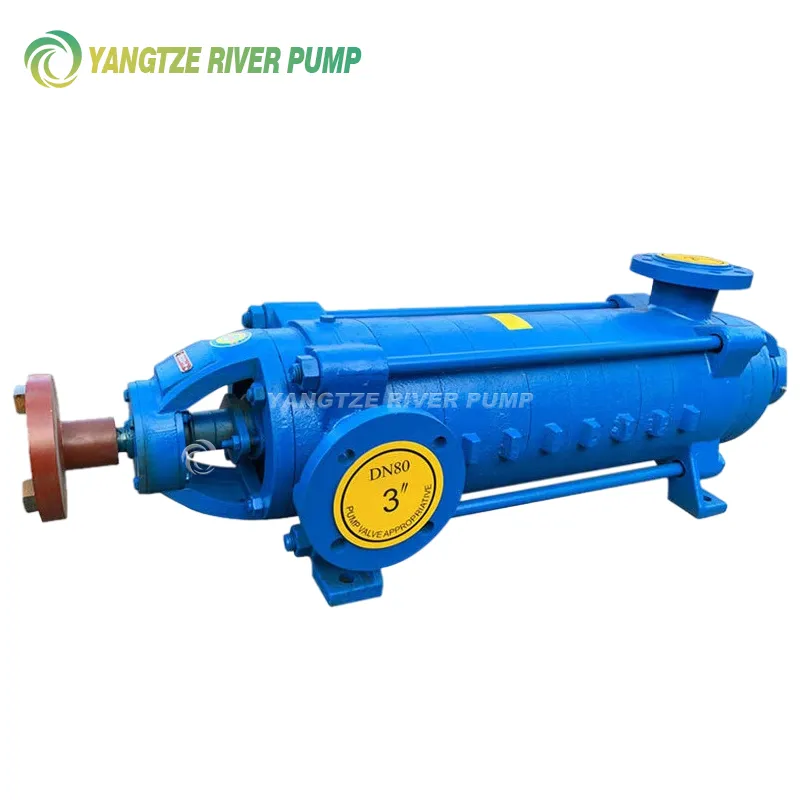 Horizontal multistage centrifugal pumps type D
-
 Liquid ring vacuum pumps type 2EB