







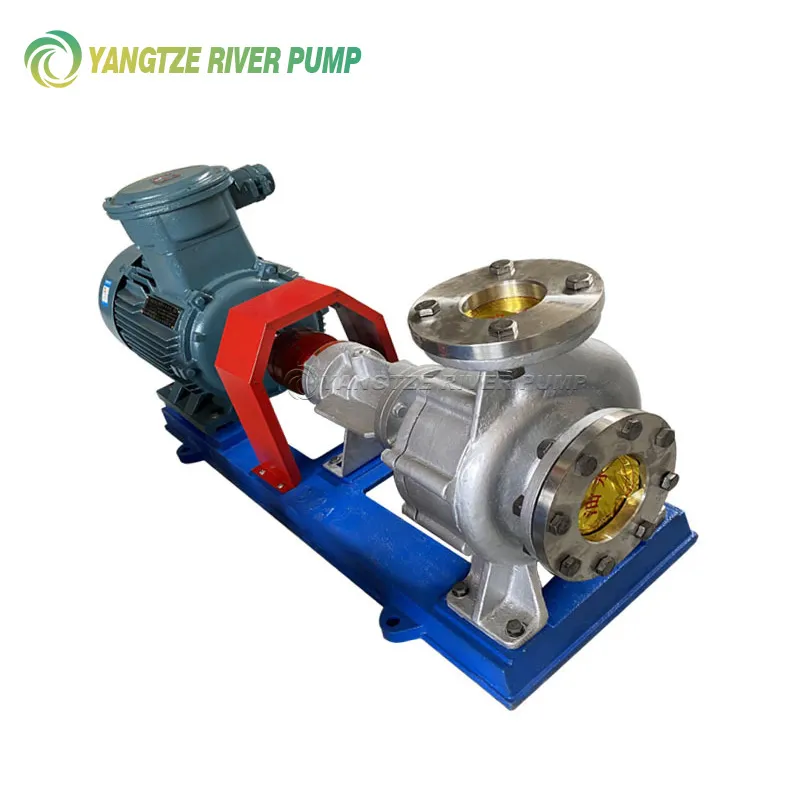
centrifugal pump 45 kW
When you hear “centrifugal pump 45 kW?”, the first thing that comes to mind is a powerful unit for pumping large volumes. But this power hides a lot of nuances that are often forgotten when choosing. Many people think that 45 kW is a guarantee of high performance under any conditions, and they calm down on this. In fact, this parameter is only a starting point for calculations. The most common mistake is not to take into account the total pressure of the system, the characteristics of the pumped medium and, most importantly, the efficiency of the unit itself at the operating point. As a result, the pump either runs idle, consuming excess electricity, or does not achieve the required parameters, overheating and failing ahead of time.
Power 45 kW: what is behind it in practice
Working with such machines, you understand that 45 kilowatts is a serious load on the network and foundation. Here you can’t get by with a lightweight concrete base—you need a full-fledged frame, often with vibration isolators. And power supply is a different story. Inrush currents, especially with direct-start pumps, can create problems for a weak substation. Therefore we are inZhejiang Yangzijiang Pumping Industry Co.,LtdWe always check the conditions at the site. It happens that a client wants exactly 45 kW, but in fact his network allows powering only 37 or 55, and then it is necessary to revise the model or offer a solution with a frequency converter for a soft start.
Another practical point is heat dissipation. A pump of this power gets noticeably hot, especially when operating close to performance. In enclosed spaces without proper ventilation, this leads to overheating of bearing units and seals. You have to either design forced airflow, or, what is more reliable, initially select models with enhanced cooling or double mechanical seals that better withstand elevated temperatures. On our websiteyangtzeriverpump.ruin the section of multistage centrifugal pumps there are just such options - designed for long-term operation under load.
And of course, noise.Centrifugal pump 45 kW- not quiet. On the test bench, when you run it at full speed, the sound is quite low, but powerful, it is transmitted through the pipelines. In residential areas or industries with strict noise regulations, this can be a problem. It is necessary to additionally install flexible inserts, vibration supports, and sometimes even build a soundproof casing. These are expenses that are often not included in the estimate initially.
Choosing a pump type: why not just any centrifugal? fits
The word "centrifugal" - too general. For tasks that require pressure of tens of atmospheres, for example, to supply water to a high-rise building or to flush high-pressure filters, a 45 kW single-stage pump will be ineffective. His strength is simply not enough. This requires multi-stage vertical or horizontal pumps. Their advantage is that they create high pressure due to the series connection of impellers, while the power remains the same - 45 kW. We produce such series, and the difference in performance characteristics with the same power consumption can be twofold.
But for pumping large volumes of water with a small lifting height, say, for irrigation or drainage, just a single-stagecentrifugal pump 45 kWwill be perfect. It has higher efficiency in such modes. But there are pitfalls here too - for example, cavitation. If the suction line is too long or has many bends, the pressure at the impeller inlet may drop, bubbles will form, and their collapse will quickly destroy the blades. You have to either increase the diameter of the suction pipe, or install the pump as close to the source as possible, or choose a model with improved anti-cavitation characteristics.
We had a case at one of the chemical plants. The customer wanted to pump an aggressive medium with abrasive inclusions, and initially they chose a standard 45 kW cast iron centrifugal pump. After three months, the impeller and casing were severely corroded. I had to change it to a plastic chemical pump made of polypropylene with a reinforced shaft and ceramic mechanical seals. The engine power remained the same, but the design of the pumping part was completely revised to suit the environment. This is to the question that power is important, but the material of the flow part and the type of seal are often more important for the survival of the unit.
Installation and piping: little things that break the system
It would seem that you installed the pump, connected the pipes and power - and it worked. In practice, most failures in the first year are due to installation errors. For a 45 kW pump, alignment with the electric motor is critical. It is not enough to simply put on the coupling - adjustment is required using probes or a laser device. A misalignment of even half a millimeter will cause vibration, which will break the bearings and oil seal within a month or two.
Pipeline piping is a separate science. The suction and pressure pipes must not be rigidly attached to stationary pipes. Compensators are definitely needed - rubber or bellows to dampen vibration and thermal expansion. The check valve on the pressure line is often forgotten. Without it, when the pump stops, a water hammer or reverse flow is possible, which will spin the impeller in the opposite direction and can damage the coupling. In our production, where eight complete lines include a test section, we always conduct a test run of the unit assembled with the recommended piping, so that the client has no surprises later.
And more about the foundation. It should be at least one and a half times more massive than the pumping unit itself. I saw how at one of the objects they poured a thin slab and screwed a powerful pump to it - after a week the bolts began to break out and a crack appeared. We had to stop the system, dismantle everything and pour a new foundation with anchor bolts laid to depth. Downtime in such cases is more expensive than proper preparation in the first place.
Service and diagnostics: how to extend the life of the unit
Moderncentrifugal pumps 45 kW- reliable cars, but they don’t last forever. The simplest and most effective way to avoid sudden failure is to regularly monitor the vibration and temperature of the bearings. A simple portable vibrometer and pyrometer is sufficient. Increased vibration levels are the first sign of impeller imbalance (due to wear or contamination, for example) or bearing problems. Early detection allows maintenance repairs to be planned rather than an emergency shutdown.
Another key point is the condition of the mechanical seal. When working with clean water, it can last for years, but with abrasive or chemical media, the service life drops sharply. We recommend that customers of our plastic chemical or abrasive slurry pumps install a simple seal flushing system with clean water. This inexpensive solution significantly increases the service life of the stuffing box assembly. We always place information on such systems in the passports for the equipment that we ship from our production lines.
And of course, spare parts. For uninterrupted operation, it is critical to have at least a minimum set in stock: a set of mechanical seals, bearings, possibly a cuff. Waiting a month for a delivery from abroad, when the pump is at the heart of the technological process, is an unaffordable luxury. ThereforeZhejiang Yangzijiang Pumping Industry Co.,Ltdalways creates a recommended list of spare parts for a specific model and operating conditions, and also keeps the most popular items in stock for quick response.
A look towards analogues and process economics
Sometimes it’s worth moving away from the stereotype and thinking: is one 45 kW pump always needed? For some systems with variable flow, it may be more profitable to have two or three units of lower power operating in cascade. This provides flexibility, redundancy and often overall energy savings, since you can turn on only the required number of pumps for the current load, rather than running one large one at partial power with low efficiency.
But this solution also has a downside - more complexity of the control system, more points of potential leaks, more space for installation. It is already a matter of compromise between capital costs and operating costs. In our practice, there were projects where, after a detailed analysis of the load schedule, we advised the customer on a cascade scheme consisting of, for example, three pumps of 15-18 kW instead of one of 45, and this paid for itself in two years due to savings on electricity.
In the end, returning tocentrifugal pump 45 kW. This is not just a product item with a certain price. This is an engineering decision that requires an understanding of system hydraulics, media properties, operating conditions and life cycle economics. The right choice, competent installation and attentive maintenance turn it into a workhorse that will serve faithfully for years. Errors at any of these stages turn the same machine into a source of ongoing problems and costs. The main thing is not to look at kilowatts in isolation, but to see the entire system behind them.
Correspondingproducts
Related Products
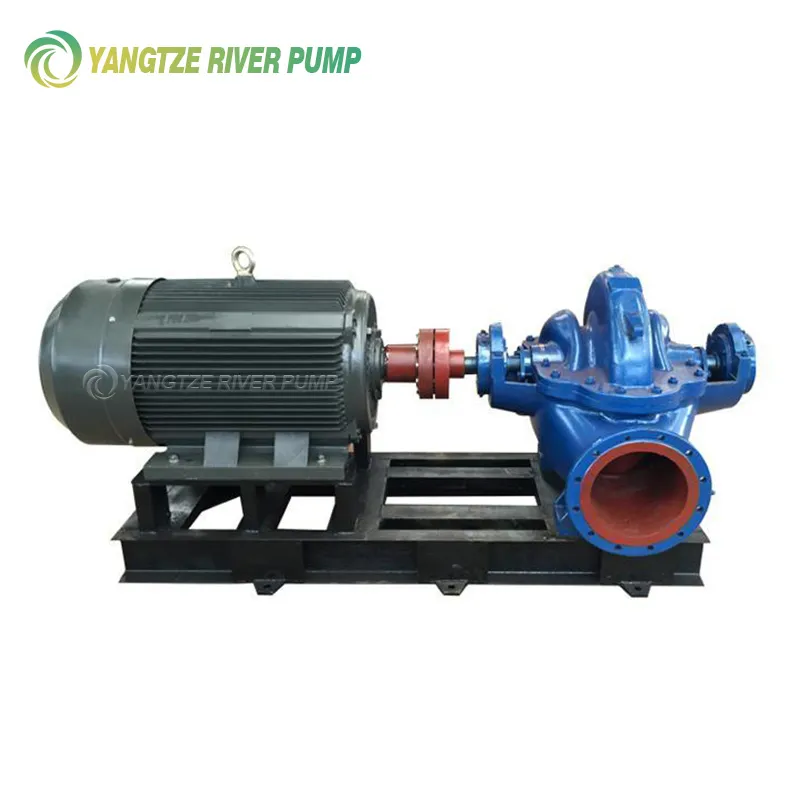


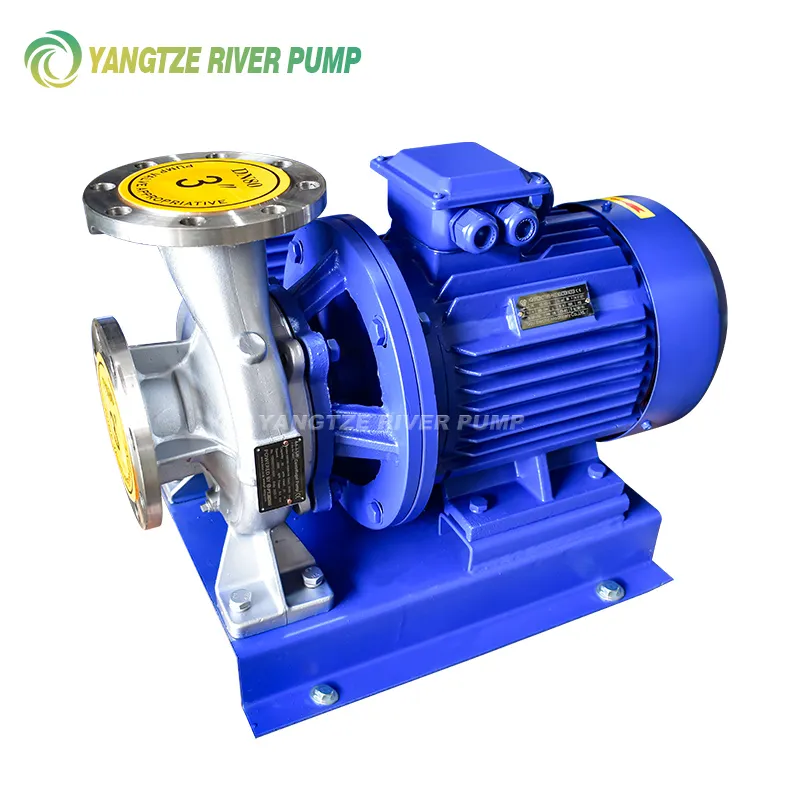
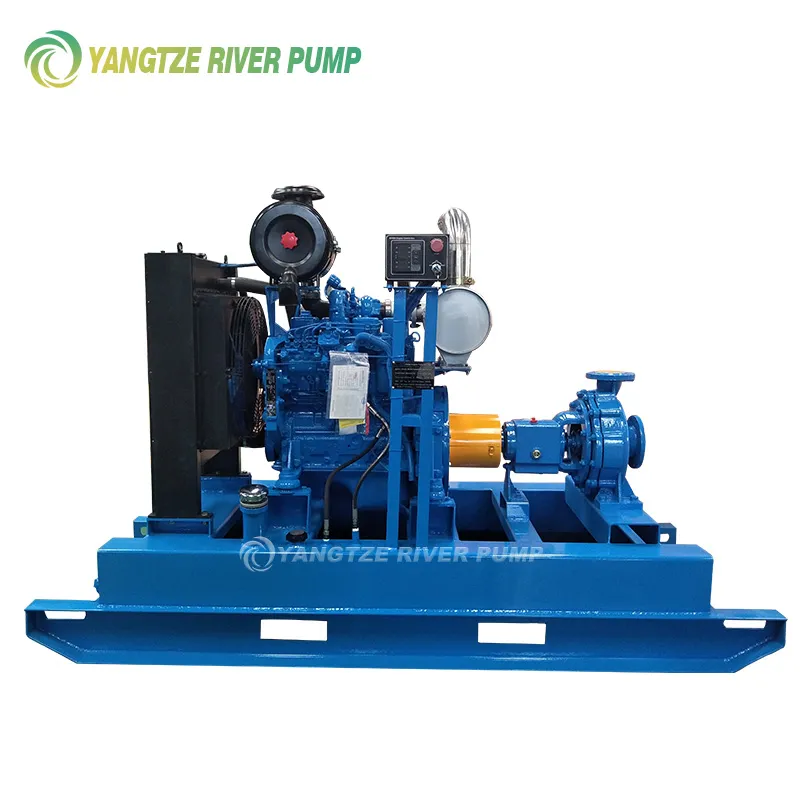



Best Sellingproducts
Best Selling Products-
 CQF Plastic Magnetic Pumps
-
 Infinitely variable screw pumps type G
-
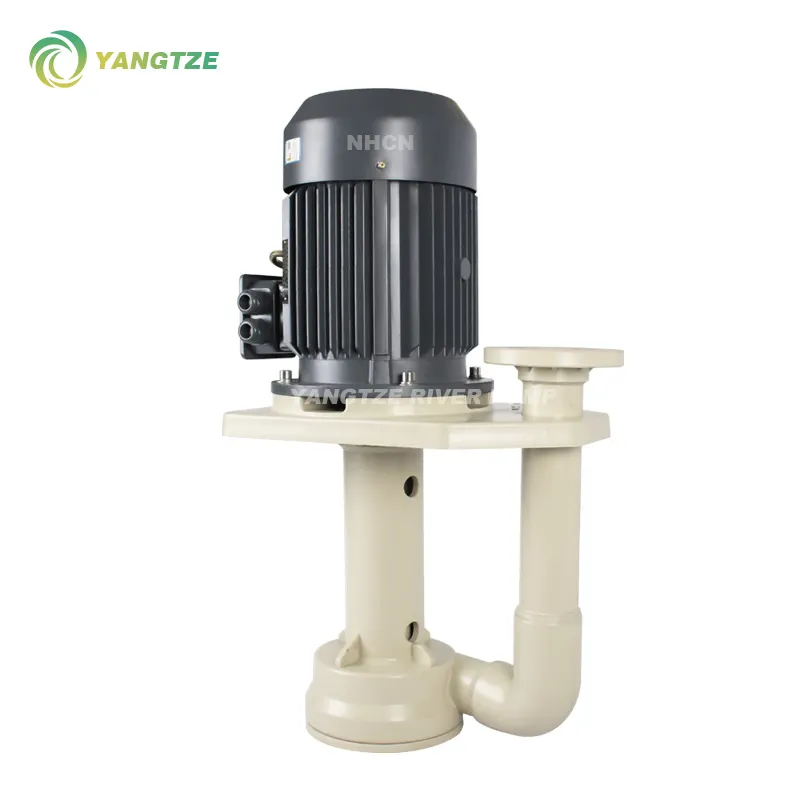 Vertical pumps for installation inside/outside tanks YZCN and YZCW
-
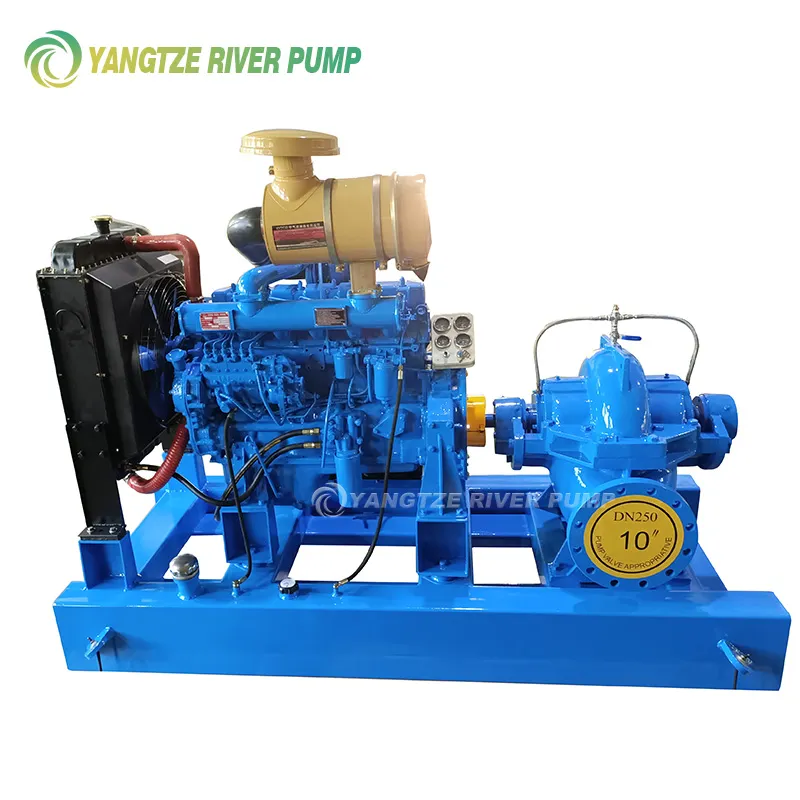 Diesel pumps with horizontal connector YZS and YZSH
-
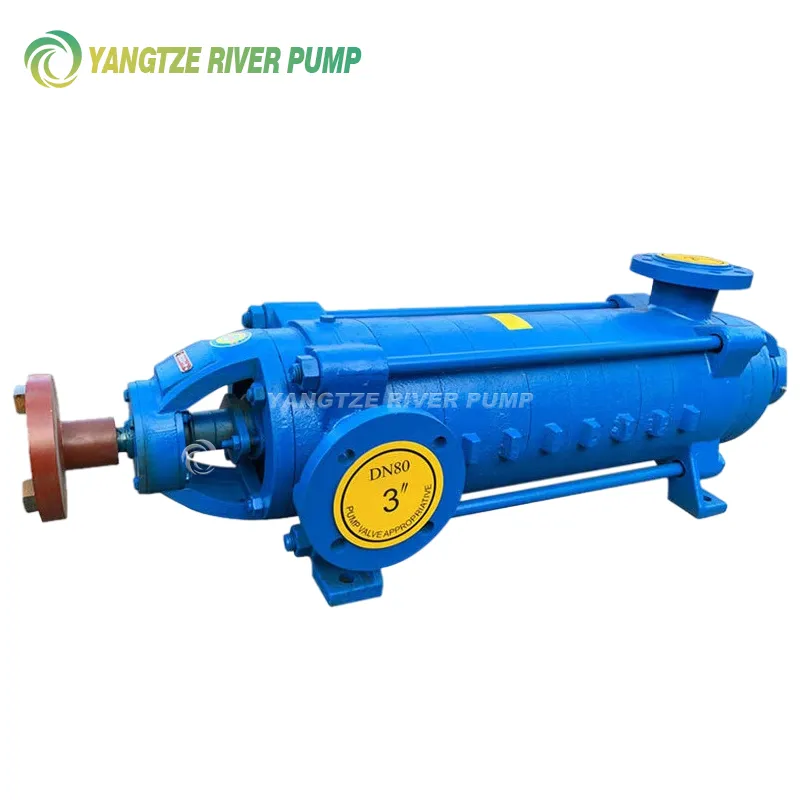 Horizontal multistage pumps for feeding DC boilers
-
 QJ type borehole pumps
-
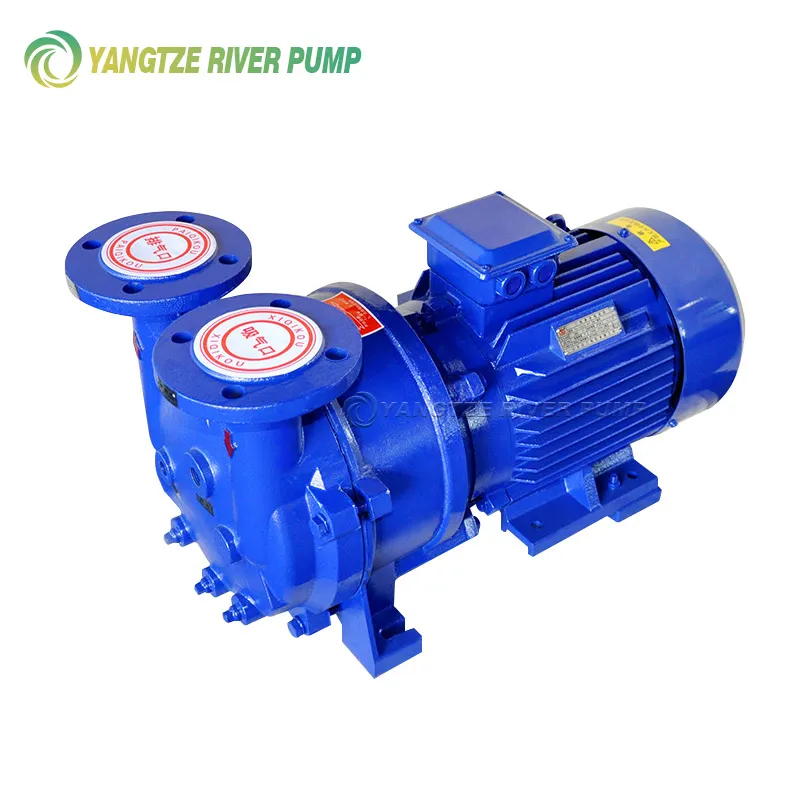 Liquid ring vacuum pumps type SKA and 2BV
-
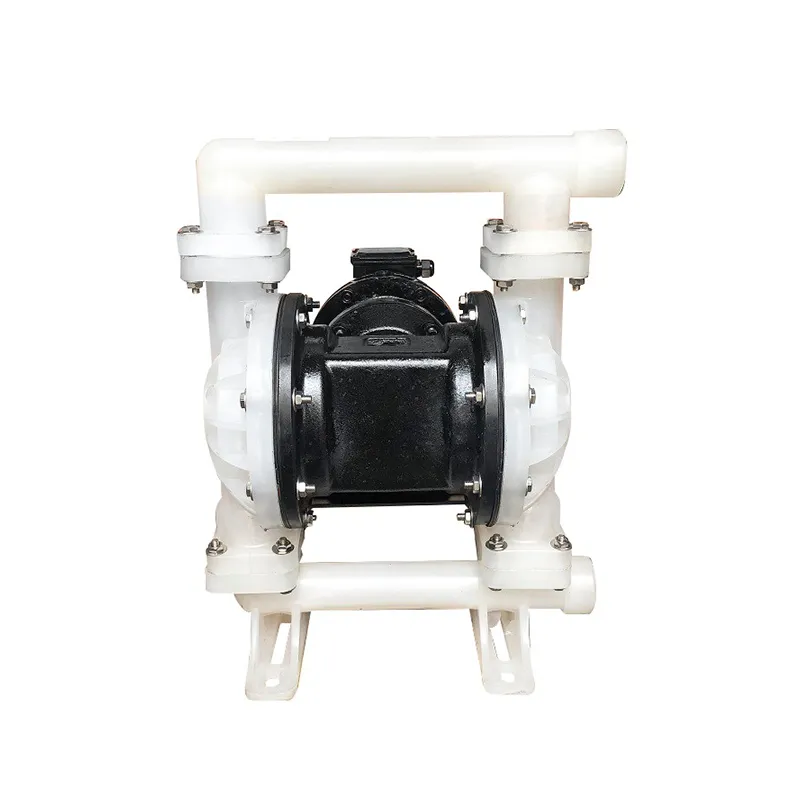 DBY Non-Metallic Electric Diaphragm Pumps
-
 RY thermal oil pumps
-
 IHF PTFE Chemical Centrifugal Pumps
-
 Vertical multistage centrifugal pumps made of stainless steel (light series) CDL and CDLF
-
 Corrosion-resistant stainless steel centrifugal pumps SFB and SFBX