







two stage centrifugal pump
When you hear “two-stage centrifugal pump?”, the first thought is probably just two single-stage units placed in series to increase the pressure. This is what many people think, and this is the main pitfall. In practice, everything is more complicated and interesting. Design, balancing of rotors, mutual influence of stages on efficiency and cavitation characteristics - this is where the real work begins. At Zhejiang Yangzijiang Pumping Industry Co., Ltd. we have been through this, and not always smoothly.
Construction: Where the Devil Lies
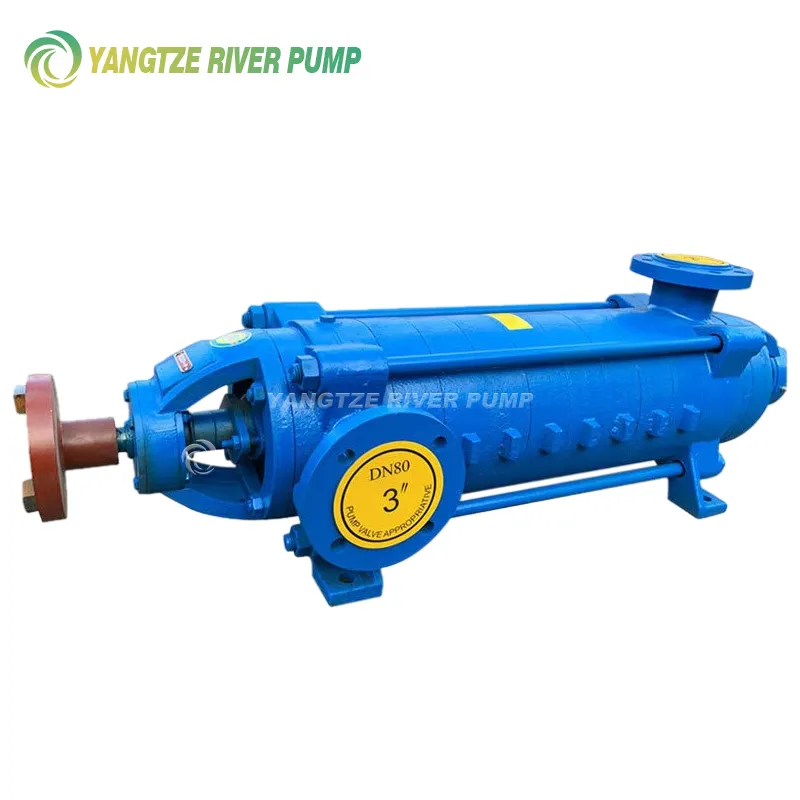
Based on our experience, the key difference is the location of the impellers. Option ?back to back? versus ?face to face?. Fortwo-stage centrifugal pumps, intended for high-pressure applications, such as booster systems or some process lines, a back-to-back arrangement is often chosen. This helps to partially balance the axial forces, but not completely, and this is where the dance with the selection of thrust bearings begins.
I remember one project for a chemical plant. The customer wanted a reliable pump for pumping solution with moderate aggressiveness, but with very stable high pressure. We proposed a model with two stages and a classic sequential wheel arrangement. After the launch, vibrations arose that were not critical, but caused concern. We took it apart and it turned out that the problem was in the gaps and thermal expansion of the housing. The calculations were correct, but the actual installation conditions (imperfect alignment with the pipeline) made their presence felt. We had to modify the support frame and compensator system.
This case clearly shows that even a well-thought-out designtwo stage centrifugal pumprequires careful testing under conditions close to real ones. On our production lines, we now carry out not only standard hydraulic tests for such critical orders, but also long-term tests on a special stand that simulates possible distortions in a loaded state.
Materials and environment: unobvious connections
It would seem that if the pump is two-stage, then the materials for both stages should be the same. Not always. The second wheel operates under conditions of a different pressure and, importantly, a different temperature of the environment if the pumping is long-term. This is especially true for chemical pumps.
We had an episode with pumping hot condensate. The first stage, made of standard stainless steel, worked fine. And at the exit from the second stage, after six months, traces of cavitation erosion began to appear. The reason is a local pressure drop and boiling of the liquid already inside the flow part of the second stage. The material of the first stage held up, but for the second stage we had to switch to a more resistant alloy. Now, for such environments, we always separately model the parameters at each stage before approving the final bill of materials.
This point is often overlooked when focusing only on the overall pressure. But it is precisely such details that determine the resource. On the websiteyangtzeriverpump.ruwe don't just list that we make plastic chemical pumps orcentrifugal pumps, but we try to convey the importance of just such a detailed approach to selection.
Assembly and Balancing: The Art of Precision
This is where reliability is at its core. Assembling a two-stage pump is more than just putting the wheels on the shaft and tightening the nuts. Dynamic balancing of the entire rotor assembly is a mandatory, but not sufficient step. After this, you need to check the runout of the wheel seats and make sure that the sealing surfaces are parallel.
Previously, we were faced with a situation where a rotor that was perfectly balanced on a machine, after being installed in the housing and tightening the covers, began to “sing”. The reason for this was micro-distortions in the body parts, which created an uneven load on the shaft. The solution was found in precision machining of the seats in the frame and the use of “hot” technology. landings for some elements. This process is now part of our internal standard for multi-stage models.
This is not written about in catalogs, but it is precisely these nuances that distinguish a product that simply works from a product that works for a long time and without problems. Our R&D department is constantly working to improve these processes, and this is perhaps the main thing we sell - not just a pump, but confidence in its operation.
Applications and selection errors
The main mistake is to use a two-stage pump where you can get by with a single-stage pump, but with a different type of wheel.Two-stage centrifugal pumps- This is a solution for really high pressures, where one stage is no longer effective or requires prohibitive rotation speeds. For example, in reverse osmosis systems or for supplying water to high-rise buildings.
We had a client from the mining industry. It was necessary to raise sludge from great depths. They initially considered a high-power, single-stage submersible pump. But after analyzing the particle size distribution and the required pressure, it became clear that the wear would be catastrophic. They proposed a scheme with a two-stage pump, but with reinforced, wear-resistant impellers of a special profile. The solution turned out to be more expensive at the start, but significantly increased the turnaround time.
Sometimes, while browsing our website, customers immediately go to the section withmultistage centrifugal pumps. But our task as a manufacturer is to first find out whether this complication is necessary. Often, the correct selection of a single-stage model, the same line of centrifugal or self-priming pumps, solves the problem cheaper and more reliably.
Service and feedback: what comes from the field
Delivery of the pump is not the end of the story, but the beginning. The most valuable improvements come from the reports of service engineers. For example, regarding two-stage pumps for housing and communal services, we received several complaints about the difficulty of disassembling for routine replacement of gland seals.
The design was technically sound, but required too much time and special tools in a cramped chamber. Based on these complaints, we have revised the rear cover and shaft seal assembly to be modular. Now replacement takes much less time. We have transferred this experience to other models, including linear centrifugal pumps.
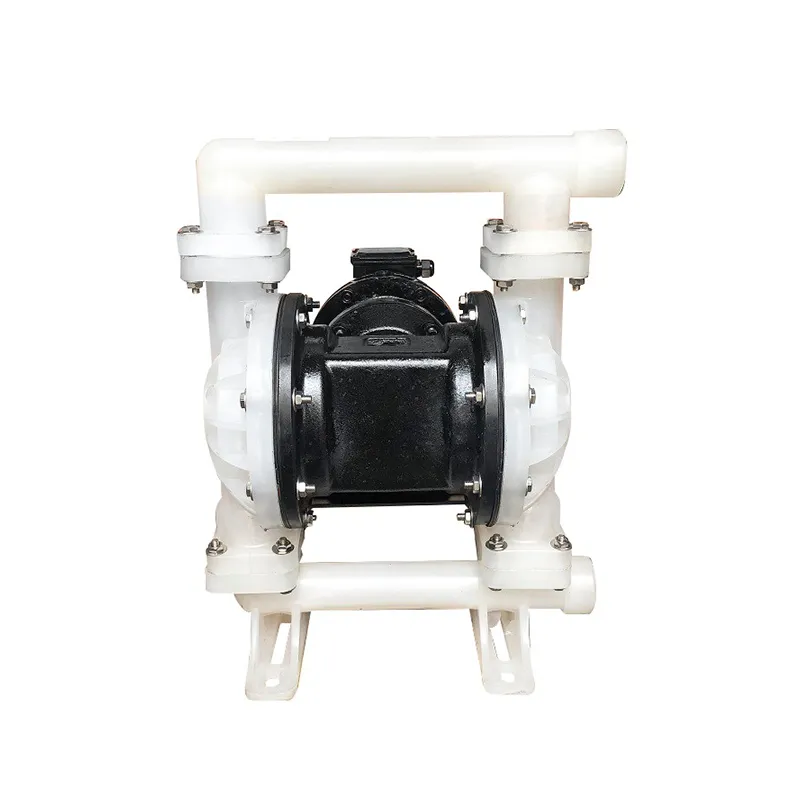
That is why our company combines production, sales and service. The cycle is closed. A problem identified with one customer leads to an improved product for everyone. This, in my opinion, is the only way to make truly reliable equipment, be ittwo stage centrifugal pumpor diaphragm pump for dosing.
Correspondingproducts
Related Products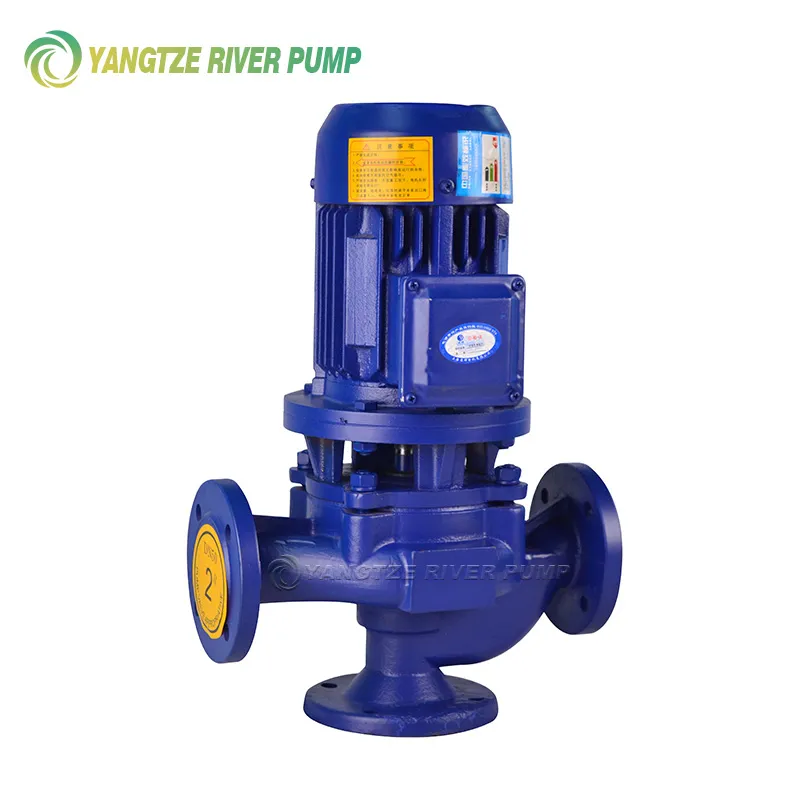

Best Sellingproducts
Best Selling Products-
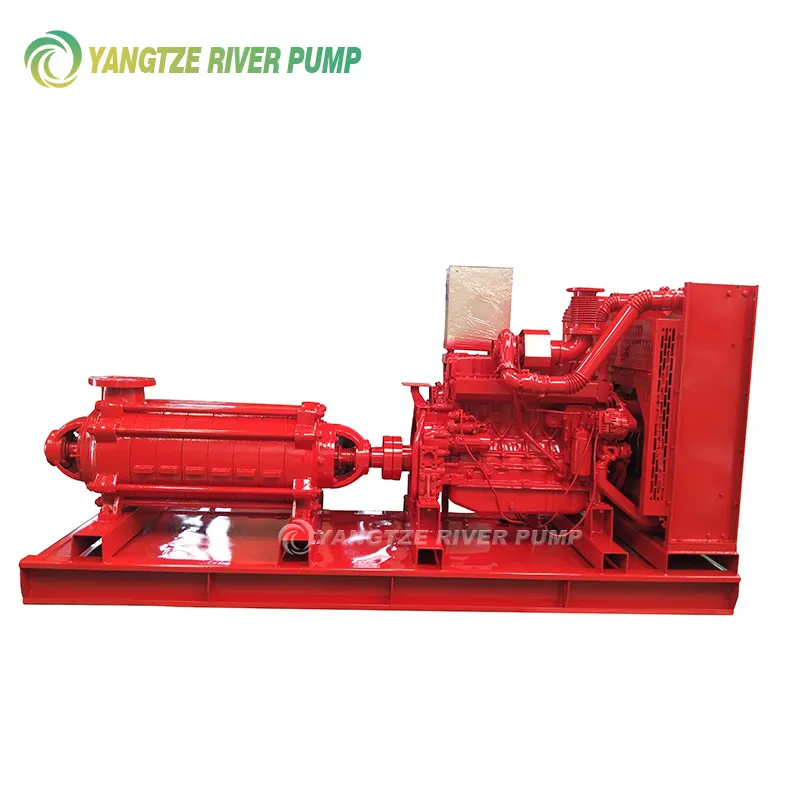 XBC Diesel Intelligent Fire Pumps
-
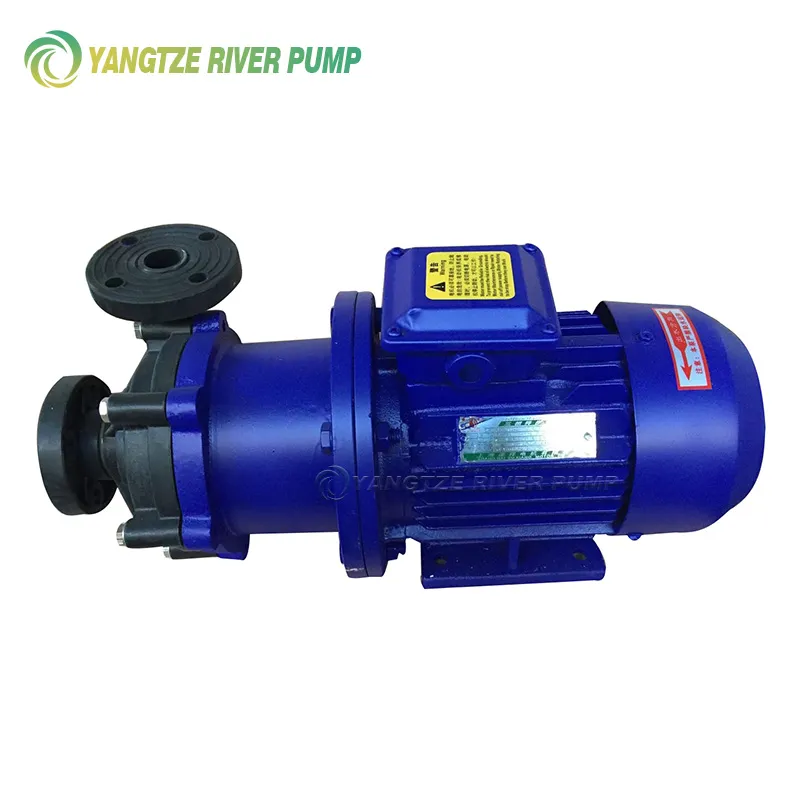 CQF Plastic Magnetic Pumps
-
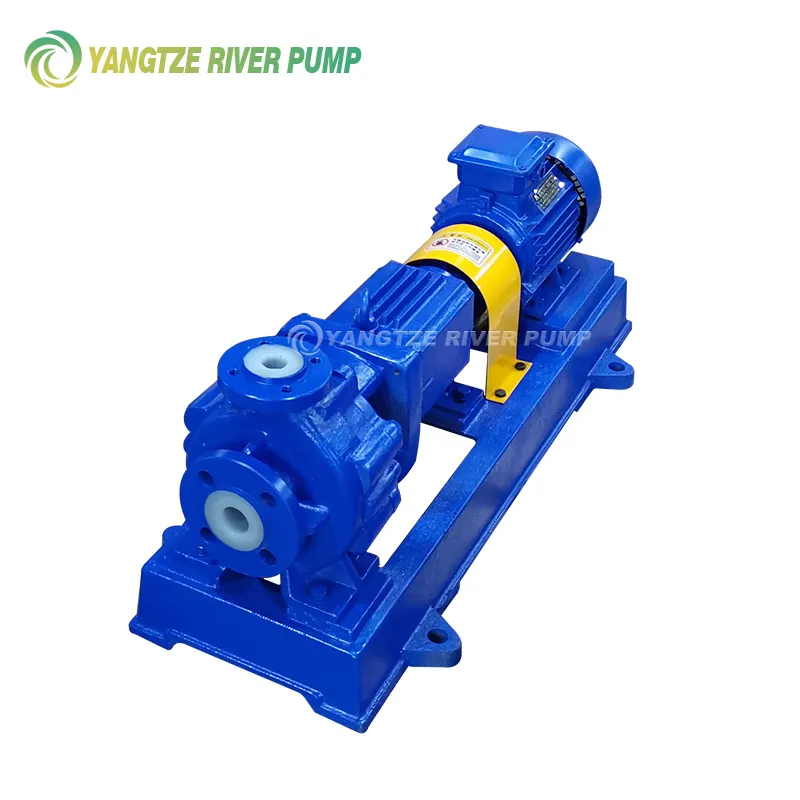 IHF PTFE Chemical Centrifugal Pumps
-
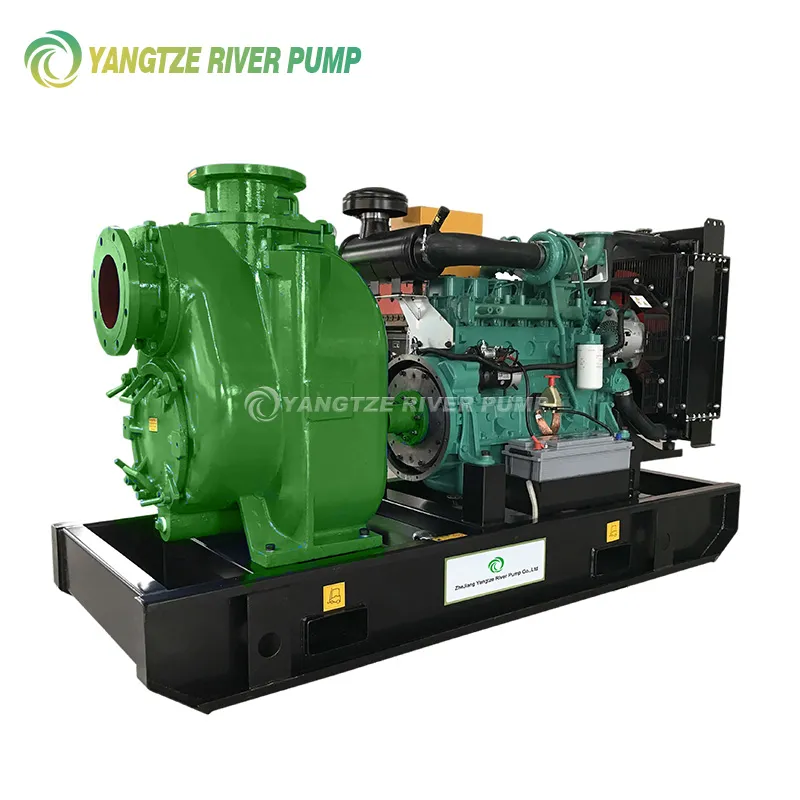 YZSP Diesel Self-Priming Pumps
-
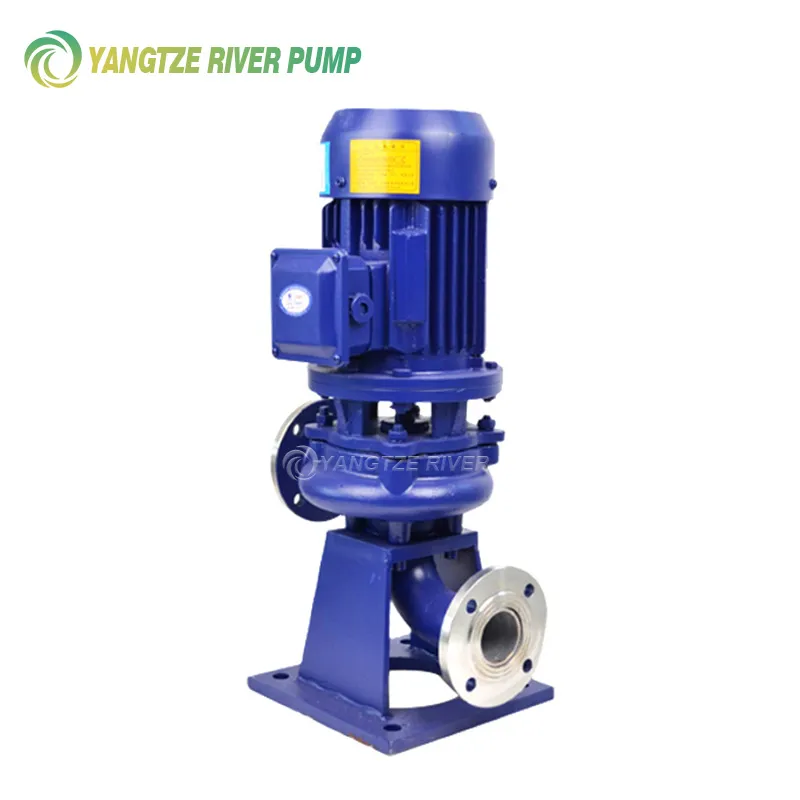 Non-clogging vertical wastewater pumps LW
-
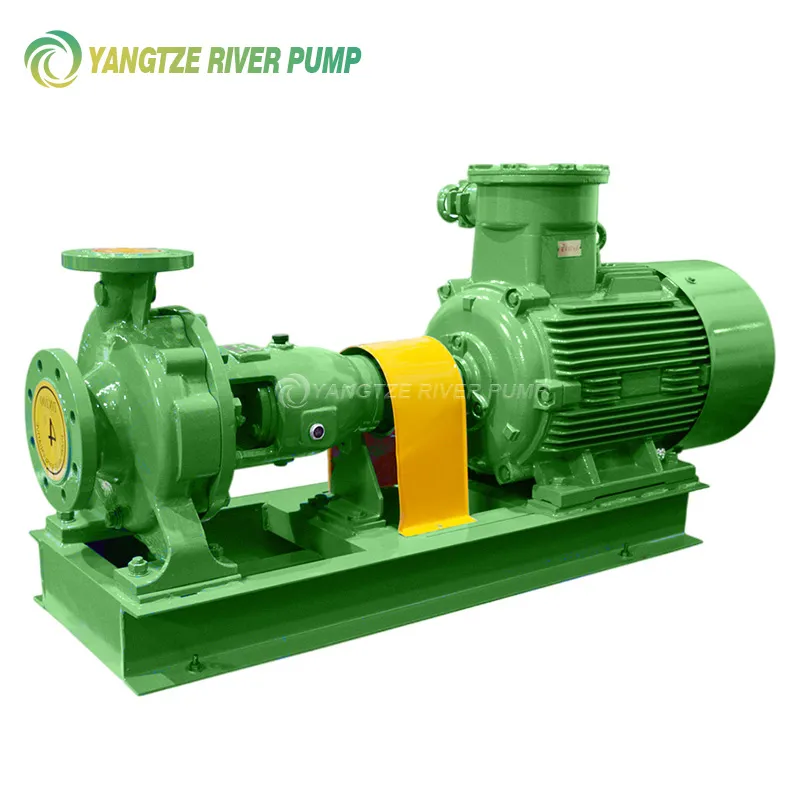 YCZ Chemical Process Pumps
-
 Diesel pumps with horizontal connector YZS and YZSH
-
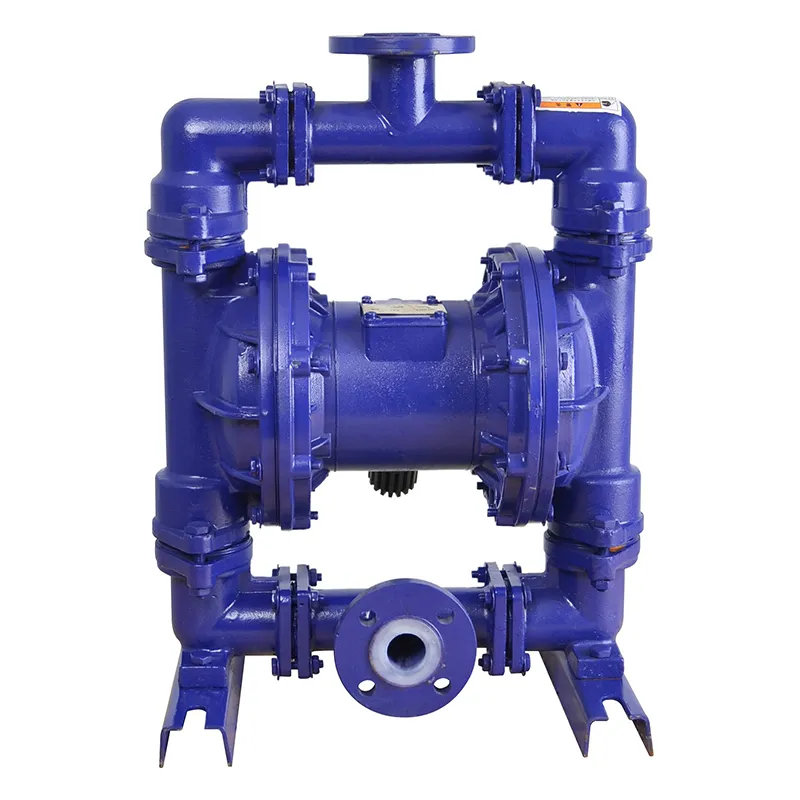 Metal pneumatic diaphragm pumps QBK
-
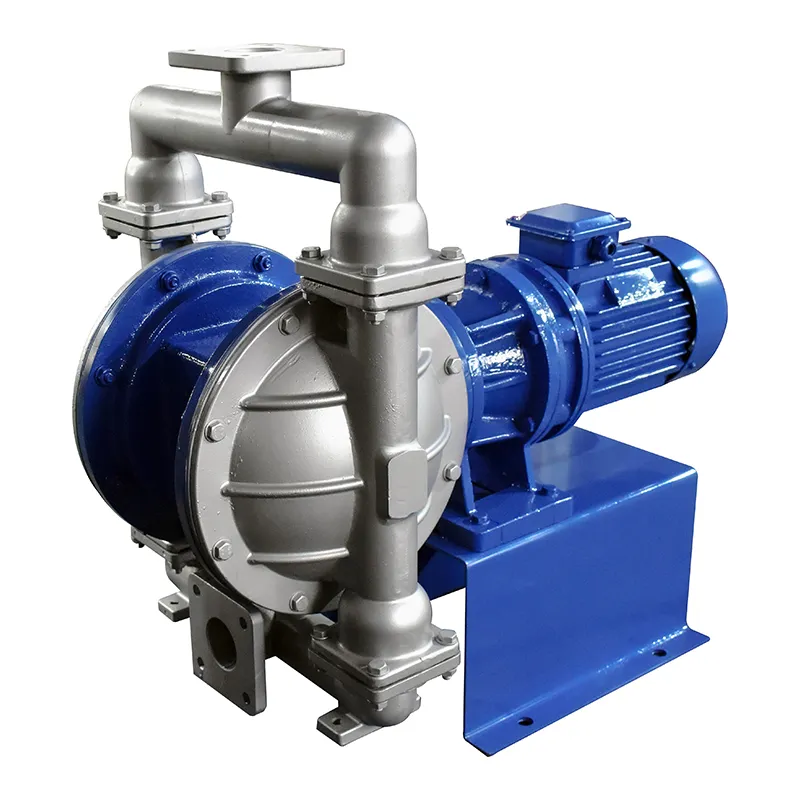 Metal electric diaphragm pumps DBY
-
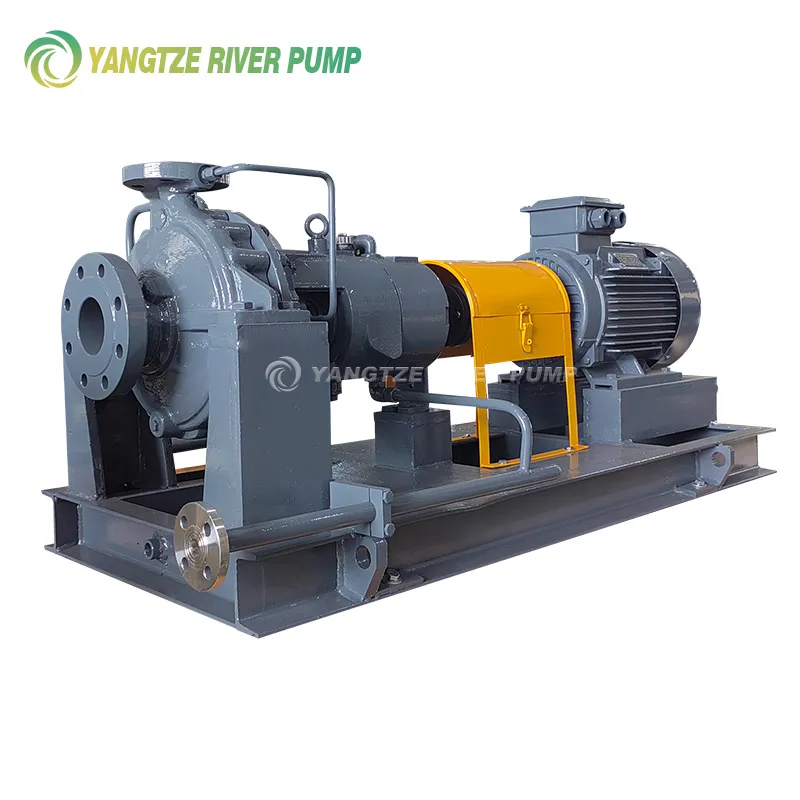 Petrochemical Process Pumps API 610 YZE
-
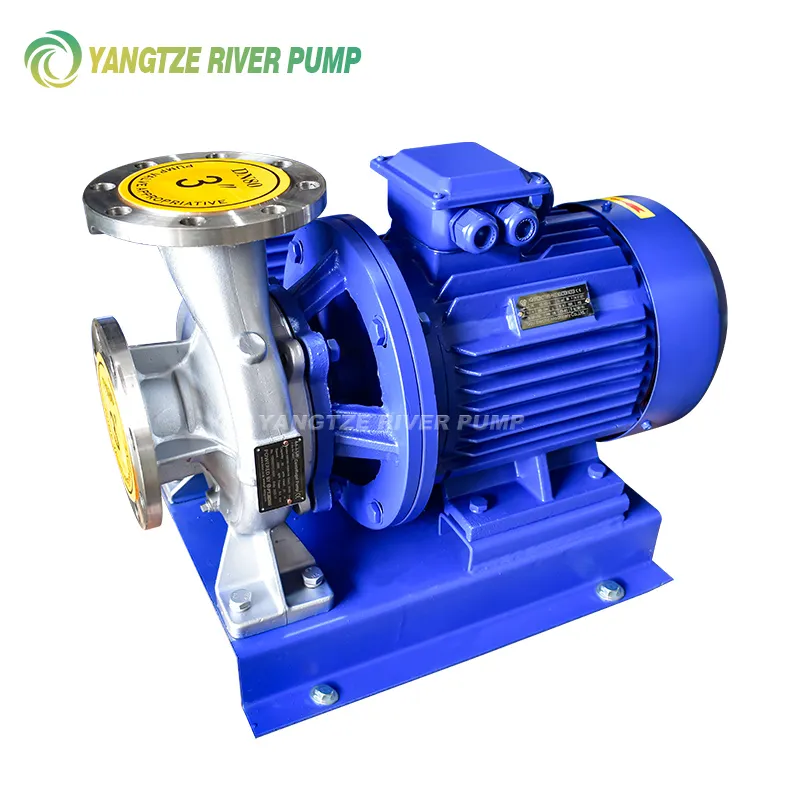 ISW and ISWH Single Stage Horizontal Pipeline Centrifugal Pumps
-
 FY Submersible Chemical Pumps