







cross-section of deep-well pump
When you hear “cutaway deep-well pump?”, the first thing that comes to mind is a beautiful training diagram or an advertising video where everything is shiny and perfectly labeled. In fact, such a cut is most often a consequence of a serious problem. Or the pump failed at the site, and it was brought in for an autopsy. for diagnostics, or this is a stage of production control. At Zhejiang Yangzijiang Pump Industry Co., Ltd., where I encounter the full cycle from R&D to finished product testing, the sight of a cut-up unit speaks volumes. This is not a picture for a catalogue, but the history of his work, and sometimes the history of mistakes that we try not to repeat.
What is actually visible in the cross-section
Let's take, for example, the standarddeep well pumpfor a well. Everything is simple in the diagram: electric motor, multi-stage section, impellers, guide vanes, shaft, bearings. In life, when you cut a body (usually this is done on an already used or defective sample), the picture is different. The first thing you look at is the condition of the impellers and the gaps. Not the perfect symmetry as in the 3D model, but traces of cavitation, if there was a problem with the selection, or uneven wear of the seals. Sometimes you can see salt or sand deposited on the shaft - it’s immediately clear what kind of water the unit worked with.
This is where the main professional point lies. Beautiful picturecross-section of a deep-well pumpfrom the Internet will not show you a microcrack in the wheel material after a long time of working with an aggressive environment. It will not show how a plastic guide vane actually behaves in a chemical pump under load. This understanding comes only when you see not one, but dozens of such “opened” ones. units. At our test bench, sometimes samples are deliberately brought to the limit, and then cut - to see the weak points of the structure.
I remember a case with one order forsubmersible pumpsfor water supply to the village. The pumps worked less than the warranty period. When they opened it, it turned out that the sand had passed through the filters of abnormal size (the customer saved money) and played the role of an abrasive in the steps. The cut showed perfectly how grains of sand traced grooves on the plastic wheels. This was not our marriage, but an object lesson: in the technical specifications it is necessary to more strictly specify the requirements for preliminary filtration. Now we have in the documentation for eachborehole pumpThere is a whole section with recommendations for preparation.
From drawing to metal (or plastic): where problems arise
A production line is more than just a conveyor belt. Especially when it comes to multi-stage centrifugal pumps, where the accuracy of the assembly of each stage is important. A section of the finished product helps to check whether the shafts are aligned and whether the gaps between the wheel and the diffuser are set correctly. It happened that in the early stages, when debugging a new model of a linear centrifugal pump, a distortion of only half a millimeter was detected on the cut. It would seem nonsense. But in tests this gave vibration and a drop in pressure by 5-7%. We had to revise the technological equipment for alignment.
Material is a separate issue. We have a range of cast iron, stainless steel, and plastic chemical pumps made of PP or PVDF. Each cut tells its own story. Plastic, for example, should not have internal stresses after casting, otherwise it may crack under load and temperature. We cut sample cases from the batch to check the structure. One day we saw bubbles in the thickness of the material - a problem with the vacuum in the mold. The entire batch was rejected. If it went to the client, the pump would simply burst from the inside.
But with magnetic pumps there is a special story. The main thing there is the tightness of the chamber with magnets and the integrity of the sleeve separating the medium and the drive. The cross-section shows the quality of welding of this very sleeve. A poor-quality seam will result in aggressive chemicals getting into the magnetic coupling. It will destroy it in a couple of hours. After every change in welding technology, we always make a control cut, etch the seam and look under a microscope. Boring, routine work, but it saves you from major complaints.
Tests: where theory meets reality
The test site is the place where all the beautiful pressure and efficiency curves from the catalog take on real shape. And herecross-section of deep-well pumpafter testing it is the most valuable exhibit. We run pumps in different modes, including “dry” mode. on the move, at extreme pressures. Then we open it and look. For example, we check how the shaft seal behaves in a self-priming pump after working with suspensions. On paper, everything holds up, but in reality, an abrasive suspension can kill an oil seal or mechanical seal in a short time.
Fordiaphragm pumpsThe key point is the diaphragm and valves. After extensive testing in viscous liquids, the cross-section shows the fatigue deformation of the diaphragm material at the attachment points. This allowed us, together with the rubber and plastic supplier, to adjust the composition of the mixture and increase the service life. Without such an "opening" we would simply state the fact of failure without understanding the root cause.
Customers often ask to select a pump for non-standard conditions: high hydrogen sulfide content, elevated temperature. After developing a prototype and testing it on a bench with a simulated environment, we definitely make a cut. You need to make sure that the selected brand of stainless steel or special coating actually withstood a chemical attack. One such visual result is worth dozens of pages of the report. We sometimes even show photographs of such incisions to our clients for complete confidence.
Mistakes that teach more than successes
Not everything goes smoothly. We attempted to make a lightweight version of a multistage pump for petrochemicals. Engineers calculated that it was possible to reduce the wall thickness of the middle chamber housing by using stronger steel. We assembled a prototype and tested it - the parameters were normal. But when they made a cut after 500 hours of continuous work on the stand, they saw the beginning of a fatigue crack in the high-pressure zone. The material withstood a static load, but not a cyclic one. I had to return to the old, proven design. This sawn body lay in our chief designer’s department for a long time as a reminder.
Another example is with single screw slurry pumps. It would seem that everything is simple: a steel screw in a rubber-coated stator. But when opening the pump, which worked with lime sludge, it was discovered that the particles had stuck and sintered on the back side of the screw turns, creating an imbalance. The design was correct, but this specific environment required additional cavity flushing. This is now a mandatory recommendation in the instructions. Sometimes the solution lies not in changing the design, but in changing the operating mode, and the section helps to see this.
These “failures” cuts are perhaps even more valuable to our R&D department than successful ones. They force you to ask uncomfortable questions, double-check calculations, and not blindly trust computer modeling. On the websiteZhejiang Yangzijiang Pumping Industry Co.,LtdWe, of course, show ideal diagrams and photographs of finished products. But the real reliability work happens here on the shop floor, at the test bench and at the table where the nextcross-section of pump, telling his complicated story.
Bottom line: the cut as the final control point
So what is itcross-section of deep-well pumpin my understanding? This is not the beginning, but rather the finale of a certain stage. The final point of quality control in production. The result of testing the new model. Diagnostic report on field operation of equipment. It is a tool that connects theory, production and the rigors of real-life use.
When we design a new centrifugal orsubmersible pump, already at the sketch stage we imagine what its future section will look like after several years of work. Will it be as clean as the drawing? Which nodes will raise questions? This is thinking based on practice rather than abstraction.
Therefore, if you see a photo of a section on our website or in the catalog, know: behind this picture there is not the work of a designer, but the work of engineers, technologists and testers. This is a guarantee that the pumps that are shippedZhejiang Yangzijiang Pumping Industry Co.,Ltd, underwent not only computer analysis and assembly on a conveyor belt, but also such a tough, “anatomical” one. control. Control that doesn't lie.
Correspondingproducts
Related Products
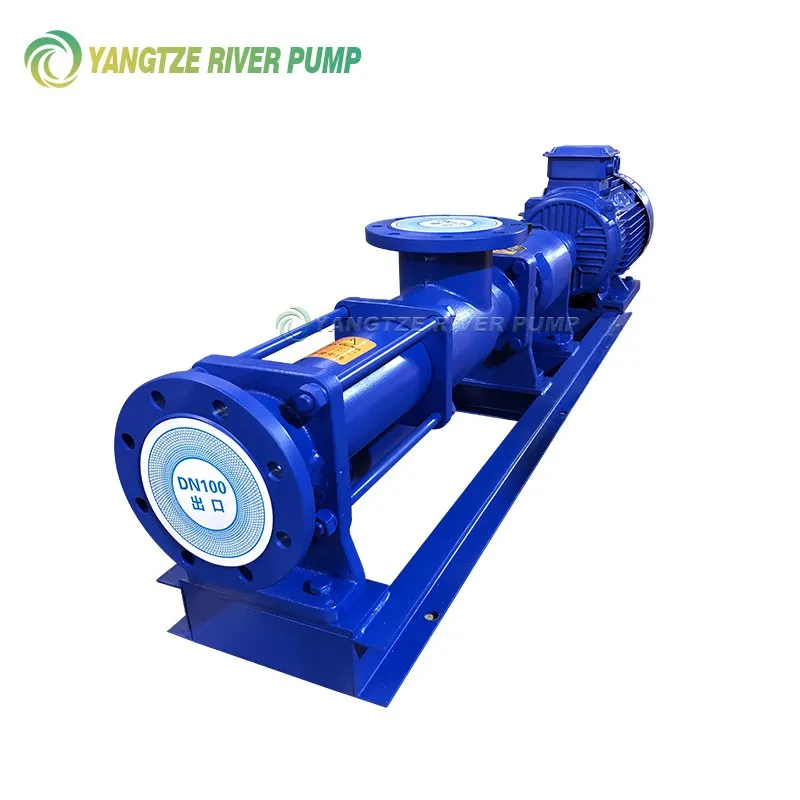

Best Sellingproducts
Best Selling Products-
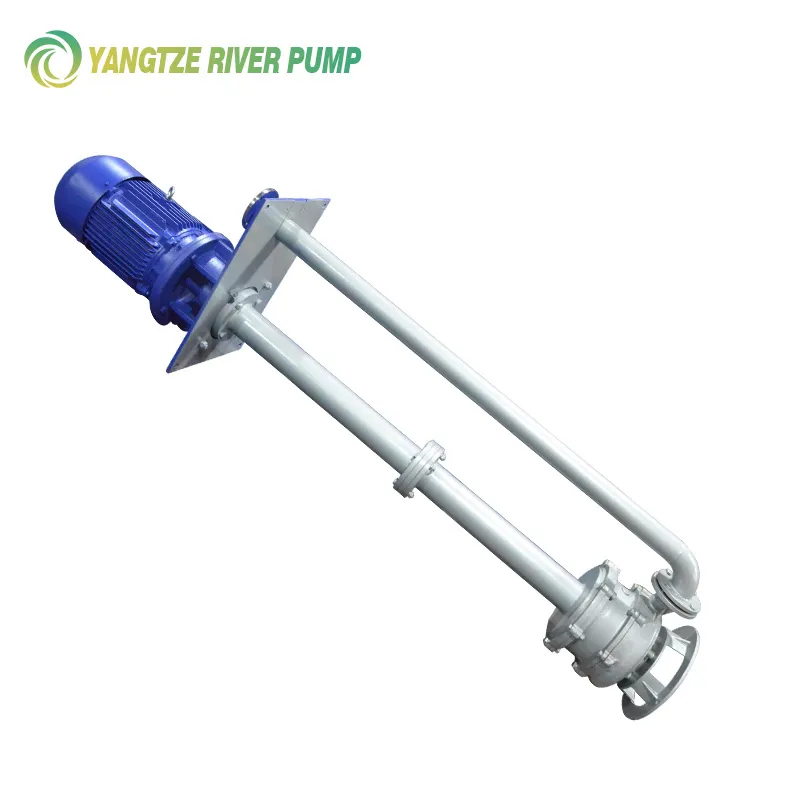 YW Vertical Submersible Sewage Pumps
-
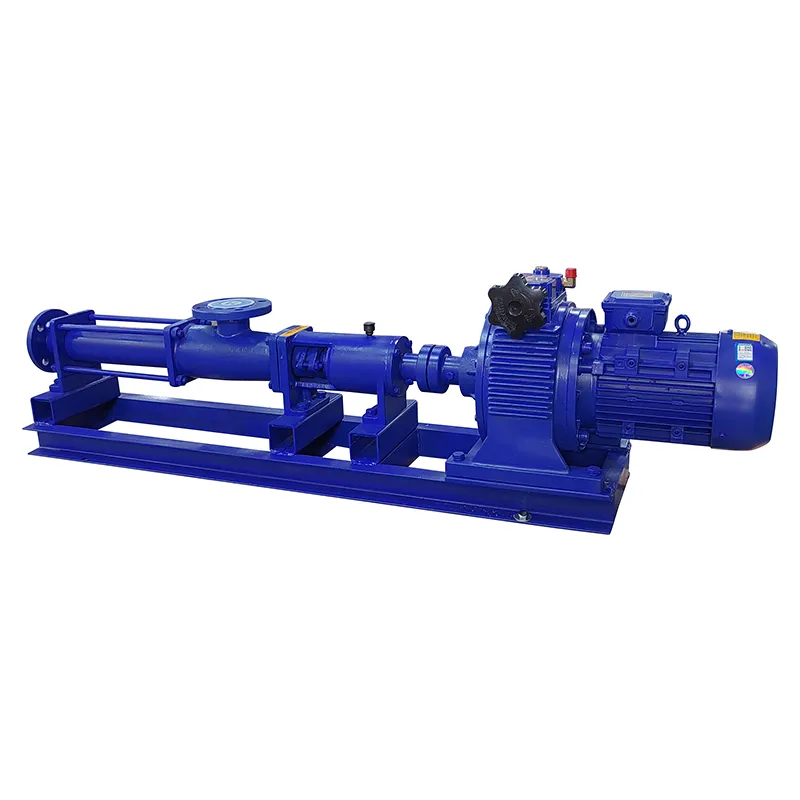 Infinitely variable screw pumps type G
-
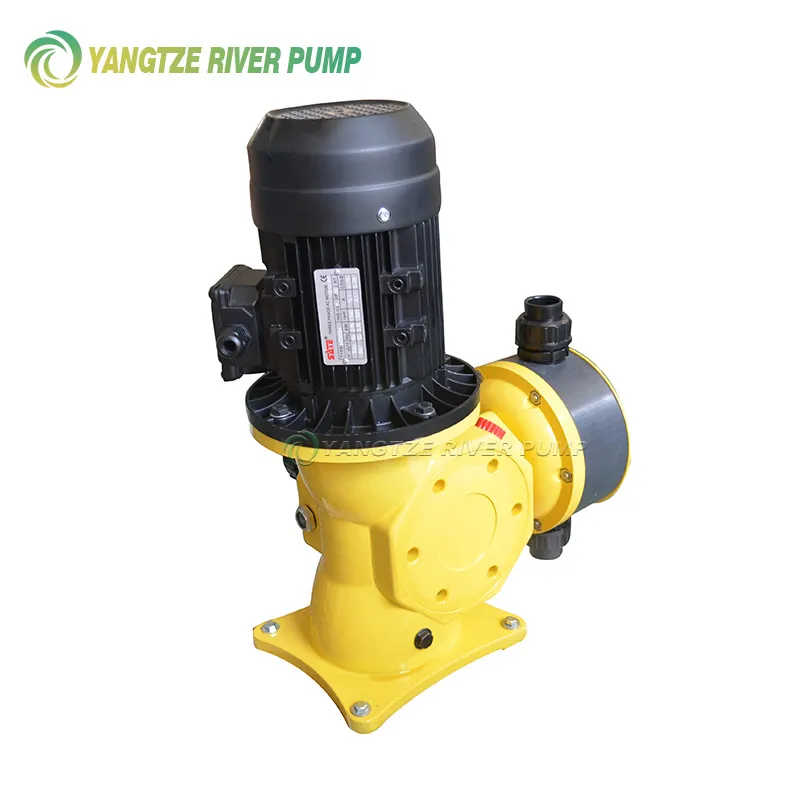 Mechanical diaphragm dosing pumps DJ-D
-
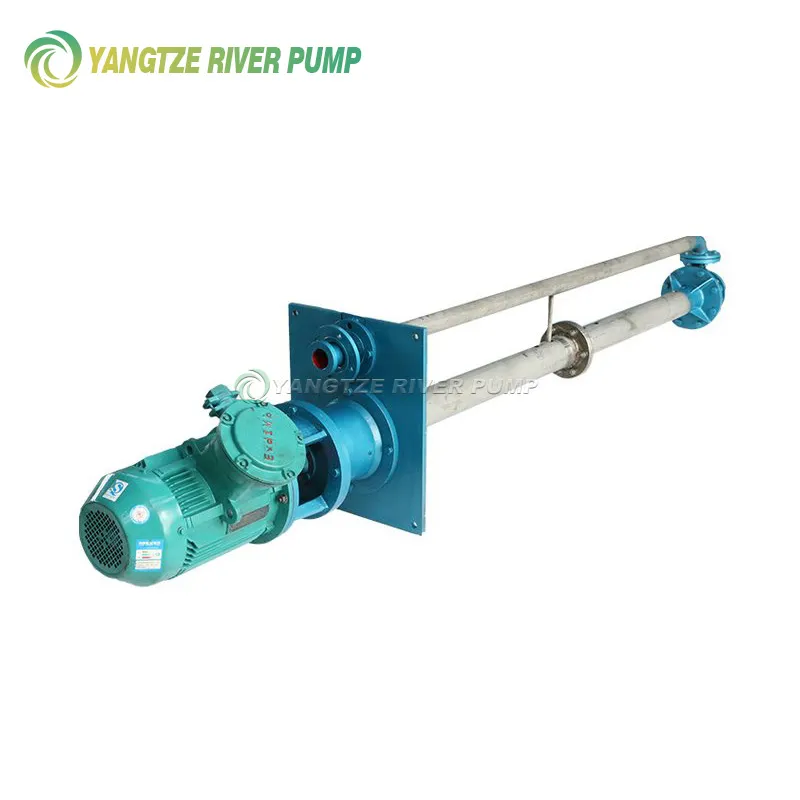 FY Submersible Chemical Pumps
-
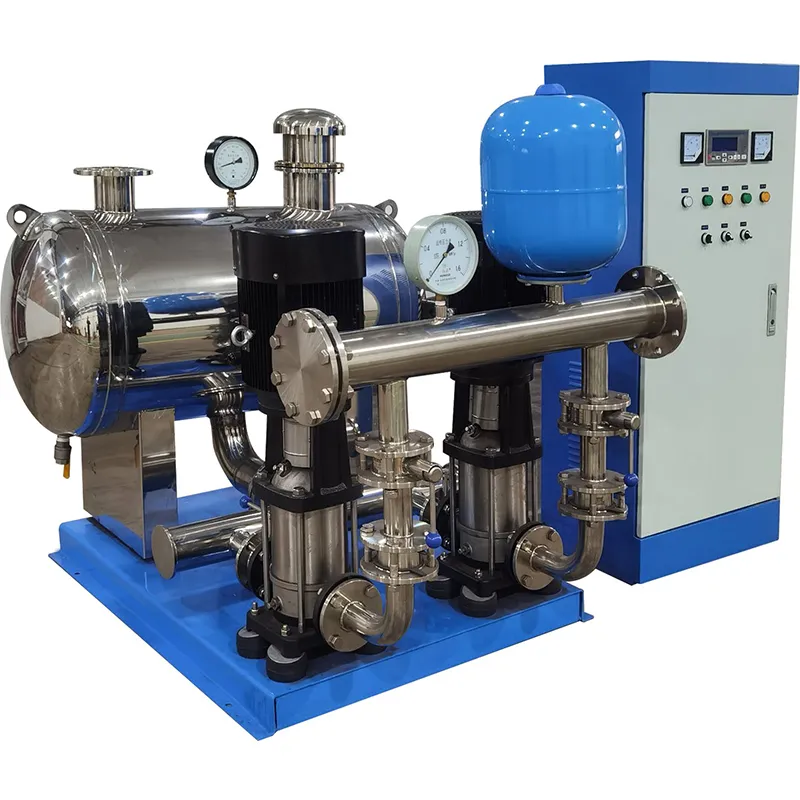 Complete water supply installations with frequency regulation and constant pressure CDLF
-
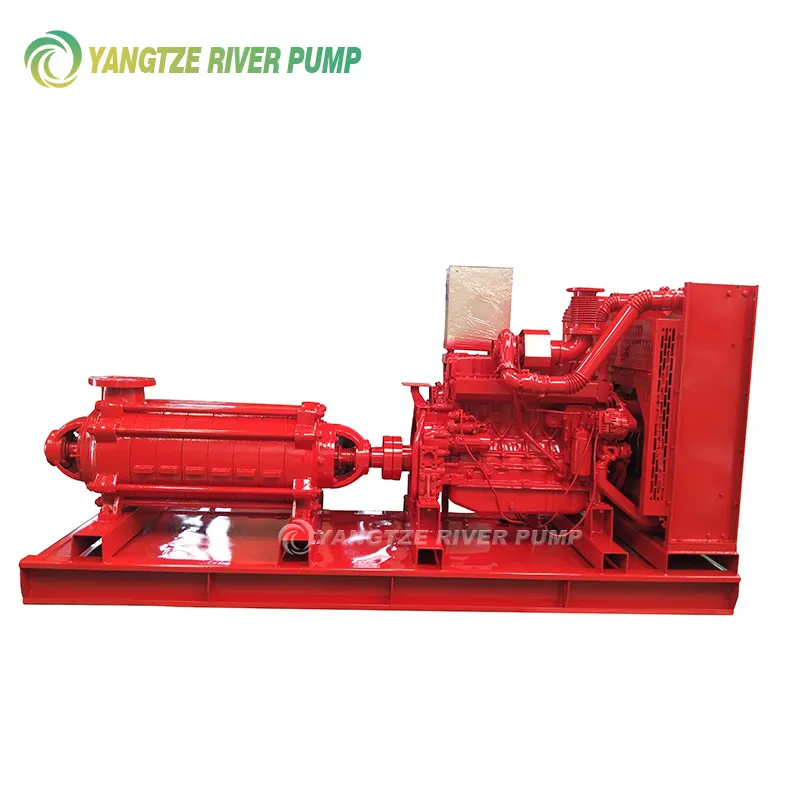 XBC Diesel Intelligent Fire Pumps
-
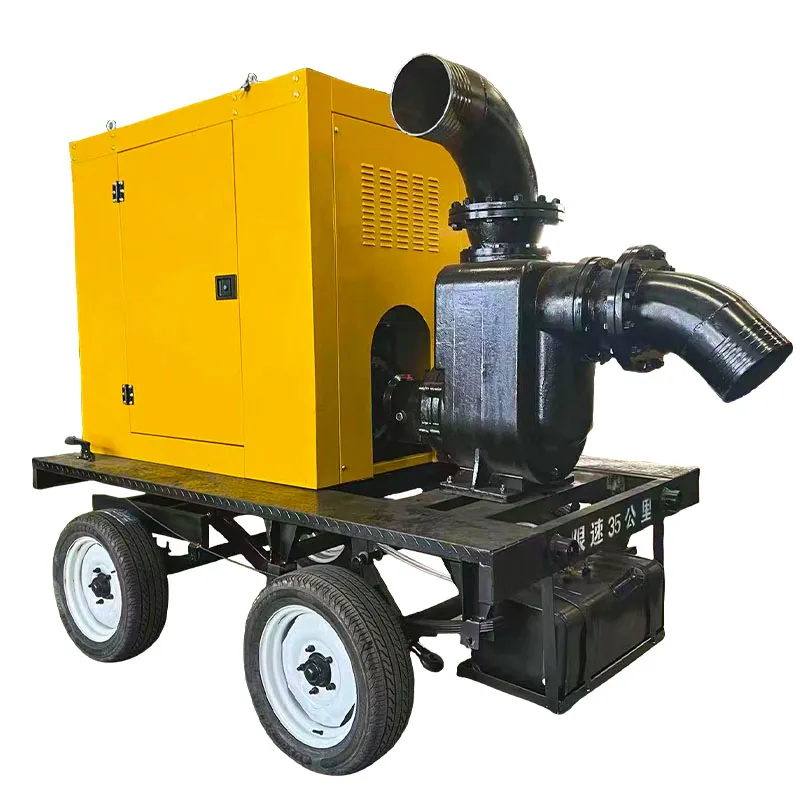 YZZW Diesel self-priming pumps
-
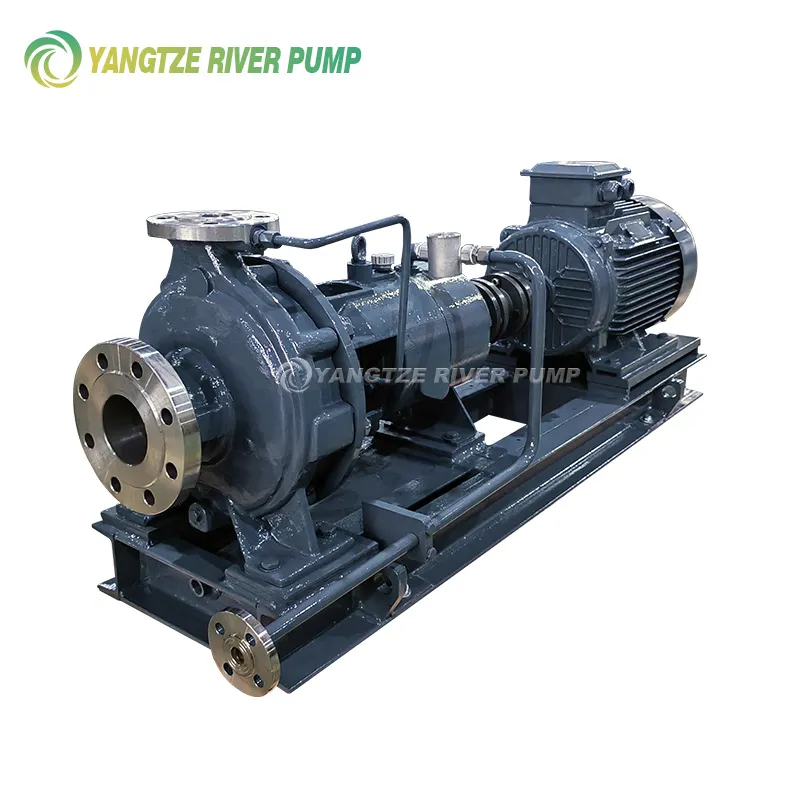 Petrochemical Process Pumps API 610 YZA
-
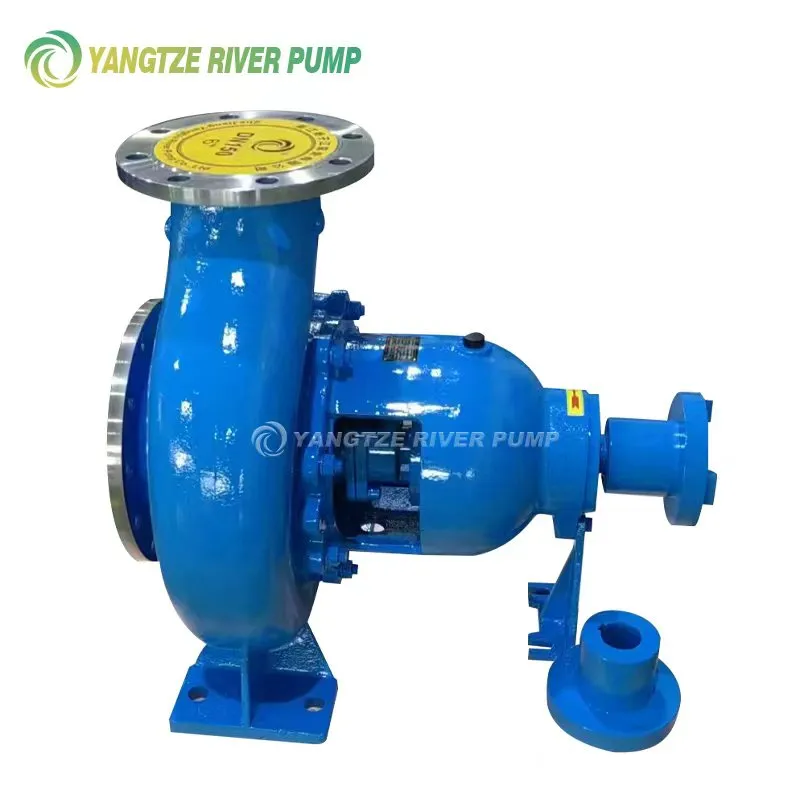 IH Stainless Steel Chemical Centrifugal Pumps
-
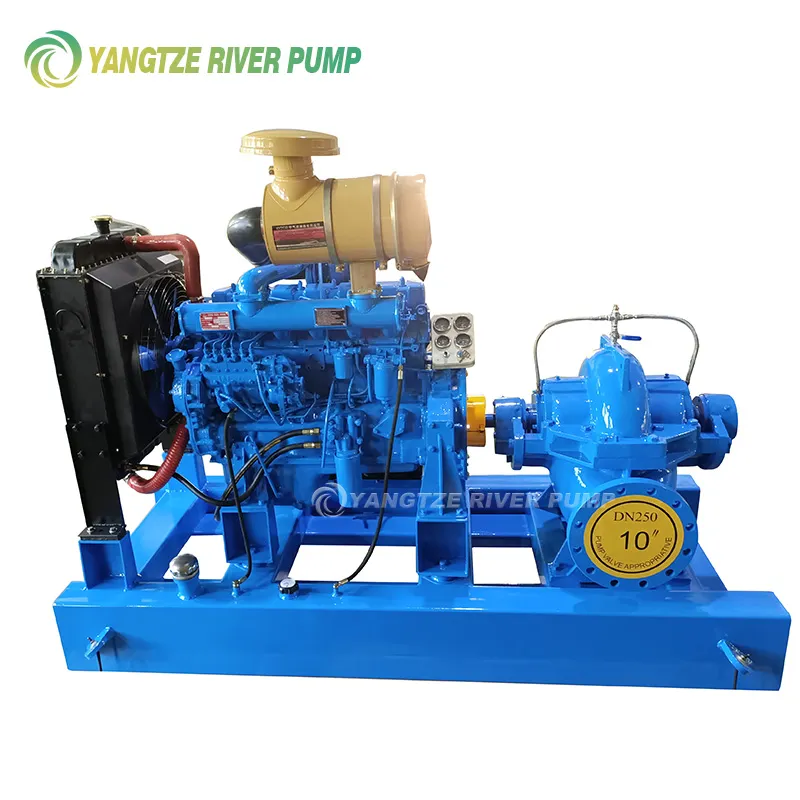 Diesel pumps with horizontal connector YZS and YZSH
-
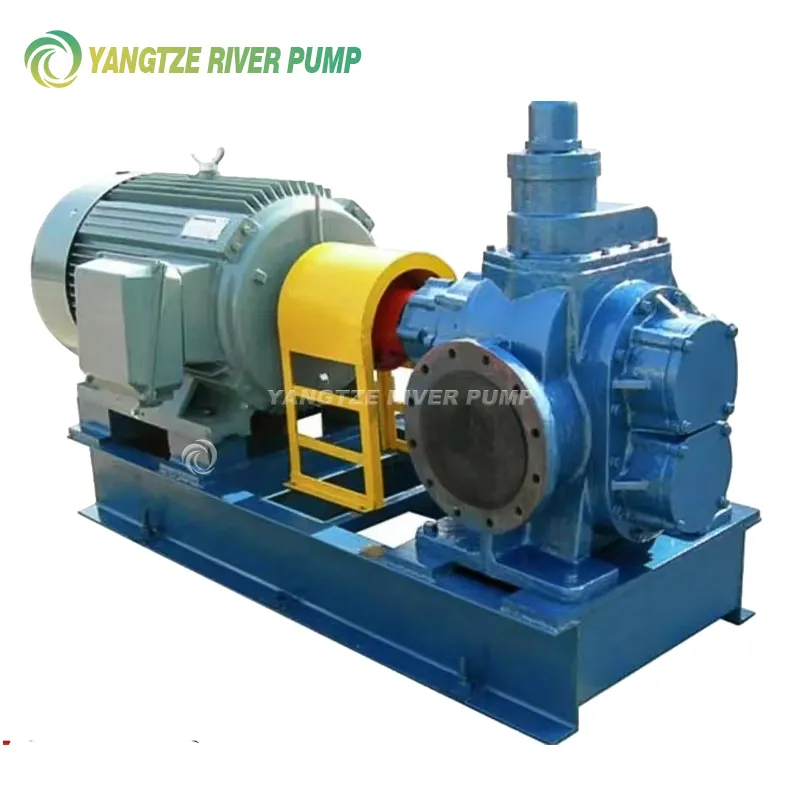 YCB Type Circular Gear Pumps
-
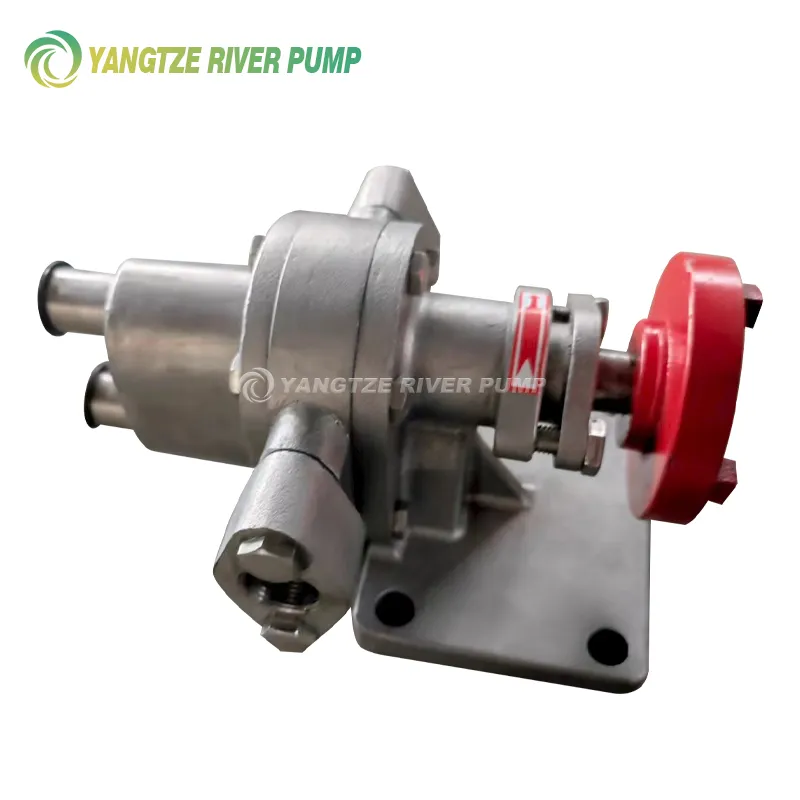 Gear oil pumps type KCB