







centrifugal pump 1 kW
When you hear the request “centrifugal pump 1 kW?”, the first thing that comes to mind is that a person is looking for a unit of a specific power. But here’s the catch: by focusing on these numbers, you can easily miss a lot of nuances that turn out to be much more important in real operation. I went through this myself - I thought the main thing was kilowatts, and then I dealt with cavitation or unsuitable seal material. Engine power is just one point in a large technical task, and often not the most critical.
What actually stands behind the figure? 1 kW??
Let's take, for example, a standard single-stage centrifugal pump with a 1 kW motor. It would seem that what is so difficult here? But if we talk about mass production, like ours at Zhejiang Yangtzejiang Pumping Industry LLC, then even in this category there are dozens of modifications. The same engine can operate with different impellers - made of stainless steel, cast iron, polypropylene. And this pair of “wheel-motor” already gives completely different characteristics in terms of pressure and flow, although the power is the same - 1 kW.
A common mistake is to assume that a 1 kW pump will pump “strongly”. or ?weak?. This is not entirely true. It will create a certain pressure (pressure) and pump a certain volume (flow) in a specific hydraulic system. And if the system is designed with high resistance (long pipelines, many bends, height differences), then this same kilowatt can “go away?” to overcome this resistance, and there will be little left for useful work. I have seen cases where the pump seems to be powerful, but to no avail - the water barely flows.
Therefore on our websiteyangtzeriverpump.ruIn product descriptions, we always focus on summary H-Q (pressure-flow) graphs. Because it is they, and not just the power figure, that will show whether, say, ours is suitablecentrifugal pumpfor watering from a deep container or to increase the pressure in the network. The engineering department does just this - selects the optimal combination of parameters for the task, and does not just sell a “pump per kilowatt”.
Practical scenarios and where the pitfalls lie
From practice: there is a very popular request for pumps of this power for water supply to small houses or pumping water from reservoirs. It seems like a simple task. But here is a real case: the client bought a unit from competitors, declared as “1 kW, 50 meters of pressure?”. I connected it to the well, but the water flows intermittently, the motor overheats. Let's figure it out - it turned out that the passport indicated the maximum pressure value at zero flow. But in reality, a good flow rate with moderate pressure was needed for the simultaneous operation of several water collection points. Colleagues from the sales department then explained for a long time that our approach is to first ask the client for a system diagram, an approximate daily consumption, and only then offer a model. Sometimes it turns out to be not a single-stage, but a multi-stage model with the same power, but with better parameters.
Another stumbling block is self-priming abilities. Many ordinary people think that anyonecentrifugal pump 1 kWwill be able to lift water from the depths. This is wrong. Conventional centrifugal pumps require filling with water before starting. For tasks where suction from depth is required (from a well, barrel), either special self-priming structures or an installation with an external ejector are needed. We also have such solutions in our assortment, but this is a slightly different story and a different price tag.
We can't help but mention reliability. A power of 1 kW is quite a serious load for mechanical seals and bearing units. Under conditions of, say, pumping not clean water, but with abrasive inclusions (sand from a well), a standard seal may fail within a season. Therefore, for such cases, we at Yangtzejiang Pump Industry offer options with silicon carbide mechanical seals or even move on to considerationchemical pumpsmade of plastic, if the environment allows. This is no longer a mass segment, but a piece selection, but this is the very complexity that our company claims - from production to selection and service.
Materials and applications: why ?iron? - not always better
When talking about materials, I often come across a prejudice: “Cast iron is heavier and stronger, which means the pump is more reliable?”. For many standard water applications, yes. But in the modern world, a 1 kW pump can also work with aggressive media in small production lines, in washing areas, and in filtration systems. This is where cast iron or standard steel will quickly fail.
That is why our production includes a line of plastic chemical pumps. Housing and impeller made of polypropylene or PVDF, same 1 kW motor, but completely different resistance to acids and alkalis. And the weight, which is important for mobile installations, is significantly less. Such models are rarely searched for in general terms, but a specialist who knows the problem of corrosion immediately narrows down the search. There is a whole section on our website dedicated to this.
By the way, about searching. When people search for “centrifugal pump 1 kW”, they rarely add “for clean water?” or “for chemical liquid?”. And these are fundamentally different devices, which, although based on the same principle, are not interchangeable. Using a chemical water pump is a waste of money. Using a water pump for a weak acid solution is a guaranteed accident and possibly a dangerous situation. We always warn about this.
Installation issues and “little things” that decide everything
Let's say the pump is selected correctly. But the story doesn't end there. Installation. I have seen many cases when a good device worked noisily, with vibration and quickly broke down due to improper piping. A 1 kW pump is not a low-power “pump” that can simply be screwed to the floor with two bolts. You need a rigid, level foundation frame, correct alignment with the electric motor (if it is not a monoblock version), vibration-isolating gaskets.
Another point is the electrics. Connection via a machine of the appropriate rating, mandatory grounding. It would seem banal. But in practice, especially during self-installation, this is often neglected. And then they wonder why the protection is triggered or the case is pinched? electric shock When our service engineers go to commissioning, this is the first thing they check.
And, of course, piping. Valves before and after the pump, a check valve so that water does not drain back when stopped, a pressure gauge for control. Without this minimum set, normal operation is impossible. We, as a manufacturer, naturally do not supply these components, but in technical documentation and consultations we always insist on their importance. Sometimes clients consider this unnecessary, but believe me, it saves nerves and money in the long run.
A look from inside production: control and testing
I can lift the veil of our process a little onYangzijiang Pumping Industry. When the same 1 kW centrifugal pump is assembled, it passes more than just a final test. Each key node is verified. The impeller is balanced - this is critical to avoid vibrations. The assembled hydraulic section (housing, wheel, seal) is tested on a stand for tightness and cavitation characteristics.
The final test is a run under load. The pump pumps water, and the actual parameters are recorded: current consumption, pressure, flow, noise level. These data are checked against the passport data. It happens that out of a batch of one hundred pieces, one or two devices can show results on the verge of tolerance - they are sent for additional testing. Not because they are bad, but because our internal specifications are often stricter than generally accepted standards. Eight full lines are not only about volume, but also about the possibility of such step-by-step control.
It is after such tests that we can confidently talk about the parameters. Therefore, when the description on the website states that, for example, the modelYZJD 1-1(conditionally) gives a head of 40 meters at a flow rate of 2 cubic meters per hour, this is not a marketing figure, but a result obtained on a test bench. For an engineer or technologist selecting equipment, such information is the basis for calculations.
Bottom line: so what is a good 1 kW pump?
Let's go back to the beginning. Goodcentrifugal pump 1 kW- this is not a device with a specific number on the nameplate. This is a balanced device, where the engine power is adequately matched to the hydraulic part, where the materials correspond to the environment, and the design features (type of seal, method of fluid supply) correspond to the operating conditions.
His choice is not a search for one parameter on the Internet, but a small project work. You need to at least roughly understand: what we are pumping, from where, where, at what constant flow rate and pressure. Without this, even the most reliable, from an assembly point of view, pump may fail or operate ineffectively.
Our task as a full-cycle manufacturer is not just to sell a product from a warehouse, but to help you choose the optimal solution. Sometimes it will be a standard single-stage pump, sometimes it will be a multi-stage pump for higher pressure, and in some cases it may turn out that what is needed is not a centrifugal pump at all, but, for example, a diaphragm or screw pump. And that's okay. The main thing is that in the end the client’s system works stably, for a long time and without unnecessary hassle. This, if you think about it, is what real professional work in our field consists of.
Correspondingproducts
Related Products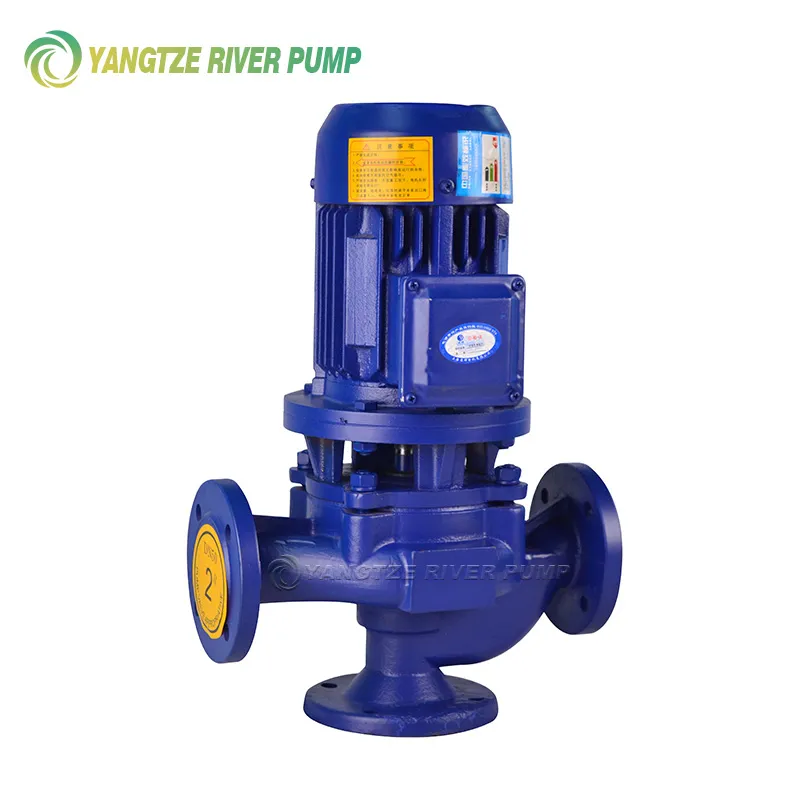
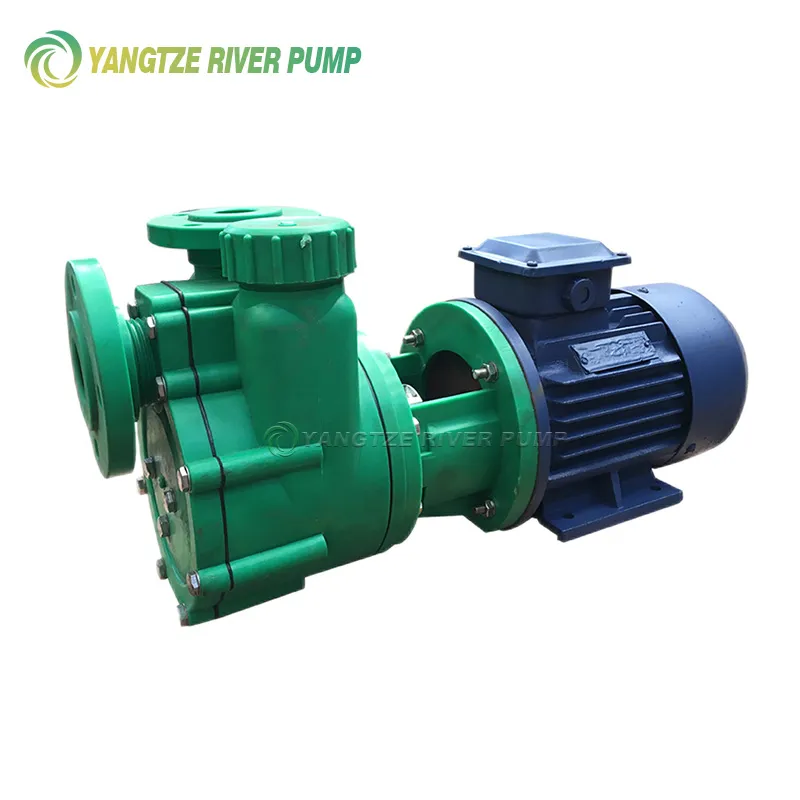
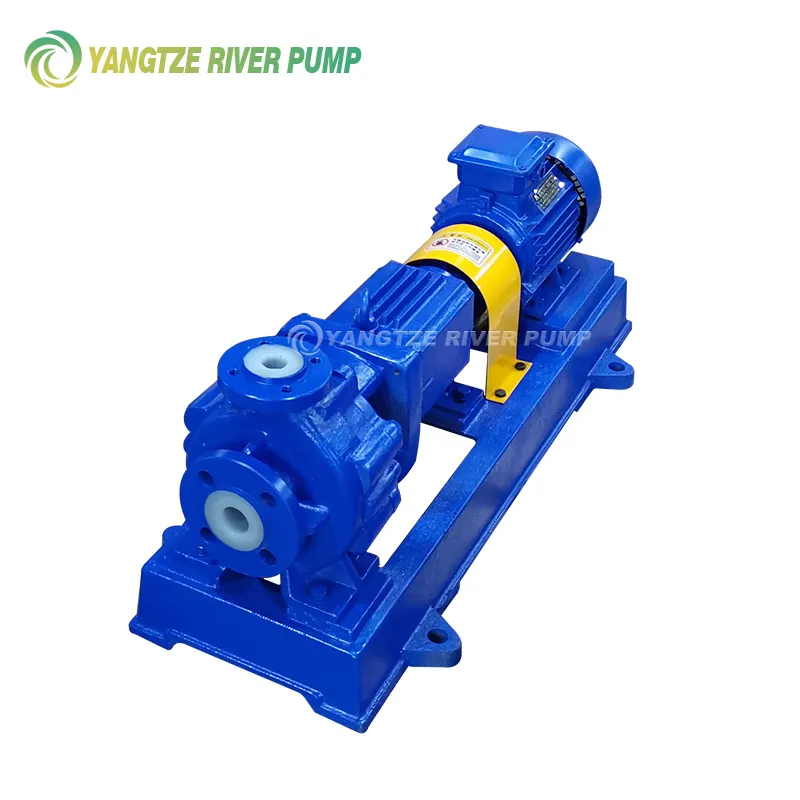
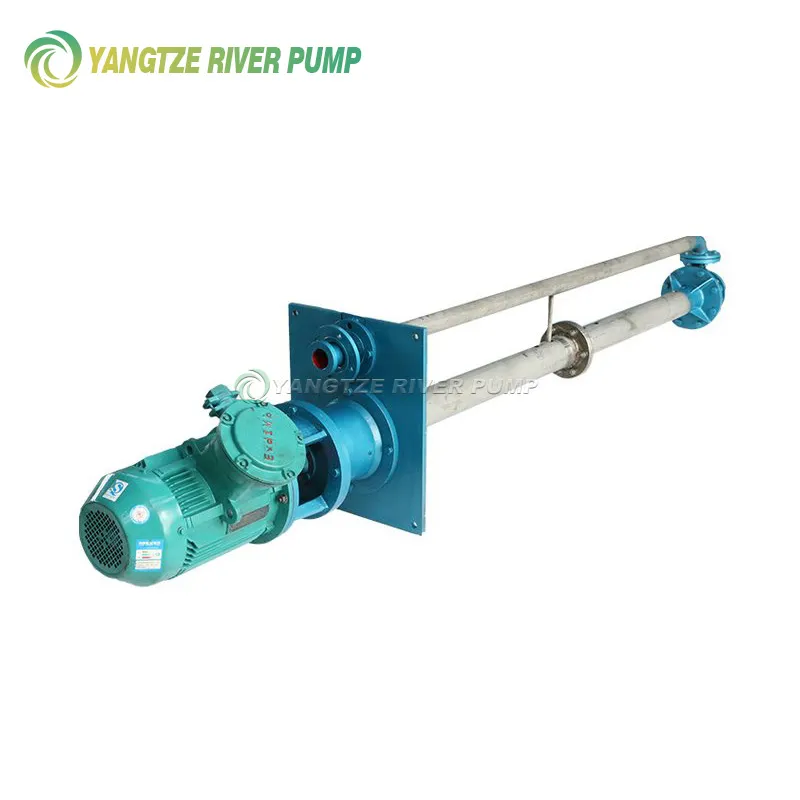
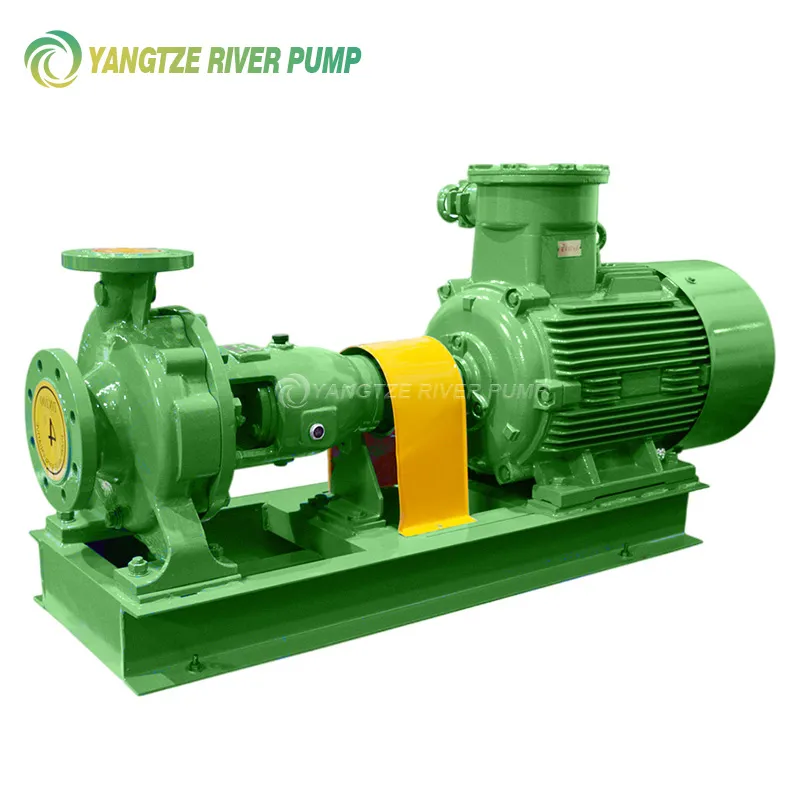

Best Sellingproducts
Best Selling Products-
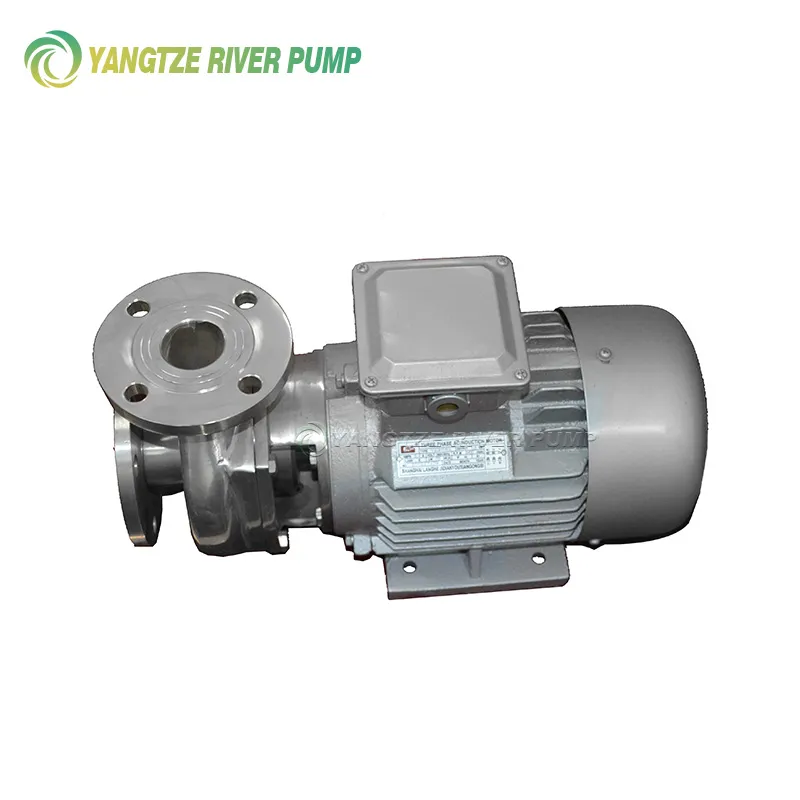 Corrosion-resistant stainless steel centrifugal pumps SFB and SFBX
-
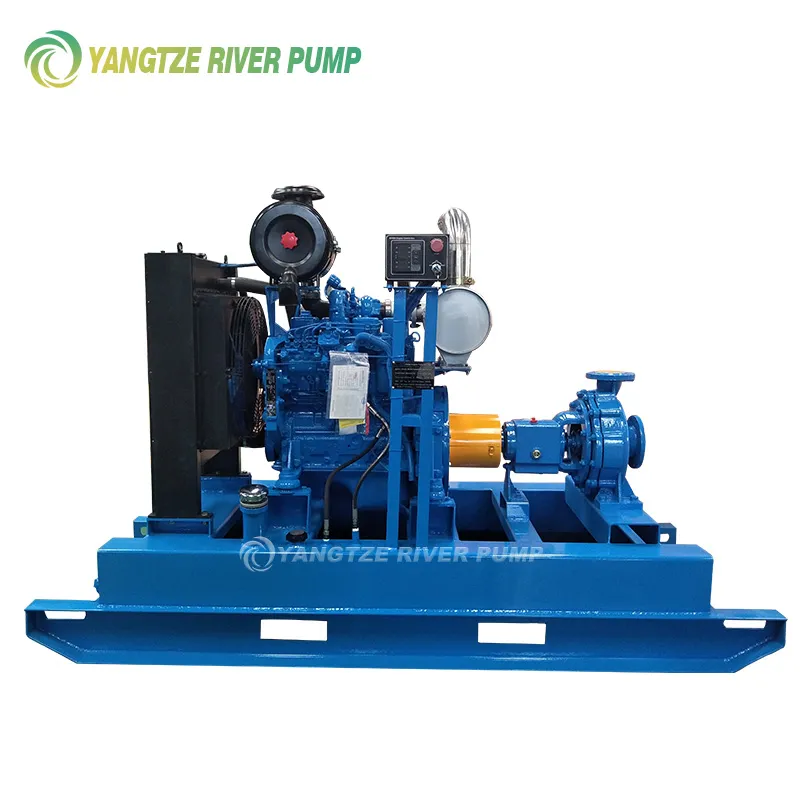 YZIS Diesel Single Stage Centrifugal Pumps
-
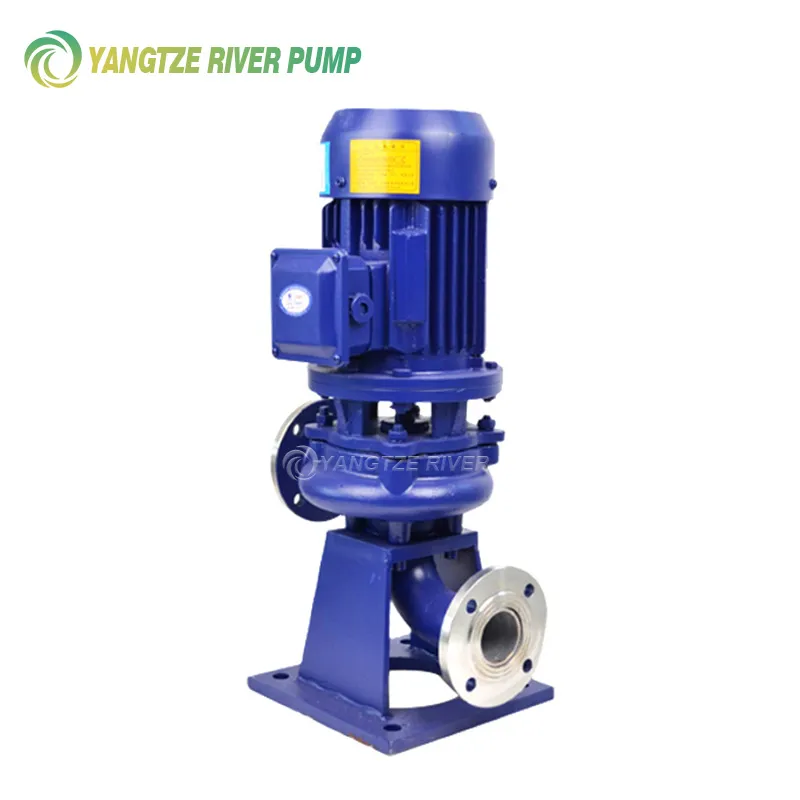 Non-clogging vertical wastewater pumps LW
-
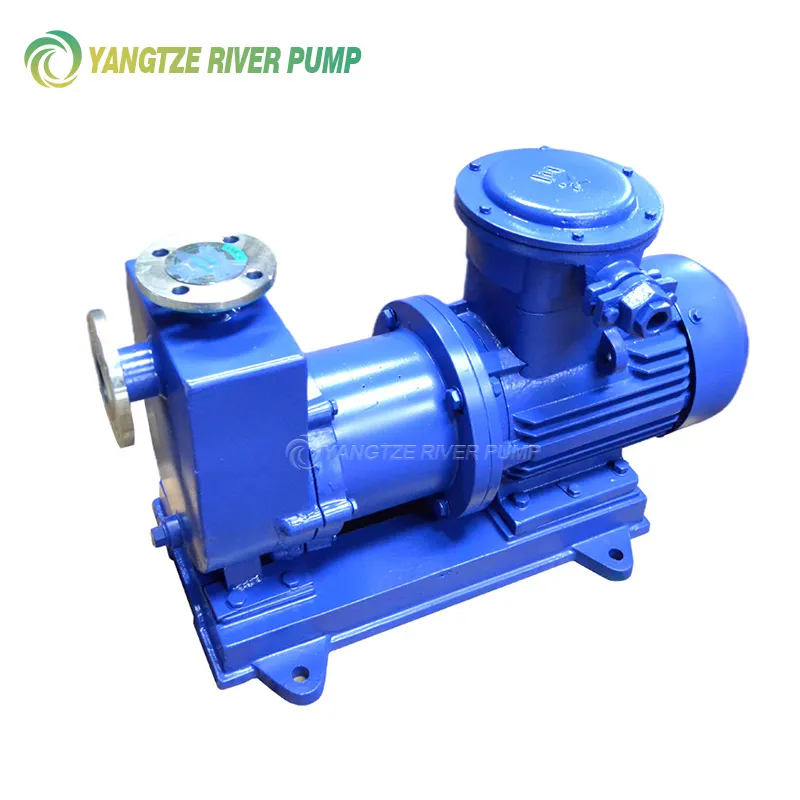 ZCQ Stainless Steel Self-Priming Magnetic Pumps
-
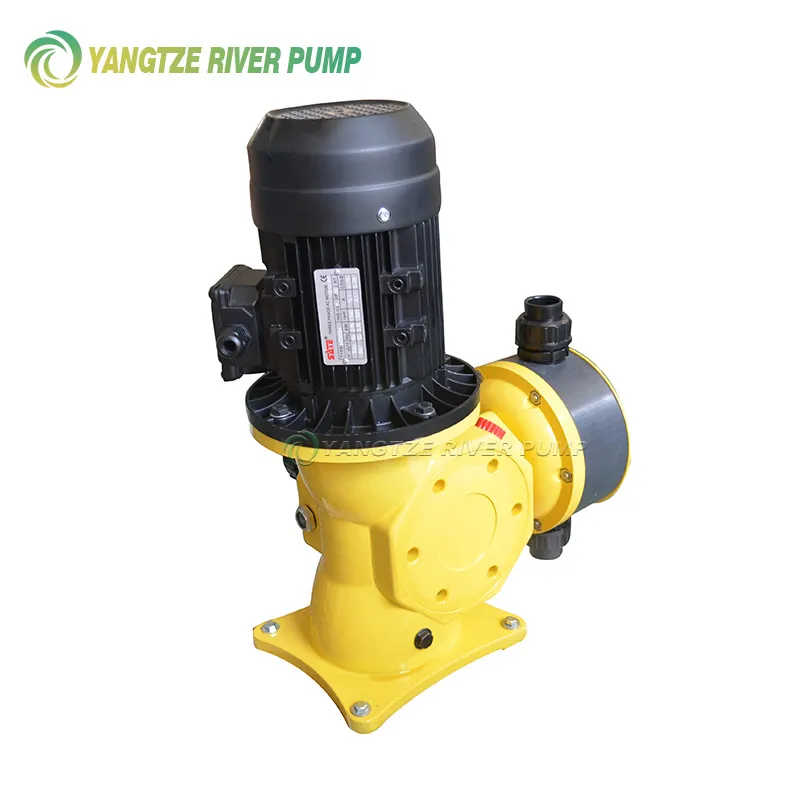 Mechanical diaphragm dosing pumps DJ-D
-
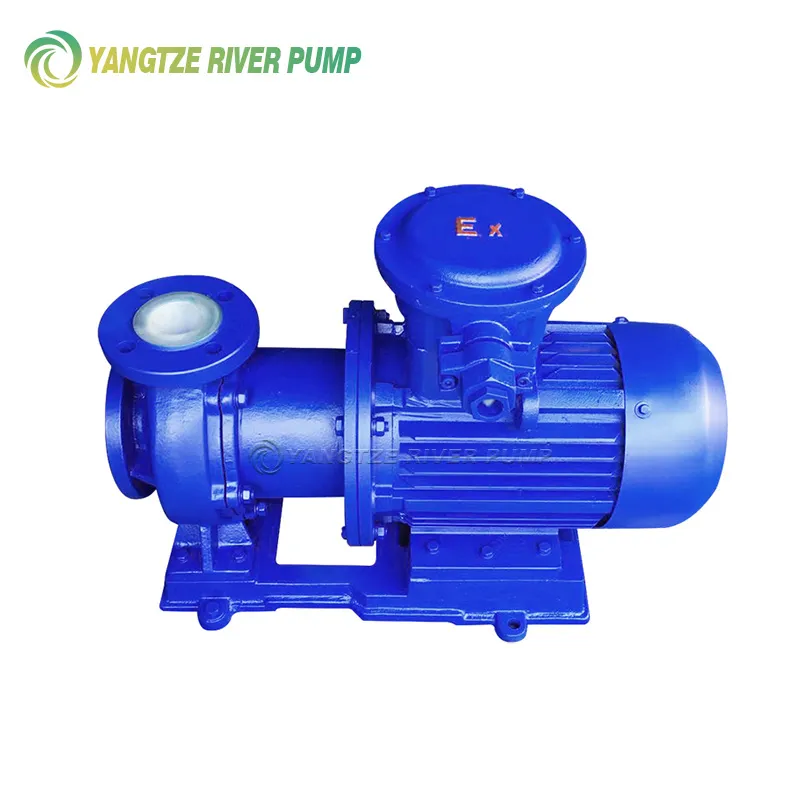 Magnetic pumps with fluoroplastic lining CQB-F
-
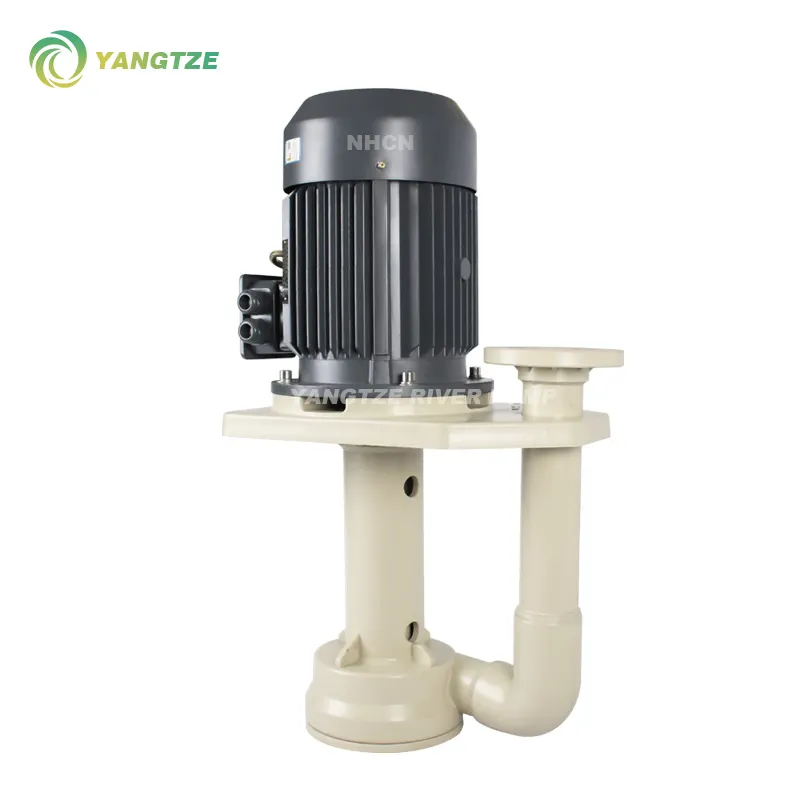 Vertical pumps for installation inside/outside tanks YZCN and YZCW
-
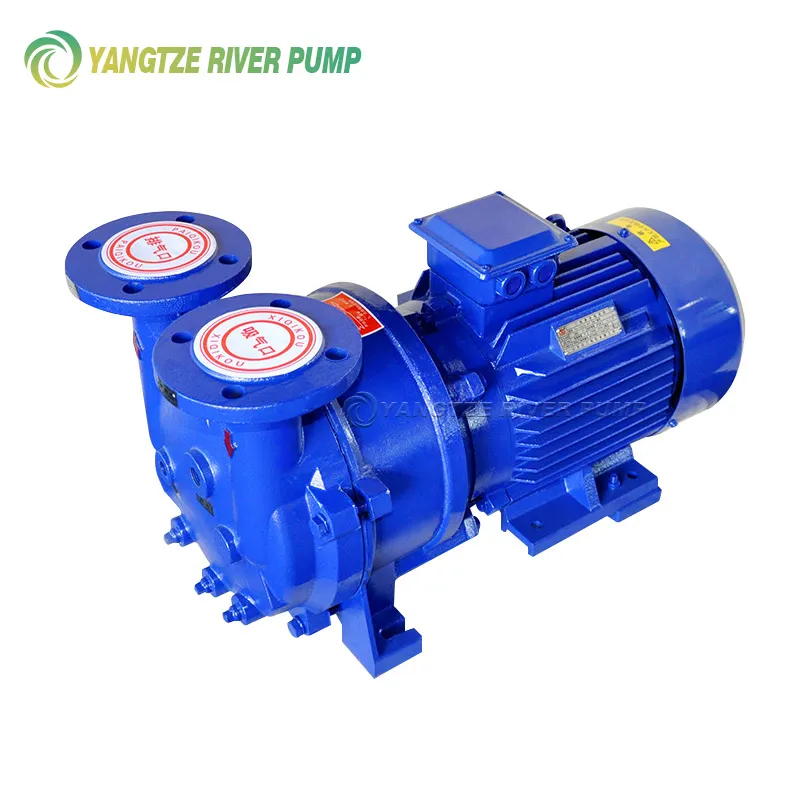 Liquid ring vacuum pumps type SKA and 2BV
-
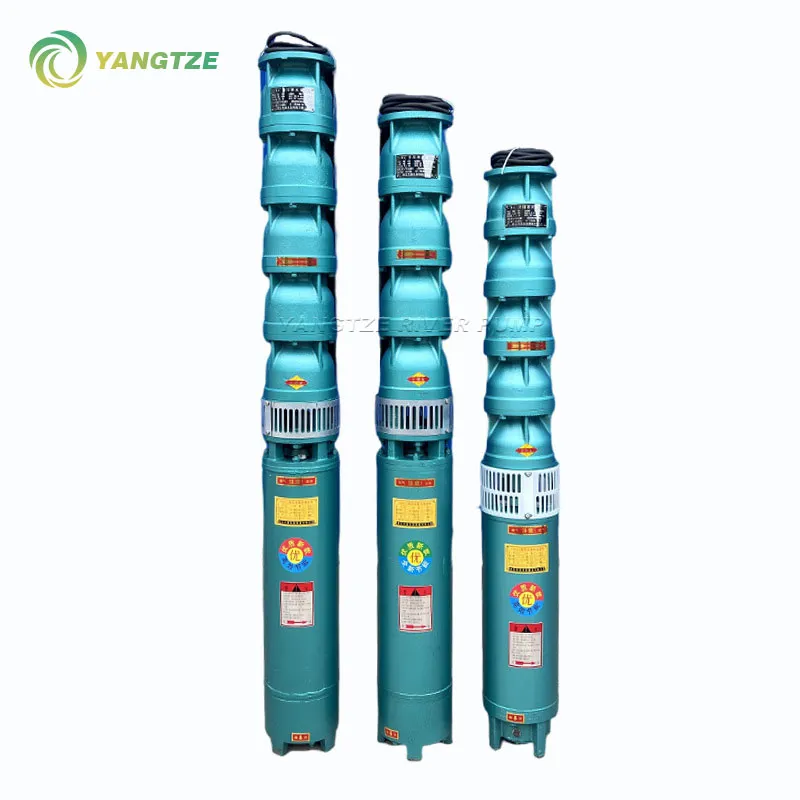 QJ type borehole pumps
-
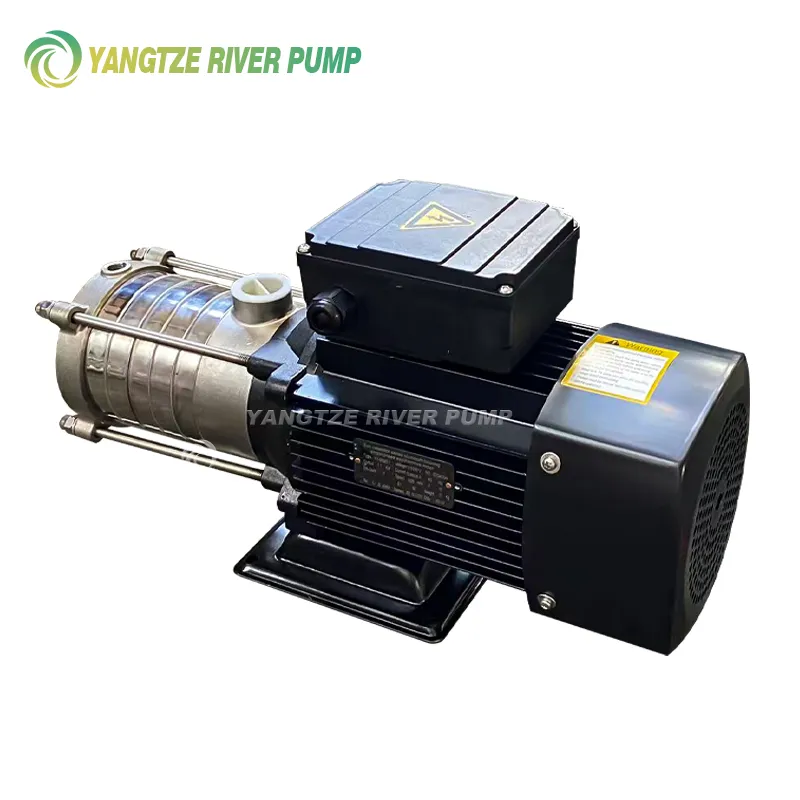 Horizontal multistage centrifugal pumps (light series) CHL and CHLF
-
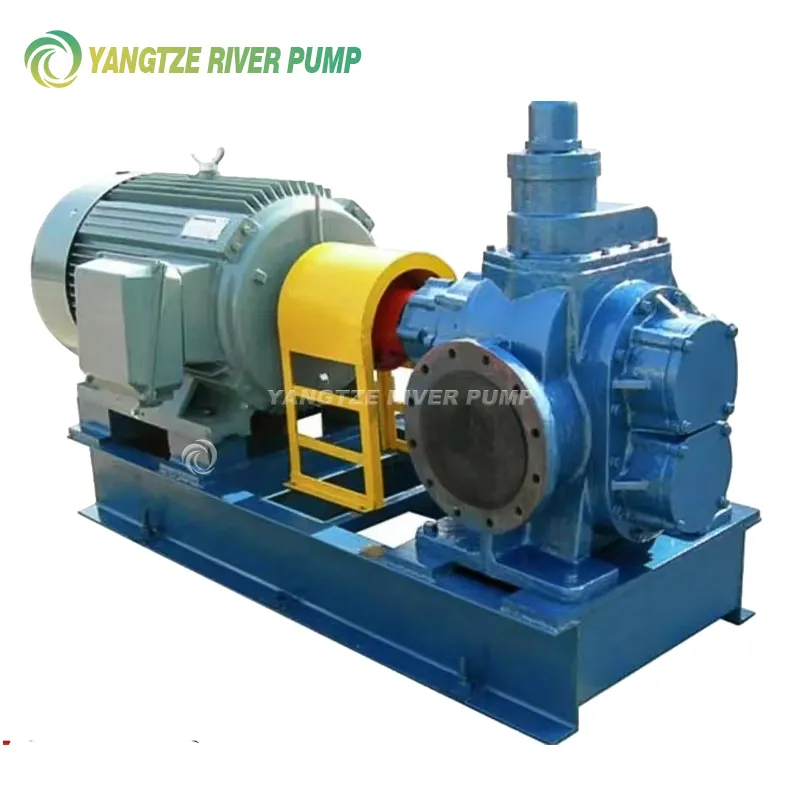 YCB Type Circular Gear Pumps
-
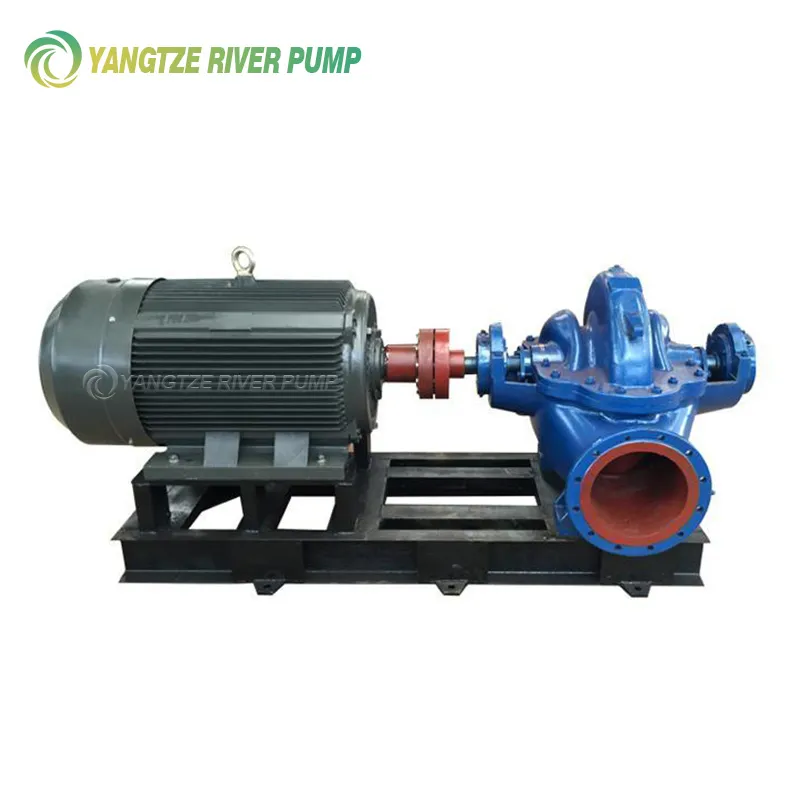 Single Stage Double Entry Centrifugal Pumps Type S