







centrifugal pump 30 m3 h
Look at the numbers -centrifugal pump 30 m3 h- and it seems that everything is simple: I selected it according to performance, and it’s done. But in practice, it is with these seemingly standard parameters that the most annoying problems arise. Many people think that since the pump produces these 30 cubic meters per hour, then it will produce them everywhere. They forget about pressure, about the characteristics of the pumped medium, about losses in the pipeline. I myself fell for this more than once at the beginning, until I realized that this figure is a starting point for calculations, and not a ready-made answer.
Where and why exactly 30 cubes?
This option is a very popular niche. Small technological lines, water supply to cottage villages, irrigation systems in limited areas, pumping of chemical reagents in production in doses. Often this is exactly the case when what is needed is not a huge unit, but a compact but reliable device that can be built into an existing circuit without major rework. And this is where the fun begins.
For example, we had a project to supply purified water to a small food production facility. The customer required exactly 30 m3/h. We installed a standard single-stage centrifugal. But he didn’t meet the parameters. It turned out that the system had a high-resistance fine filter, which we were not initially told about. The pump worked, but on the left side of the characteristic curve, with an overload on the motor. I had to recalculate and change the model to a version with a little more pressure in order to overcome this resistance and achieve the desired performance. Lesson: Always dig deeper than the problem conditions.
Or another case - pumping a weakly acidic solution. The client bought somewhere a pump with the required performance, but made of ordinary stainless steel. Six months later, leaks began. Because for his specific environment, with chloride impurities, a different class of steel was needed. So when you see a site likeZhejiang Yangzijiang Pumping Industry Co.,Ltd(https://www.yangtzeriverpump.ru), which claims a wide range of materials, including plastic chemical pumps, you understand - this is not just for show. This is so that for a specific environment, and not for abstract “30 cubic meters”, it is possible to select a housing and an impeller from the right material.
Design nuances that decide everything
When we talk about centrifugal pumps with a capacity of 30 m3/h, we cannot lump everything into one pile. Single-stage is classic, simple, maintainable. But if you need stable pressure at variable flow rates or work on a system with high overall resistance, you are already looking towards multi-stage models. They are, of course, more complicated and more expensive, but sometimes you can’t do without them. At the sameYangtze River Pumpthe range includes both - this is the right approach, giving the engineer a choice.
The seal type is often overlooked. The stuffing box seal is cheaper, but requires maintenance and may leak. The mechanical mechanical seal is hermetically sealed, but is sensitive to dry running and abrasives in the liquid. For the same chemistry, they often use magnetic couplings (sealless pumps) to completely eliminate leakage. Do you see how many options there are? And they all fit into the parameter “30 cubic meters per hour”. The choice depends on what we are pumping, where the pump is located and who will service it.
Another point is the installation method. Linear centrifugal pumps, which they also have in production, are good for integration into a straight pipeline. Save space and minimize hydraulic losses. But they require precise alignment during installation. Self-priming models are a different story; they are needed when there is a problem with priming. For simple pumping from container to container, they are redundant. So we have to explain to customers that productivity is only one line in the technical specifications.
Field tests and common mistakes
Any pump, even with an ideal passport, needs to be run in. I remember we once launched a 30 m3/h unit for a recycling water supply system. After start-up the vibration is higher than normal. They began to look into it - it turned out that there was an unacceptably low pressure reserve at the suction (NPSH), the pump was working with cavitation. I had to lower the container lower or increase the diameter of the suction pipe. It delivered rated performance, but at the cost of noise and guaranteed impeller wear. Now I always require a diagram of the suction line with calculations.
Another common mistake is a mismatched electric motor. The pump can be designed for 30 cubic meters, but if the engine is standing end-to-end? in terms of power, without reserve, then any voltage fluctuations or small changes in the density of the pumped liquid will lead to overload and shutdown of the protection. Good manufacturers who have a full cycle from R&D to testing, like the company mentioned, usually select an engine with a reserve. But cheap ?noname? assemblies often suffer from skimping on this.
Bench testing is sacred. On the websiteZhejiang Yangzijiang Pumping Industry Co.,Ltdit is explicitly stated that they have their own testing lines. This is not just marketing. This means that before shipment the pump is driven on water, real characteristics are taken, pressure and efficiency graphs are plotted. And if he is certified ascentrifugal pump 30 m3/h, then it will really produce these 30 cubic meters at the specified pressure and inlet pressure. Confidence in such equipment is much higher.
Service and long term perspective
Now you installed the pump, it works. And everyone forgets about it until the first breakdown. But in vain. Even the most reliable centrifugal requires attention. Simple vibration check, suction pressure monitoring, piping condition. If the pump pumps anything other than clean water, then periodic inspection of the impeller and seal chamber is mandatory. And here it is important that the manufacturer or its representative can quickly supply spare parts: the same mechanical seals, bearing units.
The presence of a full production cycle, including service, just indicates the seriousness of the approach. You don’t just sell and forget, you accompany the product throughout its life. This is especially critical for chemical and specialty pumps, where parts are often non-standard. Knowing that the manufacturer has eight complete lines, including R&D, it is logical to assume that there will be no problems with equipment for spare parts.
Therefore, returning to ourpump 30 cubic meters per hour. Choice is not about finding the lowest price per kilowatt. This is an analysis: what we download, under what conditions, how we will service it. And only then - selection of a specific model, be it a single-stage centrifugal, multi-stage for high pressure or a plastic chemical for an aggressive environment. The number in the passport is just the door behind which the real engineering work begins.
Instead of a conclusion: thinking out loud
Now the market is flooded with offers. You can find a pump with any parameters. But experience suggests that the key is predictability and repeatability of the result. So that the tenth pump from the batch works the same way as the first one tested on the bench. So that the materials correspond to the declared ones. So that you can call and get advice not on sales, but on the technical side. This, perhaps, is the main criterion, in addition to dry figures of flow and pressure.
Working with different suppliers, you see the difference. When a company itself produces submersible pumps, diaphragm pumps, and screw pumps, this indicates deep competence in pump engineering in general. This means that their engineers understand hydraulics not from a textbook, but in practice. And themcentrifugal pump with a capacity of 30 m3/h- this is not a random assembly, but a product in which this very experience is embedded. Although not perfect, it is definitely calculated and tested. And in our work this is exactly what we need - a reliable tool, and not a headache for years to come.
So, the next time you select equipment for such seemingly ordinary parameters, dig deeper. Look not only at the graph, but also at who shot it and how. This will save a lot of time and nerves in the future. Verified.
Correspondingproducts
Related Products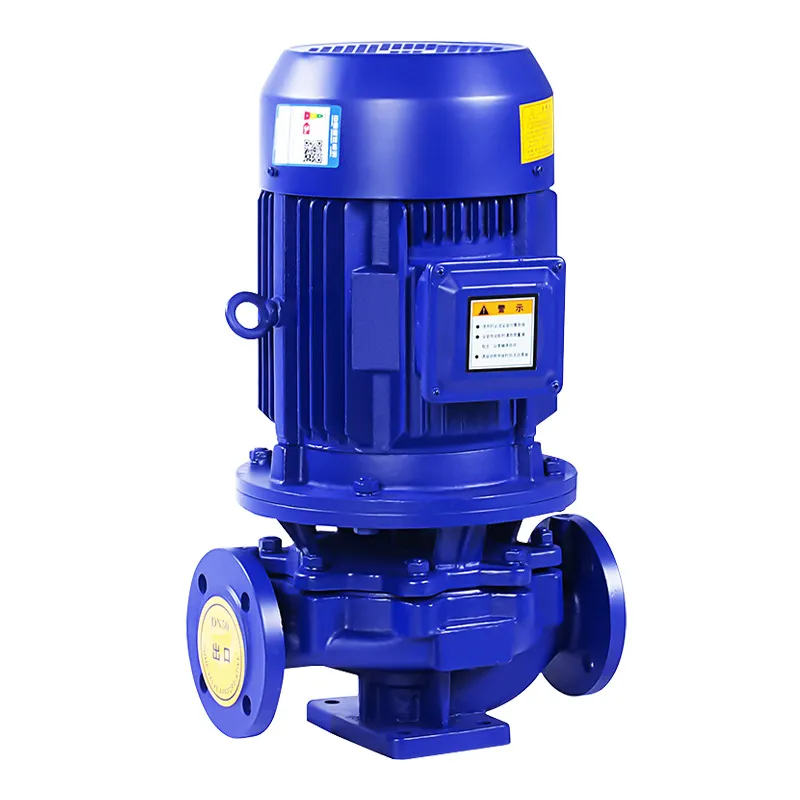
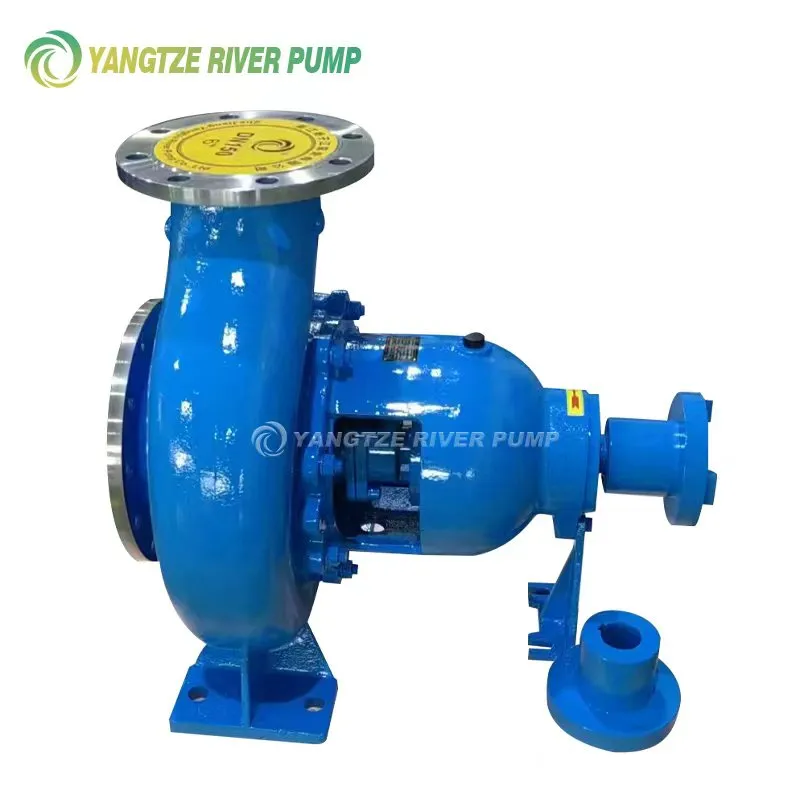
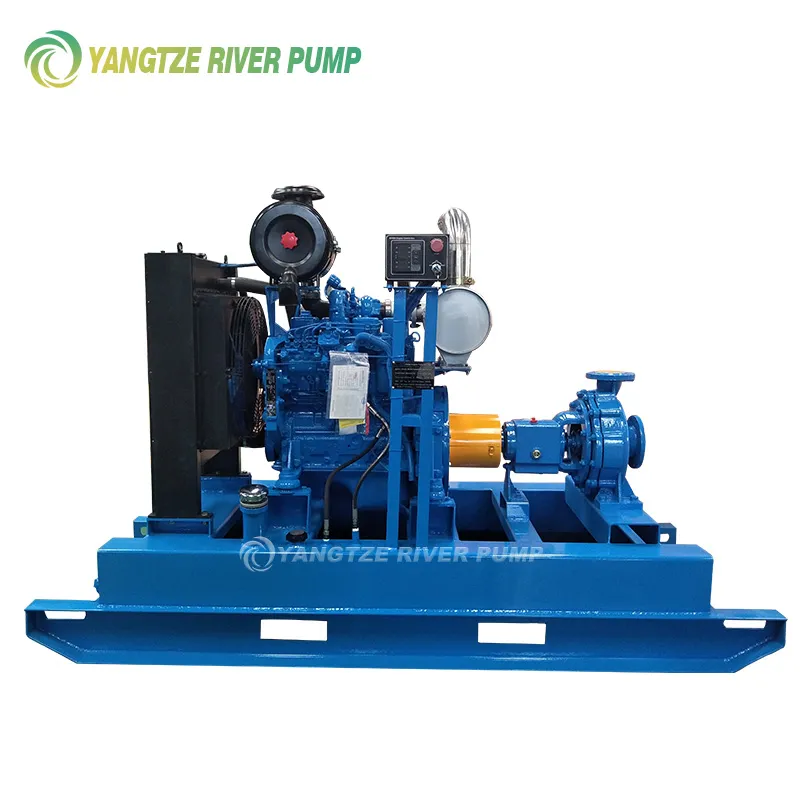
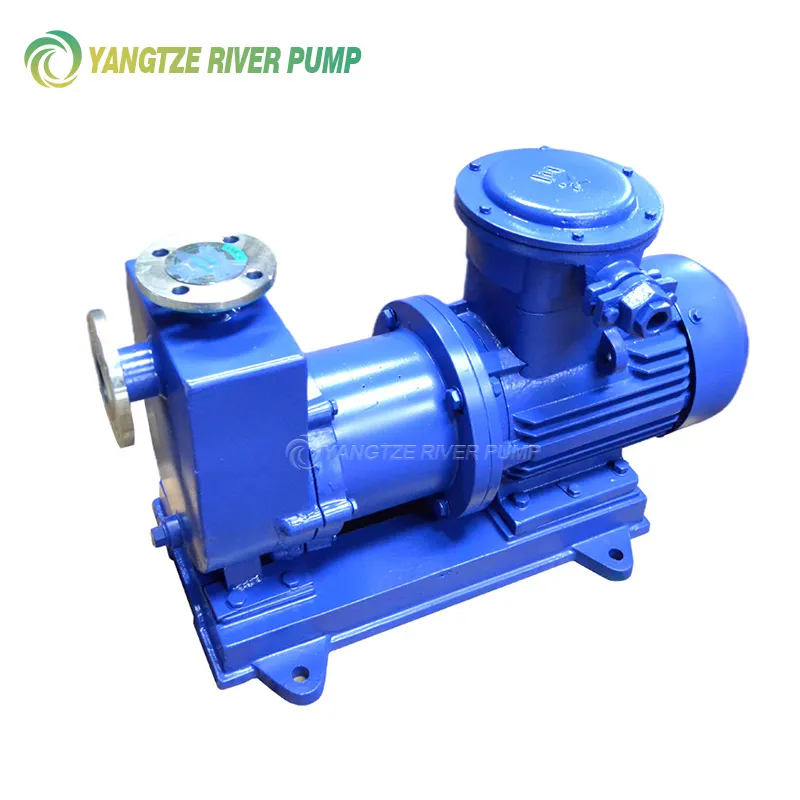

Best Sellingproducts
Best Selling Products-
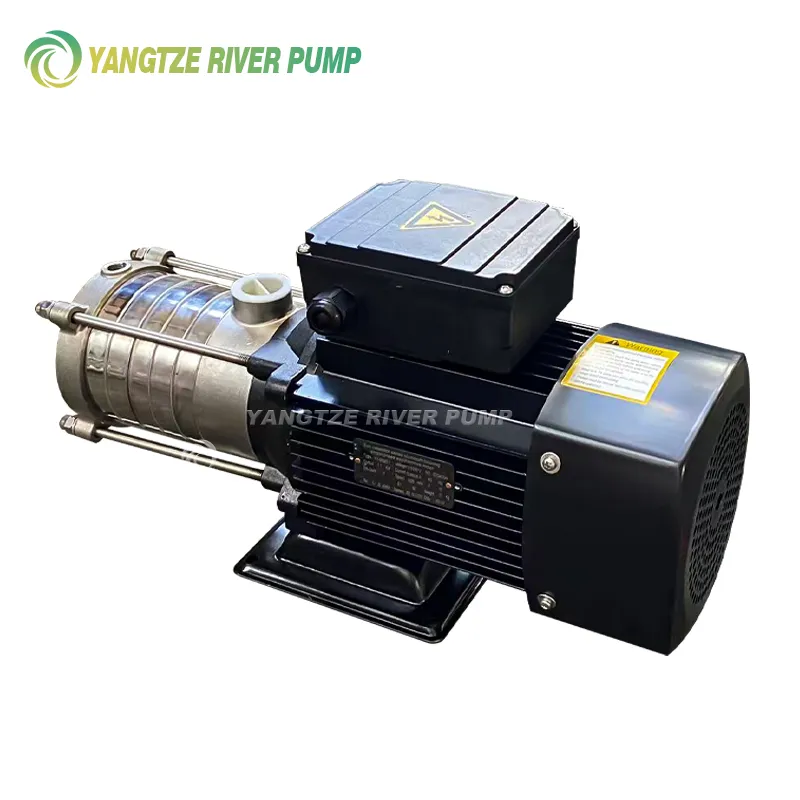 Horizontal multistage centrifugal pumps (light series) CHL and CHLF
-
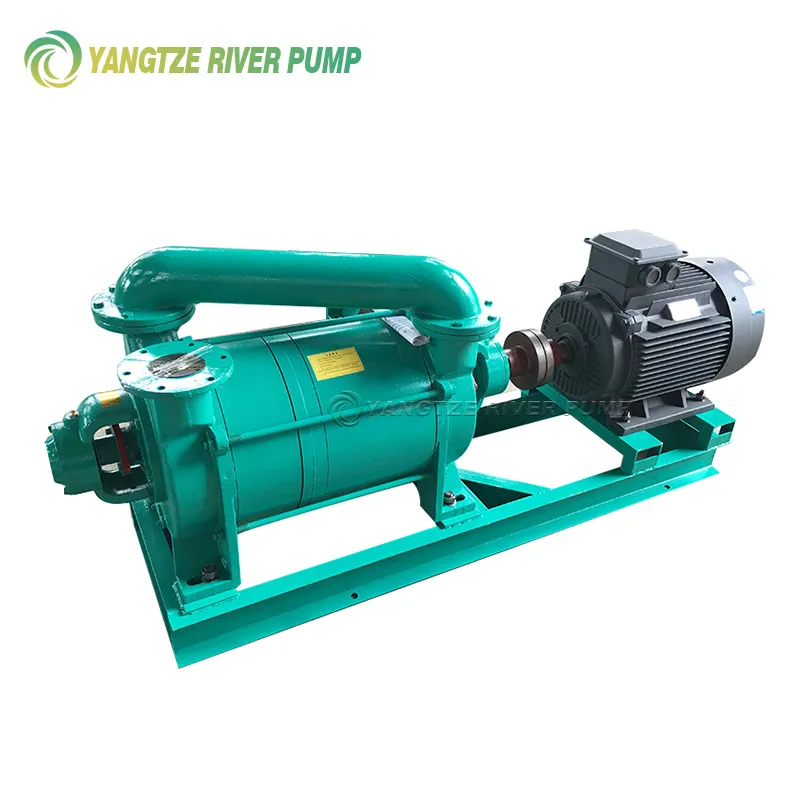 Liquid ring vacuum pumps type 2SK
-
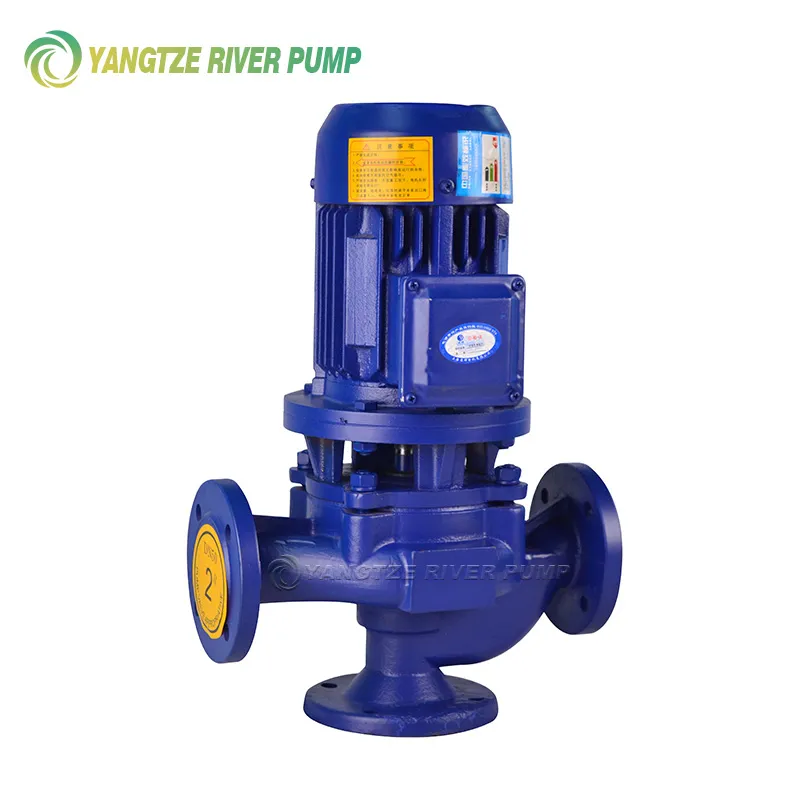 Pipeline wastewater pumps GW
-
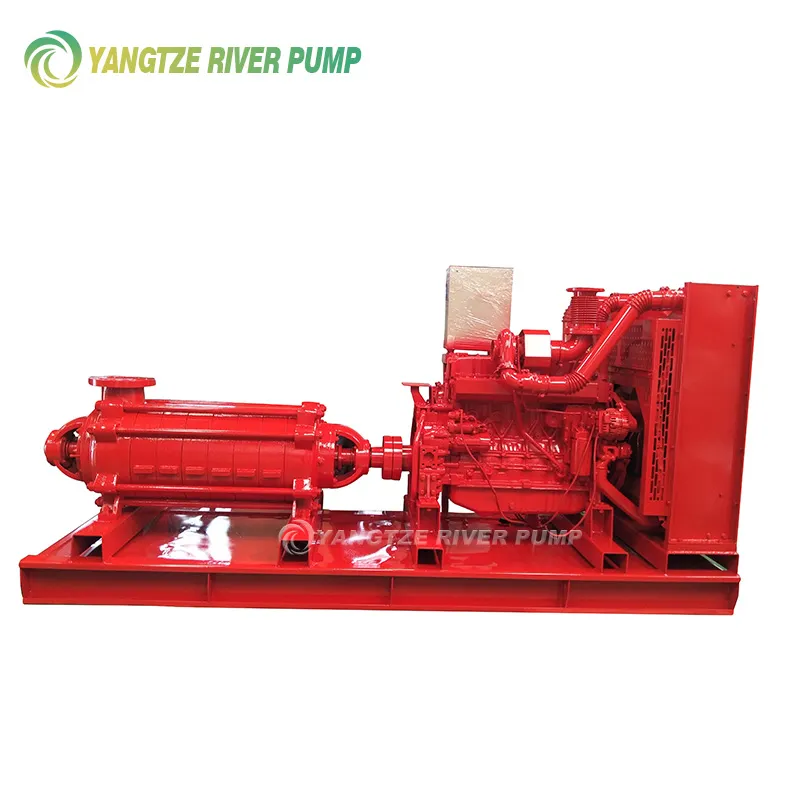 YZD Series Diesel Multistage Centrifugal Pumps
-
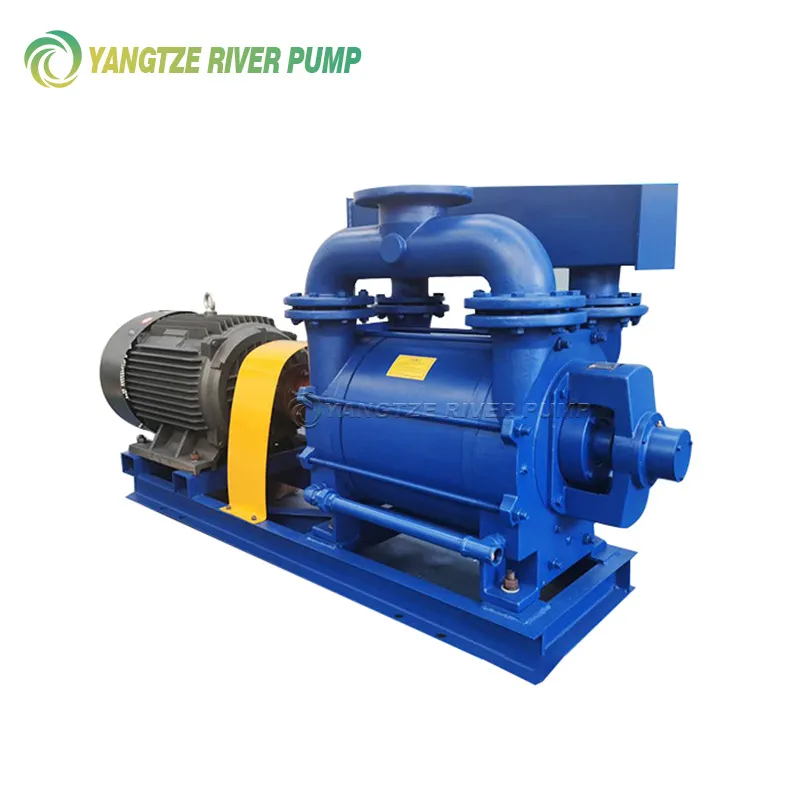 Liquid ring vacuum pumps type 2EB
-
 YCB Type Circular Gear Pumps
-
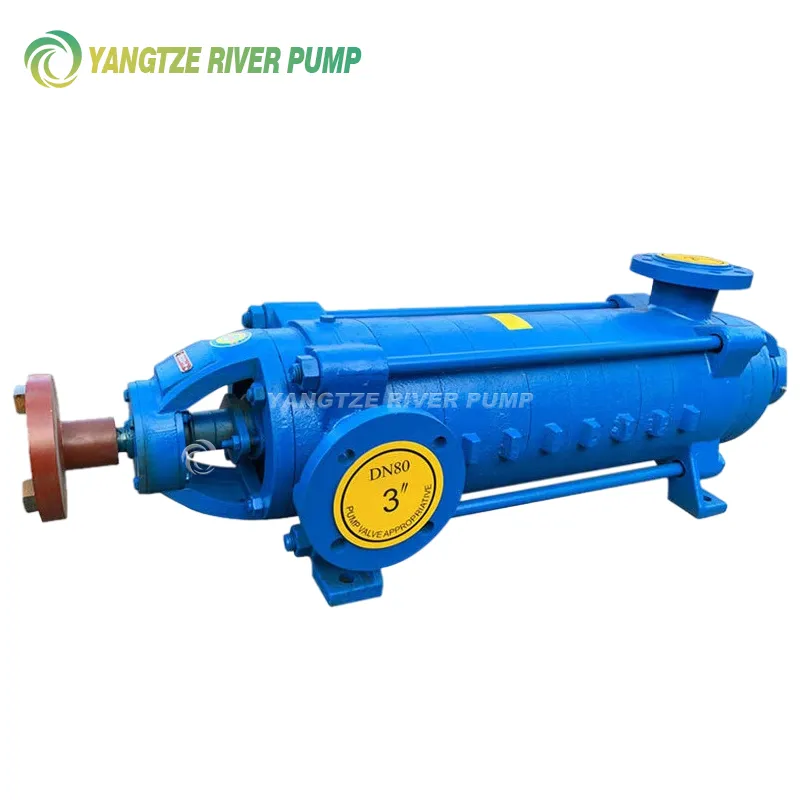 Horizontal multistage centrifugal pumps type D
-
 Diesel pumps with horizontal connector YZS and YZSH
-
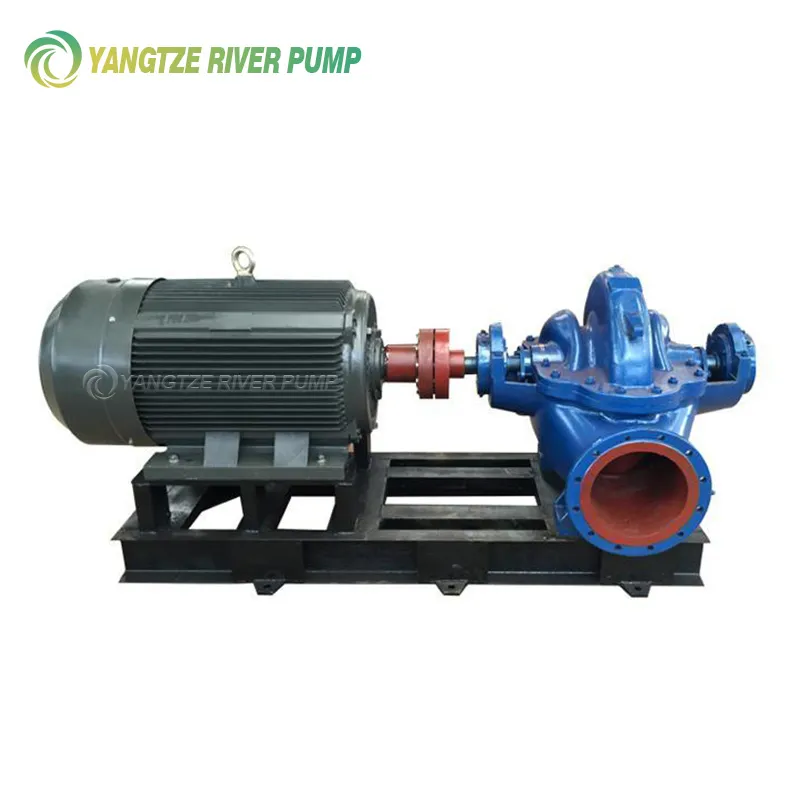 Single Stage Double Entry Centrifugal Pumps Type S
-
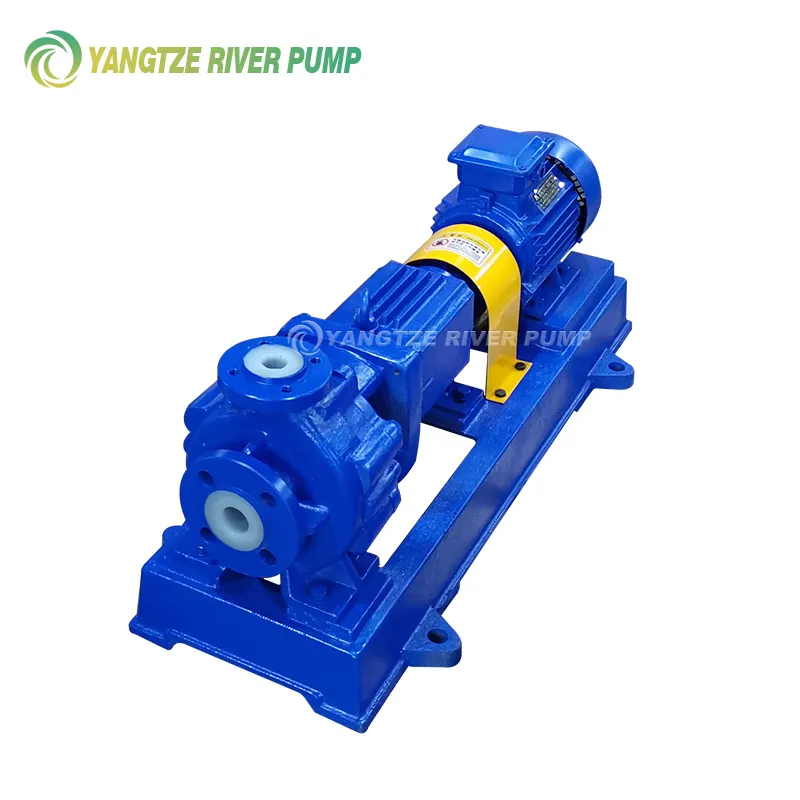 IHF PTFE Chemical Centrifugal Pumps
-
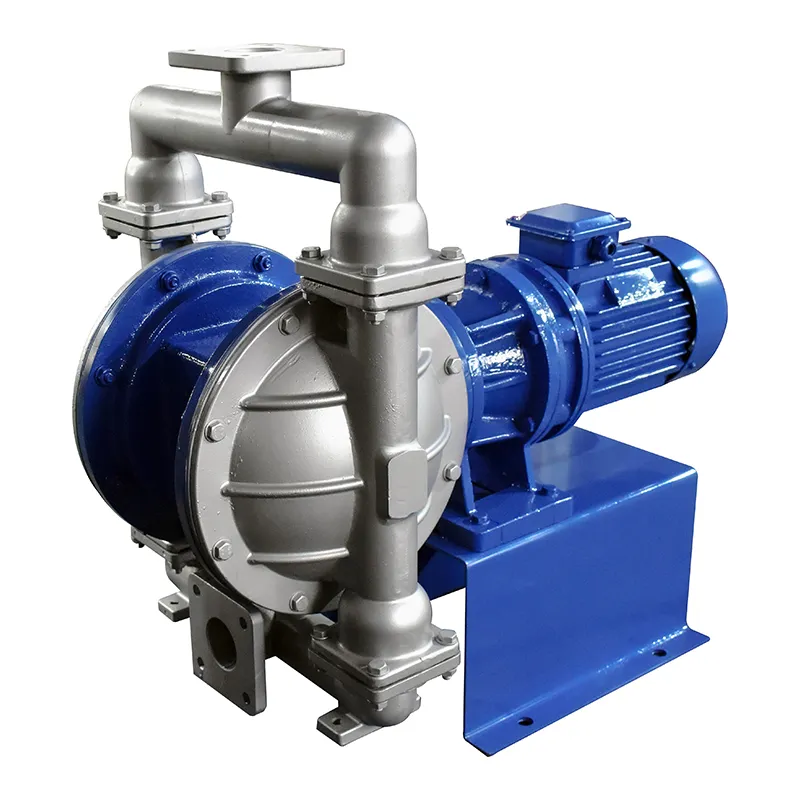 Metal electric diaphragm pumps DBY
-
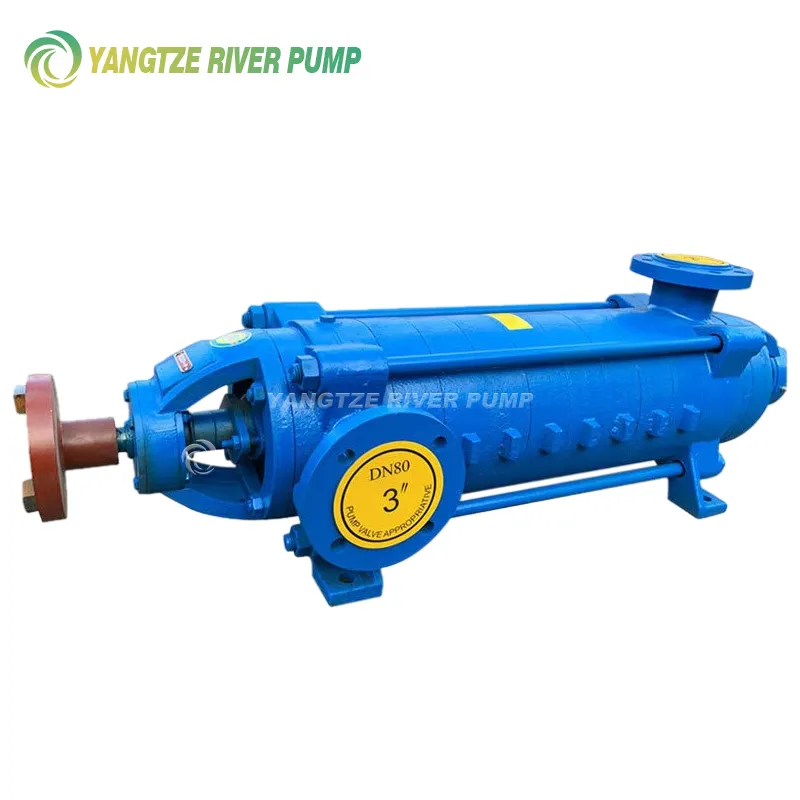 Horizontal multistage pumps for feeding DG boilers