







deep well pump 10
When you hear the request “deep pump for well 10?”, the first thing that comes to mind for many is to simply select a unit with the appropriate maximum immersion depth. But here lies the main pitfall: the number ?10? most often it does not mean the depth of the well, but its nominal diameter in inches, that is, approximately 250 mm. This is a common confusion among customers and can lead to them purchasing the wrong equipment. In reality, a casing string of this size requires not just anydeep well pump, but a device whose outer diameter is guaranteed to be less than 230 mm in order to avoid jamming. And from this moment the most interesting begins.
Why diameter is just the beginning of the story
So, we have a conditional well for sand or limestone with a casing of 250 mm. It seems that there is a lot of space; you can install almost any model. But in practice, we at Yangtzeriverpump.ru always check the dynamic water level, and not just the static one. A ten-inch column is often characterized by a good flow rate, but if the level during pumping drops significantly, say, to 25 meters, then the usualwell pumpwith a pressure of 40 meters it may no longer be enough. It will work at the limit and overheat. I have seen cases where the pump failed after a season precisely because of an unaccounted for dynamic level.
Another point is the engine type. For such diameters there are often models with a dry or oil-filled engine. Personally, I am wary of oil-filled sand wells if there is no good filter. Over time, fine sand suspension can lead to seal abrasion, abrasive getting into the oil cavity and jamming. In our line, for such conditions, we often recommend multistage centrifugal pumps with “dry” water. sealed motor - they are less sensitive to water quality when it comes to sand.
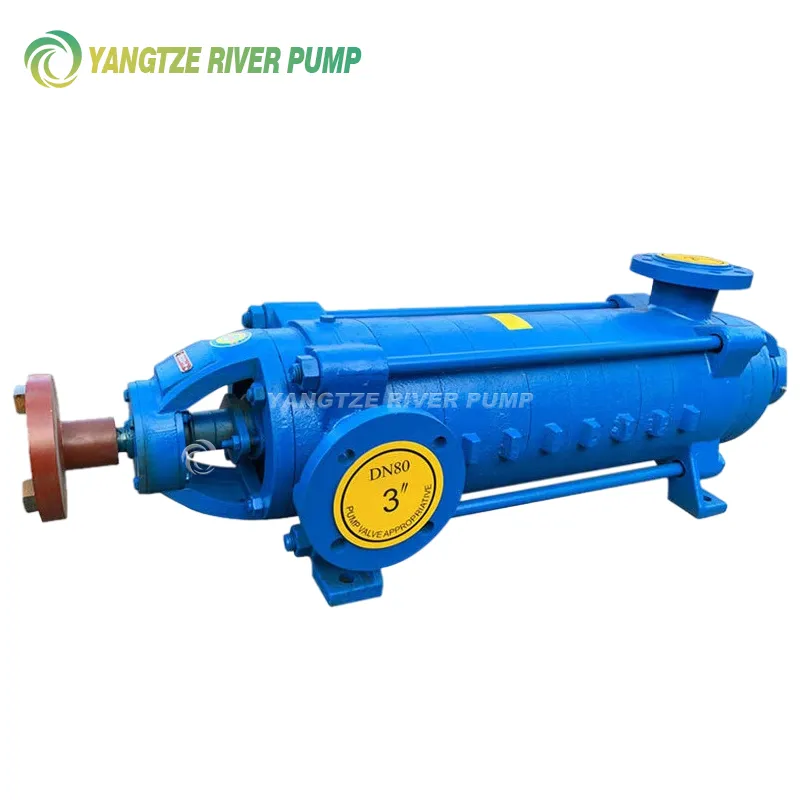
By the way, about multistage centrifugal pumps. This is exactly our main specialization at Zhejiang Yangzijiang Pumping Industry Co.,Ltd. The design allows for high pressure with a compact body diameter, which is ideal for 250 mm columns where both performance and pressure are needed for distribution around the house. But there is a subtlety here: the number of steps. For a 10-inch well, where the dynamic level is, say, 15 meters, and the required pressure to the point of analysis is another 30 meters, 5-7 steps may be enough. If the level is lower or a reserve is needed, we are already looking at 10-12 steps. Too many steps leads to higher prices and excessive load on the network, while too few steps leads to weak pressure on the second floor.
Flow path materials: what really works in the Russian Federation
AISI 304 stainless steel is a standard, but not a panacea. For aggressive waters with high mineralization, which are not uncommon in our soils, it is better to look at AISI 316. Yes, more expensive. But I saw how, within two years, an impeller made of 304 steel in such water became covered with pitting corrosion, especially on the welds. Productivity fell by a third. Therefore, in the terms of reference we always try to find out the chemical analysis of water, if possible. If not, we play it safe and offer 316 or composite materials.
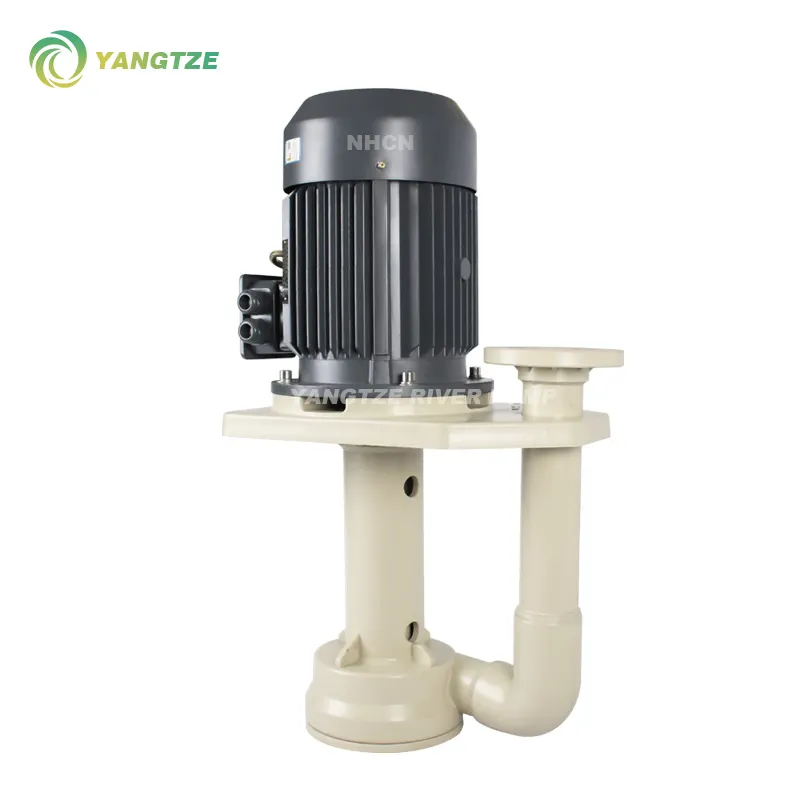
Plastic chemical pumps from our range are a separate issue. They are sometimes asked for wells with very acidic water. But it is important to understand: they are not always designed for great depths and high pressures; their main feature is chemical resistance. For a standard water supply to a house from a 250 mm well, they are usually unjustified. Perhaps as an auxiliary pump for a water treatment system where reagents need to be pumped.
Impeller. For wells with potential sand, an open or semi-open impeller is better; it is less prone to jamming. Closed wheels, although more efficient, fail faster due to abrasive wear. During testing at our own testing ground, we drove the same models several times with different types of wheels on a sand slurry. The difference in service life before the performance decrease was almost twofold in favor of semi-open wheels.
Electrical installation and control: costly mistakes
Cable. It would seem like a small thing. But fordeep well pump for well 10inches, which can be lowered by 30-40 meters, the cable cross-section is critical. The voltage drop over a length of 40 meters during inrush currents may be such that the pump simply will not start or the protection will be triggered. We calculate the cross-section not at nominal value, but with a margin, especially if there is still a distance from the shield to the well. A common mistake installers make is to use the standard cable that comes with the kit, without taking into account the actual length of the route from the machine to the engine.
Control system. A hydraulic accumulator and pressure switch are a must. But for medium and high power well pumps, I strongly recommend frequency conversion. Yes, this increases the cost of the system. But a smooth start removes colossal loads on the mechanics and electrical network, and maintaining constant pressure in the system is simply comfort. Without it, when two taps are opened simultaneously, the pressure may drop. We at yangtzeriverpump.ru always emphasize this in the descriptions of serious models, but not all clients attach importance to it and then wonder why the pump often turns on and off.
Dry running protection. Required element. In the same 250 mm well, the water level may drop unexpectedly, for example, after drawing large volumes or during a dry period. Float switches in the well itself are not a good idea, they can get snagged. Electronic relays that control current or pressure are more reliable. One of our improvements for complex objects is the integration of level sensors directly into the pump housing at the assembly stage.
From personal experience: the vibration incident and how it was resolved
There was a project that was standard at first glance: a 10-inch well, a depth of 35 meters, a static level of 8 meters. We installed ourssubmersible pump, multi-stage, diameter 220 mm. After startup there is strong vibration and noise in the pipes. The client is panicking. They began to figure it out. It turned out that the installers did not use centralizers (anti-vibration spring clamps), the pump was hanging in the well almost on the pressure pipe and cable, touching the walls of the casing. At high rotation speeds, a beating occurred.
We took out and installed nylon centralizers every 5 meters along the length of the pump and cable. The vibration has disappeared. We now use this case as a training case for all installation teams with whom we cooperate. For a diameter of 250 mm and a pump of 220 mm, the gap is only 30 mm, and it must be centered, otherwise contact with the pipe wall is almost inevitable.
Another from the same case: we noticed that the client was using a PN10 plastic pressure pipe, which stretched a little under pressure. This added a slight pulsation. Replaced it with PN16 - the problem went away completely. Trifle? No, an integrated approach. Now, during a consultation, we always ask which pipe will be used.
Service and durability: what is not written in the passport
Anyone, even the most reliabledeep well pump- consumables. Its service life in Russian wells rarely exceeds 5-8 years during active operation. The question is how to maximize this period. The first is regular (at least once every 2 years) checking of parameters: current consumption, pressure, performance. A drop in productivity at the same consumption is a sure sign of wear on the impellers or clogging.
The second is the quality of the power supply. Voltage surges kill the motor winding faster than sand. A stabilizer or at least a high-quality linear reagent (SPD) is required. As part of the service provided by our company, we always offer to install monitoring of network parameters; this has saved the equipment more than once.
And the third, most banal thing is the correct selection for the task. There is no need to take a pump with maximum parameters “just in case?”. If the well produces 3 cubic meters per hour, and you need 2 cubic meters per hour, a 3 cubic meter pump will constantly work with stops and starts, which is detrimental to mechanics. It is better to take a model whose optimal operating point is closer to your actual costs. Our technologists in the R&D department do just this - they select or even slightly modify standard models for the specific conditions of the customer, so that the device operates in the zone of maximum efficiency, and not at the limits of its capabilities.
As a result, returning to the original request “deep pump for well 10?” - This is not a search by one number. This is a whole technical task that begins with measuring the actual diameter of the column and the water level, and ends with the calculation of the entire water supply system. And only having a complete picture can you choose a device that will work for many years and will not become a headache next spring.
Correspondingproducts
Related Products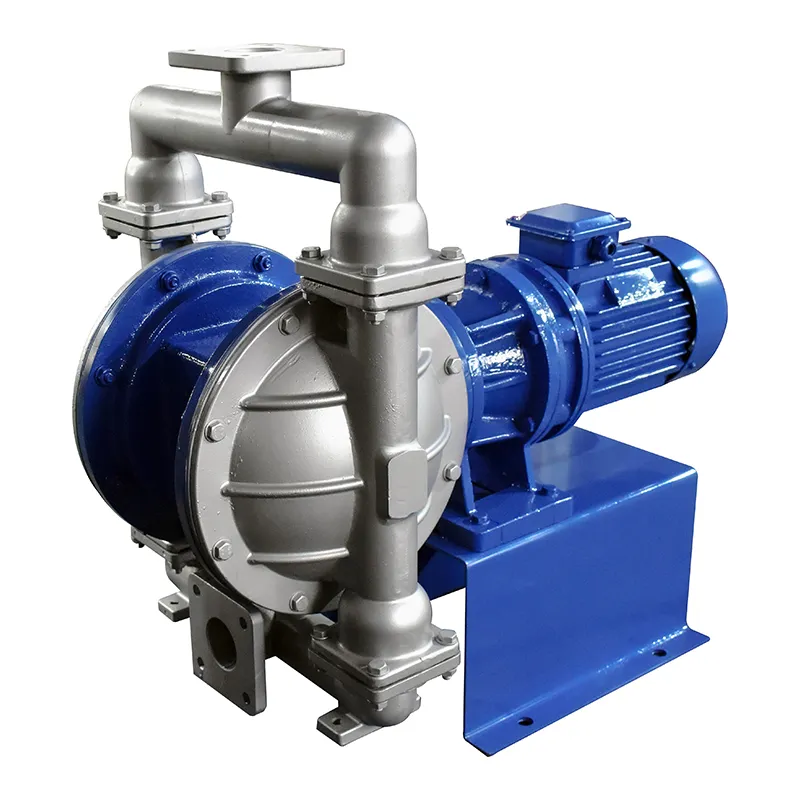
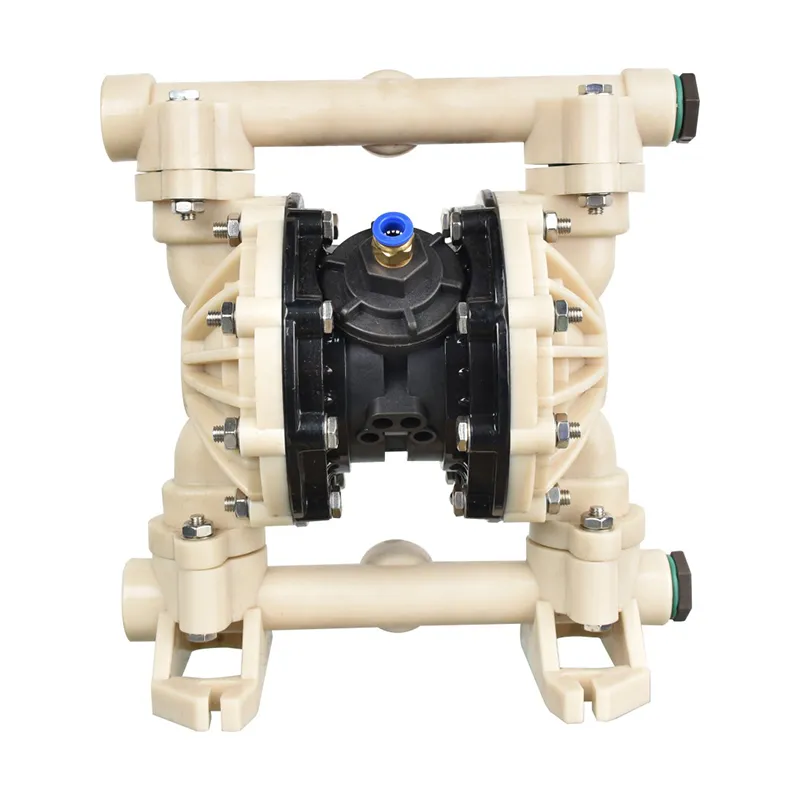
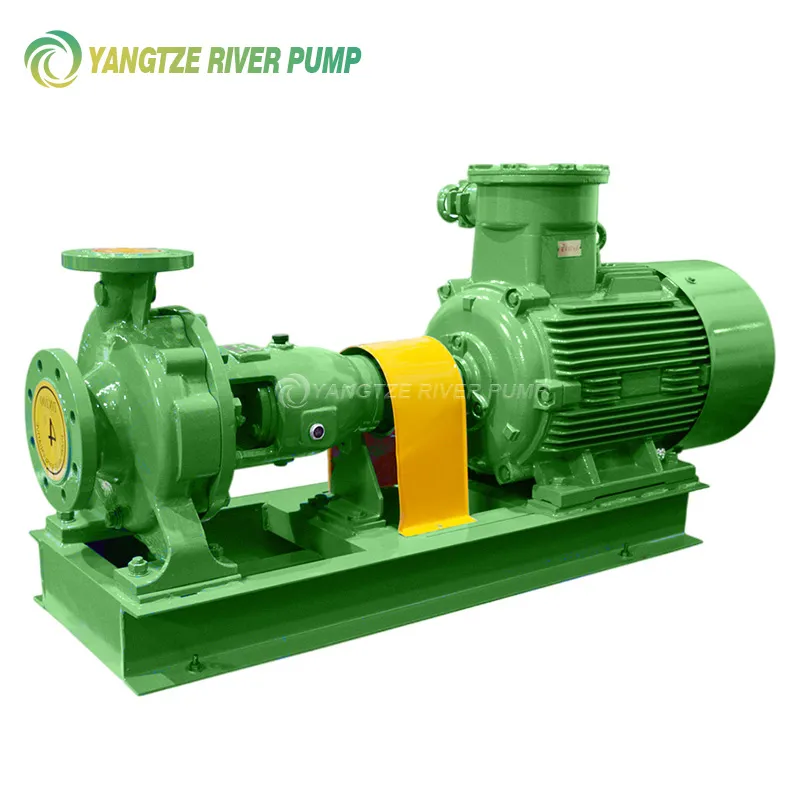
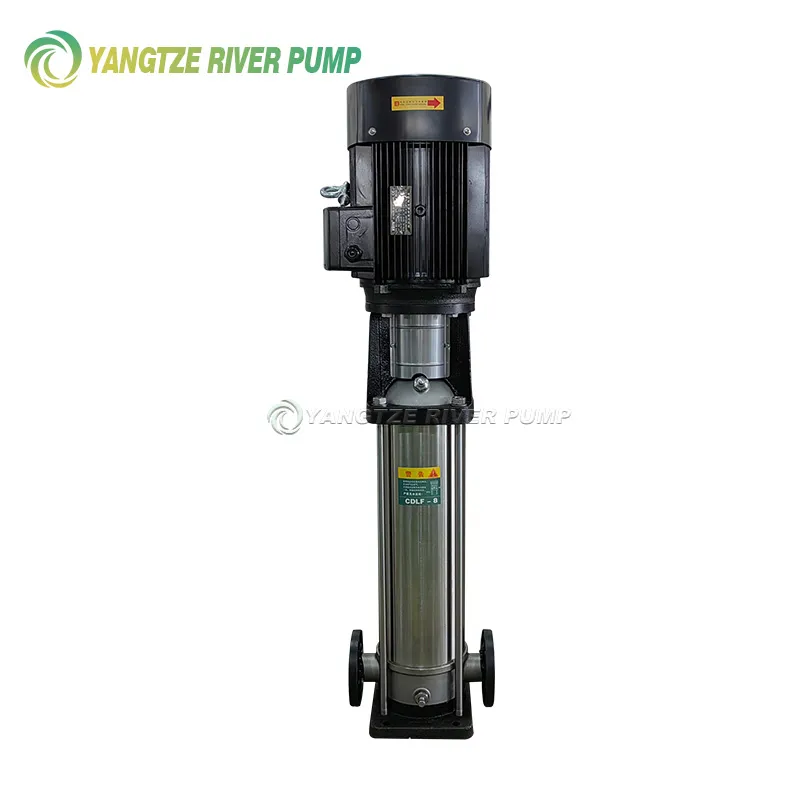

Best Sellingproducts
Best Selling Products-
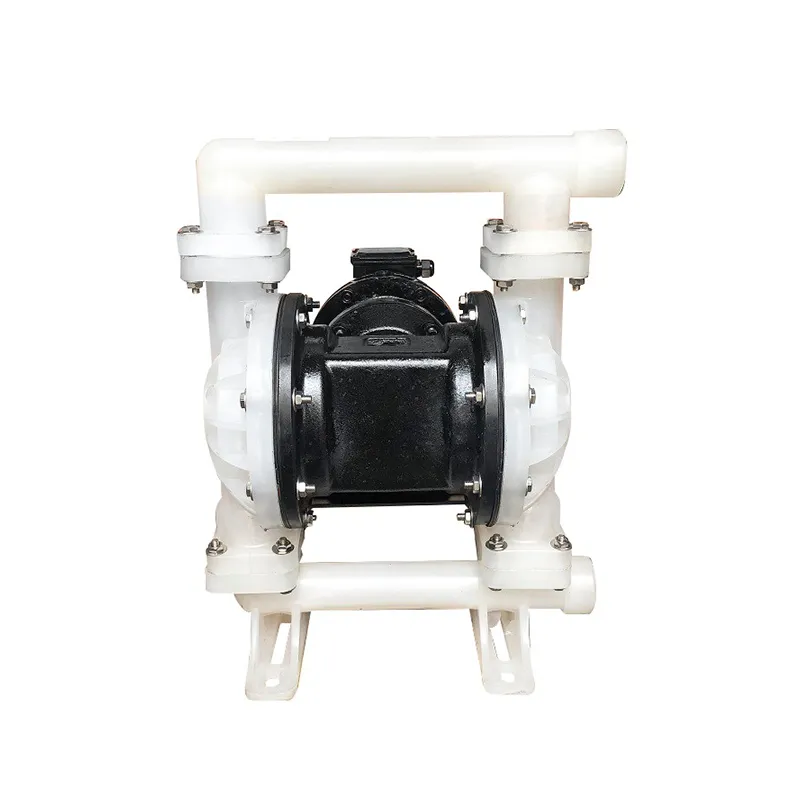 DBY Non-Metallic Electric Diaphragm Pumps
-
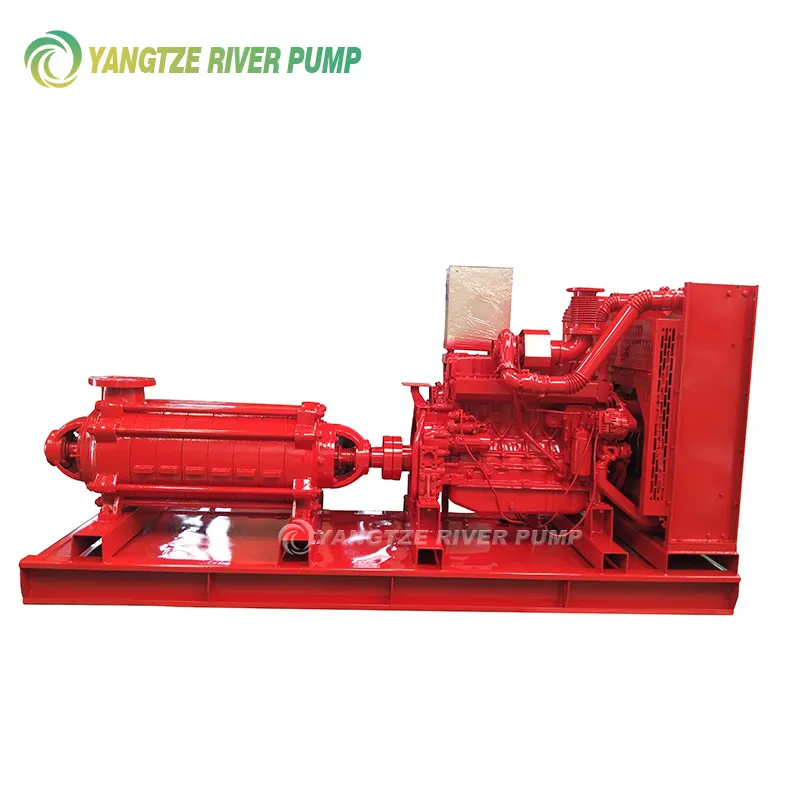 XBC Diesel Intelligent Fire Pumps
-
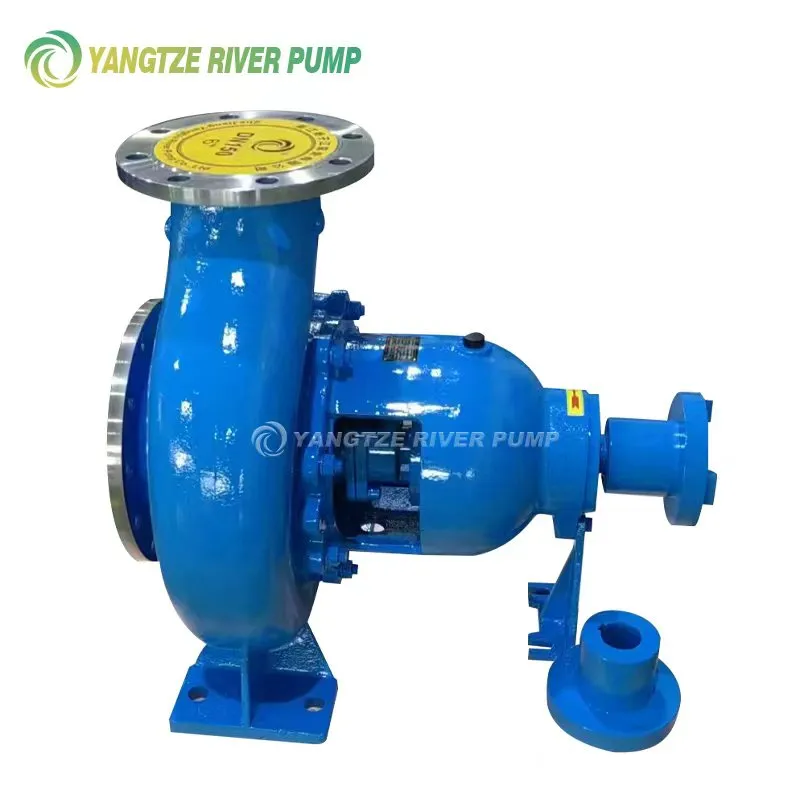 IH Stainless Steel Chemical Centrifugal Pumps
-
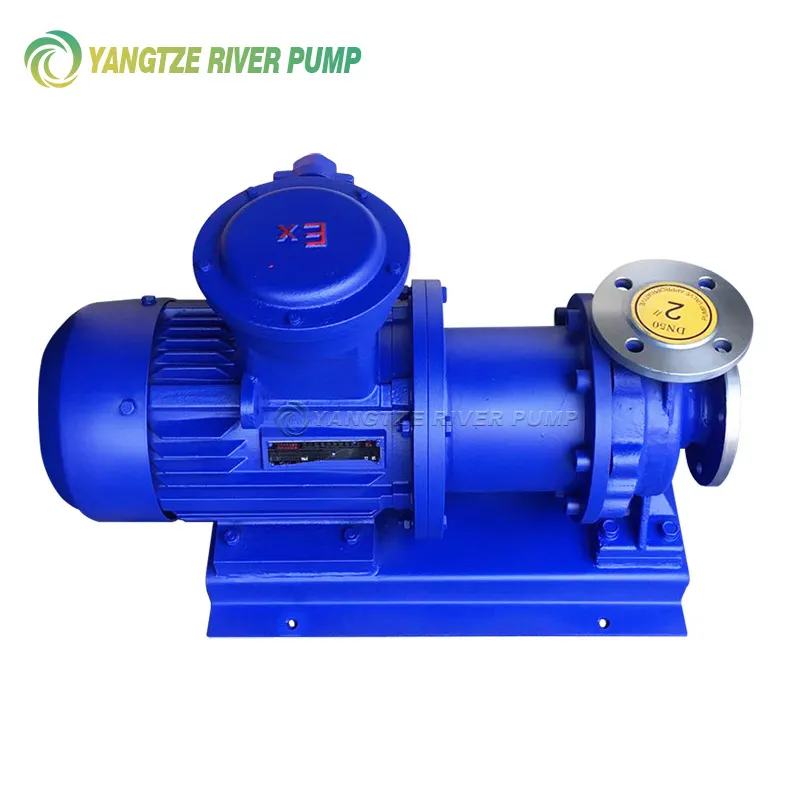 CQB Stainless Steel Magnetic Pumps
-
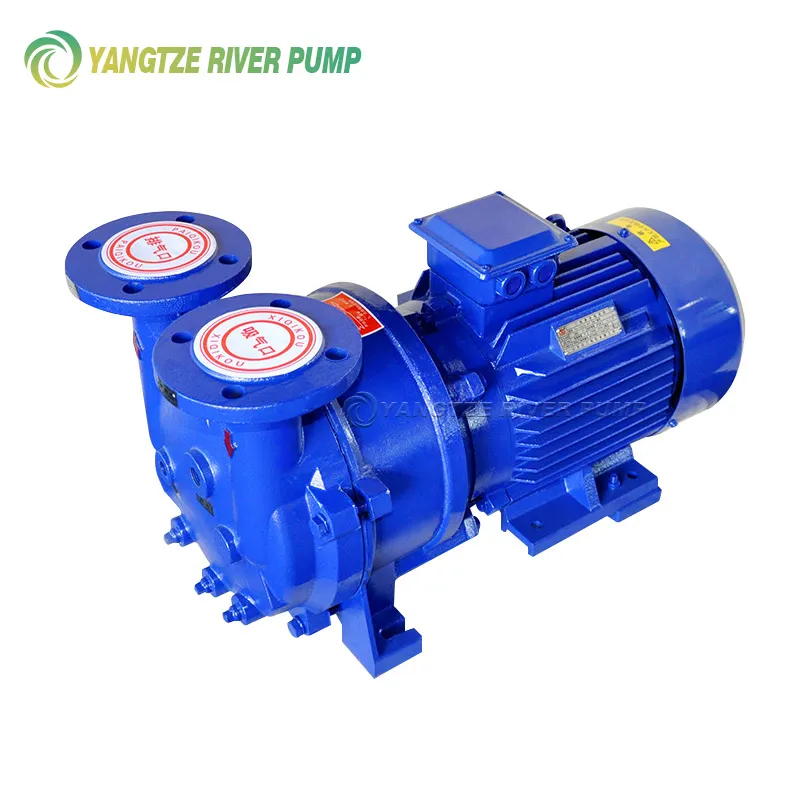 Liquid ring vacuum pumps type SKA and 2BV
-
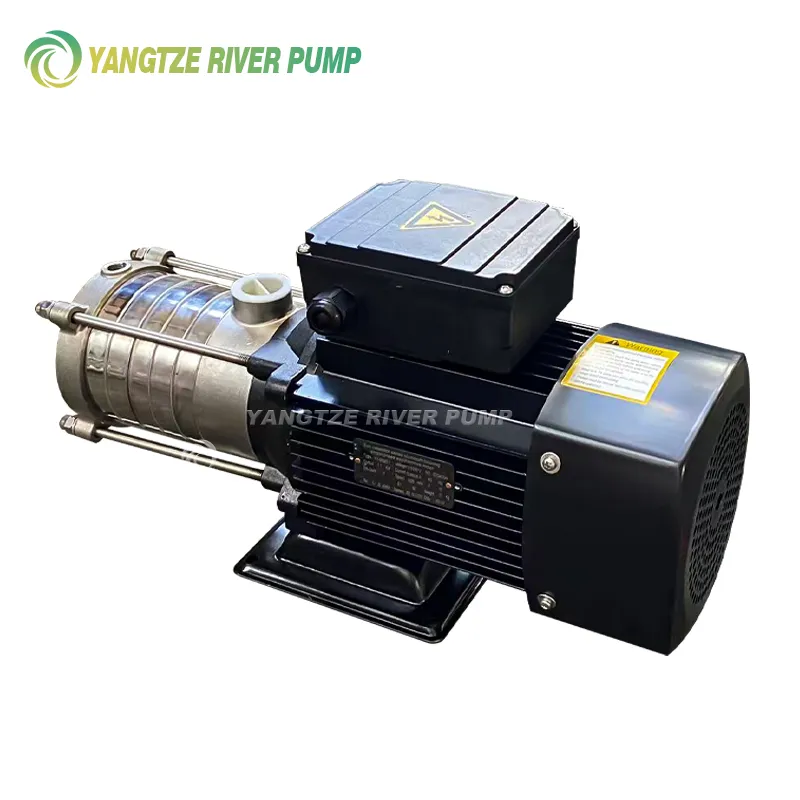 Horizontal multistage centrifugal pumps (light series) CHL and CHLF
-
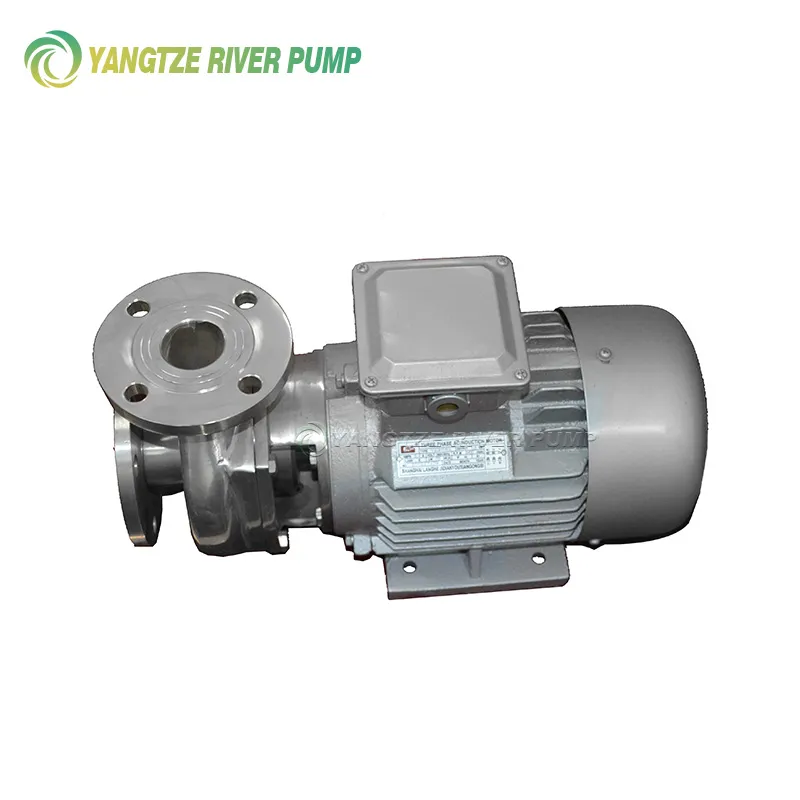 Corrosion-resistant stainless steel centrifugal pumps SFB and SFBX
-
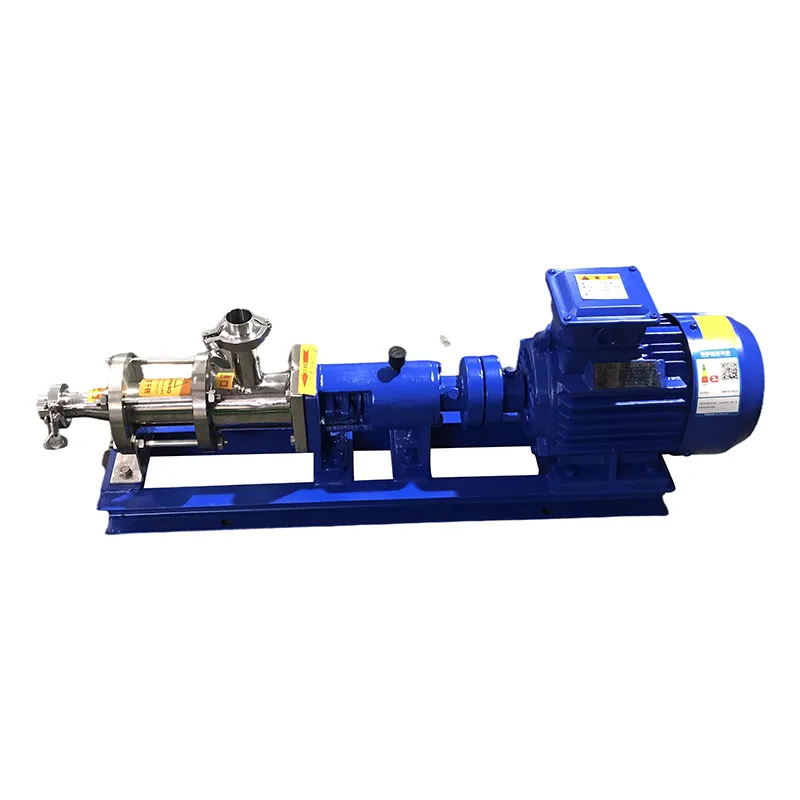 Sanitary screw pumps type GF
-
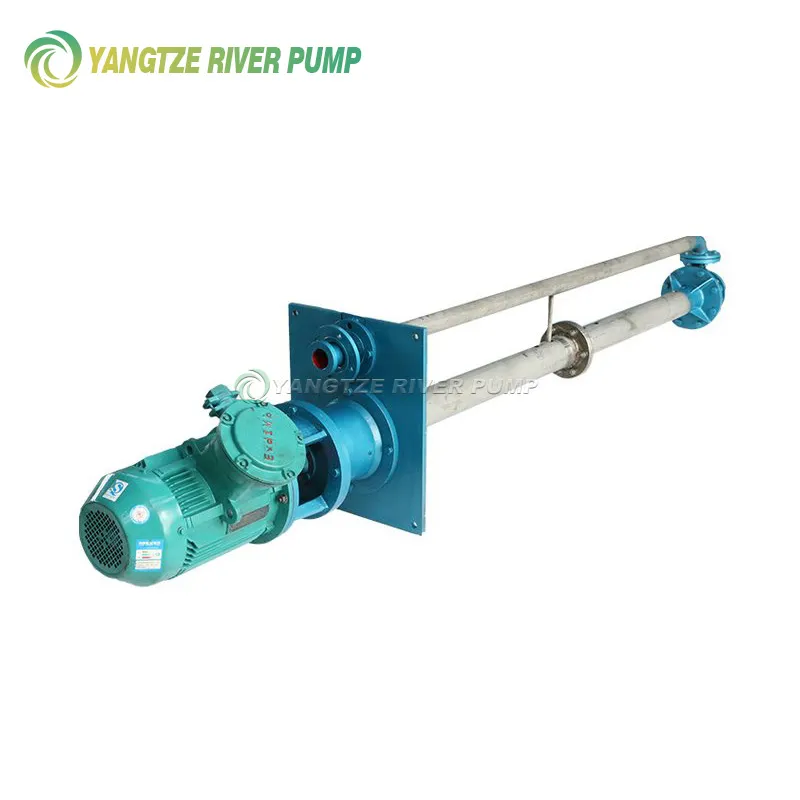 FY Submersible Chemical Pumps
-
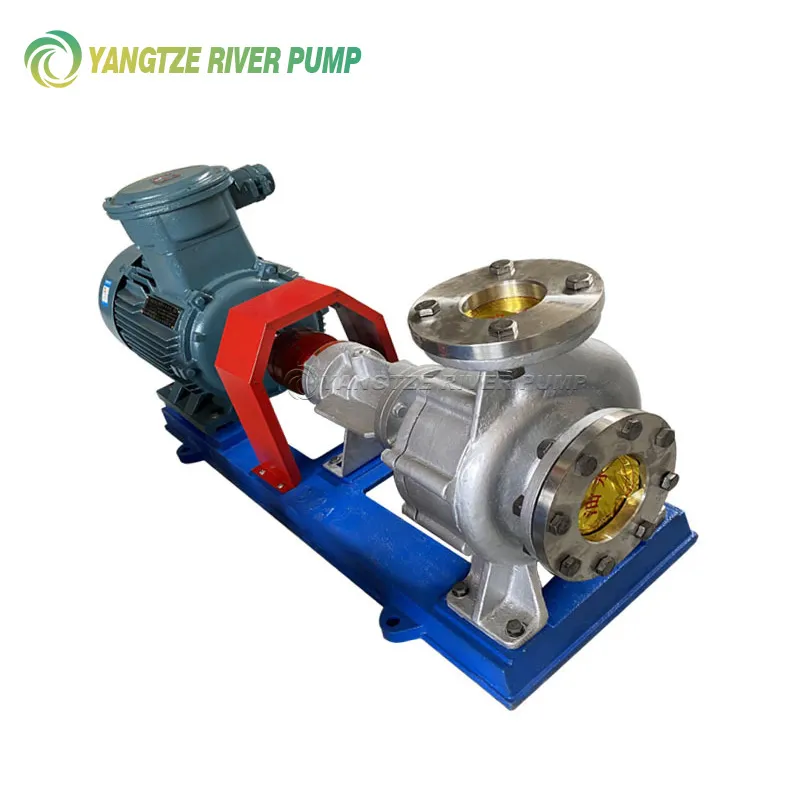 RY thermal oil pumps
-
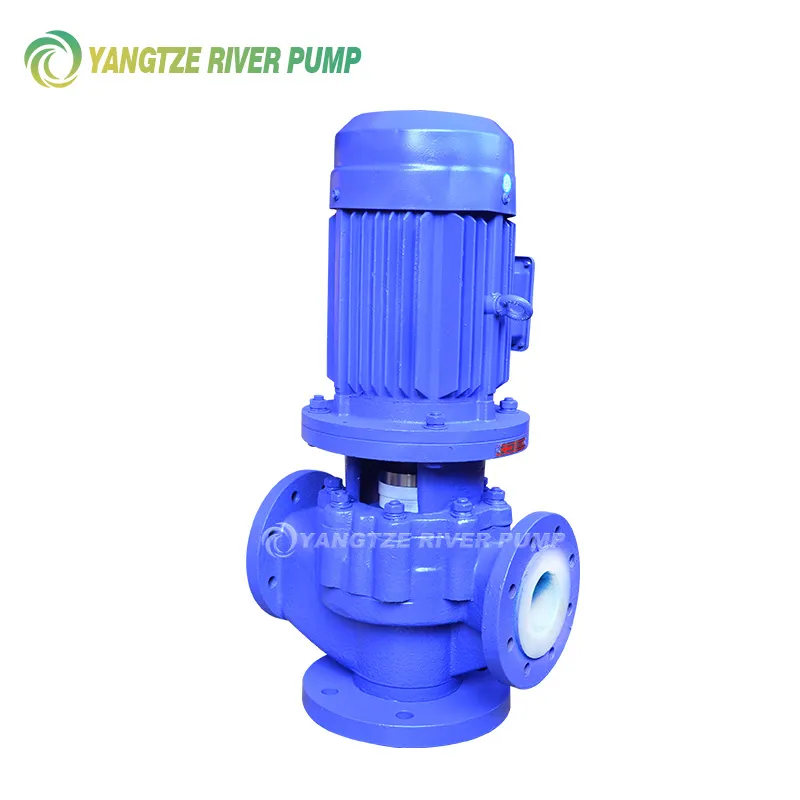 Vertical pumps with PTFE lining YQF
-
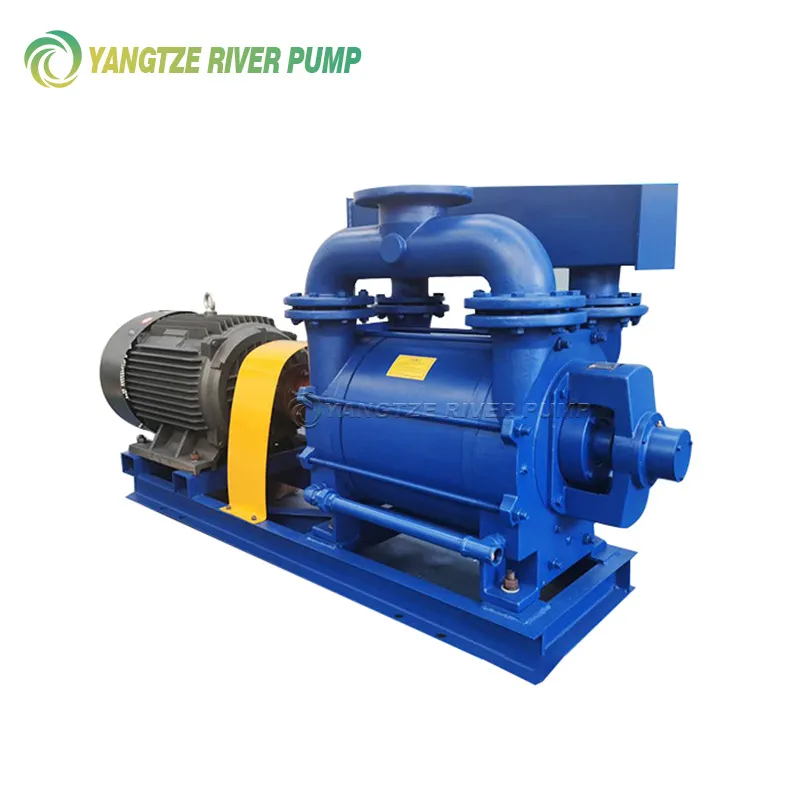 Liquid ring vacuum pumps type 2EB