







centrifugal pump 10 m3 h
When you see the request “centrifugal pump 10 m3 h”, the first thing that comes to mind is that a person is looking for a specific task. But here’s the catch: many, especially those who are faced with a choice for the first time, think that this is an exhaustive description. It’s as if I found a unit with such a feed - and it’s in the bag. In practice, if we take, for example, our lines at Zhejiang Yangtzejiang Pumping Industry LLC, then even within one parameter? 10 cubic meters per hour? There may be a dozen modifications - from compact single-stage models for clean water to multi-stage systems for maintaining pressure in a high-rise building. And every time you have to explain: this flow rate is at a certain pressure. What's your pressure? What environment? Temperature? This is where the real work begins.
Why ?ten? - it's often more than it seems
Let's take a typical situation: a customer asks for a 10 m3/h pump for watering or pumping from container to container. It would seem, take the standard onecentrifugal pumpfrom the IRG series or something similar. But if you don’t specify what the total length of the line is, how many turns and shut-off valves there are, then you can easily miss. I myself got into trouble a couple of times at the beginning of my career: I installed a unit, but it did not produce the required volume. It turns out that hydraulic losses have been “eaten up”? a good third of productivity. Now I always go into detail: draw a schematic diagram, calculate the equivalent length. This is not bureaucracy, this is a necessity.
Or another nuance - working with suspensions. Let's say you need to pump water with a small content of sand or scale. Regularcentrifugal pump 10 m3 hwith a closed impeller can quickly fail due to abrasive wear. Here we are already looking towards special versions, maybe even with wear-resistant inserts or on an open wheel. By the way, in our assortment, for such cases there are options with reinforced seals and materials for the flow part. But this is a completely different price and design.
I often remember one incident at a small production facility. It was necessary to organize the circulation of the cleaning solution, the temperature was about 60°C. The client bought somewhere on the side a pump with exactly the coveted number ?10? on the nameplate. After three weeks - leakage along the shaft. It turned out that a conventional mechanical seal is not designed for such heating, and even with a chemically active environment. We had to urgently select a replacement - we then supplied him with one of our chemical pumps made of polypropylene with a magnetic coupling. It still works. Moral: the consumption figure is only a starting point for dialogue.
Single-stage vs multi-stage: where is that “ten”? more appropriate
If the task is simply to pump water from point A to point B with minimal rise, then a single-stagecentrifugal pump- the king of the situation. Compact, relatively inexpensive, repairable. Our models, such as the ISG series, are often suitable for precisely such needs. But when it comes to the need to create a pressure of 5-6 atmospheres, or even higher, one stage will no longer cope effectively. This is where multi-stage vertical or horizontal units come into play.
There was a project - a water supply system for a cottage village from a well. The required flow rate was exactly 10-12 m3/h, but the pressure needed was 80 meters. A single-stage would pump, but with extremely low efficiency and huge energy consumption. They did the math and proposed a multi-stagecentrifugal pumpCDLF series. It took up a little more space, but the savings on electricity in two years made up for the difference in price. The client was hesitant at first, but after presenting the calculations he agreed. Now he recommends us to his neighbors.
An important point that is often overlooked when choosing between single and multi-stage is pulsation. Multistage pumps tend to deliver more uniform flow. For some processes where flow stability is important, this can be critical. Although, to be honest, for most tasks with water the difference is unnoticeable. But it's worth knowing about it.
Flow path materials: from cast iron to plastic
This is perhaps one of the most common points of making a wrong decision. They see a ?pump 10 m3/h? at an attractive price - and they take it without looking at what it is made of. Cast iron is great for clean, cold water. But for sea water, for solutions with chlorides, this is a direct path to corrosion and rapid failure. Stainless steel AISI 304 or 316 is more serious, but also more expensive.
In our production, on the website yangtzeriverpump.ru, you can see that we focus on chemical pumps made of plastic - polypropylene, PVDF. It’s not just “so that it will be?”. For the same 10 cubic meters per hour of aggressive liquid, this is often the only correct option. I remember how a pump was selected for the laboratory complex to pump the acid drain. The calculated flow rate was just about 10 m3/h. All metal options were immediately eliminated due to chemical resistance. We settled on plasticcentrifugal pumpwith a magnetic drive - there are no leaks, and reliability is higher due to the absence of a mechanical seal.
But plastic also has its limitations - temperature, mechanical strength, UV radiation. You cannot take such a pump and place it outside under the scorching sun without protection. Or pump liquid through it at 90°C if it is designed for 60°C. This seems obvious, but in practice such mistakes happen all the time. You have to be a bit of a psychoanalyst consultant, extracting all the application details from the customer.
Self-priming models: convenience you pay for
It’s a different story when you need to not just pump, but first suck from a certain depth. Here is the standard onecentrifugal pump 10 m3 hIt may not start if there is no constant filling of liquid at the suction. Self-priming structures are needed here. By the way, we have such in our assortment - they are very popular for emergency drainage and for irrigation from open reservoirs.
But we must understand that self-priming ability is not magic. There is a maximum suction lift, and it is highly dependent on the atmospheric pressure and temperature of the liquid. In summer, in the heat, with warm water it decreases. One installer complained that the pump had “stopped suctioning”. We arrived - and he was standing in the sun, the hose was heating up, the water in it was almost steaming. Naturally, cavitation and zero performance. I had to explain the basics of physics and recommend placing the unit in the shade.
Another practical tip for self-priming pumps is a check valve on the suction pipe. Without it, after each shutdown you will have to refill the housing with water. It’s a small thing, but if the pump is in a hard-to-reach place, it becomes a big problem. We always equip such models with a valve, but some manufacturers save money. Worth checking.
Tests and “run-in” - what we do in production
Many people think that they assembled the pump, twisted it, and packed it away. In our company, Zhejiang Yangzijiang Pumping Industry Co., Ltd., the process is different. Each unit, including the samecentrifugal pump 10 m3 h, is being tested on a special stand. We measure not only the flow and pressure according to the passport, but also take a characteristic - we look at how the pump behaves at different points of the operating curve. This is important because sometimes the customer does not operate it in the optimal zone.
It happened that a pump arrived with a “warranty” one. case - noise, vibration. At the stand it turned out that it works on a closed valve, at the very beginning of the curve, where there is an increased load on the bearings and shaft. This is not a defect, this is improper exploitation. Now we often attach to our passports a simple diagram with a recommended working area. Helps avoid problems.
And of course, a leak test and a test run. Even if the pump is one of hundreds of the same, it still takes 15-20 minutes to run. This is the same “run-in” that allows you to identify possible running-in defects - for example, light contact of the wheel with the diffuser or noise in the bearing. It’s better to find and fix it here than at the customer’s site. For us, this is a matter of reputation. After all, in the end, the client needs not just a unit with the number “10”, but a device that will perform its job flawlessly for years.
Correspondingproducts
Related Products

Best Sellingproducts
Best Selling Products-
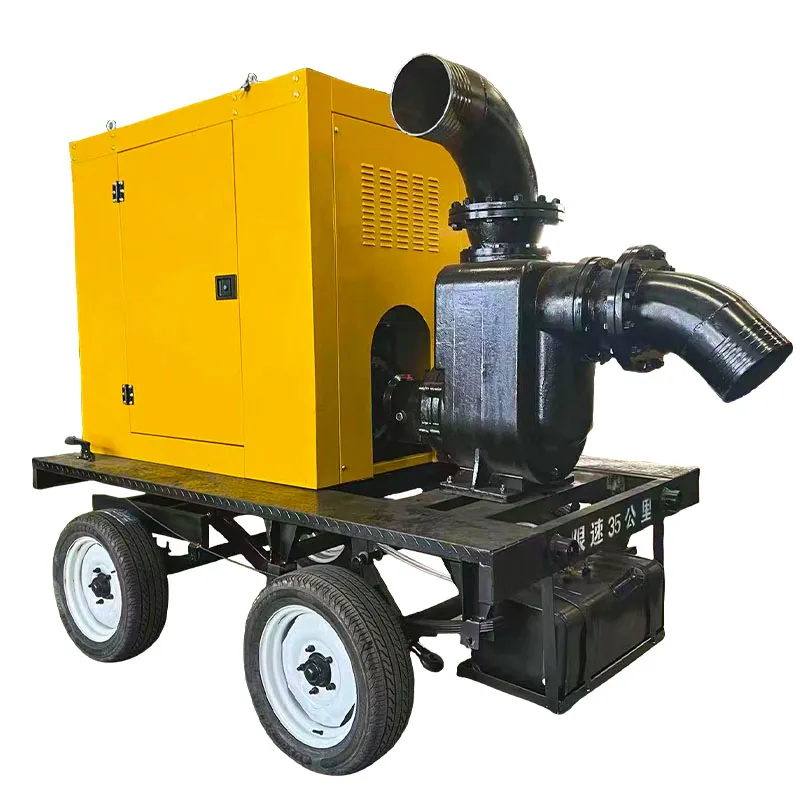 YZZW Diesel self-priming pumps
-
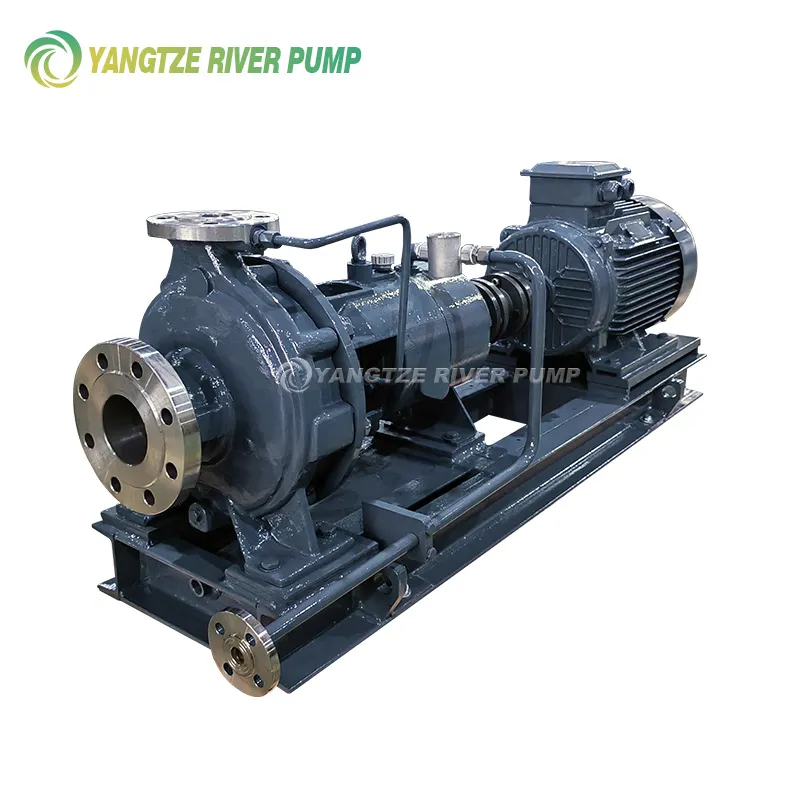 Petrochemical Process Pumps API 610 YZA
-
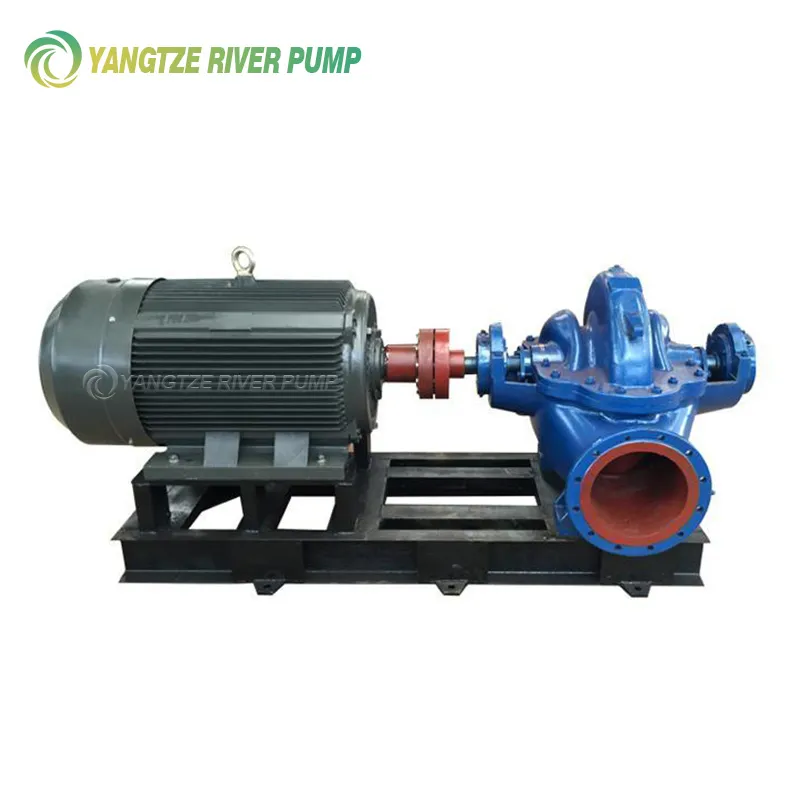 Single Stage Double Entry Centrifugal Pumps Type S
-
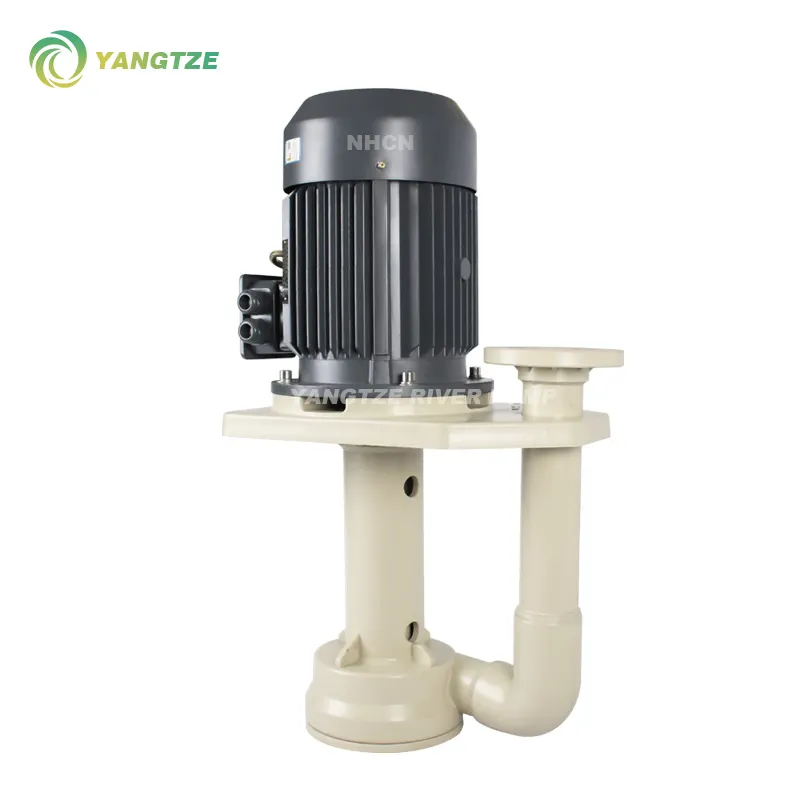 Vertical pumps for installation inside/outside tanks YZCN and YZCW
-
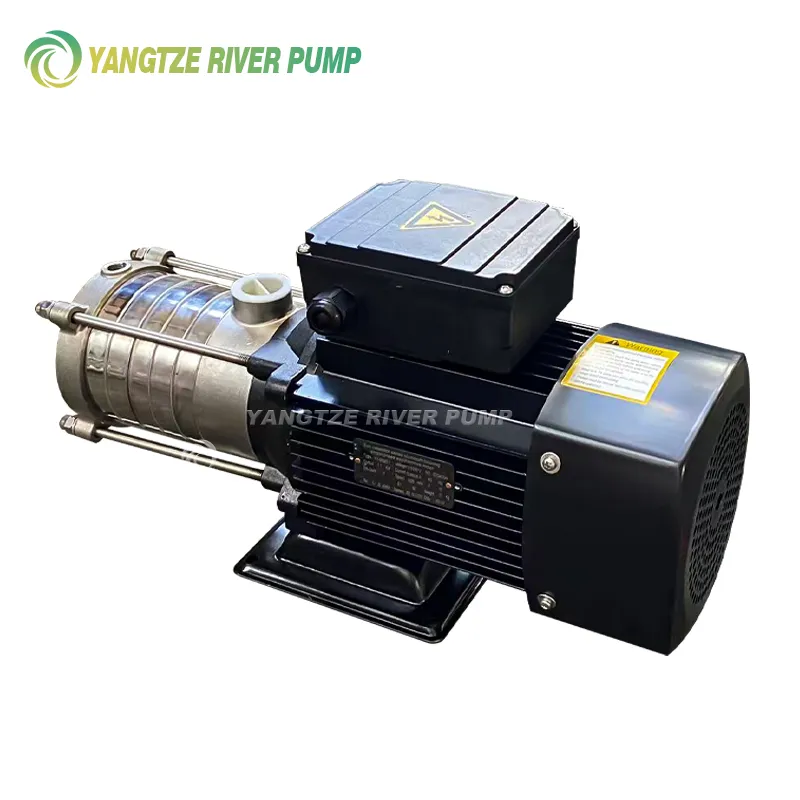 Horizontal multistage centrifugal pumps (light series) CHL and CHLF
-
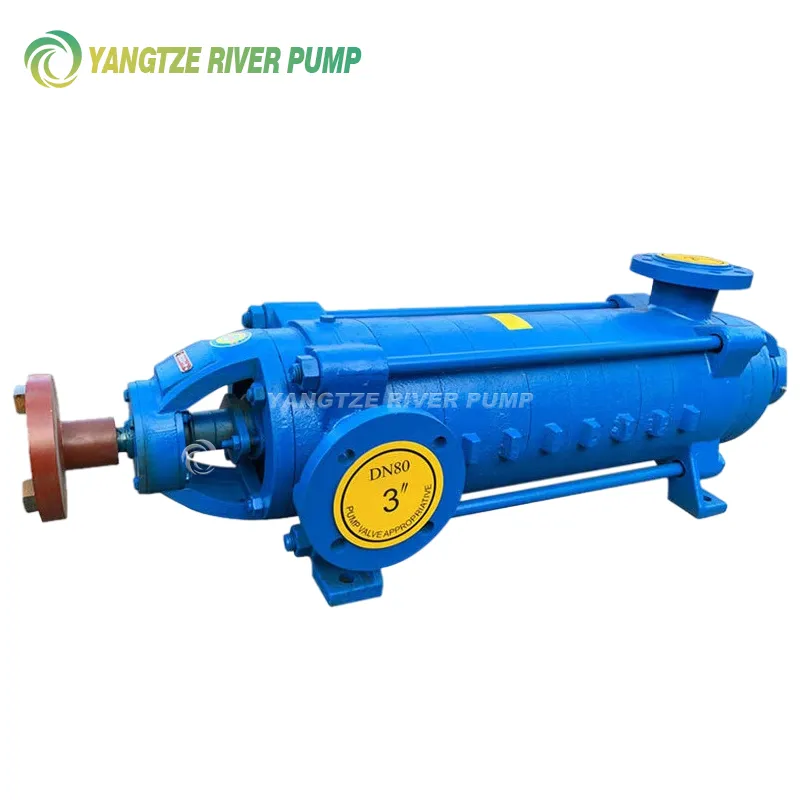 Horizontal multistage pumps for feeding DC boilers
-
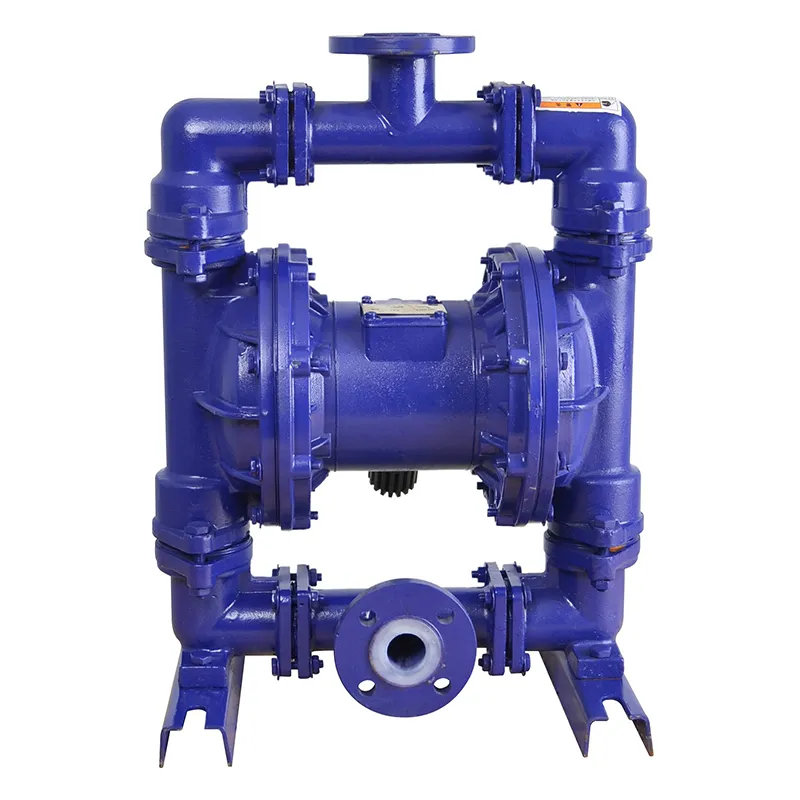 Metal pneumatic diaphragm pumps QBK
-
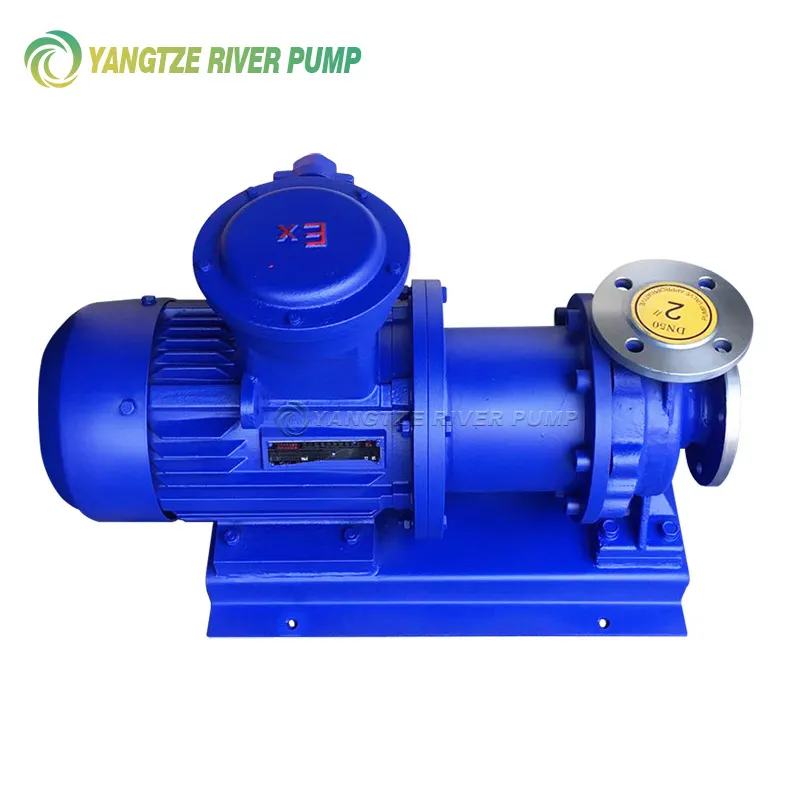 CQB Stainless Steel Magnetic Pumps
-
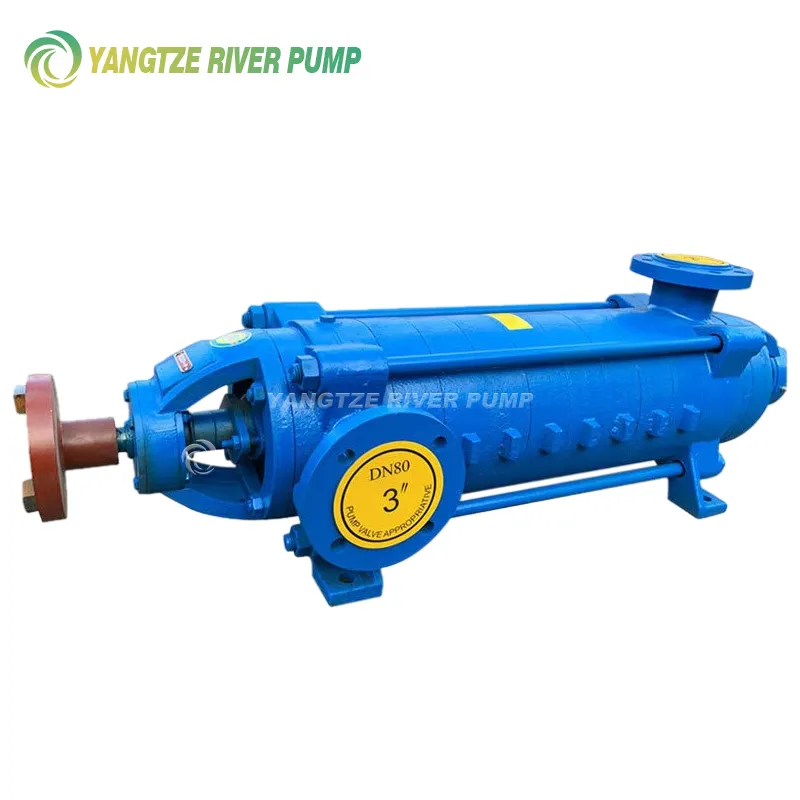 Horizontal multistage pumps for feeding DG boilers
-
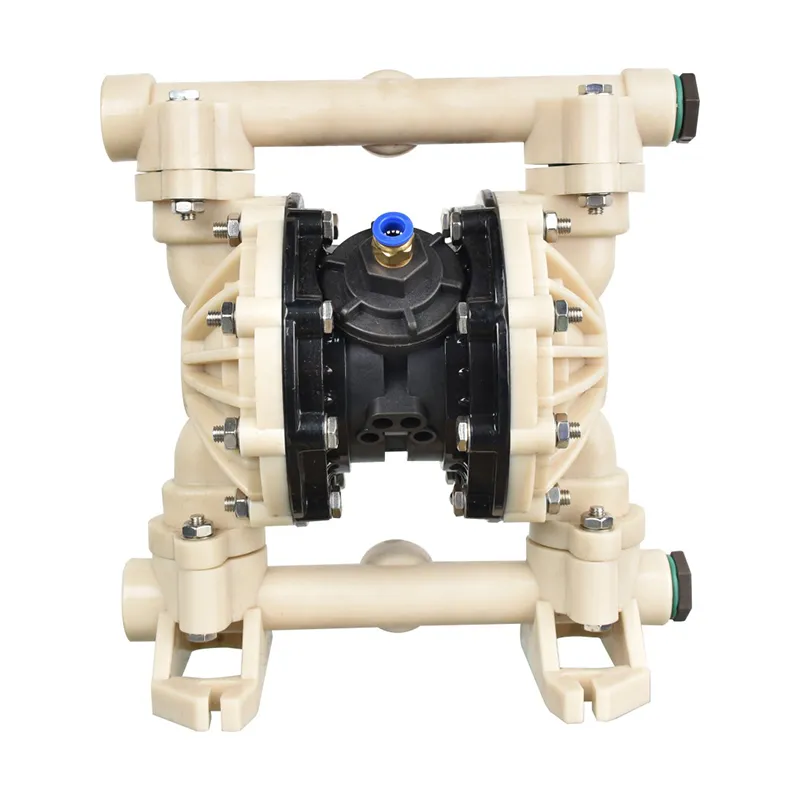 QBK Non-Metallic Air Operated Diaphragm Pumps
-
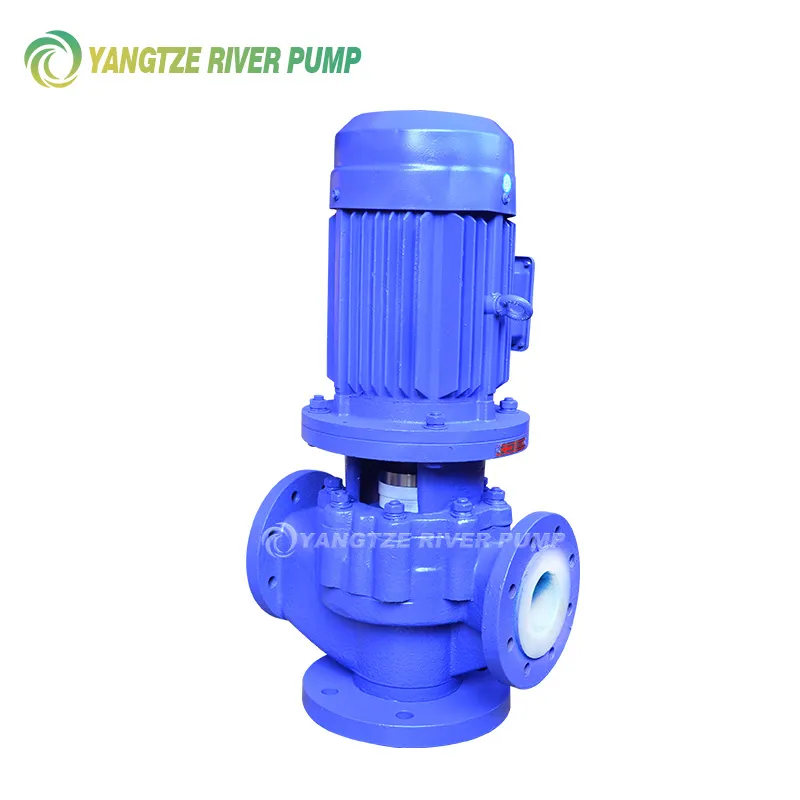 Vertical pumps with PTFE lining YQF
-
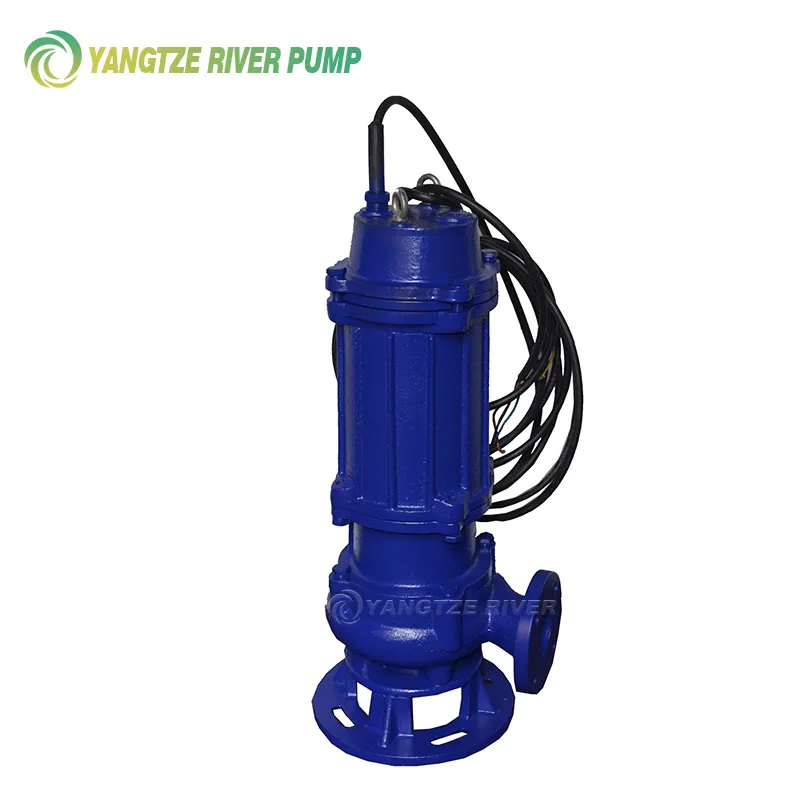 QW Non-clogging Submersible Sewage Pumps