







Lightweight vertical multistage centrifugal pumps
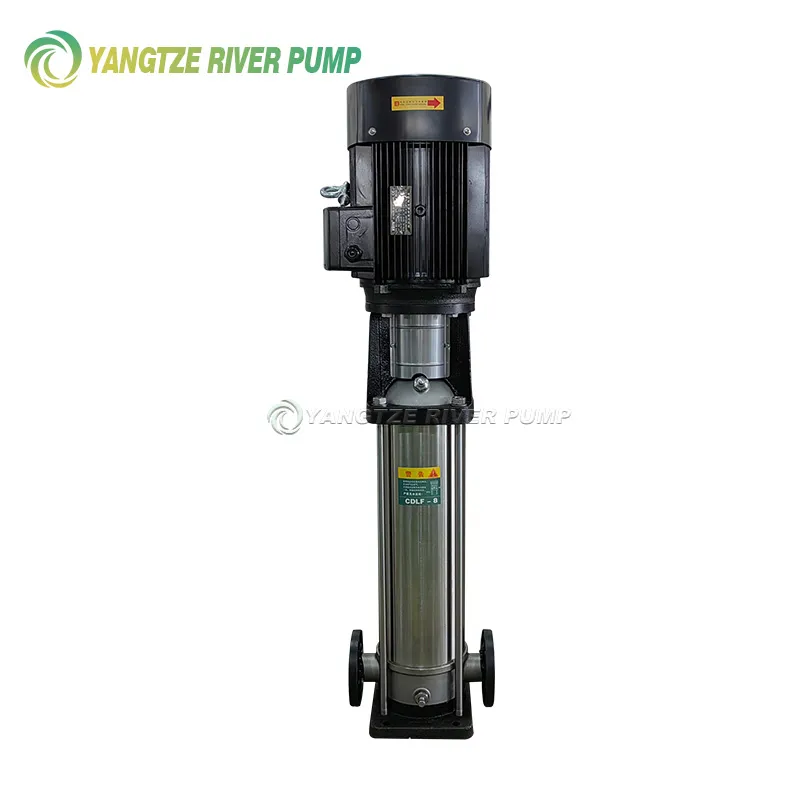
These are the oneslightweight vertical multistage centrifugal pumps— it would seem that the topic is narrow, but there are so many pitfalls in it. They often think that since they are “lightweight,” they are simply compact versions of conventional multistage pumps, and that’s all. In fact, the key thing is precisely in the vertical design and in this very “lightness”, which is achieved not only by materials, but also by layout. Many colleagues, especially those who have worked more with horizontal units, underestimate the nuances of shaft alignment in a multi-stage vertical design. The slightest distortion - both vibration and service life drop significantly. In ourZhejiang Yangzijiang Pumping Industry Co.,LtdWe encountered this more than once when we were just mastering the full production cycle of such models.
Where is the "lightness"? practice ends and practice begins
So, “lungs?”. This is not about weight in kilograms, although it is important for installation. It's more about adaptability to systems where there is no room for a massive foundation. For example, built-in pressure boosting systems in high-rise buildings or compact process lines. But here the first stumbling block is the material of the flow part. Stainless steel is reliable, but for some chemically neutral environments it is redundant and heavy. Composite materials, the same reinforced polymers that we are actively testing, provide gains in weight and corrosion resistance, but require pinpoint precision in the casting of the casing and impellers. One batch of impellers made of polymer with a non-uniform structure - and the pump does not reach the design pressure. We have to tighten control at the casting stage.
Vertical layout is a different story. All steps sit on the same shaft. It would seem logical. But thermal expansion during long-term operation, especially with hot water (yes, there are such requests too), affects the gaps. If the correct tolerances are not established initially, mashing may occur during heating. I remember an incident at one of the customer’s facilities - pumps for circulating heated process fluid. After entering the mode, a characteristic sound appeared after a couple of hours. Disassembled - traces of contact on the last stage. The problem was that the standard stainless steel shaft had an expansion coefficient slightly different from the housing material. I had to recalculate and select the steel grade for the shaft individually. Now this is an item in the technical specifications for non-standard temperature conditions.
That is why in our production, where there is a full cycle from R&D to testing, we cannot afford to simply assemble a pump from ready-made components. Assemblyvertical multistage centrifugal pumps- this is always preliminary?dry? alignment, then a test run on a stand on the water, vibration measurements, disassembly, inspection and final assembly. Yes, it takes longer. But this way we avoid returns under warranty due to banal vibration. At the test bench, we run the unit not only at nominal, but also at minimum and maximum flow rates, taking characteristics. Often the pressure curve in practice “sags?” against the calculated one precisely at extreme modes - it is important for the customer to know this for selection.
Multi-stage: not easy to fold the wheels
There are also many myths about the number of steps. More steps means higher pressure, yes. But each additional stage is a loss due to hydraulic resistance in the channels, this is an elongation of the shaft, which means questions about its rigidity and critical rotation speed. Forlight vertical pumpsOften the task is to minimize dimensions, so simply adding a lot of thin steps is not the solution. It is necessary to optimize the hydraulics of each stage in order to remove maximum pressure with a minimum diameter. Our designers are working on this. Sometimes it is more efficient to make fewer steps, but with more advanced CNC-profiled blade geometry, than more steps with stamped wheels.
Another practical point is maintenance. In a classic horizontal multistage pump, repairing one stage often requires disassembling half of the unit. In a good vertical design, the design should be modular. To avoid removing the entire pump from the pipeline when replacing seals or one impeller. We strive for this in our models, but this complicates the design of the body - it becomes dismountable, with flange connections between sections. And every connection is a potential leak point. We have to find a balance between maintainability and reliability. We use seals made of special elastomers that maintain both temperature and pressure, but their service life also needs to be monitored.
By the way, about materials. For chemical environments, even not the most aggressive ones, but where there is a risk of corrosion, the option of stainless steel AISI 304 or 316 is the basic one. But we also have plastic chemical pumps in our assortment. So, the technology of casting bodies and wheels formultistage centrifugalmodels made of reinforced polypropylene or PVDF - this is aerobatics. Here, internal stresses in the material are unacceptable, otherwise the body may “fail”. already after installation. We worked through this process, but I admit, the first games were difficult. Nowadays such pumps are successfully used for pumping solutions in electroplating shops.
From stand to site: where non-obvious problems lie
Ideal test bench conditions and real operation are two very different things. At the stand the water is clean, the temperature is constant, the shaft is strictly vertical. At the site, there may be pressure pulsations at the inlet, liquid with micro-bubbles of air, the installers may have allowed a deviation from the vertical of a couple of degrees. Forlightweight vertical multistage centrifugal pumpsall this is critical. Inlet pulsations can cause cavitation in the first stage, and air bubbles can reduce efficiency and cause noise.
Therefore, we always emphasize in negotiations with the customer: it is important not only to select a pump according to its parameters, but also to properly prepare the installation site. Sometimes we even recommend installing an additional damper or air separator in front of the pump, although this is not our equipment. But this is in the interests of long-term operation of the unit. To be honest, at the beginning of our journey we did not do this, believing that our task was to sell the pump. We received complaints about noise and pressure reduction. Now the approach is different: a comprehensive solution, even if it is simpler.
Another story from practice is working in the partial opening mode of the valve. Many people think that the pump can be “strangled” for regulation. For a multi-stage centrifugal, this can be disastrous. Increased pressure in the housing when the outlet valve is closed, overload on the shaft... For critical applications, we now recommend frequency converters for smooth performance control. Yes, it is more expensive for the client, but the life of the pump is preserved. Some of our models already come pre-packaged with a flange for a sensor for integration into an automated process control system.
Connection with other types: why assortment is important
We have eight production lines, and we make not only vertical multi-stage ones. There are horizontal single-stage, linear centrifugal, and self-priming. This is not just for show in the catalogue. Often a process line requires different pumps. And when the customer buys from one manufacturer, this is a guarantee of compatibility in materials, connection dimensions, and approaches to maintenance. There was a situation when the water treatment system neededvertical multistage pumpsfor high pressure delivery to membranes, and chemical diaphragm pumps for dosing reagents. We made both types, coordinated the seal materials for one environment - the customer had less headaches.
Having a full cycle, including our own tests, allows us to carry out such comprehensive checks. We can assemble a reduced circuit on a bench and run different types of pumps through it, simulating the operation of the system. This is invaluable experience, which then forms recommendations for the customer’s engineers. We see how the pump behaves not in a vacuum, but in conjunction with other equipment, where there is mutual influence.
By the way, about magnetic pumps from our range. The no shaft seal principle is an excellent solution for aggressive or expensive environments where leakage cannot be tolerated. Sometimes the question arises: is it possible to dolightweight vertical multi-stageMagnetic clutch pump? Technically, yes, but this greatly complicates the design and reduces efficiency due to losses in the coupling. For high pressures, which multistage pumps provide, this is often impractical. But for specific tasks where safety is paramount, we are also exploring such options at the R&D level.
Instead of a conclusion: thoughts along the way
As I write this, I again remember dozens of adjustments, startups, and sometimes failures. Each project withlightweight vertical multistage centrifugal pumps- this is a new experience. There are no two absolutely identical objects. In some places we had to deal with noise, in others we had to select the stuffing box material for a non-standard liquid.
The main thing I learned for myself and for our team inZhejiang Yangzijiang Pumping Industry Co.,Ltd- you can’t stop there. Even if the pump has passed all tests and has been shipped, we are interested in how it works after six months or a year. This is feedback that allows you to improve the following models. Sometimes minor modifications to the seal chamber design, based on field data, can add thousands of hours to the lifespan.
So, when you say “lightweight vertical multistage centrifugal pumps?”, behind these words there is not just a line in the catalog, but a whole layer of technical solutions, trial, error and, ultimately, reliability that works at the customer’s site. And this, perhaps, is the meaning of our work - to make sure that this pump is not remembered, because it simply does its job properly. And when they remember, so that they know who to turn to for advice or support.
Correspondingproducts
Related Products

Best Sellingproducts
Best Selling Products-
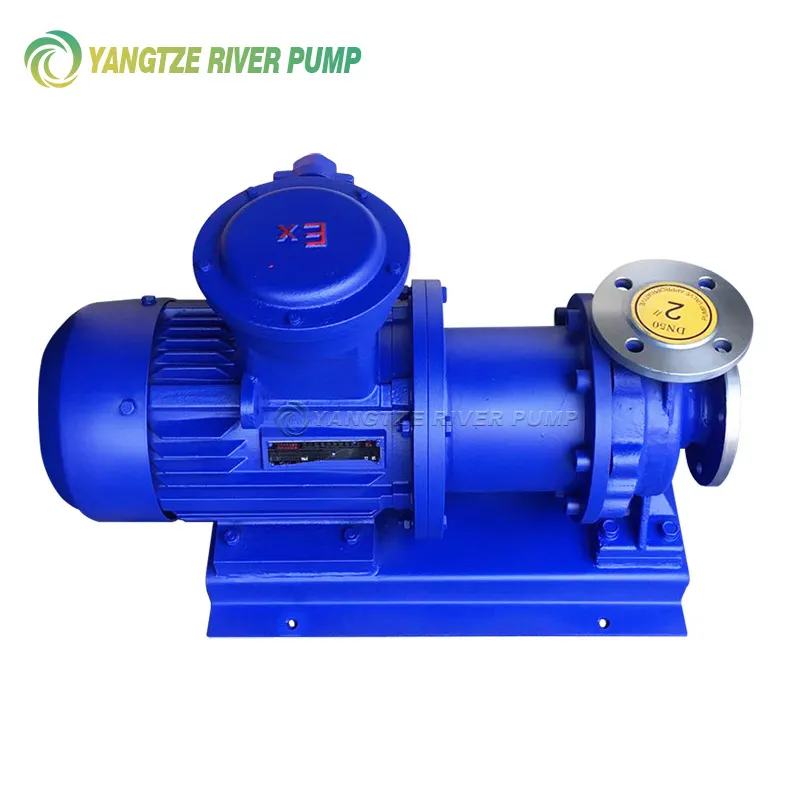 CQB Stainless Steel Magnetic Pumps
-
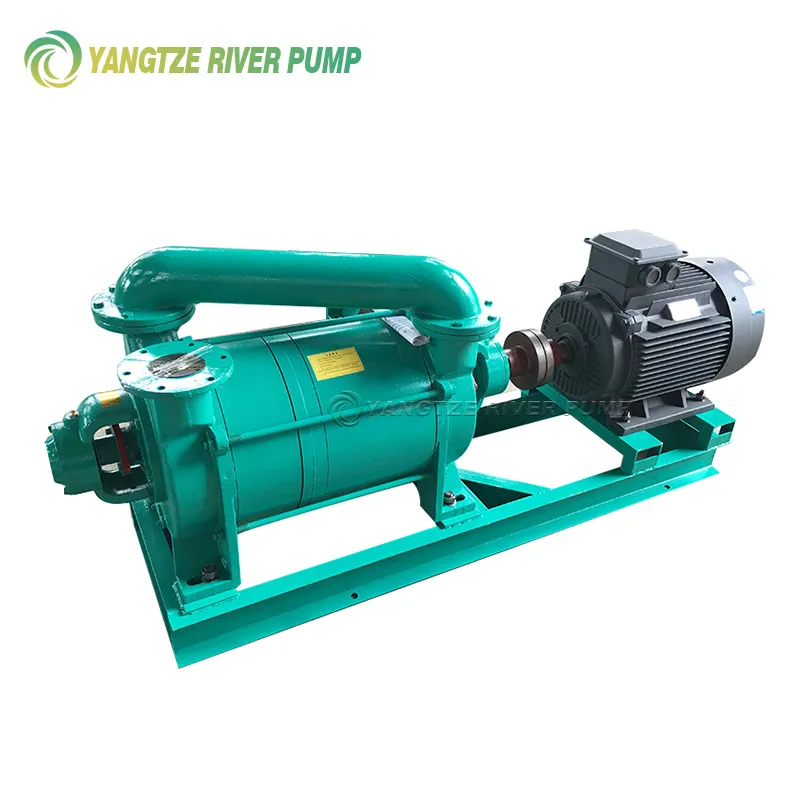 Liquid ring vacuum pumps type 2SK
-
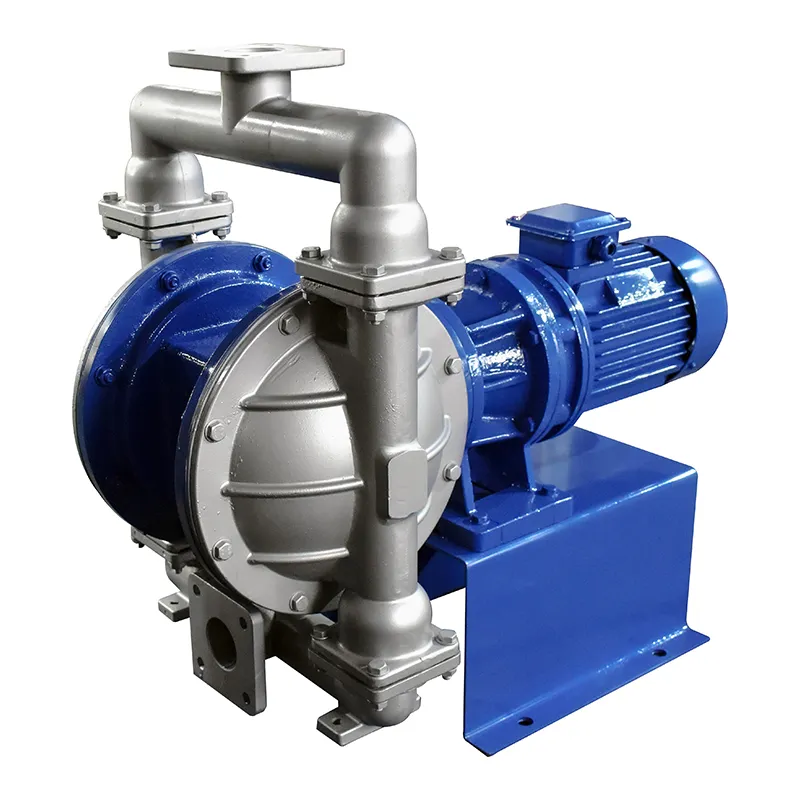 Metal electric diaphragm pumps DBY
-
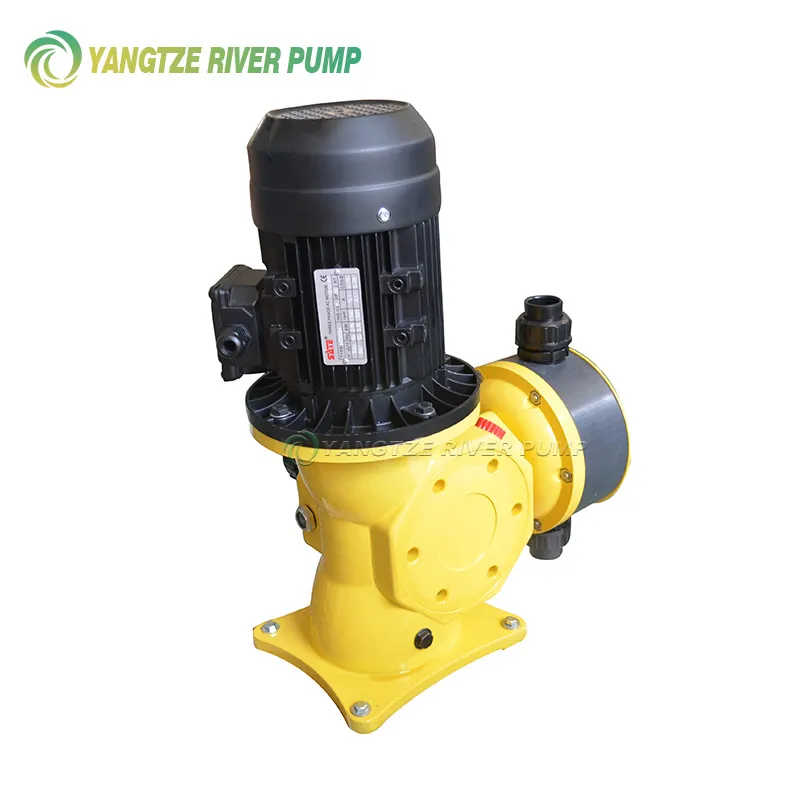 Mechanical diaphragm dosing pumps DJ-D
-
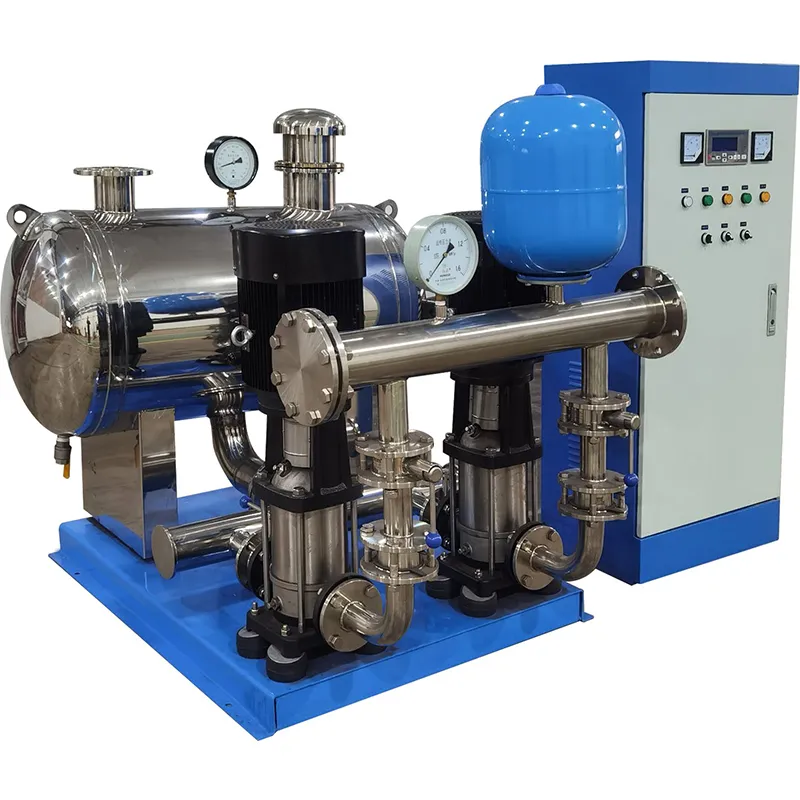 Complete water supply installations with frequency regulation and constant pressure CDLF
-
 Corrosion-resistant stainless steel centrifugal pumps SFB and SFBX
-
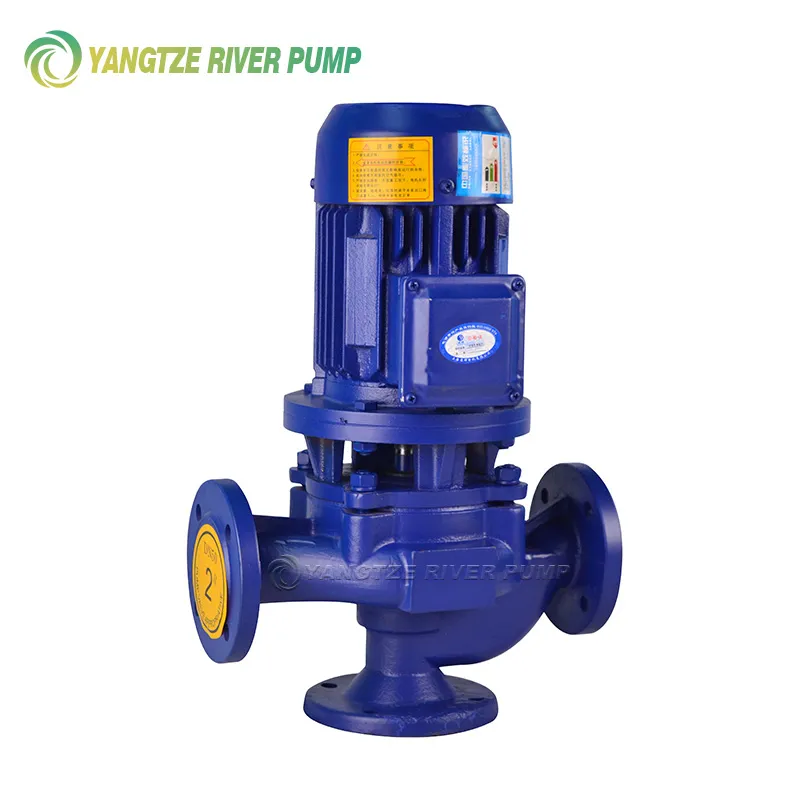 Pipeline wastewater pumps GW
-
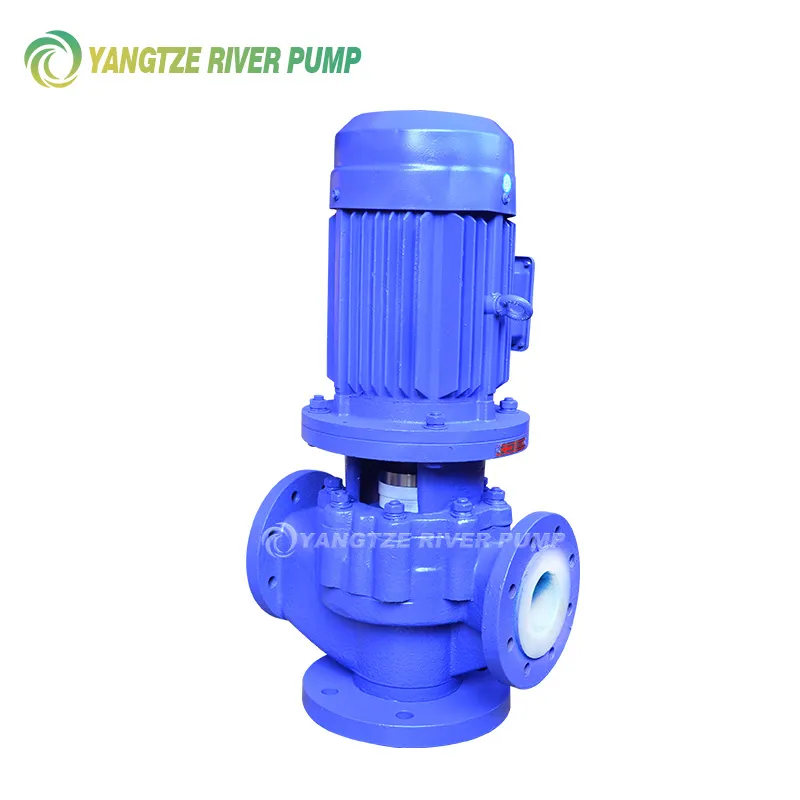 Vertical pumps with PTFE lining YQF
-
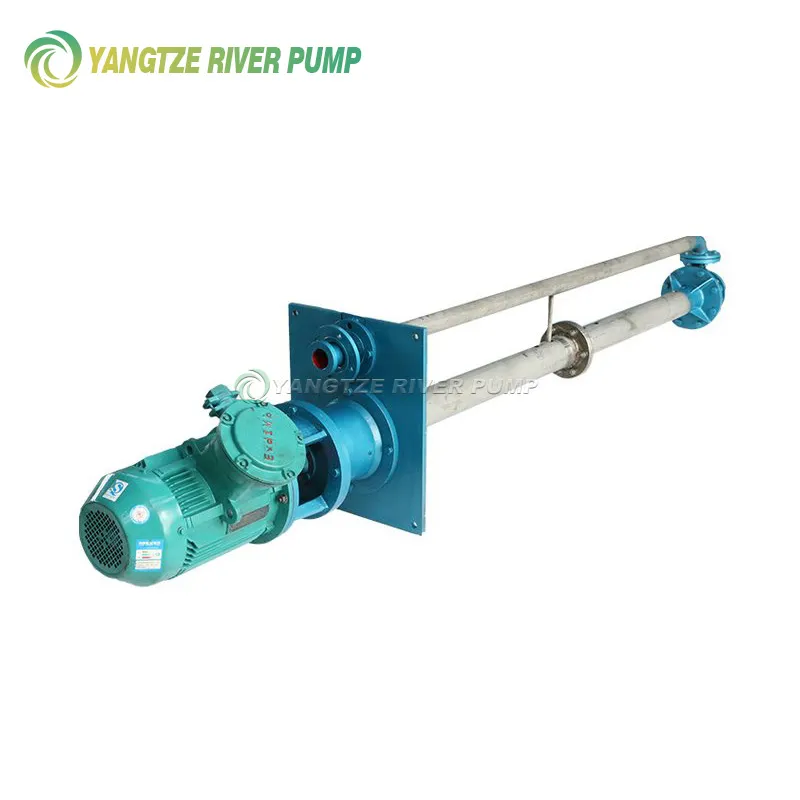 FY Submersible Chemical Pumps
-
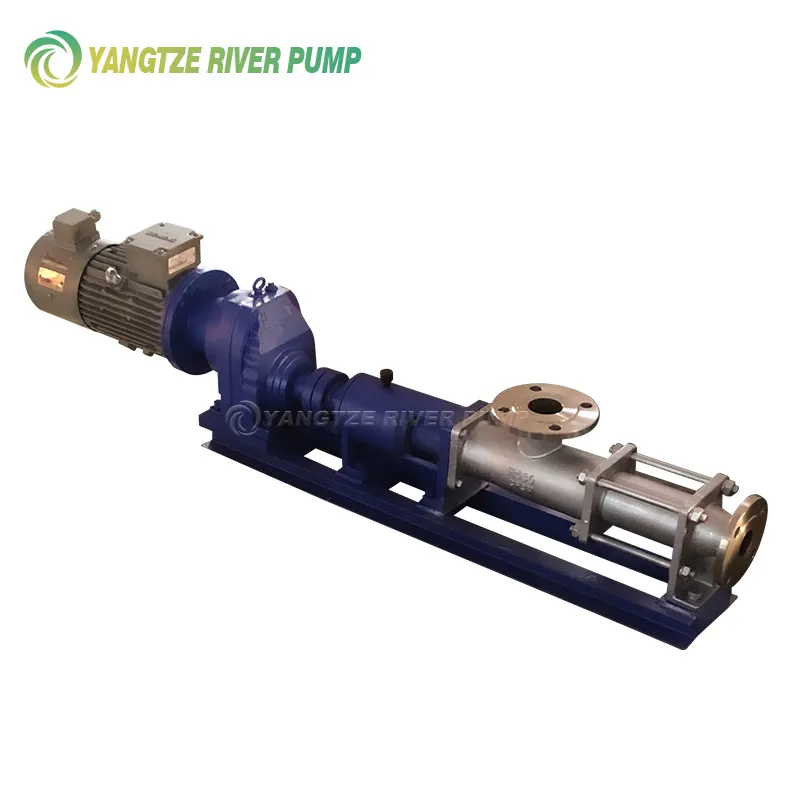 Geared screw pumps type G
-
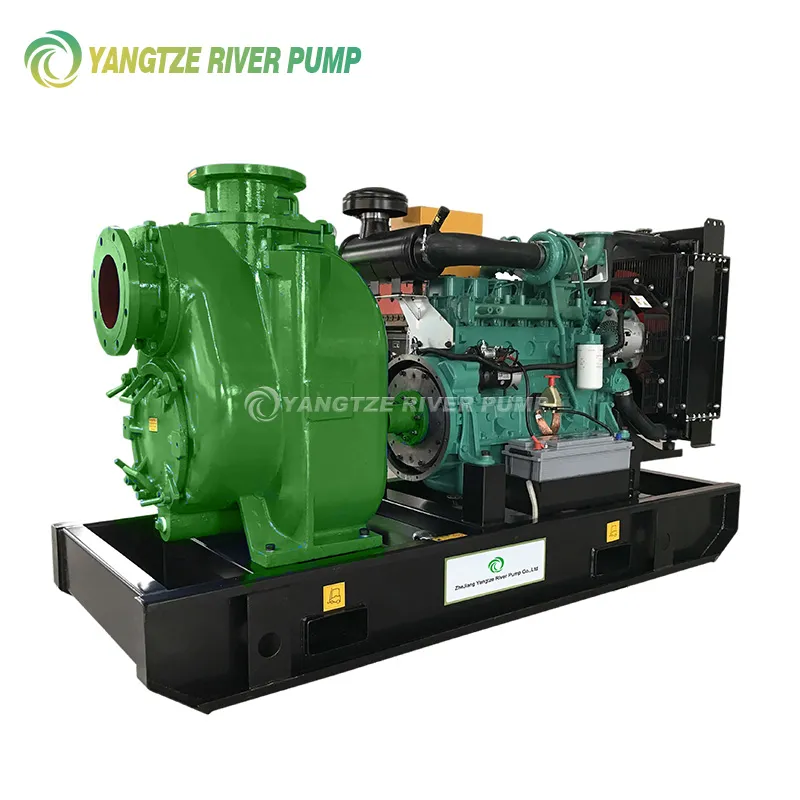 YZSP Diesel Self-Priming Pumps
-
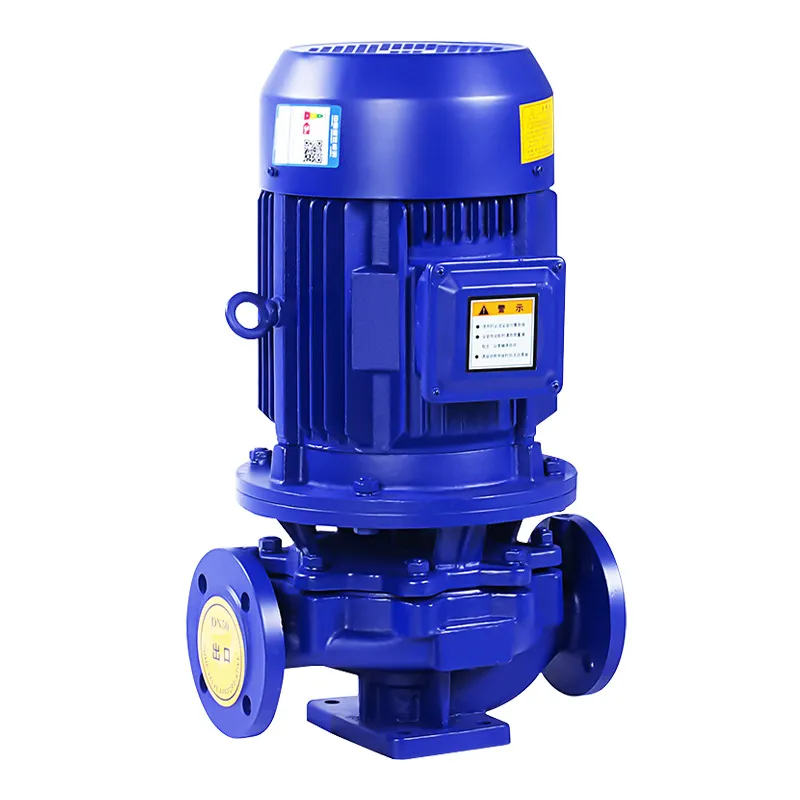 Vertical single-stage pipeline centrifugal pumps ISG and IHG