







centrifugal pump 90m
When they say “centrifugal pump 90m”, many people immediately think about pressure. But if you have actually worked with such systems, you know that this figure is often misleading. Not every pump that has 90 m in its characteristics will hold them stably in practice, especially with variable flow rates or viscous media. This is not just a marking, it is a whole set of conditions: pump curve, efficiency at the operating point, material of the flow part. I often see customers focusing only on this maximum number, and then encountering motor overload or cavitation. We need to look deeper.
What's behind the number 90?
Take, for example, multistage vertical pumps. For climbing to a height of about 90 meters, this is a classic. But the key point here is the number of steps and their selection. In our production practice at Zhejiang Yangzijiang Pumping Industry LLC, we often encounter the fact that for the same pressure, several options can be assembled: with fewer stages of a larger diameter or with a large number of more compact ones. The first option is often noisier and requires a more powerful shaft, the second is more sensitive to build quality. There is no ideal solution, there is a compromise to suit the task.
One of the common mistakes is ignoring friction losses in long pipelines. A pump can produce its 90 meters on a stand, but if there are hundreds of meters of pipes with turns and valves on site, you will get significantly less output. We had to recalculate systems where, because of this, the pressure was not reached at the most remote point. Now I always advise you to reserve a reserve of 10-15%, especially for industrial lines. This is not reinsurance, but taking into account real hydraulics.
Another nuance is the material. Cast iron is also suitable for clean water, but if we are talking about process water with abrasives or slightly aggressive media, then options with wear-resistant alloys or even coating of the flow part are needed. We have a range of stainless steel and polymer-coated rulers for just such cases. There was an experience when they installed a standard cast iron pump on circulating water with small particles - after six months the impellers were severely worn out. I had to change it to a version with enhanced performance. The conclusion is simple: the pressure figure is meaningless without reference to the pumped medium.
Selection practice: from theory to stand
Selecting a pump is not just about opening a catalog and finding a line with the required pressure. It is necessary to construct an operating point at the intersection of the pump characteristic and the network characteristic. I often see how this is neglected and people take what is “roughly suitable”. Then the pump operates either far from the point of optimal efficiency, overheating and wasting excess energy, or on a closed valve, which leads to increased loads. At our test bench, we always run the pumps in different modes and take the full curve. This is the only way to be sure that the declared 90 meters is not a peak value that the pump produces for five minutes before failure, but a stable parameter.
Selection is especially critical for systems with variable flow rates. Let's say a pump pumps into a system where several consumers periodically open. If you take a pump with a “reserve”, it will constantly operate with low efficiency. The solution is either cascading several pumps or using a frequency converter. We at Yangtzejiang Pump often offermultistage centrifugal pumpswith the possibility of flexible configuration or ready-made pumping stations based on them. It's more expensive to start with, but the energy savings over two years often make up the difference.
We had an interesting case for a boiler room. We needed a pump to supply feed water, a pressure of about 90 meters, but with strict requirements for pressure stability and quiet operation. Standard horizontal pumps created vibration. They proposed a vertical multi-stagecentrifugal pump— it is more compact, and the axis of rotation is vertical, which reduces vibration on the foundation. After launch, the customer noted not only silence, but also less heating of the case. This is exactly the case when the right engineering choice solves several problems at once.
The most common ?pains? after installation
Even a perfectly selected pump can cause trouble if you do not take into account the details of installation. The first is cavitation. To achieve a head of 90 meters, the pump must often operate at high speeds. If there is insufficient pressure at the suction (NPSH), cavitation begins - that same characteristic sound, as if gravel is roaring inside. This kills the impeller and seals in a matter of months. I always require installers to check the conditions at the suction pipe: minimally straight pipe in front of the pump, no air pockets. Sometimes it is easier to install a pump with a positive suction lift or even a self-priming model if this is a problem.
The second common problem is shaft misalignment during installation. Especially for powerful pumps at 90 meters. It seems like I tightened all the bolts and it's done. But if the alignment with the engine is not maintained, vibration and wear of the bearings are guaranteed. On our website yangtzeriverpump.ru in the documentation section there are detailed installation instructions, but, unfortunately, not everyone reads them. Then you have to go to commissioning and correct other people’s mistakes.
And third is service. Multistage pumps are more difficult to disassemble than single-stage pumps. You need a special tool and an understanding of the assembly procedure. We always supply with such units a spare set of seals and a detailed diagram. But it is ideal when service personnel undergo at least basic training. I remember an incident at a chemical plant: the pump was running on an alkaline solution, the pressure was about 85 meters. The customer attempted to replace the mechanical seal himself, but assembled it in the wrong order. The result is a leak and a simple line. Now, for complex environments, we always insist on the first scheduled maintenance by our engineer.
Where to look in the future: trends and materials
Nowadays there are more and more requests for energy efficiency. A pump with a pressure of 90 meters is often a powerful consumer that operates for years. Even a small increase in efficiency results in huge savings. That's why we work a lot in our R&D department on the hydraulic profile of impellers and diffusers. Modern modeling (CFD) allows you to optimize the shape of channels to reduce hydraulic losses. New modelscentrifugal pumpswith improved hydraulics, they show on the stand an increase in efficiency by 3-5% compared to analogues from five years ago. This is a serious figure on the scale of the plant.
Another trend is integration with automation systems. The pump is no longer just a piece of hardware in the workshop. Vibration, temperature, and flow sensors allow you to predict the need for maintenance. We are starting to offer such smart complexes for critical applications. For example, for the same head of 90 meters, you can assemble a station that itself will adjust the performance to the needs of the network and send status notifications. This is the next step.
And of course, materials. For chemical applications, pumps with thermoplastic fluid parts (PP, PVDF) are increasingly being used instead of expensive stainless steel. They are lighter, non-corrosive and often cheaper. Our assortment includes:plastic chemical pumps, which cope with aggressive environments at moderate temperatures and pressures. But for high heads, close to 90 meters, there is still work to be done - the strength of polymers still limits this parameter. This is a direction for development.
Instead of a conclusion: simplicity of reliability
Having worked with hundreds of orders, I came to the conclusion that for most standard tasks (water supply, irrigation, pressure increase), the best choice is often not the most sophisticated, but the most proven and reliable option. For example, proven over the yearsmultistage centrifugal pumpsvertical design. Their design is simple, there is little that can break, and their maintainability is high. Sometimes customers ask for something “more modern”, but when it comes to the smooth operation of the pumping station for years, a conservative approach often wins.
Our production facility at Zhejiang Yangzijiang Pumping Industry Co., Ltd. is structured so that proven solutions and new developments can be flexibly combined. The full cycle from R&D to testing allows us not just to sell a pump, but to offer a solution that will work specifically under the customer’s conditions. And when people come to me with the request “need a pump for 90 meters?”, the first question is always not about the price, but about what exactly it will pump, in what mode and what will stand around it. This is the only way to avoid mistakes, which are then expensive to correct. This is probably the main professional habit - to see behind the numbers from the technical specifications a living, noisy, sometimes capricious system that needs to be made to work like a clock.
Correspondingproducts
Related Products

Best Sellingproducts
Best Selling Products-
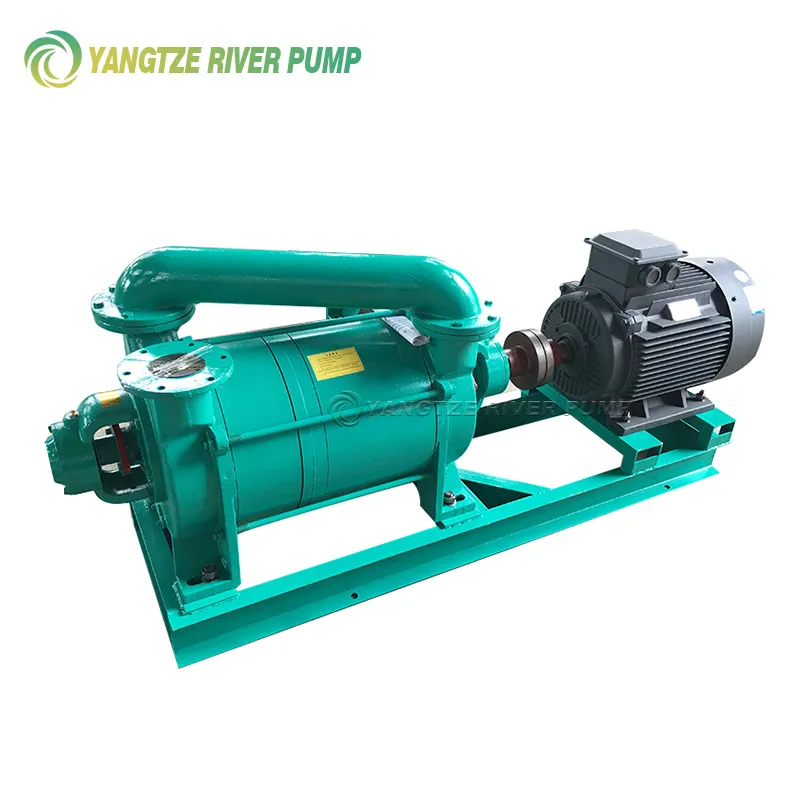 Liquid ring vacuum pumps type 2SK
-
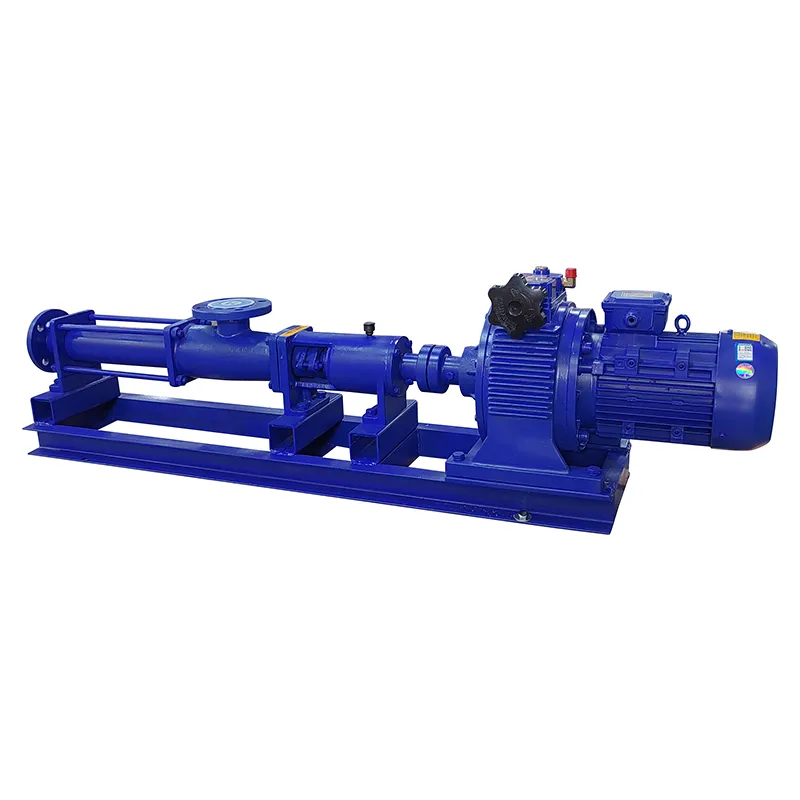 Infinitely variable screw pumps type G
-
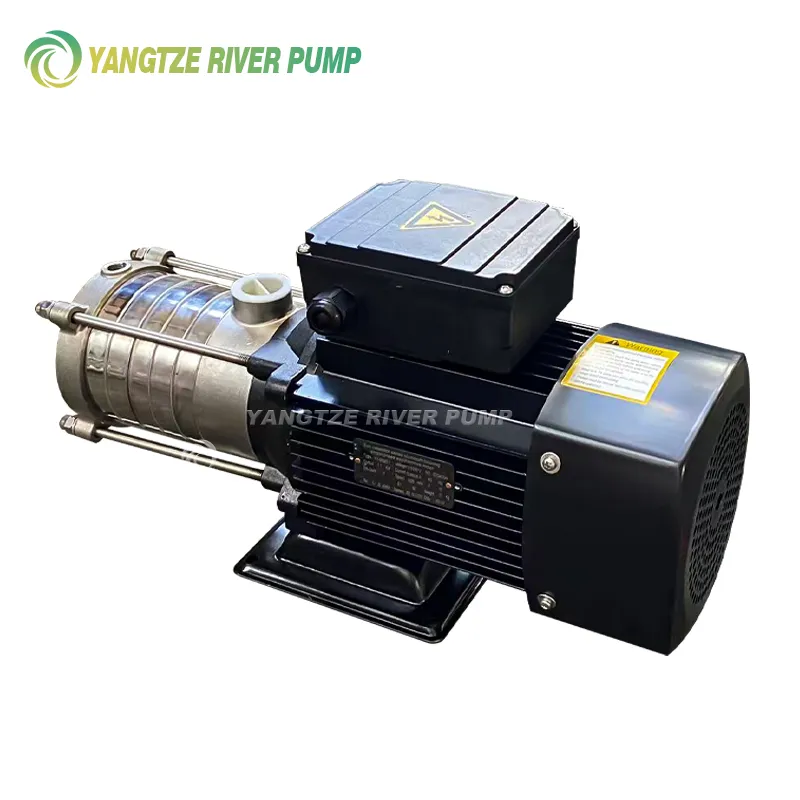 Horizontal multistage centrifugal pumps (light series) CHL and CHLF
-
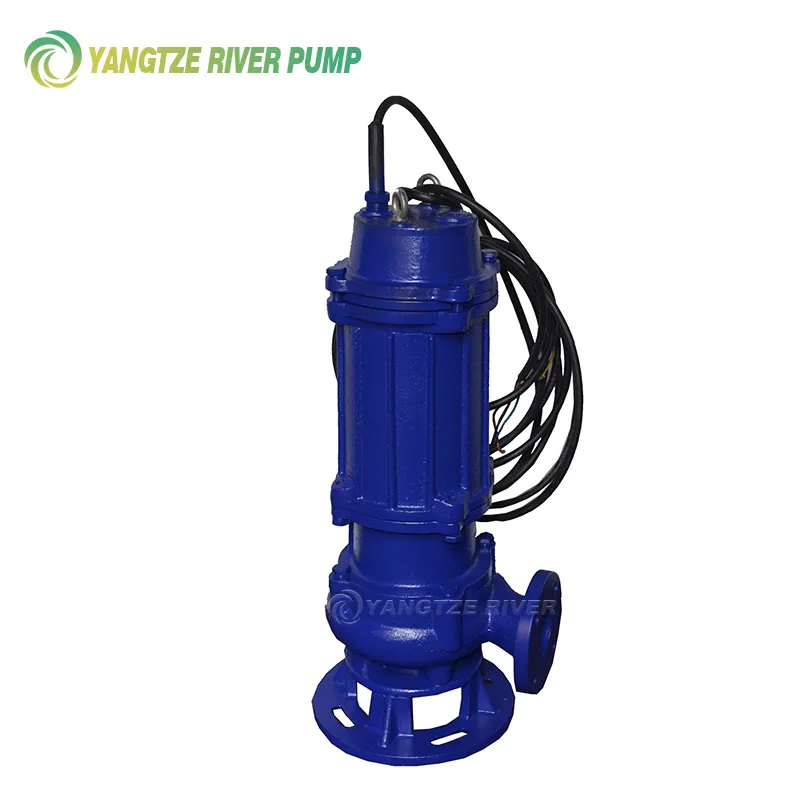 QW Non-clogging Submersible Sewage Pumps
-
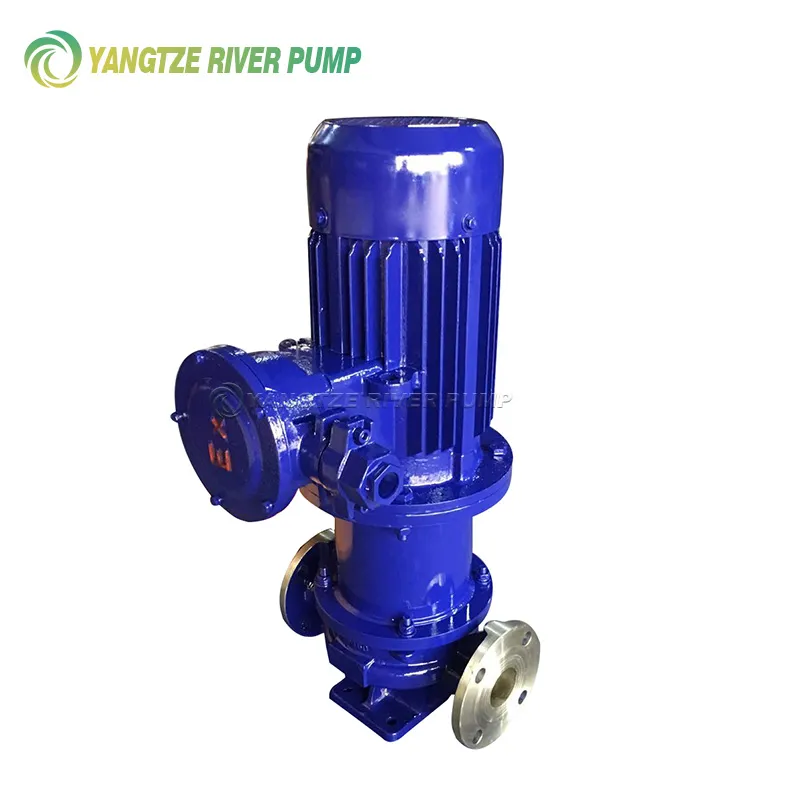 Vertical magnetic pumps CQB-L
-
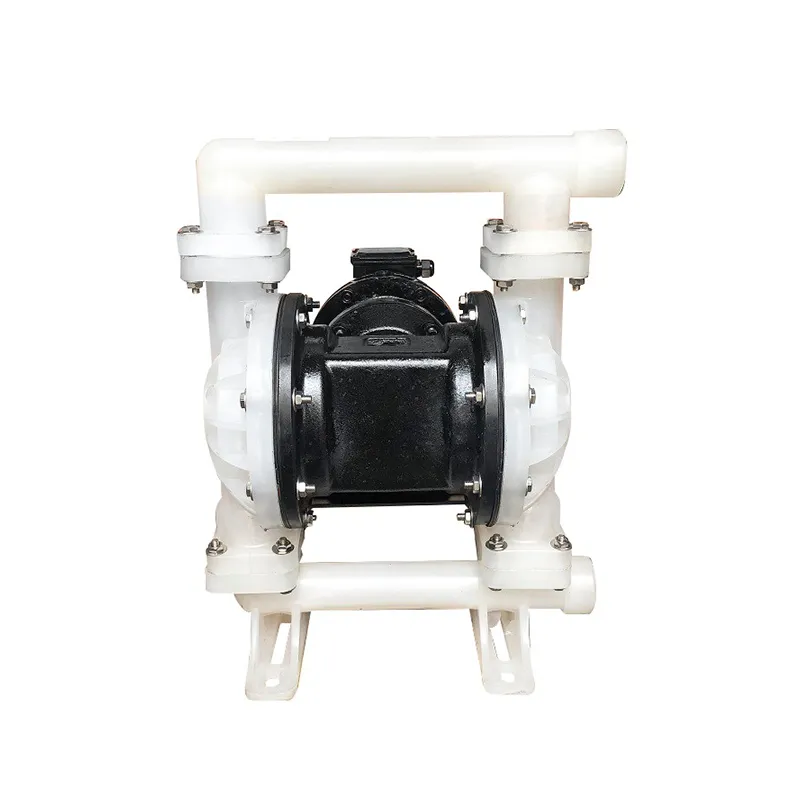 DBY Non-Metallic Electric Diaphragm Pumps
-
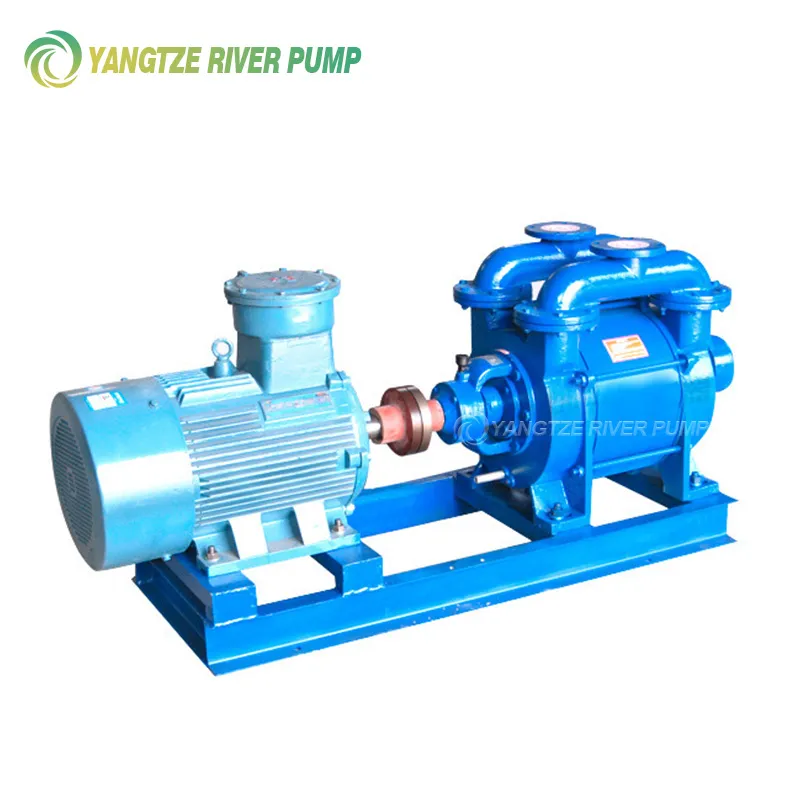 Liquid ring vacuum pumps type SK
-
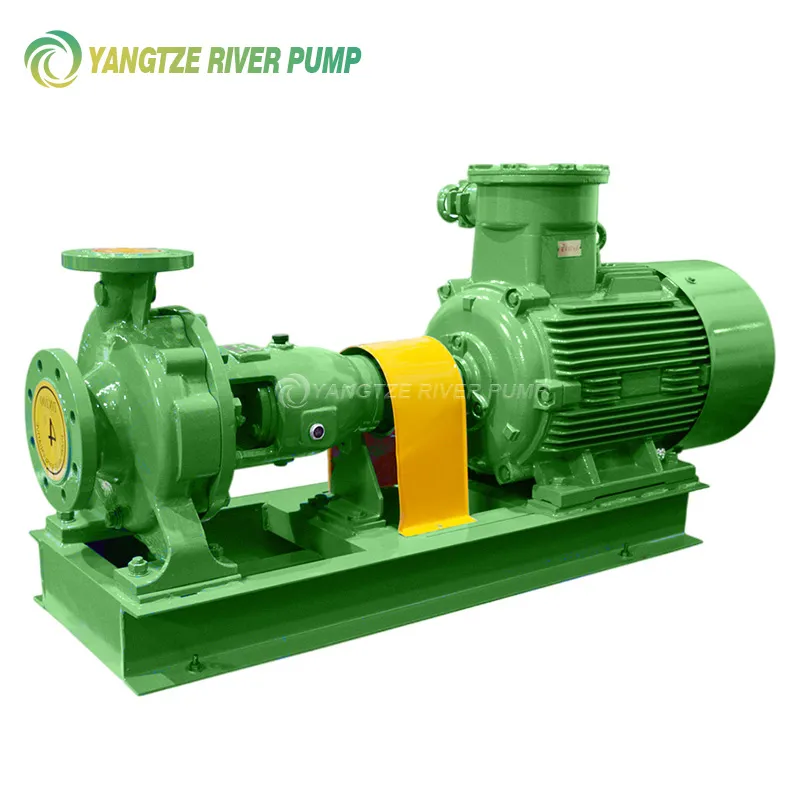 YCZ Chemical Process Pumps
-
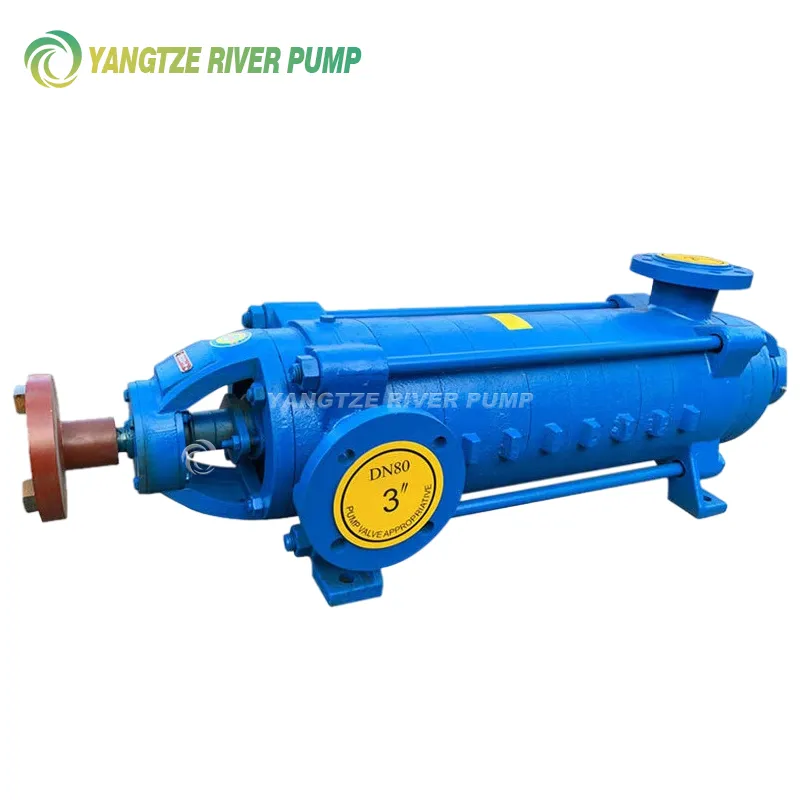 Horizontal multistage pumps for feeding DC boilers
-
 YCB Type Circular Gear Pumps
-
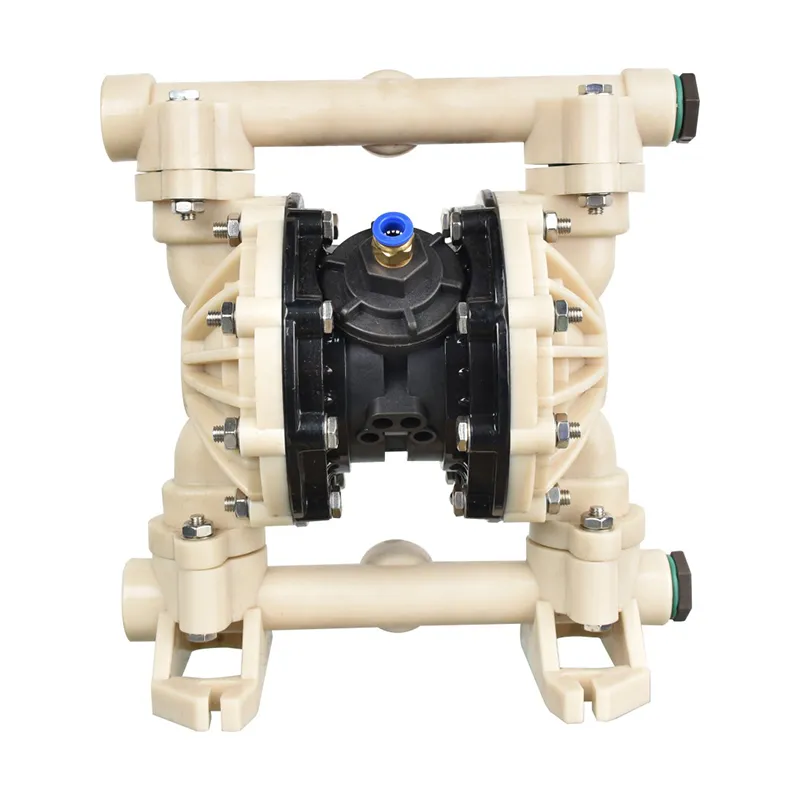 QBK Non-Metallic Air Operated Diaphragm Pumps
-
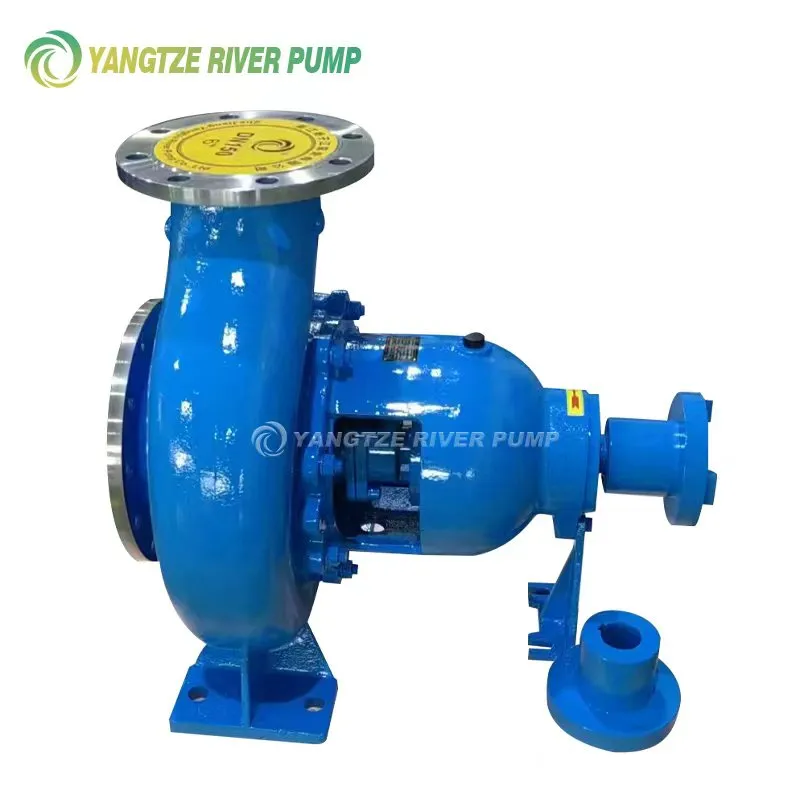 IH Stainless Steel Chemical Centrifugal Pumps
Relatedsearch
Related Search- centrifugal pump turbine
- positive displacement and centrifugal pumps
- ZW Non-clogging self-priming wastewater pumps
- cast iron centrifugal pump
- deep well pump 80 meters
- positive displacement pump diagram
- Vertical pumps with PTFE lining
- vertical type centrifugal pump
- centrifugal pump 45 kW
- centrifugal pump assembly