







centrifugal pump 320
When you hear “320 centrifugal pump,” the first thing that comes to mind is probably 320 cfm or something like that. This is what many people think, especially those who are just starting to work with equipment. But in practice this figure is rarely clear. Maybe this is a standard size according to the old catalog? Or the designation of the connecting pipe? In our practice onZhejiang Yangzijiang Pumping Industry Co.,LtdWe often encounter such requests. The client calls and says: “I need a pump 320?”, and during the conversation it turns out that what is important to him is not conventions, but specific parameters for pumping process water with sand or for an irrigation system with a certain pressure. This is where you should start.
What is hidden behind the code ?320? in real projects
If we put marketing gimmicks aside, then in most catalogs, including our internal ones, the index is ?320? often refers to the diameter of the outlet pipe in millimeters - nominal bore DN320. This immediately imposes restrictions and gives an understanding of the scale. Such a pump is no longer for a summer cottage; it is serious equipment for industrial or municipal systems, for large volumes. In our production, looking at eight complete lines, you immediately see the difference: a unit with a DN320 pipe is a massive casting, a powerful electric motor, and a special testing stand. You can't put it on a shelf.
But here's a key point that many people miss: diameter itself isn't everything. You can take a single stagecentrifugal pumpwith such an attachment, and it will give one range of parameters. Or you can assemble a multi-stage version - and with the same nominal diameter you can get many times more pressure for, say, supplying water to a high-rise system or for flushing. We are inZhejiang Yangzijiang Pumping Industry Co.,Ltdwe do both. Therefore, our first question to the client is never about “320”, but about “where to pour it, what to pour it in and with what pressure?” Otherwise you can easily make a mistake.
We had a case at one of the water treatment facilities. The customer insisted on a ?pump 320? from the old specification, citing experience. We installed a standard single-stage one. And the system turned out to have high back pressure due to new filters that were not there before. The pump reached its operating point, but the flow was lower than required, and the engine was overloaded. We had to quickly change the rotor group and select another impeller for the specific cavitation reserve of the system. The conclusion is simple: the number in the title is only a starting point for dialogue, and not a ready-made solution.
From drawing to testing: how a reliable unit is born
When we began to develop a line with large connections, it was clear that the key was the balance between performance and resource. Forcentrifugal pumpwith a DN320 pipe, the geometry of the flow path and the material are critical. Casting from ordinary cast iron is not suitable for abrasive media - it will quickly eat up. We experimented with wear-resistant alloys and even coatings, but settled on an option with replaceable protective inserts for the most severe conditions. This is more expensive to manufacture, but significantly increases the turnaround time.
Assembling such a unit is a different story. It is not enough to simply collect “hardware”. Each unit, from the shaft seal (our mechanical or stuffing box seal depends on the environment) to the cover fastening, is checked for compliance not only with GOST standards, but also with our internal technical specifications, which are stricter. We have our own test circuit at the site with a pipe of the appropriate diameter, where we run the pumps in different modes, taking vibroacoustic characteristics. It happened that a protocol that was ideal on paper gave unacceptable vibration at certain speeds - it was necessary to return to balancing or modify the support frame.
It was from such tests that one of our practices was born - to complete large pumps like the Model 320, not just with a “motor on a frame,” but with a single balanced unit with consistent characteristics. Because buying a separate pump, a separate motor, and then encountering an alignment problem on site is a waste of time and money for the client. We went through this in early projects and now offer ready-made, bench-tested solutions.
Where are such machines most often in demand and typical installation errors?
The main points of application are, of course, water supply to large villages or industrial enterprises, large-scale irrigation systems, pumping technical fluids in the chemical and mining industries. But there is an interesting nuance: more and more often people turn to us for such pumps to modernize old systems where Soviet equipment used to be installed. That's where the trap lies: old foundations and piping.
A classic mistake is to install a modern, more compact and lightweight pump on an old massive foundation designed for a different dynamic load. Vibration, metal fatigue, flange leakage. We always recommend, and sometimes we conduct, an inspection of the installation site ourselves. Another point is the strapping. On the DN320 pipe, you cannot skimp on supports and compensators. Thermal expansion and the weight of the pipeline create enormous forces that the pump cover should not absorb. Have you seen how a cast volute burst due to an improperly secured pipeline? We saw.
Therefore, in our company, in addition to sales, we provide service support, including installation consultations. It’s not just “here’s the manual?”. This is live feedback from our own engineers who have visited dozens of sites. Sometimes one photo of the planned harness is enough to point out the risk and suggest another solution. This saves the reputation of both us and the client.
Evolution of requirements and our answer: flexibility instead of templates
The market is changing. Previously, the main parameter was “price per piece”. Nowadays people are increasingly asking for “total cost of ownership”? — taking into account energy efficiency, maintainability, and availability of spare parts. For a pump with index 320, this is especially true, since stopping it can paralyze the entire technological cycle of the enterprise.
We are inZhejiang Yangzijiang Pumping Industry Co.,Ltdresponded to this by developing a modular approach to design. For example, for our linecentrifugal pumpsWith large passages, we have developed a unified housing in which you can change the impeller material (from wear-resistant cast iron to stainless steel), seal type and even supply configuration (depending on the installation layout). This makes it possible not to keep hundreds of models in stock, but to quickly assemble a pump for a specific client task, be it pumping seawater or slurry suspensions.
This approach was born not in a marketing specialist’s office, but in an assembly shop. Assemblers have complained about confusion with parts for "special" items. orders. The engineers sat down with them and the technologists, laid out all the standard options and came up with a system of modules. Now even for a conditional “pump 320” we have a clear map of possible configurations, which speeds up both production and selection. The client receives not a template, but a product optimized for his conditions.
By the way, about the selection. We are gradually moving away from static catalogs in PDF. All information about our products, including detailed technical data, drawings and even 3D models for preliminary layout, is available on our resourceyangtzeriverpump.ru. This is not just a showcase, but a working tool for specialists who want to figure it out before requesting a commercial proposal.
Instead of a conclusion: thinking out loud about the future of such decisions
Looking at how projects are developing, it seems thatcentrifugal pump 320how simple is a ?apparatus for pumping? is gradually becoming a thing of the past. The future lies with integrated nodes. We are already receiving requests for the supply of pumping units on a turnkey basis: pump, motor, frequency converter, vibration control system and pressure sensors, mounted on a common platform and ready for connection.
It's logical. The customer, be it a management company of a large housing and communal services sector or a technologist at a factory, does not need a part, but a guaranteed result - a stable flow of liquid with the specified parameters. And our task as a manufacturer is to ensure this result, taking responsibility for the compatibility and configuration of all components. Our production lines, combining R&D, manufacturing and testing, are tailored to this approach.
So the next time you hear “I need a 320 pump?”, think about it. Perhaps what is really needed is a reliable and smart pumping system, where the pump is just its heart. And selecting and creating such a system is already a dialogue in which we, based on our experience and mistakes, are ready to participate. Not as hardware sellers, but as engineers who understand the essence of the process.
Correspondingproducts
Related Products
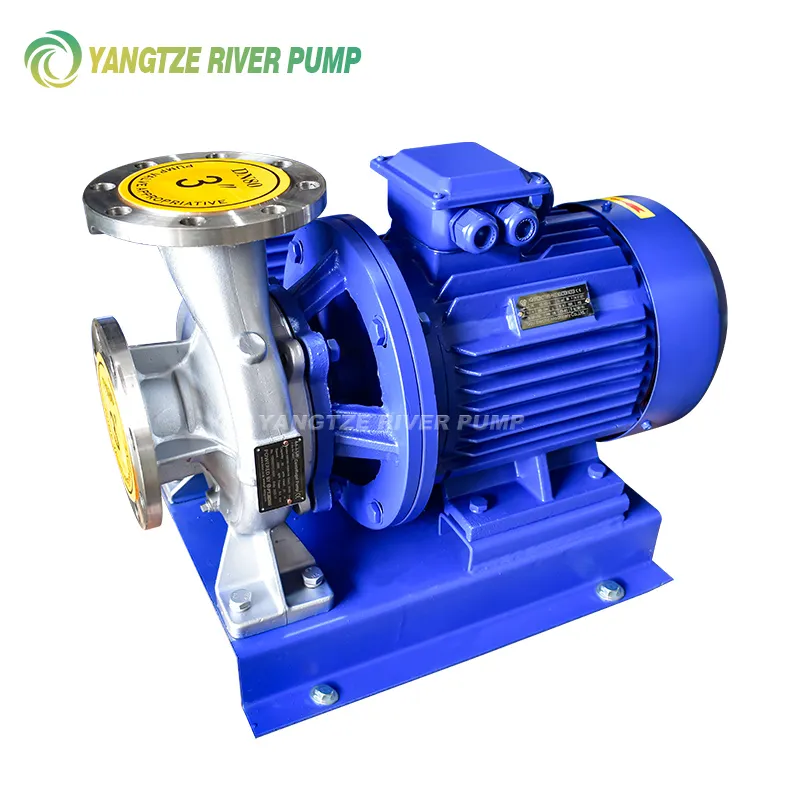
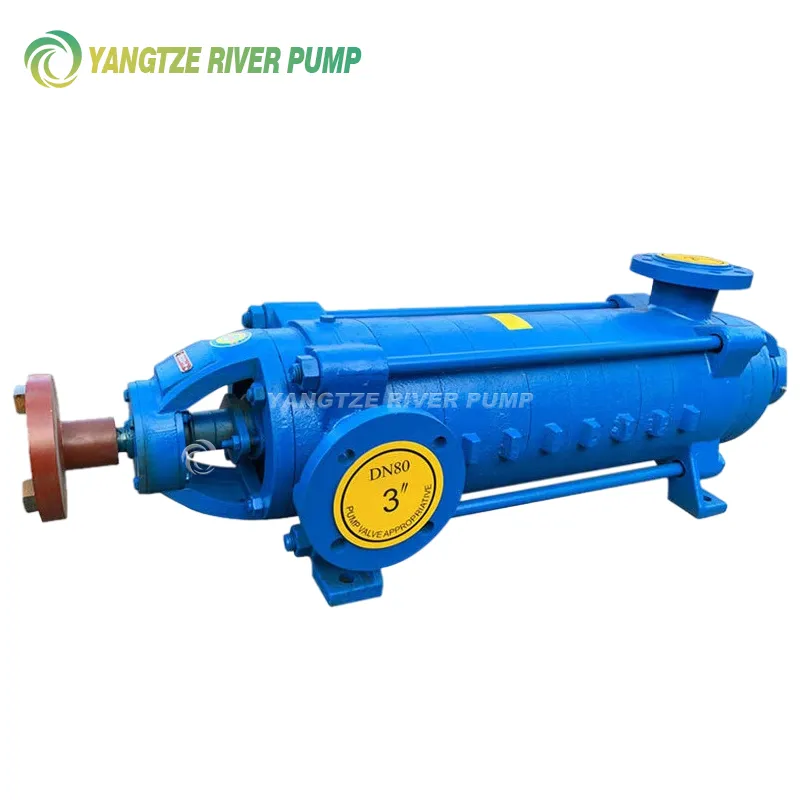
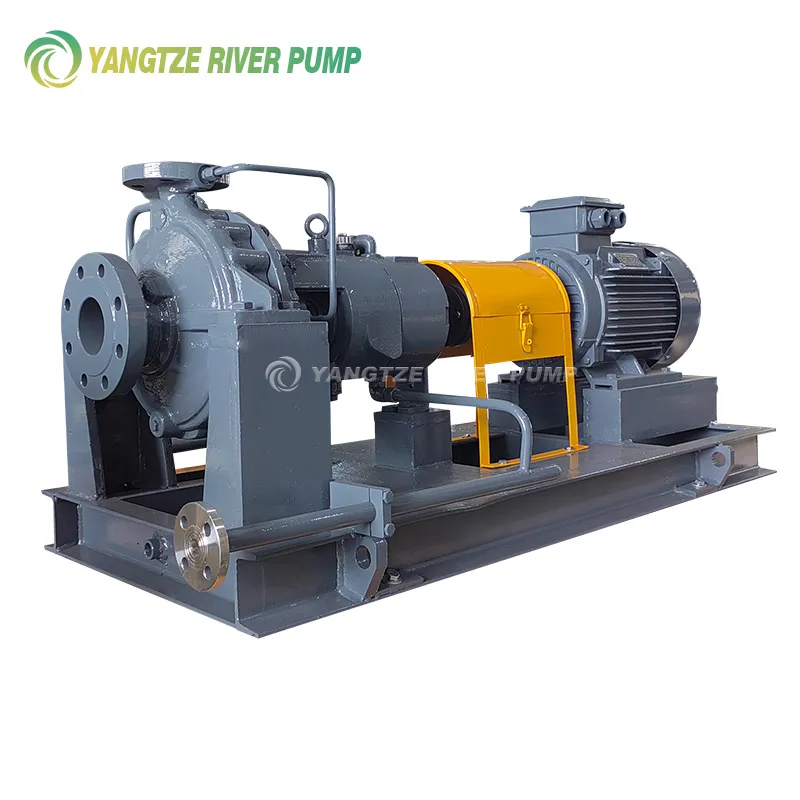

Best Sellingproducts
Best Selling Products-
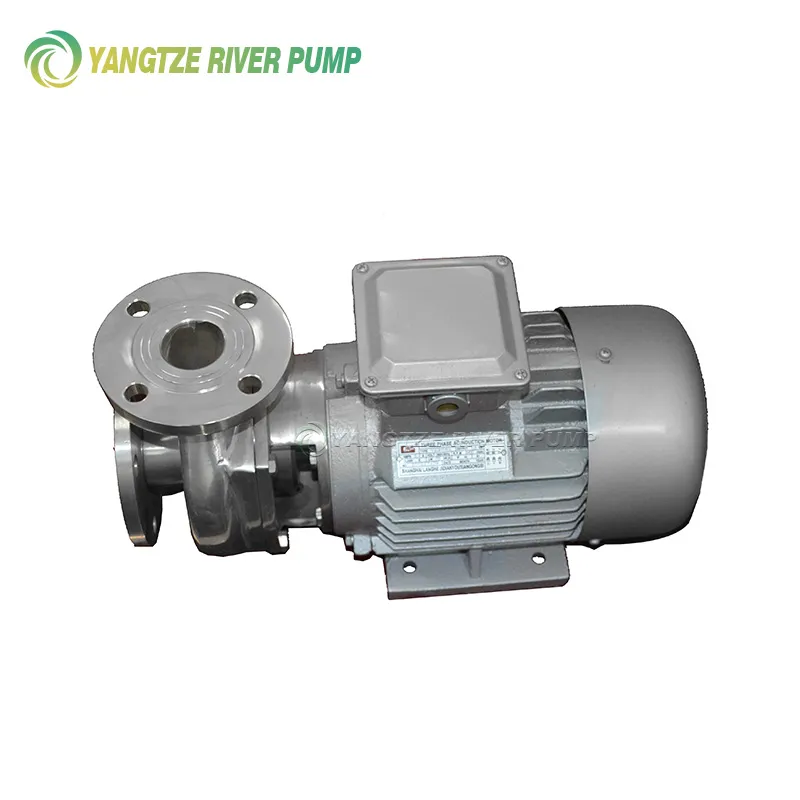 Corrosion-resistant stainless steel centrifugal pumps SFB and SFBX
-
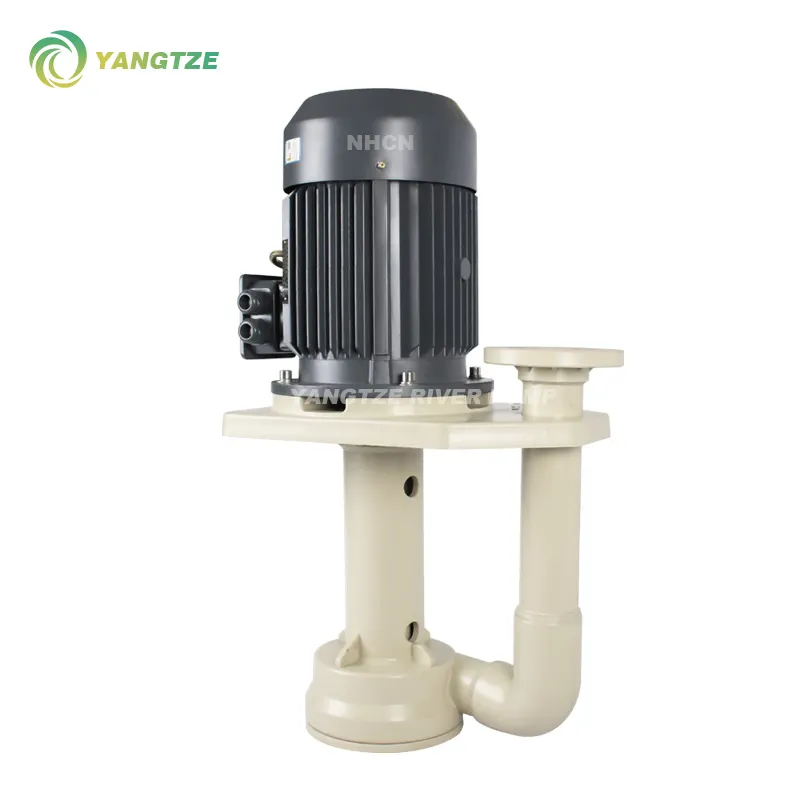 Vertical pumps for installation inside/outside tanks YZCN and YZCW
-
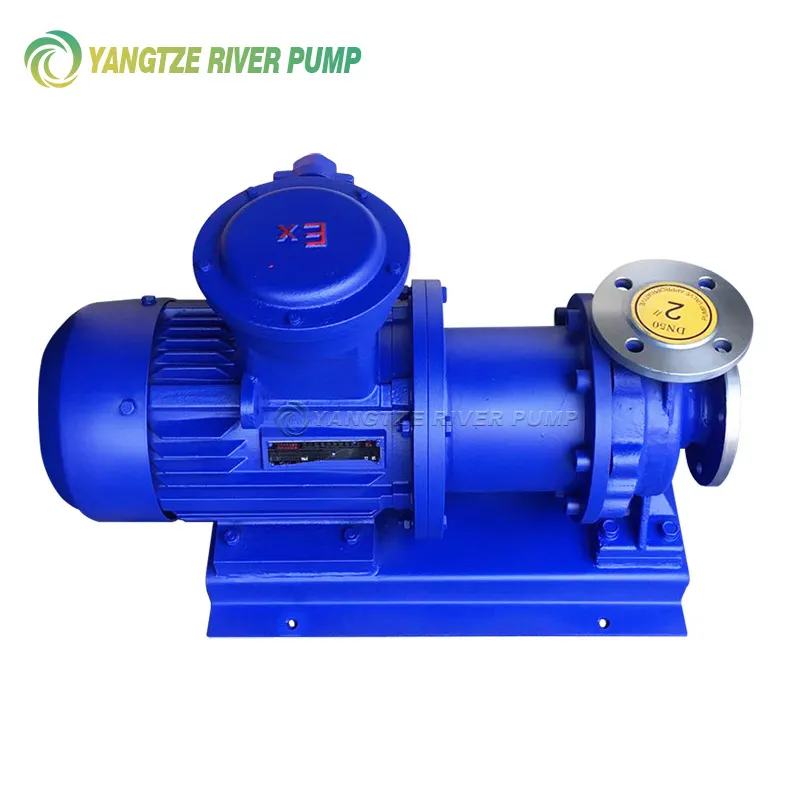 CQB Stainless Steel Magnetic Pumps
-
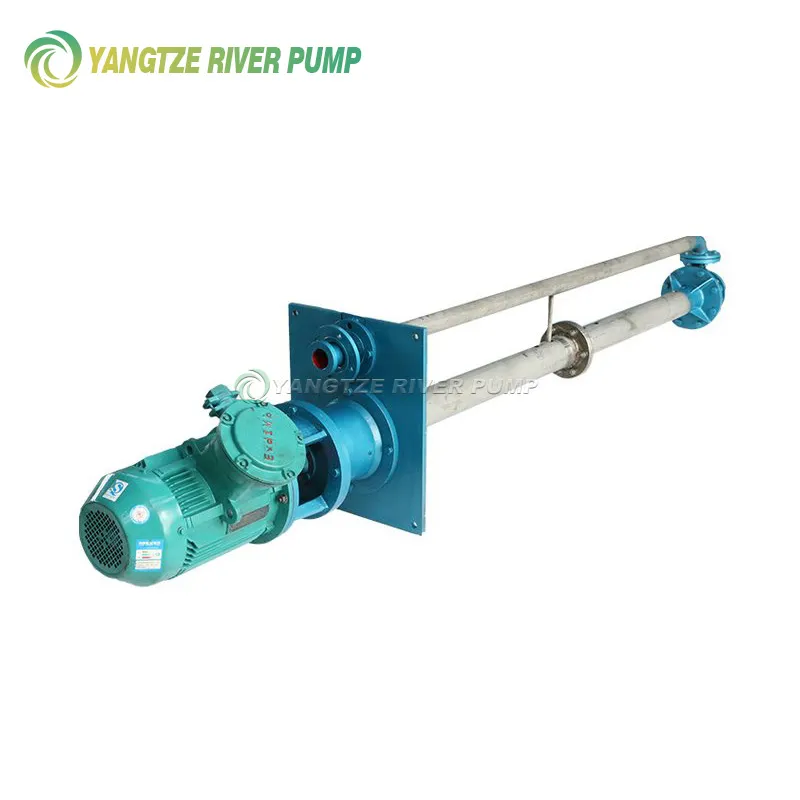 FY Submersible Chemical Pumps
-
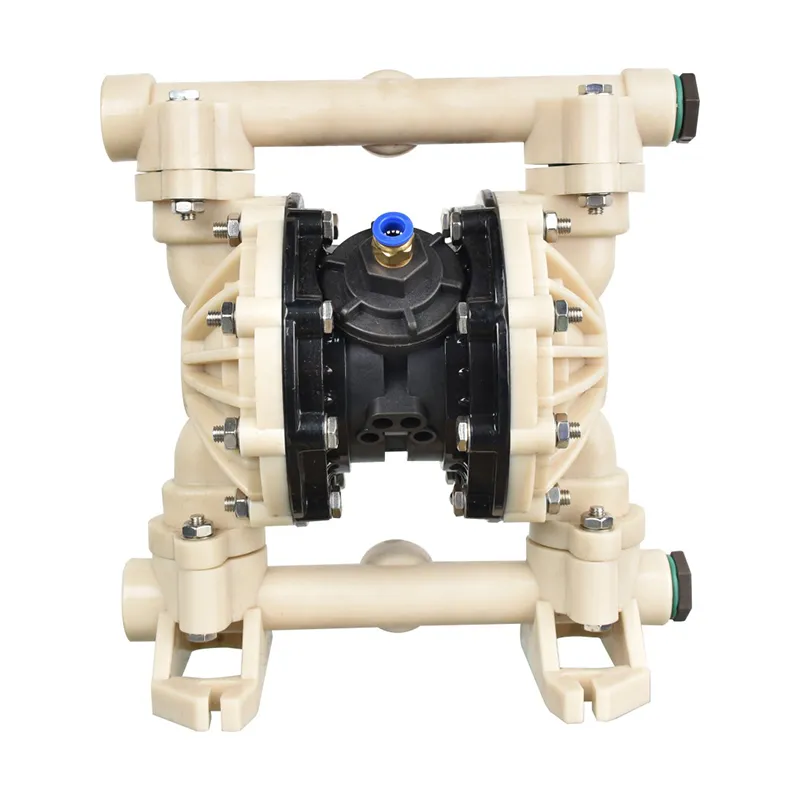 QBK Non-Metallic Air Operated Diaphragm Pumps
-
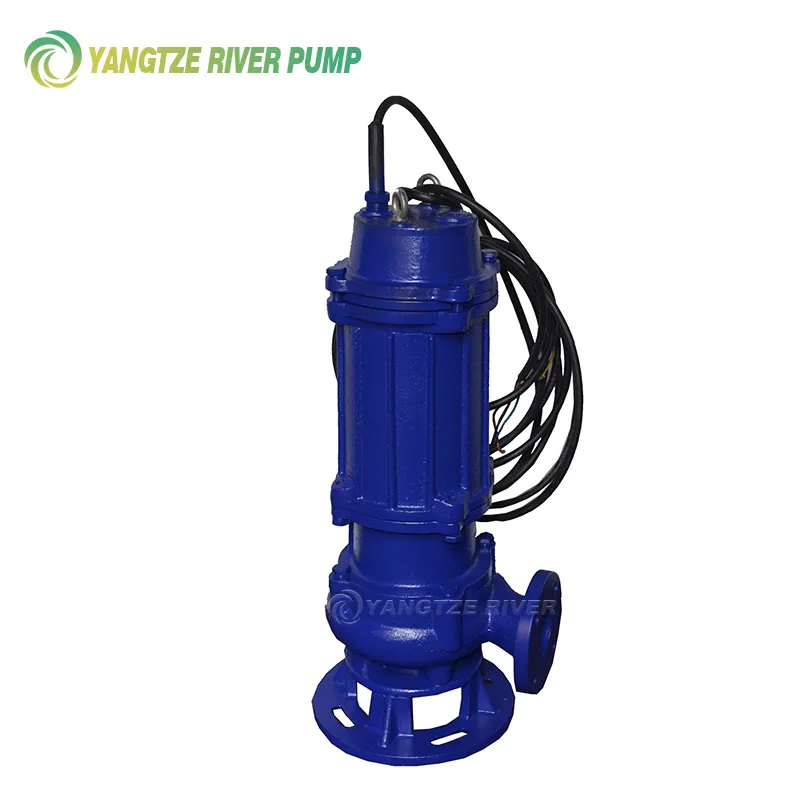 QW Non-clogging Submersible Sewage Pumps
-
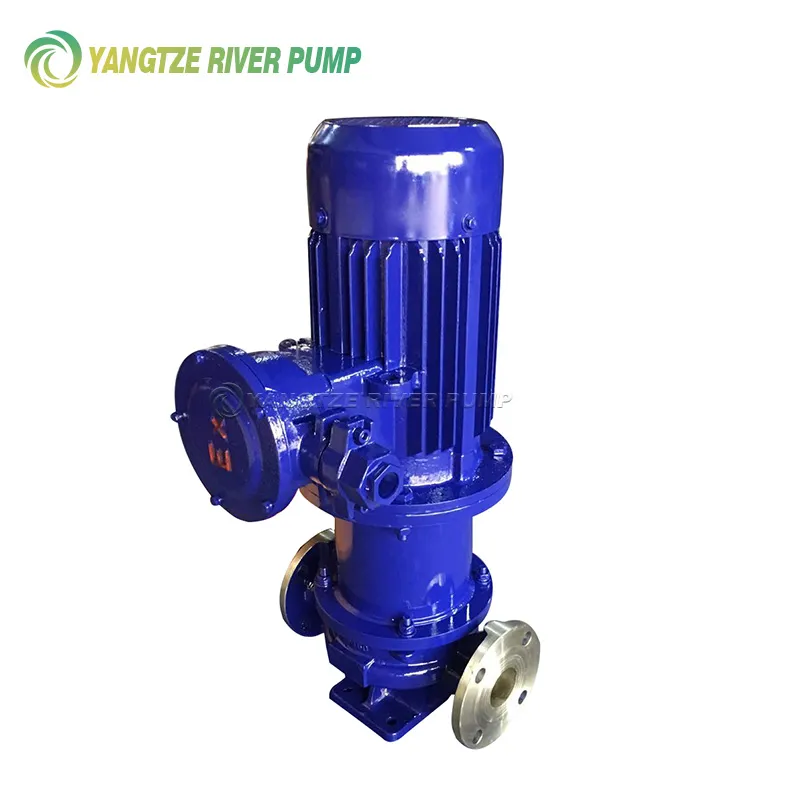 Vertical magnetic pumps CQB-L
-
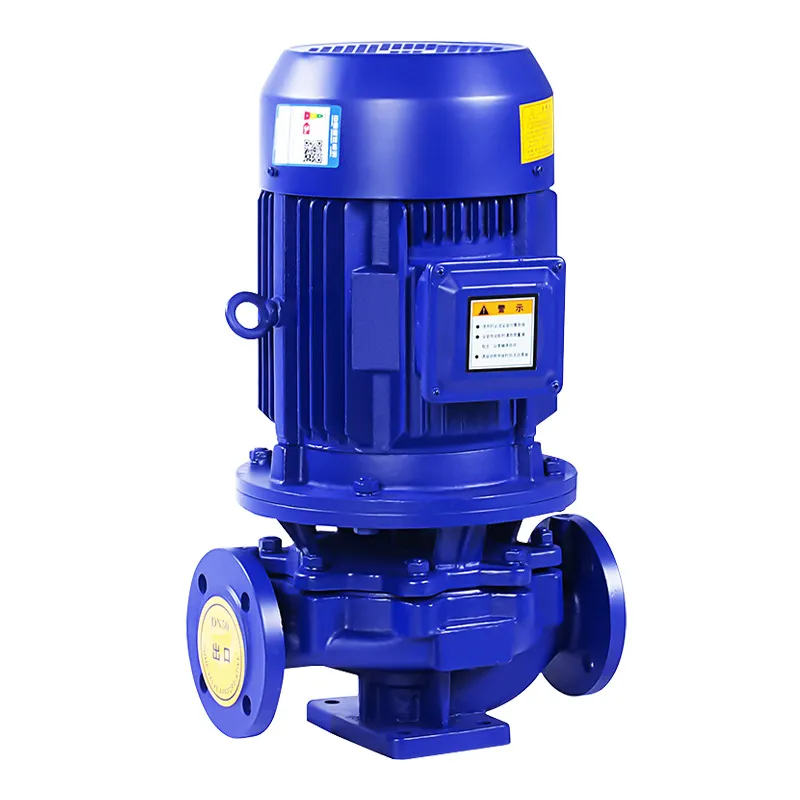 Vertical single-stage pipeline centrifugal pumps ISG and IHG
-
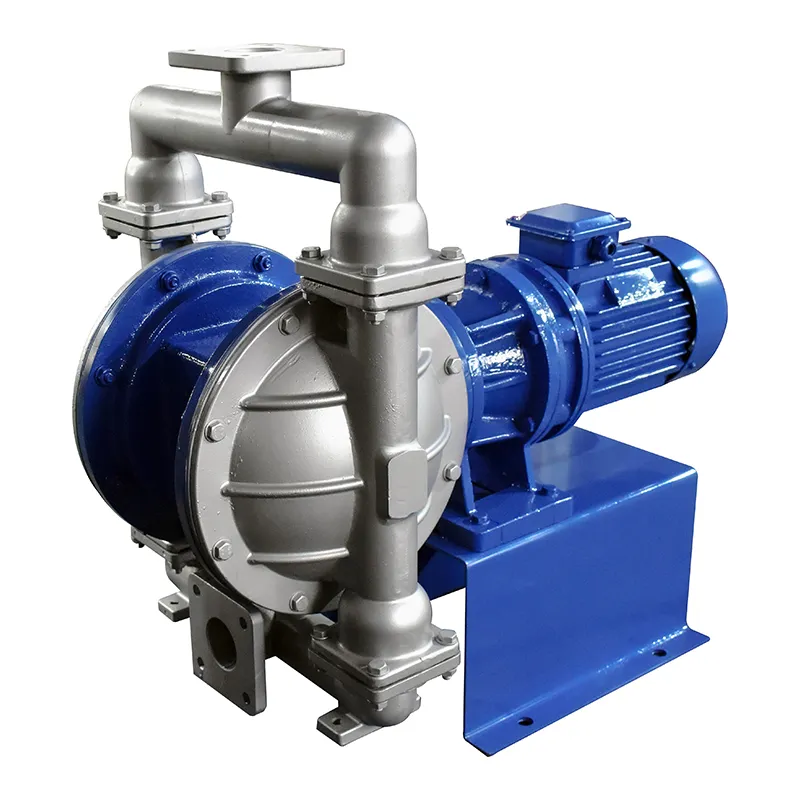 Metal electric diaphragm pumps DBY
-
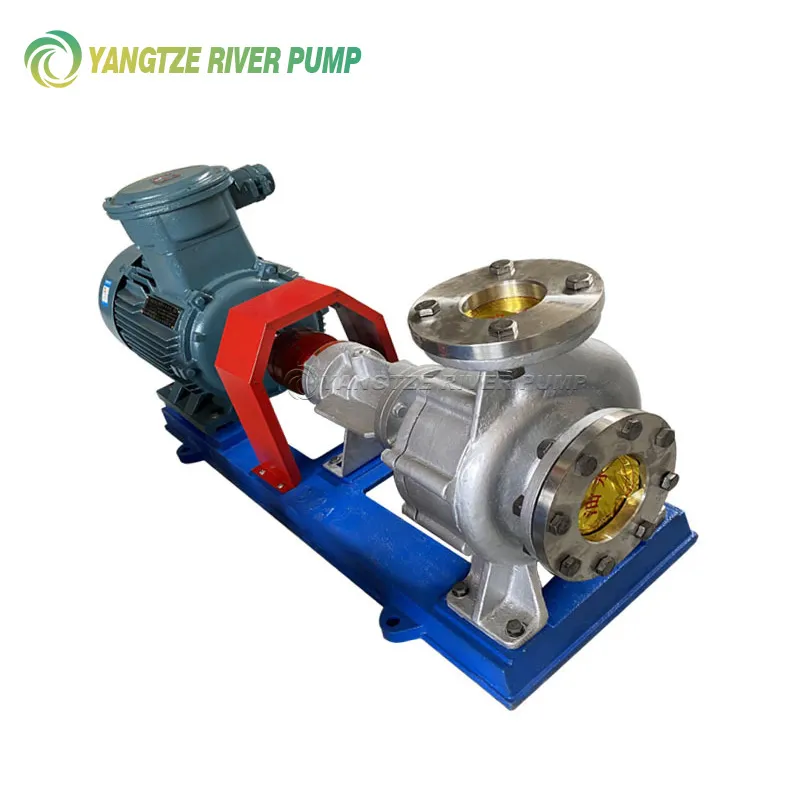 RY thermal oil pumps
-
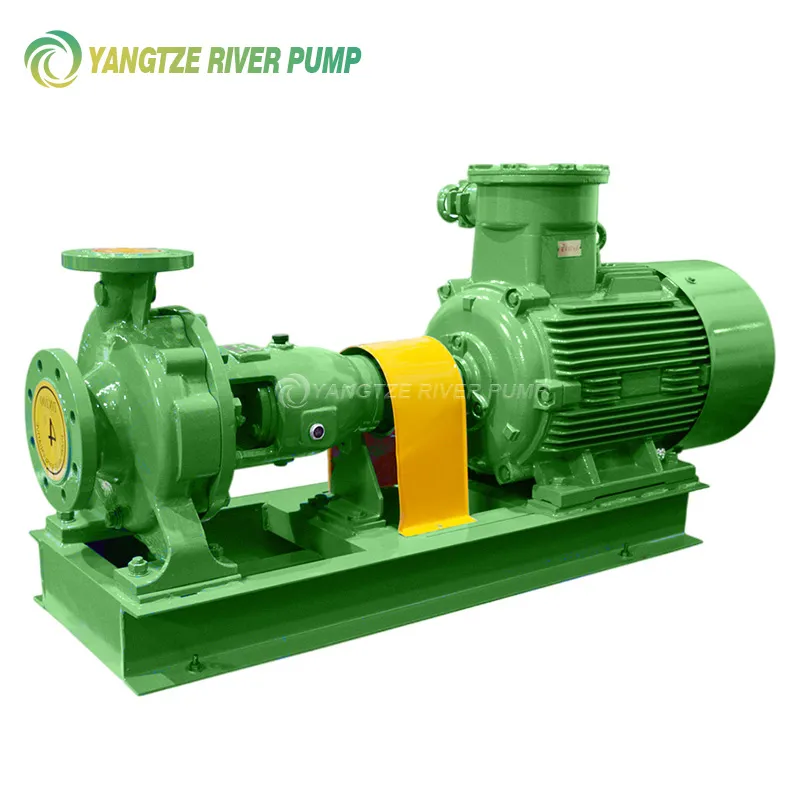 YCZ Chemical Process Pumps
-
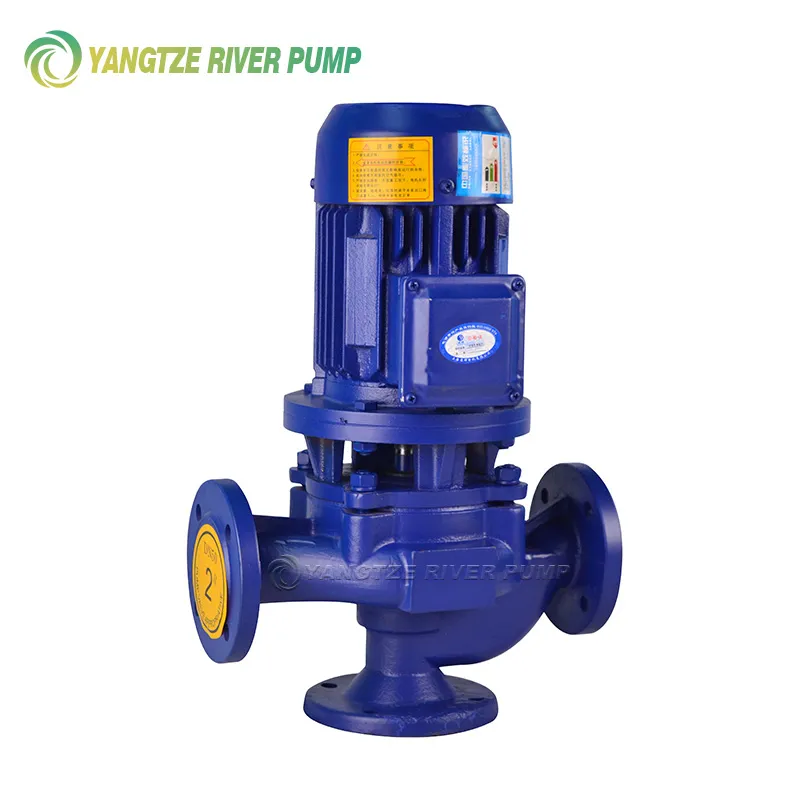 Pipeline wastewater pumps GW