







centrifugal pump 2900 rpm
When you hear “centrifugal pump 2900 rpm”, the first thing that comes to mind is synchronous speed for a 50 Hz network, standard. But here’s the rub: many people think that since it’s a standard, there are no problems with it. In fact, it is precisely this seemingly ordinary characteristic that often becomes the point where all the nuances lie hidden - from cavitation to bearing durability. Too often, customers focus only on pressure and flow, forgetting that 2900 rpm is not just a number, but a certain operating mode, which dictates its conditions on the seal material, impeller balancing and even on the installation foundation.
RPM as a starting point for design
In our practice onZhejiang Yangzijiang Pumping Industry Co.,Ltdall single-stage cantilever pumps, like the IS series, are initially designed for 2900 rpm. This is the base. But here’s what’s interesting: at such a speed, the issue of permissible cavitation reserve NPSH becomes critically important. I remember an incident during installation for the water supply of a small village - the pump was noisy and vibrating within a month. It turned out that at the same 2900 rpm, but with the flow rate too high compared to the nameplate, the suction capacity dropped and cavitation began. We had to revise the design of the suction pipeline and increase the diameter. So standard speeds are not an indulgence from problems.
Another point is vibration. At 2900 rpm, the imbalance of the impeller is felt much more acutely than at 1450. At our factory, each assembled unit is tested on a vibration stand. It happened that a pump was removed from the line, which seemed to pass the test according to its parameters, but during a test run at the nominal 2900 a slight but annoying hum appeared. We took it apart and found microchips on the blades from casting that were not visible during the initial inspection. After grooving and dynamic balancing, everything fell into place. This is the same routine that is not written in catalogs, but which decides whether the pump will work for ten years or two.
And of course, seals. At high speeds, oil seal packings made of ordinary asbestos quickly wear out and overheat. We have long switched to mechanical seals for most models operating on 2900. But there are pitfalls here: if the pumped medium contains abrasive particles (say, water from a well with sand), then even a ceramic seal pair can fail. For such cases, we offer the option of flushing the seal from an external source or, as an alternative, magnetic pumps, where there are no sealing units at all - the problem is completely removed. You can always find out more about such solutions on our website.yangtzeriverpump.ru, where all the lines are described.
Where is 2900 rpm optimal, and where is it worth thinking about?
For clean water without aggressive impurities, this is the ideal mode. Compact motor, compact pump, high efficiency. Our linear centrifugal pumps, for example, are often used for precisely such tasks: circulation in heating systems, increasing pressure in water supply systems. The main thing here is to choose the right model according to the operating point so that it falls in the zone of maximum efficiency of the curve. Otherwise, all the benefits from “standardization” are lost.
But for chemically active environments with high temperatures, I would not blindly choose a pump at 2900. Higher speed means more heat generation in the mechanical seal, higher risk of “boiling”. liquid in the seal cavity and its dry friction. For such cases weZhejiang Yangzijiang Pumping Industry Co.,LtdWe often recommend either reducing the speed (if the technological process allows) or using special versions of chemical pumps made of heat-resistant plastics or stainless steels with forced cooling of the seal. Sometimes it is easier and more reliable to install a pump at 1450 rpm, even if the dimensions are larger.
Multistage pumps are a different story. There, 2900 rpm is a way to get high pressure with relatively small sizes of each stage. But the assembly accuracy and shaft alignment are critical here. The slightest misalignment results in increased wear of thrust bearings and an increase in axial force. During testing, we run such units under load for several hours, monitoring not only the parameters, but also the temperature of the bearing housings. Any deviation from standard values is a reason for disassembly and analysis.
Installation and operation errors that kill the 2900 rpm pump
The most common is incorrect binding. Installing a valve on the suction pipe instead of the pressure pipe, using elastic inserts of the wrong length, which do not dampen, but rather increase vibration. The pump at such speeds is very sensitive to the supply pipeline. It must be straight, rigid and no smaller in diameter than the pump nozzle. I saw how a pump was mounted on a site on a lightweight frame, which “played?” - the result was predictable: constant leakage through the seal due to shaft misalignment.
The second mistake is working on a closed valve. or in an extremely small supply area. This is fatal for a centrifugal pump, especially at high speeds. All supplied energy is converted into heat, the liquid in the housing boils, heating occurs and jamming occurs. This is highlighted in bold in our instructions, but, alas, not everyone reads it. For systems where such a mode is possible, we immediately offer options with a bypass line or frequency regulation.
And, of course, a dry start. Even a few seconds of operation without liquid at 2900 rpm is almost guaranteed to damage the mechanical seal due to overheating of the rubbing pairs. For hazardous environments, we always insist on dry-running sensors and automatic safety devices. This is not a whim, but a necessity that saves the customer money in the long run.
Comparison with other types: when 2900 rpm is not a panacea
Take, for example, self-priming pumps. Their rotation speed can also be 2900, but the design is different - it is important to quickly create a vacuum in the housing to raise water. However, with prolonged operation on self-priming at high speeds, the impeller and shaft seals wear out faster. Sometimes for periodic use, for example, for draining a pit, a slower but more durable option is better suited.
Or submersible pumps. For downhole models, high speeds mean increased erosion of the impellers by sand and more difficult heat removal from the engine. Therefore, many manufacturers for deep wells offer rpm models only for clean water, and for sandy wells they offer special ones, often with a lower rotation speed.
Our range also includes such specialized solutions. For example, single screw pumps. They are low speed in nature and operate on the displacement principle. You install them where careful pumping of sensitive media or liquids with high viscosity is important. To drive such a pump to 2900 means to kill it in a couple of hours. This is to the question that choosing a pump is always a search for a compromise between performance, resource and operating conditions. And rotation speed is one of the key parameters in this equation.
A look from the workshop: what else is important to remember about the “two-thousander”?
From personal experience of assembly and testing: a 2900 rpm pump after painting and packaging cannot just be picked up and shipped. It is necessary to check that it is not “stuck”. whether the impeller was caused by accidental paint or whether the shaft was deformed during slinging. Once there was a curious incident - a pump made a strange noise during testing on a bench. We took it apart and it turned out that a packaging label had gotten inside when installing the protective plug. A trifle, but at speed it wound around the shaft and created an imbalance.
Another practical installation tip is the foundation. For a 2900 rpm unit, it must be massive, rigidly connected to the floor slab. Better with embedded parts for anchor bolts. A common mistake is installation on vibration supports, which are designed for fans or compressors of a different frequency. This can lead to resonance and a catastrophic increase in vibration.
And lastly - spare parts. For high-speed pumps, it is critical to have a seal and bearing repair kit on hand. Wear goes faster. In our company,Zhejiang Yangzijiang Pumping Industry Co.,Ltd, we always create a primary set of spare parts for a specific model, especially if it operates around the clock. Because stopping due to a failed seal on such a pump takes minutes, but finding and delivering the required seal can take days. Our support service is designed precisely to ensure that there is no such downtime - all information on spare parts and technical documentation is available onyangtzeriverpump.ru.
In general, 2900 rpm is like a sharp knife. In the right hands and for the right task, it is the ideal tool, efficient and precise. But it requires respect, understanding of its nature and competent handling. Otherwise you'll cut yourself. Choosing a pump is not just a comparison of numbers in a table, it is a complex assessment, where rotation speed is an important, but far from the only factor. And it is on this integrated approach that we build our work with clients, offering not just equipment, but a workable and durable solution.
Correspondingproducts
Related Products


Best Sellingproducts
Best Selling Products-
 Diesel pumps with horizontal connector YZS and YZSH
-
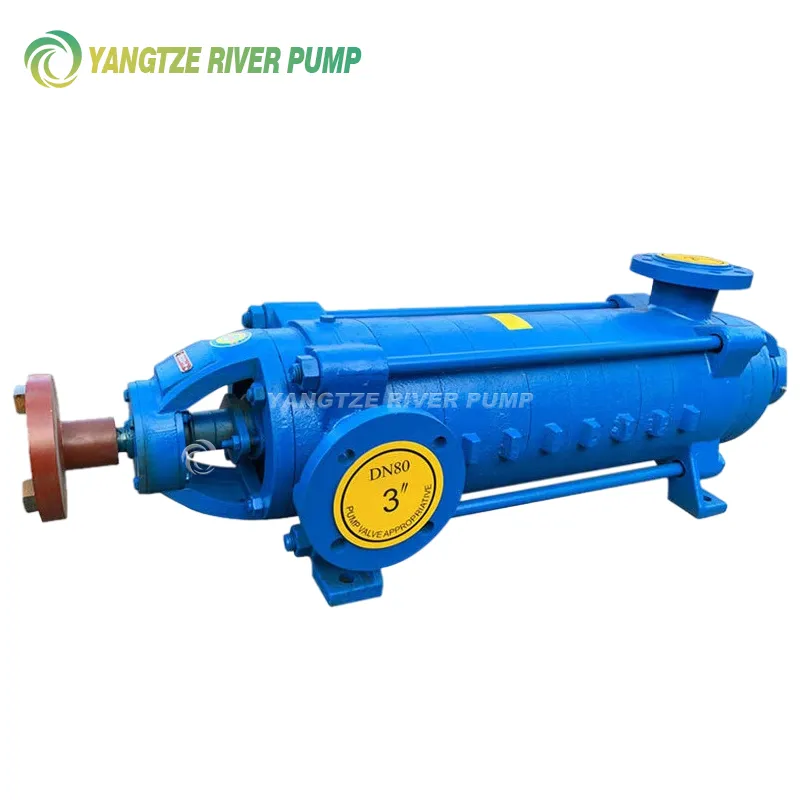 Horizontal multistage centrifugal pumps type D
-
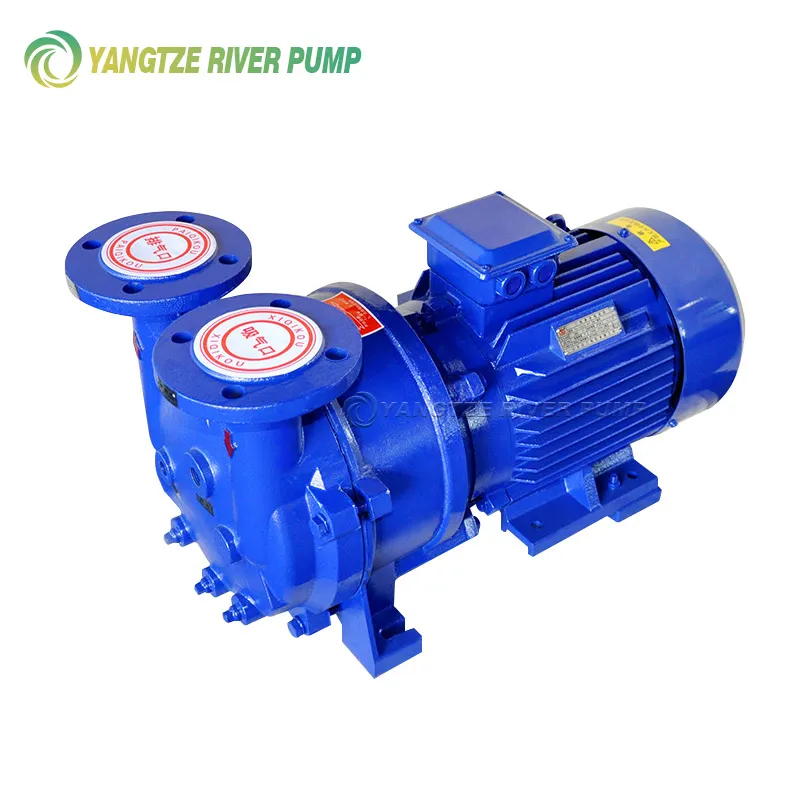 Liquid ring vacuum pumps type SKA and 2BV
-
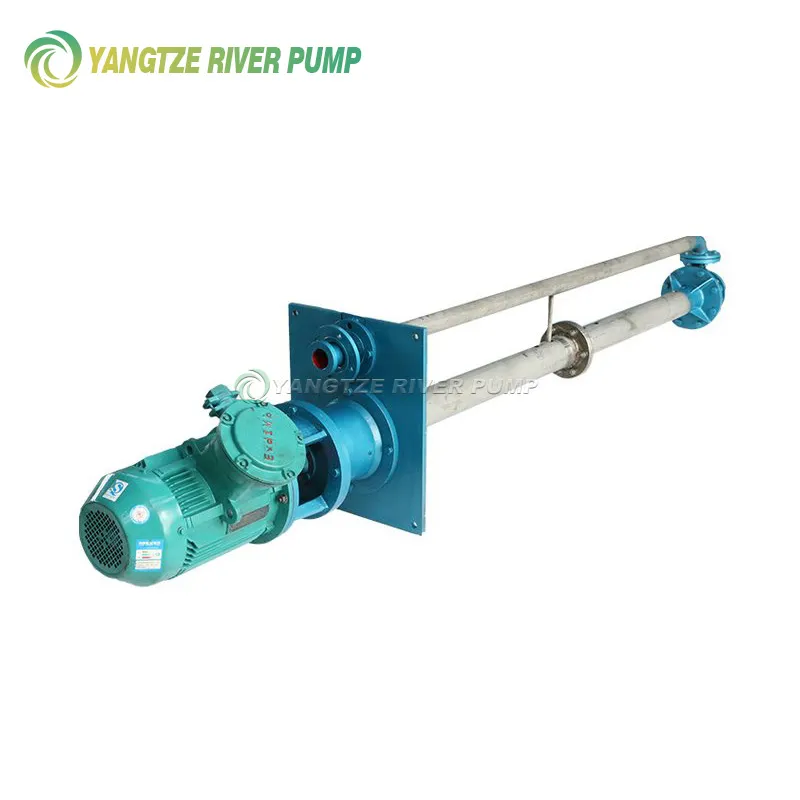 FY Submersible Chemical Pumps
-
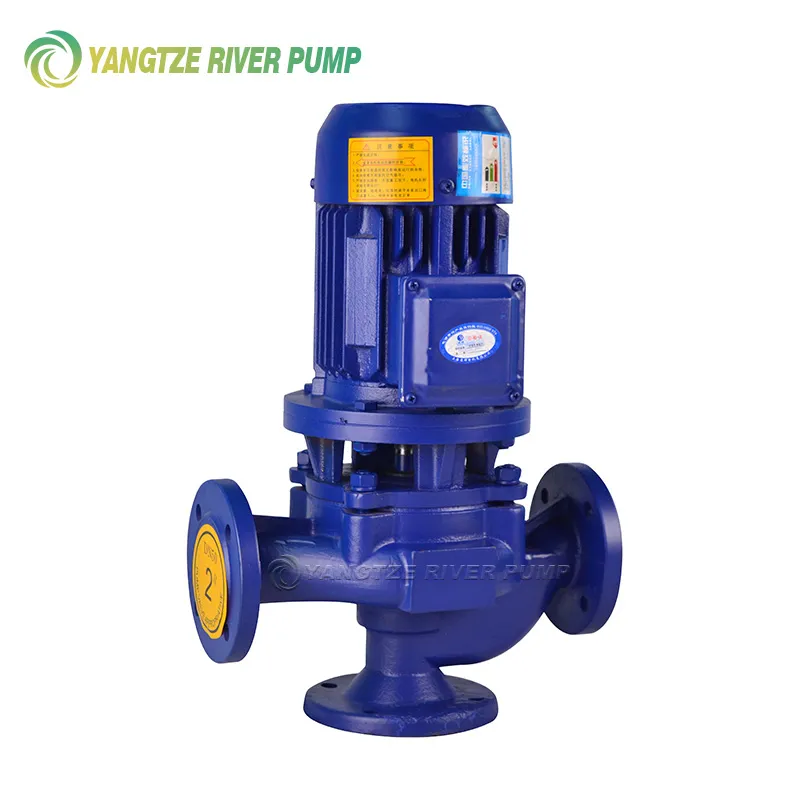 Pipeline wastewater pumps GW
-
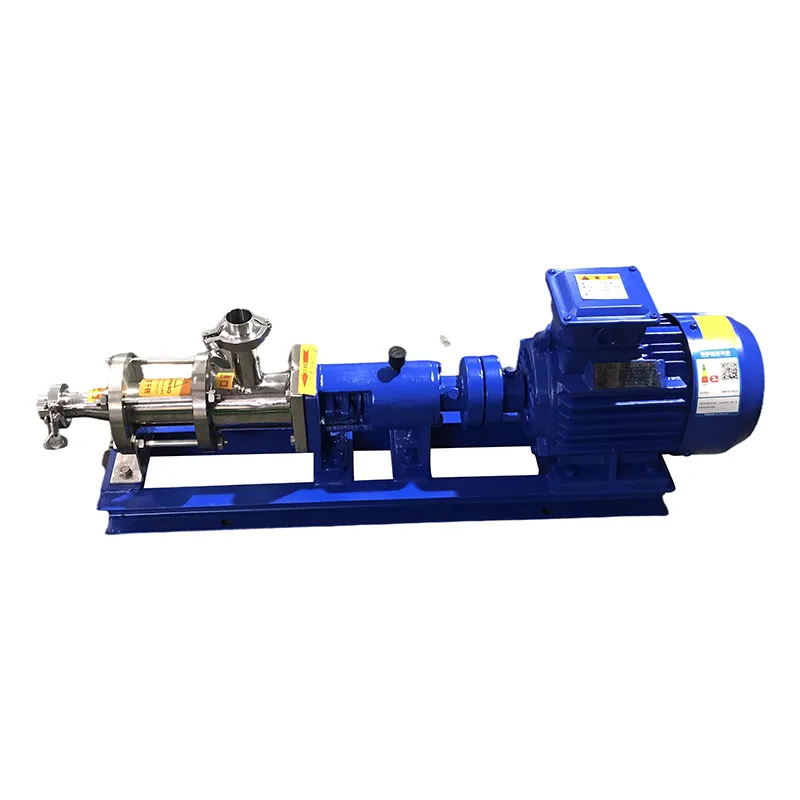 Sanitary screw pumps type GF
-
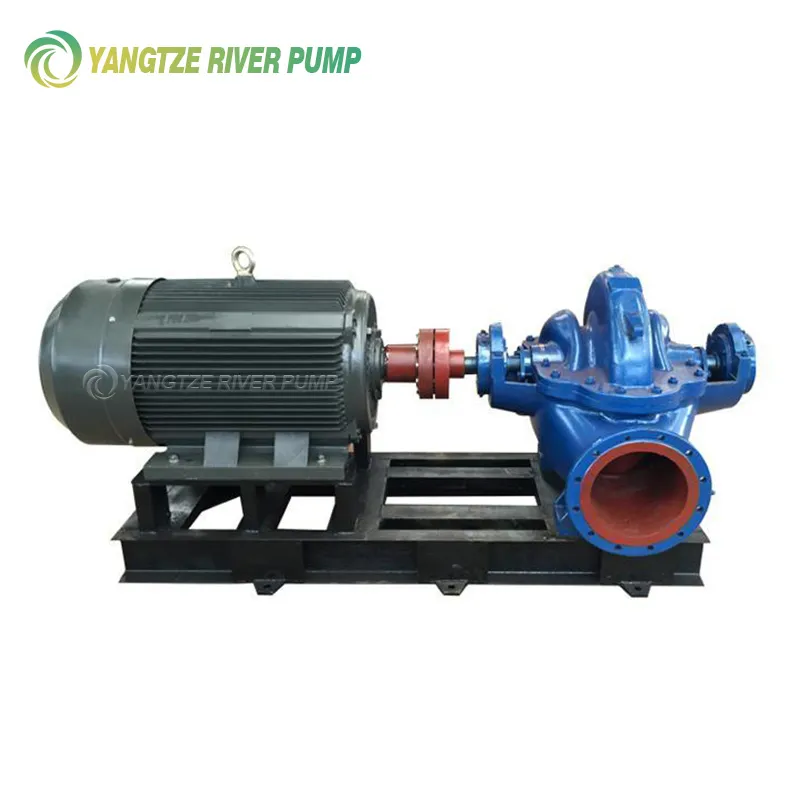 Single Stage Double Entry Centrifugal Pumps Type S
-
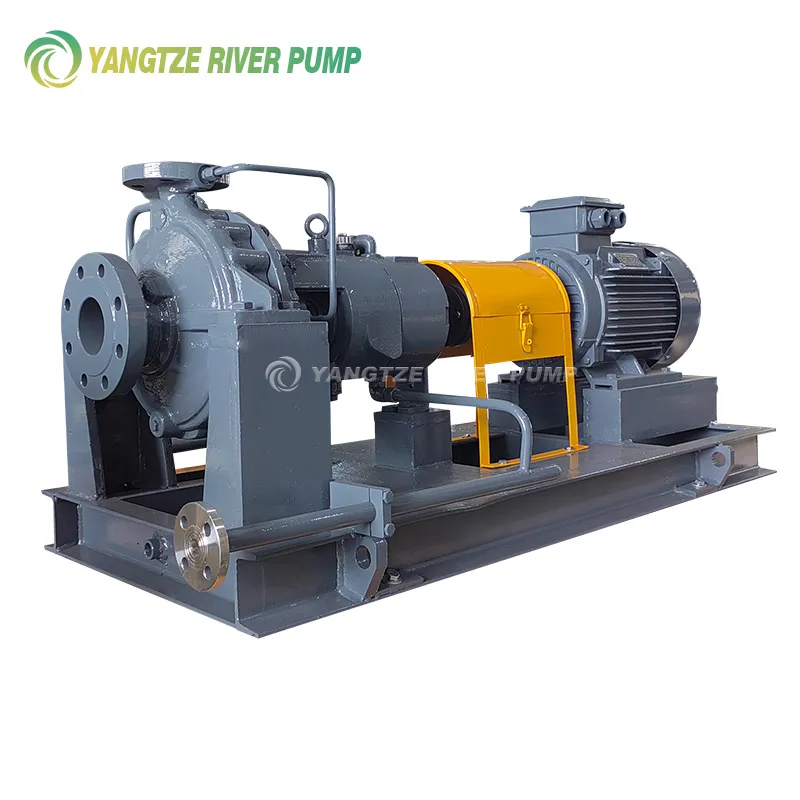 Petrochemical Process Pumps API 610 YZE
-
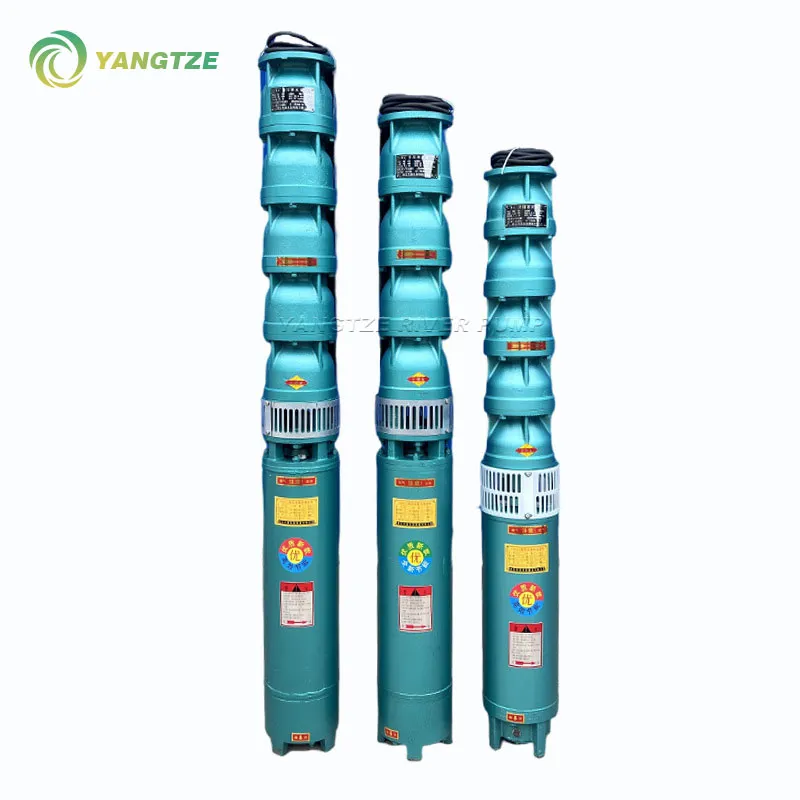 QJ type borehole pumps
-
 YCB Type Circular Gear Pumps
-
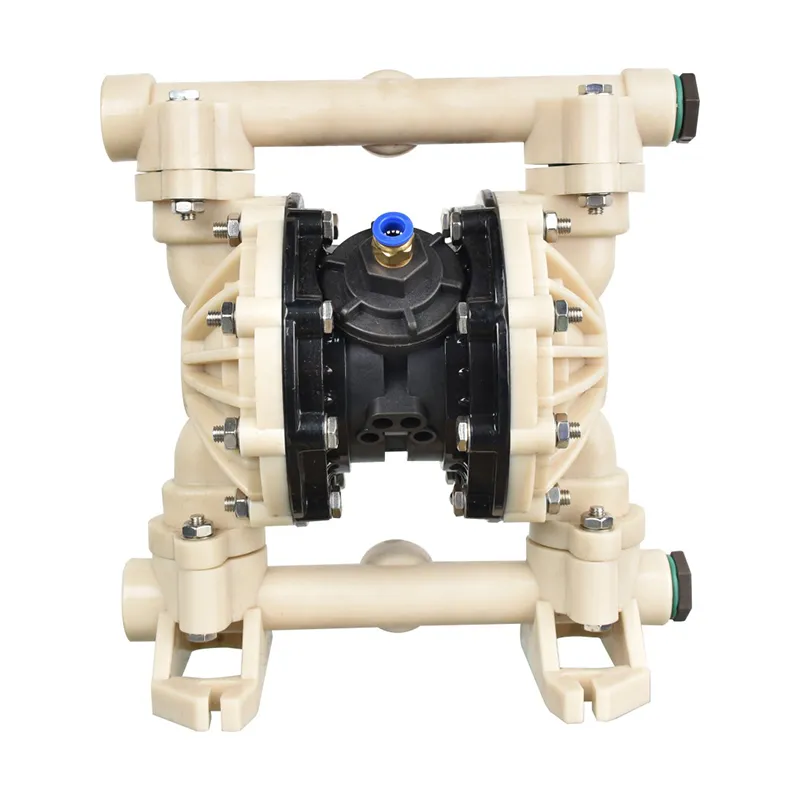 QBK Non-Metallic Air Operated Diaphragm Pumps
-
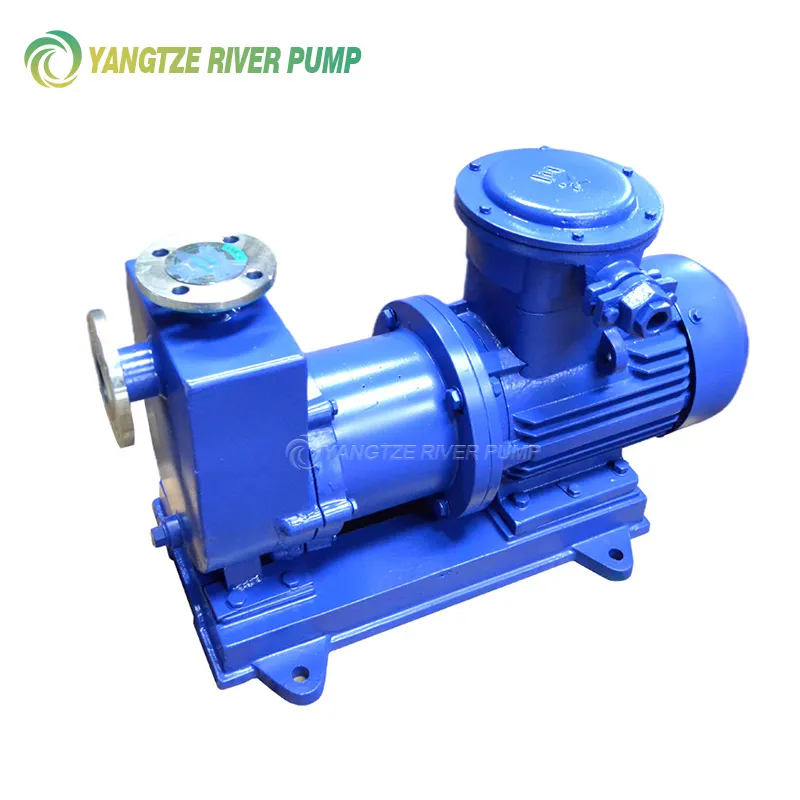 ZCQ Stainless Steel Self-Priming Magnetic Pumps