







deep well pump 60
When you hear “deep pump 60”, the first thing that comes to mind is probably the productivity, 60 cubic meters per hour. And this is a common mistake, which later causes problems on site. In fact, this figure in the names of many manufacturers can mean different things: both the approximate pressure in meters and the diameter of the casing in millimeters to which the pump fits. At Zhejiang Yangzijiang Pumping Industry LLC, for example, we have models in our lineup where 60 is more of a conventional index of the series, combining devices with a certain range of parameters for medium-depth wells. But clients often call and immediately ask: “I need a deep-well pump 60, what do you have?” We have to find out: what kind of well is it, what is the static/dynamic level, flow rate, casing diameter. Without this conversation, finding something adequate is playing the lottery.
What is hidden behind the number on the nameplate?
Look, let's take oursdeep well pumpfrom the series, let's call it YQ...60. We position it for wells from 80 to 120 meters, with a nominal flow of about 4-5 m3/h. Why ?60?? Historically, from the old model line, where the index grew with increasing pressure characteristics. Now this is just a marker for our managers and dealers to quickly navigate the catalog. But the technical documentation, of course, contains all the real numbers: Q-H curves, power, recommended operating range. The key is compliance not with the name, but with the graphics. I have seen many cases when a “sixty” was brought to the site. from another plant, which produced its 60 m3/h, but when the voltage in the network dropped, its real productivity collapsed, and the well simply did not have time to fill. The pump began to work with overload, running dry, and eventually failed. So our first task is to explain that you need to look not at the number in the name, but at the passport data and operating conditions.
During production on our assembly lines for this category of pumps, we use rotors with a certain number of stages - usually from 20 to 40, depending on the target head. Material is 304 stainless steel; for aggressive environments we offer 316L, but this is an individual order. An important point is calibration and balancing. If for surface pumps a slight vibration is not so critical, then for a deep-well pump hanging on a cable at a depth of a hundred meters, an imbalance is a guaranteed reduced life of both the bearings and the impellers themselves. On our test bench everypumpis tested for vibration and noise, the data is entered into the card. This is not for show, believe me. Once we were setting up work for a client who bought our device but complained about noise. We arrived and lifted it up - it turned out that during installation the protective mesh on the suction was damaged, sand had filled in, and one stage began to jam. Balancing had nothing to do with it, but without testing at the factory, we could not be sure of the initial serviceability of the unit and would have spent time not diagnosing the installation, but searching for manufacturing defects.
Another nuance is the cable. We always include a cable with a water seal designed for the full length of the immersion. But often installers, especially if the well is deeper than the design one, build it up with ordinary wire, twisting, and electrical tape. Then, six months later, a call: “The pump has burned out?” Open it up - there is moisture in the joint. Now we especially emphasize this point in instructions and consultations. For models typedeep well pump 60We recommend only soldering followed by two-layer shrinkage in heat-shrinkable tubes with an adhesive layer. Trifle? No, this is exactly the detail that causes projects to fail.
From the workshop to the site: where theory meets practice
We had an interesting case in the Moscow region. The customer, the drillers, made a well, ordered a pump from us according to their technical specifications - just from the series with index 60. According to the passport, everything matched. We installed it, launched it - and it produces less than the declared pressure, although in terms of depth and flow rate everything should have been normal. We started to figure it out. It turned out that the drillers, in order to save money, used a casing pipe not of 125 mm, as indicated in the application, but of 110 mm. The difference in diameter is only one and a half centimeters, but for a centrifugalsubmersible pumpthis is critical - the hydrodynamics of the flow around the housing changes, resistance increases, the pump begins to operate at an off-design point on the characteristic curve, overheats, and efficiency drops. I had to raise it and change the model to a thinner one with a different caliber of steps. The client, of course, was not happy with the additional costs, but this was a lesson for everyone: our managers now require not only a well passport, but also a photo of the casing with a ruler before the final selection of the model.
Here is a case that forced us to reconsider our approach to testing for certain regions. We shipped a batch of pumps, including several “sixties”, to one of the southern regions of Russia. After a few months - complaints: productivity drops. The analysis showed lime deposits on the impellers and diffusers. The water turned out to be very hard, which the customer kept silent about. We have now included a point about chemical analysis of water in the selection questionnaire. And for such conditions, we offer either periodic acid washing (with clear instructions so that the seals do not corrode), or, if the budget allows, a version with wheels made of special composite materials that are less susceptible to scale deposits. This is not a massive story, but it shows that even a well-designedpumpmay not be able to cope with unexpected environmental conditions.
About service. Structurally, modern deep-well pumps are non-dismountable devices in field conditions. If something happens, pick it up and take it to service. But there are elements that can and should be controlled. For example, starting protection automation. Often they install the simplest pressure and dry-running relays, saving on a voltage stabilizer. And then they wonder why the engine burned out during a power surge. On our website yangtzeriverpump.ru in the support section we have posted typical wiring diagrams with recommended models of stabilizers and frequency converters. Fordeep well pump 60with its power this is especially true. The frequency switch, by the way, not only protects, but also allows you to smoothly adjust the performance, adjusting to the actual flow rate of the well, which extends the life of the entire system.
Editing mistakes we see over and over again
It would seem that it couldn’t be simpler: lower the pump on the pipe, connect the cable, secure the cable. But no. The most common problem is incorrect suspension. The pump must hang strictly vertically, without touching the walls of the casing. We saw objects where it was simply thrown to the bottom of the well or tied with a cable so that it hit the pipe every time it was launched. The resource is reduced significantly. The second is the absence of a check valve immediately above the pump. Without it, when stopping, the column of water goes back, and the next time the device is started, it experiences a water hammer, plus the wheels spin idle, without load. We complete our products with a standard brass valve, but installers sometimes remove it, considering it an unnecessary element. In vain.
Another story about cable. It must be fixed to the pressure pipe with ties every meter and a half. If you leave it dangling freely, then when lowering/ascending it may rub against the edge of the casing or get tangled. Once they pulled out a pump that they couldn’t lift - the cable was wound around the device so that a tight knot was formed. We had to call a drilling rig to move the column. Expensive and long. We now discuss all these points in detail in technical briefings for our installation partners.
And about the cable. Galvanized steel is the minimum option. For serious depths and aggressive environments, stainless steel is better. And the fastening should not be anyhow, but with the help of special clamps that do not fray the cable itself. At the factory we use a double loop with a stainless steel clamp. I saw how some “specialists” tied with ordinary aluminum wire. After a year or two, corrosion and breakage occur at the point of contact with water. The pump remains at the bottom of the well. An expensive operation to raise it, if possible at all.
An inside look: how we test before we ship
Our test bench is not just a tank of water. This is a closed loop where we can simulate different modes: changes in depth (inlet pressure), changes in flow, voltage surges. Everyonedeep well pump, before being put into packaging, it undergoes a minimum two-hour run-in. We take actual parameters and compare them with the passport curve. Deviation tolerance – no more than 5%. It happens that the pump assembly shows slight vibration. It is not sent for modification immediately - first it is disassembled and the balancing of each shaft and wheel assembly is checked. Sometimes the problem is in one specific bearing or in the fact that one wheel sat on the shaft during pressing with a microscopic misalignment. Replacement - and the device is back on the stand.
Particular attention is paid to sealing. After hydraulic testing, we pressure check the tightness of the cable entry and connector. We immerse the upper part (where the electrical compartment is) in water and apply excess air pressure, observing the bubbles. The slightest leak - into reassembly. This may seem excessive, but for a client who is changing a pump in a well 100 meters deep, this is not a matter of money, but of time and enormous hassle.
For series typepump 60We also randomly conduct endurance tests. We take a random specimen from the batch and run it in a mode close to maximum load for several days. Not for certification, but for yourself. To understand where the weak points may be during long-term continuous operation. Once such tests revealed that in a certain type of o-rings, after 500 hours of operation, a loss of elasticity began due to overheating in the upper part of the engine. We installed rings made of a different, more heat-resistant material. The problem is gone. This is something that you will never see in a standard data sheet, but which directly affects reliability.
Results: so what is a “deep pump 60”? in reality
Let's go back to the beginning. For me, after all these years and hundreds of units shipped,deep well pump 60is not a model, but rather a class of problems. This is a request for a reliable water supply from a deep well for a private home, a small farm or an industrial site where a stable supply of several cubic meters per hour is needed. This is a device that should work without fuss and unnecessary attention for years in the darkness and cold of underground waters.
At Zhejiang Yangzijiang Pump Industry Co., Ltd., we approach it not as a commodity item with a code, but as an engineering product. From R&D, where hydraulics are calculated and materials are selected, to the production line, where the operator monitors the tightening torque of the nuts on the flange, and to testing, where the foreman listens to the noise of the operating unit. And of course, until those very conversations with the client, where you need not just to sell a box, but to get to the bottom of his needs: what kind of well, what kind of water, what kind of automation.
Therefore, when the request “need your sixty?” comes in now, I already know that the dialogue is just beginning. And it’s good if it starts before the purchase, and not after something went wrong. Ultimately, the correct selection and installation means saving not on the price of the pump, but on its service life and the absence of problems. And this, perhaps, is the main parameter, which is not indicated in any specification.
Correspondingproducts
Related Products

Best Sellingproducts
Best Selling Products-
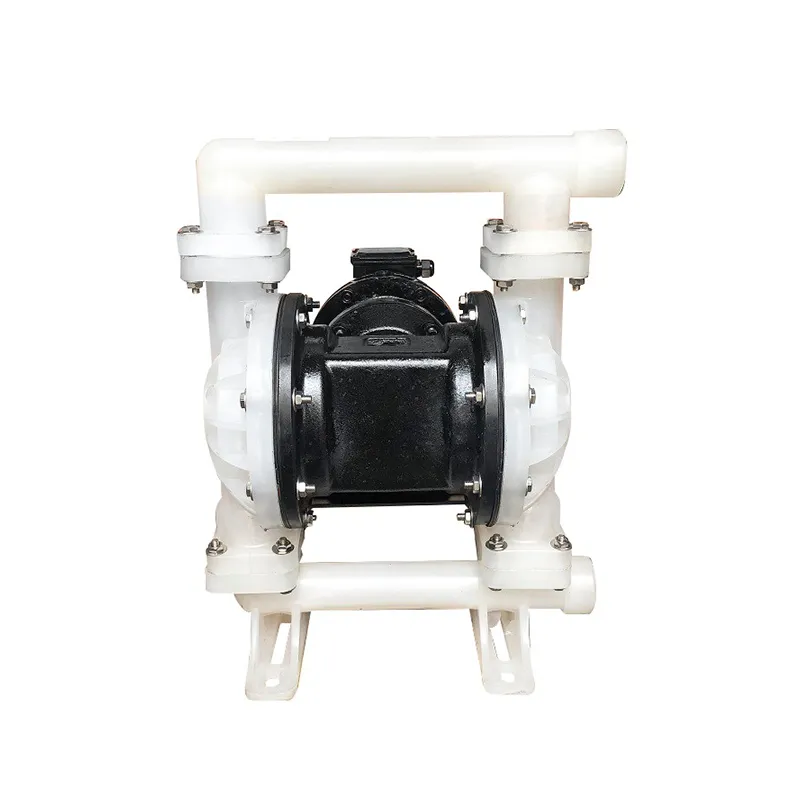 DBY Non-Metallic Electric Diaphragm Pumps
-
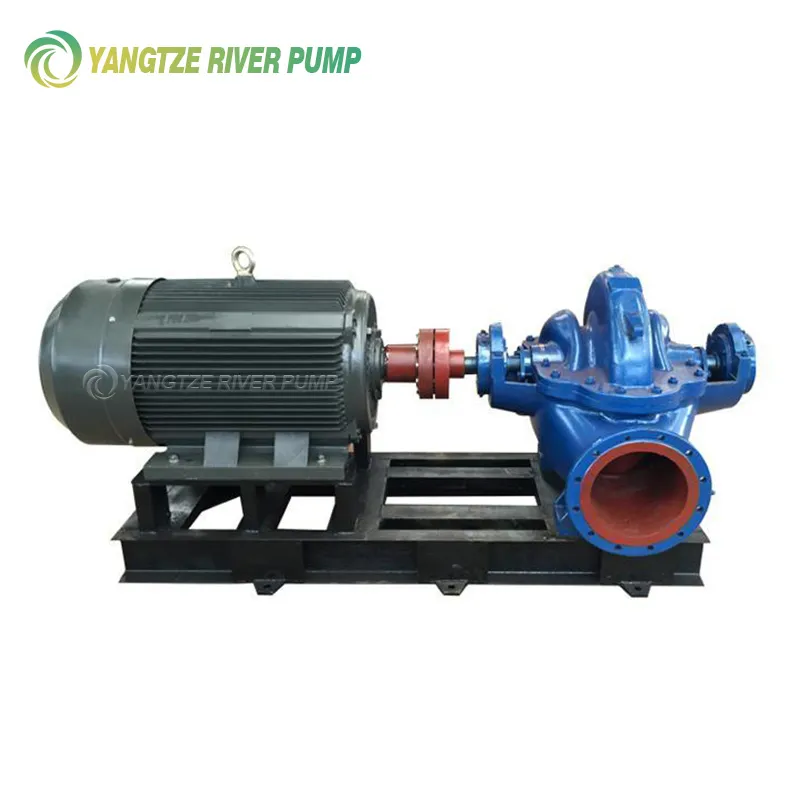 Single Stage Double Entry Centrifugal Pumps Type S
-
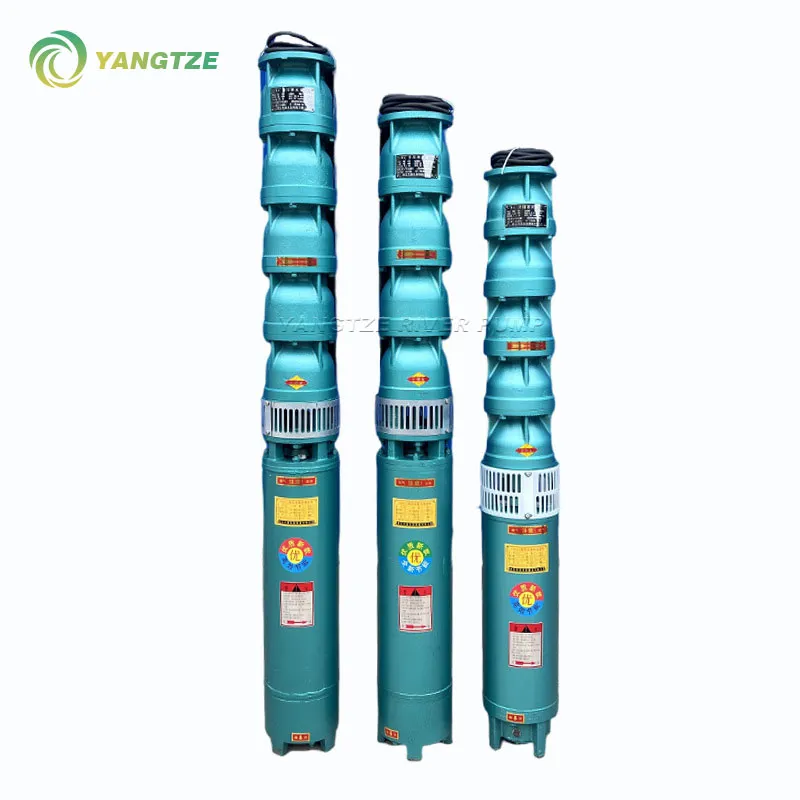 QJ type borehole pumps
-
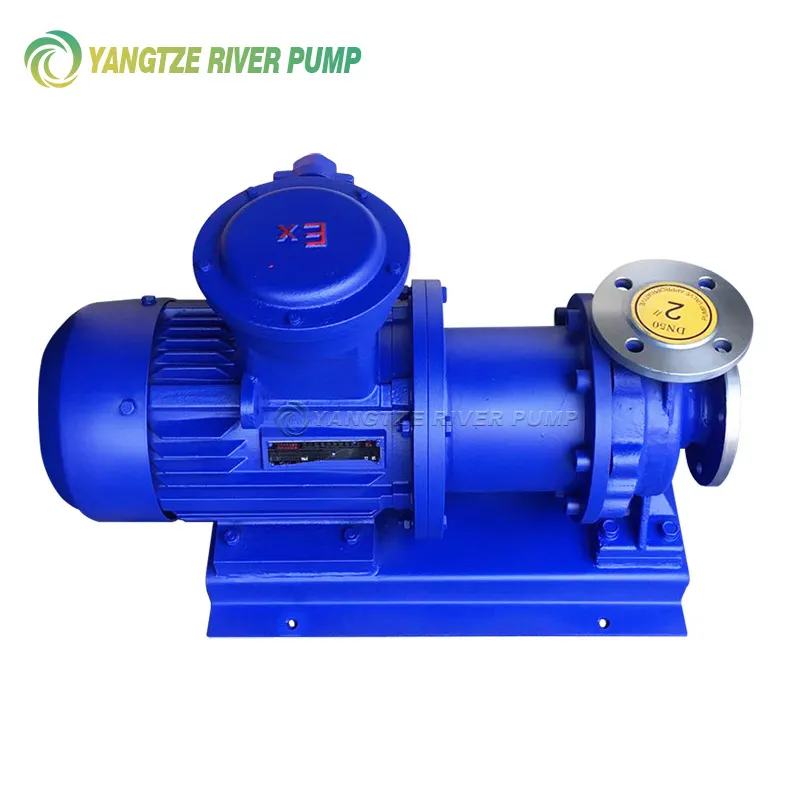 CQB Stainless Steel Magnetic Pumps
-
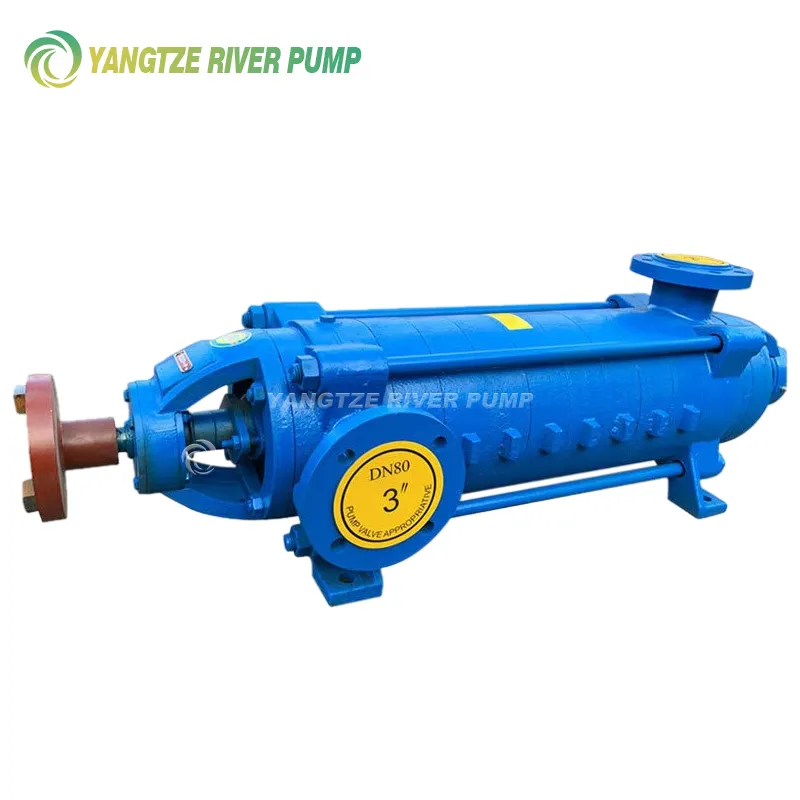 Horizontal multistage pumps for feeding DG boilers
-
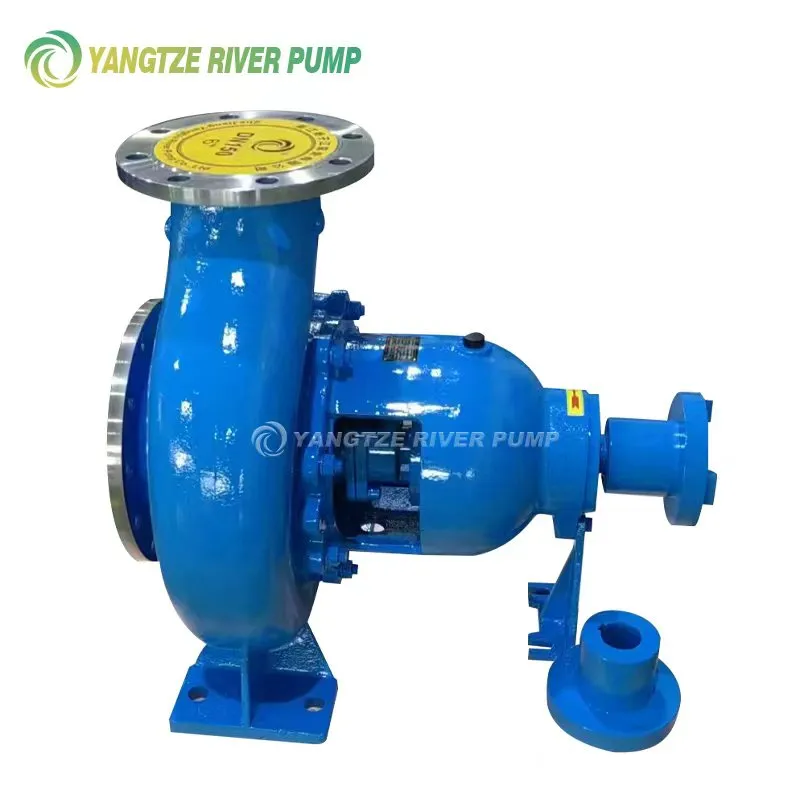 IH Stainless Steel Chemical Centrifugal Pumps
-
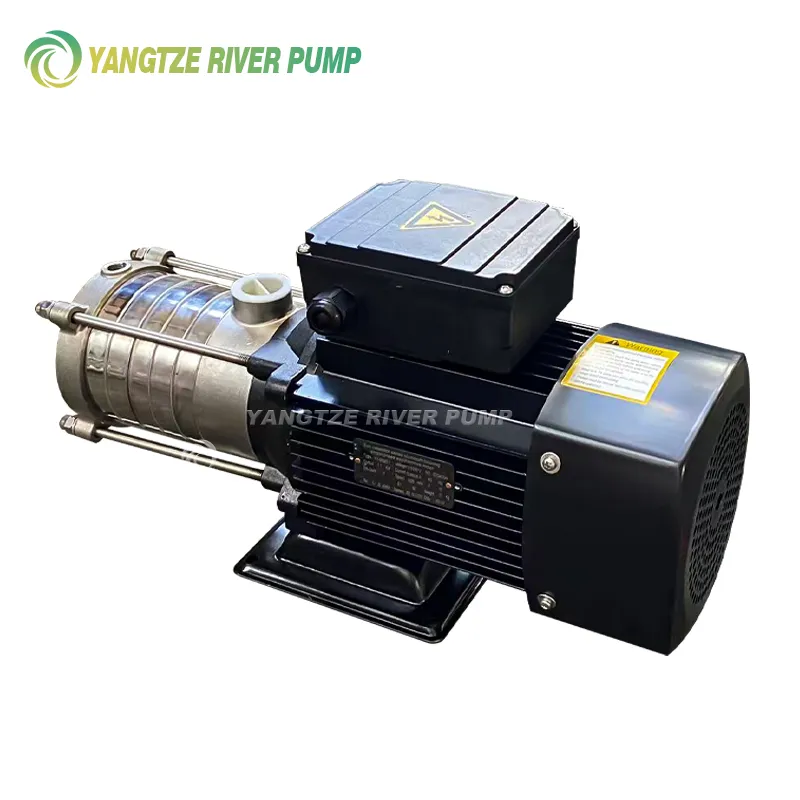 Horizontal multistage centrifugal pumps (light series) CHL and CHLF
-
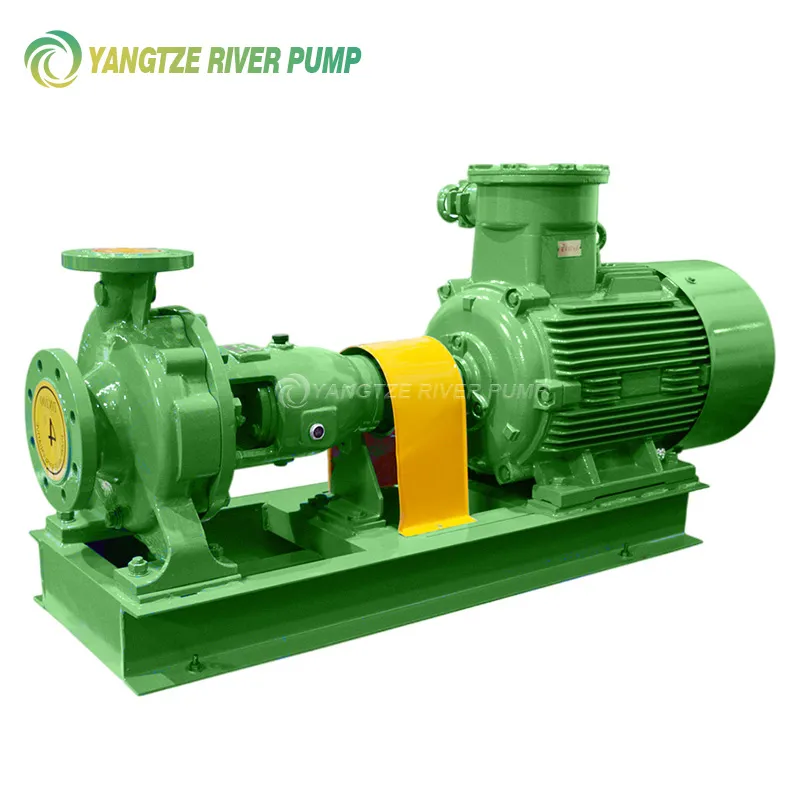 YCZ Chemical Process Pumps
-
 Corrosion-resistant stainless steel centrifugal pumps SFB and SFBX
-
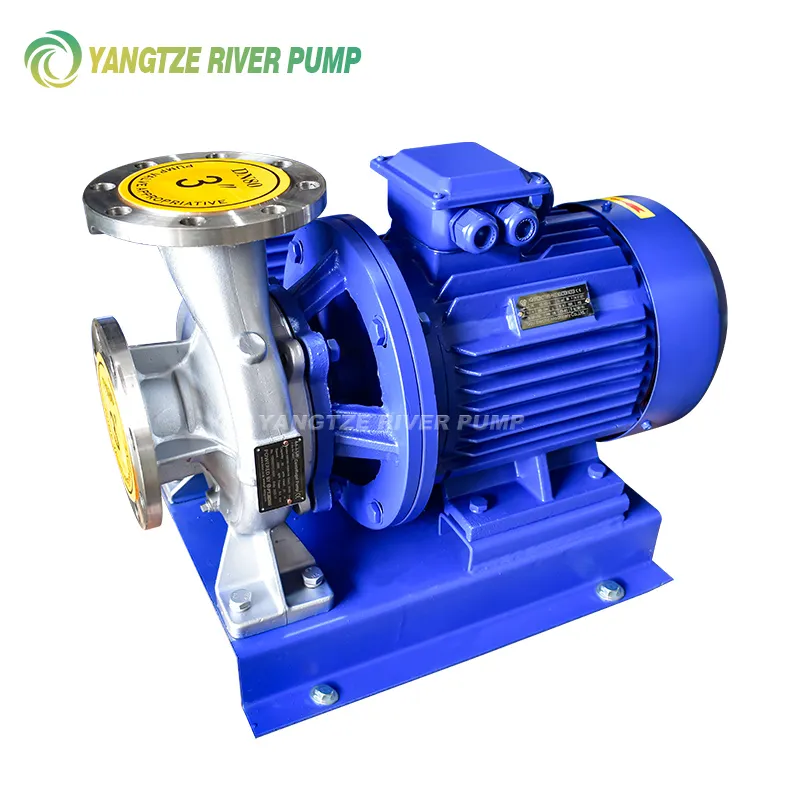 ISW and ISWH Single Stage Horizontal Pipeline Centrifugal Pumps
-
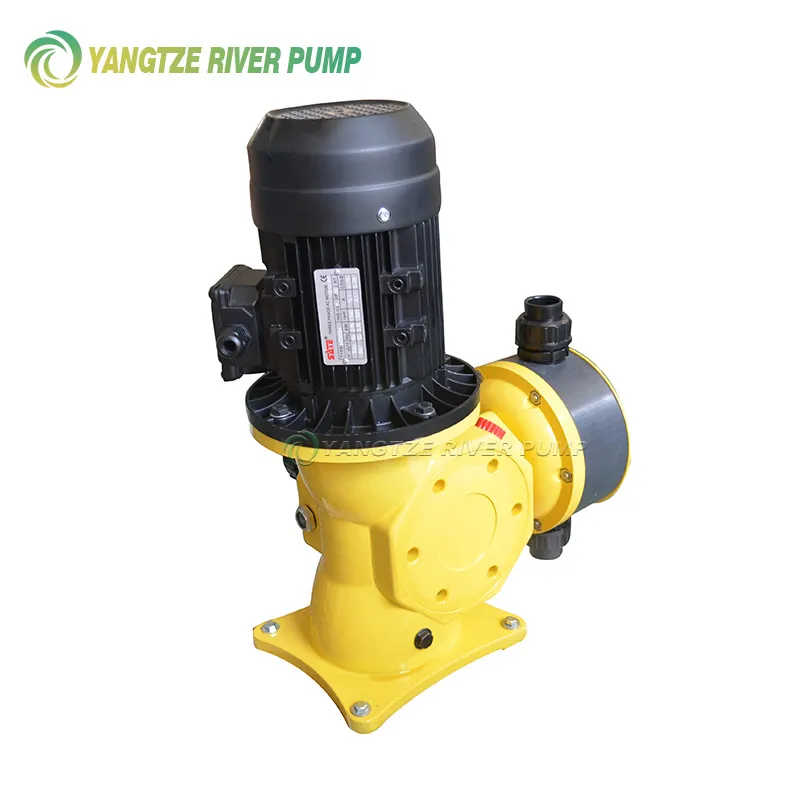 Mechanical diaphragm dosing pumps DJ-D
-
 YCB Type Circular Gear Pumps